Building Hearth AI: Foundations and Vision
I vividly remember the thrill of building a solar-powered racing car—an experience that shaped my approach to founding Hearth AI. It was all about pushing boundaries and connecting technology with human potential. In this episode, I share insights from my journey as a builder, from my diverse technical background to founding Hearth AI in 2022. We'll dive into innovative concepts like relational intelligence, the 'second brain', and how AI tools like Codex and GPT 3.5 are revolutionizing our daily work. Get ready to explore the vision and foundations of Hearth AI and see how AI can truly transform human experience.
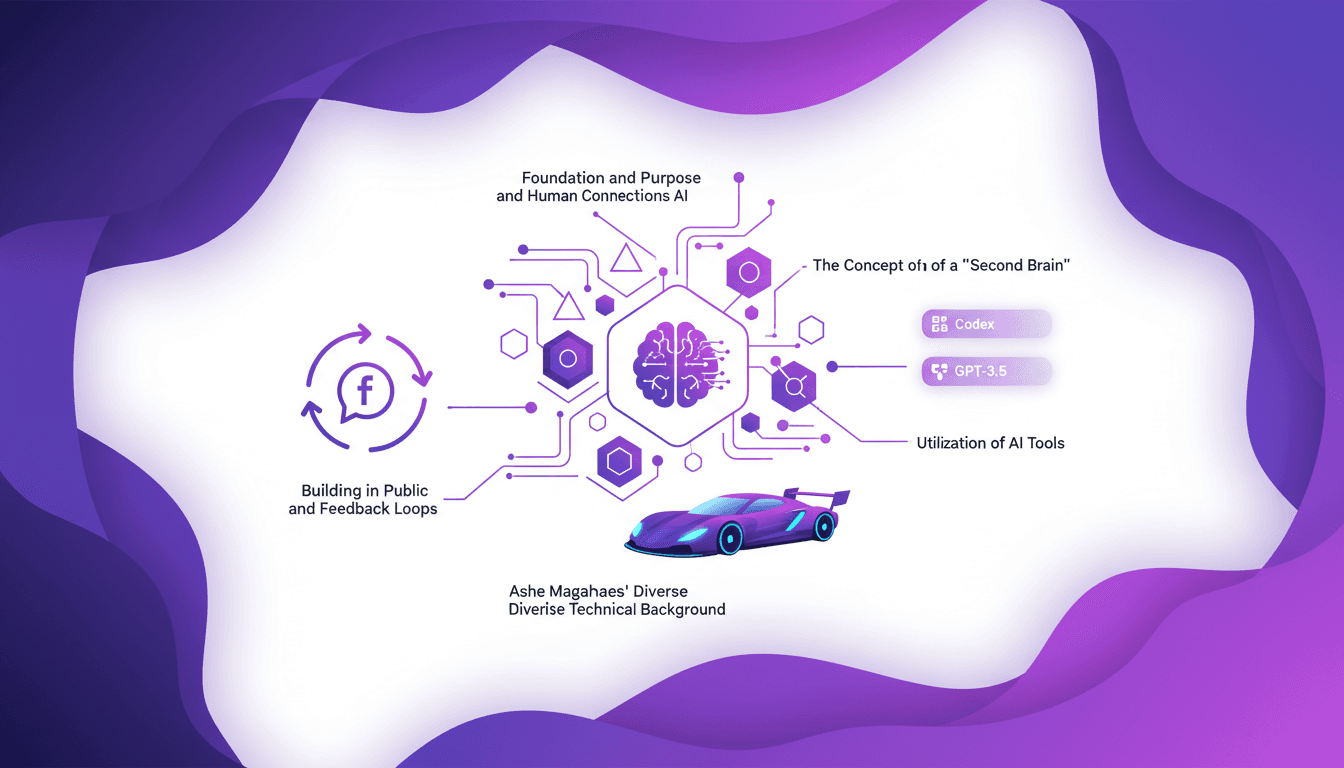
I remember the rush of building a solar-powered racing car—it was more than a project; it was a playground for pushing boundaries and connecting technology with human potential. That experience shaped my approach to founding Hearth AI in 2022. In this article, I'll take you through my journey as a builder. We'll explore concepts like relational intelligence, the 'second brain', and how AI tools like Codex and GPT 3.5 are fundamentally changing the way we work. I'll also touch on building in public and feedback loops, crucial to not getting stuck in your own ideas. So, if you're ready to understand how Hearth AI leverages AI to augment human experience, keep reading.
Foundation and Purpose of Hearth AI
In 2022, Hearth AI was founded with a clear mission: to enhance human connections through AI. Often, AI is discussed in the context of automation, but at Hearth AI, we focus on relational intelligence. Essentially, how can AI understand and improve human interactions? This is where our concept of Agentic CRM comes in—a system where AI acts as an agent to streamline relationship management. Initially, we spent two months establishing a stable foundation, crucial for our future growth. Our approach is iterative, learning from each build to refine our tools and processes.
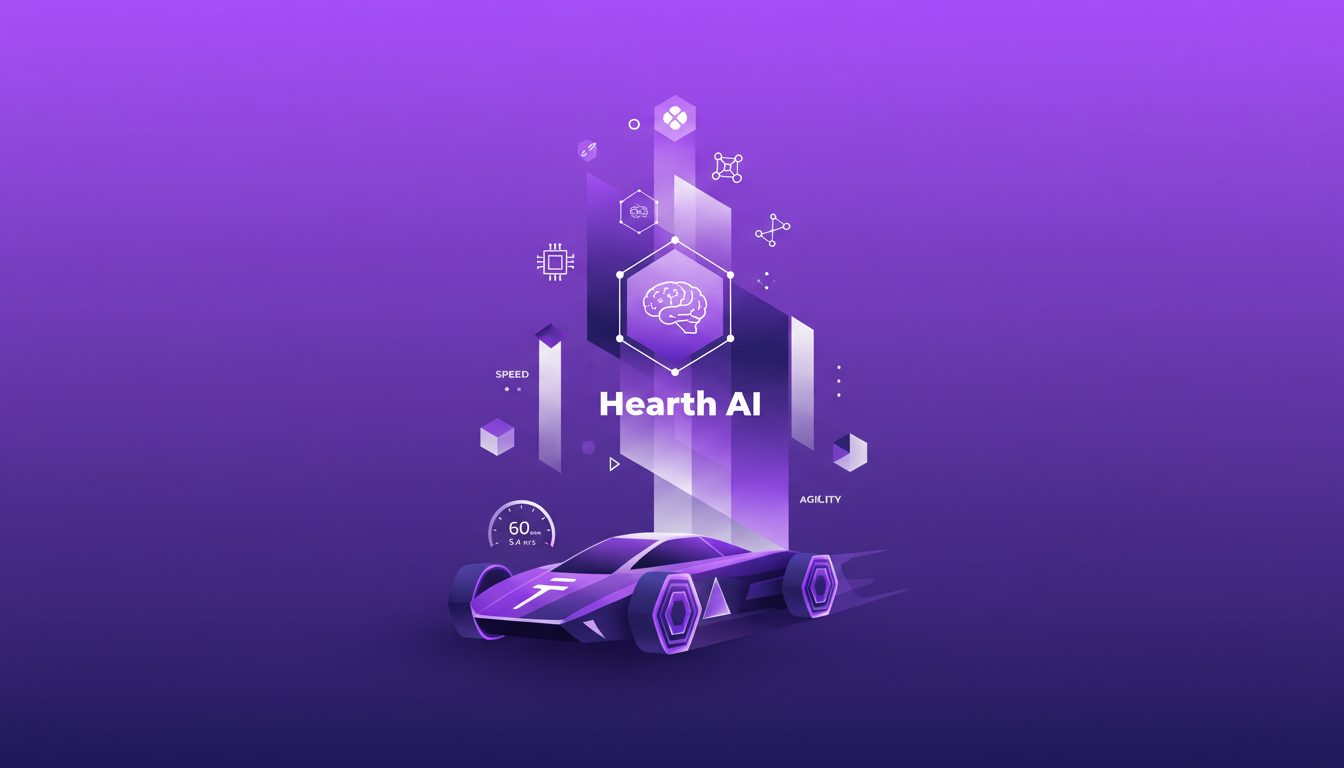
We began by establishing a solid base on which we could build. Without this foundation, nothing we have achieved would have been possible. We started by setting up robust processes to ensure that every interaction with AI is as natural and seamless as possible. It's like building a house: without good foundations, it collapses.
Diverse Technical Background and Solar Car Experience
My technical journey began with building a solar-powered racing car. Going 60 mph was a real game changer. This project taught me the importance of speed (5.4) and agility in problem-solving. These diverse skills in engineering and AI have been pivotal in shaping Hearth AI. I apply lessons from that project to AI development—efficiency and innovation are key.
Participating in the Bridgestone World Solar Challenge in Australia, where I drove the car I helped build from Darwin to Adelaide over five days, was a formative experience. We learned to balance speed and reliability, a crucial equilibrium in both racing and AI development. The key takeaway was the importance of risk management and teamwork, elements that have been transposed into my later work in deep tech.
Relational Intelligence and the 'Second Brain'
Relational intelligence focuses on enhancing human connections through AI. The 'Second Brain' concept helps manage information overload by organizing data intelligently. First, we integrate AI into daily workflows to augment rather than replace human capabilities. But watch out for over-reliance on AI—human intuition is still vital.
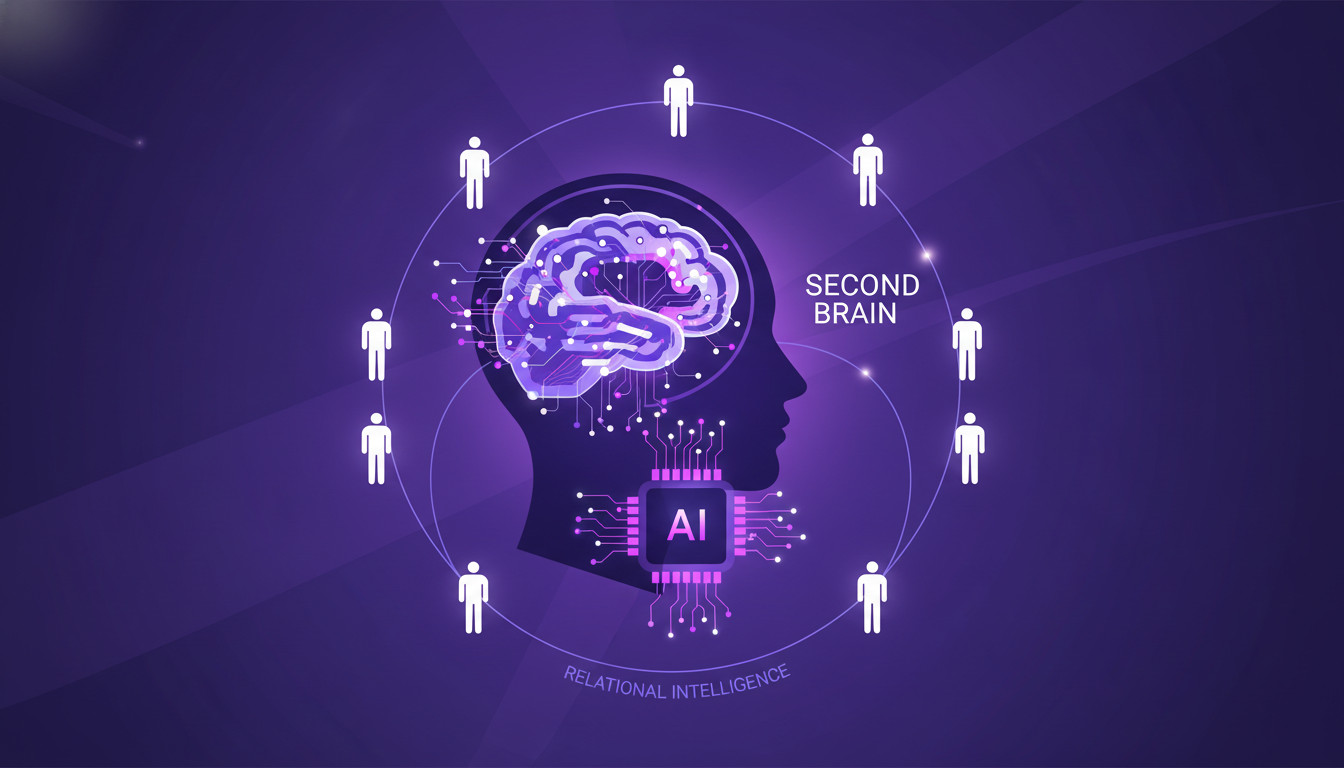
The efficiency gains are clear, but maintaining a balance between AI and human input is essential. Our 'Second Brain' is there to lighten the cognitive load, but the real magic lies in the symbiosis between man and machine.
Building in Public and Feedback Loops
At Hearth AI, we embrace transparency by building in public to gather real-time feedback. Feedback loops are integral—each iteration improves our product based on user insights. We start by releasing MVPs, then iterate based on community input. This method saves time and resources, while staying closely aligned with user needs.
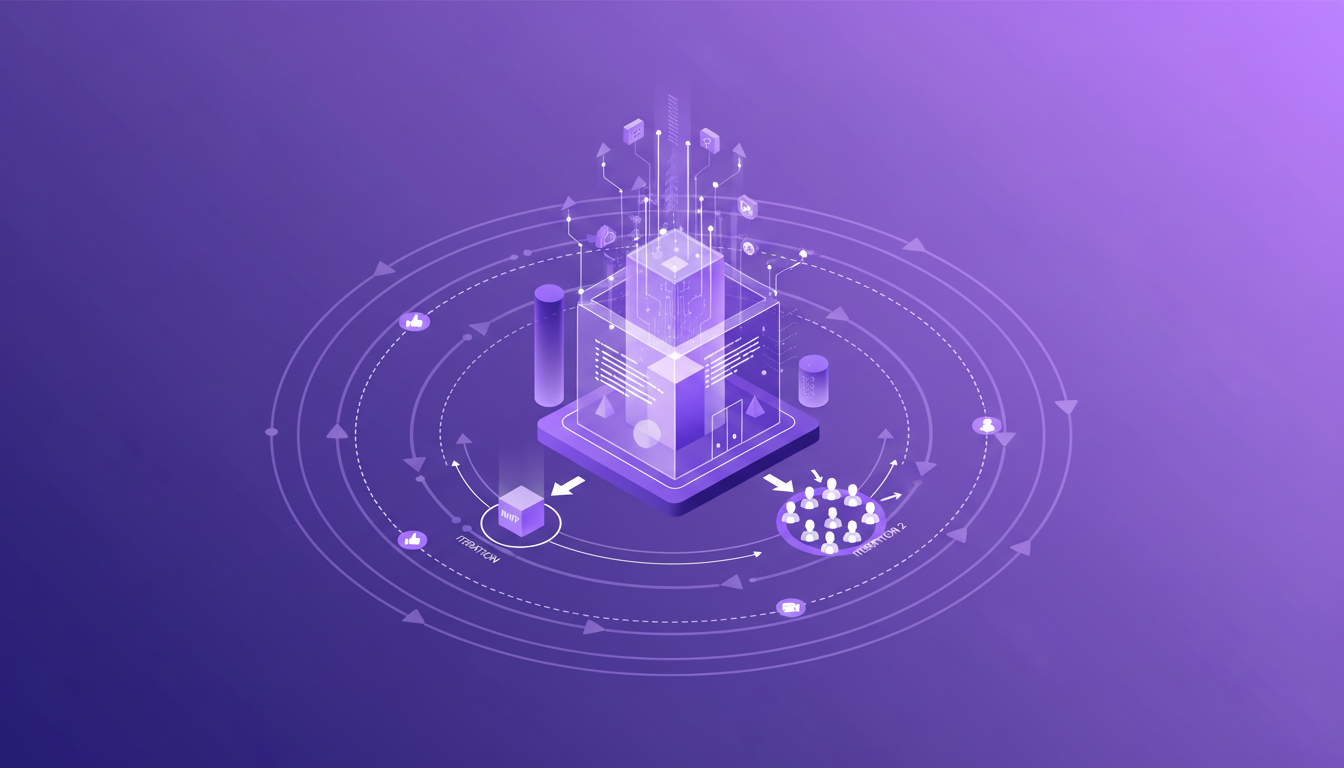
Trade-offs exist: it can be challenging to filter useful feedback from noise. But by building in public, we strengthen trust and ensure our product evolves in line with real expectations.
Utilizing AI Tools and Future Prospects
We leverage AI tools like Codex and GPT 3.5 to enhance our systems. These tools offer powerful capabilities, but require careful orchestration to avoid token overload. First, we integrate these tools into our workflow, then monitor their impact on productivity.
The future of AI is promising but requires mindful integration with human tasks. Watch out for context limits—beyond certain thresholds, complexity increases. This is an area where we continue to experiment and learn, always seeking a better symbiosis between man and machine.
- First, integrate AI into your daily workflow.
- Then, monitor the impacts on productivity.
- Watch out for context limits and overuse.
Building Hearth AI feels like assembling a solar-powered racing car, but with tools like Codex and GPT 3.5 to enhance human capabilities. First off, we established a reliable foundation in just two months, which lets us dive into relational intelligence. It's like solving problems at a speed of 5.4: swift and effective. Then, we leverage Ashe Magalhaes' diverse technical background to create this human-AI symbiosis. Founded in 2022, Hearth AI really pushes boundaries, but watch out—integrating cutting-edge tools like these comes with its own challenges, especially in managing complexity. Looking ahead, we're committed to continuing building in public, augmenting human experience with AI. So join us, share your thoughts and feedback, and let's push further together. For a full dive into our journey and challenges, check out the full episode 'Builders Unscripted: Ep. 2 - Ashe Magalhaes, Founder of Hearth AI' on YouTube: https://www.youtube.com/watch?v=flweA_I-VKE.
Frequently Asked Questions

Thibault Le Balier
Co-fondateur & CTO
Coming from the tech startup ecosystem, Thibault has developed expertise in AI solution architecture that he now puts at the service of large companies (Atos, BNP Paribas, beta.gouv). He works on two axes: mastering AI deployments (local LLMs, MCP security) and optimizing inference costs (offloading, compression, token management).
Related Articles
Discover more articles on similar topics
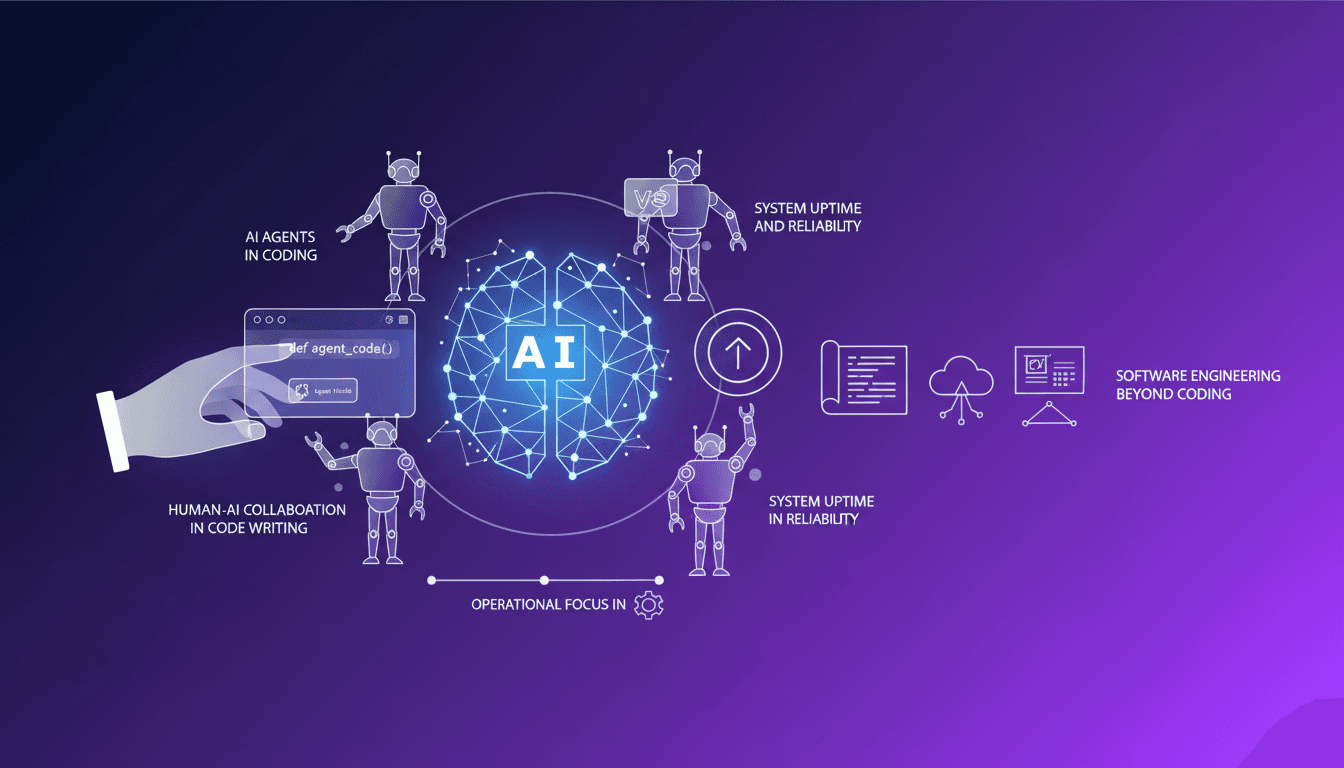
AI and Code: 90% Written by Agents
I never thought I'd let AI write 90% of my code, but here we are. As a GitHub senior engineer, I've embraced AI agents, and it's been a game changer—albeit with its quirks. AI in software development is more than a buzzword; it's reshaping our workflows. I've seen it firsthand, moving from traditional coding to orchestrating AI-driven solutions. We're diving into the impact of AI agents in our field, how it shifts our operational focus, and even boosts system reliability. I've had to adapt, learn from my mistakes (and trust me, I've made a few!), but the leap is worth it. If you've ever used VS Code's Agent Mode, you know what I mean. The future of development is already here.
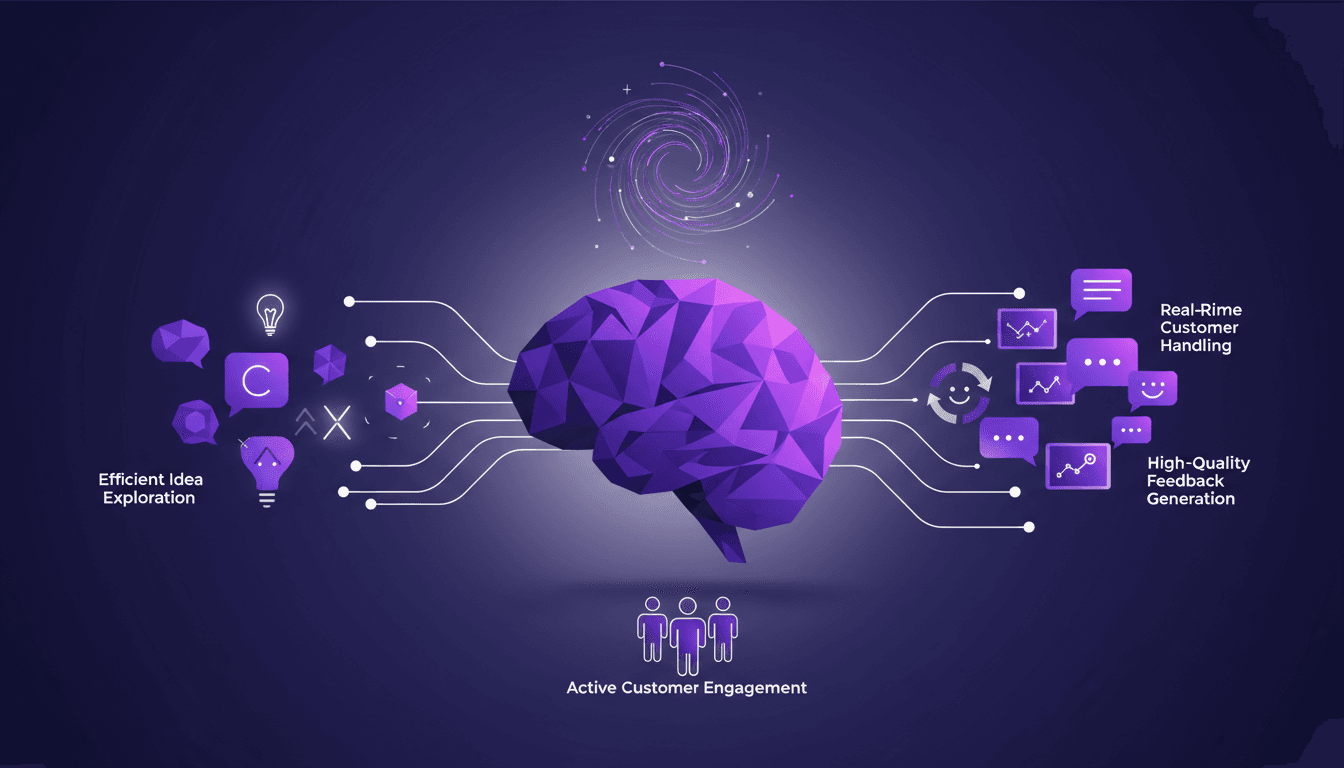
Efficient Idea Exploration with Codex
I still remember the first time I integrated Codex into our workflow at Braintrust. It was like flipping a switch on our innovation process. Ideas that were previously just floating around transformed into concrete prototypes we could test and iterate in real time. In this article, I'll walk you through how Codex has revolutionized our approach to handling customer feedback and innovation. We're talking ultra-efficient idea exploration, real-time feedback handling, and a shortened feedback loop. With Codex, we actively engage our customers and generate high-quality feedback.
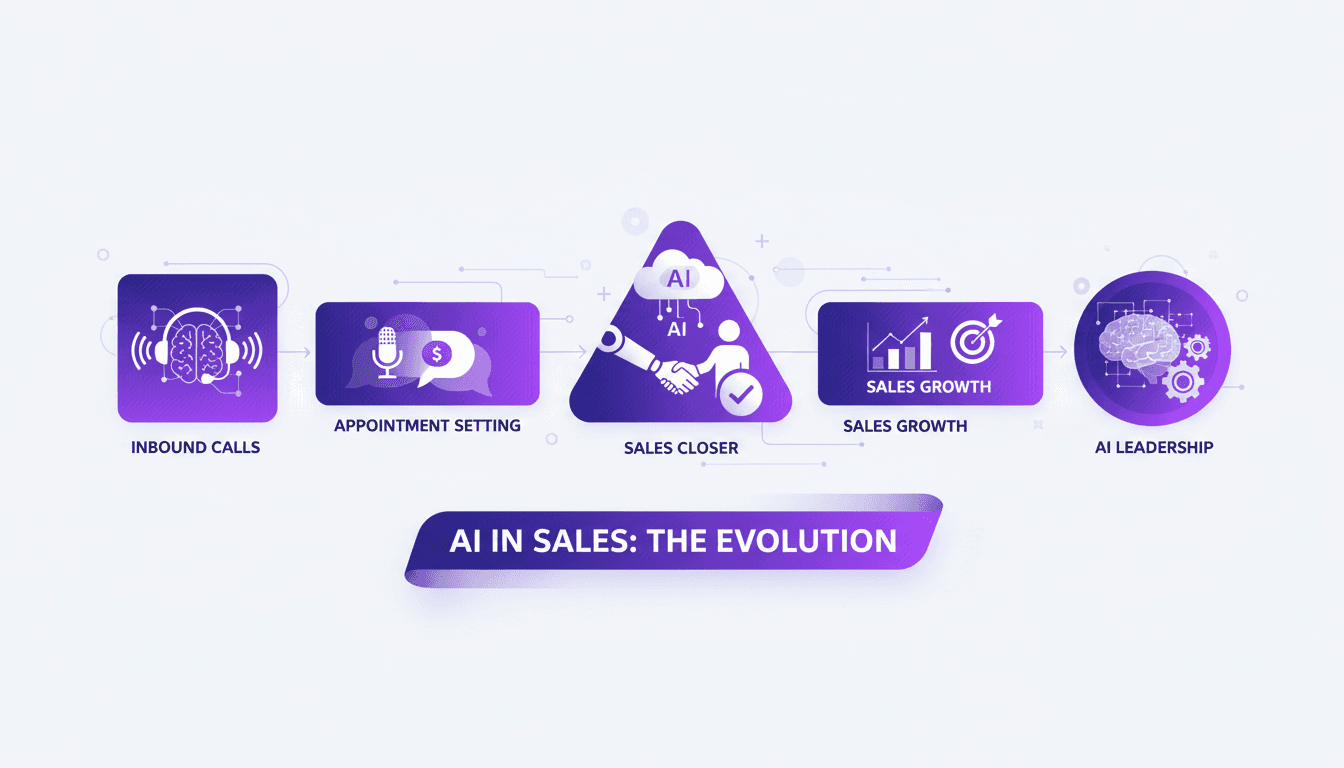
AI in Sales: Automating Inbound Calls
I've been in sales for over a decade, and let me tell you, AI is not just a buzzword anymore—it's a game changer. I've seen it handle calls, close deals, and even set appointments. But it's not all roses; there are limits and trade-offs you need to know. In the next six months, AI is set to revolutionize sales roles. Let's dive into how it's already reshaping the landscape and what you need to watch out for.
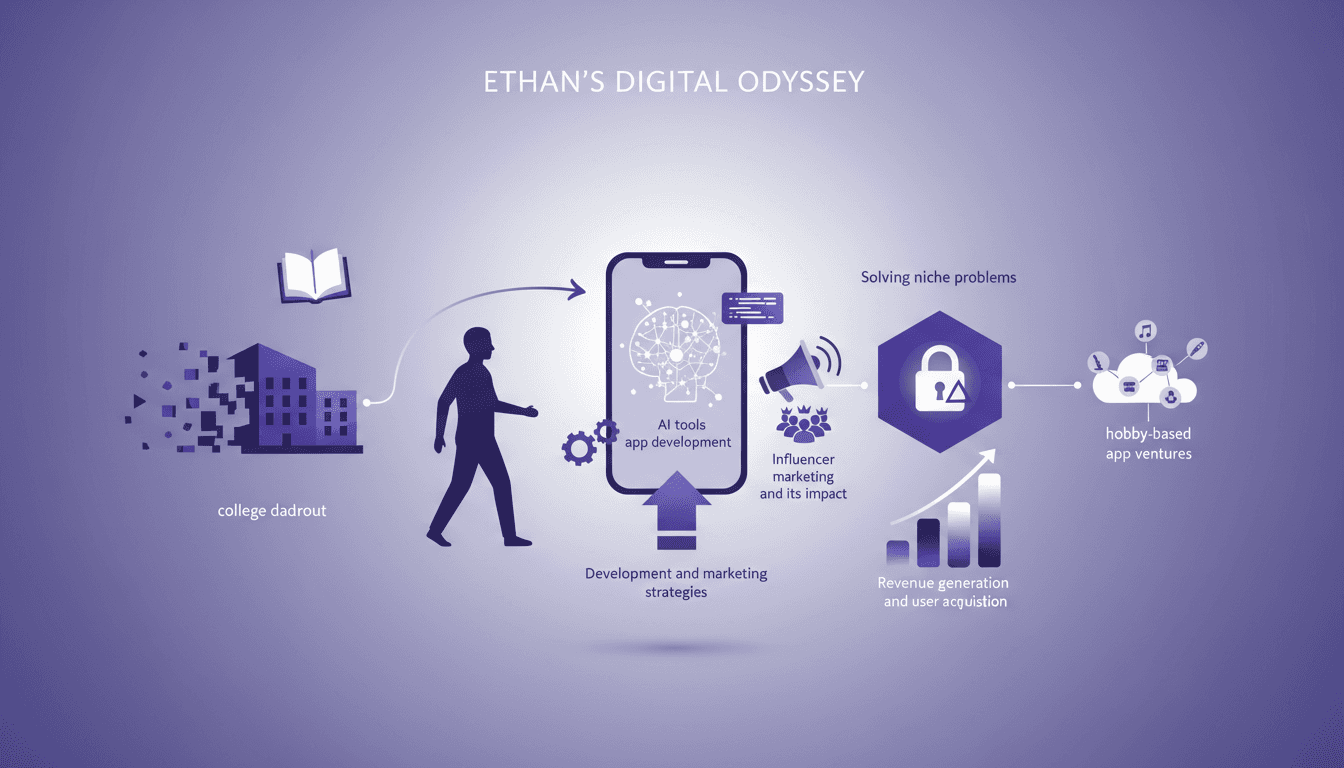
Building a Niche App: $20K/Month Journey
I dropped out of college at 19 to build a wrestling app, and now it brings in $20K a month. How? By connecting AI tools with smart business models and leveraging influencer marketing. The app isn't just a hobby turned business; it solves a real niche problem. Throughout this journey, I navigated between technical development and growth strategies. From setting up a solid architecture to optimizing user acquisition, I learned to orchestrate every aspect. Watch out, it wasn't all smooth sailing: I made mistakes. But now, I'm sharing what I wish I knew from the start. It's an adventure that shows how a passion can turn into a serious revenue opportunity.
Agentic Engineering: Collaborate with AI
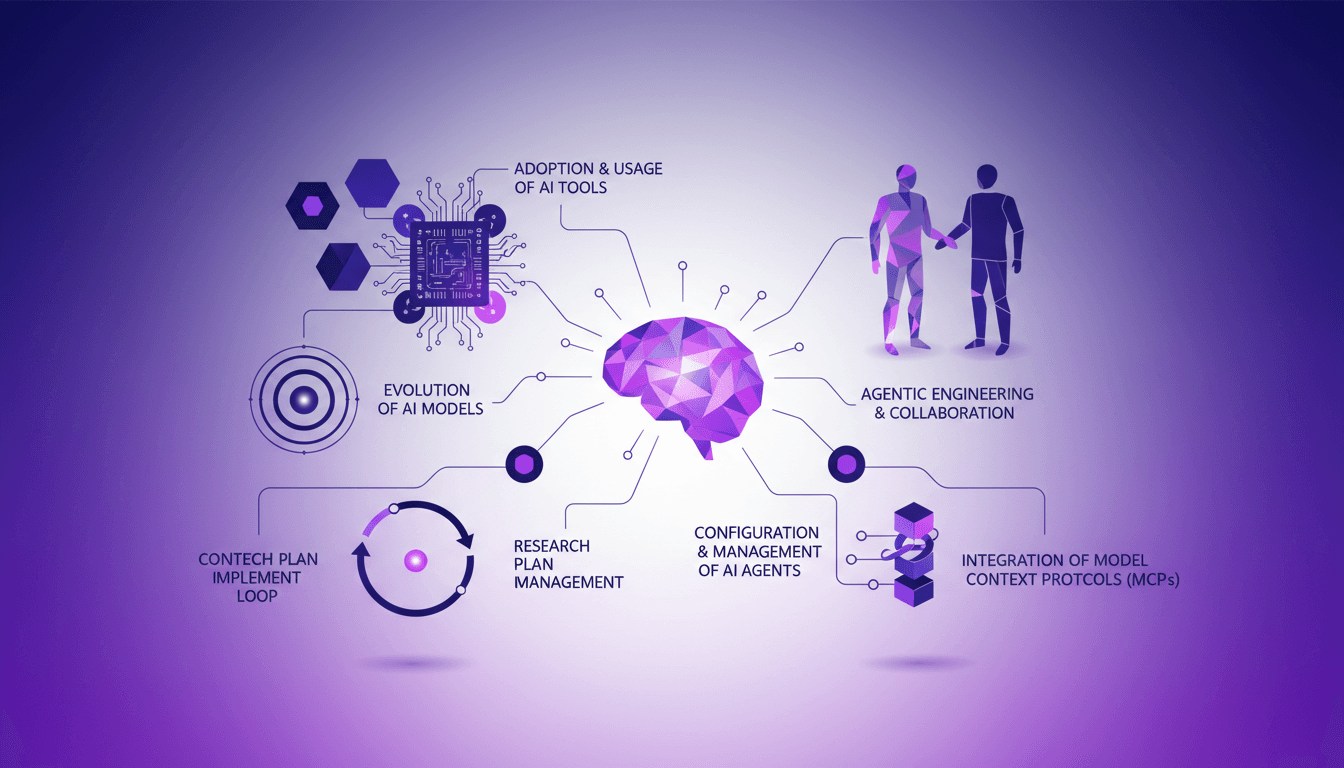
I remember when I first started integrating AI tools into my workflow. It was like discovering a new continent. But the trick wasn't just using AI; it was working with it. That's where agentic engineering comes into play. Today, collaborating with AI goes beyond automation. It's about forging a true partnership with technology. In this article, I'll share how I and other engineers are making this shift—integrating AI models into our development processes, managing context effectively, and configuring AI agents that adapt to our needs. We're no longer passive users; we're active orchestrators. Ready to explore this new frontier?