Humanoid Robots: CES 2026 Innovation Platform
I've been to CES more times than I can count, but 2026 marked a true turning point for robotics. This year, I witnessed humanoid robots integrating into industries in ways I never imagined. Beyond the gadgets, CES has become a platform where innovation meets collaboration. I connected with strategic partners to steer my future projects and gained invaluable insights for product development. This is where visibility and innovation in robotics truly take shape.
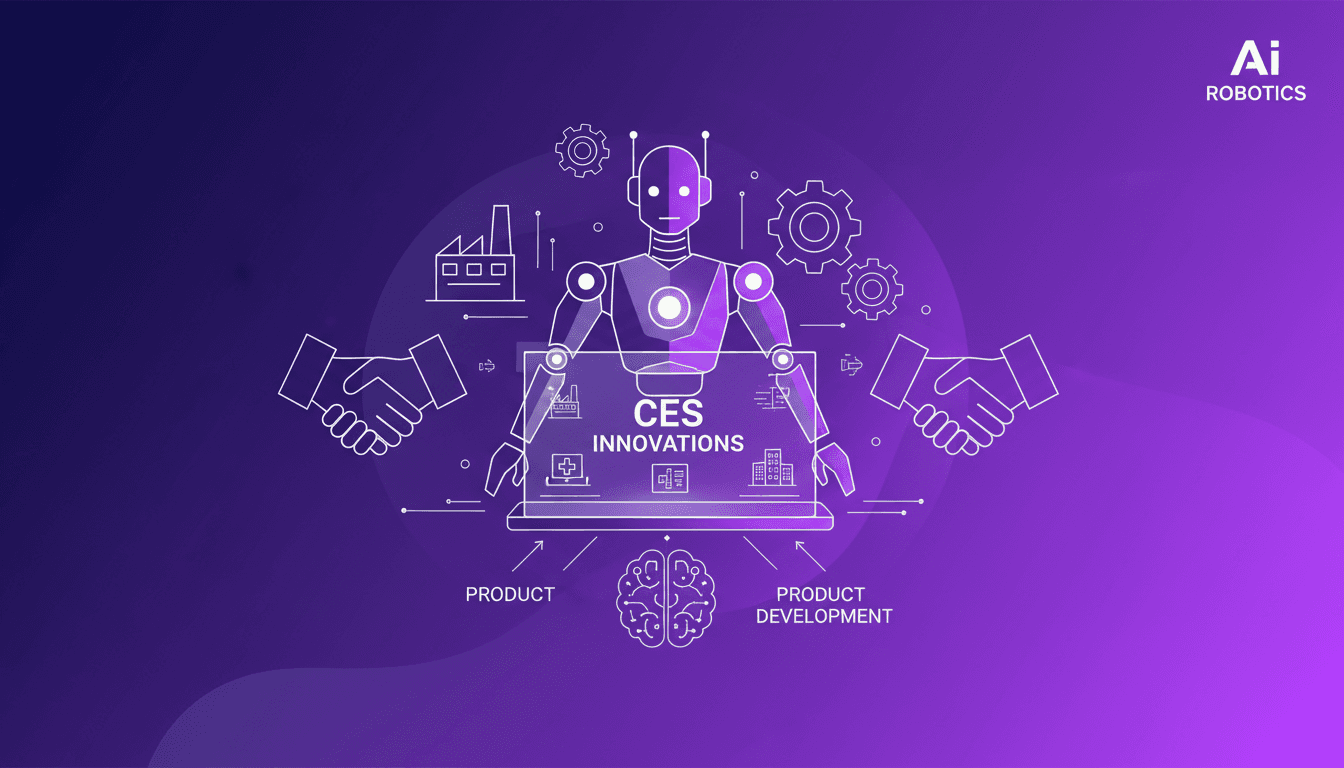
I've lost track of how many times I've walked the floors of CES, but this year, something felt different. 2026 was a pivotal moment for robotics. This time around, I saw humanoid robots breaking into unexpected sectors, redefining our innovation standards. CES isn't just a tech showcase; it's where I connect with partners, where I snag crucial insights for product development. I orchestrated strategic meetings that reshaped my approach to innovation and collaboration. The visibility I gained here is a real lever for the future of my robotics projects. We're not just here to observe; we're here to build, together.
CES 2026: A Hub for Innovation in Robotics
Every year, I eagerly anticipate the CES (Consumer Electronics Show). It's where I see the latest tech before it hits the market. In 2026, humanoid robots took center stage, showcasing their potential across various industries. I connected with other innovators, sharing ideas and visions for the future. It's a unique experience to witness these machines that are no longer just concepts but are beginning to integrate into our daily lives.
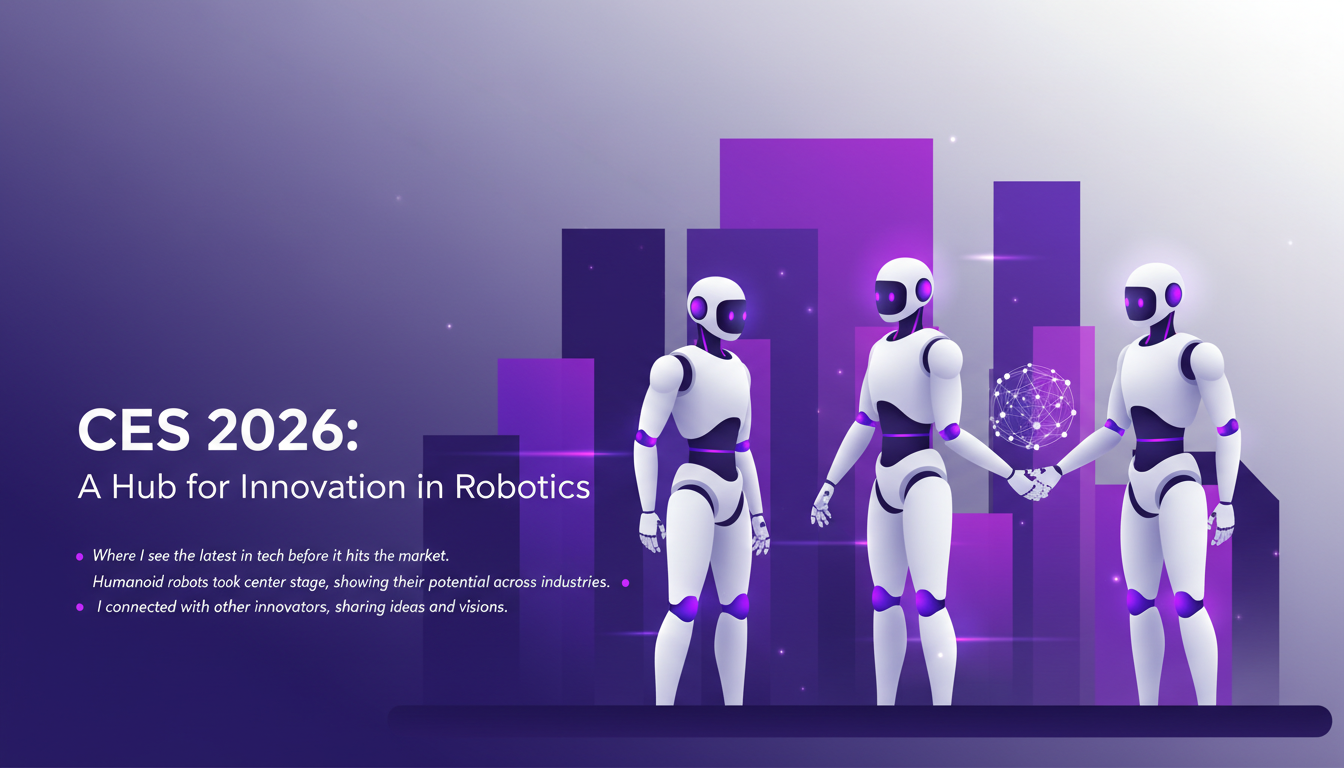
But watch out, not every innovation is ready for prime time. Some remain more concept than reality. That said, the advancements are undeniable, and the acceleration of humanoid robots' adoption in sectors like hospitality shows we're at a tipping point.
Collaborating with Industry Partners
At CES, I met partners who brought unique expertise to our projects. Collaboration here is crucial for integrating diverse technologies. With these partners, we brainstormed solutions for real-world challenges. But aligning goals can be tricky—ensure clear communication from the start.
Working with partners allows us to combine complementary strengths. For example, our collaboration with Google DeepMind to enhance robots' cognitive abilities was a real game changer. But watch out, navigating intellectual property and strategic alignment issues is essential.
Benefits of Participating in CES
Participating in CES offers unmatched visibility and networking opportunities. I gained insights that directly influenced our product roadmap. The feedback loop with attendees is invaluable for refining ideas. However, the cost can be high—plan your budget wisely.
"CS is the show. If you want to show what great stuff you have built, it does not help you to innovate and somehow make the best technologies if nobody knows about it."
By participating, I not only gained visibility but also reinforced our credibility. It's an opportunity to showcase not just products but also the company's vision.
Improving Product Development with Insights from CES
I leveraged CES feedback to iterate on our prototypes. The event highlighted industry trends that shaped our strategy. Direct interaction with users provided real-world validation. Be cautious: not all feedback is actionable—filter and prioritize.
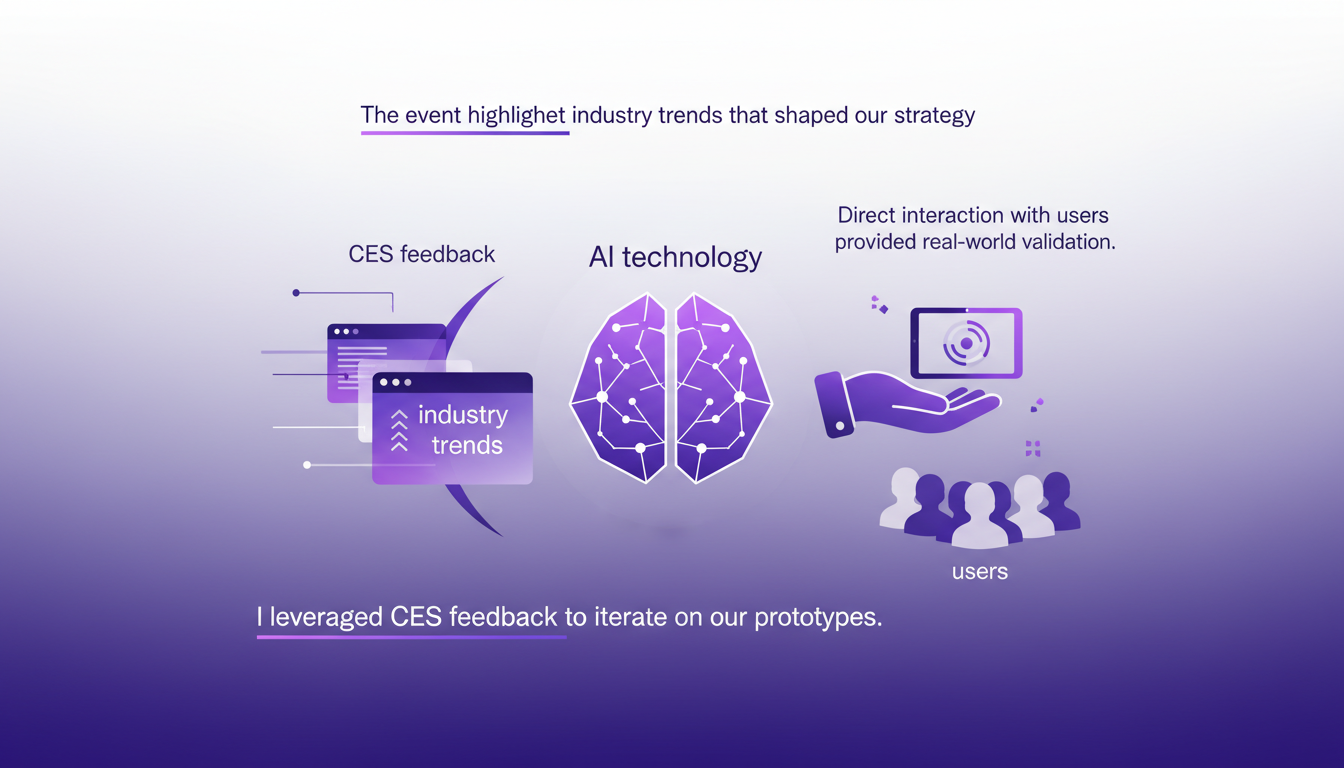
One of the key lessons I learned is the importance of flexibility in product development. Sometimes, it's more efficient to tweak a prototype in real-time rather than wait for a full development cycle.
The Importance of Visibility in the Robotics Industry
Visibility at CES boosts credibility and attracts potential partners. I noticed increased interest in our products post-event. It's a chance to showcase not just products but also company vision. Remember, visibility is a double-edged sword—be prepared for scrutiny.
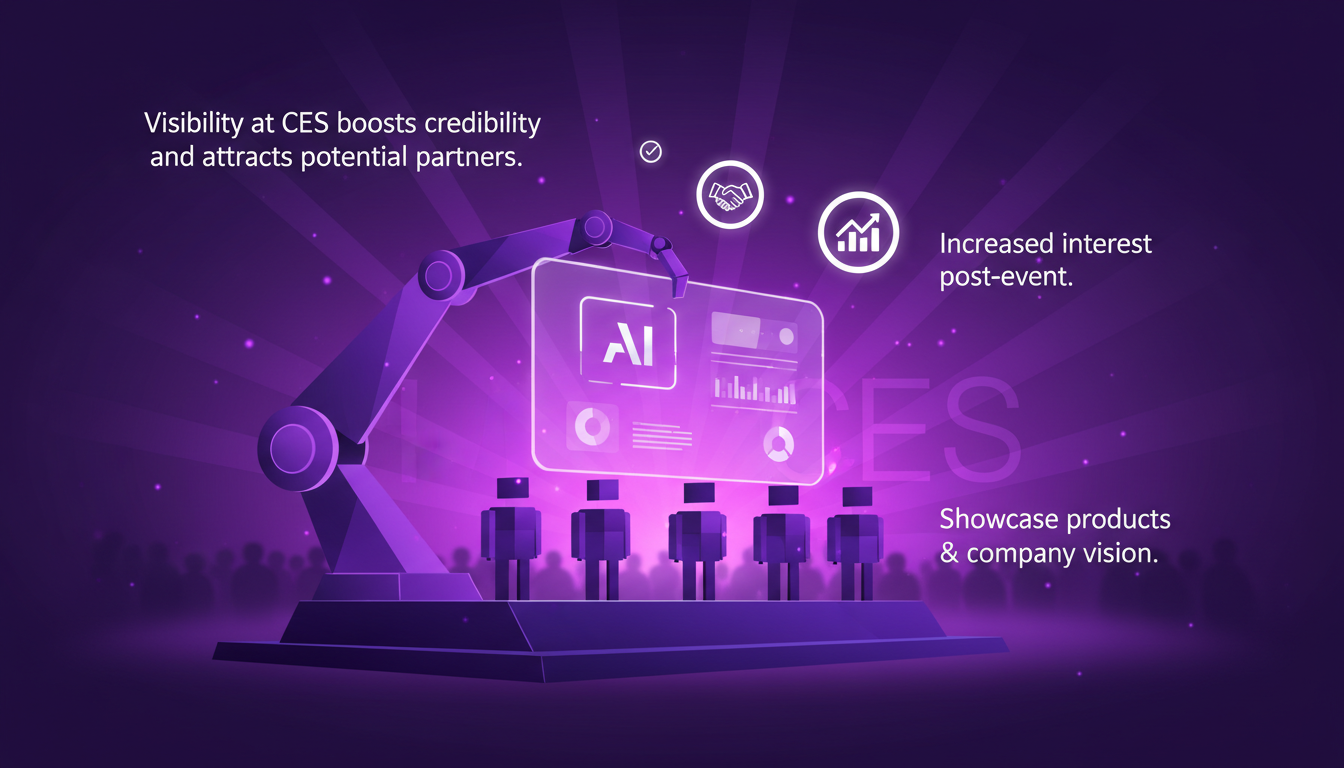
Visibility brings its own set of challenges. Sometimes, increased attention requires ramping up production capabilities or improving customer support processes to meet the heightened demand.
In conclusion, CES 2026 was a crossroads of innovation in robotics, with humanoid robots taking center stage. Collaboration, visibility, and the insights gained are key elements for success in this rapidly growing industry.
CES 2026 was a game changer for my work in robotics. First, the connections I made there opened doors I never imagined. Then, the insights I gained, especially about introducing humanoid robots to various industries, redefined our projects. Lastly, the visibility we achieved for our innovations was invaluable. But watch out, it's not without challenges: you need to be ready to adapt and leverage each interaction.
- Make CES a priority: It's a must for anyone in robotics.
- Collaborate with industry partners: The opportunities are unmatched.
- Introduction of humanoid robots: A revolution in the making.
- Insights for product development: Priceless on-site.
Looking forward, CES should be your annual go-to. But go in prepared: know what you want to achieve. For a deeper dive into CES 2026's impact, I highly recommend watching the full video here: Watch the video.
Frequently Asked Questions

Thibault Le Balier
Co-fondateur & CTO
Coming from the tech startup ecosystem, Thibault has developed expertise in AI solution architecture that he now puts at the service of large companies (Atos, BNP Paribas, beta.gouv). He works on two axes: mastering AI deployments (local LLMs, MCP security) and optimizing inference costs (offloading, compression, token management).
Related Articles
Discover more articles on similar topics
Unitree at CES: Boosting Innovation
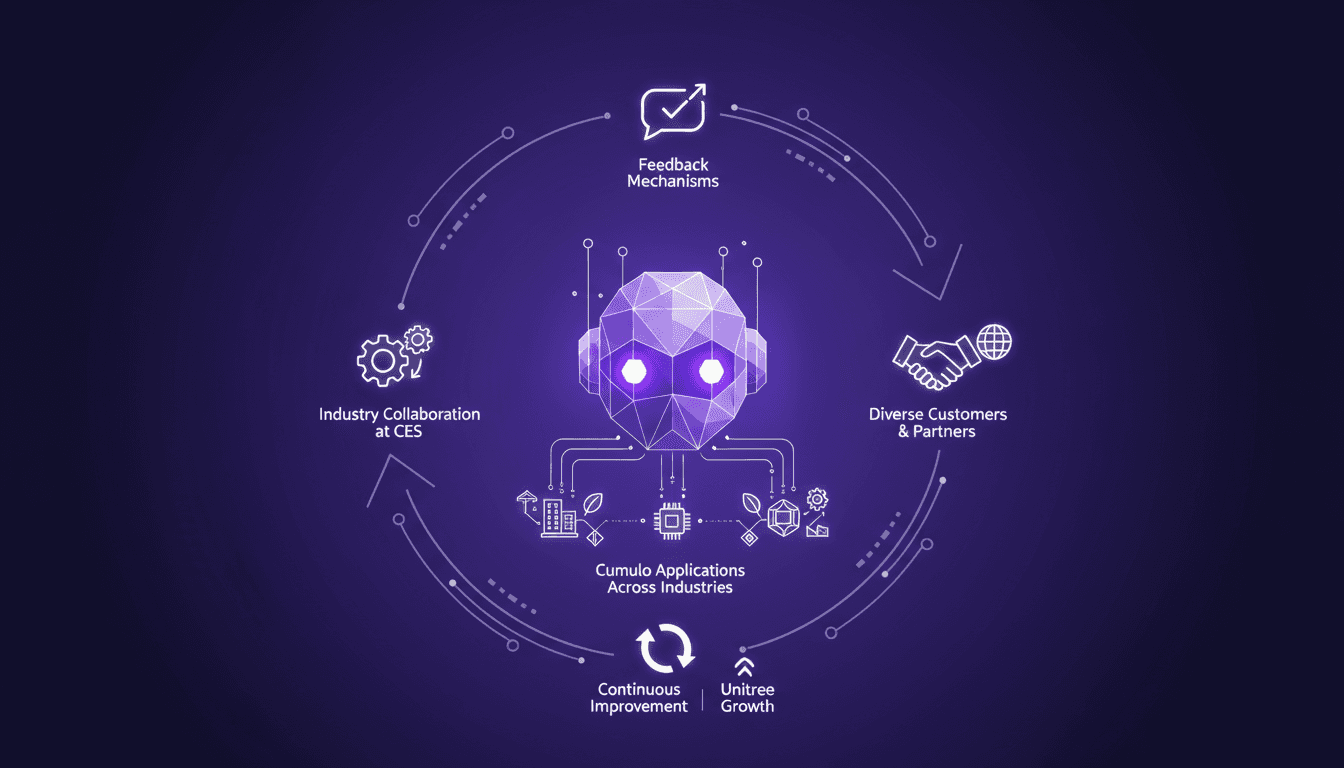
I've been to CES more times than I can count, but this year with Unitree felt different. Our Cumulo robot stole the spotlight on the main stage, and I saw firsthand how CES is more than a showcase—it's a catalyst for genuine innovation. I orchestrated demos, gathered invaluable feedback, and connected with partners from around the globe. The insights we gained there? Absolutely crucial for refining our applications across various industries. Ultimately, CES was a launchpad for Unitree, showing that innovation thrives on listening and adapting.

Efficient Idea Exploration with Codex
I still remember the first time I integrated Codex into our workflow at Braintrust. It was like flipping a switch on our innovation process. Ideas that were previously just floating around transformed into concrete prototypes we could test and iterate in real time. In this article, I'll walk you through how Codex has revolutionized our approach to handling customer feedback and innovation. We're talking ultra-efficient idea exploration, real-time feedback handling, and a shortened feedback loop. With Codex, we actively engage our customers and generate high-quality feedback.
CES 2026: NEURA Robotics' Winning Strategies
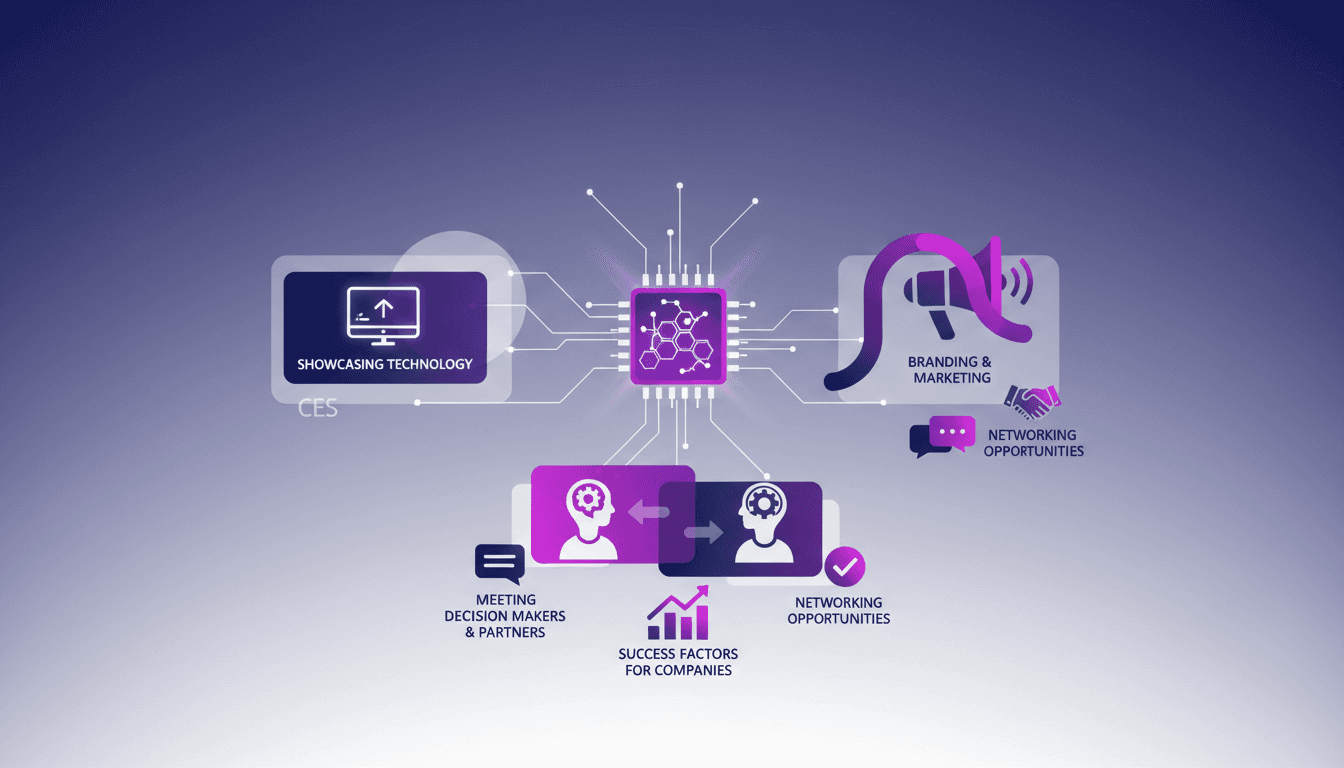
I’ve just stepped out of CES 2026, where I've been closely following NEURA Robotics. Let me tell you, it’s not just another tech show. It's where innovation meets opportunity, but only if you play your cards right. Beyond the flashy booths and tech demos, there’s a strategic dance of branding, networking, and partnerships. I’ve seen firsthand how NEURA Robotics orchestrated all of this, and trust me, it’s a masterclass in strategy. I learned that CES isn't just a place to showcase your tech; it’s where you build your brand and meet the key decision-makers who can tilt the scales.
Multi-Agent Orchestration: Patterns That Work
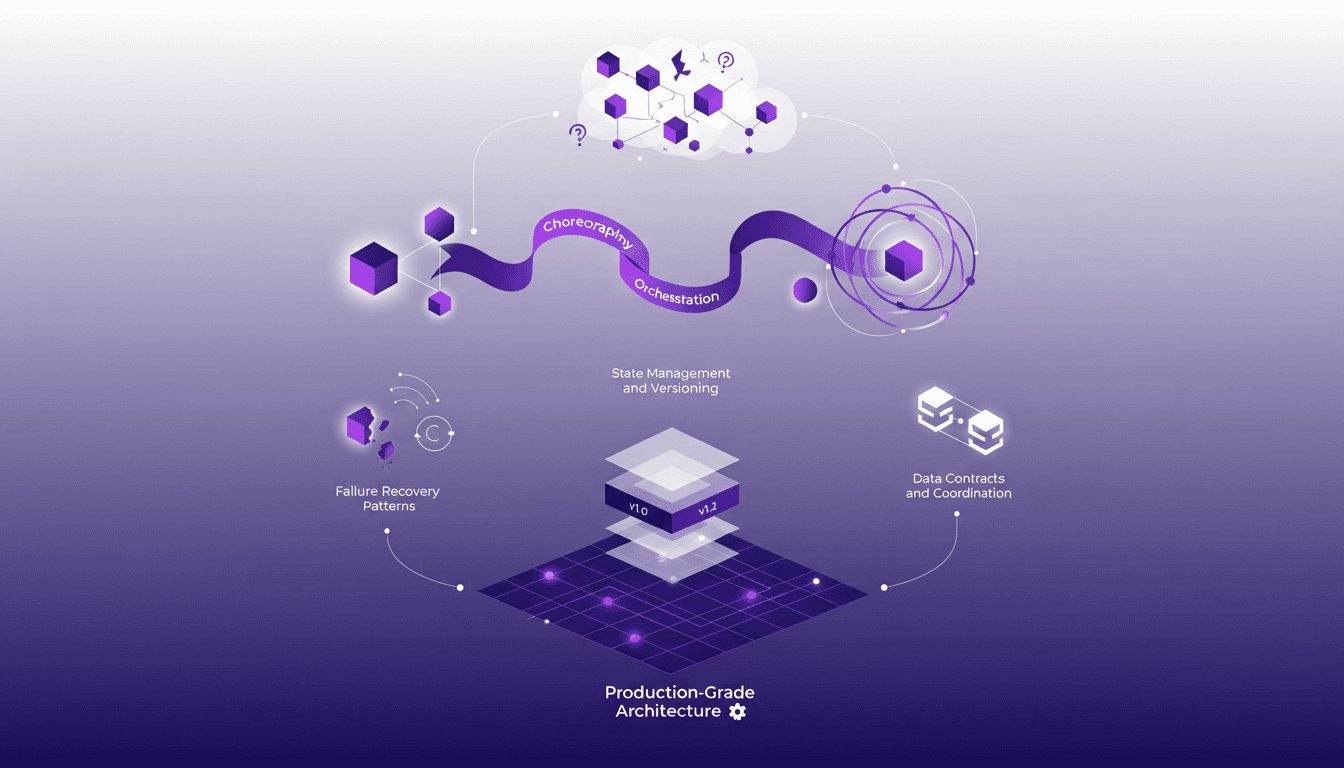
Having spent 18 years building data systems, I've learned that chaos isn't just possible—it's inevitable without the right orchestration. In distributed systems, juggling multiple agents can quickly become a nightmare. But with the right multi-agent orchestration patterns, I've turned this complexity into a well-oiled machine. Dive into the real-world strategies that work: from state management to data contracts, and failure recovery. If you've ever seen two agents calculate different credit scores for the same customer (750 vs. 680), you know what I'm talking about. Welcome to the world of production-grade multi-agent architecture, where every decision impacts efficiency, cost, and reliability.
Rapid Idea Testing with Codex
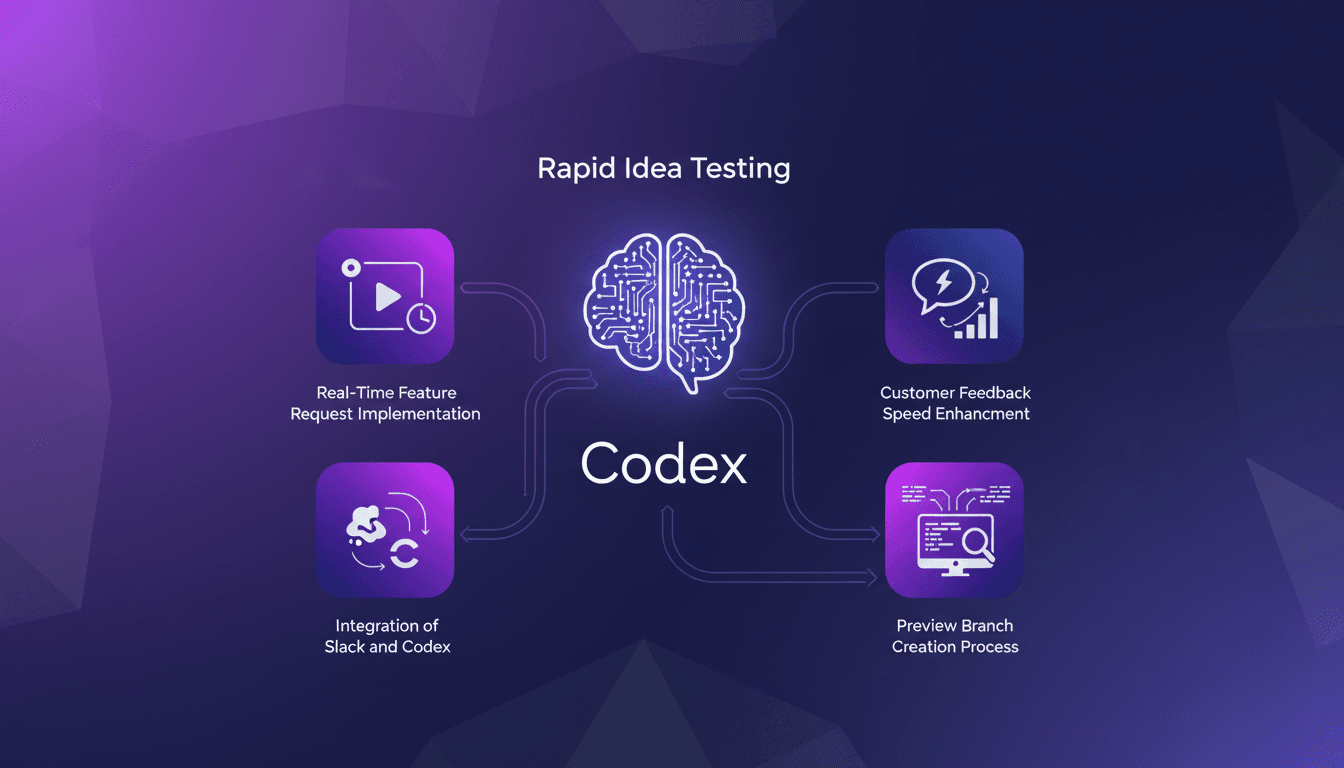
I remember the first time I integrated Codex into our workflow. It was like flipping a switch on our idea testing process. What used to take days could now be done in hours. Codex isn't just a tool; it's a game changer for any team looking to speed up their development cycle. In this article, I'll show you how I orchestrated the integration of Codex with Slack to enhance customer feedback speed and create preview branches in the blink of an eye. Whether it's for rapid idea testing or real-time feature request implementation, Codex has transformed the way we work.