Close Sales Easily: Understanding and Influence
For years, I thought sales was an art form, like painting or jazz. Then, after a decade in the trenches, I realized it's more like engineering: structured, methodical, and surprisingly predictable. Let me show you how I shifted my approach to make closing sales feel almost illegally easy. It's not about convincing anyone, but understanding the process, the prospect, and using influence—not manipulation. This paradigm shift changed everything about how I sell.
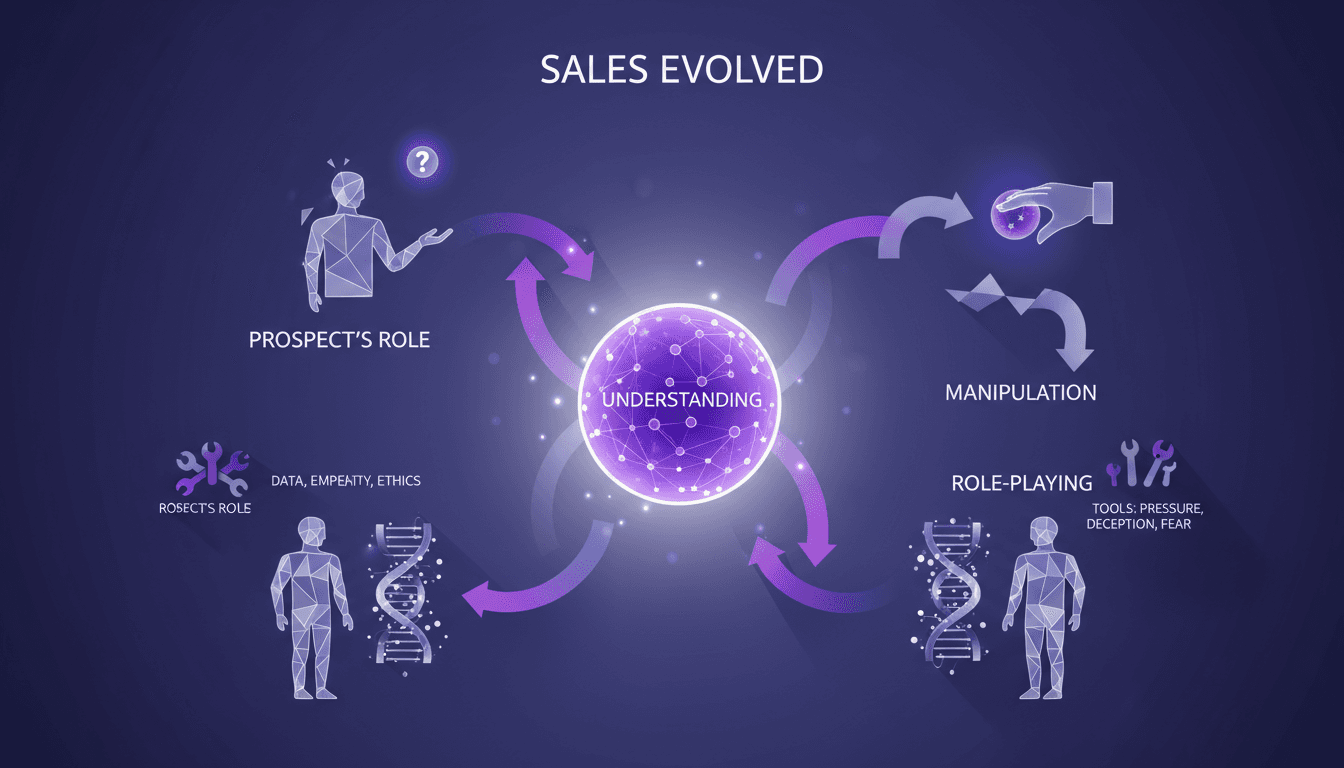
I used to think sales was an art form, like painting or jazz. That's what I believed for ten years. But after a decade in the trenches, with countless calls and meetings, I realized it's more like engineering—structured, methodical, and surprisingly predictable. So, let me tell you how I shifted my approach to make closing sales feel almost illegally easy. It's all about influence, not manipulation. I focus on understanding the process, the prospect, and how to guide them to a decision. And that's where the magic happens: when you orchestrate everything precisely, there's no need for hard convincing. In this podcast, I'm breaking down how I move from art to science, with concrete tools and role-playing strategies that are game changers.
Understanding Sales as a Process
Sales isn't magic; it's a structured process that can be understood and optimized. In my first ten years, I believed sales to be an art form. Wrong. Art is just the mask we put on the stuff we don't understand. Sales is a process of understanding the customer.
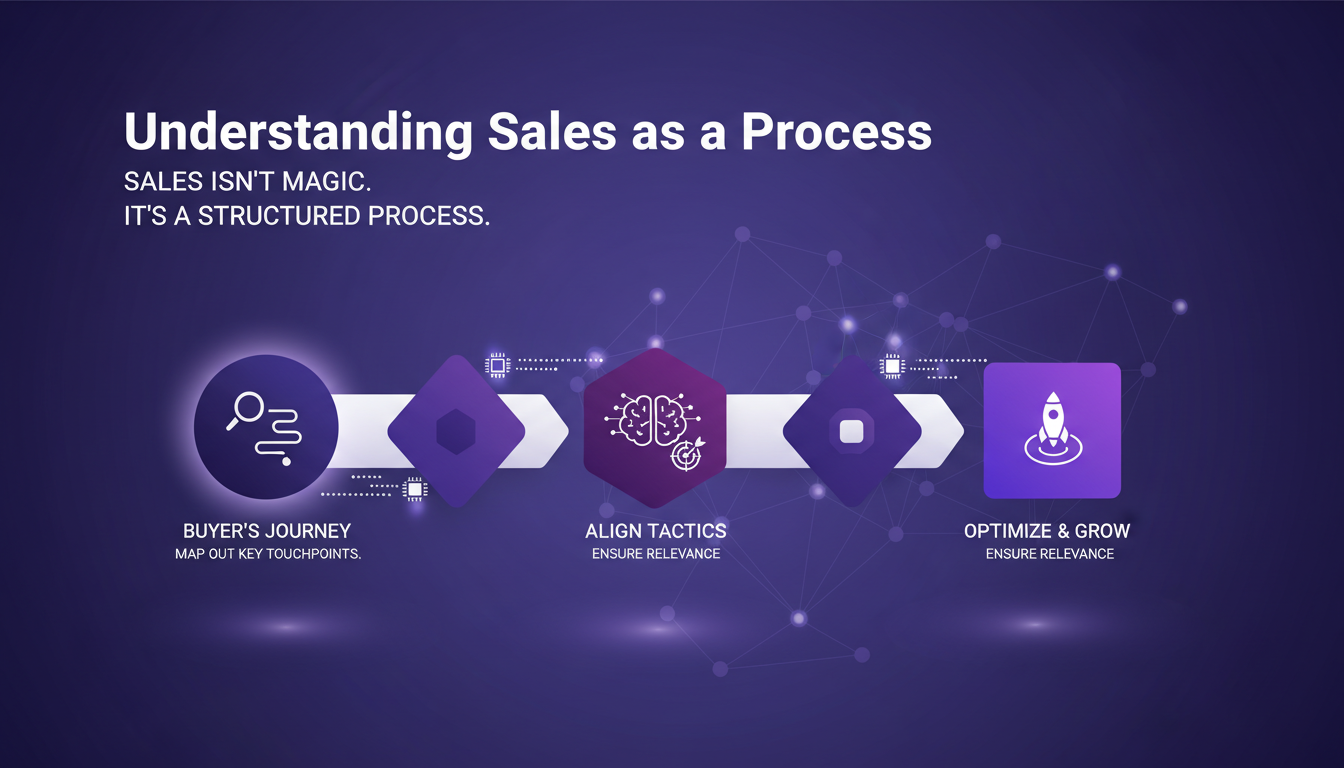
First, I map out the buyer's journey to identify key touchpoints. Then, I align my sales tactics to these touchpoints, ensuring relevance. Watch out for skipping steps—each phase is crucial for building trust with the client. Efficiency is key: I automate repetitive tasks to focus on high-value interactions.
- Mapping the buyer's journey is the first crucial step.
- Automation helps focus on important interactions.
- Never skip steps; every phase is key.
The Role of the Prospect in Selling
The prospect isn't just a target; they're a partner in the sales process. I focus on active listening to truly understand their needs and pain points. Then I tailor my pitch to resonate with their specific situation. Forget one-size-fits-all pitches—they're a waste of time and energy. Anticipate objections and address them proactively for smoother negotiations.
"Selling doesn't happen when you're talking. It happens when the prospect is."
- Active listening to understand the prospect's needs.
- Tailor your pitch for each specific situation.
- Anticipate and address objections in advance.
Manipulation vs. Influence: The Fine Line
Influence is about guiding decisions ethically, not manipulating outcomes. I use storytelling to connect emotionally without crossing ethical lines. Transparency builds trust—never hide information for a quick win. Watch out for high-pressure tactics—they can backfire and damage reputation. Long-term relationships trump short-term gains every time.
- Use storytelling for emotional connection.
- Transparency as the foundation of trust.
- Long-term > Short-term.
Harnessing the Power of Role-Playing in Sales
Role-playing helps me anticipate real-world scenarios and refine my approach. I simulate different buyer personas to prepare for diverse interactions. Feedback from peers during role-plays is invaluable for improvement.
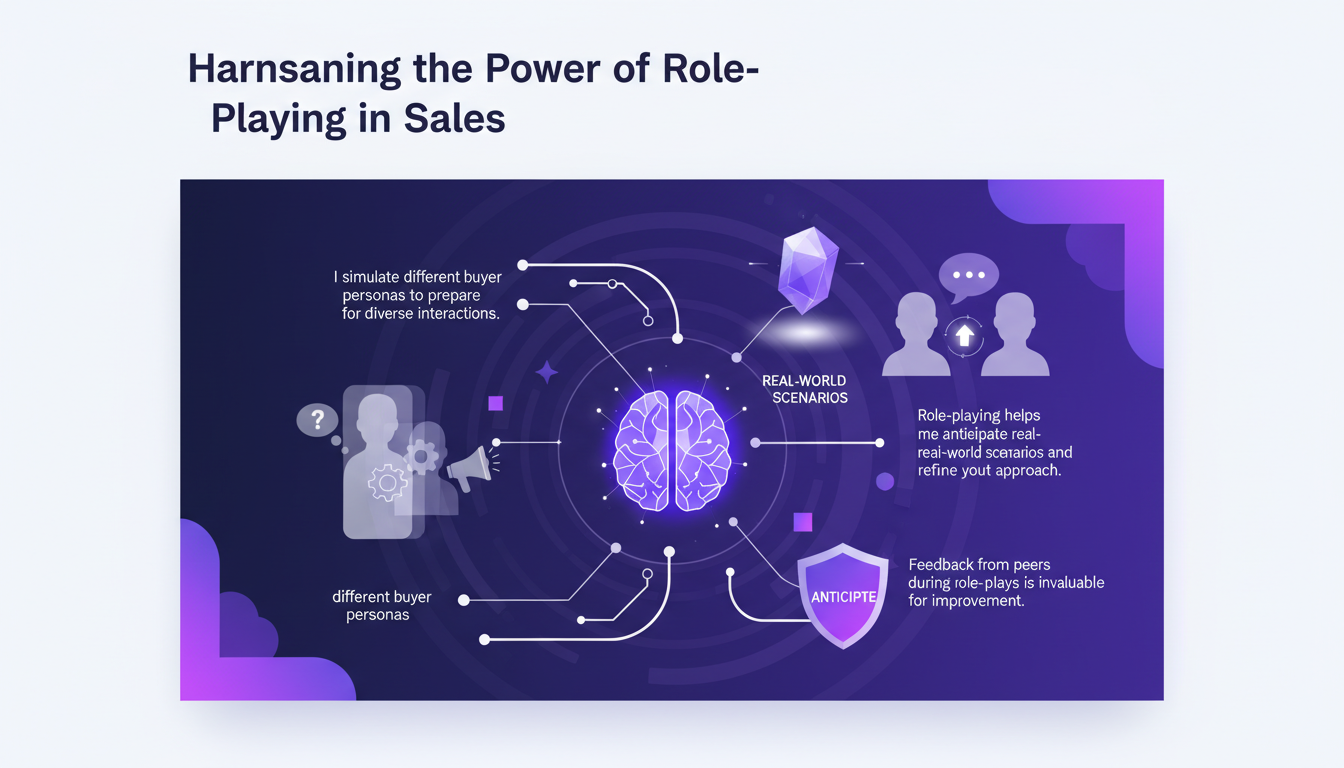
But don't over-rehearse—stay flexible to adapt to unexpected situations. Role-playing boosts confidence and reduces anxiety in actual sales calls.
- Simulate different personas to be ready for any interaction.
- Peer feedback for continuous improvement.
- Flexibility and adaptation are crucial.
Tools of Manipulation and Influence: A Balanced Approach
I leverage CRM tools to track interactions and tailor follow-ups. Data analytics help me understand patterns and predict outcomes. But watch out for over-reliance on tools—human intuition is irreplaceable.
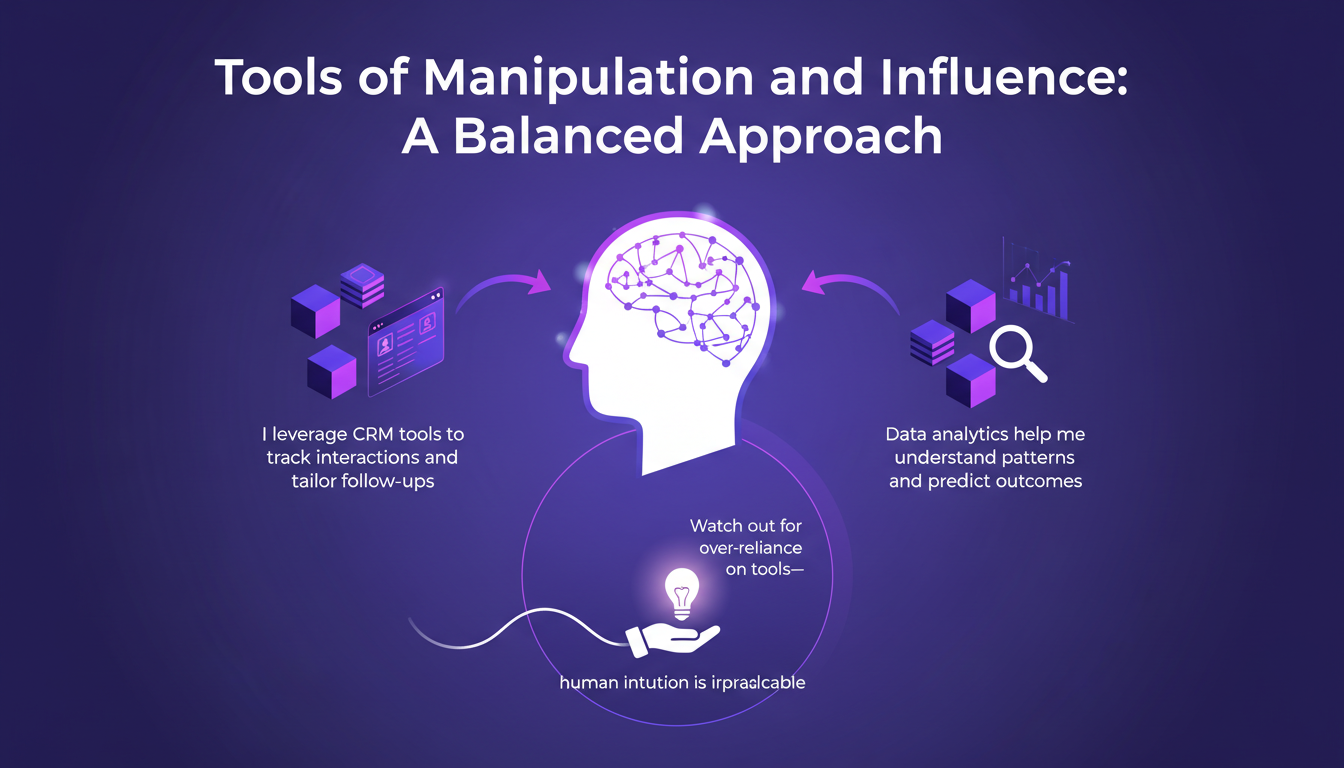
It's crucial to balance tech with a personal touch for maximum impact. I regularly review and update my tools to ensure they align with my sales goals.
- Use CRM for personalized follow-up tracking.
- Data analytics to anticipate trends.
- Don't underestimate human intuition.
After ten years of thinking sales was an art form, I've realized it's really a disciplined process. First takeaway: It's not about convincing at any cost. I focus on understanding the prospect's real needs before offering anything. Then, I leverage the right tools and techniques to ethically influence, not manipulate. This is where role-playing comes into play—it's a game-changer for preparing all possible scenarios. But watch out, there's a trade-off here. Over-focusing on technique can make you forget the human element in every sale. Ready to rethink your sales approach? Start by mapping out your process and see how these strategies can transform your results. And check out the full video—it’s worth it to dive deeper into this together: YouTube video.
Frequently Asked Questions

Thibault Le Balier
Co-fondateur & CTO
Coming from the tech startup ecosystem, Thibault has developed expertise in AI solution architecture that he now puts at the service of large companies (Atos, BNP Paribas, beta.gouv). He works on two axes: mastering AI deployments (local LLMs, MCP security) and optimizing inference costs (offloading, compression, token management).
Related Articles
Discover more articles on similar topics
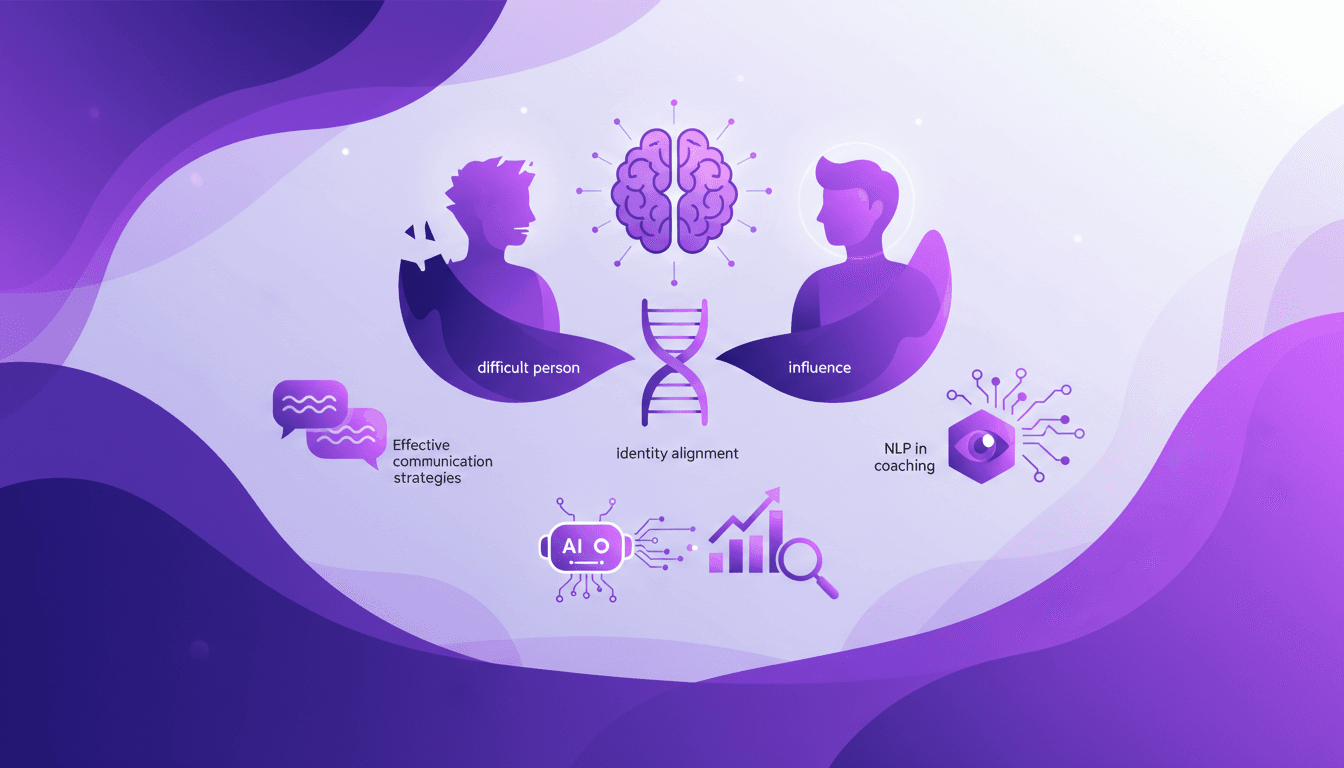
Influencing Difficult People: Practical Techniques
I've been there—staring down a negotiation with someone who just won't budge. It's frustrating, but here's what I've learned: it’s all about aligning their identity with the task at hand. Let me walk you through how I orchestrate this using insights from Tony Robbins and a bit of AI magic. When dealing with difficult people, it often feels like you're speaking different languages. But by aligning actions with identity and leveraging tools like NLP and AI bots, you can turn the tide in your favor.
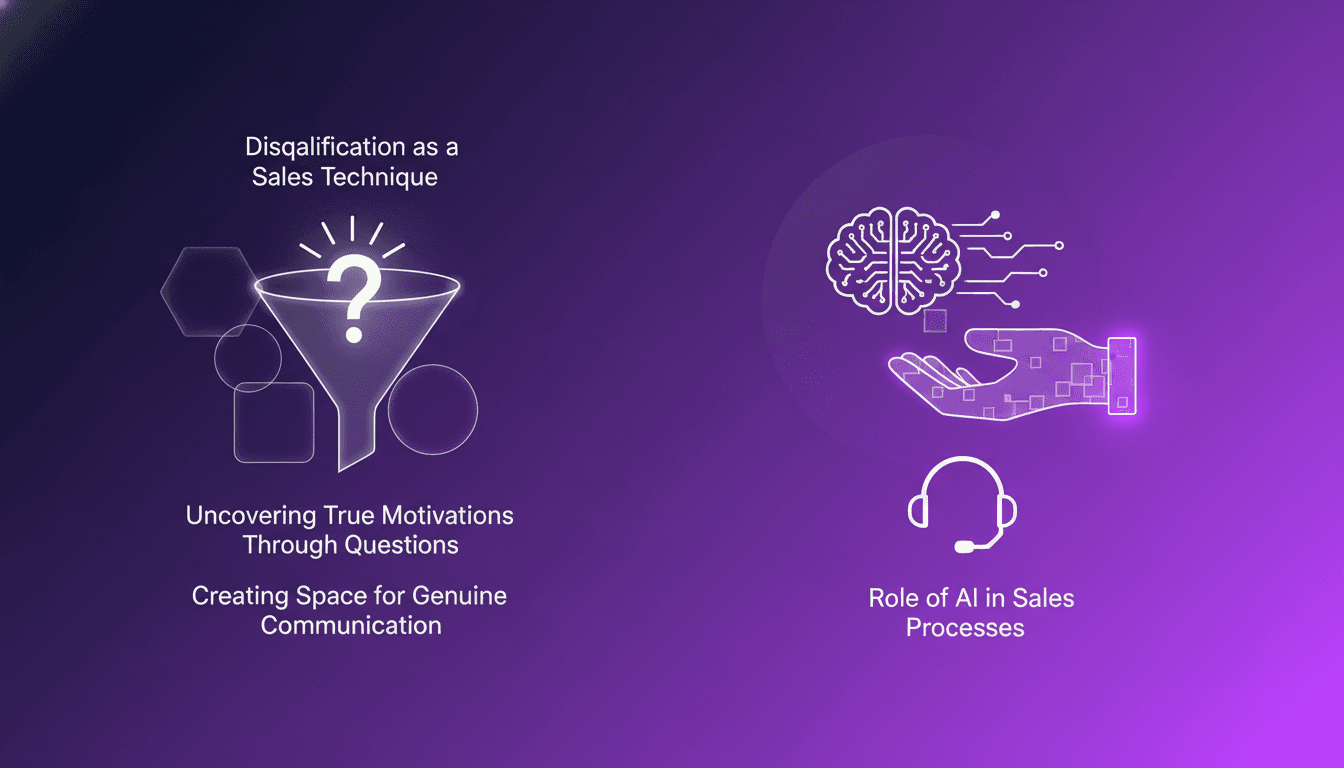
Handling Sales Objections: Practical Techniques
Ever been in a sales meeting where you couldn't quite read the room? I've been there, and here’s how I handle it when objections seem invisible. In sales, recognizing objections—or their absence—is crucial. I'm not talking theory, but real-world scenarios. How can AI lend a hand? I'll share how I uncover hidden motivations through precise questioning and create space for genuine communication. It's not about overusing AI, but integrating it smartly into the sales process. Let’s dive into this tutorial with practical techniques that I use daily to navigate these tricky waters.
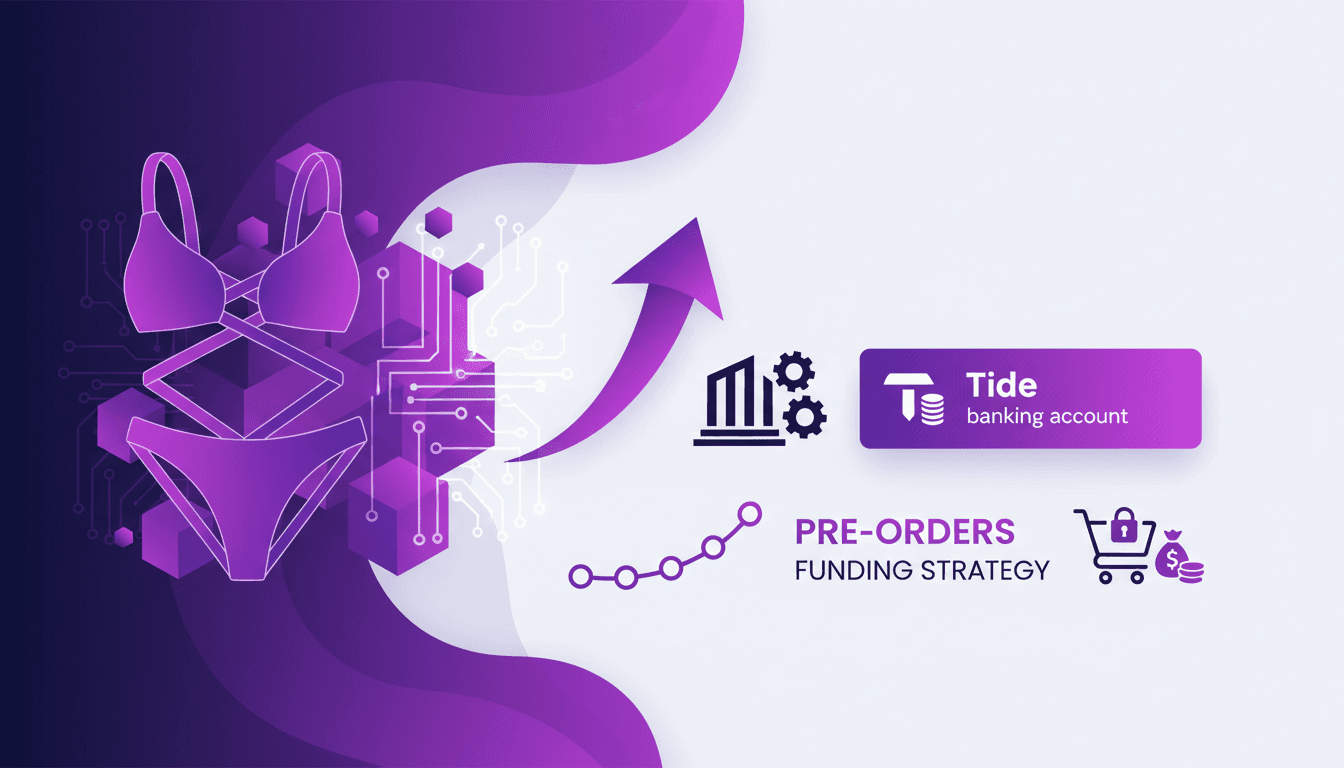
Starting a Swimwear Brand: Challenges
I always dreamed of starting my own swimwear brand. But let me tell you, turning that dream into reality involves more than just good intentions—it's a complex dance of design, funding, and infrastructure. In this article, I share how I navigated this tricky path. Launching a business without initial investment? Yes, it's possible, and I'll explain how. From tackling complex swimwear designs to the necessity of solid infrastructure, using a Tide banking account for transactions, and pre-orders as a funding strategy, I reveal my tricks and pitfalls. If you're considering taking the plunge, these insights might just turn your dream into reality.

Becoming a Footballer: Handling Pressure, Challenges
I remember being 12, dreaming of becoming a football star. Fast forward to today, and I see this young talent facing the same hurdles I did. First, there's the subscriber pressure: 200,000 is quite a number to handle at this age. But what truly matters is the family support and the ability to tune out the naysayers. I'll walk you through how he tackles these challenges while keeping his eyes on the dream of playing professionally. His journey is a real battle, where digital presence plays a crucial role.

App Success: $1.5M, Niche Market, Strategy
I built an app you’ve probably never heard of, and it made $1.5 million. Let me break down how I found my niche, validated my idea, and built Parakeet Chat from the ground up. In an industry where 95% of people don't even realize the potential, I carved out a space in the prison communication market. This is how it unfolded. From niche market selection to idea validation, business model crafting, and growth strategies, I share my entrepreneurial journey and the challenges faced along the way. If you're curious about hidden opportunities in overlooked industries, this article is for you.