App Success: $1.5M, Niche Market, Strategy
I built an app you’ve probably never heard of, and it made $1.5 million. Let me break down how I found my niche, validated my idea, and built Parakeet Chat from the ground up. In an industry where 95% of people don't even realize the potential, I carved out a space in the prison communication market. This is how it unfolded. From niche market selection to idea validation, business model crafting, and growth strategies, I share my entrepreneurial journey and the challenges faced along the way. If you're curious about hidden opportunities in overlooked industries, this article is for you.
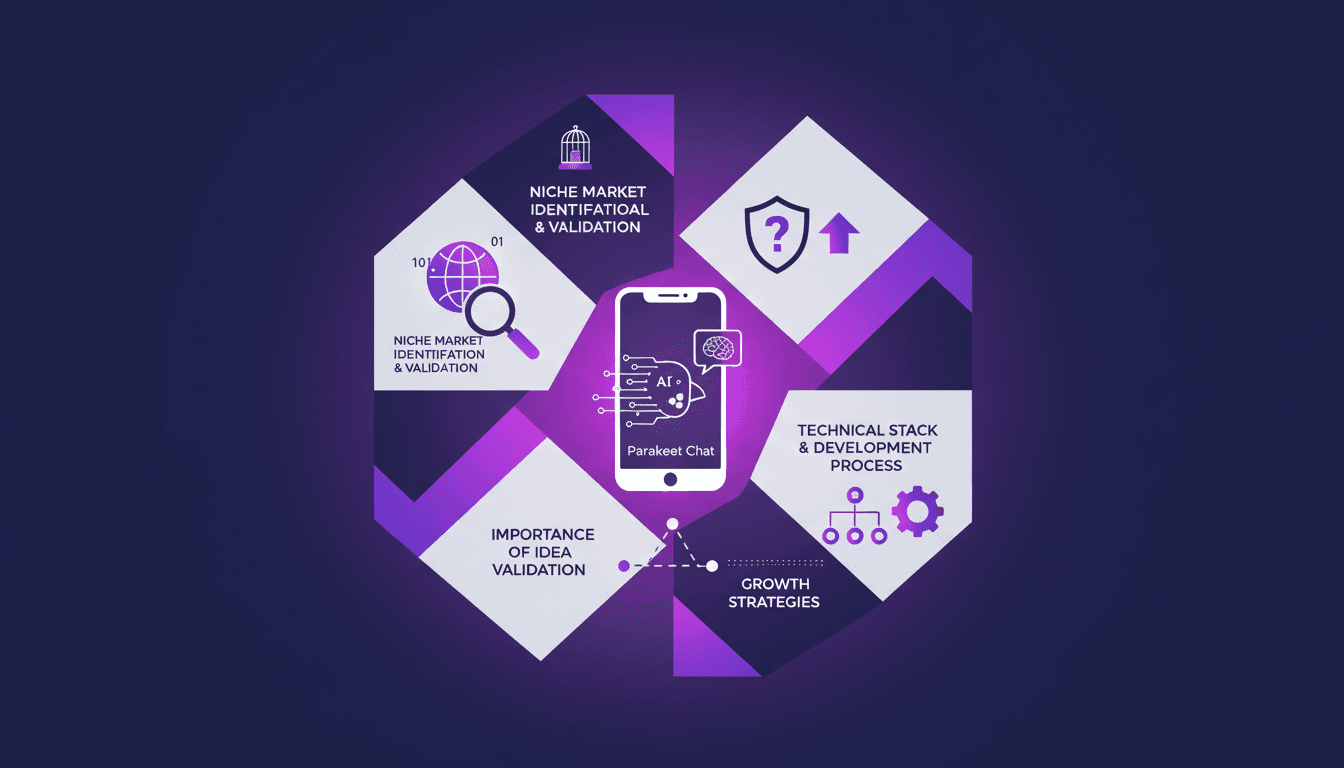
I built Parakeet Chat, an app you’ve probably never heard of, but it brought in $1.5 million. How? By finding a niche 95% of people completely overlook: prison communication. It might sound odd, but that's where I spotted an opportunity. First, I validated my idea with just 200 paying users in the first month. Then I orchestrated the technical development, choosing a tech stack that let me iterate quickly (and not get burned). The business model? Simple yet effective. I'll show you how each failure was a lesson to refine the growth strategy. No bullshit here, just raw experience sharing on turning an idea into a success. If you're ready to explore unexpected niches, read on.
Finding the Niche: The Prison Industry
Finding a niche is like digging for gold in a mine everyone else has overlooked. For us, that gold was the prison industry. A closed ecosystem with unique challenges, usually ignored by 95% of people. Yet, it's a market with immense potential, if you know where to look. I realized that success lay in identifying the gaps others missed. Understanding the needs of inmates and their families was crucial. That's where I spotted an opportunity.
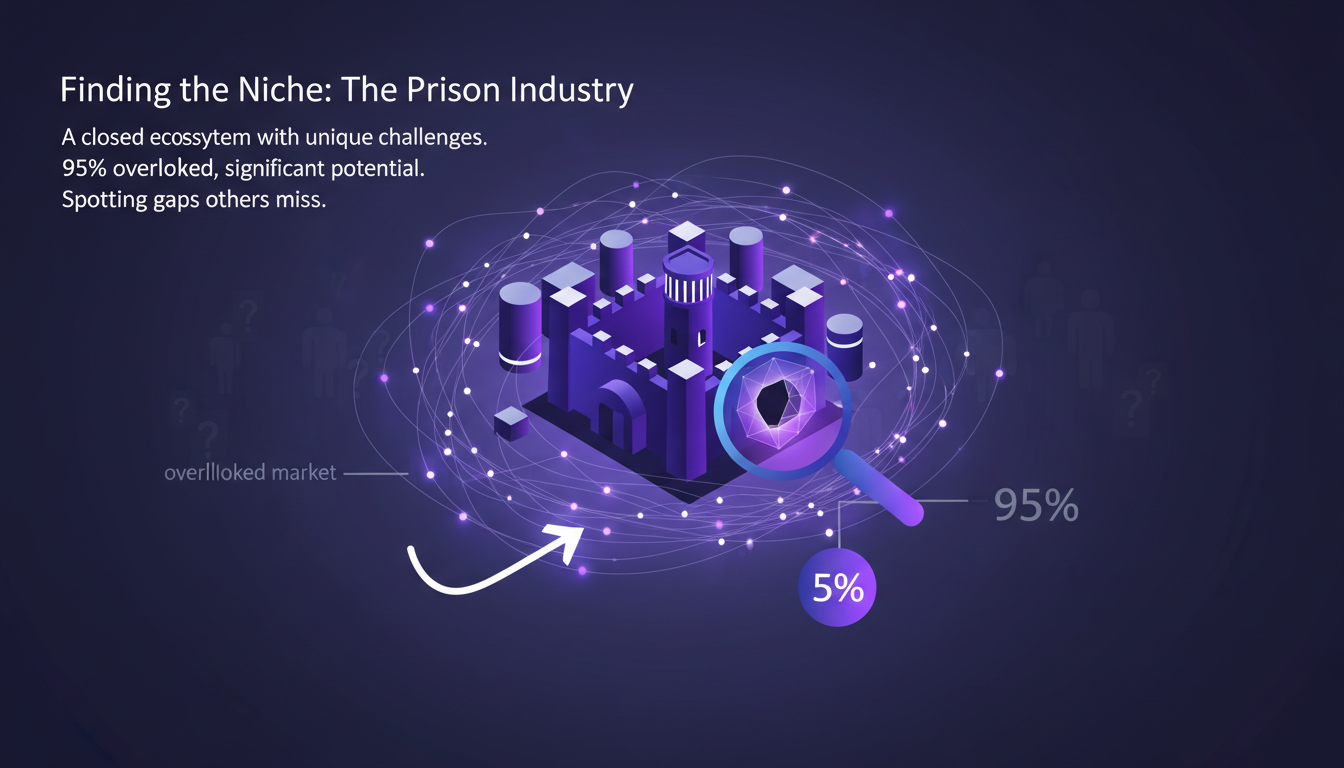
- 95% of people overlook this market.
- Understanding the needs of inmates and their families is key.
- A niche is often where no one else is looking.
Building and Validating the MVP
First, I sketched out my MVP with only the essential features. The goal wasn't to create a masterpiece, but a functional tool. I used TypeScript and React to build a lightweight interface. Validation came through direct feedback from initial users. Within the first month, I had 200 paying users, which proved the demand. That was the signal I had something solid in my hands.
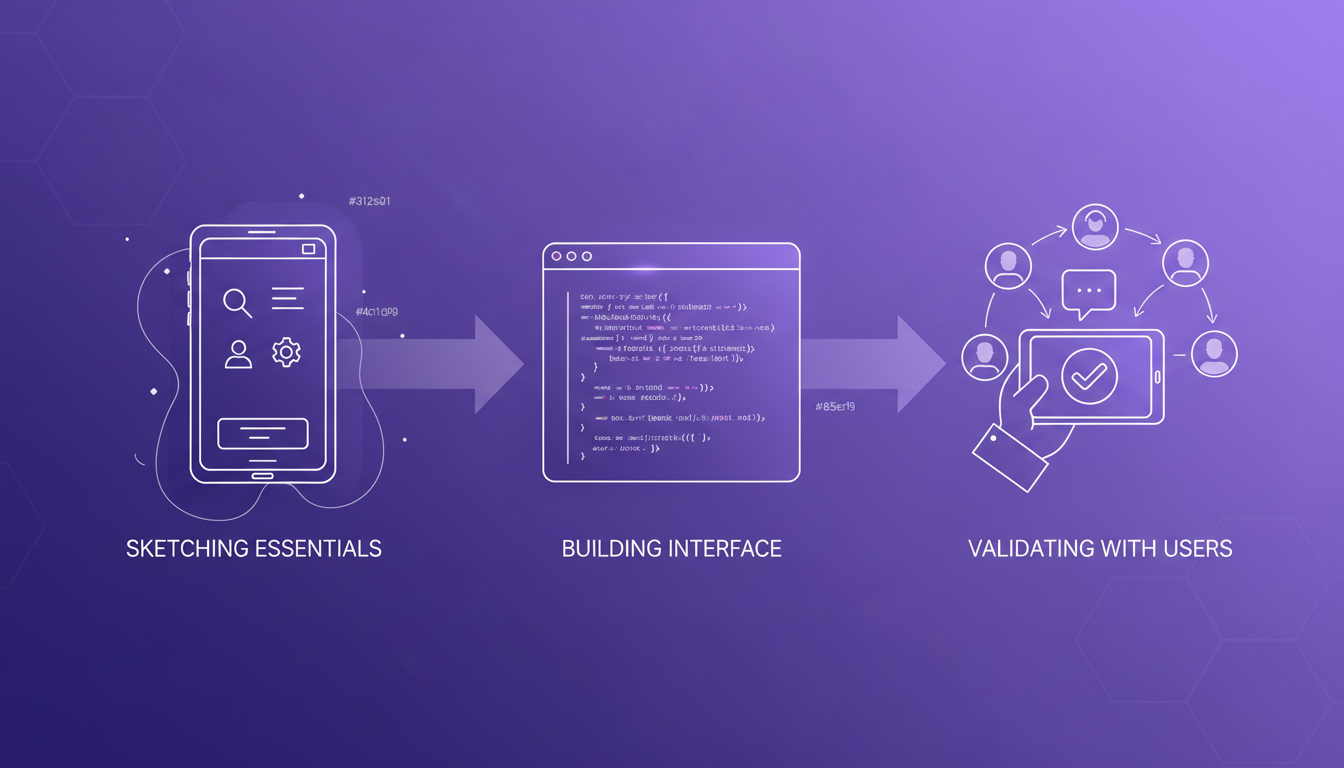
- Used TypeScript and React for the interface.
- Validation through user feedback.
- 200 paying users in the first month.
Technical Stack: Efficiency and Scale
Choosing the right tech stack was crucial. I opted for Postgres for data management and Redis for caching. Auth0 handled authentication, simplifying user management. Prisma and Zod ensured data integrity and type safety. Balancing speed and reliability was essential to scale effectively.
- Postgres and Redis for data management and caching.
- Auth0 for authentication.
- Prisma and Zod for data integrity.
- Balance between speed and reliability.
Growth Strategies: Word-of-Mouth and Beyond
Word-of-mouth was a powerful growth driver. Authenticity matters. Internal recruitment helped spread the word within the ecosystem. I focused on building trust with users to encourage referrals. Revenue hit $300,000 annually, proving the model's viability.
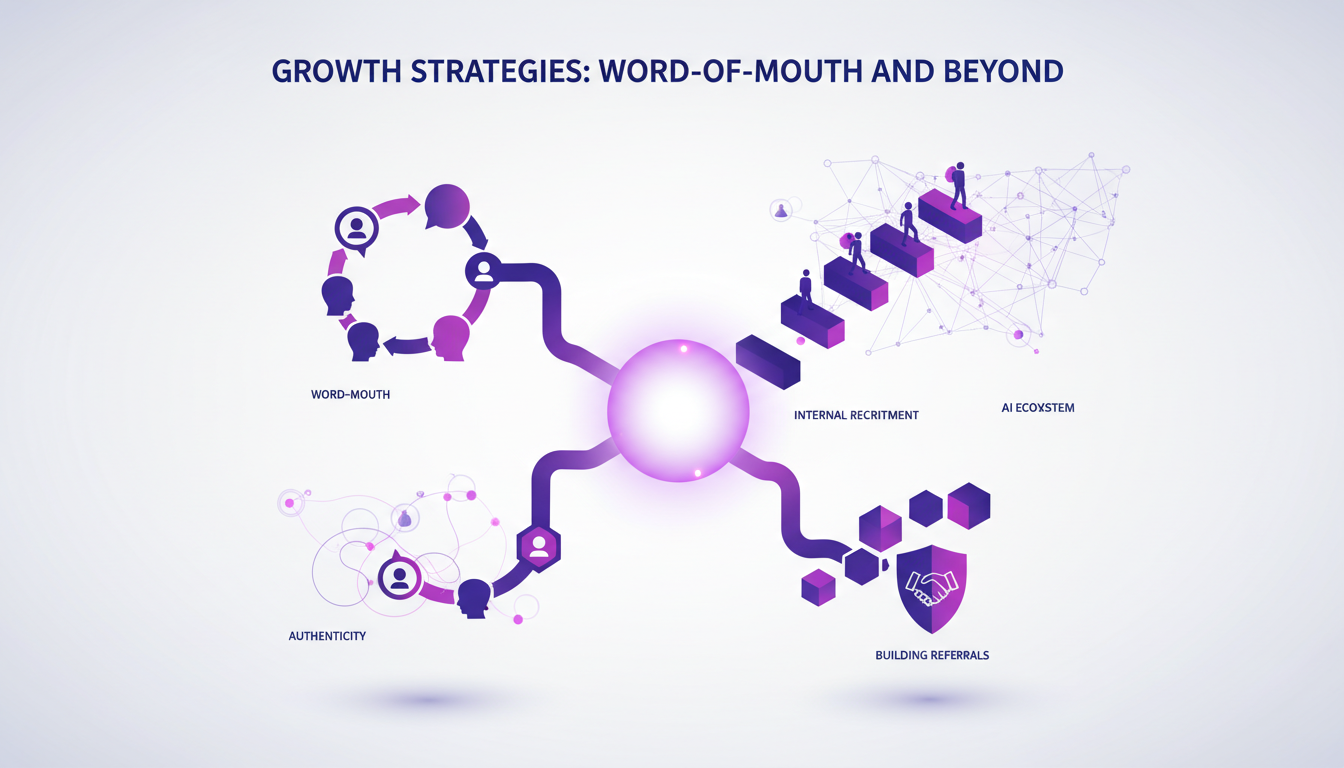
- Word-of-mouth as a main growth driver.
- Trust and user referrals.
- $300,000 annual revenue.
Lessons in Entrepreneurship: Beyond Overnight Success
Building Parakeet Chat took time, persistence, and iteration. The myth of overnight success is misleading; it's a journey. Key advice: validate ideas early and adapt to feedback. I haven't opened the code editor in 3-6 months, focusing on strategy.
- Time and persistence are necessary.
- Validate ideas and adapt to feedback.
- Focus on strategy over coding.
"Entrepreneurial success doesn't come overnight; it's a constant journey of validation and adaptation."
Building Parakeet Chat taught me that finding a niche isn't a stroke of luck. It's all about strategic planning, testing, and adapting. Jordan showed us that with the right positioning, an idea can turn into $1.5 million. But watch out, 95% of people don't even realize the industry exists, so conveying your value is key.
- Identify a niche market that's under the radar but has huge potential.
- Test your idea quickly, gather real feedback, and adjust your product accordingly.
- Hitting 200 paying users in the first month proves sometimes you have to start small to go big.
Ready to launch your own success? Don't get lost in grand ideas before validating the small ones. Check out the full video to see how Jordan navigated this journey, link here: YouTube. With persistence and the right strategy, your next big idea might just be a step away.
Frequently Asked Questions

Thibault Le Balier
Co-fondateur & CTO
Coming from the tech startup ecosystem, Thibault has developed expertise in AI solution architecture that he now puts at the service of large companies (Atos, BNP Paribas, beta.gouv). He works on two axes: mastering AI deployments (local LLMs, MCP security) and optimizing inference costs (offloading, compression, token management).
Related Articles
Discover more articles on similar topics
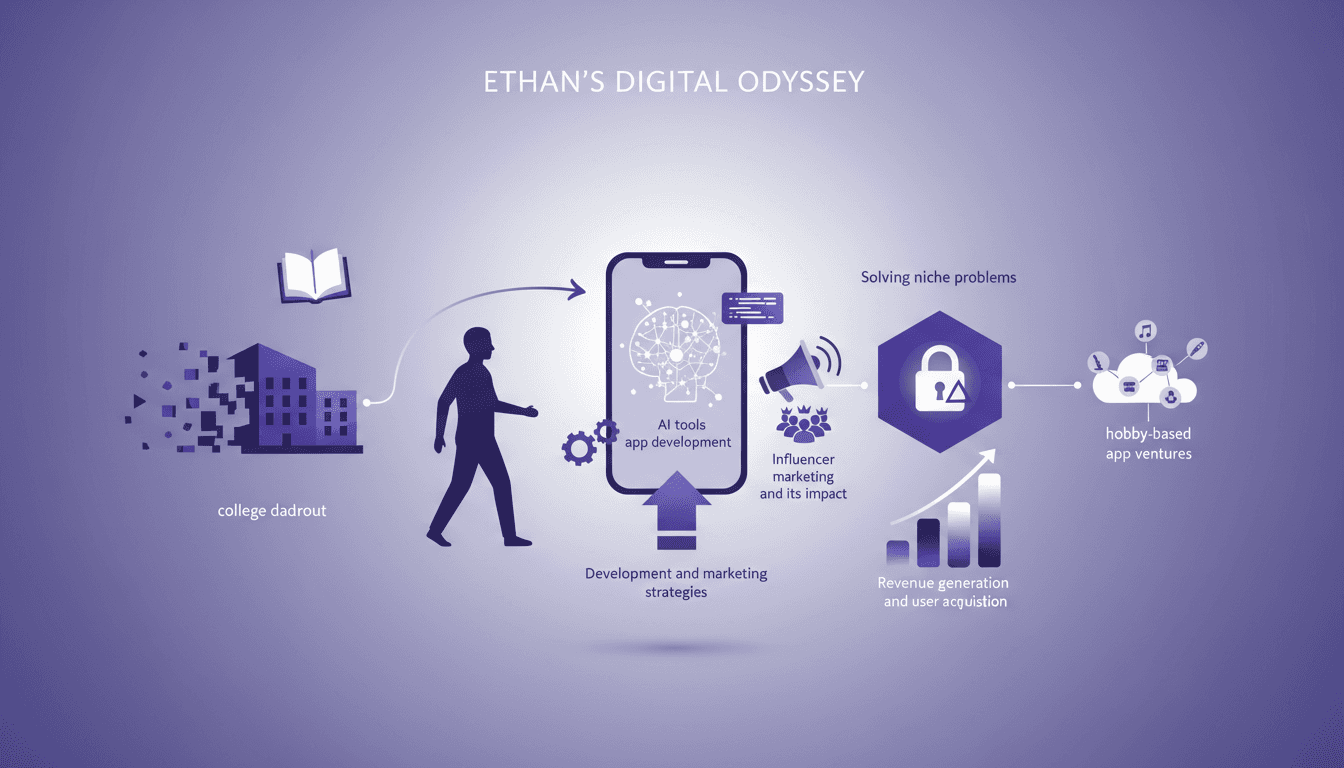
Building a Niche App: $20K/Month Journey
I dropped out of college at 19 to build a wrestling app, and now it brings in $20K a month. How? By connecting AI tools with smart business models and leveraging influencer marketing. The app isn't just a hobby turned business; it solves a real niche problem. Throughout this journey, I navigated between technical development and growth strategies. From setting up a solid architecture to optimizing user acquisition, I learned to orchestrate every aspect. Watch out, it wasn't all smooth sailing: I made mistakes. But now, I'm sharing what I wish I knew from the start. It's an adventure that shows how a passion can turn into a serious revenue opportunity.
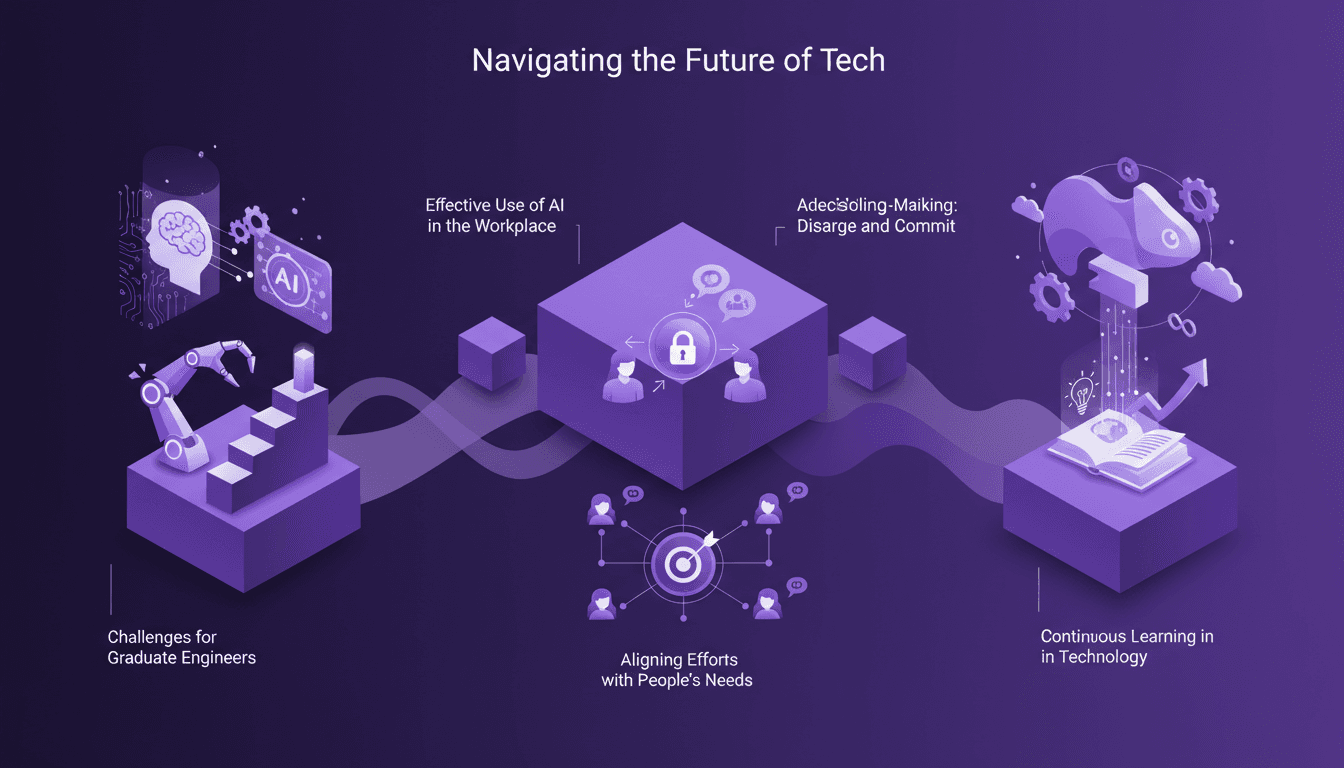
Graduate Engineer Challenges: Strategies and Solutions
I started as a backend engineer, and now I'm heading mobile at Uber. It's been quite a ride, filled with challenges, AI breakthroughs, and some serious decision-making strategies. In this piece, I'll share how I navigated these waters. From tackling the hurdles of being a fresh graduate to effectively leveraging AI at work, I reveal the practical strategies that have shaped my journey in the tech industry. Don't expect abstract theories here; this is concrete, real-life lessons with a healthy dose of 'disagree and commit' to spice things up.

Cutting Space Costs: SpaceX and Wright's Law
I remember the first time I saw a SpaceX rocket land itself. It was like watching the future unfold right in front of me. But it's not just about the spectacle. SpaceX is reshaping costs and opening new frontiers. By slashing space travel costs, SpaceX is setting the stage for new industries and economic models. Let's dive into how they're doing it and what it means for us. With Wright's Law, production costs drop as experience increases. Space-based data centers and microgravity manufacturing are just the beginning. SpaceX isn't just dreaming about the future; they're building it. We'll also discuss the role of AI and robotics, two essential tools for seizing future opportunities.
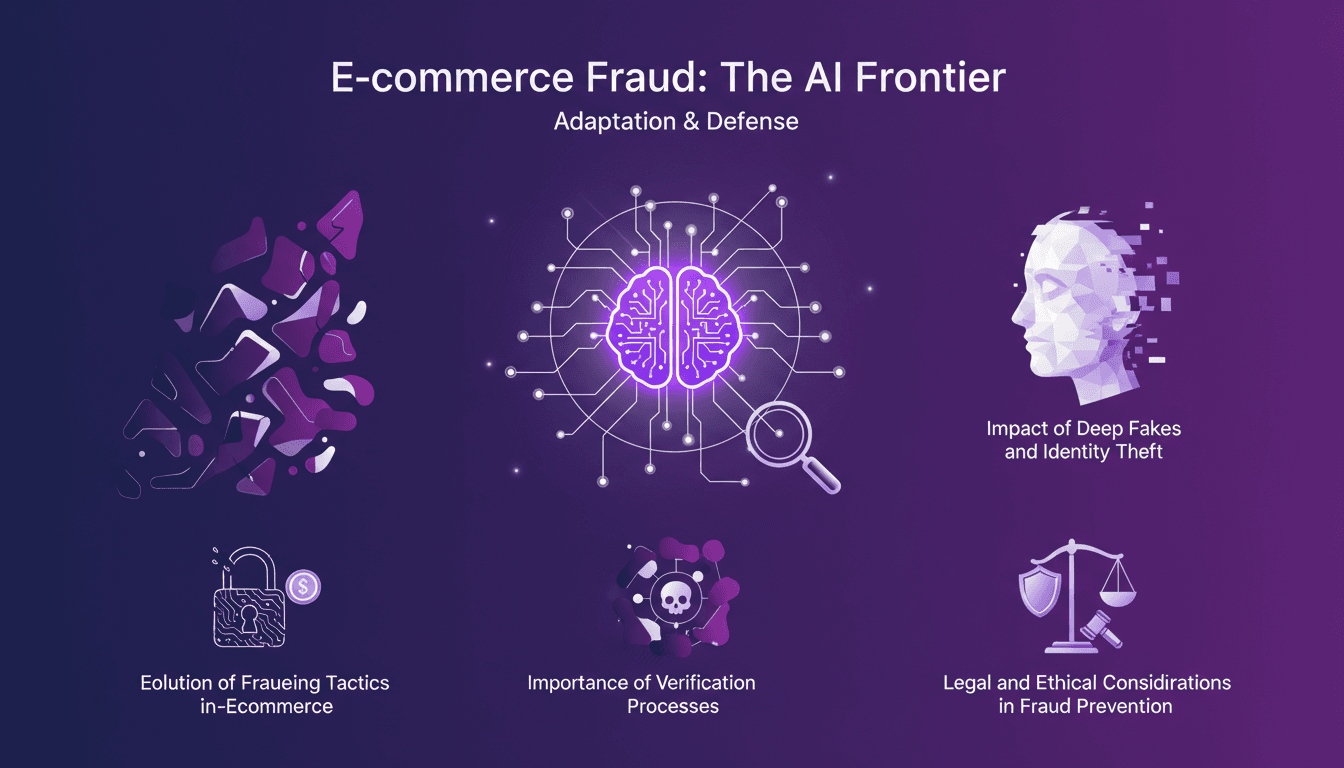
E-commerce Fraud Evolution: Strategies and Solutions
I've watched scammers evolve from basic cons to sophisticated operations, even targeting our homes. Every day, I fight against this, and trust me, it's a relentless challenge. Between cryptocurrency security, deep fakes, and 'Fraud as a Service', staying ahead requires constant vigilance and innovation. In this podcast, I take you behind the scenes of our daily battle: how we anticipate new fraud techniques in e-commerce, the importance of verification processes, and the legal and ethical considerations that guide us. Get ready to discover the strategies I use to outsmart these threats and protect our clients.

Mastering Sales Objections: Effective Tactics
I've been in sales long enough to know that handling objections sometimes feels like an art form. But trust me, it's not magic—it's science. Let me take you through my strategies for tackling sales objections, methods that are so effective they almost feel illegal. By exploring the difference between manipulation and influence, and integrating AI into the sales process, we can truly transform each interaction. We'll also dive into the importance of validating prospects' situations and developing tailored persuasion profiles. The goal? To turn every objection into an opportunity with concrete, tested approaches.