Building Pi: Transition from Cloud Code
Back in 2025, I made the leap from cloud code to Pi, and let me tell you, it wasn't just a platform switch. It was a full overhaul of my coding approach, focusing on efficiency and adaptability. First, I faced the notorious token madness, but soon discovered the power of Pi's customization. In this article, I walk you through my journey, the challenges I faced, and how I leveraged Pi to overcome them. We'll dive into the intricacies of coding agents, the role of TypeScript modules, and strategies to avoid pitfalls. The key is that Pi allowed me to transform how I code, without falling into the trap of over-relying on automated tools. Join me in this advanced technical journey, full of practical insights.
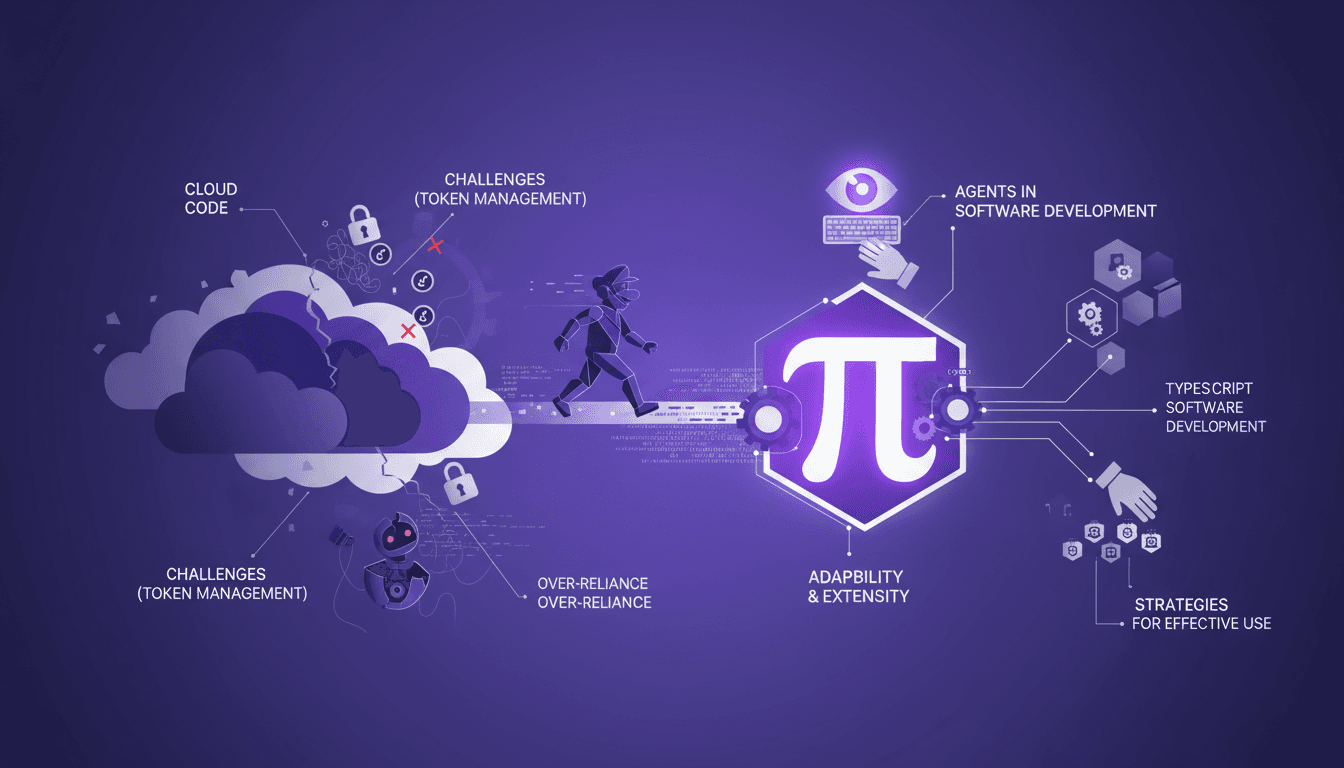
I transitioned from cloud code to Pi back in 2025, and let me tell you, it wasn't just a simple switch. It was a complete overhaul of how I approached coding efficiency and adaptability. First, I faced the notorious token madness, but soon discovered the power of Pi's customization. In this article, I'll walk you through my journey, the challenges I faced, and how I leveraged Pi to overcome them. We'll dive into the intricacies of coding agents, the role of TypeScript modules, and strategies to avoid pitfalls. The key is that Pi allowed me to transform how I code, without falling into the trap of over-relying on automated tools. Join me in this advanced technical journey, full of practical insights.
From Cloud Code to Pi: Navigating Token Madness
Back in 2025, I jumped headfirst into cloud code, and initially, it felt like hitting the jackpot. But soon, I found myself tangled in the nightmare of token management. Imagine juggling 10,000 tokens — it was chaos. Every day was a fight against context overflows and a complete lack of observability. It reminded me of my days at construction sites, where if my hammer broke every day, I'd end up fuming.
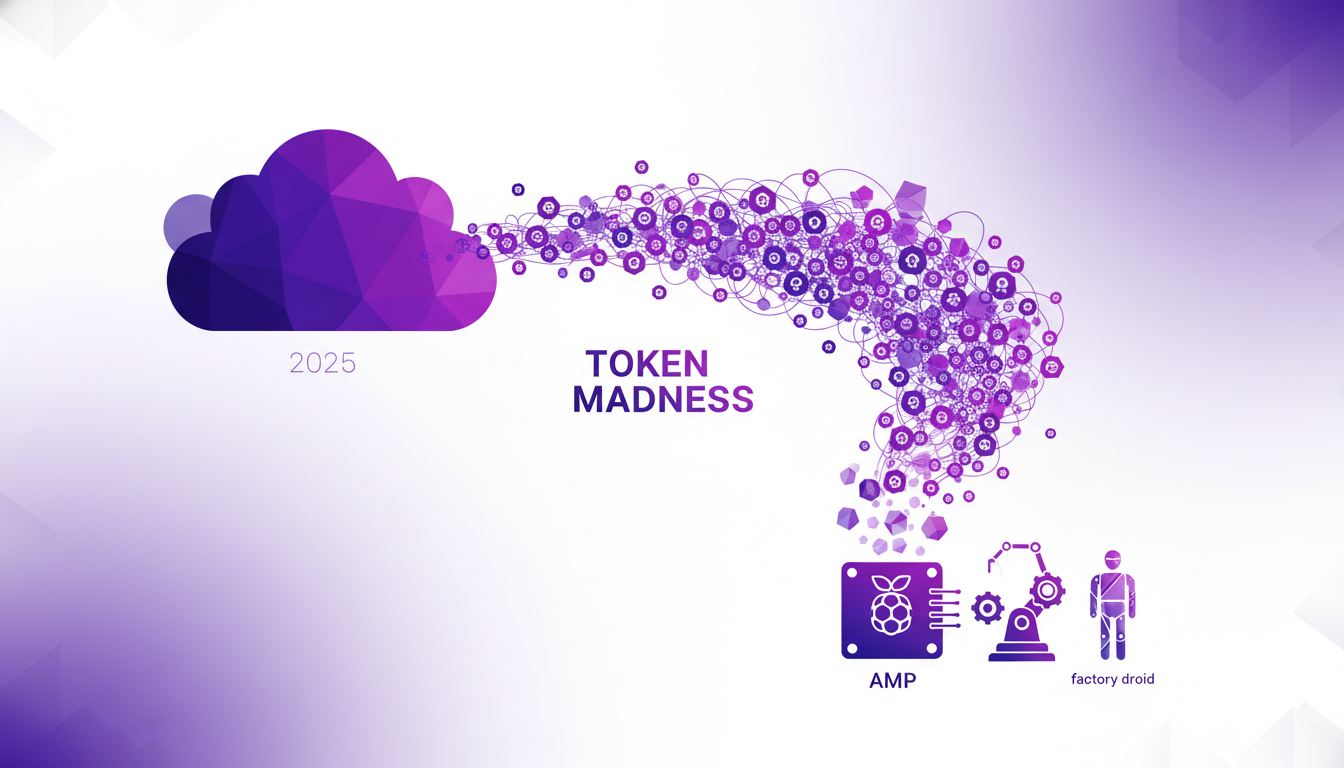
I explored alternatives like AMP and factory droid. These solutions are the Ferraris of the coding agent world, but they remained out of reach for my budget. Eventually, I realized the need for a more adaptable and extensible solution, one that could evolve with my needs without drowning me in unnecessary features.
Developing Pi: Features and Customization
The journey from concept to the implementation of Pi was an adventure. Right from the start, the goal was clear: create an agent that truly adapts to our workflow. Using TypeScript modules to customize Pi was a real game changer. It allowed me to keep an eye on everything with zero hassle observability.
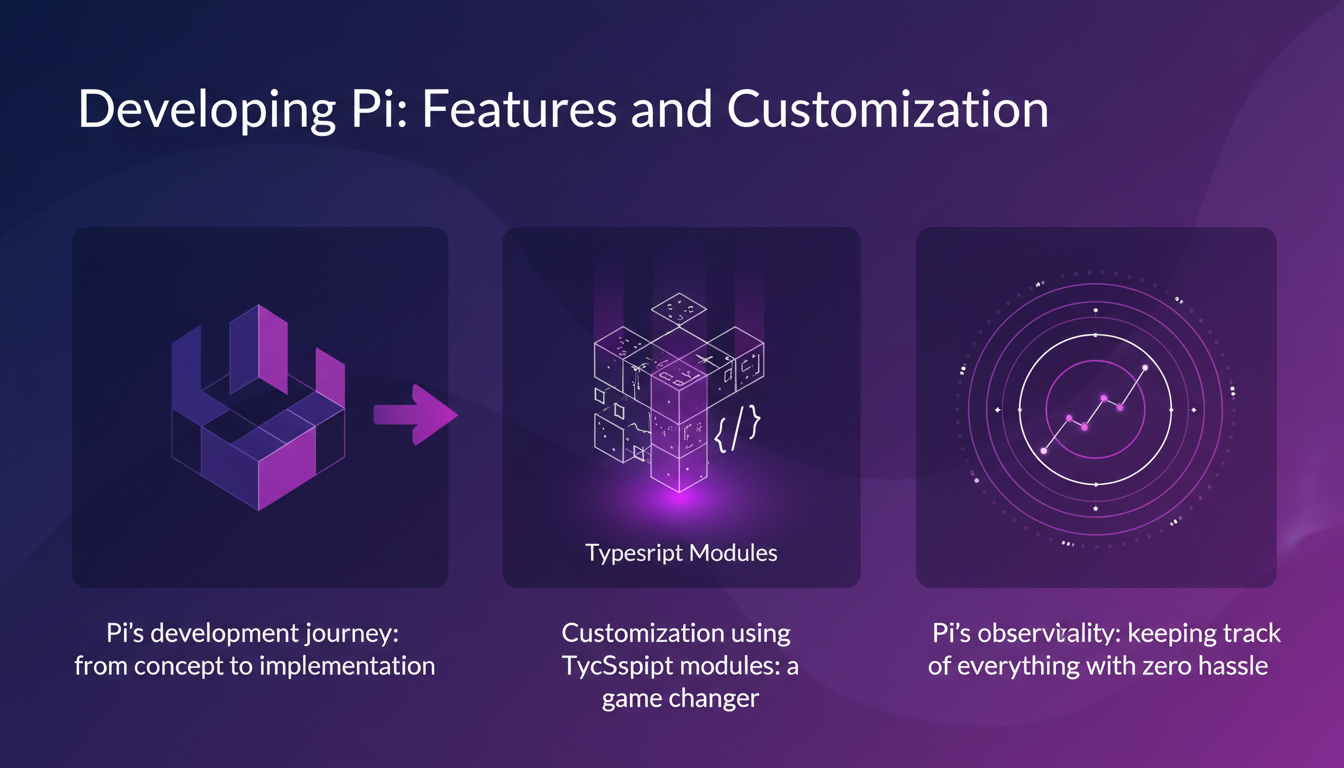
Pi comprises four core tools: Retrate, edit, mesh, and one more. Together, they offer unparalleled flexibility and power. With these tools, I can not only monitor everything that happens but also intervene quickly if needed.
Harnessing Coding Agents: The Right Balance
The role of agents in software development is about balancing efficiency and control. Trust me, I've learned the hard way that over-reliance on automated tools can lead to compounded errors and increased complexity.
But, with the right strategies, you can harness agents without losing sight of the essentials. The trick is to use them to automate repetitive tasks while keeping a vigilant eye on the process. I've also integrated agentic search and reinforcement training of models to optimize performance without needing 10,000 tokens.
Pi's Extensibility and the Importance of Human Oversight
With Pi, customizing functionalities through TypeScript is a breeze. But beware, it's crucial to maintain human oversight to ensure code integrity and quality. Too much automation can lead to errors that are hard to diagnose without manual checks.
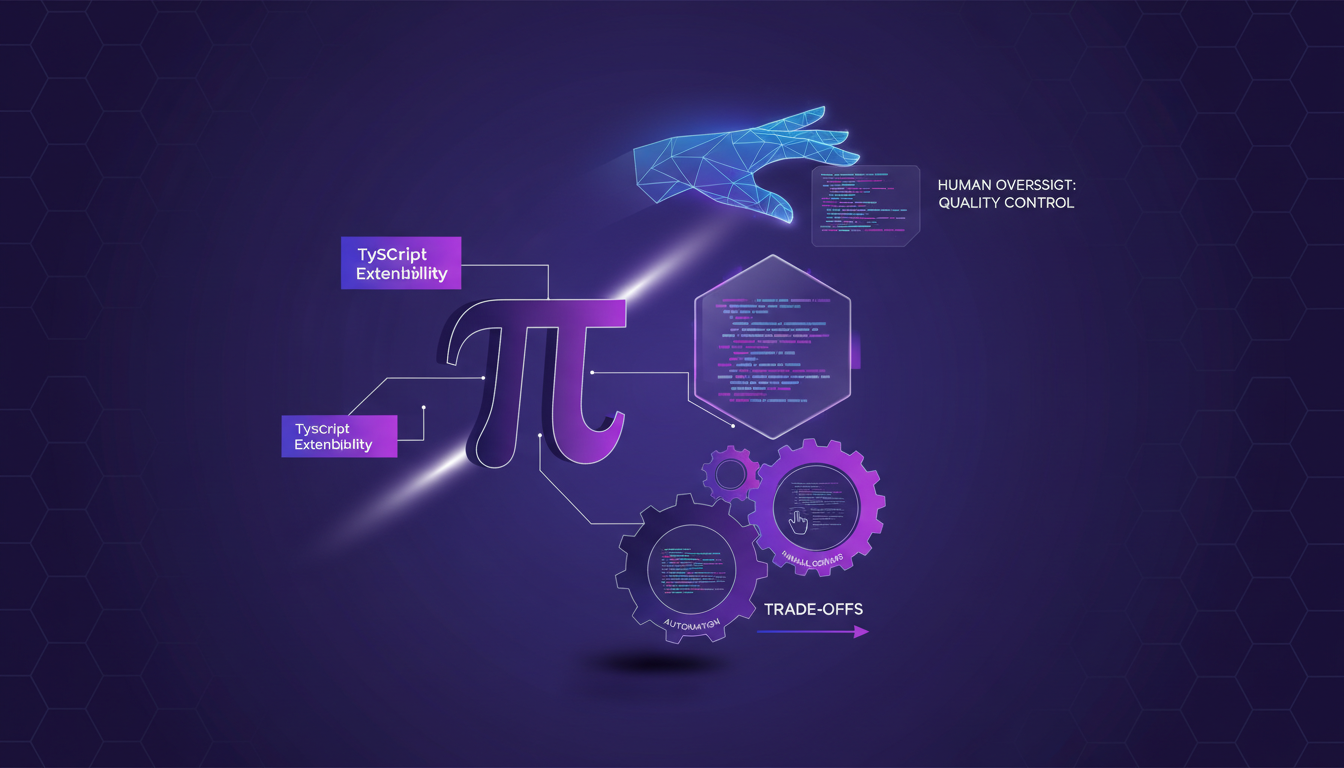
It's essential to balance efficiency with the need for human intervention. In the end, that's what ensures the robustness and reliability of our codebase.
Conclusion: Strategies for Developers Moving Forward
In summary, to transition smoothly with Pi, it's important to leverage its customization capabilities and agentic strategies. Remember to stay vigilant against potential pitfalls, as balance is key.
So, I encourage you to further explore Pi's capabilities and stay updated with the latest innovations. To learn more about revolutionizing your development time, check out this article on Codex.
Transitioning to Pi has been a journey packed with challenges and revelations. By focusing on customization, effective use of agents, and maintaining human oversight, I've managed to streamline my coding process. It's not just about adopting new tools; it's about orchestrating them to work in harmony. Here are some key takeaways:
- Pi's adaptability and extensibility are game changers, but watch out for losing the big picture with too much customization.
- Keeping human oversight is crucial—zero observability can be a real issue.
- Agents play a critical role in software development and can really boost efficiency when used effectively.
Looking ahead, I see Pi continuing to transform workflows, especially if we balance customization with efficiency. If you're ready to make the leap, dive into Pi's capabilities and start customizing your workflow today. For deeper insights, watch Mario's full video: Building pi in a World of Slop.
Frequently Asked Questions

Thibault Le Balier
Co-fondateur & CTO
Coming from the tech startup ecosystem, Thibault has developed expertise in AI solution architecture that he now puts at the service of large companies (Atos, BNP Paribas, beta.gouv). He works on two axes: mastering AI deployments (local LLMs, MCP security) and optimizing inference costs (offloading, compression, token management).
Related Articles
Discover more articles on similar topics
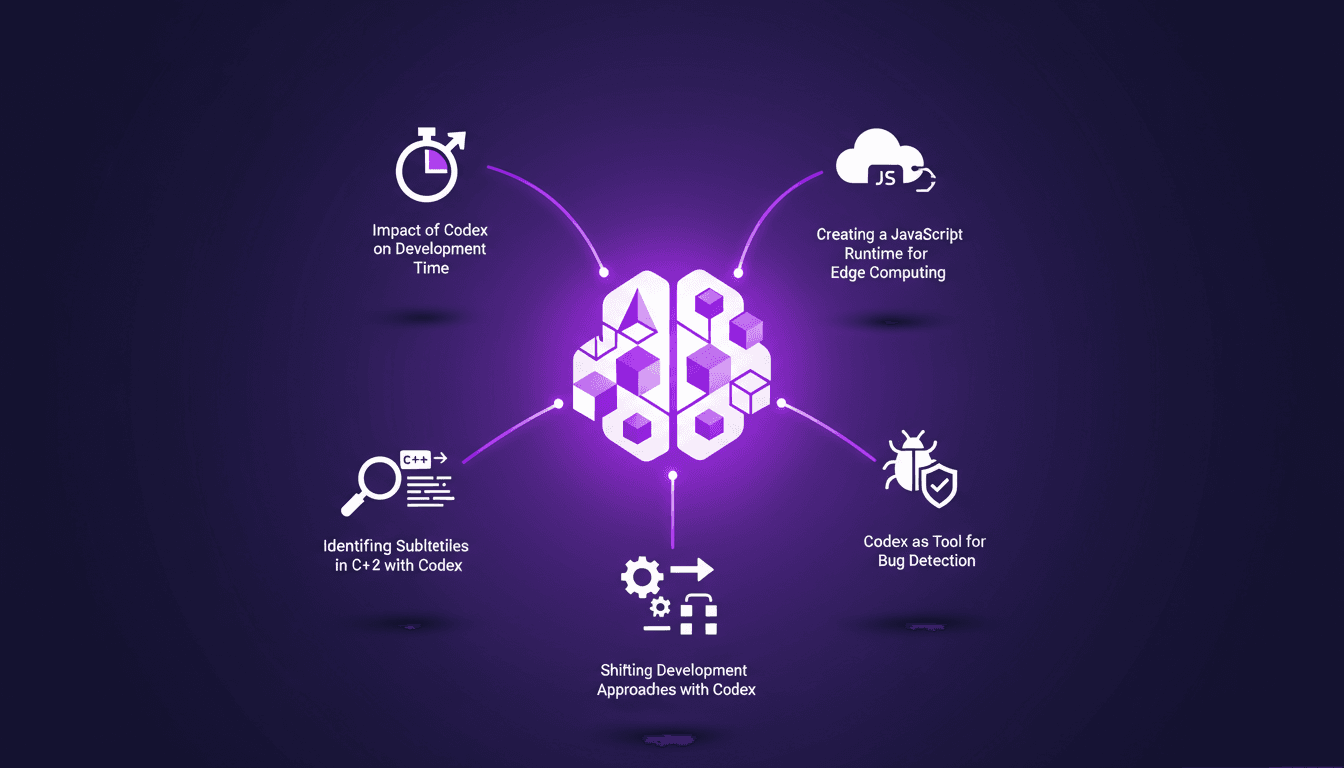
Codex: Revolutionizing Development Time
I used to spend weeks, even months, wrestling with development time. Then Codex came along and changed the game. Let me walk you through how it slashed my JavaScript runtime project from a year to just two weeks. Codex has been nothing short of transformative. From identifying C++ subtleties to creating a JavaScript runtime for edge computing, Codex has streamlined processes I once thought were set in stone. In this video, I dive into how Codex impacted development time, detected bugs, and shifted our development approach.
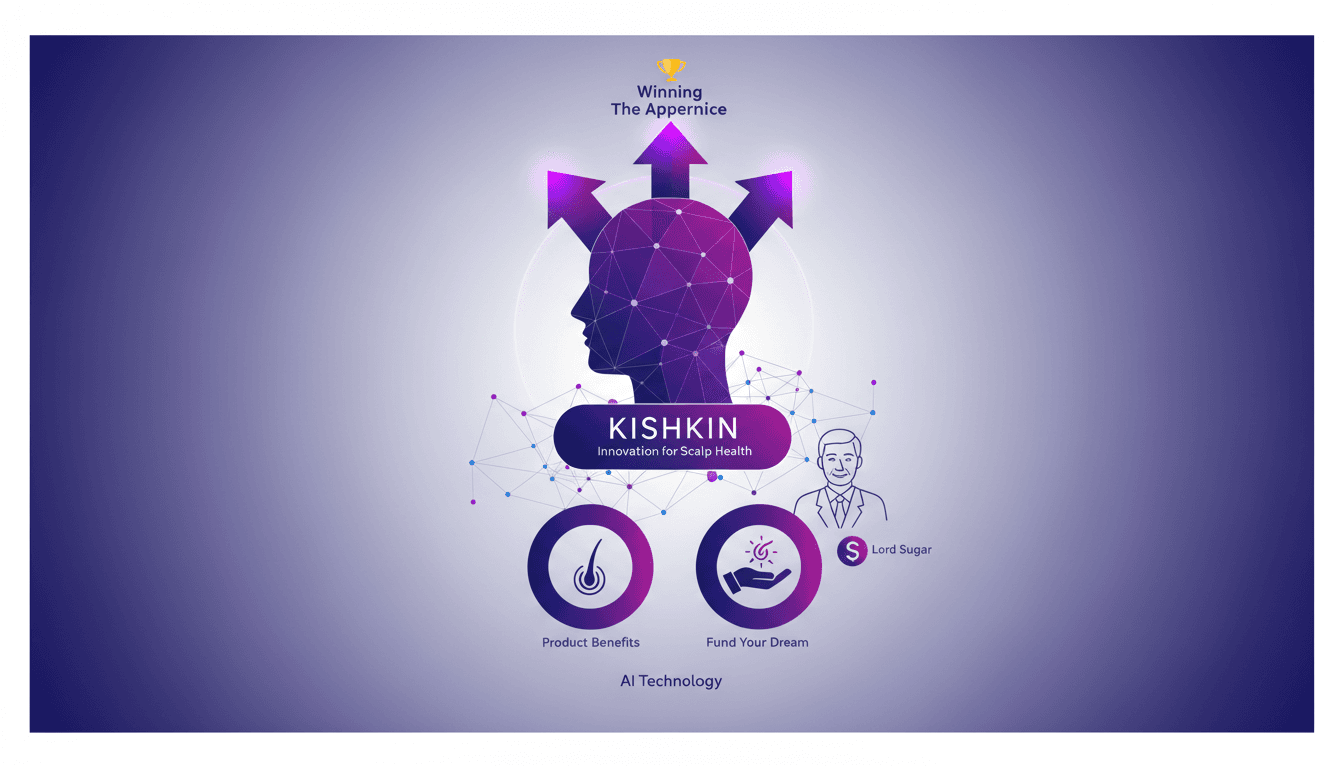
Winning The Apprentice: My Journey and Prize
I remember the moment I won The Apprentice like it was yesterday. Walking away with £250,000 was incredible, but it was just the beginning. It wasn't just about the money, but how I used the opportunity to build something tangible with Kishkin. I'm going to walk you through how I turned that win into a thriving business and what it's like working alongside Lord Sugar. We'll dive into the origins of Kishkin, the scalp care benefits we offer, and why collaborating with a business titan is a game changer. Plus, I'm not stopping there—I have an exciting proposal to help fund your dream.
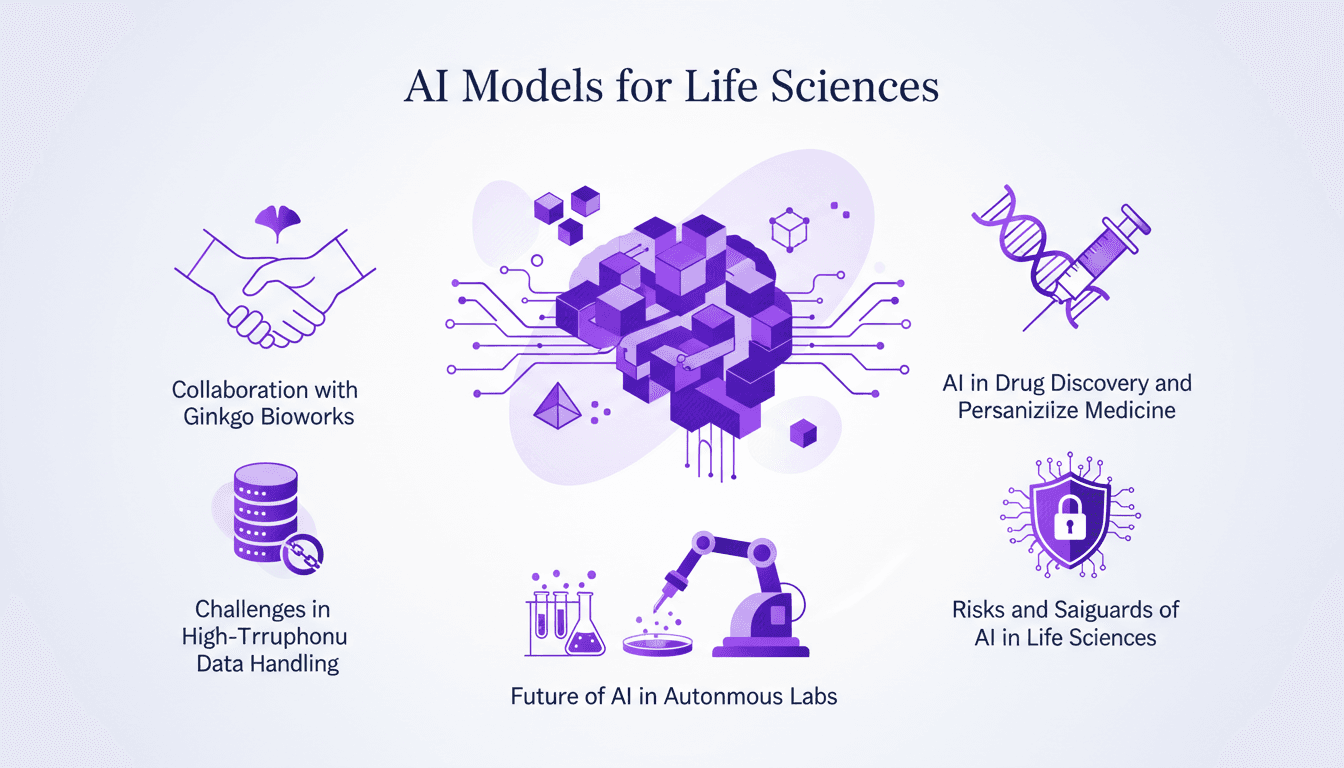
Building AI Models for Life Sciences: Guide
Knee-deep in AI for life sciences, I navigate a rapidly evolving landscape. Collaborating with giants like Ginkgo Bioworks means constantly rethinking our approaches. From handling massive data to drug discovery, every day is an adventure. AI is often hailed as a revolution, but beware of pitfalls: without safeguards, you might get burned. Join me as we dive into this fascinating world where innovation and caution must coexist to build the future.
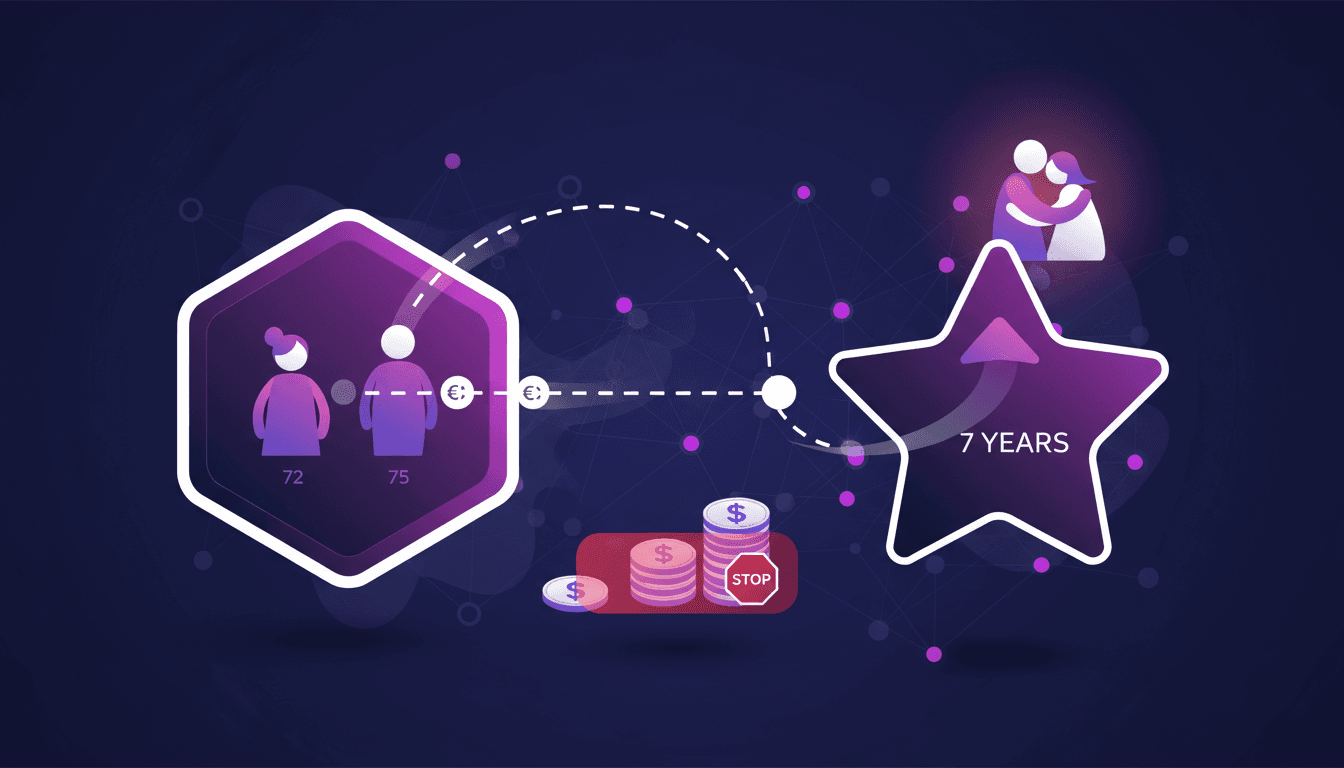
Bringing Family to America: A Dream in Action
I've been living in the U.S. for 13 years, and the dream of bringing my parents from Italy has been a constant part of my journey. But let me tell you, dreams aren't handed on a silver platter. You build them, step by step. Immigration isn't just an emotional journey; it's a logistical and financial battleground. I'm navigating these tricky waters, balancing flight costs (500 to 800 dollars one way), endless paperwork, and the ticking clock of my parents' age (they're 65 now). Family is everything, and the thought of having them here beside me is an incredible driving force. I urge anyone in a similar situation to take action, despite the obstacles. Because having family close? That's priceless.
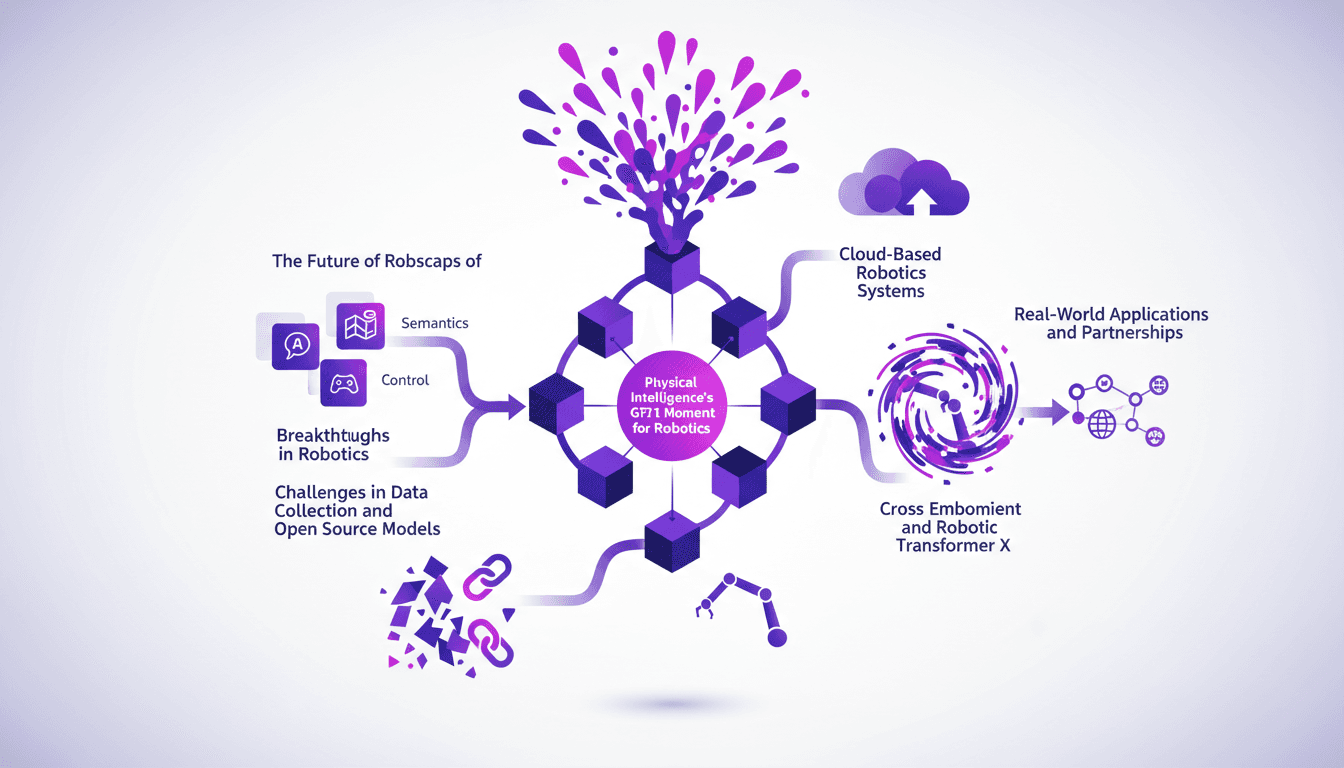
Robots in Action: Revolutionizing Business
I remember the first time I saw a robot actually work in a real-world setting. Not a demo, not a prototype, but a robot doing exactly what it was built to do. This is the moment the robotics industry has been waiting for. With breakthroughs in semantics, planning, and control, and concepts like Physical Intelligence's GPT1 moment, we're witnessing a major transformation. But what does this mean for the business landscape and future applications? We're talking cloud-based robotics systems, real-world applications, and the Cambrian explosion of robotics. We've open sourced PI 0 and PIO5, and in two years, real deployment in companies is on the horizon. Why? Because generalist robots improve performance by 50% compared to specialist models. It's a game changer.