Robots in Action: Revolutionizing Business
I remember the first time I saw a robot actually work in a real-world setting. Not a demo, not a prototype, but a robot doing exactly what it was built to do. This is the moment the robotics industry has been waiting for. With breakthroughs in semantics, planning, and control, and concepts like Physical Intelligence's GPT1 moment, we're witnessing a major transformation. But what does this mean for the business landscape and future applications? We're talking cloud-based robotics systems, real-world applications, and the Cambrian explosion of robotics. We've open sourced PI 0 and PIO5, and in two years, real deployment in companies is on the horizon. Why? Because generalist robots improve performance by 50% compared to specialist models. It's a game changer.
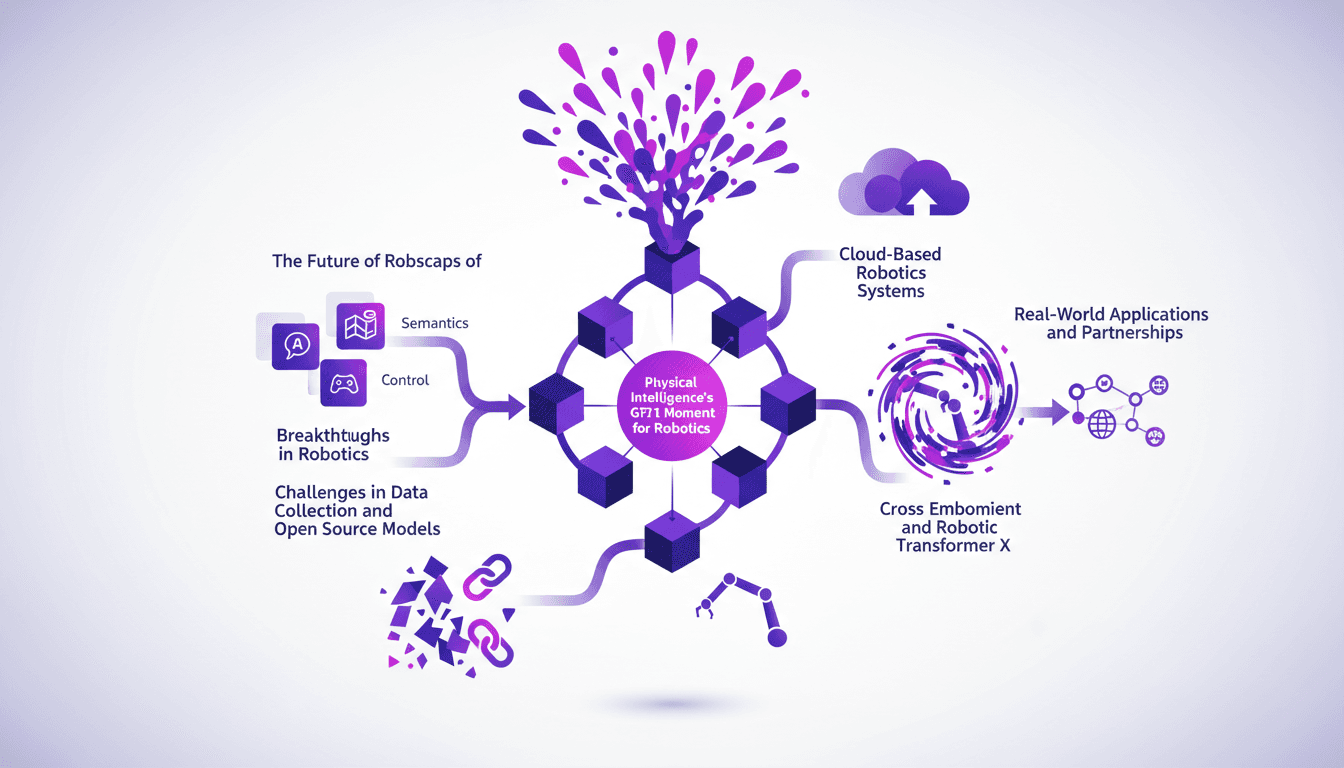
I remember the first time I saw a robot actually work in a real-world setting. It wasn’t just a demo or a prototype; it was a robot doing what it was built to do. This is the moment we’ve been waiting for in robotics—a real shift in how we think about and deploy these machines. The industry is on the brink of a major transformation with breakthroughs in semantics, planning, and control. Concepts like Physical Intelligence's GPT1 moment are coming into play. But what does this mean for business? Imagine generalist robots that improve performance by 50% over specialist models. That's huge. In two years, we're looking at real deployments in companies, thanks to cloud-based robotics systems and open source models like PI 0 and PIO5. But watch out for the challenges in data collection and open source models. The revolution is underway, and it's time to adapt and seize this incredible opportunity.
The Changing Landscape of Robotics Business
The robotics business model is evolving at breakneck speed. I see it every day in my agency, where the upfront cost for starting a robotics business isn't the hurdle it used to be. We've moved from a world where you practically had to mortgage your house to fund a robot to a market where costs are significantly more accessible. This shift is like an industrial revolution in fast forward.
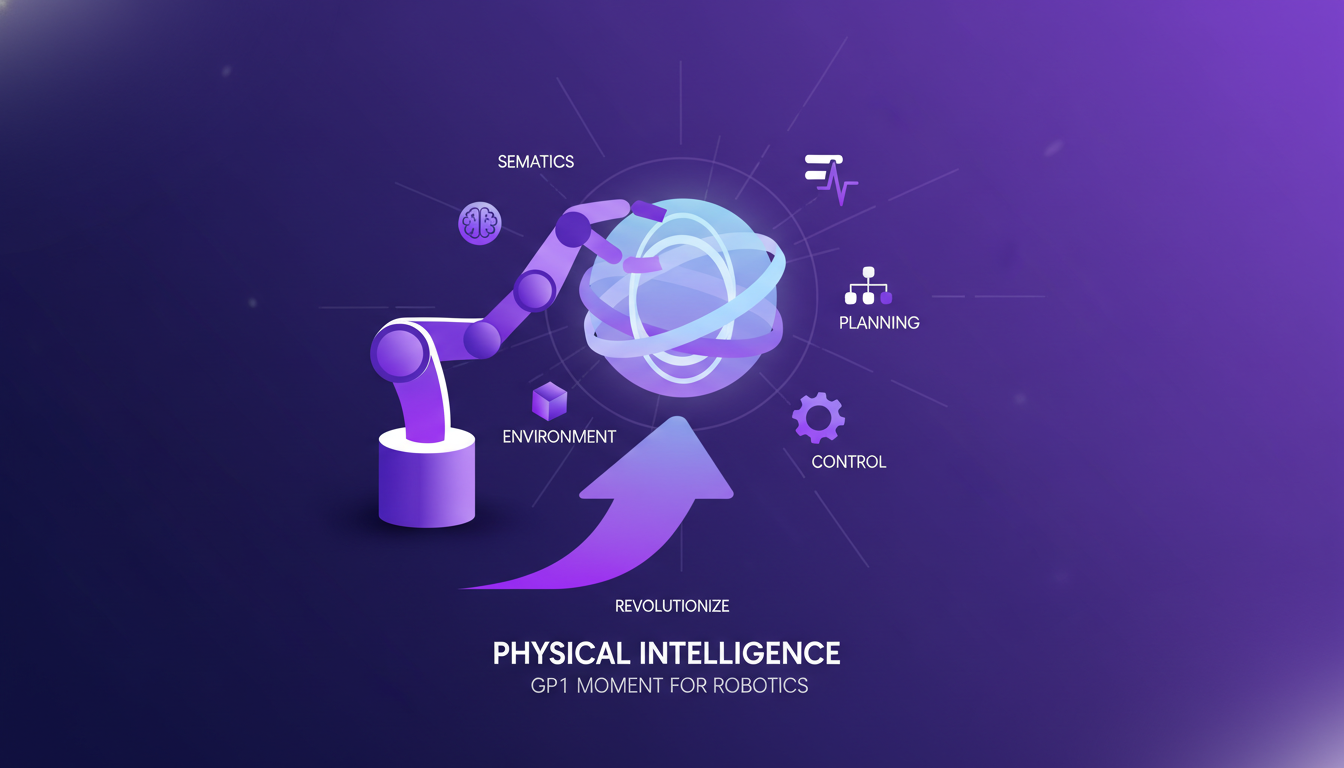
With the advent of cloud-based systems and cross embodiment, new business opportunities are springing up. These systems allow for efficiencies and cost savings that were unimaginable a few years ago. But watch out, don't get swept away by the hype. Real deployment still takes time, about two years to see concrete results. I've learned this the hard way, thinking I could set everything up in a few months.
- The robotics business model is rapidly evolving.
- Upfront costs have decreased, paving the way for new startups.
- Cloud-based systems and cross embodiment offer new opportunities.
- Real deployment takes approximately two years.
Physical Intelligence's GPT1 Moment for Robotics
When talking about revolution in robotics, one cannot ignore the impact that Physical Intelligence aims to have, much like the GPT1 moment for AI. The idea is to create robots that better understand their environment and interact more autonomously. It's an approach that focuses on semantics, planning, and control.
The challenges are numerous, particularly in data collection and the development of open-source models. I remember spending entire weeks searching for the right data to train our models. It's a long-haul effort. And don't expect miracles overnight. The transition to smarter robots requires significant groundwork.
- Physical Intelligence aims to revolutionize robotics like GPT1 did for AI.
- Focus on semantics, planning, and control.
- Challenges include data collection and the development of open-source models.
- The transition requires a lot of time and effort.
Breakthroughs in Semantics, Planning, and Control
Advancements in semantics allow robots to better interpret and act on data. It's fascinating to see how planning algorithms have improved, enabling more autonomous decision-making. I've orchestrated systems where robots can adapt to various tasks thanks to more robust control systems.
These breakthroughs are crucial for developing zero-shot learning capabilities, where robots can perform tasks without prior specific training. But beware of relying too heavily on any single aspect, or you risk limiting overall performance.
- Advancements in semantics improve data interpretation by robots.
- Planning algorithms enable autonomous decision-making.
- More robust control systems make robots more adaptable.
- Zero-shot learning is in development.
Cross Embodiment and Robotic Transformer X
The concept of cross embodiment allows robots to learn from each other, increasing their versatility. I've seen how Robotic Transformer X plays a crucial role in sharing knowledge across different platforms. This approach has shown a 50% improvement in performance. But be cautious, it requires careful orchestration to avoid conflicts.
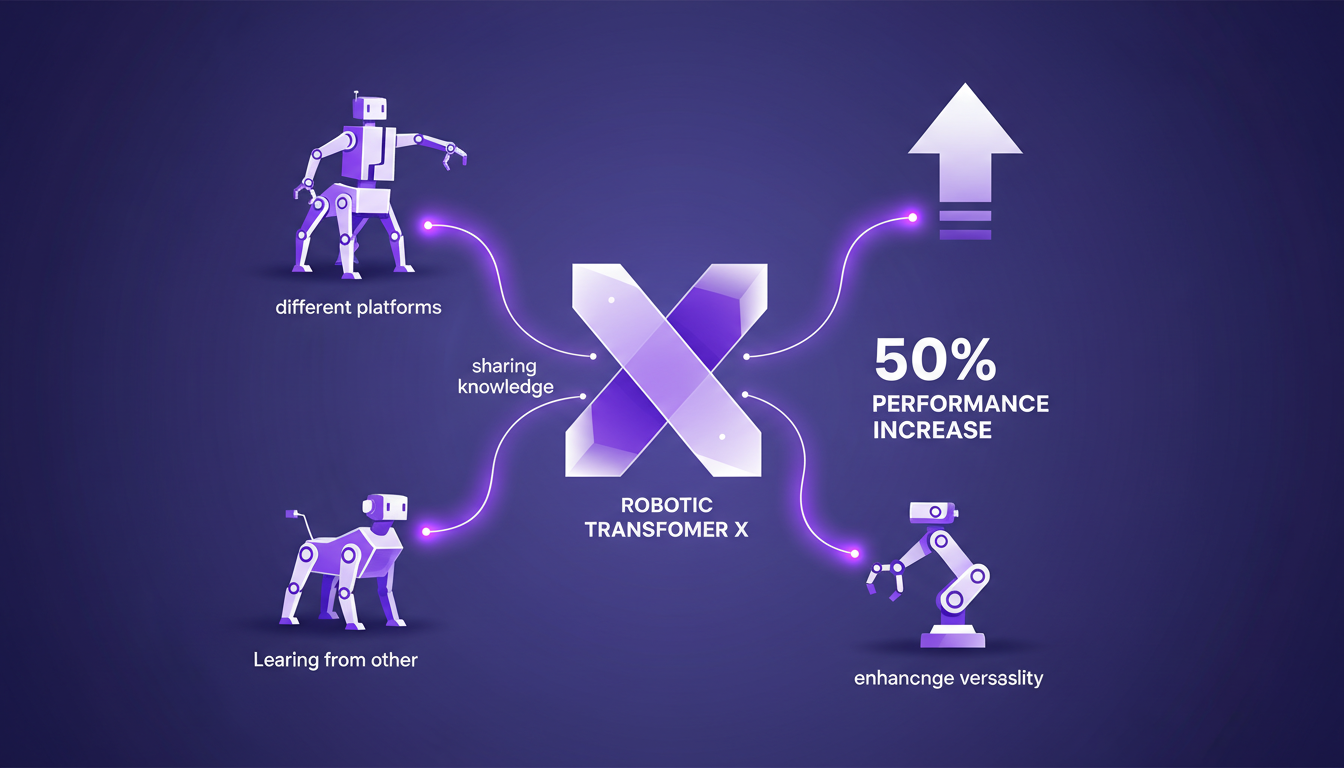
Zero-shot learning enables robots to perform tasks without specific training, which is a real game-changer. That said, cross embodiment requires careful orchestration to avoid conflicts between models.
- Cross embodiment increases robot versatility.
- Robotic Transformer X is crucial for knowledge sharing.
- 50% improvement in performance observed.
- Zero-shot learning is now possible.
Real-World Applications and Cloud-Based Systems
Partnerships are key to effectively deploying robots in real-world scenarios. I've worked with companies that use cloud-based systems to offer scalability and reduce the need for on-site processing. This facilitates faster updates and maintenance, cutting down downtime.
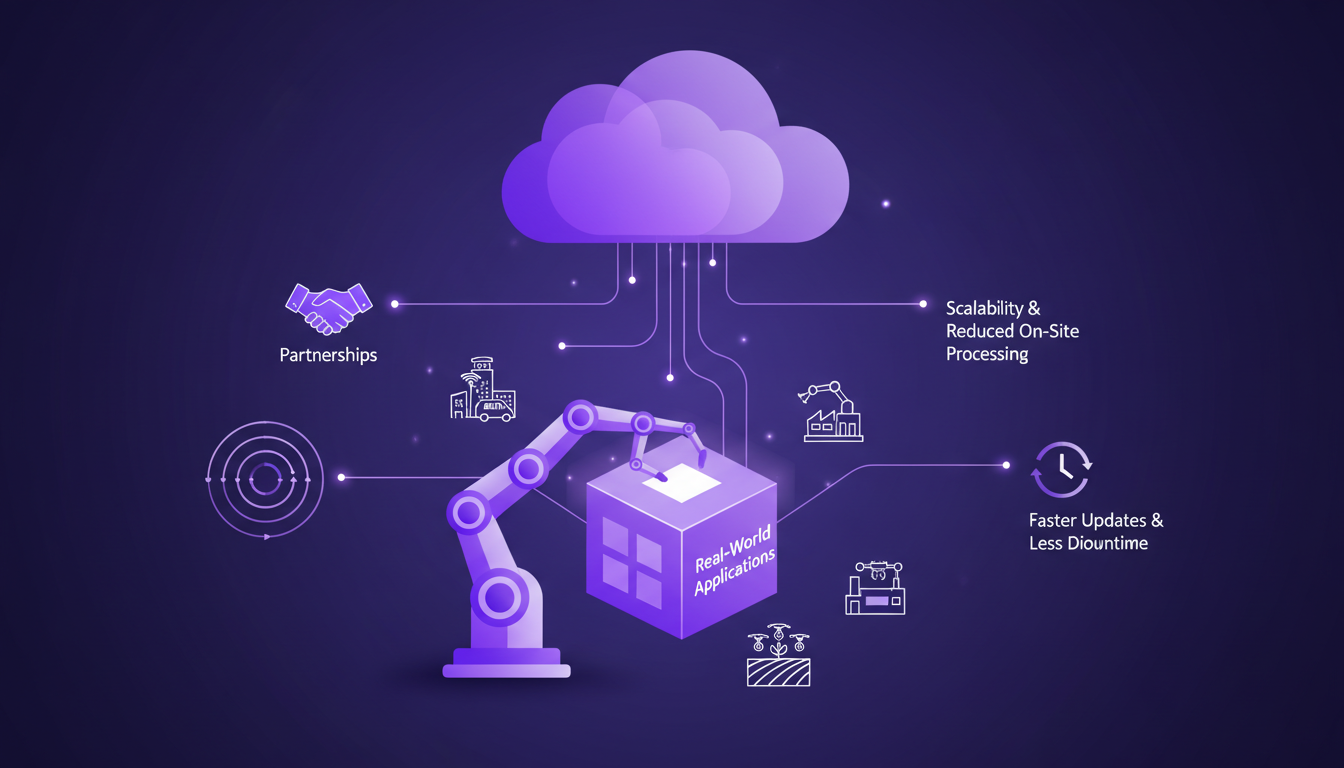
Real-world applications are expanding from manufacturing to healthcare. But be cautious, cloud reliance can be a double-edged sword. It is crucial to ensure robust cybersecurity measures.
- Partnerships are key for real-world deployments.
- Cloud systems offer scalability and reduce on-site processing needs.
- Applications range from manufacturing to healthcare.
- Ensure robust cybersecurity in cloud systems.
So here we are, right in the middle of a robotics revolution. First, I’ve noticed generalist models improve performance by 50% compared to specialist ones in controlling different robots. That’s huge. Next, we're talking about a two-year timeframe for real deployment in companies. Things are moving fast. And then, zero—yep, that’s the number of restrictions we’re placing on open sourcing PI 0 and PIO5. We have tools now, not just theoretical concepts. Just remember, while open-source models are great, handling the complexity of data isn’t a free ride.
I’m really excited about this new phase where robots can genuinely transform the way we work. So if you want to stay ahead, integrate these insights into your robotics strategy. Check out the original video 'Robots Are Finally Starting to Work' on YouTube. It’ll give you an even clearer and deeper perspective.
Frequently Asked Questions

Thibault Le Balier
Co-fondateur & CTO
Coming from the tech startup ecosystem, Thibault has developed expertise in AI solution architecture that he now puts at the service of large companies (Atos, BNP Paribas, beta.gouv). He works on two axes: mastering AI deployments (local LLMs, MCP security) and optimizing inference costs (offloading, compression, token management).
Related Articles
Discover more articles on similar topics
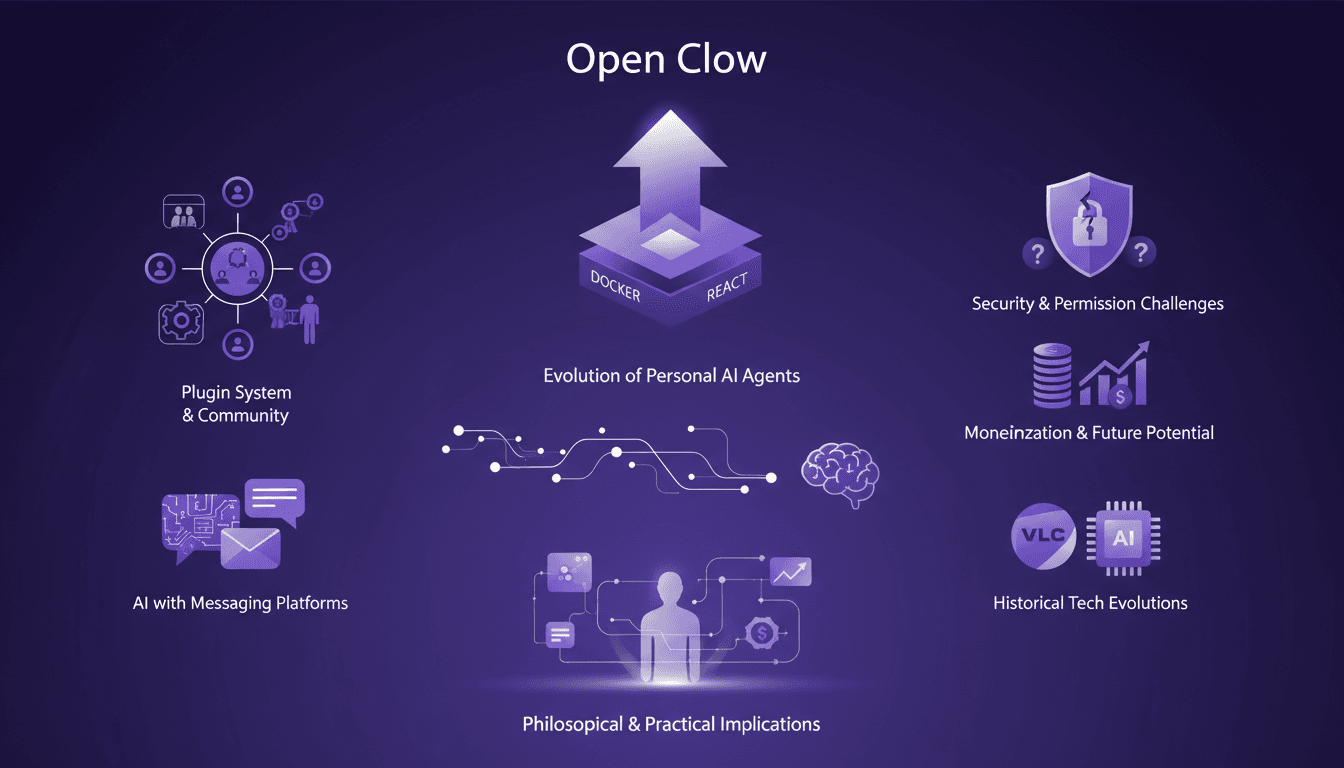
Open Clow Surpasses Docker: Impact and Implications
I clearly remember when Open Clow surpassed Docker and React on GitHub. It felt like witnessing a paradigm shift. Suddenly, personal AI agents were more than just hypothetical—they became a burgeoning movement. With 265,000 stars, Open Clow is reshaping the open-source AI landscape. But it's not just about numbers; it's about the transformation of our daily workflows through these agents. Let's delve into Open Clow's evolution, its plug-in systems, community engagement, and the security challenges it poses. Watch out for permission pitfalls and monetization, because the future of AI is happening now.
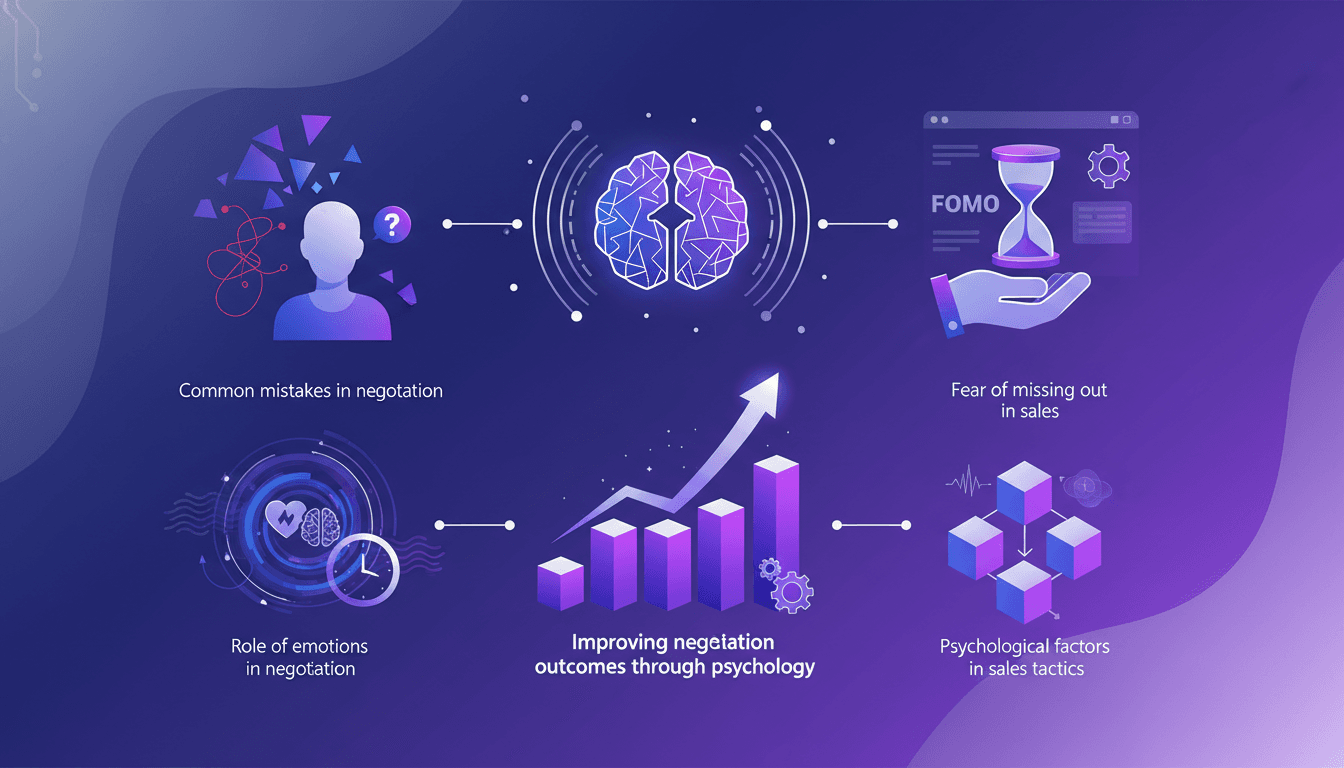
Never Get Lowballed Again: Effective Strategies
I've been in the trenches of real estate negotiations for years, and if there's one thing I've learned, it's that getting lowballed is a gut punch. But I've found ways to turn the tables. Let me walk you through how I use psychology to keep my deals on track. In the fast-paced world of real estate, negotiation isn't just about numbers—it's a psychological game. Understanding the common pitfalls and leveraging emotional intelligence can make or break your deals. Let’s dive into how we can use these insights to our advantage. #realestate #realestateinvesting #psychology
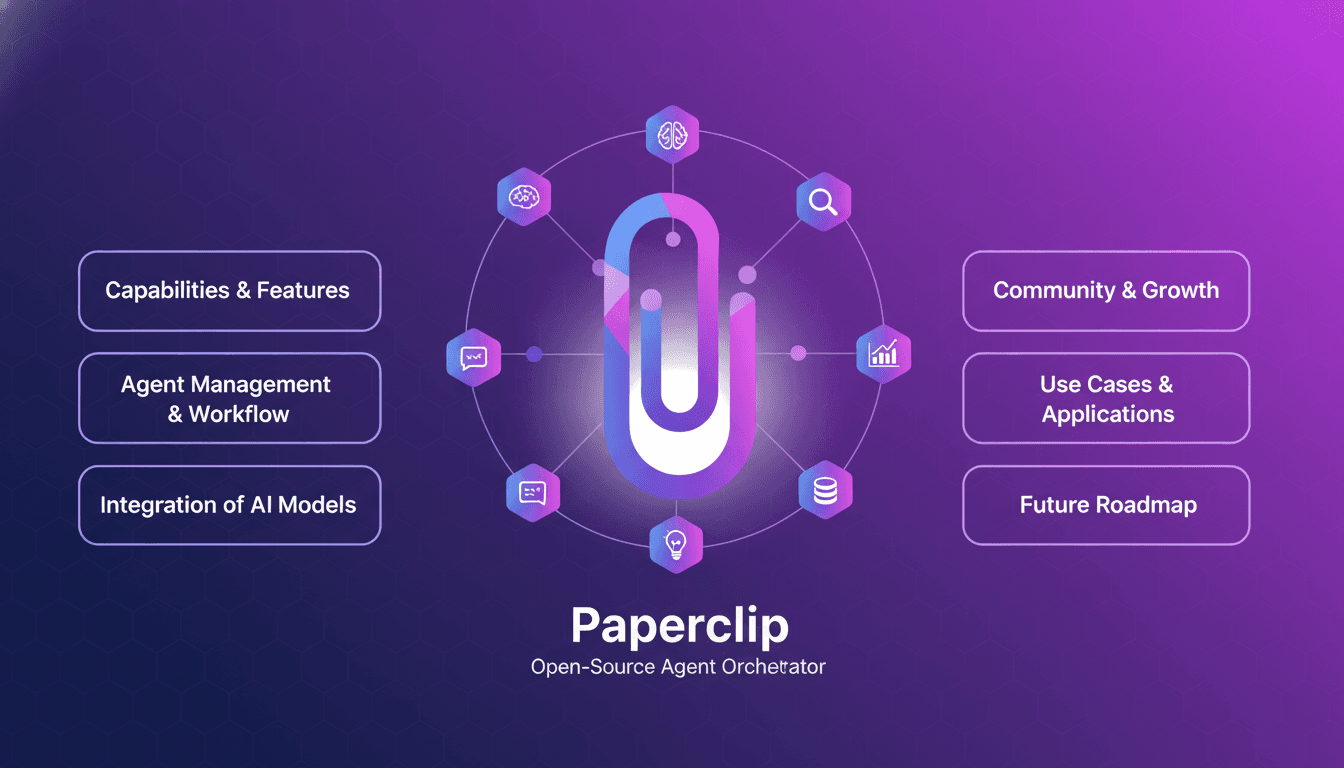
Paperclip: Efficiently Orchestrate Your AI Agents
I remember the first time I heard about Paperclip—it sounded like a game changer for AI orchestration. Having been burned by overly complex systems in my career, I was skeptical. But diving into it, I found a tool that could actually streamline my AI workflows without the usual headaches. Paperclip, an open-source orchestrator, is designed to efficiently manage AI agents, and I've integrated it into my operations to avoid technical migraines. We're talking about seamless orchestration, handling different agent types like Gemini and Hermes, and an engaged community that's constantly pushing development forward. In short, if you're looking to optimize your AI-driven operations, Paperclip might just be the tool that changes everything.
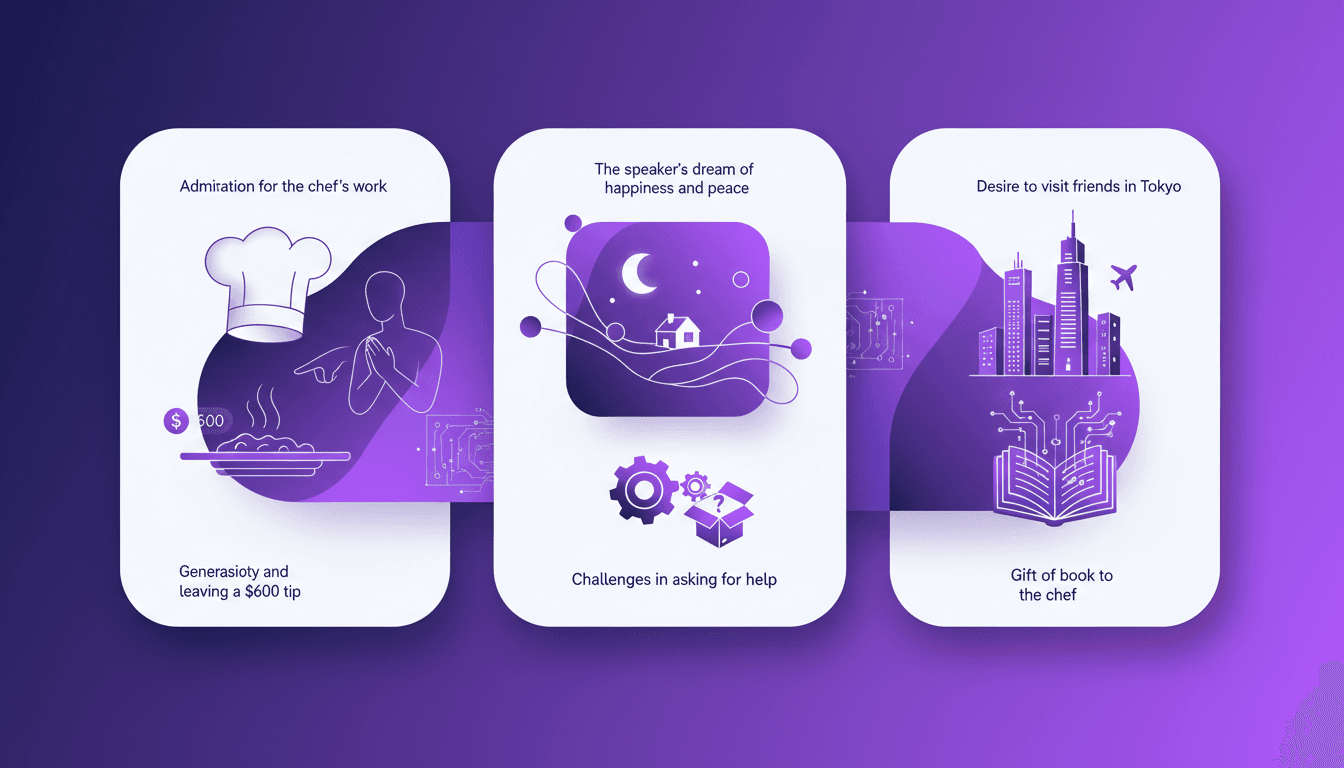
Admiring a Chef: An Inspiring Journey
I walked into the restaurant expecting a meal, but walked out with a life lesson. It all started with admiration for the chef's craft and ended with a $600 tip and a book gift. In this casual conversation, I dive into the intersection of generosity, dreams, and the challenges of asking for help, all while dreaming of visiting friends in Tokyo. How can a simple dinner shift your perspective? Join me to discover how admiring a chef's talent sparked a series of inspiring events.
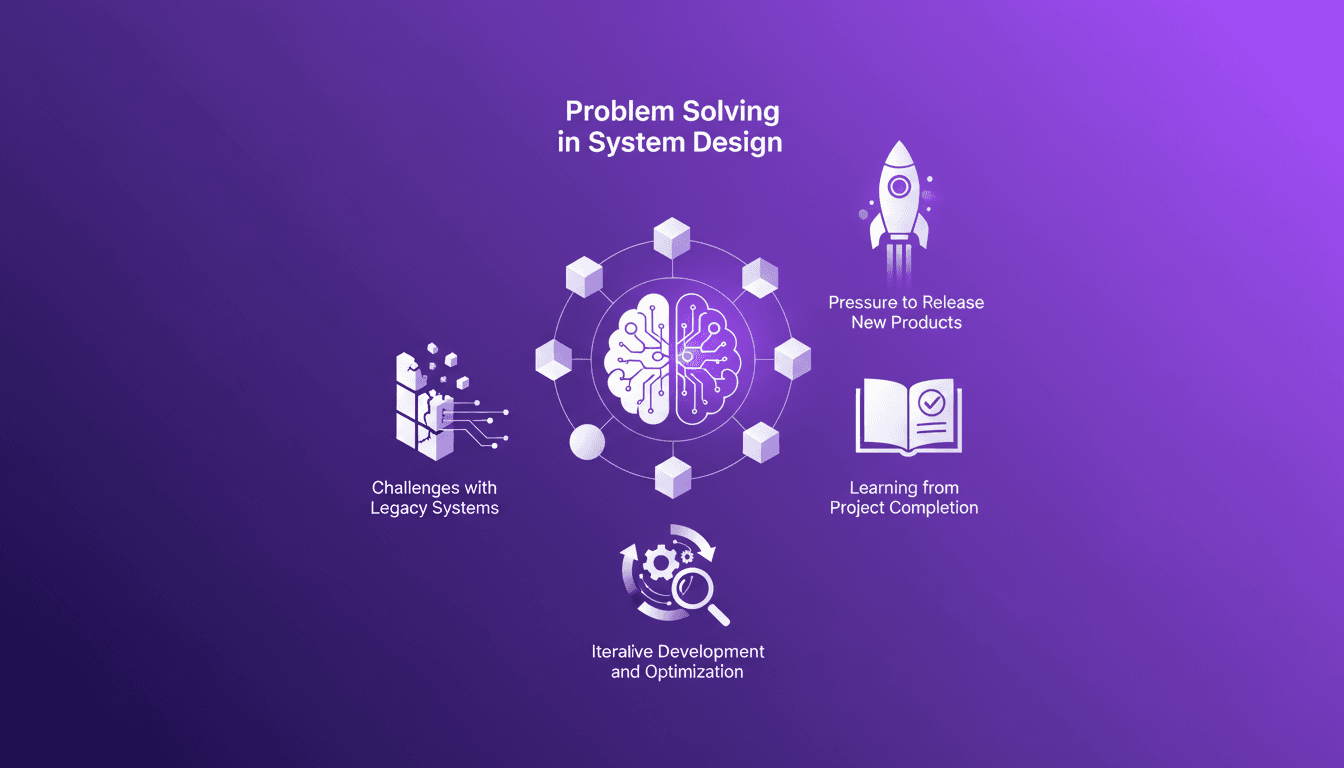
Designing Resilient Systems: A Practical Guide
I've been in the trenches of system design, where every decision feels like a high-stakes game. You know the pressure to launch new products while wrestling with legacy systems? Yeah, I've been there. In this podcast, I dive into the nitty-gritty of how to design systems that don't just survive but thrive. We discuss problem-solving, the pressures of deadlines, and iterative development. Tackling legacy systems' challenges and continuous optimization is key. If you want to truly understand how to build resilient systems, keep reading.