Designing Resilient Systems: A Practical Guide
I've been in the trenches of system design, where every decision feels like a high-stakes game. You know the pressure to launch new products while wrestling with legacy systems? Yeah, I've been there. In this podcast, I dive into the nitty-gritty of how to design systems that don't just survive but thrive. We discuss problem-solving, the pressures of deadlines, and iterative development. Tackling legacy systems' challenges and continuous optimization is key. If you want to truly understand how to build resilient systems, keep reading.
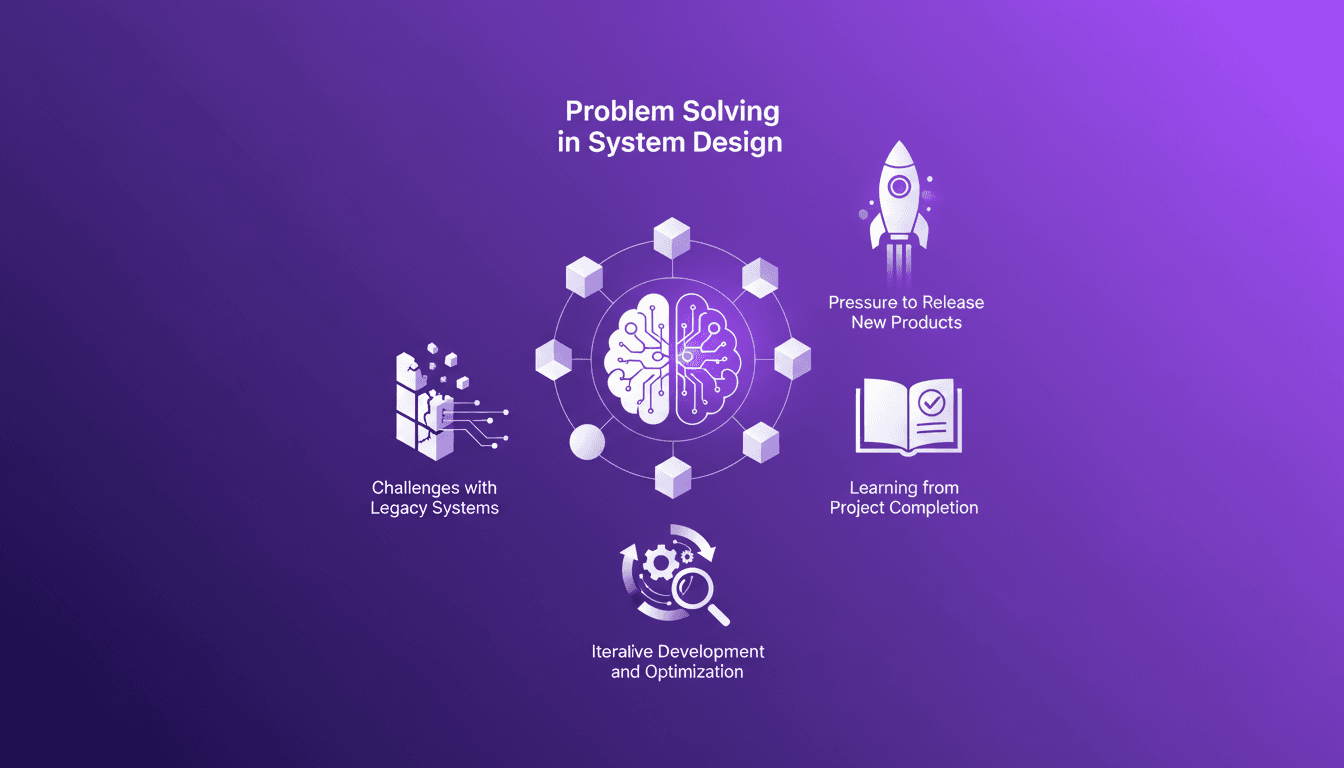
I've been in those trenches, where system design feels like a high-stakes game with every decision. You know that pressure to launch a new product while wrestling with a legacy system? Yeah, I've been there too. And that's exactly what we dive into in this podcast. We get into the nitty-gritty of system design under pressure. First, we tackle problem-solving, then the crazy pressure to release new products, all while trying to learn from every completed project. I share my struggles with legacy systems and how iterative development has reshaped my approach to optimization. If you really want systems that not only survive but thrive, this is where it happens.
Tackling System Design Challenges
As a system design practitioner, let me tell you, real-world challenges often boil down to problem-solving. It's not just about writing clean code but identifying where things go wrong. Trust me, after encountering enough issues, you develop a knack for it.
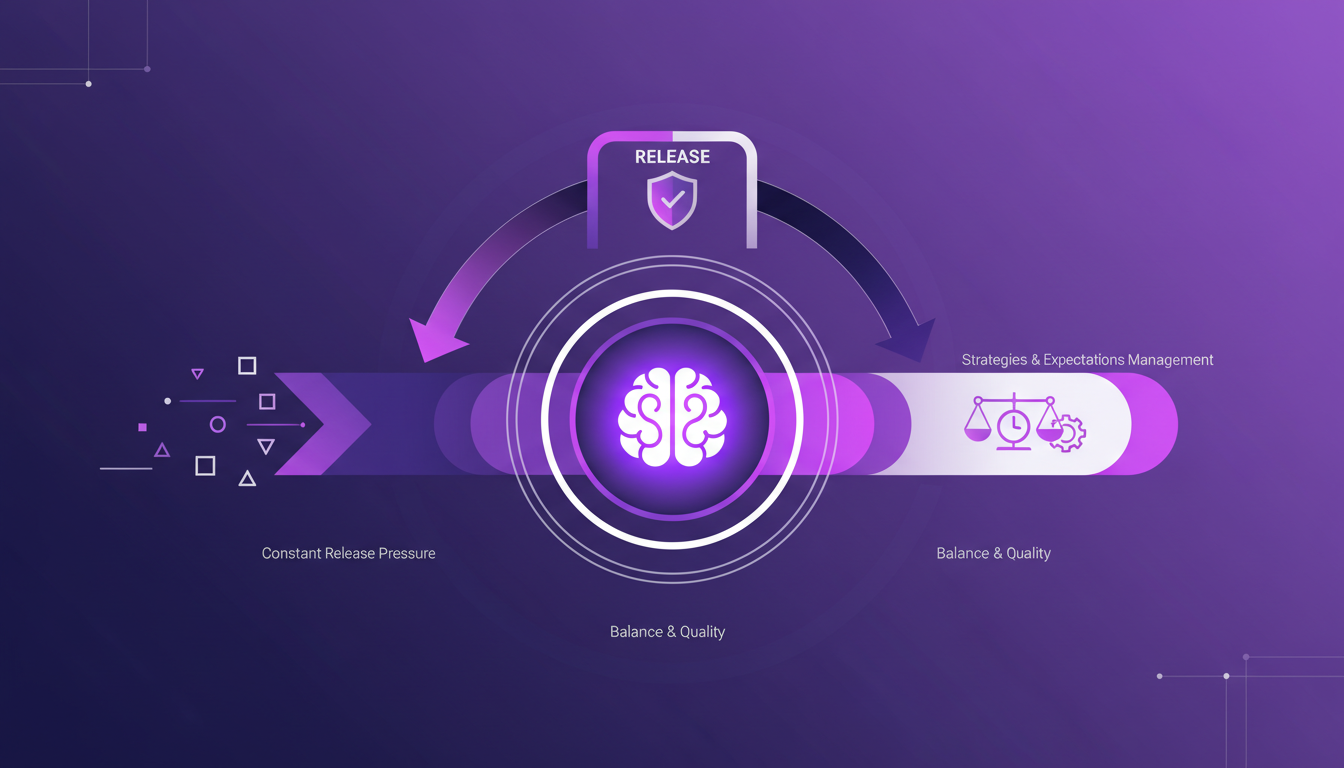
My approach to dissecting complex system issues starts with breaking the system down into critical components. First, I prioritize essential elements, often under pressure (and you know stress can derail you if you're not careful). It's about navigating uncertainties while keeping an eye on the end goal.
- Break down the system into critical components.
- Prioritize under pressure the essential elements.
- Navigate uncertainties with a clear goal in mind.
Navigating the Pressure to Release
The tech world is relentless when it comes to releasing new features. The pressure is constant, and you have to juggle speed and quality. I've learned that setting realistic timelines is crucial (and yes, I've made the mistake of underestimating time more than once).
Another key aspect is communication. Clear exchanges help manage expectations and alleviate pressure. Here, I focus on the feedback loop to ensure everyone is aligned on the same vision.
- Set realistic timelines to avoid surprises.
- Communicate clearly to manage expectations.
- Use the feedback loop to align the vision.
Learning from Completed Projects
Each completed project is a goldmine of lessons. I integrate feedback loops into my workflow to extract as much learning from each experience as possible. Post-mortem analyses are essential to understand what worked and, more importantly, what didn't.
Applying these learnings to future projects is what allows us to progress. It might seem obvious, but believe me, many overlook this crucial step.
- Integrate feedback loops into the workflow.
- Focus on post-mortem analyses to learn from mistakes.
- Apply learnings to future projects.
Overcoming Legacy System Hurdles
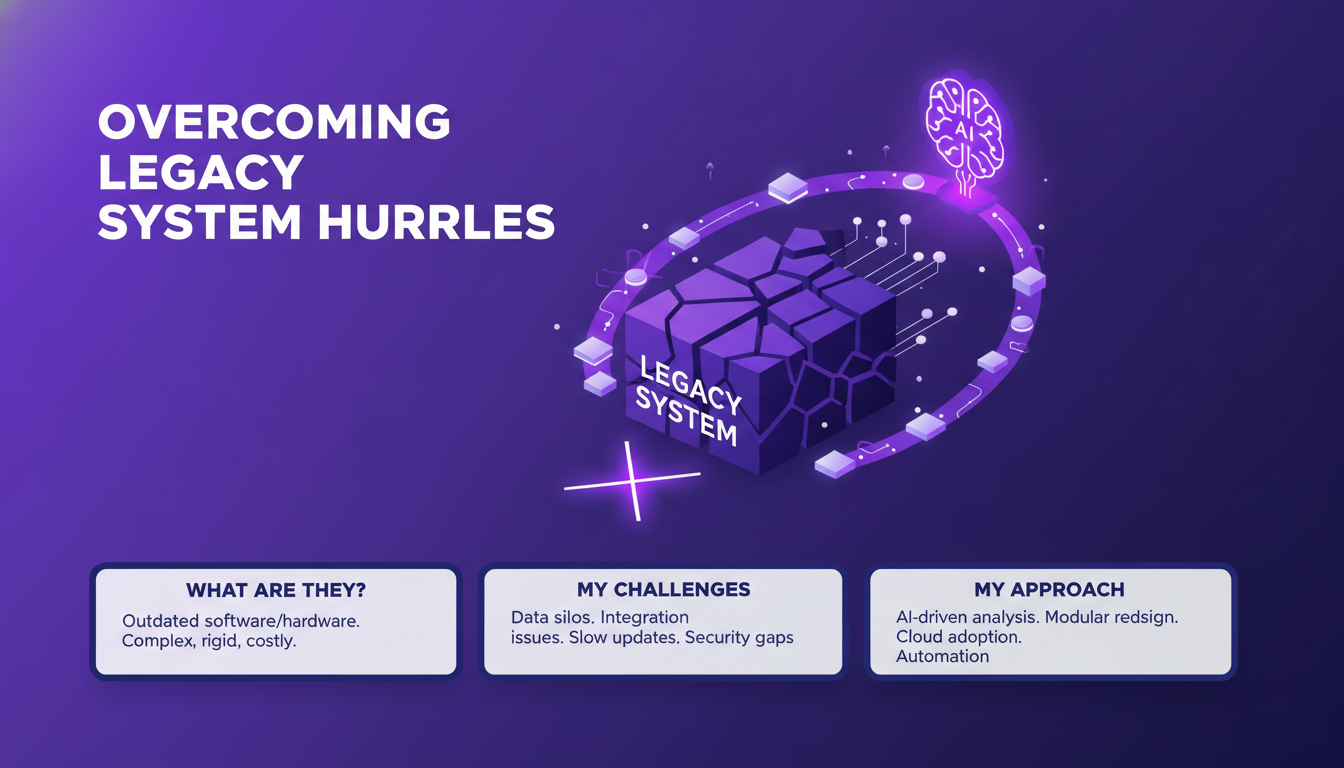
Legacy systems, we often avoid them like the plague, and for a good reason. They're old systems that no one wants to touch. I've faced challenges where the original team was no longer around, and it was a real headache.
To modernize these systems, I adopt an iterative approach. You don't replace everything at once but improve incrementally. It's a balancing act between maintaining and replacing.
- Define legacy systems and understand the challenges.
- Modernize progressively the old systems.
- Balance between maintaining and replacing.
Mastering Iterative Development
Iterative development is truly an asset in our field. It allows for continuous improvement of what we've built. I've implemented iterative processes in my projects to maintain a balance between iteration and perfection.
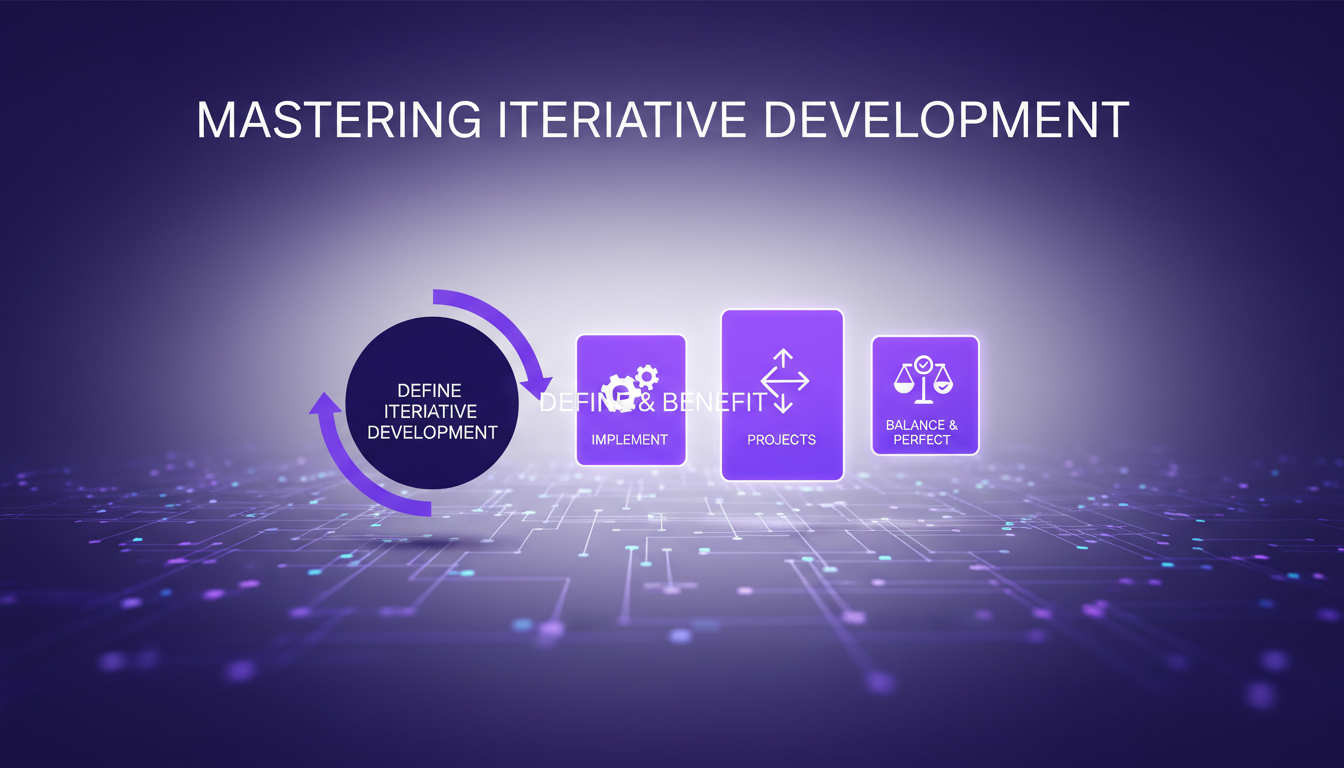
However, watch out for the pitfalls: don't get carried away by the pursuit of perfection, as it can stall your progress. You need to know when to stop and move on to the next phase.
- Implement iterative processes in projects.
- Balance between iteration and perfection.
- Avoid the pitfalls of the pursuit of perfection.
In conclusion, every aspect of our work is an opportunity for learning and improvement. Whether it's overcoming design challenges, navigating pressure, or modernizing legacy systems, the key is to maintain a pragmatic and iterative approach.
Designing systems that last isn't just about technical skills; it's really a mindset thing. First, tackle problem-solving in system design. It's not just about releasing new products under pressure but about learning from every project completion. Then, you've got to deal with the challenges of legacy systems. Trust me, I've been caught in that trap enough times to see the need for a clear strategy.
- Problem Solving: Every obstacle is a lesson, not a dead end.
- Pressure to Release: Release smart, not just fast.
- Learning from Projects: Dig into failures for insights.
- Legacy Systems: Integrate them with care and strategy.
I genuinely believe mastering these elements is how you prepare for tomorrow's challenges. So, ready to transform your system design approach? Start implementing these strategies today and see the difference. For a deeper dive, I encourage you to watch the original video here. Trust me, it's worth it.
Frequently Asked Questions

Thibault Le Balier
Co-fondateur & CTO
Coming from the tech startup ecosystem, Thibault has developed expertise in AI solution architecture that he now puts at the service of large companies (Atos, BNP Paribas, beta.gouv). He works on two axes: mastering AI deployments (local LLMs, MCP security) and optimizing inference costs (offloading, compression, token management).
Related Articles
Discover more articles on similar topics
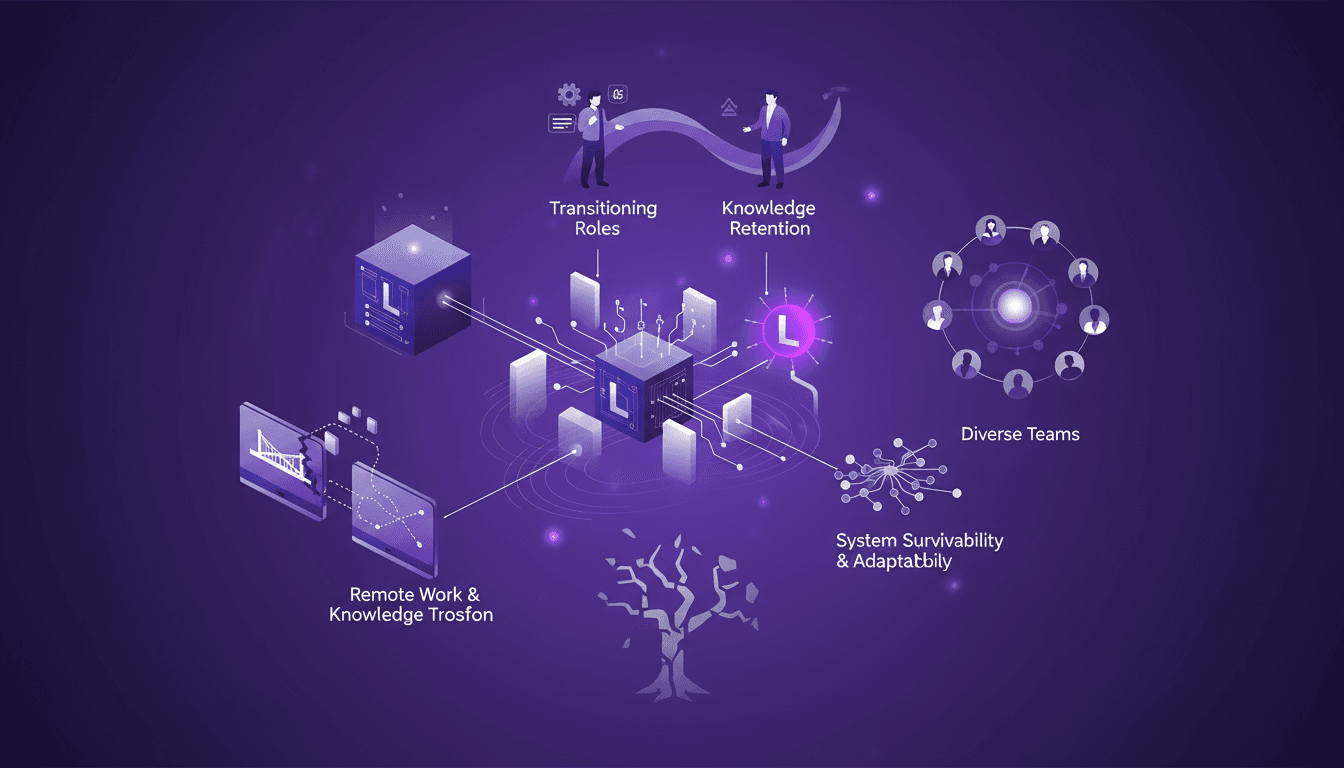
Designing Systems for Survivability: A Practical Guide
With over 30 years in software engineering, let me tell you, systems that last aren't built on the latest buzzwords. It's about tackling real-world challenges. Picture handling knowledge retention in legacy systems while transitioning from technical roles to management. I'll walk you through my approach, drawing on decades of experience. In our rapidly evolving software world, survivability and adaptability are crucial, yet often lost in practice. Let's dive into designing systems that thrive, even amid inevitable tech shifts and team dynamics.
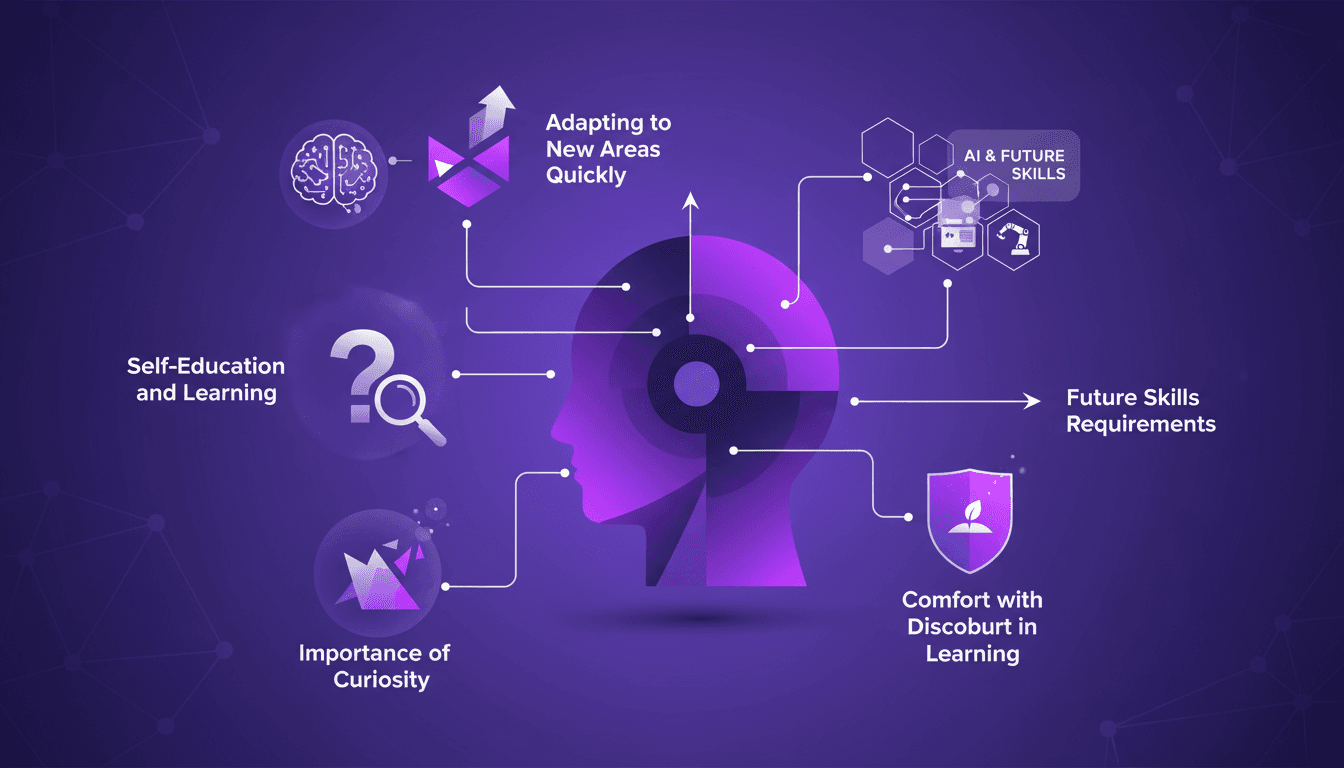
Self-Education: From Dropout to Senior Engineer
I never completed my computer science degree, yet here I am, a senior engineer at GitHub. How did I get here? Spoiler: it's anything but the traditional route. I banked on self-education, curiosity, and embracing discomfort. In a world where tech evolves at lightning speed, what really counts is our ability to learn quickly. I'll show you how these elements shaped my journey and how they can transform yours. We'll dive into how to swiftly adapt to new areas, the importance of daring to be curious, and why getting comfortable with discomfort has become crucial for future skills.
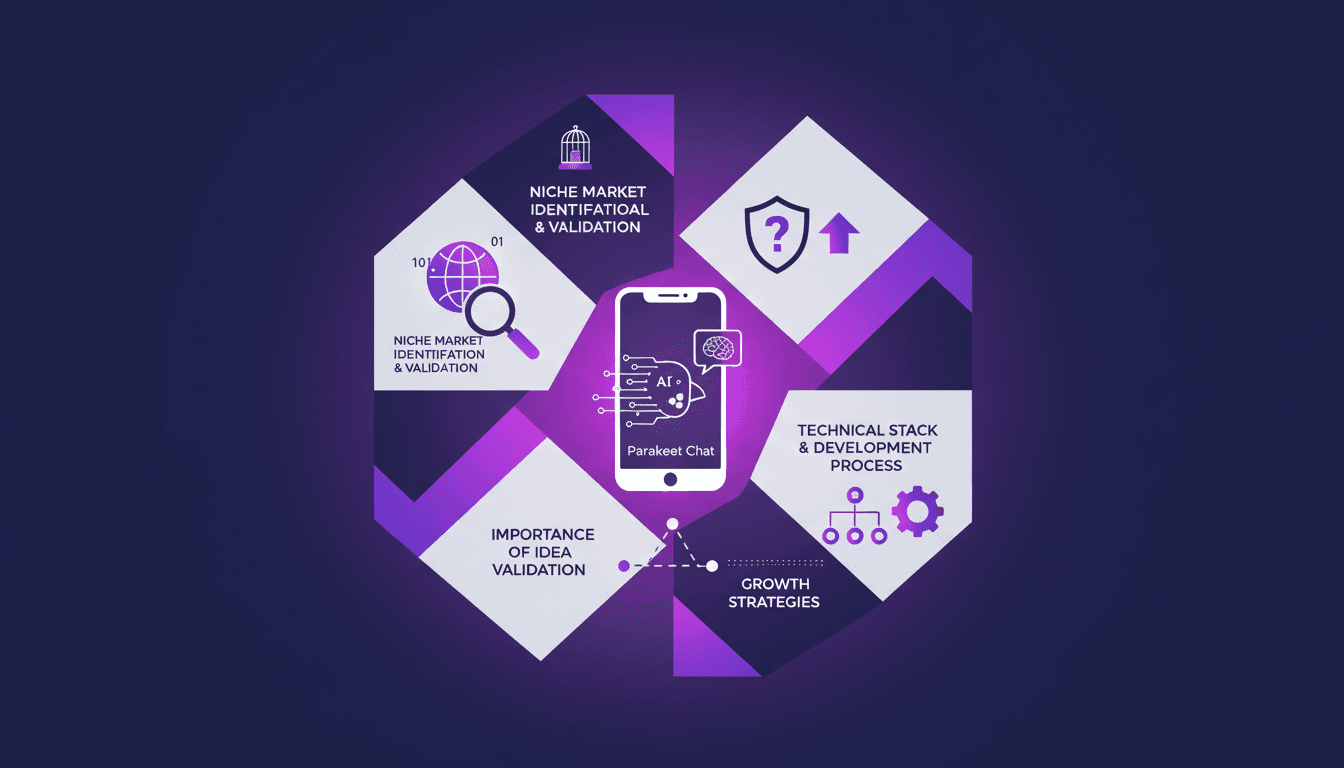
App Success: $1.5M, Niche Market, Strategy
I built an app you’ve probably never heard of, and it made $1.5 million. Let me break down how I found my niche, validated my idea, and built Parakeet Chat from the ground up. In an industry where 95% of people don't even realize the potential, I carved out a space in the prison communication market. This is how it unfolded. From niche market selection to idea validation, business model crafting, and growth strategies, I share my entrepreneurial journey and the challenges faced along the way. If you're curious about hidden opportunities in overlooked industries, this article is for you.
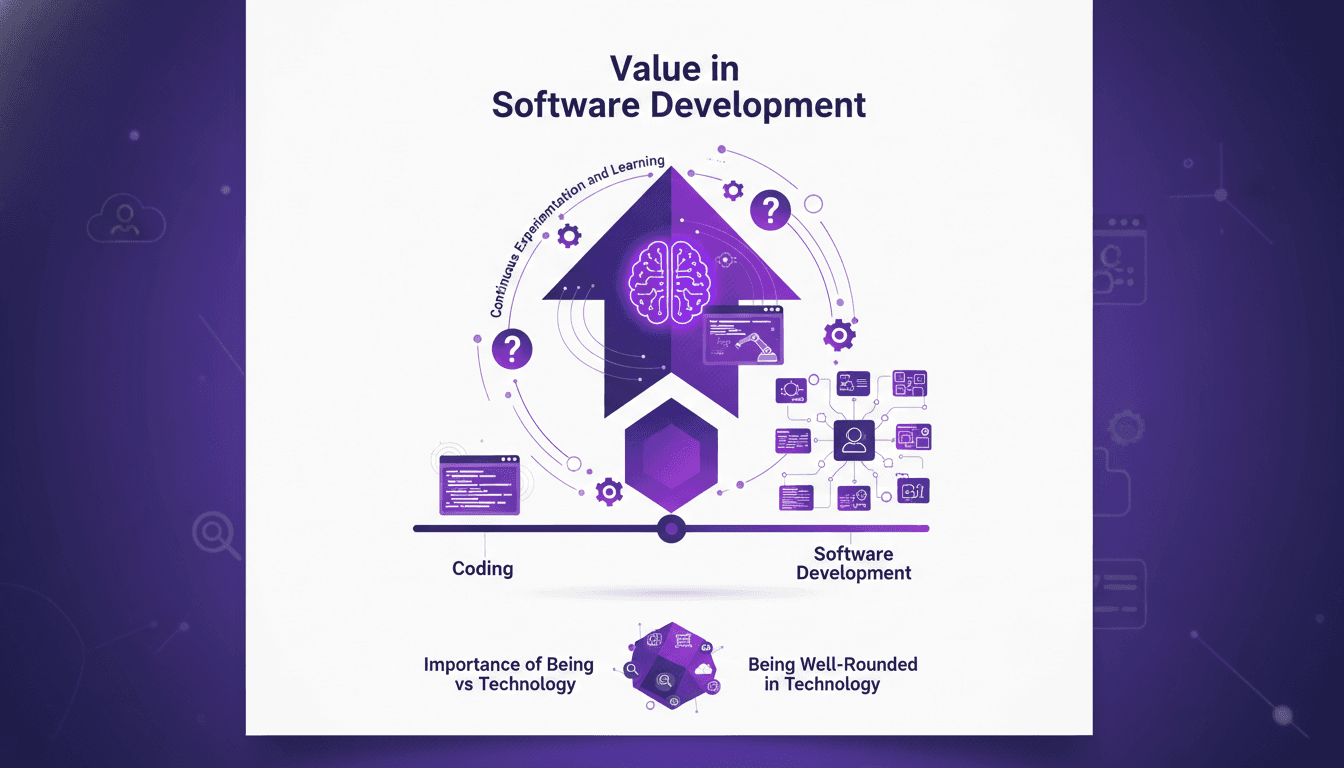
Software Development: Fast Coding, But at What Cost?
I've been coding at breakneck speed, but over time, I learned that the real cost isn't just about how fast you type. Software development is a whole different game. You can code 55 times faster, but if you're not careful, costs can skyrocket. Let's dive into why coding is cheap, but software is expensive. We'll explore the importance of being well-rounded, the role of junior engineers and AI, and why continuous experimentation is key. It's in understanding the value beyond mere lines of code that successful projects are distinguished from costly failures.
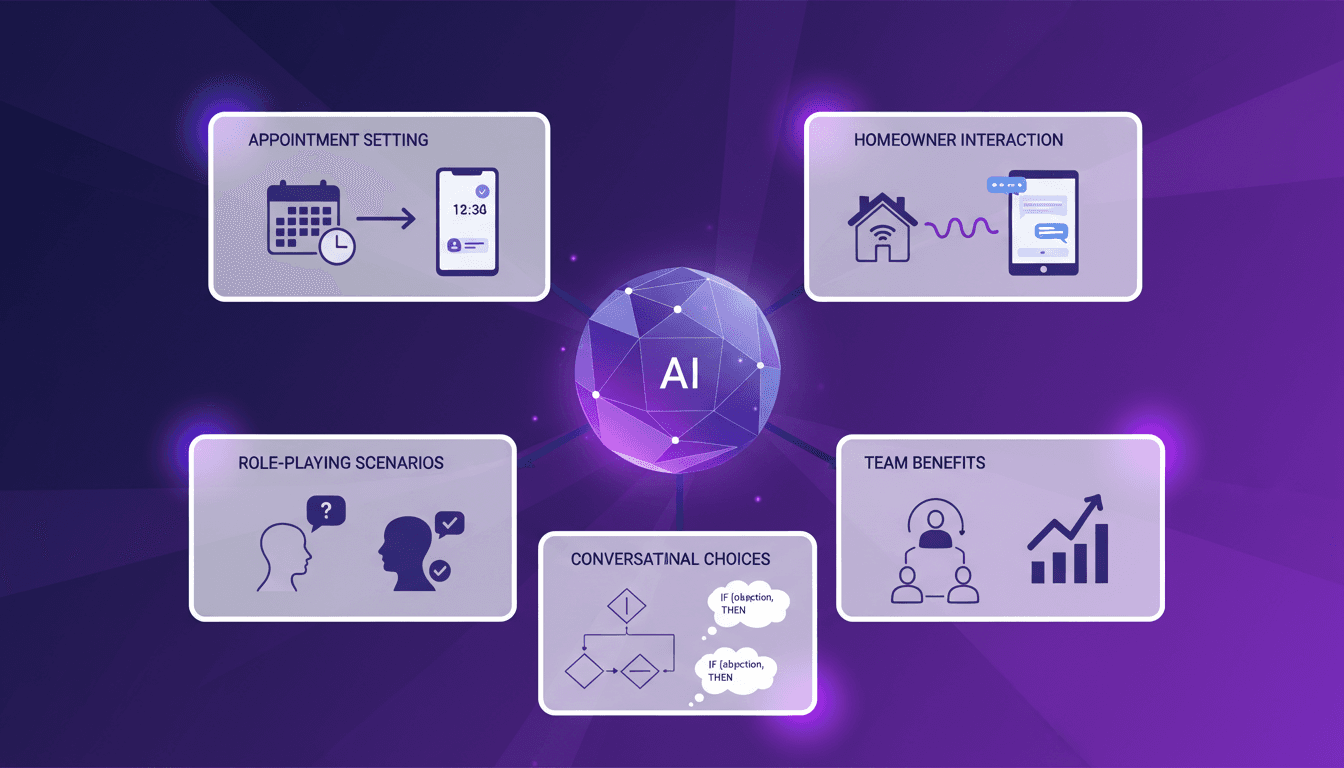
Handling Sales Objections with AI: Experience
I remember the first time I set up an AI lead manager to handle sales objections. It felt like handing over the keys to a new driver. The potential was massive, but I needed to see it in action to believe it. In today's lightning-fast sales world, efficiently responding to objections is crucial. AI lead managers are stepping up, promising to streamline processes and save time. But how do they really perform under pressure? I'll walk you through my integration process, role-playing scenarios, and interactions with homeowners. The benefits for teams are tangible, but watch out for the limits!