Handling Sales Objections with AI: Experience
I remember the first time I set up an AI lead manager to handle sales objections. It felt like handing over the keys to a new driver. The potential was massive, but I needed to see it in action to believe it. In today's lightning-fast sales world, efficiently responding to objections is crucial. AI lead managers are stepping up, promising to streamline processes and save time. But how do they really perform under pressure? I'll walk you through my integration process, role-playing scenarios, and interactions with homeowners. The benefits for teams are tangible, but watch out for the limits!
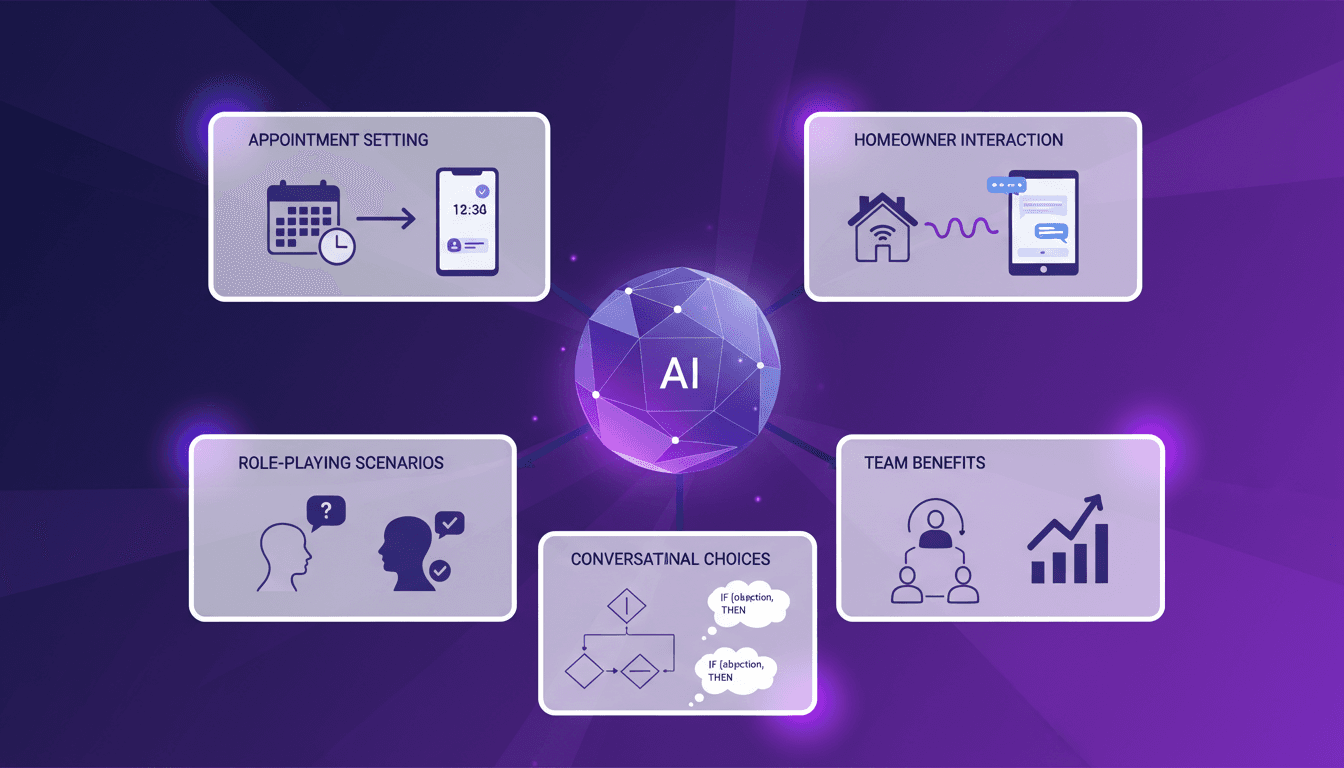
I remember the first time I set up an AI lead manager to handle sales objections. It felt like handing over the keys to a new driver. I saw the massive potential, but I needed to see it in action to believe it. In today's fast-paced sales environment, efficiently responding to objections is crucial. So, I decided to give an AI lead manager a shot. First, I configured it to set appointments. Then, I orchestrated role-playing scenarios to watch how it would interact with homeowners. That's where I discovered the AI's interaction techniques and conversational choices. The benefits for my team were clear, but don't get blinded by the hype: there are limits you shouldn't ignore. In this tutorial, I'll share how I optimized the tool to get the most out of this technology. Let's dive into the world of AI-managed sales objections.
Understanding the AI Lead Manager
As someone who builds in the field of lead management, I've seen countless tools that promise the world but often fall short. However, the AI lead manager stands out as a real game changer. It's a sophisticated tool that automates the capture, nurturing, and conversion of leads. First, it ensures every opportunity is captured and followed up, freeing you to focus on closing deals rather than chasing prospects.
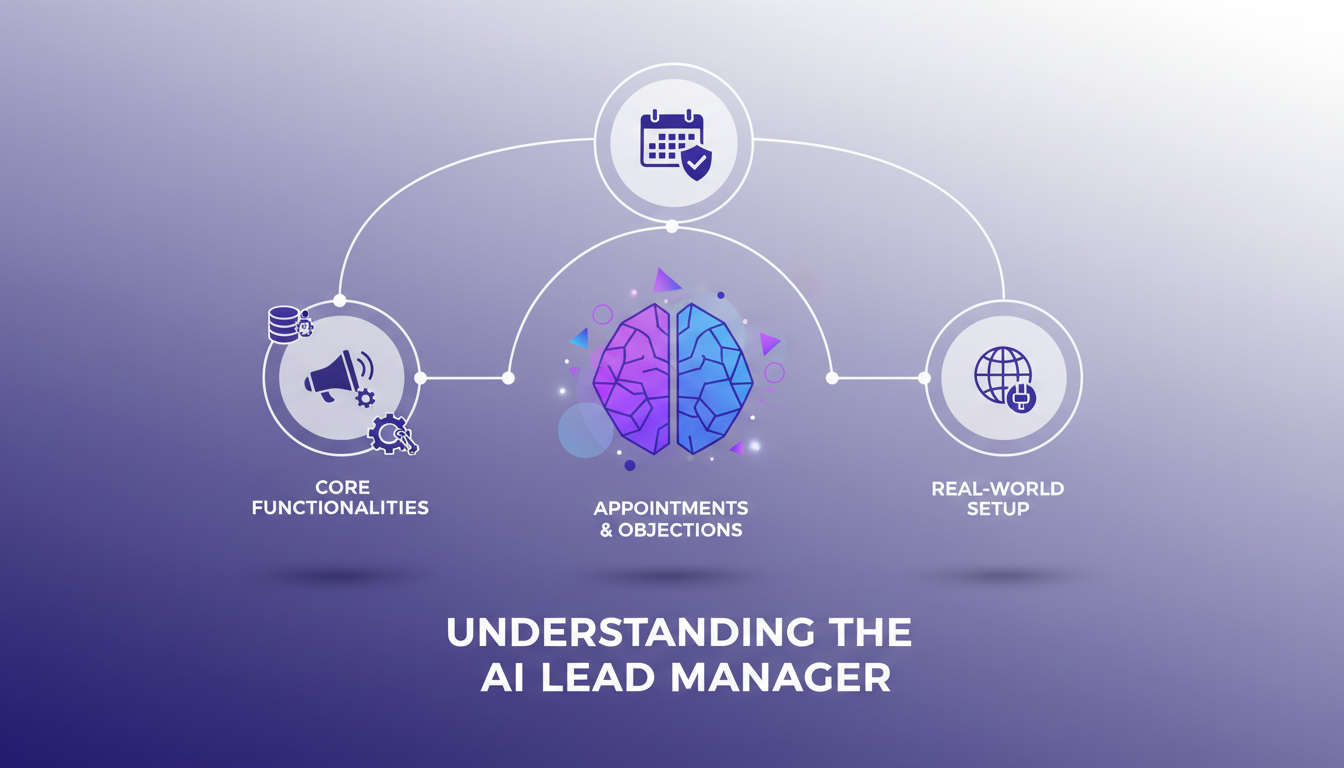
What makes this tool invaluable is its ability to handle client objections and set appointments automatically. For instance, one RE/MAX team saw their appointment conversion rate jump from 5% to 15% after integrating AI. The key here is setting up the AI to align with your team's goals. Don't skip this step, as a misconfiguration can lead to poorly targeted appointments.
Role-Playing Scenarios with AI
I remember my first role-playing demonstration with AI. It's crucial to simulate real-world situations to train the AI for better performance. It's not just about scripting but understanding the nuances of human interactions. For example, during one session, we simulated a conflict where the AI had to resolve a disagreement in under five minutes while maintaining positive rapport.
Role-playing allows you to calibrate the AI to respond naturally and appropriately. But watch out, don't get lost in overly complex scenarios that might confuse the AI. Focus on common situations you frequently encounter. This ensures your AI role-play program supports your team's broader enablement and sales training strategy.
AI Conversations with Homeowners: Real Examples
Let's move on to practical application. I've orchestrated several conversations between AI and homeowners, and the results have been revealing. The AI can respond in real-time with precise justifications, which is crucial for the success of an interaction. However, it's important to keep an eye on the AI to ensure it doesn't overstep its bounds.
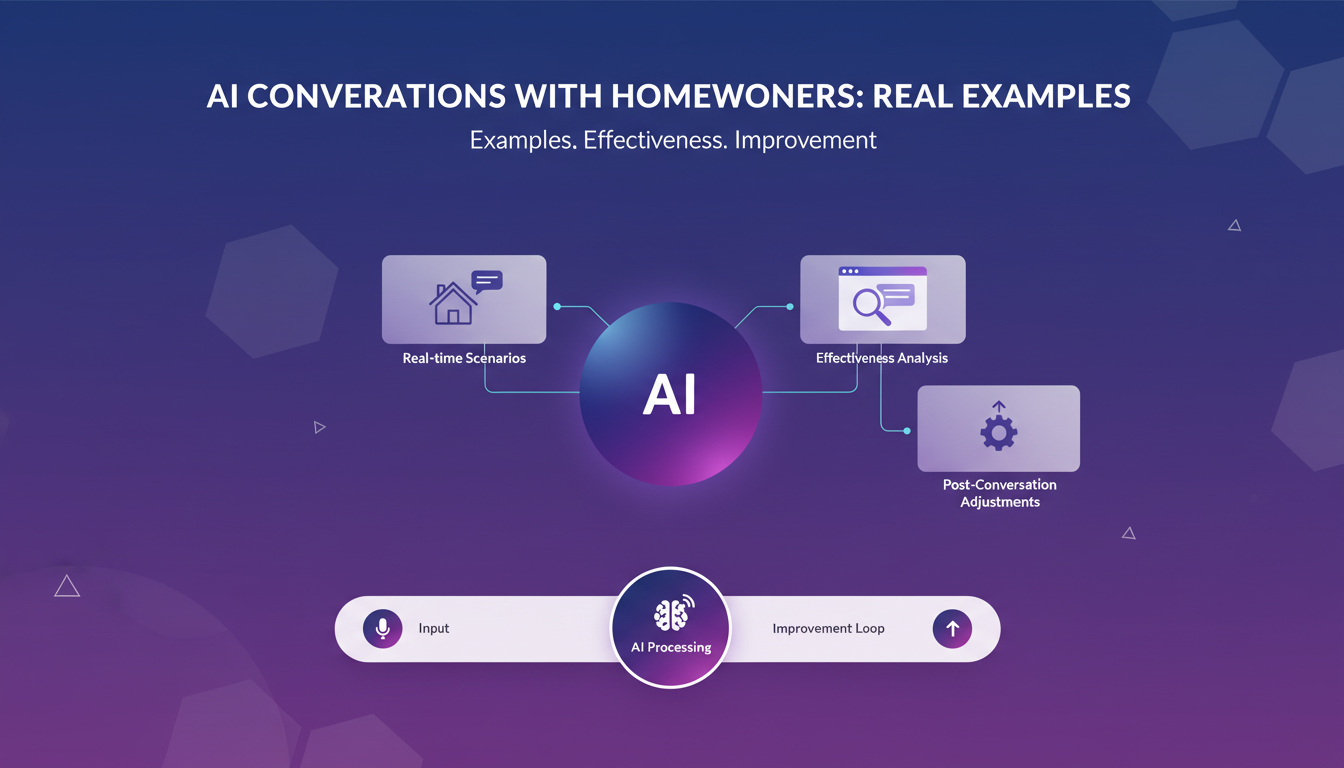
After each interaction, I evaluate the AI's performance and adjust the parameters to enhance future conversations. It's essential to find a balance between AI autonomy and human oversight. Too much freedom can lead to costly mistakes, while too much control can slow down the process.
Decoding AI Decision-Making
Understanding how AI makes decisions is fascinating. It uses conversational algorithms that analyze real-time input data to formulate relevant responses. Transparency in these operations is crucial for gaining user trust. If the AI seems to act arbitrarily, it can harm its credibility.
It's important to keep the AI updated with the latest data and allow continuous learning. This ensures the AI remains relevant and competent. Ultimately, a well-trained and regularly updated AI can dramatically transform how you manage leads.
Benefits and Limits of AI for Sales Teams
Using an AI lead manager offers numerous benefits. Firstly, it allows for cost reduction by automating repetitive tasks. Teams can thus focus on higher-value tasks. Additionally, AI improves efficiency by responding in under 90 seconds, which is crucial for maintaining prospect interest.
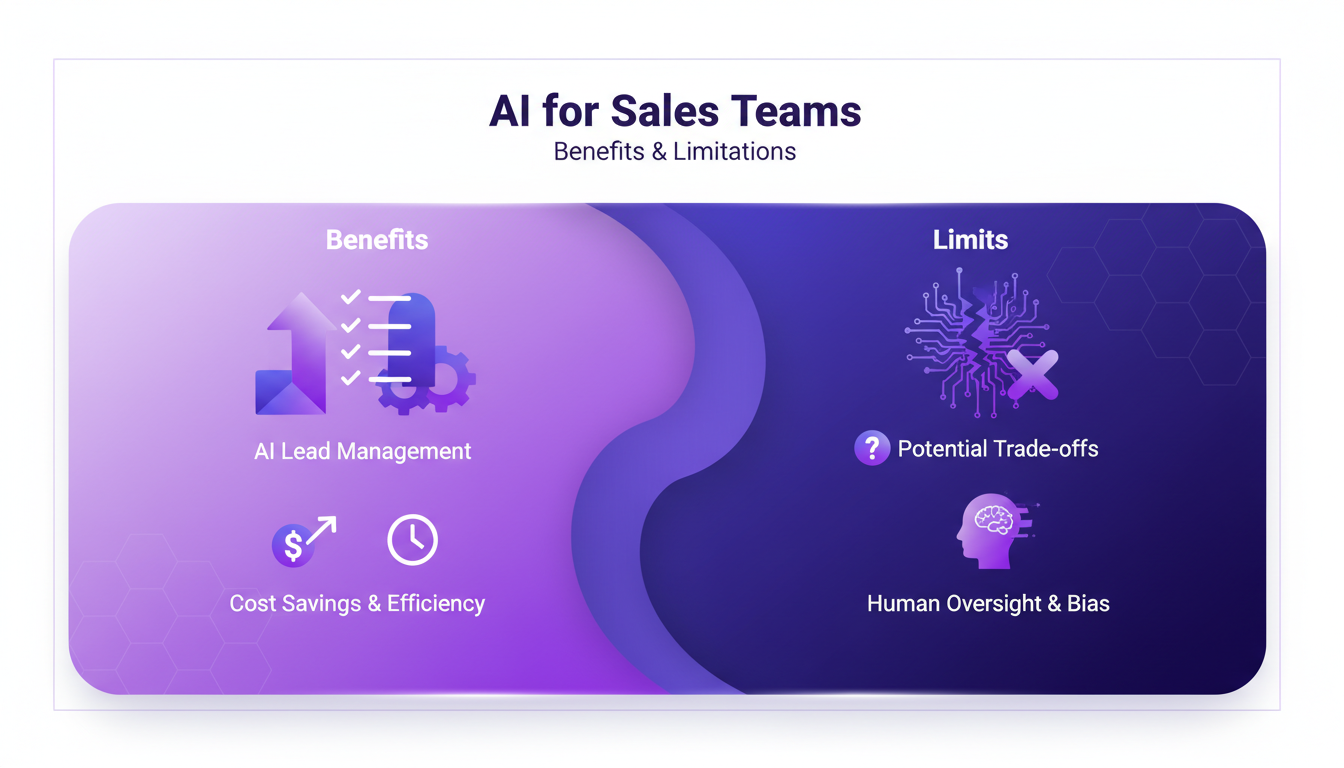
But watch out, AI has its limits too. It can be costly to implement and requires constant maintenance. Moreover, integrating it into existing workflows can be complex. To maximize benefits, ensure the AI is well-integrated and the team is trained in its use.
In conclusion, while AI brings significant improvements in terms of efficiency and cost, it's crucial to remain vigilant about its implementation and maintenance. This ensures AI remains a valuable asset rather than a burden.
So, I integrated an AI lead manager into our sales process, and here's what I've learned. First, it's a real game changer for handling objections during appointments. But watch out, it's not a silver bullet. Then, by role-playing scenarios with the AI, I saw how well it can simulate realistic interactions with homeowners. However, understanding the tech's limits is crucial to maximize benefits. Lastly, the benefits for the team are clear: more time for genuine human conversations. But don't be fooled, it takes a bit of tweaking. I'm convinced AI will transform how we sell, but only if we use it smartly. Ready to test an AI lead manager in your sales process? Start small, iterate, and watch your team's efficiency soar. For a deeper dive and to see it in action, I highly recommend watching the original video: YouTube.
Frequently Asked Questions

Thibault Le Balier
Co-fondateur & CTO
Coming from the tech startup ecosystem, Thibault has developed expertise in AI solution architecture that he now puts at the service of large companies (Atos, BNP Paribas, beta.gouv). He works on two axes: mastering AI deployments (local LLMs, MCP security) and optimizing inference costs (offloading, compression, token management).
Related Articles
Discover more articles on similar topics

Handling Sales Objections with AI: My Workflow
I remember the first time I let AI handle sales objections—it was a leap of faith, but the results were eye-opening. Integrating AI into my sales process was a game changer. In an industry where objections are part and parcel, the idea that AI can smooth over these hurdles is enticing. Let me walk you through how I integrated AI to tackle the toughest objections and build trust with inbound leads. AI can really be transformative, but watch out for pitfalls like addressing authenticity concerns and involving decision-makers. I learned to orchestrate sales appointments and avoid ego conflicts, all while using AI to gather accurate information. Join me as I share how I turned daunting objections into opportunities.
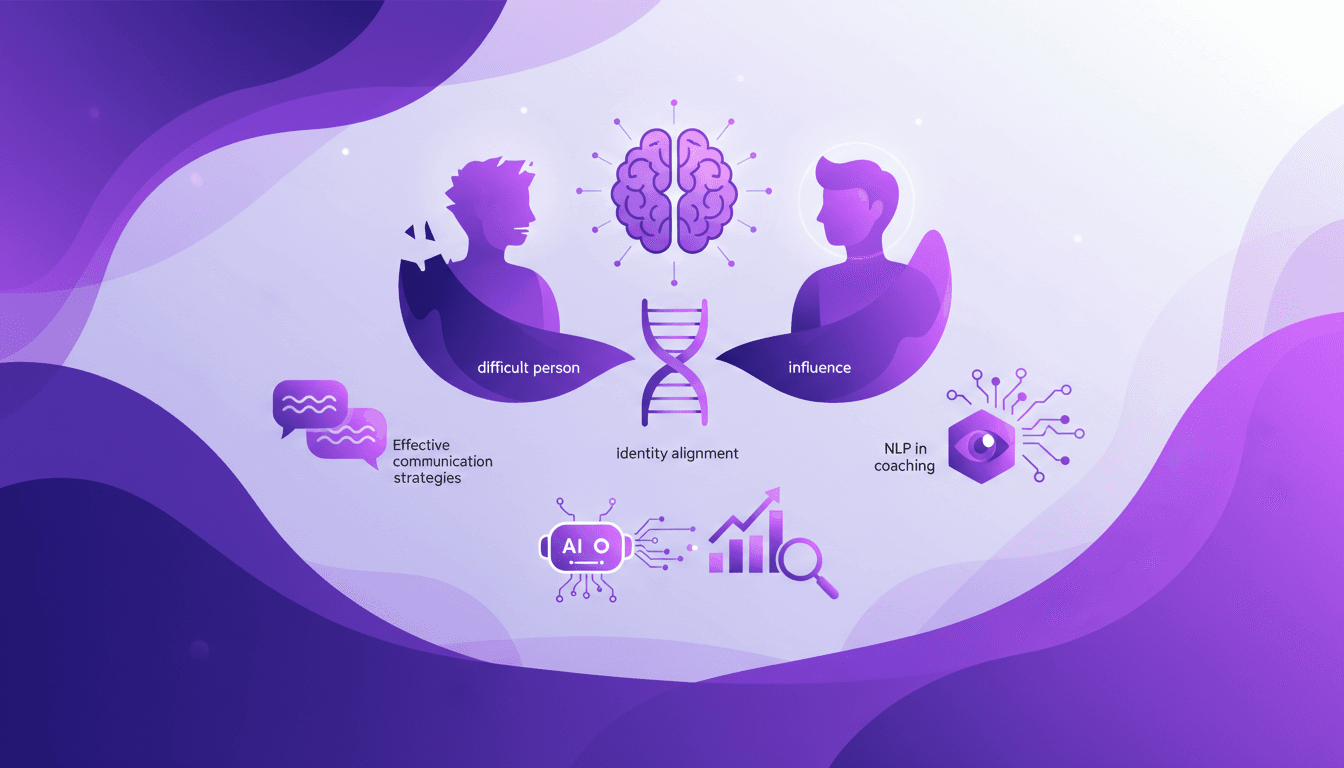
Influencing Difficult People: Practical Techniques
I've been there—staring down a negotiation with someone who just won't budge. It's frustrating, but here's what I've learned: it’s all about aligning their identity with the task at hand. Let me walk you through how I orchestrate this using insights from Tony Robbins and a bit of AI magic. When dealing with difficult people, it often feels like you're speaking different languages. But by aligning actions with identity and leveraging tools like NLP and AI bots, you can turn the tide in your favor.

Close Sales Easily: Understanding and Influence
For years, I thought sales was an art form, like painting or jazz. Then, after a decade in the trenches, I realized it's more like engineering: structured, methodical, and surprisingly predictable. Let me show you how I shifted my approach to make closing sales feel almost illegally easy. It's not about convincing anyone, but understanding the process, the prospect, and using influence—not manipulation. This paradigm shift changed everything about how I sell.
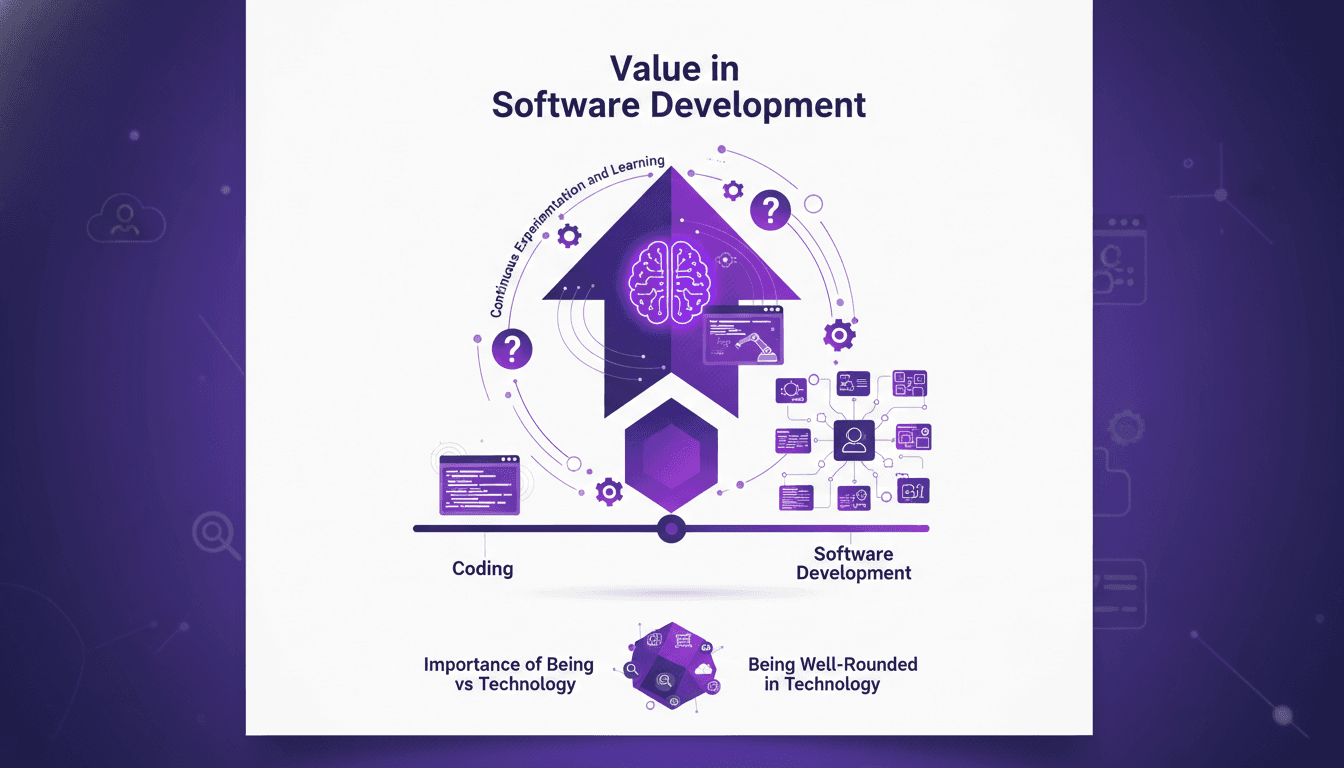
Software Development: Fast Coding, But at What Cost?
I've been coding at breakneck speed, but over time, I learned that the real cost isn't just about how fast you type. Software development is a whole different game. You can code 55 times faster, but if you're not careful, costs can skyrocket. Let's dive into why coding is cheap, but software is expensive. We'll explore the importance of being well-rounded, the role of junior engineers and AI, and why continuous experimentation is key. It's in understanding the value beyond mere lines of code that successful projects are distinguished from costly failures.

Teaching Claude to Edit Videos: My Approach
I remember the days of spending two hours manually editing a single YouTube video. Frustrating, right? Then I thought, why not teach Claude to do it for me? In this article, I take you through my journey of automating video editing using Claude's agent skills. We'll go through the tools, techniques, and iterative processes that made it possible. Teaching Claude to edit my videos not only cut the raw video time down by 50% but also transformed my approach to content creation.