Handling Sales Objections with AI: My Workflow
I remember the first time I let AI handle sales objections—it was a leap of faith, but the results were eye-opening. Integrating AI into my sales process was a game changer. In an industry where objections are part and parcel, the idea that AI can smooth over these hurdles is enticing. Let me walk you through how I integrated AI to tackle the toughest objections and build trust with inbound leads. AI can really be transformative, but watch out for pitfalls like addressing authenticity concerns and involving decision-makers. I learned to orchestrate sales appointments and avoid ego conflicts, all while using AI to gather accurate information. Join me as I share how I turned daunting objections into opportunities.

I remember the first time I let AI take the reins on handling sales objections. I thought, "Let's see how this goes." I was skeptical, but the results were eye-opening. In the fast-paced world of sales, objections are inevitable. But what if AI could help smooth the process? That's what I discovered when integrating AI into my sales workflow. I started by connecting AI tools to handle the deadliest objections while building trust with inbound leads. It's not magic—addressing authenticity concerns and involving decision makers are real challenges. I learned to orchestrate sales appointments without letting ego conflicts derail the process, all while using AI to gather accurate information. Join me as I show you how to turn what seem like insurmountable hurdles into real opportunities.
AI Tackling Sales Objections: A Step-by-Step Guide
When it comes to handling sales objections, AI has become an invaluable ally. Let me walk you through how it identifies and categorizes objections. AI starts by analyzing key phrases and conversation tone to understand the intent behind each objection. Then, it uses natural language processing algorithms to tailor its real-time responses. For instance, if a client mentions not needing a product right now, the AI can reframe the objection to open a discussion about long-term benefits. But watch out, there are limits. When objections become emotional or nuanced, that's when human intervention is necessary. I've seen AI get lost with complex objections, so it's crucial to know when to hand it over to a human.
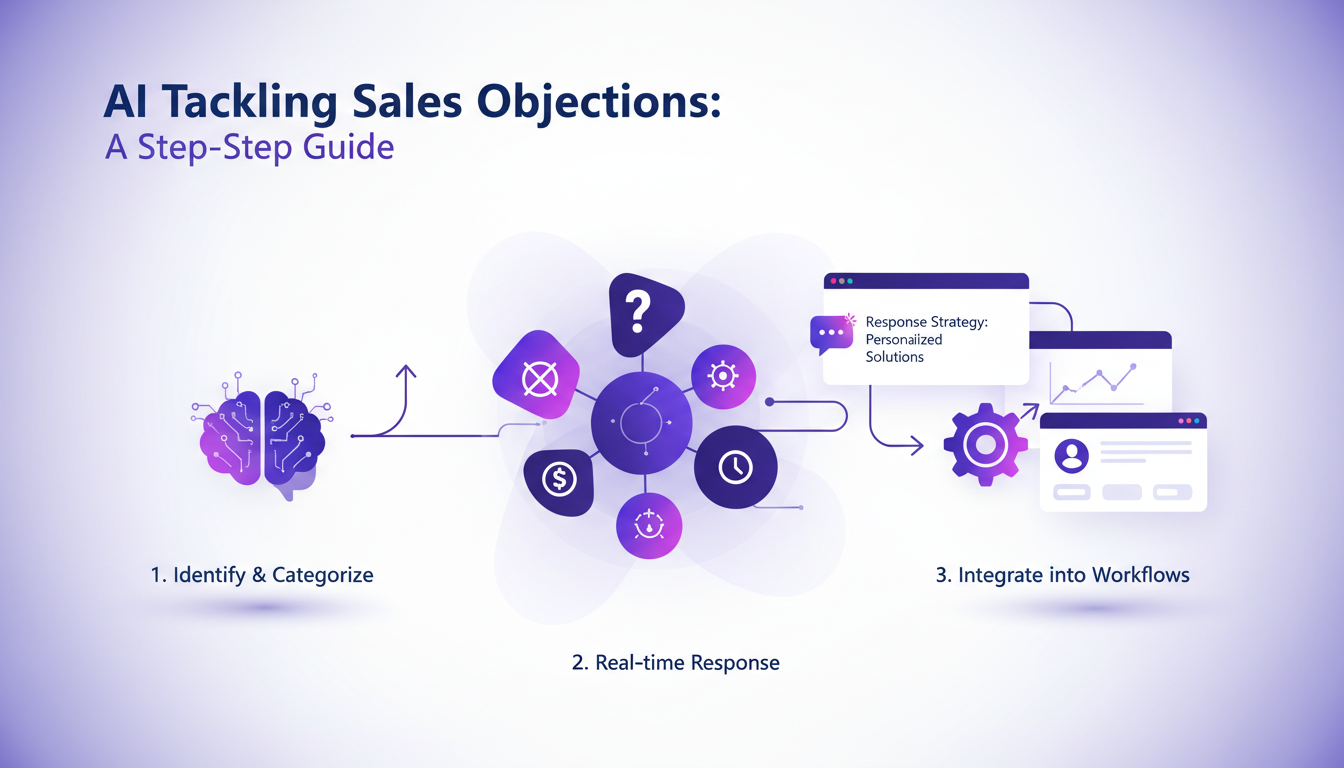
Key Points:
- AI identifies objections through text and tone analysis.
- Real-time responses based on context and data.
- Integration into existing sales workflows.
- Limits: Human intervention needed for complex objections.
Building Trust with Inbound Leads Using AI
AI plays a crucial role right from the initial contact with inbound leads. I've seen how it personalizes the approach using available data to establish an initial rapport. For example, if a lead shows interest in a specific product, AI will start with targeted questions to engage the conversation. But beware, don't over-automate. I've noticed that excessive automation can feel impersonal, which hinders trust-building. Thus, it's essential to maintain a delicate balance between automation and the personal touch. AI can do the heavy lifting, but strategic human intervention can make all the difference.
AI Techniques:
- Personalize initial contact with enriched data.
- Nurture leads with targeted interactions.
- Balance automation with human interaction.
- Avoid over-reliance on AI for trust-building.
AI's Role in Decision-Making Processes
In decision-making, AI analyzes complex data to inform decisions. For instance, in real estate, it can assess market trends to evaluate a property. I've seen cases where AI sped up the decision-making process by providing precise and rapid insights. However, involving decision makers remains a challenge. AI can provide data, but it cannot grasp human nuances. I've worked on property sales where AI aided the decision-making, but the final call still required human discussion, especially for complex properties like 123 Main Street with its 3 bedrooms and 2 baths.
Strategies:
- Use AI for data analysis and rapid insights.
- Involve decision makers for nuanced aspects.
- Recognize AI's limits in understanding nuances.
Framework for Setting Sales Appointments with AI
Scheduling appointments with AI may seem straightforward, but there's a method to it. First, I configure AI to intelligently capture prospects' availability. Then it orchestrates slots based on sales team's priorities, considering business volume and lead importance. But watch out, there are pitfalls: too much reliance on AI can lead to poorly scheduled appointments. I've had to completely readjust a schedule because AI missed critical details. So, always check appointment relevance and accuracy before confirming.
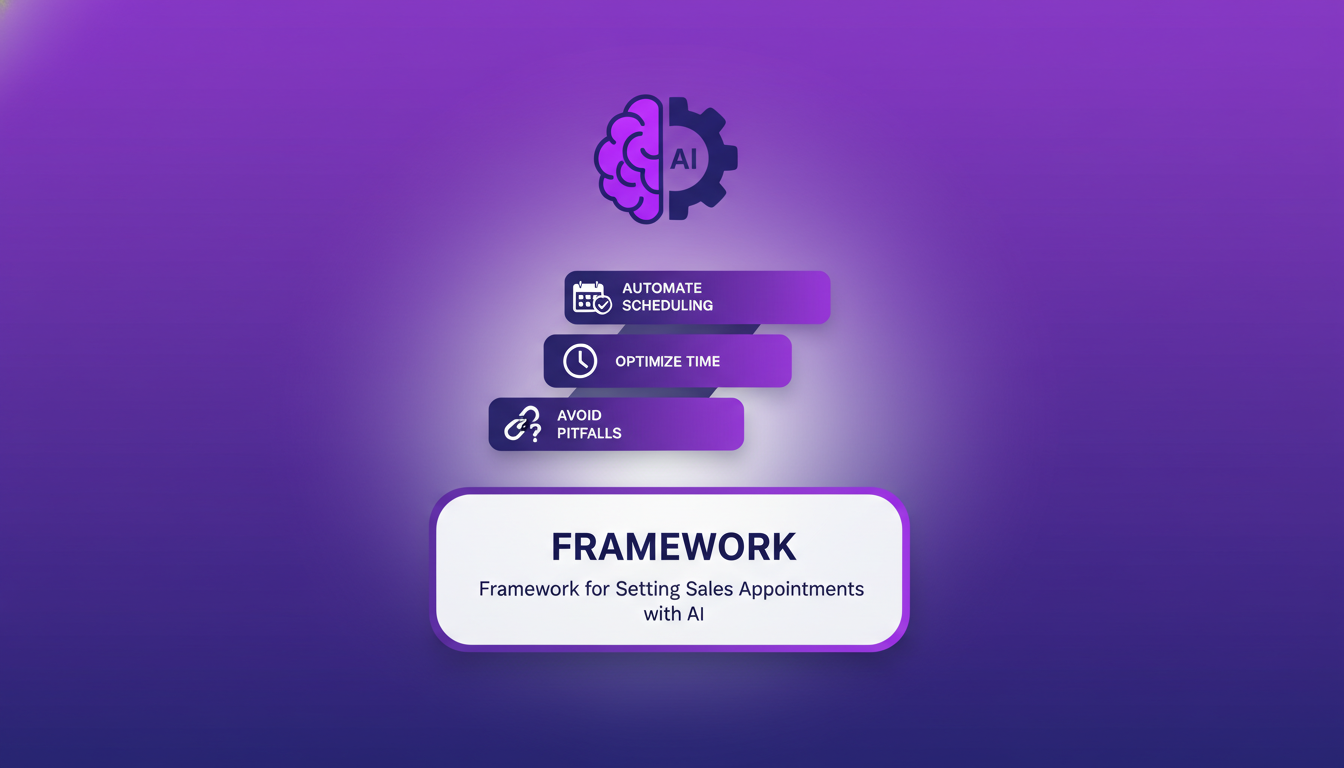
Key Elements:
- Automate appointment scheduling.
- Optimize time management with AI.
- Avoid common pitfalls of automated scheduling.
- Ensure appointment accuracy and relevance.
Addressing Authenticity Concerns with AI
Authenticity is crucial in sales interactions, and AI must avoid sounding too robotic. I've worked with systems that integrate personalized responses and varied intonations to humanize the conversation. For example, when a lead asks if the speaker is an AI, it's essential to answer honestly while steering the conversation back to the core topic. This builds credibility and dispels skepticism. But watch out, if AI is too mechanical, it can lose the prospect's trust. I've found that adding a bit of warmth and empathy to scripts can really make a difference.
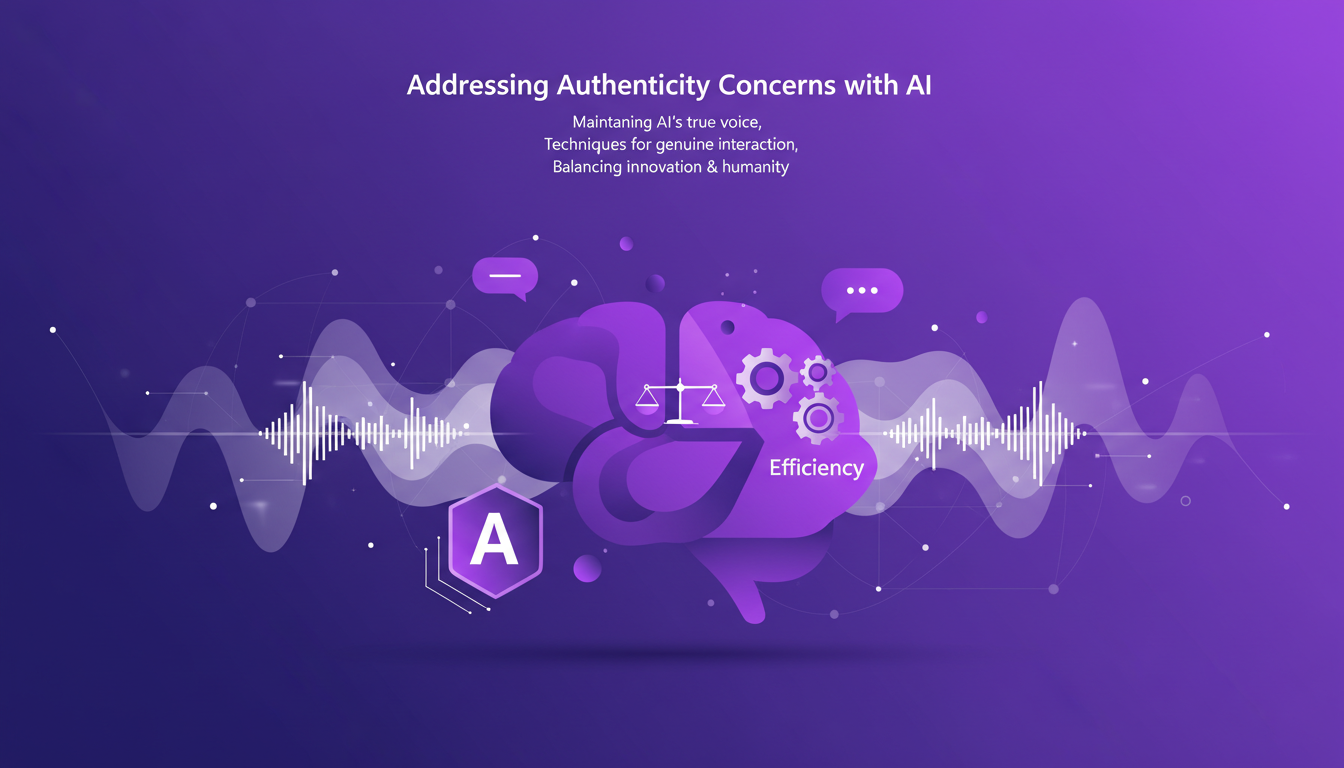
Techniques:
- Ensure authenticity in AI interactions.
- Use personalized responses to avoid robotic tone.
- Balance AI efficiency with genuine human interaction.
- Overcome skepticism by building credibility.
Diving into AI in sales, I've pinpointed a few key takeaways:
- Handling Objections: AI can tackle the toughest sales objections, but remember, the human touch is crucial where it counts.
- Building Trust: While AI is great, you still need to build solid relationships with inbound leads to establish trust.
- Decision-Making Role: By integrating AI into our decision-making processes, we make more informed decisions.
- Appointment Framework: I've set up a framework for scheduling sales appointments more efficiently using AI.
AI in sales is a game changer, but it doesn't replace the human element. It must be used strategically for real impact. Ready to let AI handle your toughest sales objections? Start integrating these strategies into your workflow and see the difference. For a deeper dive, check out the original video "Can AI Handle The DEADLIEST Sales Objections?" on YouTube. As always, I'm open to exchanging ideas on this topic.
Frequently Asked Questions

Thibault Le Balier
Co-fondateur & CTO
Coming from the tech startup ecosystem, Thibault has developed expertise in AI solution architecture that he now puts at the service of large companies (Atos, BNP Paribas, beta.gouv). He works on two axes: mastering AI deployments (local LLMs, MCP security) and optimizing inference costs (offloading, compression, token management).
Related Articles
Discover more articles on similar topics
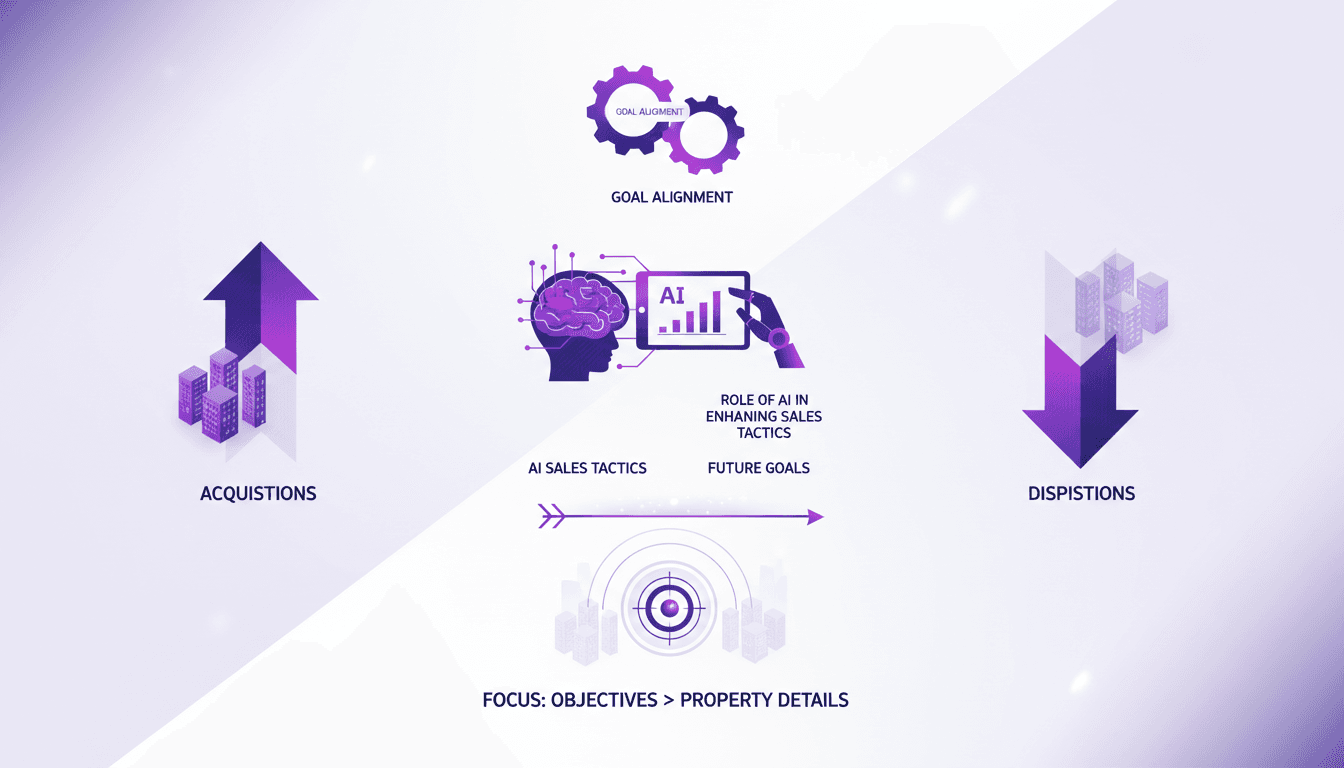
Acquisitions vs. Dispositions: Real Estate Approach
When I first dove into real estate, I thought acquisitions and dispositions were just two sides of the same coin. Rookie mistake. With each deal I closed, I realized just how fundamentally different these two key stages are. Today, I'm taking you through my journey where aligning goals, leveraging AI, and focusing on what truly matters became essential for success. You'll see how in real estate, understanding these nuances can completely transform your strategy. This isn't just theory—it's lived experience. We'll talk about the importance of goal alignment, the role of AI in enhancing sales tactics, and why setting future goals, like those for 2026, is critical. Come along and find out how to avoid the costly mistakes I made.
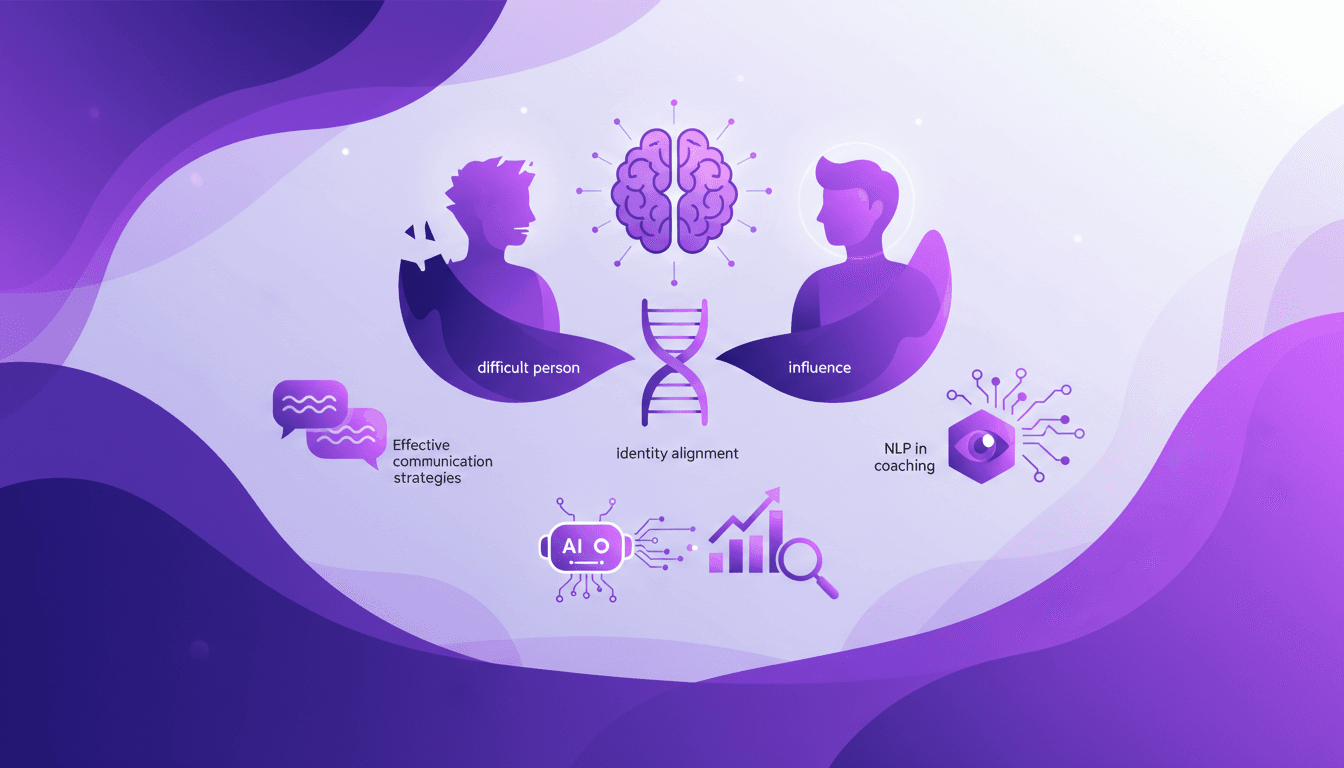
Influencing Difficult People: Practical Techniques
I've been there—staring down a negotiation with someone who just won't budge. It's frustrating, but here's what I've learned: it’s all about aligning their identity with the task at hand. Let me walk you through how I orchestrate this using insights from Tony Robbins and a bit of AI magic. When dealing with difficult people, it often feels like you're speaking different languages. But by aligning actions with identity and leveraging tools like NLP and AI bots, you can turn the tide in your favor.
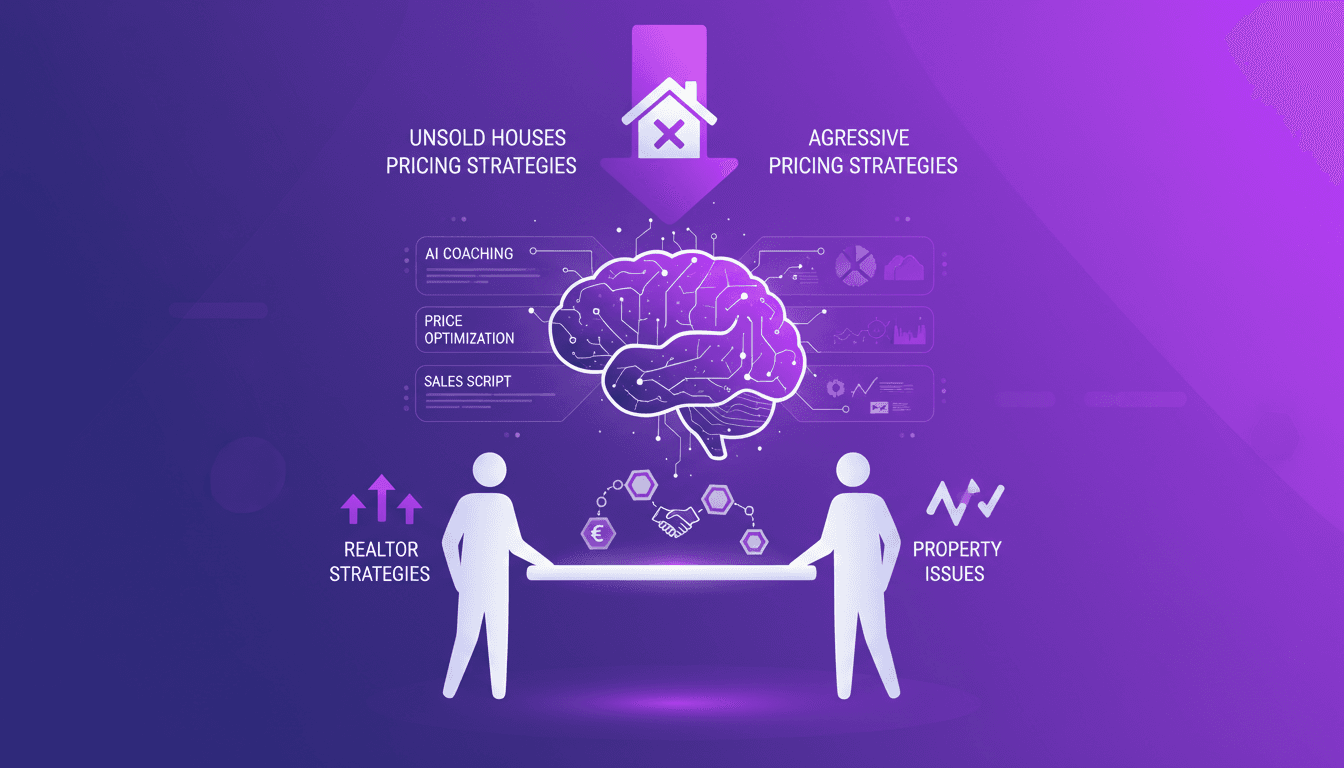
Real Estate Sales Strategies: Avoiding Unsold Homes
I've been in the real estate trenches for years, juggling between successful sales and listings that just won't budge. There's nothing more frustrating than a house that won't sell. Often, it's not about the house, but the strategy. I got burned more than once before figuring it out. Now, I pilot things differently with aggressive pricing strategies, smart counter offers, and AI tools for coaching. In this article, I'll share the five dreaded words every realtor fears and how to tackle them head-on to turn potential sales into real success.

Teaching Claude to Edit Videos: My Approach
I remember the days of spending two hours manually editing a single YouTube video. Frustrating, right? Then I thought, why not teach Claude to do it for me? In this article, I take you through my journey of automating video editing using Claude's agent skills. We'll go through the tools, techniques, and iterative processes that made it possible. Teaching Claude to edit my videos not only cut the raw video time down by 50% but also transformed my approach to content creation.
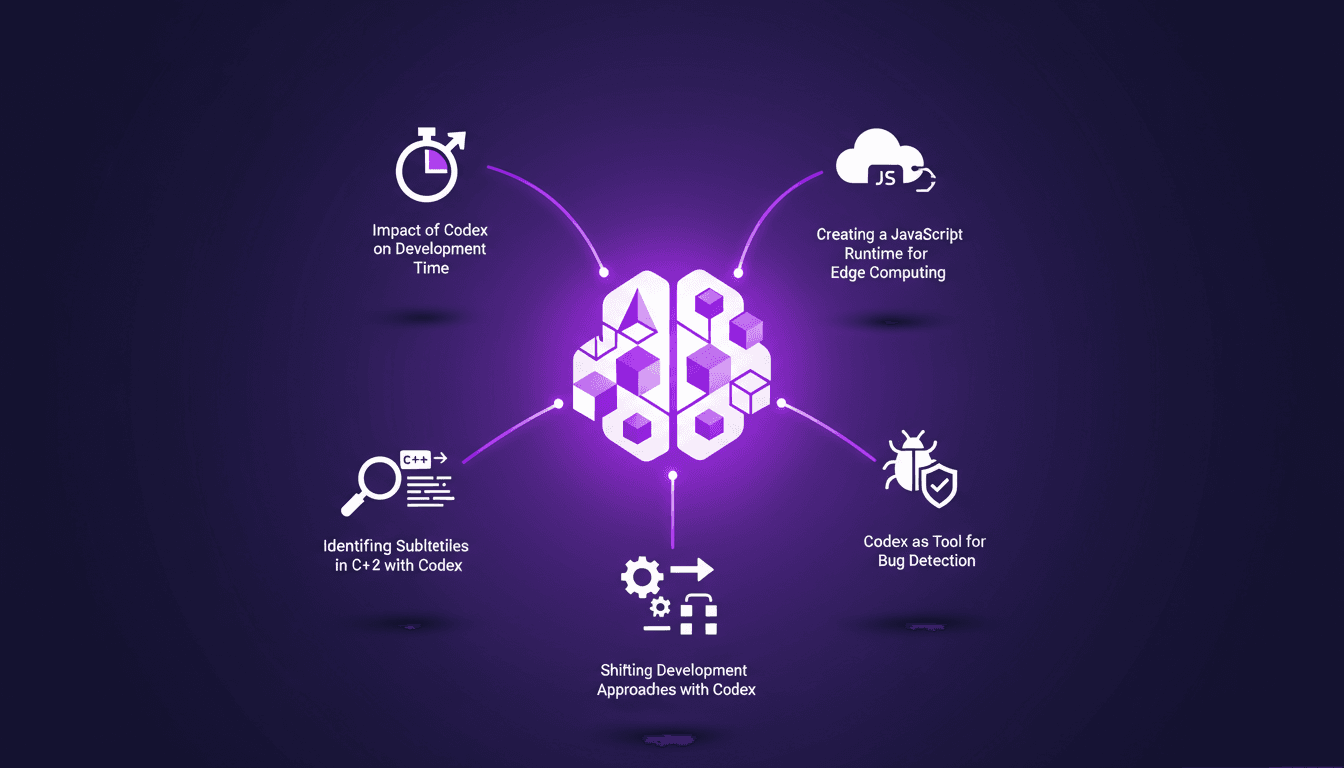
Codex: Revolutionizing Development Time
I used to spend weeks, even months, wrestling with development time. Then Codex came along and changed the game. Let me walk you through how it slashed my JavaScript runtime project from a year to just two weeks. Codex has been nothing short of transformative. From identifying C++ subtleties to creating a JavaScript runtime for edge computing, Codex has streamlined processes I once thought were set in stone. In this video, I dive into how Codex impacted development time, detected bugs, and shifted our development approach.