Real Estate Sales Strategies: Avoiding Unsold Homes
I've been in the real estate trenches for years, juggling between successful sales and listings that just won't budge. There's nothing more frustrating than a house that won't sell. Often, it's not about the house, but the strategy. I got burned more than once before figuring it out. Now, I pilot things differently with aggressive pricing strategies, smart counter offers, and AI tools for coaching. In this article, I'll share the five dreaded words every realtor fears and how to tackle them head-on to turn potential sales into real success.
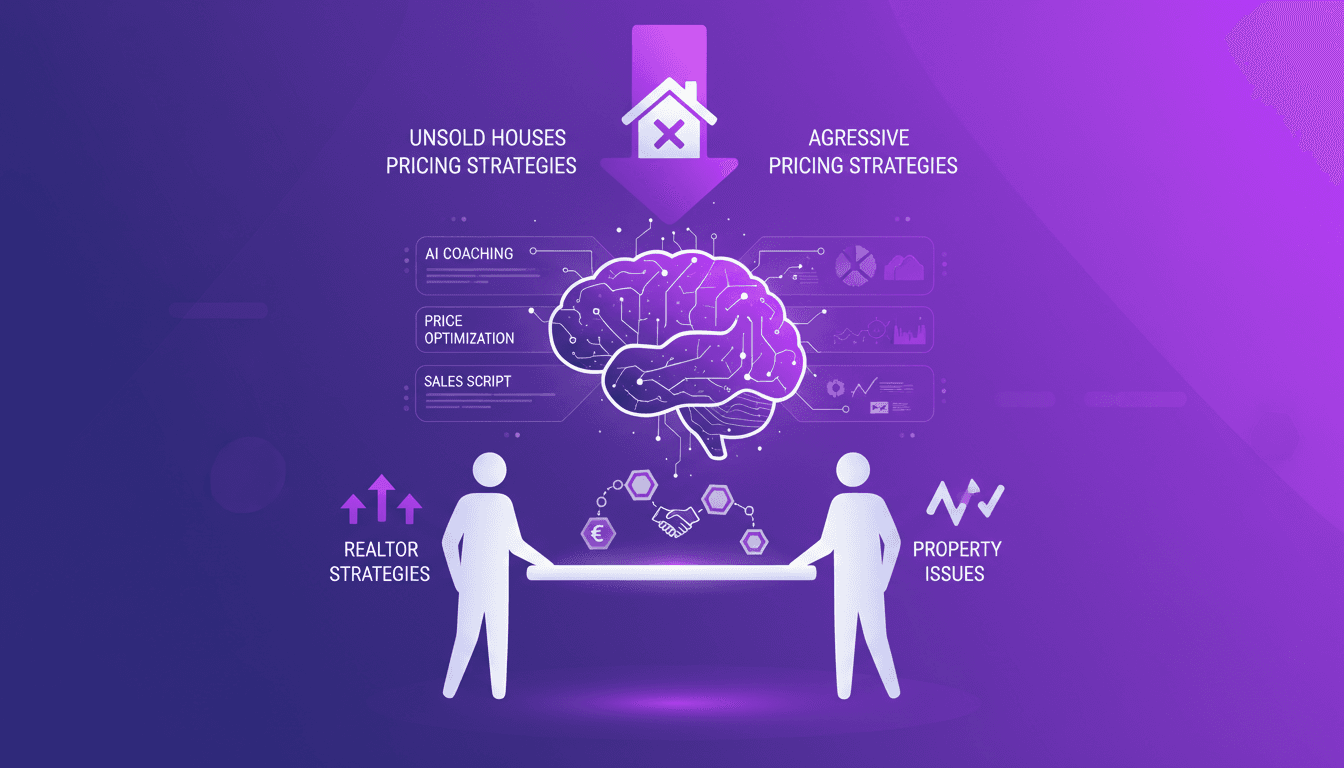
I've been in the real estate game for years, and let me tell you, there's nothing more frustrating than a listing that just won't move. I've learned through hard knocks that sometimes, it's not about the house itself, but the strategy. Too often, we focus on the physical attributes of a property (two-car garage, three bedrooms), when really, it's how we approach the sale that makes the difference. I got burned a few times before I mastered the art of aggressive pricing and smart counter offers. And now, with the rise of AI tools for coaching, I can fine-tune my strategies in real-time. In this article, I'm diving into the five words every realtor dreads, and showing you how to tackle them head-on to secure successful sales. If you're stuck with unsold homes, it's time to reevaluate your approach. Let's cut to the chase: having a well-crafted strategy is crucial.
Understanding the Unsold House Dilemma
When a house stays on the market longer than expected, the first question potential buyers ask is, "Why hasn't it sold yet?" This is often a red flag that can impact the property's perception. First, we need to identify if the issue lies with the property itself or our strategic approach.
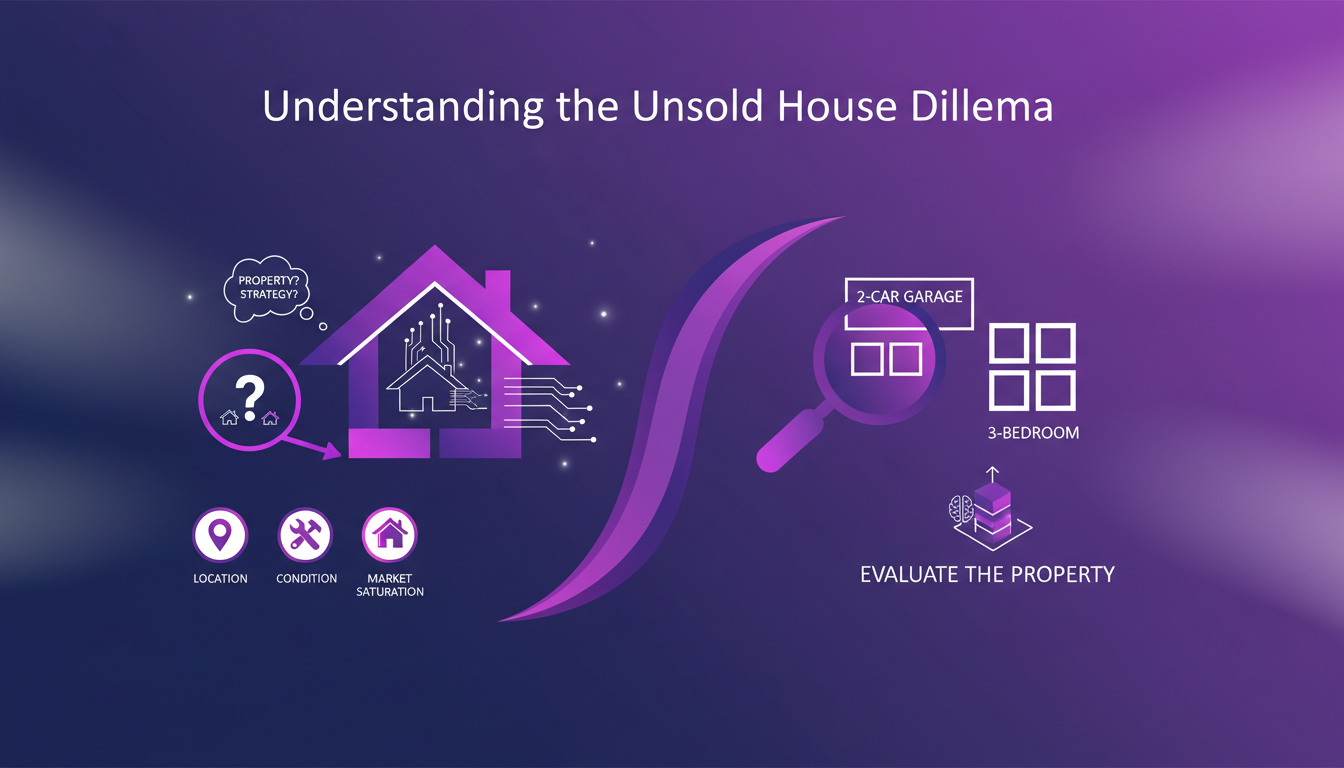
Common concerns include location, condition, or even market saturation. But watch out, you need to ask if it's a two-car garage issue or a three-bedroom problem. Sometimes, it's not the house but the pricing or marketing strategy at fault.
"It's not the house that's the problem, but our ability to sell it."
Ultimately, it's crucial to objectively evaluate the property: is the problem really with the property, or is it a poorly executed strategy?
Realtor Strategies vs. Property Issues
Analyzing whether the issue is with the property or our marketing approach is vital. Often, realtors tend to blame the property when the real issue is a strategic misstep. I've learned to pivot my strategies when usual tactics don't work.
A deep understanding of buyer psychology can really shift the narrative in your favor. Sometimes, just changing the perspective can turn a tough situation into an opportunity.
- Objectively assess each property.
- Adopt a flexible and adaptive approach.
- Use buyer psychology to your advantage.
Aggressive Pricing Strategies That Work
Aggressive pricing can be a real game changer, but it comes with risks. I often start by setting a competitive price point, like $500K. However, watch out: pricing too low can devalue the property in buyers' eyes.
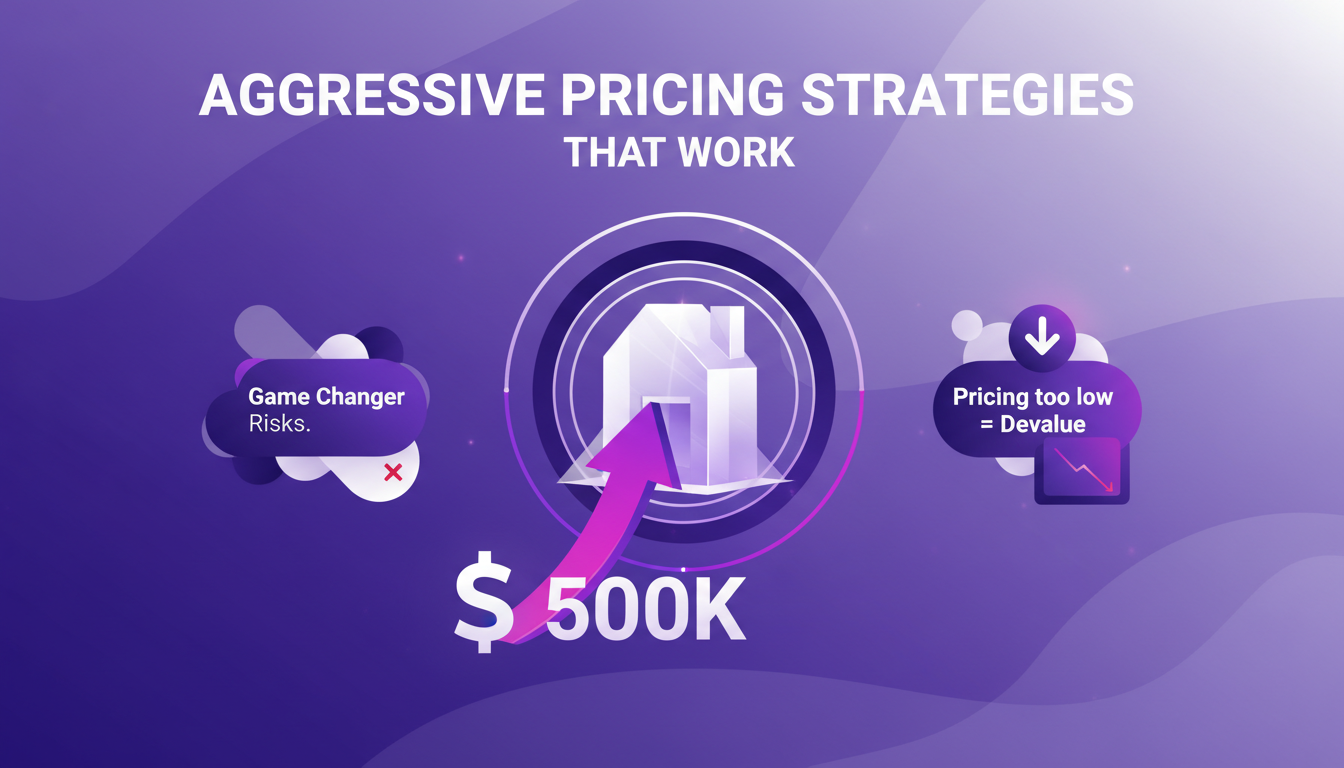
Often, adjusting to $540K or $545K can attract the right buyers. It's about balancing attention-grabbing with maintaining perceived value.
- Start with a competitive price point.
- Avoid undervaluing the property.
- Re-adjust according to market demand.
Mastering Sales Tactics: Counter Offers
Counter offers can create a sense of urgency and negotiation. I've seen deals turn around with a strategic counter offer. Timing and understanding the buyer's needs are crucial.
But don't overuse counter offers; they can be perceived as indecisive and backfire.
- Create a sense of urgency.
- Understand the buyer's needs.
- Use counter offers sparingly.
Leveraging AI Tools for Realtor Coaching
AI tools can provide insights that traditional methods might miss. I use AI to analyze market trends and tailor my strategies. AI coaching helps refine communication and negotiation skills.
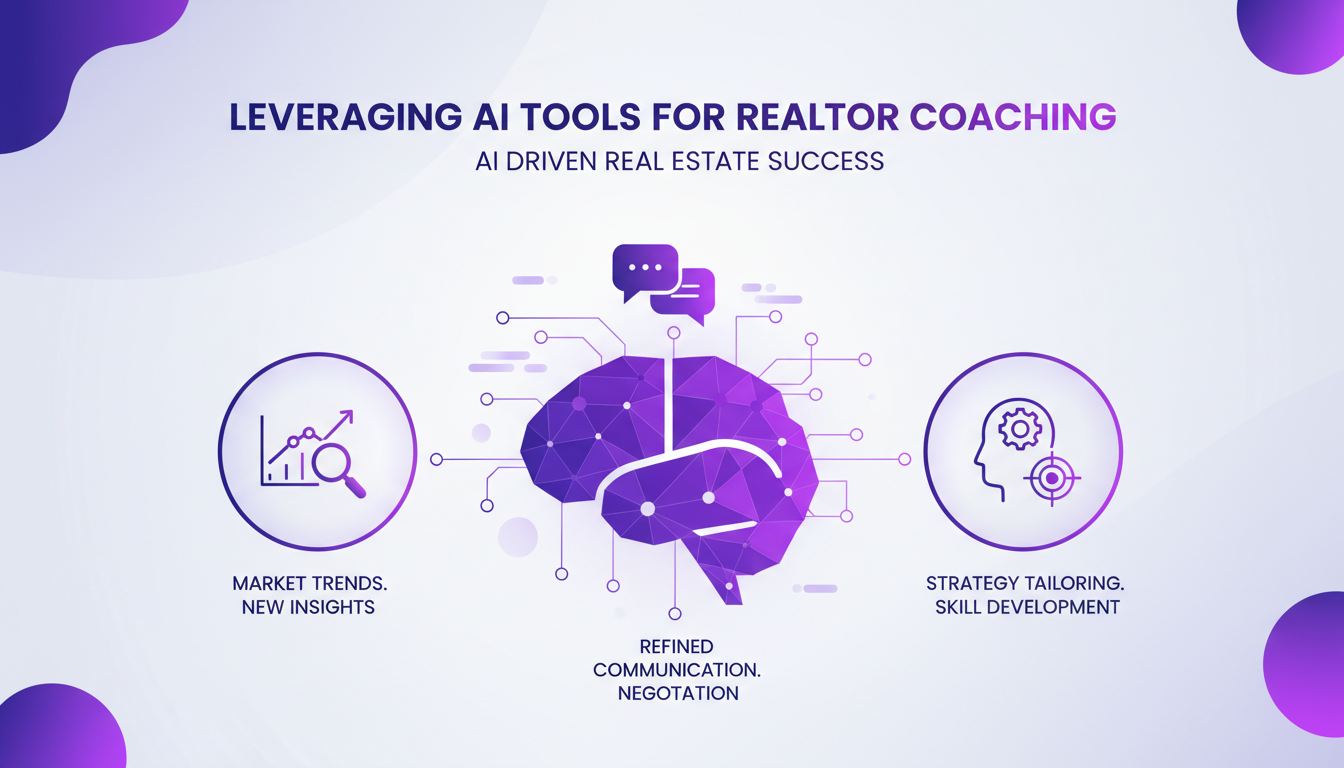
But watch out for over-reliance on AI; always pair it with human intuition for optimal results.
- Analyze market trends with AI.
- Enhance communication skills.
- Balance AI with human intuition.
Navigating the real estate market isn't a walk in the park, but with the right strategy, you can turn nightmares into opportunities. First, understanding property issues is crucial to avoid getting caught off guard. Then, I go for aggressive pricing—sometimes it's better to jump straight to 500 rather than waver. Mastering counter offers is essential—this is where the real negotiation happens. And trust me, leveraging AI in the process is a real game changer, but be mindful of the limits, especially with the data at hand. Looking ahead, I see a real opportunity to optimize these strategies so every listing sells like hotcakes. Ready to transform your approach? Start implementing these strategies today and watch your listings fly off the market. For a deeper dive, I recommend watching the original video on YouTube. Among peers, it's always good to have an external perspective.
Frequently Asked Questions

Thibault Le Balier
Co-fondateur & CTO
Coming from the tech startup ecosystem, Thibault has developed expertise in AI solution architecture that he now puts at the service of large companies (Atos, BNP Paribas, beta.gouv). He works on two axes: mastering AI deployments (local LLMs, MCP security) and optimizing inference costs (offloading, compression, token management).
Related Articles
Discover more articles on similar topics
Acquisitions vs. Dispositions: Real Estate Approach
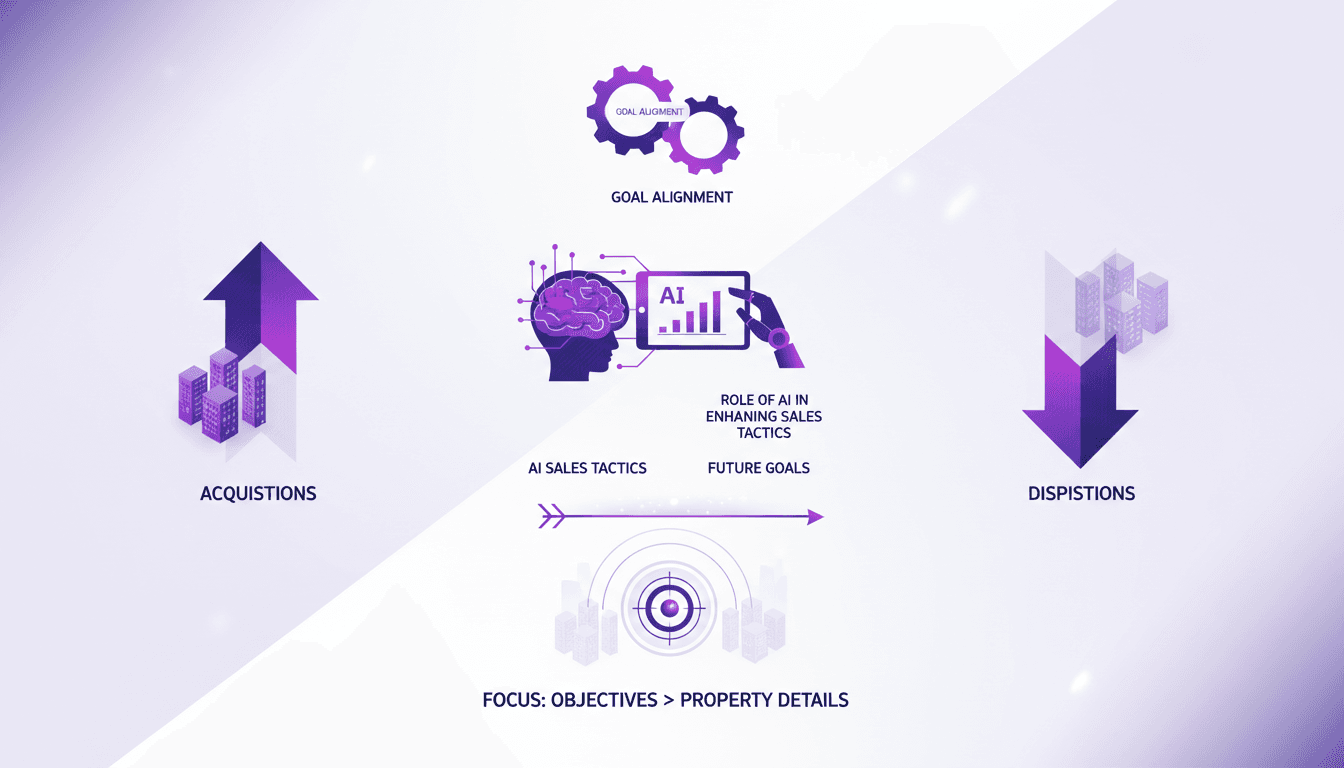
When I first dove into real estate, I thought acquisitions and dispositions were just two sides of the same coin. Rookie mistake. With each deal I closed, I realized just how fundamentally different these two key stages are. Today, I'm taking you through my journey where aligning goals, leveraging AI, and focusing on what truly matters became essential for success. You'll see how in real estate, understanding these nuances can completely transform your strategy. This isn't just theory—it's lived experience. We'll talk about the importance of goal alignment, the role of AI in enhancing sales tactics, and why setting future goals, like those for 2026, is critical. Come along and find out how to avoid the costly mistakes I made.

Cutting Space Costs: SpaceX and Wright's Law
I remember the first time I saw a SpaceX rocket land itself. It was like watching the future unfold right in front of me. But it's not just about the spectacle. SpaceX is reshaping costs and opening new frontiers. By slashing space travel costs, SpaceX is setting the stage for new industries and economic models. Let's dive into how they're doing it and what it means for us. With Wright's Law, production costs drop as experience increases. Space-based data centers and microgravity manufacturing are just the beginning. SpaceX isn't just dreaming about the future; they're building it. We'll also discuss the role of AI and robotics, two essential tools for seizing future opportunities.

E-commerce Fraud Evolution: Strategies and Solutions
I've watched scammers evolve from basic cons to sophisticated operations, even targeting our homes. Every day, I fight against this, and trust me, it's a relentless challenge. Between cryptocurrency security, deep fakes, and 'Fraud as a Service', staying ahead requires constant vigilance and innovation. In this podcast, I take you behind the scenes of our daily battle: how we anticipate new fraud techniques in e-commerce, the importance of verification processes, and the legal and ethical considerations that guide us. Get ready to discover the strategies I use to outsmart these threats and protect our clients.

Building Hearth AI: Foundations and Vision
I vividly remember the thrill of building a solar-powered racing car—an experience that shaped my approach to founding Hearth AI. It was all about pushing boundaries and connecting technology with human potential. In this episode, I share insights from my journey as a builder, from my diverse technical background to founding Hearth AI in 2022. We'll dive into innovative concepts like relational intelligence, the 'second brain', and how AI tools like Codex and GPT 3.5 are revolutionizing our daily work. Get ready to explore the vision and foundations of Hearth AI and see how AI can truly transform human experience.

AI and Code: 90% Written by Agents
I never thought I'd let AI write 90% of my code, but here we are. As a GitHub senior engineer, I've embraced AI agents, and it's been a game changer—albeit with its quirks. AI in software development is more than a buzzword; it's reshaping our workflows. I've seen it firsthand, moving from traditional coding to orchestrating AI-driven solutions. We're diving into the impact of AI agents in our field, how it shifts our operational focus, and even boosts system reliability. I've had to adapt, learn from my mistakes (and trust me, I've made a few!), but the leap is worth it. If you've ever used VS Code's Agent Mode, you know what I mean. The future of development is already here.