Never Get Lowballed Again: Effective Strategies
I've been in the trenches of real estate negotiations for years, and if there's one thing I've learned, it's that getting lowballed is a gut punch. But I've found ways to turn the tables. Let me walk you through how I use psychology to keep my deals on track. In the fast-paced world of real estate, negotiation isn't just about numbers—it's a psychological game. Understanding the common pitfalls and leveraging emotional intelligence can make or break your deals. Let’s dive into how we can use these insights to our advantage. #realestate #realestateinvesting #psychology

I've been in the trenches of real estate negotiations for years, and getting lowballed feels like a punch to the gut. But after getting burned a few times, I figured out how to turn the tables. Picture this: you're negotiating from an original price of 130, settle on 124, and feel like you've lost. But here's the thing—negotiation is first and foremost a psychological game. Let me show you how I use psychology to keep my deals on track. We'll dive into the common mistakes I've seen (and made), the role of emotions in negotiation, and how to avoid the fear of missing out. The goal is to improve our outcomes by leveraging psychology. Let's dive into these insights and transform our negotiations!
Common Mistakes in Negotiation
In the negotiation arena, it's easy to fall into the trap of negotiating against yourself. I've been there, thinking I needed to adjust the price from 130 to 124 even before the other side responded. It's a pattern I've seen in others too, and it weakens our position. Indeed, making concessions too early can set a bad precedent. Consider the power dynamics: who actually holds the cards? Often, this is forgotten, especially when emotions come into play.
- Don't negotiate against yourself: wait for a reaction before adjusting your offer.
- Don't concede too early: each concession should have a counterbalance.
- Understand power dynamics: who needs the other?
- Avoid emotional decisions: stay rational.
- Don't fear losing the deal: focus on long-term gains.
Role of Emotions in Negotiation
Emotions are at the heart of every decision. I've learned to use this to my advantage. When facing a client, I look for emotional triggers, not just in them but also in myself. Staying calm and collected projects a confidence that can influence the other party. Sometimes, simple empathy to understand their needs and fears can change everything.

- Emotions influence more than logic: use them to your advantage.
- Recognize your emotional triggers.
- Stay calm: it inspires confidence.
- Use empathy to better understand your counterpart.
- Balance assertiveness with emotional intelligence.
Harnessing FOMO in Sales
Fear of Missing Out (FOMO) is a powerful driver. I've seen clients rush to close a deal simply because they thought the offer was rare or exclusive. However, you must be authentic, or it can backfire. I often use storytelling to make the opportunity unique, but I make sure not to overhype. It's crucial to understand when FOMO can fail and adjust your strategy accordingly.
- Create a sense of urgency with FOMO.
- Highlight scarcity and exclusivity.
- Use storytelling to make the offer unique.
- Don't overhype: stay authentic.
- Know when FOMO can backfire.
Psychological Factors in Sales Tactics
Mastering the art of persuasion is more than just words. Cognitive biases influence every decision. I often use anchoring to set expectations, and social proof to build credibility. But beware of manipulation. Ethics should never be compromised.
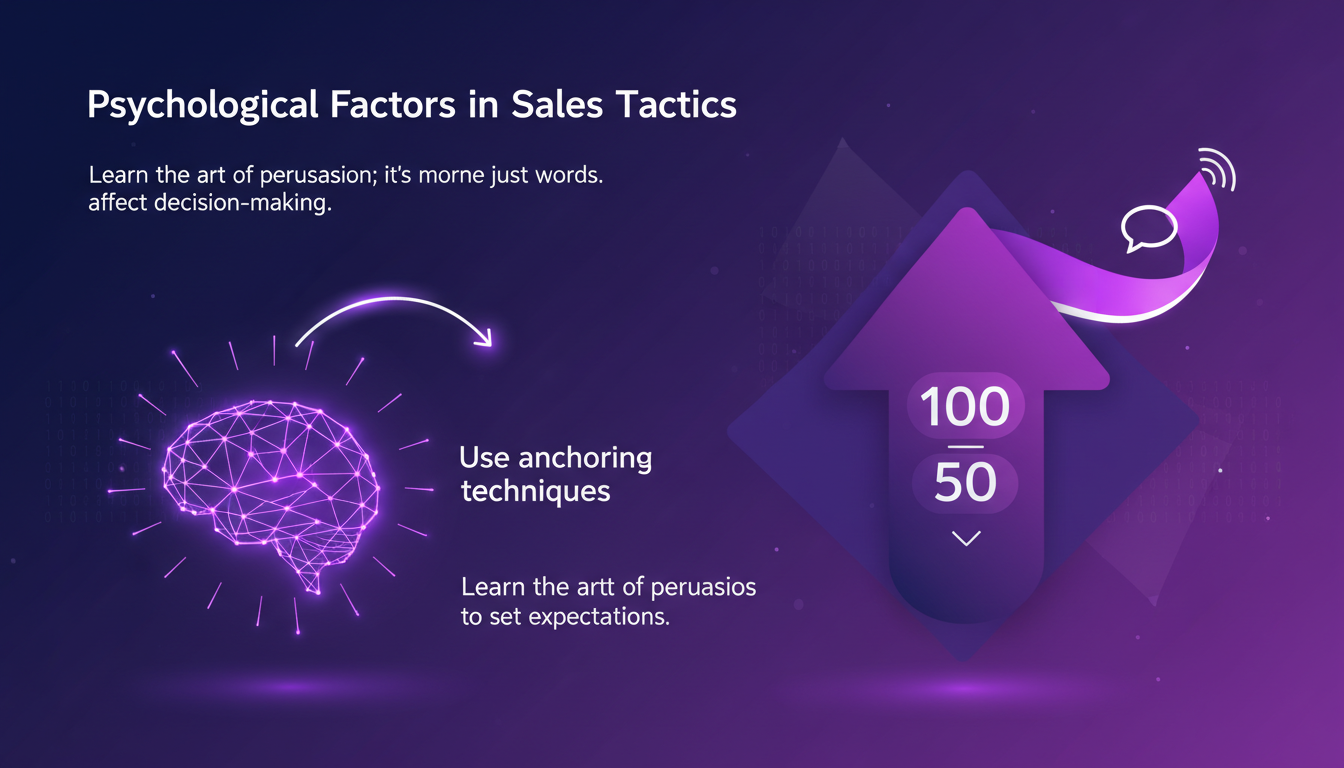
- Learn persuasion beyond words.
- Identify cognitive biases.
- Use anchoring to set expectations.
- Leverage social proof to build credibility.
- Keep ethics intact.
Improving Outcomes with Psychological Insights
Integrating psychological insights into your negotiation strategy can transform outcomes. I often reflect on past negotiations to identify patterns. Training your team in emotional intelligence and negotiation skills is essential. Most importantly, adapt and refine your approach based on feedback. Measure success not just by the deal, but by the relationship built.

- Integrate psychological insights into your strategy.
- Reflect on past negotiations to identify patterns.
- Train your team in emotional intelligence.
- Adapt and refine your approach.
- Measure success by the relationship built, not just the deal.
I got burned by lowball offers more times than I can count before realizing negotiation is as much about psychology as it is about numbers. Here's what I've learned to avoid getting lowballed and secure better deals:
- First, understanding and leveraging emotional and psychological factors is crucial. It's not just about the price but about relationships.
- Don't underestimate the power of FOMO (fear of missing out). It can be a strong lever in sales tactics.
- Steer clear of common mistakes like fixating on the initial price point (130 to 124) without considering the long-term value of the relationship. Looking forward, these psychological insights can really transform your real estate negotiation game. But remember, it takes time and patience. Ready to transform your negotiation game? Start applying these insights today and watch your deals flourish. For a deeper dive, I recommend watching the full video: YouTube link.
Frequently Asked Questions

Thibault Le Balier
Co-fondateur & CTO
Coming from the tech startup ecosystem, Thibault has developed expertise in AI solution architecture that he now puts at the service of large companies (Atos, BNP Paribas, beta.gouv). He works on two axes: mastering AI deployments (local LLMs, MCP security) and optimizing inference costs (offloading, compression, token management).
Related Articles
Discover more articles on similar topics

Handling Sales Objections with AI: My Workflow
I remember the first time I let AI handle sales objections—it was a leap of faith, but the results were eye-opening. Integrating AI into my sales process was a game changer. In an industry where objections are part and parcel, the idea that AI can smooth over these hurdles is enticing. Let me walk you through how I integrated AI to tackle the toughest objections and build trust with inbound leads. AI can really be transformative, but watch out for pitfalls like addressing authenticity concerns and involving decision-makers. I learned to orchestrate sales appointments and avoid ego conflicts, all while using AI to gather accurate information. Join me as I share how I turned daunting objections into opportunities.
Acquisitions vs. Dispositions: Real Estate Approach
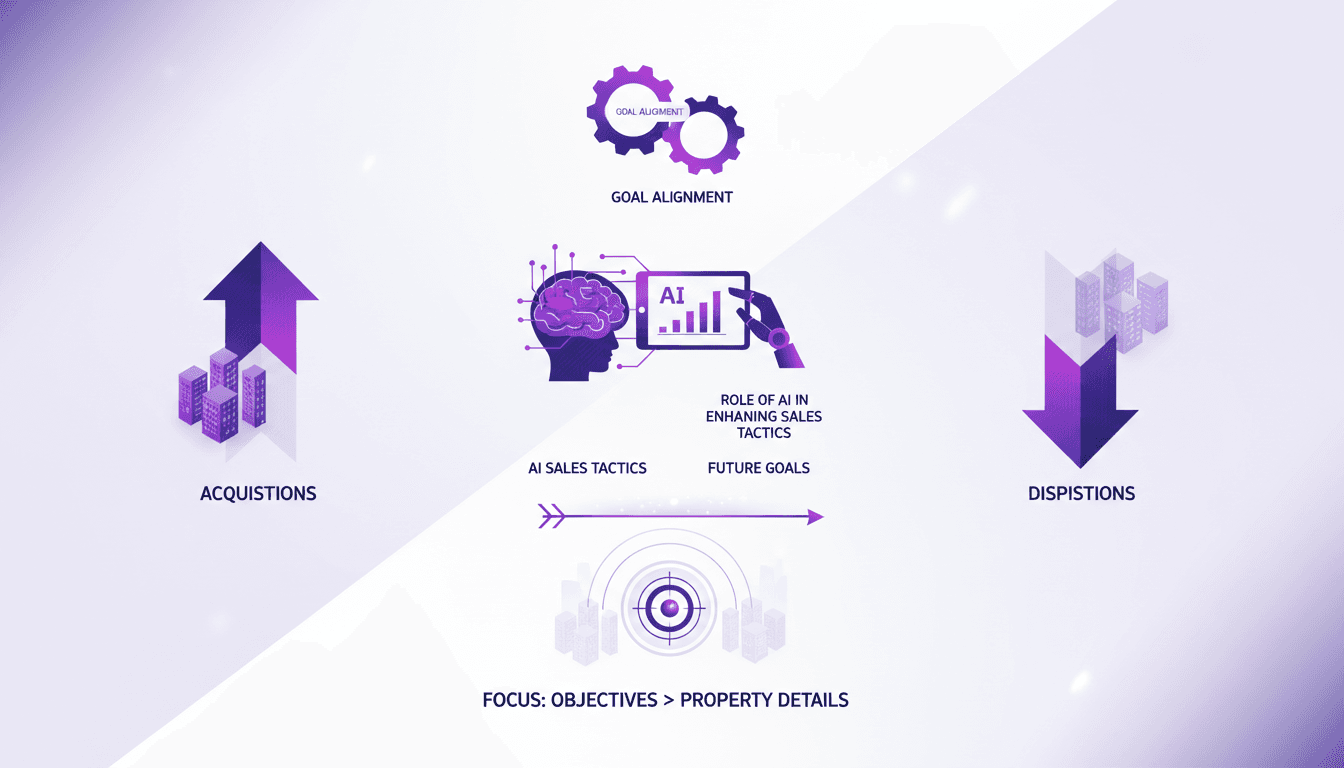
When I first dove into real estate, I thought acquisitions and dispositions were just two sides of the same coin. Rookie mistake. With each deal I closed, I realized just how fundamentally different these two key stages are. Today, I'm taking you through my journey where aligning goals, leveraging AI, and focusing on what truly matters became essential for success. You'll see how in real estate, understanding these nuances can completely transform your strategy. This isn't just theory—it's lived experience. We'll talk about the importance of goal alignment, the role of AI in enhancing sales tactics, and why setting future goals, like those for 2026, is critical. Come along and find out how to avoid the costly mistakes I made.
Manipulation vs Influence: Understanding Therapy
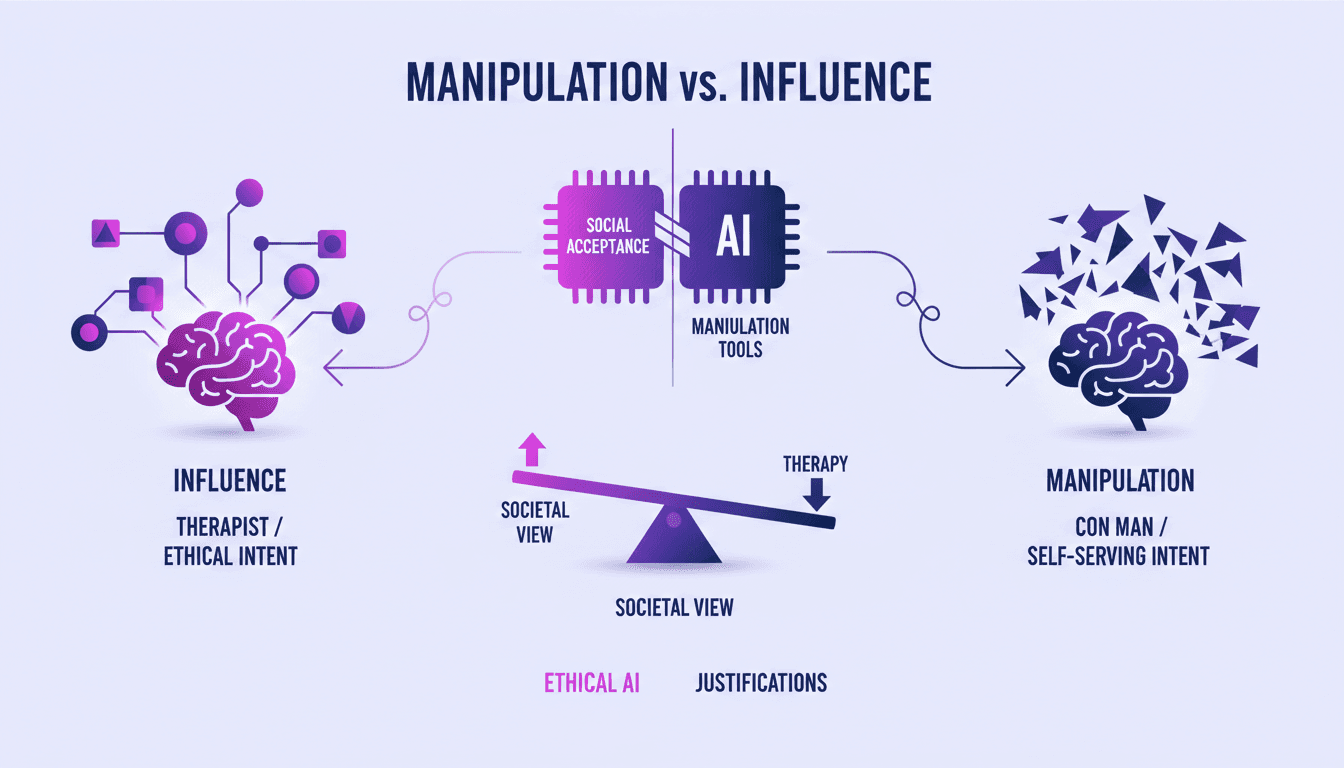
I've been in therapy rooms where the line between manipulation and influence blurred, and it wasn't until I understood the intent behind actions that I could see why manipulation isn't always a bad thing. In this post, we're diving into how therapy uses these tools ethically. We'll explore the difference between manipulation and influence, and how intent plays a critical role in ethical practice. We'll also compare the techniques used by therapists to those of con men, and discuss the ethical implications of using these manipulation tools.

Real Estate Sales Strategies: Avoiding Unsold Homes
I've been in the real estate trenches for years, juggling between successful sales and listings that just won't budge. There's nothing more frustrating than a house that won't sell. Often, it's not about the house, but the strategy. I got burned more than once before figuring it out. Now, I pilot things differently with aggressive pricing strategies, smart counter offers, and AI tools for coaching. In this article, I'll share the five dreaded words every realtor fears and how to tackle them head-on to turn potential sales into real success.

Overcoming 'I Don't Know' in Conversations
Ever been blocked by an 'I don't know' in the middle of a conversation? Yeah, me too. But I've learned to turn that dead end into a new beginning. Here's how I do it. In this article, I share my strategies for overcoming 'I don't know' responses – validating answers to encourage more detail, using extreme statements to provoke corrections, and the role of persistence. Psychology is key in communication, and mastering these techniques can make all the difference. Whether in negotiation or sales, breaking through that wall and digging deeper can uncover valuable insights.