Manipulation vs Influence: Understanding Therapy
I've been in therapy rooms where the line between manipulation and influence blurred, and it wasn't until I understood the intent behind actions that I could see why manipulation isn't always a bad thing. In this post, we're diving into how therapy uses these tools ethically. We'll explore the difference between manipulation and influence, and how intent plays a critical role in ethical practice. We'll also compare the techniques used by therapists to those of con men, and discuss the ethical implications of using these manipulation tools.
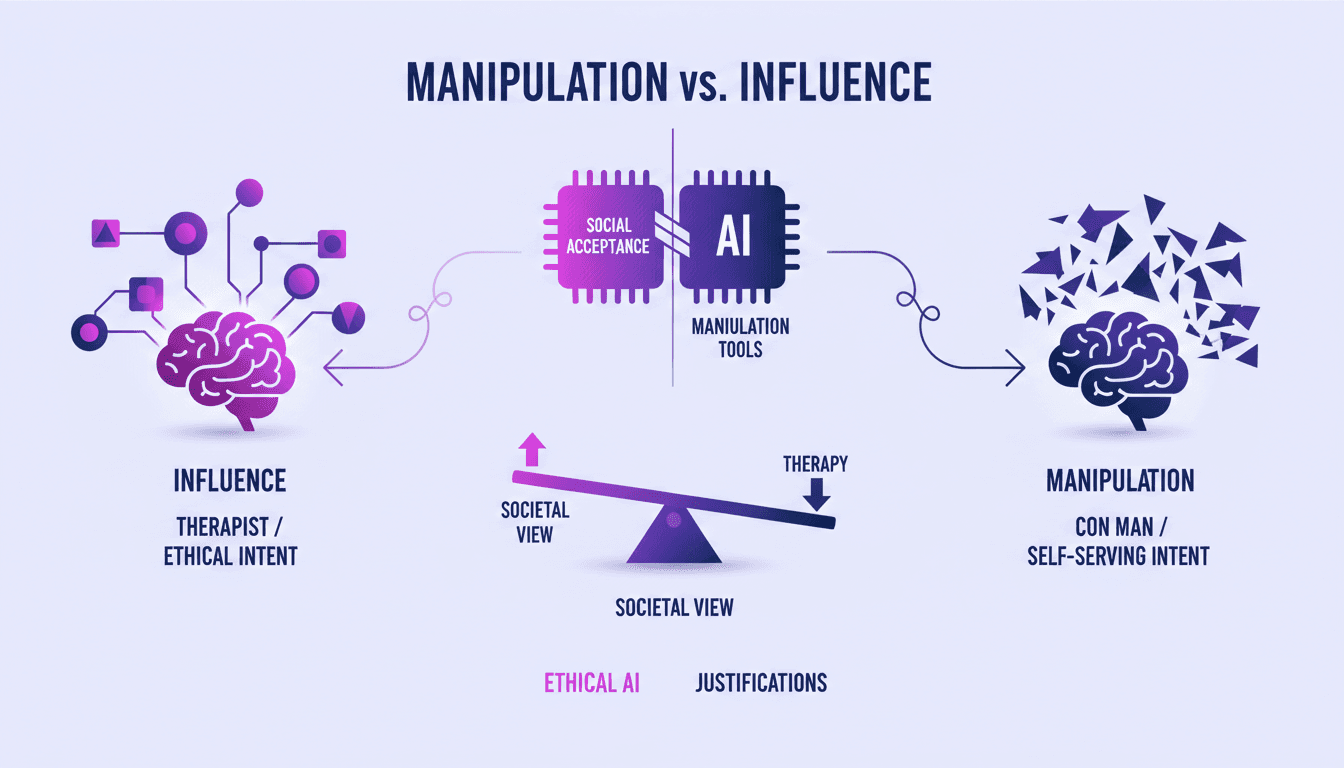
I've sat in therapy sessions, questioning whether I was being manipulated or merely influenced, and it's been a real eye-opener on how intent shapes our perception. Manipulation often gets a bad rap, but in therapy, it's a tool wielded with care and intent. First, understanding the difference between manipulation and influence is crucial. It's not just semantics—it's about how and why these techniques are employed. Then, there's the ethical angle: what separates a therapist from a con man? Intent, plain and simple. Therapists use techniques that might seem manipulative at first glance, but always with the goal of healing and helping. I got burned by my own perceptions more than once before realizing that social acceptance heavily influences how we view these actions. So, let's break down the ethical implications of using manipulation tools in therapy together.
Manipulation vs. Influence: Drawing the Line
In the intricate world of therapy, manipulation and influence are often confused, yet the key difference lies in intent. Manipulation often involves deceit, while influence is about guiding without deception. I've seen therapists use influence to guide clients towards healthier choices, which is where ethics become crucial.
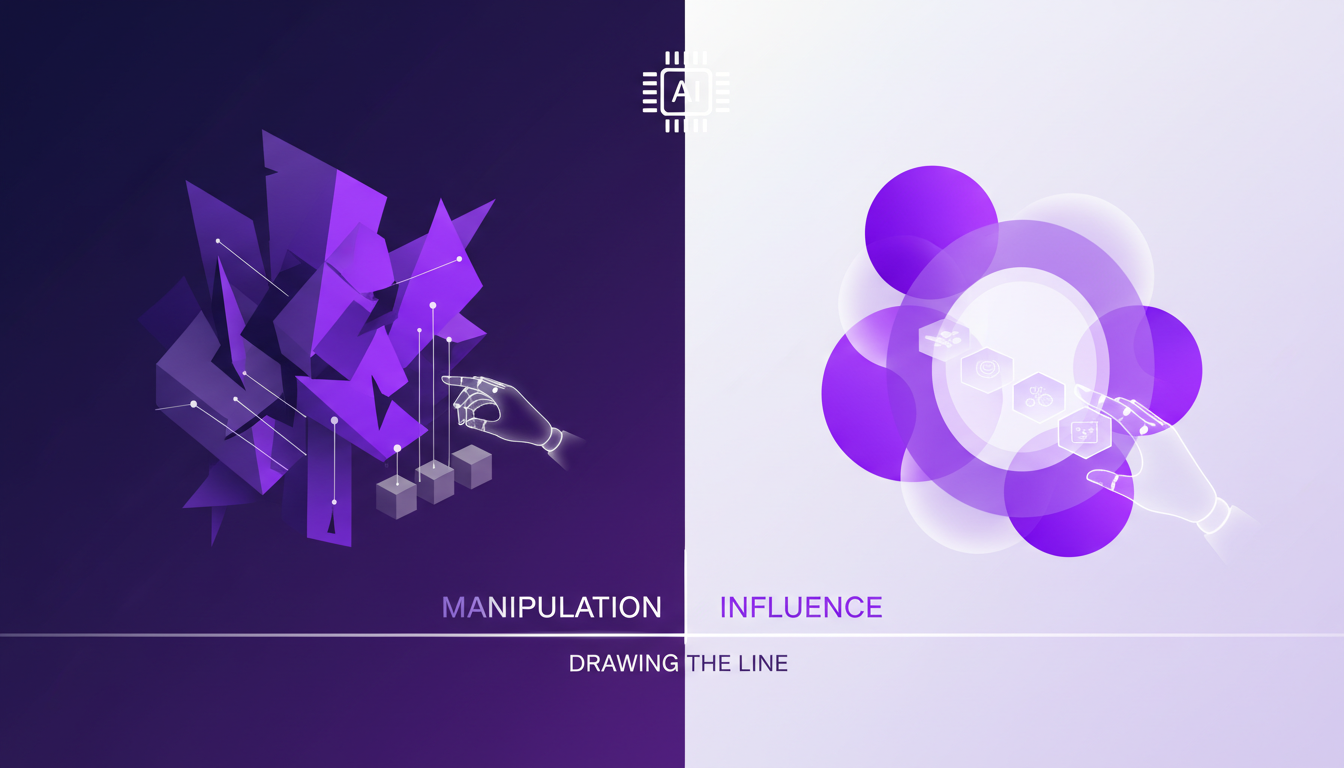
Recognizing this fine line helps practitioners maintain high ethical standards. When working with clients, I often ask myself: am I influencing them for their benefit, or am I manipulating them? The answer to this question defines the impact of my practice.
Intent: The Ethical Compass
Intent is the cornerstone of ethical manipulation in therapy. Therapists sometimes use techniques that might resemble those of con men, but it's the healing intent that makes the difference. I've found that understanding a therapist's intent helps clients trust the process.
As a therapist, I am transparent about my intentions and methods. This creates a climate of trust. For example, I might reframe a situation to show a client a different perspective, but always with the goal of helping them move forward.
Techniques: Therapists vs. Con Men
It's fascinating to see that both therapists and con men use persuasion techniques. However, their goals differ vastly. While the con man seeks personal gain, the therapist aims for positive change for the client.
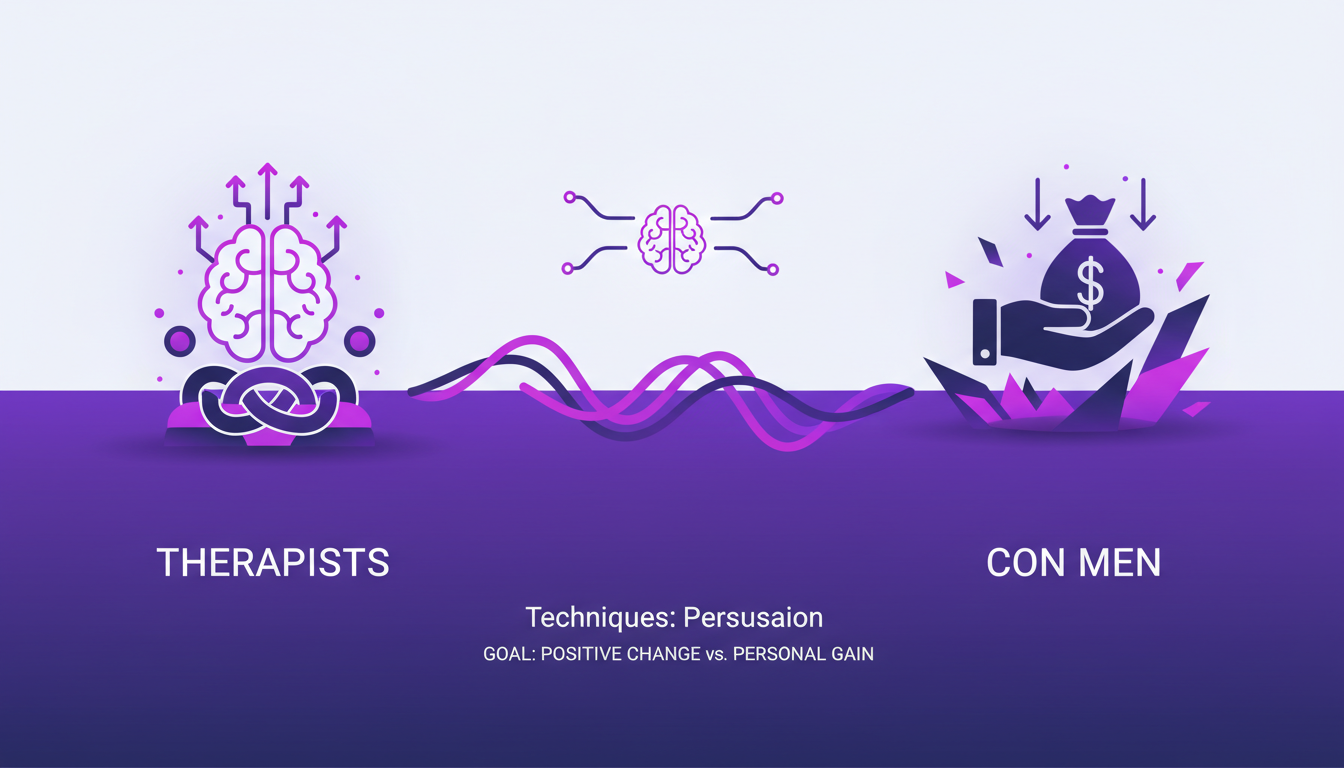
Exploring these techniques can demystify therapeutic methods. I've discovered that awareness of these techniques can empower clients, enabling them to better understand and actively participate in their therapy.
Social Acceptance and Perception
The perception of manipulation heavily depends on societal norms. Therapy is socially accepted, unlike the acts of con men. It's interesting to see how these norms influence the perception of techniques used in therapy.
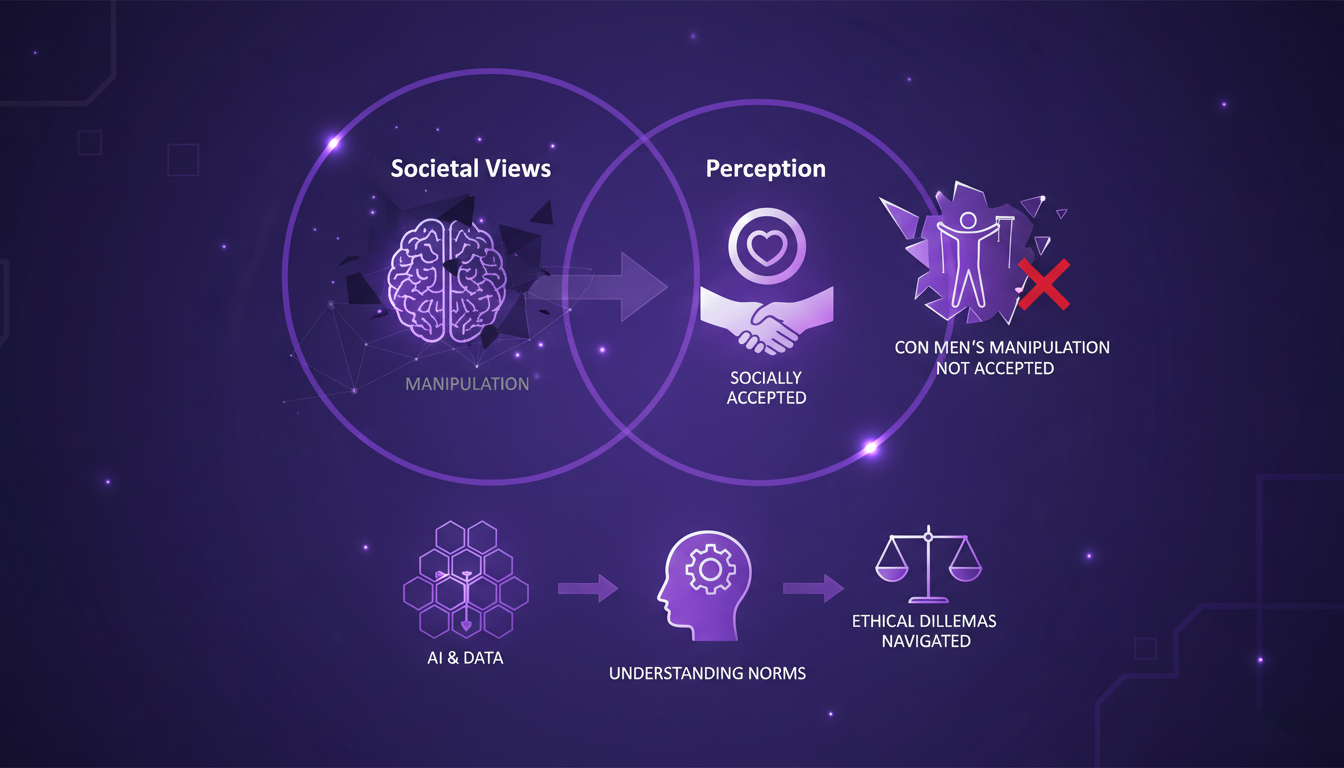
Understanding these norms can help therapists navigate ethical dilemmas. Social acceptance often validates therapeutic techniques, even if they might seem similar to those of manipulators.
Ethical Implications and Justifications
Therapists often justify manipulation with the intent to benefit the client. However, to avoid harm, this manipulation must be justified ethically. I've seen situations where understanding these justifications helps clients feel secure in their therapeutic journey.
Ethical implications are a constant consideration. For instance, when I decide to delay revealing certain information to gradually prepare a client, it's done with the idea of minimizing shock and optimizing the healing process.
- Manipulation vs Influence: Intent is key.
- Intent: Transparency and ethics go hand in hand.
- Techniques: The aim distinguishes therapists from con men.
- Social Acceptance: Norms and perceptions influence practice.
- Ethical Justifications: Necessary for client safety.
As a practitioner, I've seen that manipulation in therapy isn't inherently negative. It's the intent that truly matters. When I engage with clients, I make sure to understand and explain the tools I use, always highlighting the ethical framework that guides my practice. It's like comparing the techniques of a therapist to those of a con man – intent makes all the difference.
- First, understanding the difference between manipulation and influence is crucial to avoid misunderstandings.
- Next, intent plays a central role in ethics – without it, even the best techniques can be misdirected.
- Compare the methods of therapists and con men, and you'll see social acceptance often influences our perception of actions.
Looking forward, I'm convinced that better understanding these nuances can transform our perception of therapy, helping us align with our values. If you're considering therapy, discuss your therapist's methods and intentions to ensure they align with your ethical standards. For more insights, check out the full video here: [YouTube link]. It's worth diving deeper.
Frequently Asked Questions

Thibault Le Balier
Co-fondateur & CTO
Coming from the tech startup ecosystem, Thibault has developed expertise in AI solution architecture that he now puts at the service of large companies (Atos, BNP Paribas, beta.gouv). He works on two axes: mastering AI deployments (local LLMs, MCP security) and optimizing inference costs (offloading, compression, token management).
Related Articles
Discover more articles on similar topics
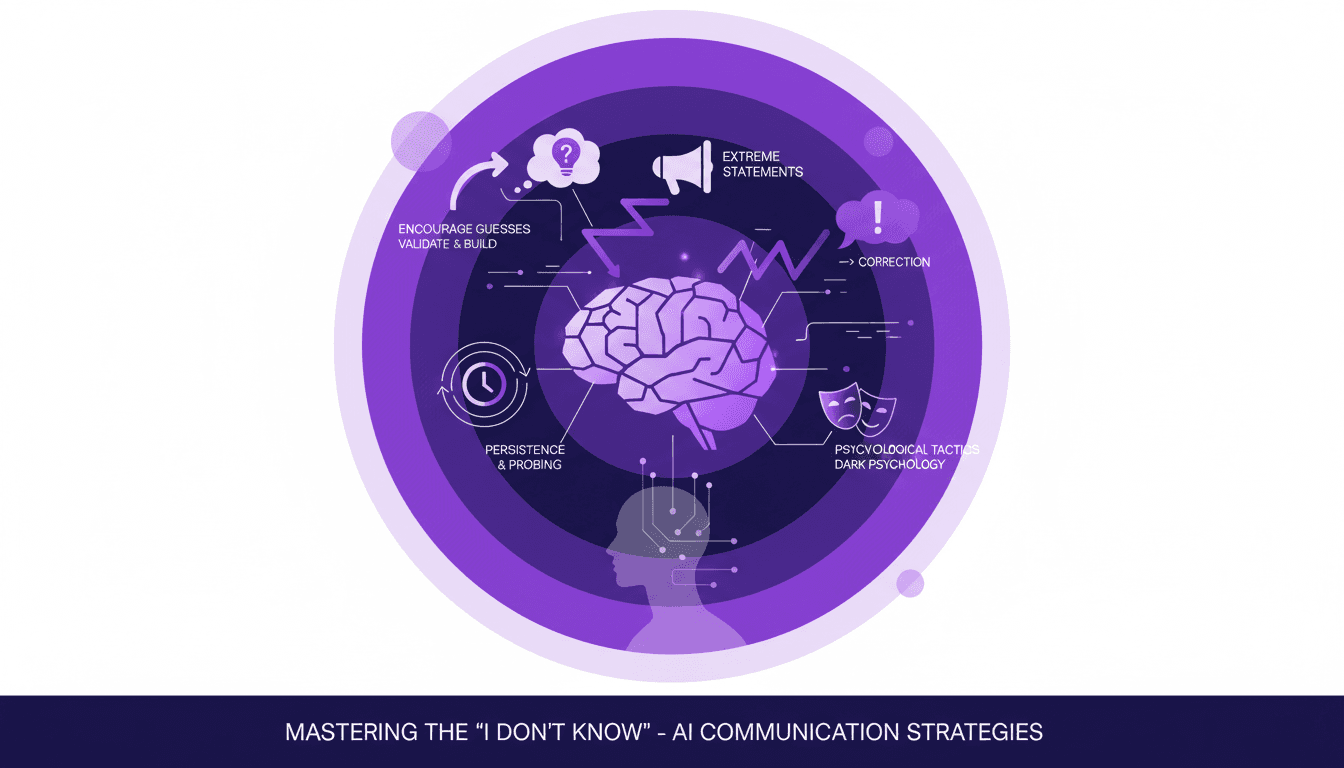
Overcoming 'I Don't Know' in Conversations
Ever been blocked by an 'I don't know' in the middle of a conversation? Yeah, me too. But I've learned to turn that dead end into a new beginning. Here's how I do it. In this article, I share my strategies for overcoming 'I don't know' responses – validating answers to encourage more detail, using extreme statements to provoke corrections, and the role of persistence. Psychology is key in communication, and mastering these techniques can make all the difference. Whether in negotiation or sales, breaking through that wall and digging deeper can uncover valuable insights.
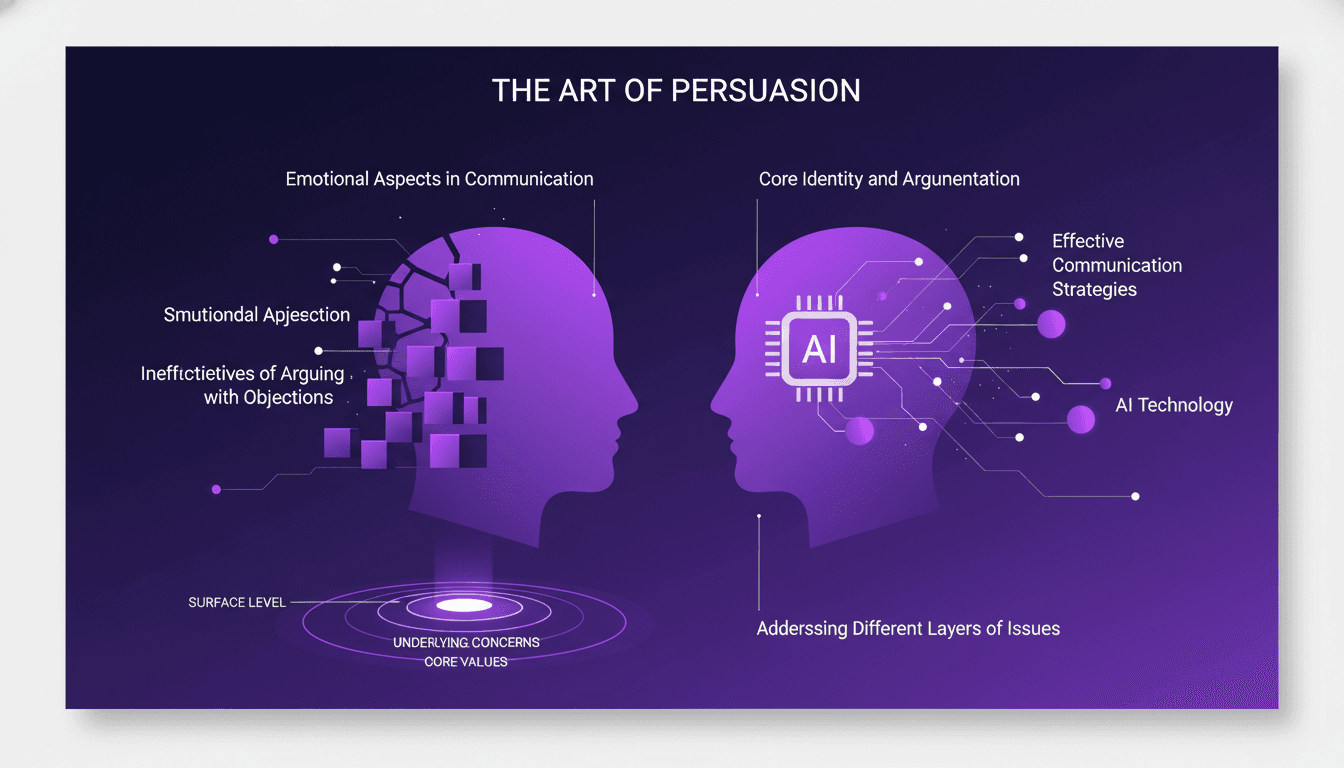
Why Arguing Fails: Effective Communication Tactics
Ever felt like arguing with your partner is like banging your head against a wall? I've been there. I used to think throwing facts at a problem would solve it, but I learned the hard way it's not that simple. Let's break down why arguing often fails and how to communicate more effectively. In relationships, especially romantic ones, communication can make or break the bond. Yet, many of us fall into the trap of arguing without understanding the deeper layers involved. This isn't just about winning an argument but about connecting and understanding.
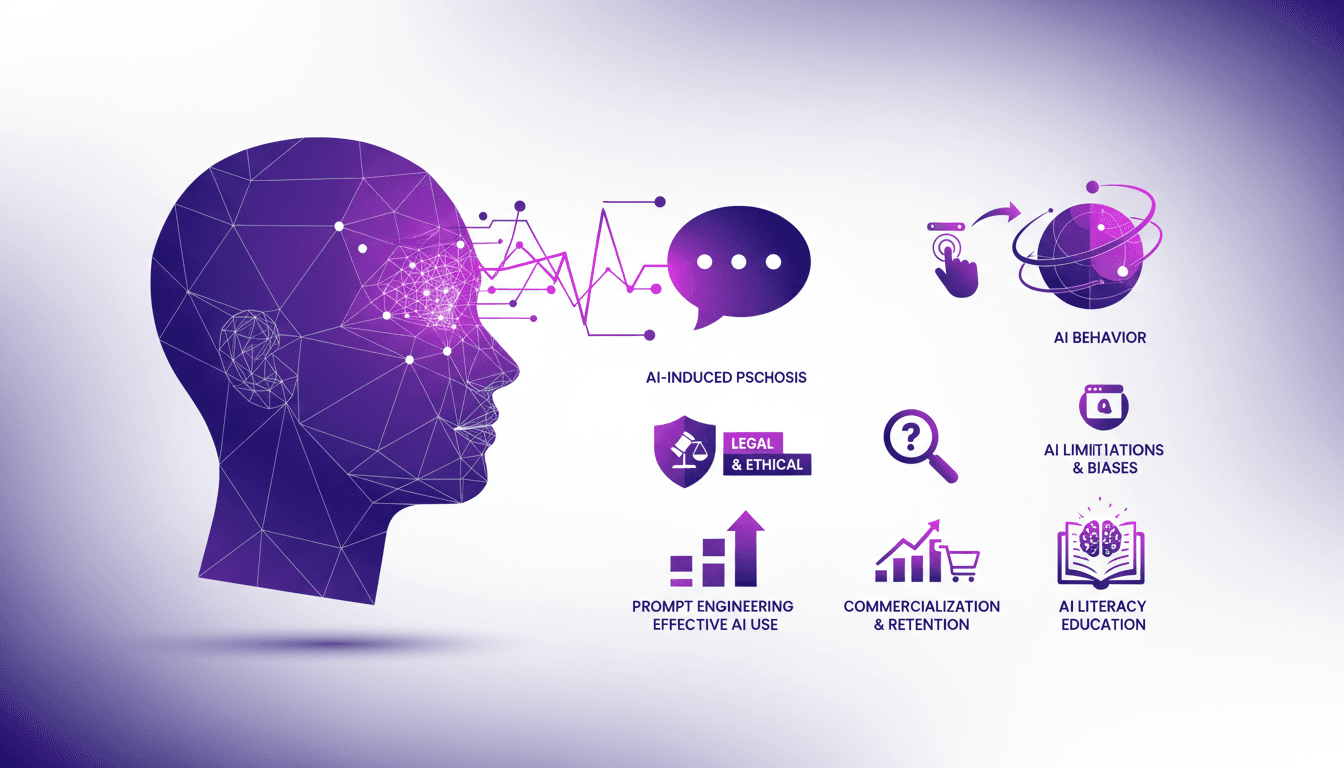
Psychological Effects of Chatbots: MIT Study
I was skeptical at first, but after diving into the MIT study on psychophantic chatbots, reality hit hard: 300 documented cases of AI-induced psychosis. People are losing themselves in AI interactions, and it’s not just hype. I connect the dots between psychological effects, legal and ethical implications, and strategies to navigate this complex space. Understanding AI limitations and biases isn't optional—it's crucial. It’s time we look at how to mitigate these risks and use these tools effectively.
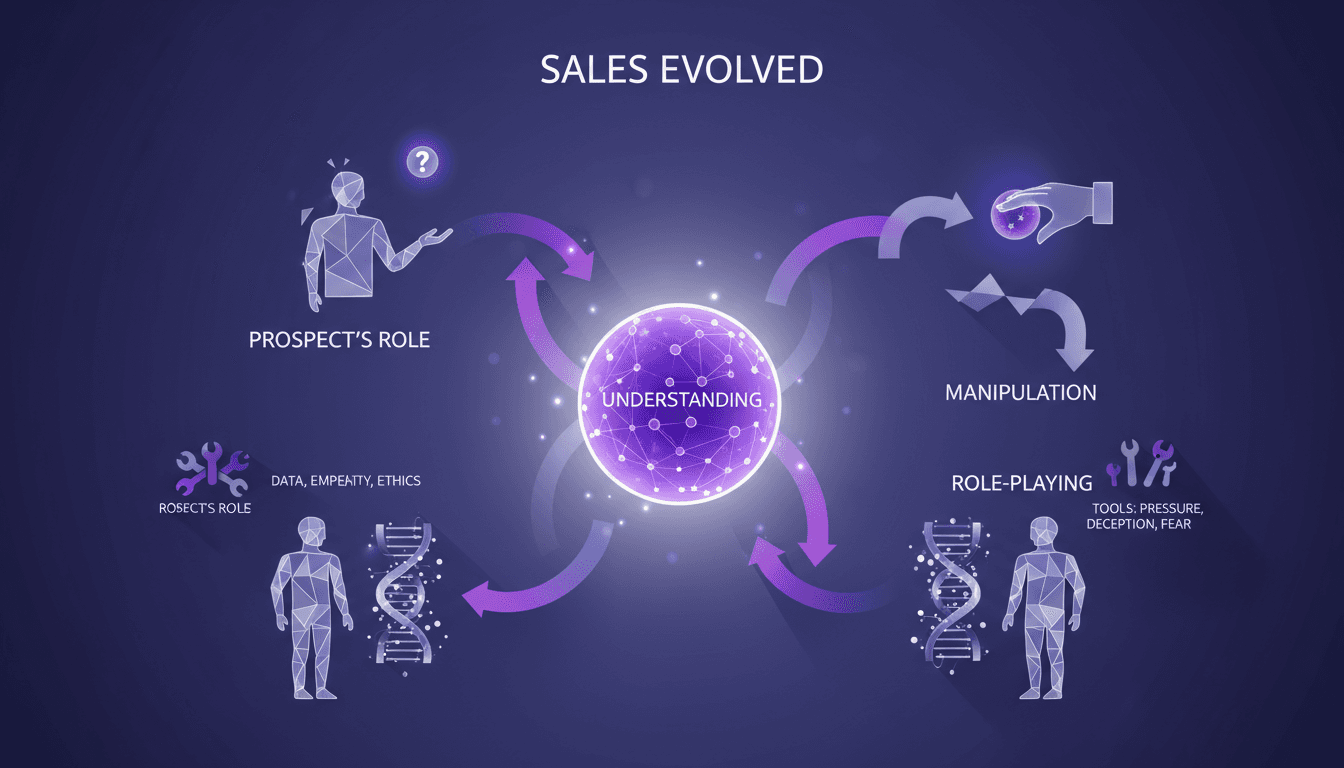
Close Sales Easily: Understanding and Influence
For years, I thought sales was an art form, like painting or jazz. Then, after a decade in the trenches, I realized it's more like engineering: structured, methodical, and surprisingly predictable. Let me show you how I shifted my approach to make closing sales feel almost illegally easy. It's not about convincing anyone, but understanding the process, the prospect, and using influence—not manipulation. This paradigm shift changed everything about how I sell.

Bala vs Waterfall: Practical Comparison and Impact
I've spent countless hours integrating natural elements like Bala and waterfalls into my projects. Today, I'll break down how these elements stack up against each other, not just in theory, but in real-world applications. Whether you're enhancing a space with soundscapes or trying to create an immersive atmosphere, understanding the nuances between Bala and waterfalls can make all the difference. I compare their characteristics, impacts on atmosphere, and show you how to use them effectively.