Overcoming 'I Don't Know' in Conversations
Ever been blocked by an 'I don't know' in the middle of a conversation? Yeah, me too. But I've learned to turn that dead end into a new beginning. Here's how I do it. In this article, I share my strategies for overcoming 'I don't know' responses – validating answers to encourage more detail, using extreme statements to provoke corrections, and the role of persistence. Psychology is key in communication, and mastering these techniques can make all the difference. Whether in negotiation or sales, breaking through that wall and digging deeper can uncover valuable insights.
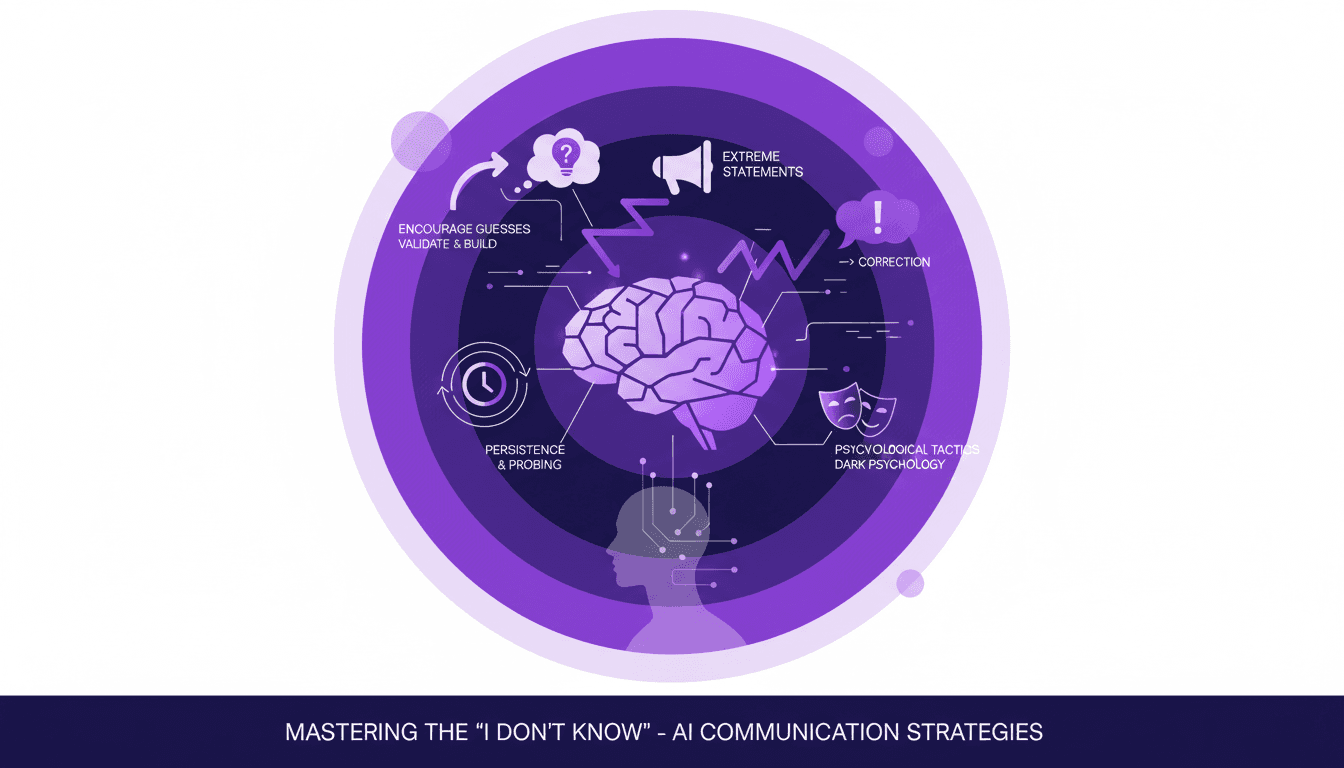
Ever been stonewalled by an 'I don't know' that seems to shut down the conversation before it even starts? I know the feeling. In my career, I've hit that wall many times, and let me tell you, it's frustrating. But instead of being stalled, I've learned to turn this into an opportunity to dig deeper. First, I validate the response to draw out more details. Then, I sometimes use extreme statements to prompt my conversation partner to correct me – and that's when real information starts to flow. Persistence is key here. With these psychological tactics, what some might call 'dark psychology', I pave the way for much richer conversations. In a world where a guess can be 90% of the truth, these techniques are crucial to avoid being misled by a mere 'I don't know'.
Understanding the 'I Don't Know' Barrier
In the realm of communication, hearing "I don't know" is almost inevitable. Often, it's a default response, a way to buy time or protect oneself. (I've found myself in this situation more times than I'd like to admit.) Why this reflex? Mainly because acknowledging one's ignorance is a taboo for many. But watch out, it can also be a genuine lack of knowledge.
Recognizing this response as an opportunity is crucial. More than a barrier, it's an entry point to deeper communication. This is where dark psychology comes into play, a highly effective technique for digging beyond appearances. This discipline teaches us to read between the lines and navigate the unsaid in our interlocutors.
Validating Responses to Encourage Dialogue
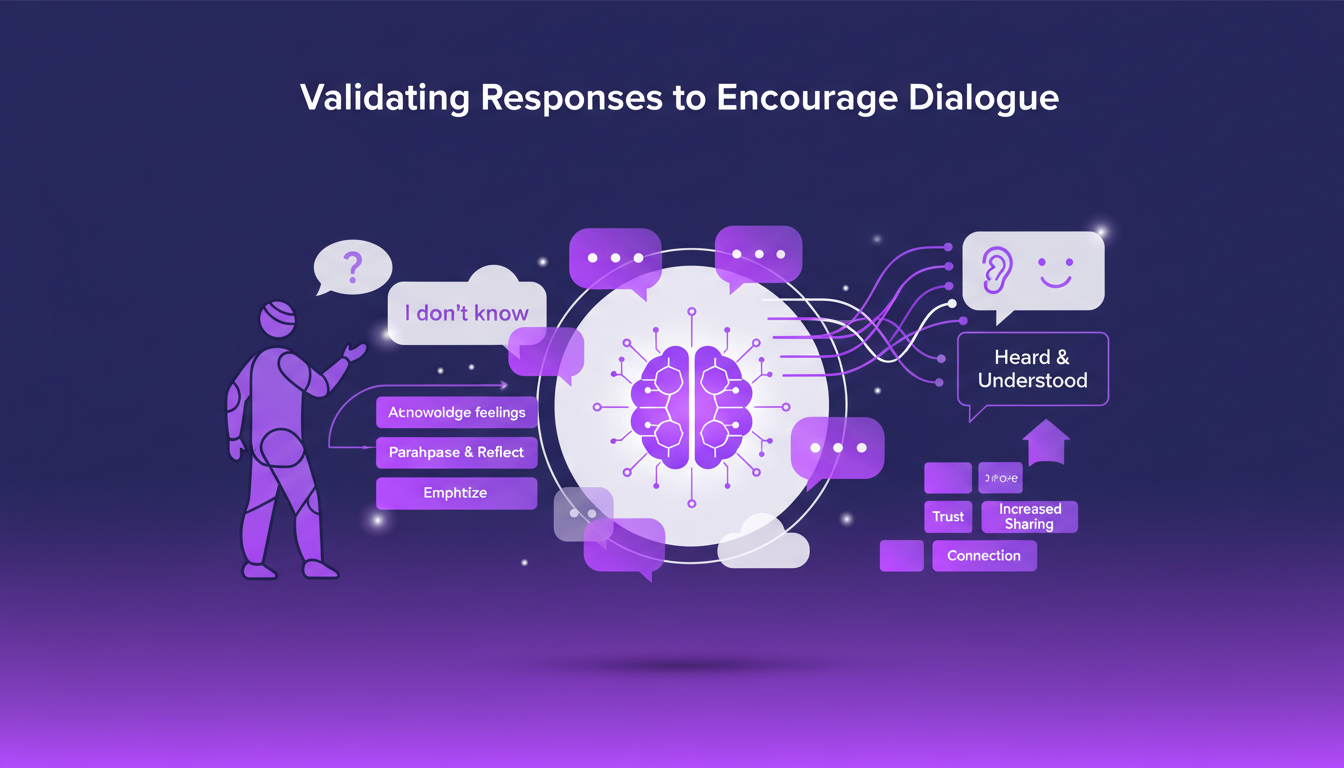
Validating the feelings or reasons behind an "I don't know" might seem trivial, but it's a powerful lever. It's like throwing a lifeline to someone drowning in their own uncertainties. I've seen it work countless times, starting with a simple "Of course you don't know, but...".
Psychological validation techniques are crucial here. They allow the person to feel heard and understood, which is often enough to unlock the situation. Patience and empathy are your allies. Don't expect instant miracles, but be attentive to the small signs indicating that the ice is melting.
- Rephrase what the other says to show you're listening.
- Express empathy without judgment.
- Use phrases like "I understand this is hard...".
Using Extreme Statements to Elicit Corrections
One of my favorite techniques is using extreme statements to provoke a response. It's downright magical how a well-placed exaggeration can prompt someone to correct your statement. For example, if I throw out an absurd figure like 90%, the interlocutor will often feel compelled to set the record straight.
It's a balancing act between exaggeration and credibility. Push too far, and you lose the other's trust. But when done right, it can unlock valuable information. However, don't overuse this strategy, lest you come across as unreliable.
Dark Psychology: Definition, Techniques, and MoreThe Role of Persistence in Extracting Information
Persistence is key to overcoming "I don't know" responses. But watch out, it's about subtle persistence, not relentless pursuit. I'd say it's like dancing. You need to know when to advance and when to retreat. Reading non-verbal cues is crucial to know when to push or back off.
This well-measured persistence can strengthen trust and rapport with your interlocutor. I've often noticed that people eventually open up if you stay attentive and show genuine interest in what they have to say.
- Observe body language to adjust your approach.
- Ask open-ended questions to encourage discussion.
- Stay calm and respectful, even if the answer is delayed.
Encouraging Guesses and Estimates
Sometimes, asking for an estimate can work wonders where asking for facts fails. It takes skill to frame questions so that the other feels comfortable guessing. It's fascinating to see how guesses can open up new pathways of information.
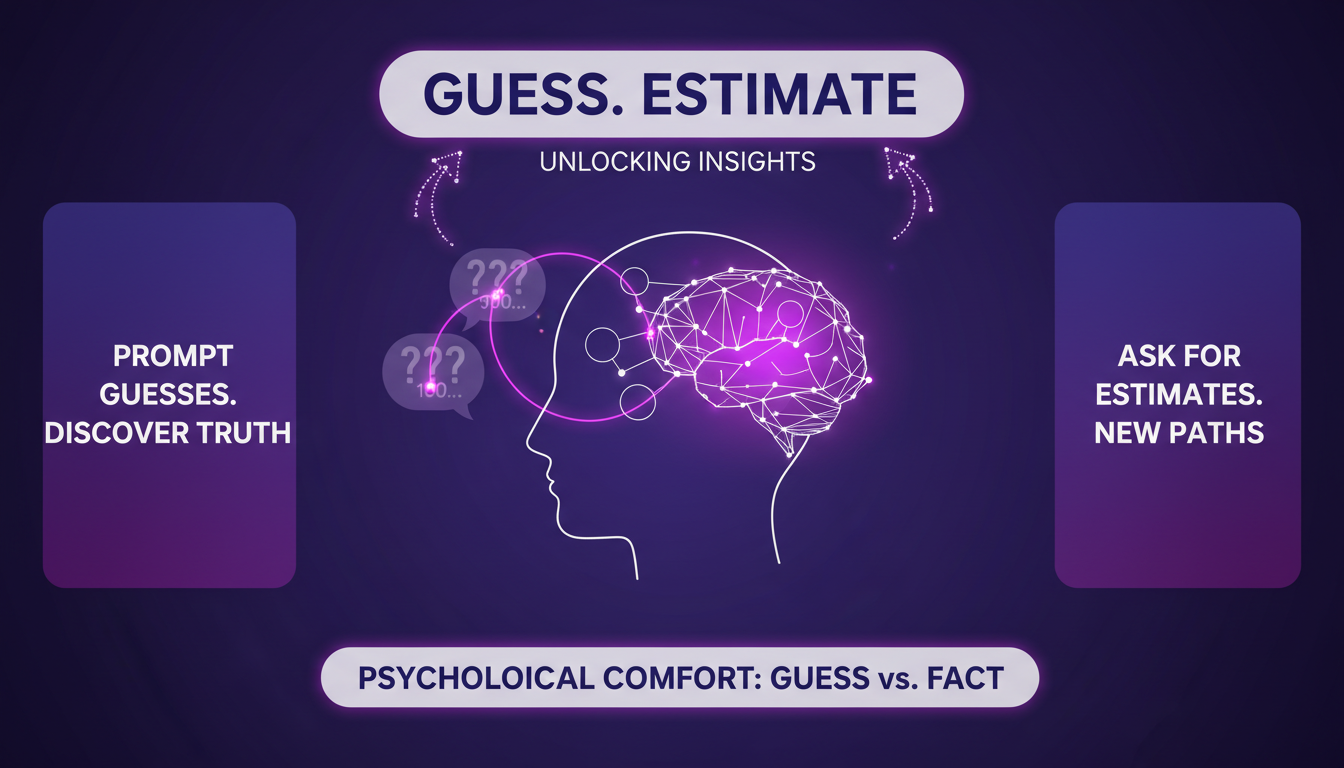
The psychological comfort of guessing rather than stating facts is very real. By asking the right questions, you can turn an "I don't know" into a rich and informative discussion. For instance, "If you had to guess, what would your answer be?" often opens the door to more informative exchanges.
How to Validate Your AI-Driven InsightsIn conclusion, transforming an "I don't know" into genuine dialogue requires fine orchestration. Between validation, extreme statements, subtle persistence, and encouraging guesses, you have a whole range of tools at your disposal to unlock conversations and get the most out of them. Remember, the key is to remain authentic and always aim for honest and constructive communication.
Close Sales Easily: Understanding and InfluenceSo, how do you turn 'I don't know' into a stepping stone instead of a stumbling block? First, I validate responses. It sounds basic, but it really opens up deeper conversations. Then, I use extreme statements to draw out corrections. It's like a magic wand for uncovering hidden insights. Finally, persistence with empathy is key. It doesn't mean harassing, but staying curious and kind. In practice, it's a game changer. But watch out, push too hard, and you might just shut the conversation down completely.
Looking forward, these strategies can really turn your interactions into goldmines of information. But as always, you need to adapt based on the context and the person you're dealing with.
Next time someone tells you 'I don't know', don't stop there. Use these strategies and see where it takes you. For more insights, check out the original video, it's a real treat to dive deeper into these techniques! [Link: https://www.youtube.com/watch?v=gyFPp6Gs-9E]
Frequently Asked Questions

Thibault Le Balier
Co-fondateur & CTO
Coming from the tech startup ecosystem, Thibault has developed expertise in AI solution architecture that he now puts at the service of large companies (Atos, BNP Paribas, beta.gouv). He works on two axes: mastering AI deployments (local LLMs, MCP security) and optimizing inference costs (offloading, compression, token management).
Related Articles
Discover more articles on similar topics
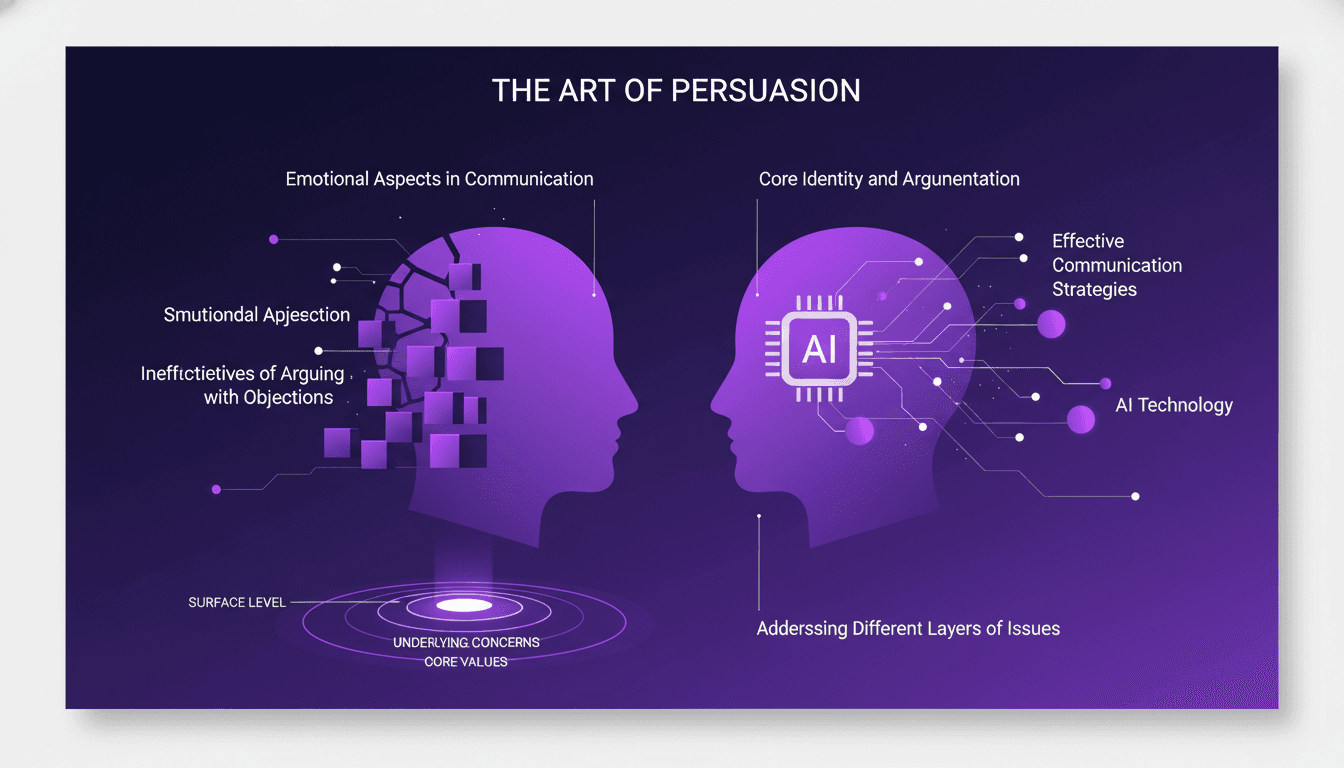
Why Arguing Fails: Effective Communication Tactics
Ever felt like arguing with your partner is like banging your head against a wall? I've been there. I used to think throwing facts at a problem would solve it, but I learned the hard way it's not that simple. Let's break down why arguing often fails and how to communicate more effectively. In relationships, especially romantic ones, communication can make or break the bond. Yet, many of us fall into the trap of arguing without understanding the deeper layers involved. This isn't just about winning an argument but about connecting and understanding.
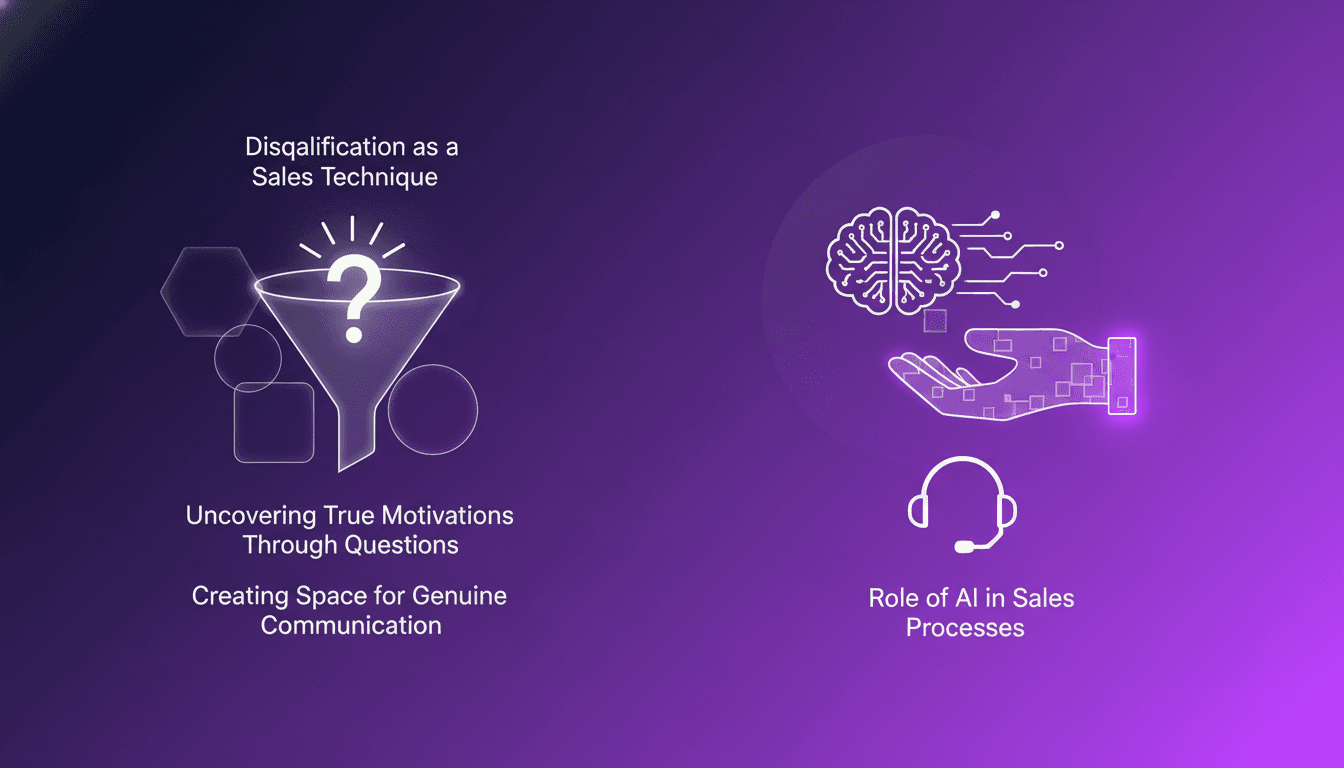
Handling Sales Objections: Practical Techniques
Ever been in a sales meeting where you couldn't quite read the room? I've been there, and here’s how I handle it when objections seem invisible. In sales, recognizing objections—or their absence—is crucial. I'm not talking theory, but real-world scenarios. How can AI lend a hand? I'll share how I uncover hidden motivations through precise questioning and create space for genuine communication. It's not about overusing AI, but integrating it smartly into the sales process. Let’s dive into this tutorial with practical techniques that I use daily to navigate these tricky waters.
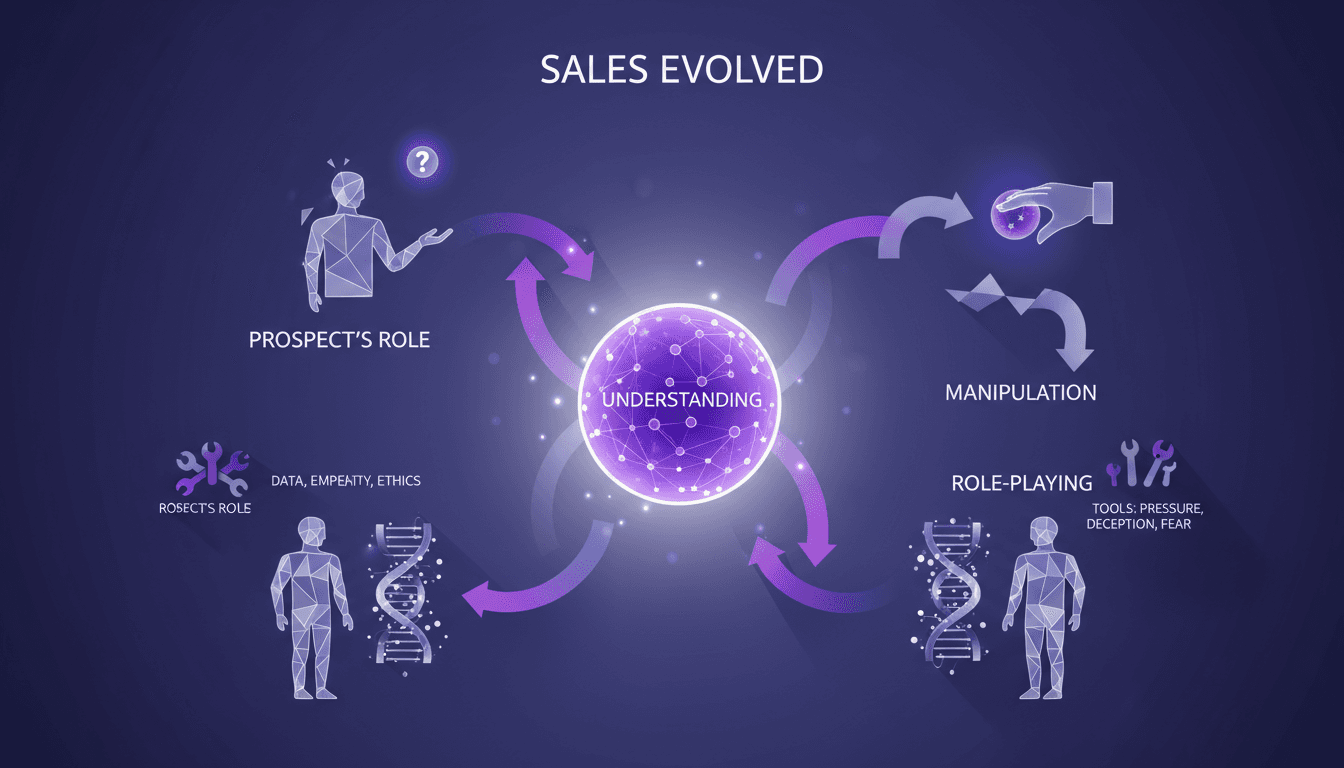
Close Sales Easily: Understanding and Influence
For years, I thought sales was an art form, like painting or jazz. Then, after a decade in the trenches, I realized it's more like engineering: structured, methodical, and surprisingly predictable. Let me show you how I shifted my approach to make closing sales feel almost illegally easy. It's not about convincing anyone, but understanding the process, the prospect, and using influence—not manipulation. This paradigm shift changed everything about how I sell.
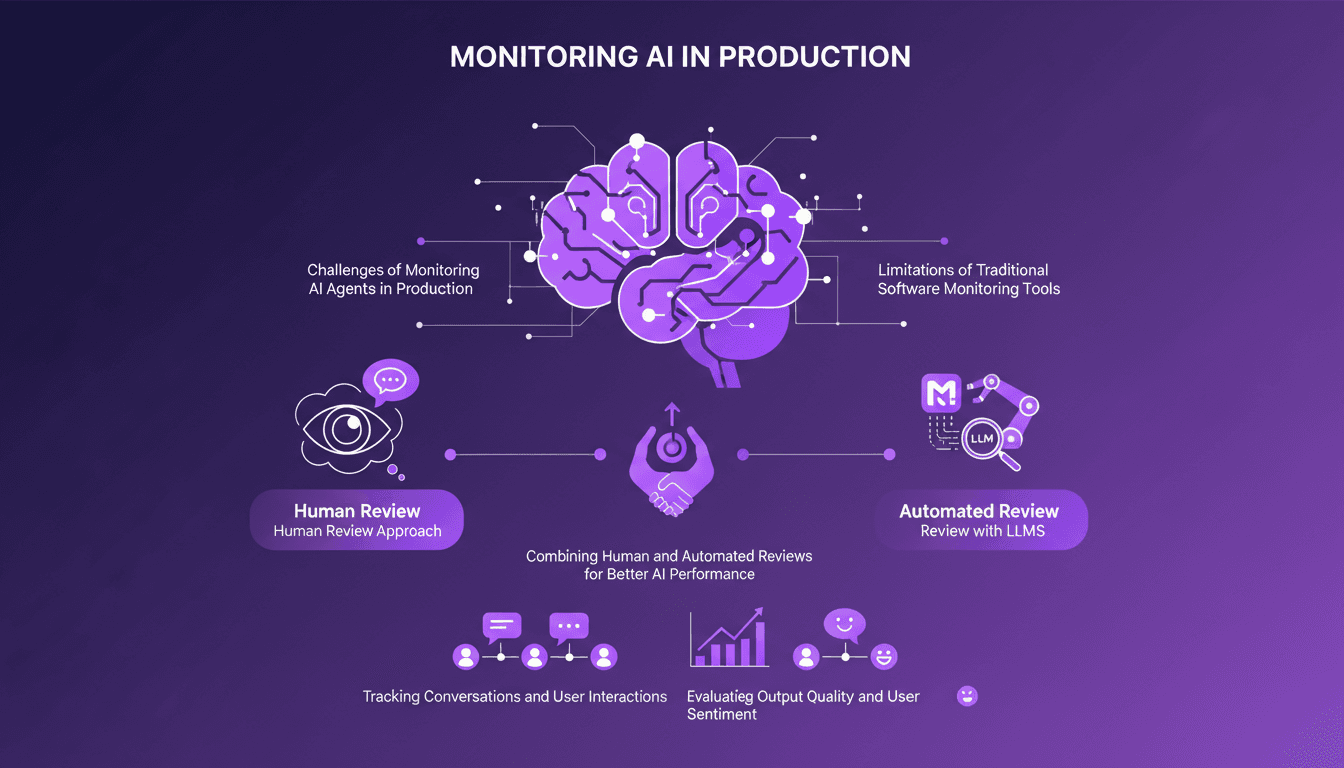
Monitoring AI Agents: Challenges and Solutions
I've been knee-deep in AI production environments, and trust me, monitoring AI agents isn't as straightforward as traditional software. First, I realized that traditional APM tools just don't cut it. With thousands of interactions at stake, ensuring optimal performance is crucial. So I explored new methodologies. LangSmith offers a human review approach and automated review with LLMs for better AI performance. The idea is to combine these two methods to track conversations and evaluate interaction quality. Here's how I tackled the challenge.

Teaching Claude to Edit Videos: My Approach
I remember the days of spending two hours manually editing a single YouTube video. Frustrating, right? Then I thought, why not teach Claude to do it for me? In this article, I take you through my journey of automating video editing using Claude's agent skills. We'll go through the tools, techniques, and iterative processes that made it possible. Teaching Claude to edit my videos not only cut the raw video time down by 50% but also transformed my approach to content creation.