Building AI Models for Life Sciences: Guide
Knee-deep in AI for life sciences, I navigate a rapidly evolving landscape. Collaborating with giants like Ginkgo Bioworks means constantly rethinking our approaches. From handling massive data to drug discovery, every day is an adventure. AI is often hailed as a revolution, but beware of pitfalls: without safeguards, you might get burned. Join me as we dive into this fascinating world where innovation and caution must coexist to build the future.
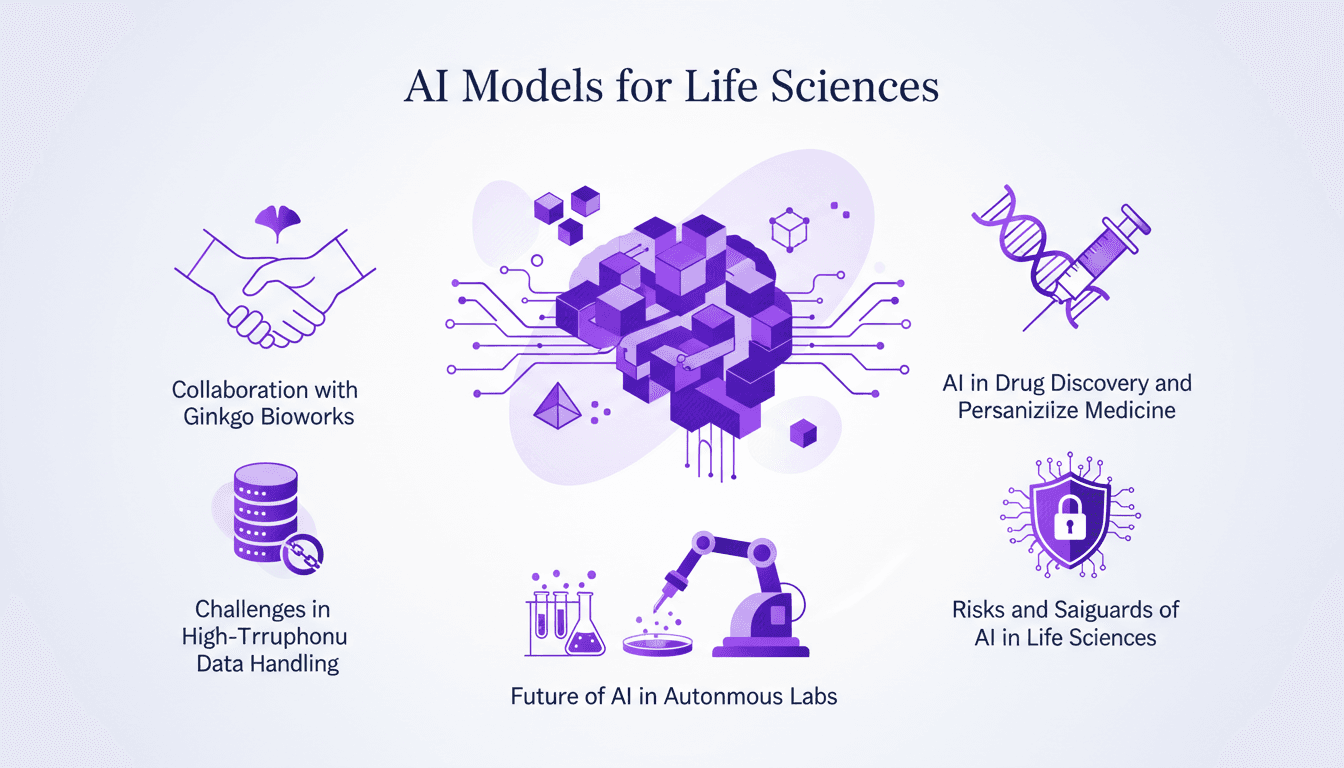
I've been knee-deep in AI for life sciences for a while now. Let me tell you, it’s a wild ride, especially when you’re collaborating with powerhouses like Ginkgo Bioworks. Just when you think you've seen it all, another challenge hits you. But that’s what makes it exciting, right? High-throughput data handling, drug discovery, and dreaming of autonomous labs... there's so much ground to cover. I connect models, orchestrate pipelines, and sometimes, I get burned. Yet it's these very challenges that push us to innovate. Let's take a moment to dissect how I navigate these turbulent waters, with safeguards firmly in place to avoid pitfalls. Because it's not just about staying cutting-edge; it's about navigating wisely too.
Setting the Stage: AI Models for Life Sciences
Diving into AI models tailored for life sciences, it's clear that they come with a unique set of demands. Integrating AI into existing scientific workflows isn't just about adding a new tool; it's about enhancing the entire process. Think of it as upgrading from a traditional bicycle to an electric one: it requires some adjustments, but the boost in efficiency is worth the effort.
One cannot ignore the importance of differentiated access and safeguards when deploying AI. Early on, I noticed how AI could streamline experimental processes. For instance, utilizing AI for genomic data analysis helped cut down manual data collection time by 50%. But beware, this only works if you set your parameters correctly from the outset.
Integration with Scientific Workflows
When I started integrating AI into our workflow, the balance between automation and human intervention was key. AI can be a catalyst for discoveries, but it needs a well-defined framework to prevent data drift. Be prepared to rework your algorithms if the results don't meet initial expectations. It took time, but the early wins proved it was worth the effort.
Collaborating with Ginkgo Bioworks: Designing Experiments
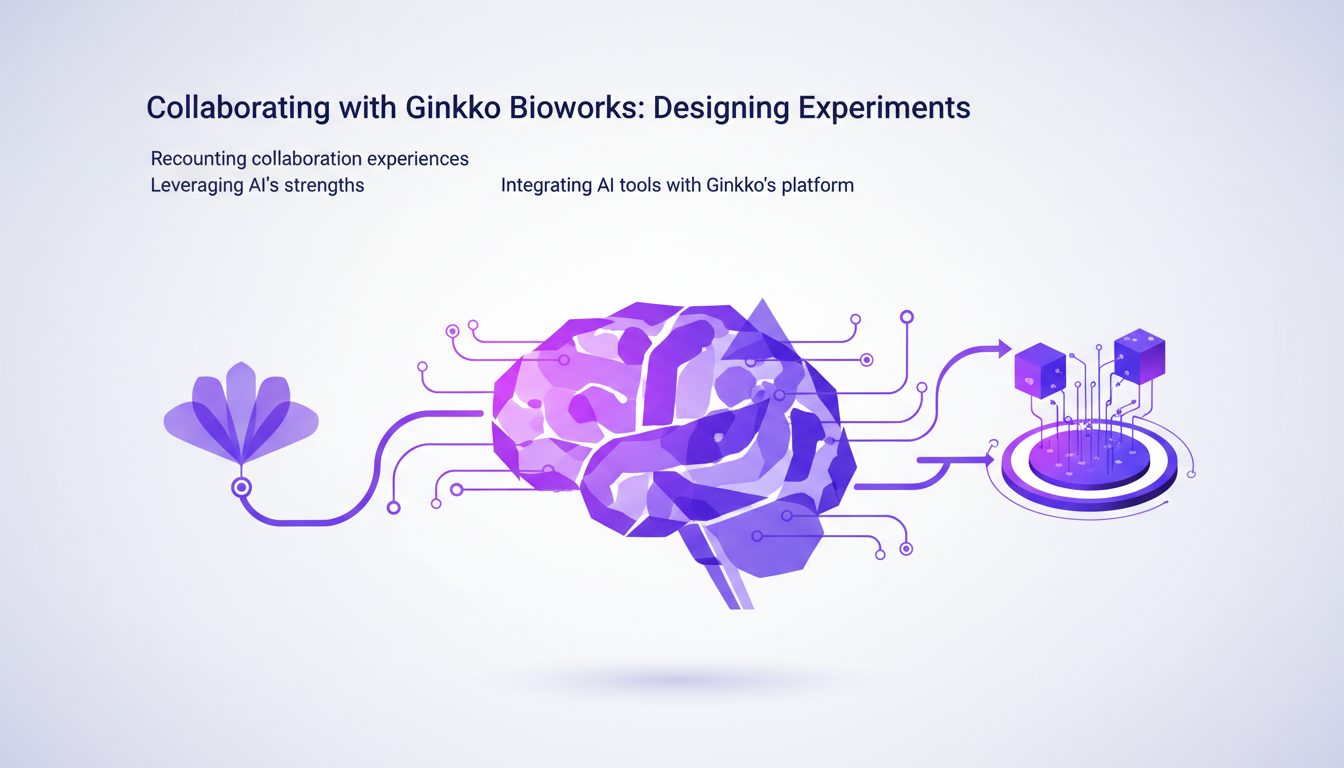
Collaborating with Ginkgo Bioworks was an eye-opening experience. We designed experiments to leverage AI's strengths, starting with integrating AI tools with Ginkgo's platform. This is when I realized the importance of continuous feedback loops in experiment design.
Our workflow involved testing AI models in real-time, analyzing data, and designing new experiments in a loop. I quickly learned that innovation must always be balanced with practical constraints. In one session, we managed to reduce the experimental cycle to one hour, compared to several days previously. This is when I truly saw AI's potential to accelerate scientific research.
Handling High-Throughput Data: Challenges and Solutions
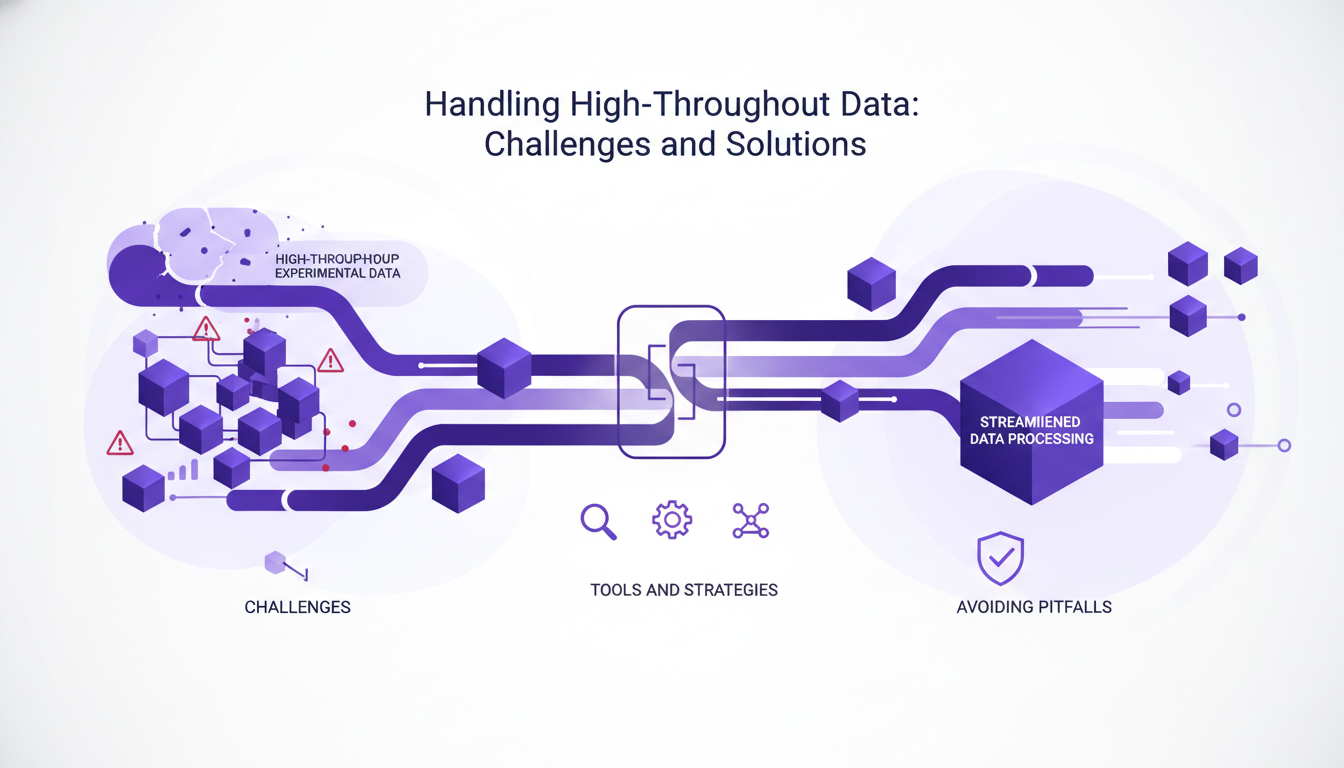
Managing high-throughput experimental data is a real challenge. The data flows in at an impressive rate, and it's easy to get overwhelmed. I experimented with several tools to streamline data processing, like using automated pipelines which reduced processing time by 30%. However, don't overuse this automation; it can lead to a loss of precision.
Balancing Data Volume and Processing Speed
Another challenge is balancing data volume and processing speed. The larger the data, the longer and costlier the processing. I've had to make trade-offs, sometimes sacrificing speed for better precision. Don't forget to optimize your resources: sometimes it's faster to pre-filter data before feeding it into AI.
AI in Drug Discovery and Personalized Medicine
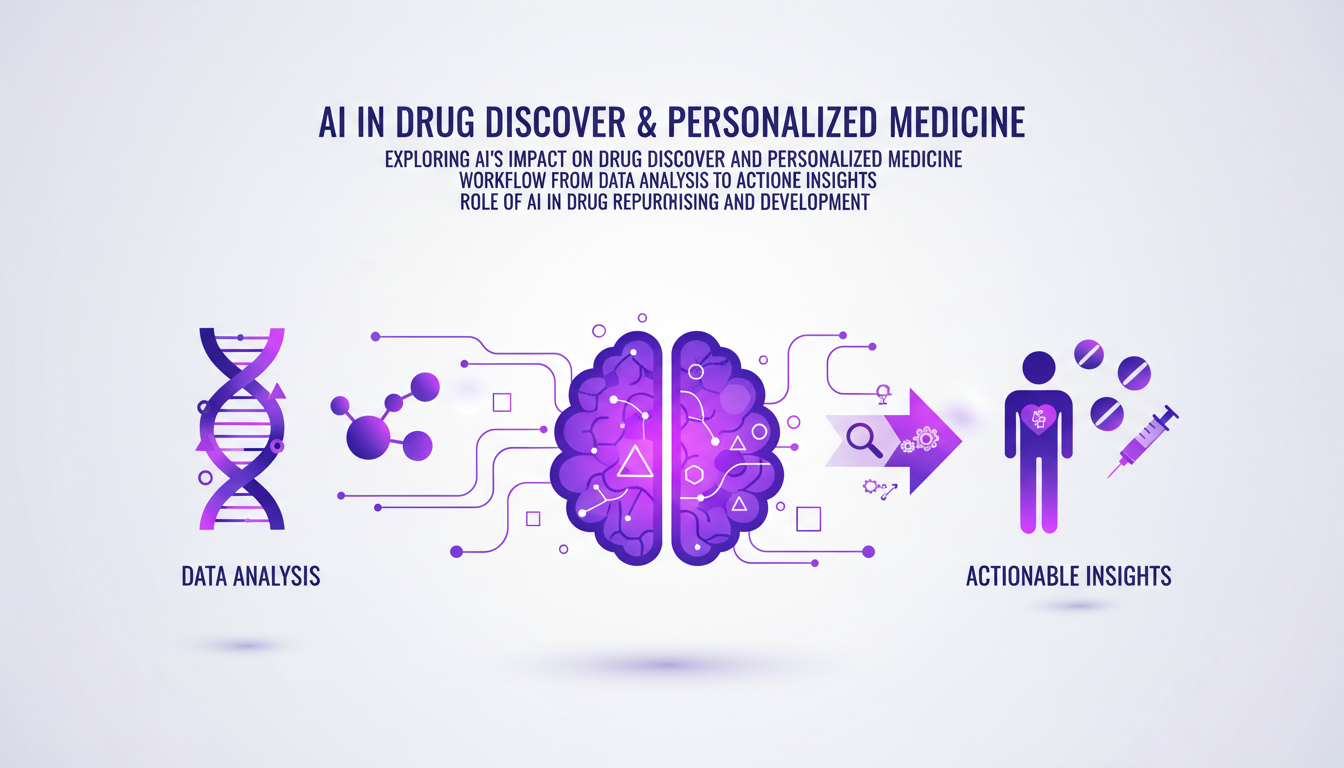
In the realm of drug discovery and personalized medicine, AI has a significant impact. I usually start with data analysis, then extract actionable insights. AI helps identify opportunities for drug repurposing and accelerates development. However, aligning AI predictions with real clinical needs is crucial. I got burned a few times by overestimating model accuracy, but I've learned to adjust my expectations.
An example of success is using AI to tailor a treatment to a specific genetic profile, improving clinical outcomes by 20%.
Risks, Safeguards, and the Future of Autonomous Labs
The risks associated with AI in life sciences shouldn't be underestimated. Safeguards are crucial to prevent misuse, especially concerning potential bioweapon development. We're envisioning a future with autonomous labs where AI plays a central role. However, this raises significant ethical and regulatory questions. Balancing innovation with safety is key in AI deployment.
Looking to the future, I foresee AI in life sciences evolving significantly over the next decade. We might see fully autonomous labs, but vigilance will remain crucial to ensure innovation happens safely.
For further reading on related topics: Building Trust on TikTok: AI Strategies at Scale, Mythos: Revolution and Risks in Cybersecurity.
So there you have it. Building AI for life sciences isn't just tech; it's like orchestrating a symphony of data, tools, and human ingenuity. First, I collaborate with giants like Ginkgo, and I realize that dreams of autonomous labs aren't far off, but it's a real journey full of hurdles. Then, I dive into AI models for drug discovery and personalized medicine where the potential is huge. But watch out, handling high-throughput data can quickly become a nightmare if workflows aren't managed well. Finally, I keep key stats in mind: in 10 years, we might see incredible progress, with over 50 skills in our research plugin. Ready to dive deeper into AI's role in your lab? Let's talk about how you can start implementing these strategies today. For deeper understanding, watch the full video 'Episode 16: Building AI for Life Sciences'. You'll see, it's a real game changer, but don't be fooled, there are limits to manage.
Frequently Asked Questions

Thibault Le Balier
Co-fondateur & CTO
Coming from the tech startup ecosystem, Thibault has developed expertise in AI solution architecture that he now puts at the service of large companies (Atos, BNP Paribas, beta.gouv). He works on two axes: mastering AI deployments (local LLMs, MCP security) and optimizing inference costs (offloading, compression, token management).
Related Articles
Discover more articles on similar topics
Building Trust on TikTok: AI Strategies at Scale
I've been in the trenches of digital marketing for years, and if there's one platform reshaping the landscape, it's TikTok. With over 1 billion active users, the stakes for brand safety and performance are enormous. I'm connecting the dots between AI and strategic partnerships to see how we can navigate this terrain. We're talking about TikTok's massive reach, its partnership with IAS, and the role of AI in advertising. It's a real balance between performance and protection. By 2026, the opportunities for brands will be huge, but speed and innovation will be key. Multimedia classification technology is evolving, but watch out, it's not always flawless. So let's dive into this evolving world of digital marketing together.
Post-Quantum Security: Google's Future Plan
I've been watching the quantum computing space closely, and Google's recent moves are a game-changer. They're not just theorizing; they're setting the stage for a security revolution by 2029. I've seen how qubit reduction is reshaping our encryption strategies, and I'm diving deep into what this means for us all. With quantum computing advancing rapidly, Google and others are focusing on post-quantum cryptography. The urgency is real—our current encryption could be obsolete soon. Let's unpack what this means and how we can prepare. I'll take you through advancements in quantum computing, Google's strategic shift to post-quantum security, and the emergence of neutral atom technology.
Mythos: Revolution and Risks in Cybersecurity
I stumbled upon Mythos during a security audit, and it was a game changer. Imagine uncovering vulnerabilities that have been lurking for decades with an AI model that costs just about $50 per exploit. Incredible, right? But, it's not without its risks. In the cybersecurity world, Mythos is shaking up the landscape by discovering zero-day vulnerabilities that have evaded detection for years. But with great power comes great responsibility. Let's dive into how Mythos is revolutionizing the cybersecurity industry and what you need to keep an eye on.
AI's Impact on Web Development: Practical Approach
The first time I integrated AI into my web development workflow, it felt like adding a turbo engine to a classic car—everything was suddenly faster and more efficient. But beware, like any powerful tool, AI comes with its own set of challenges. Let's dive into how AI is reshaping web development. From code optimization to AI-driven browsers, we're facing a revolution. I've built two custom skills using a skill creator, and in just six months, the rising quality of AI models has changed the game for web developers. Let's explore how to navigate this new frontier.
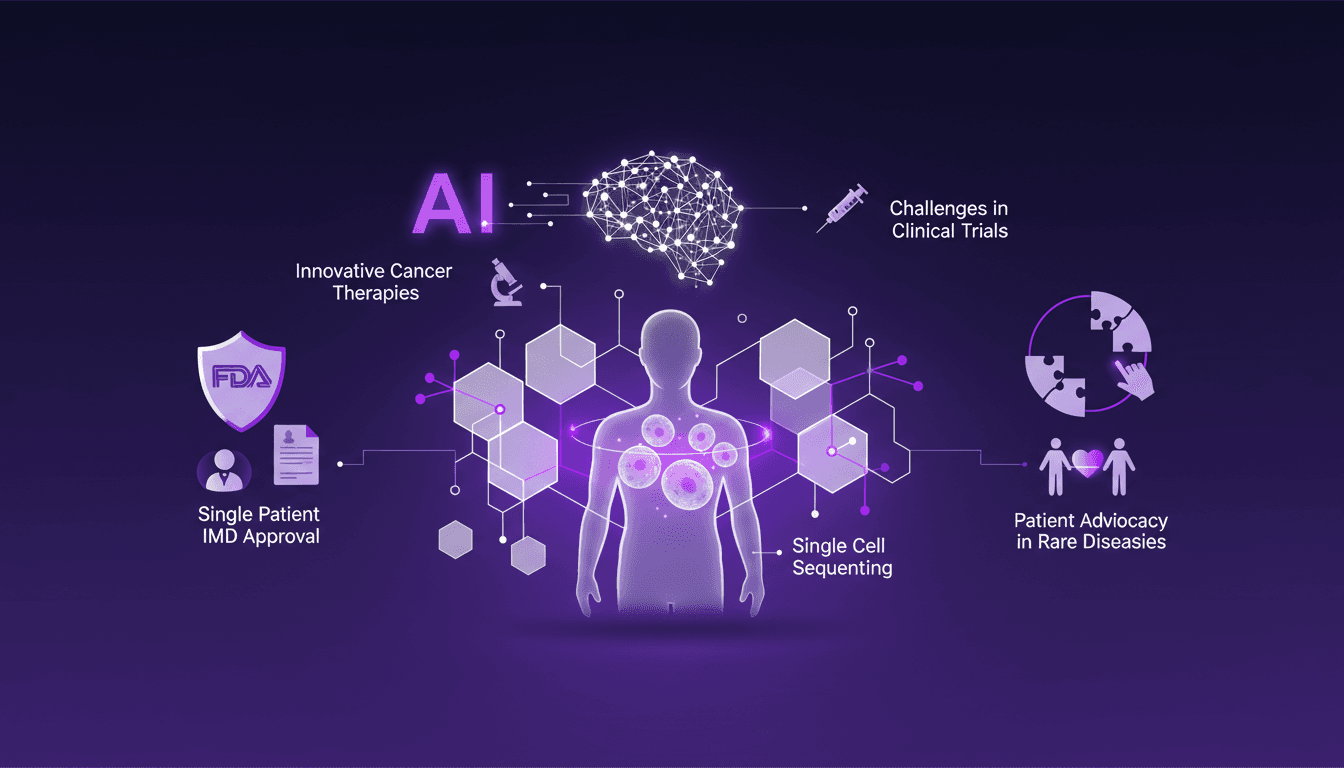
Cancer Treatment: AI and Single Cell Sequencing
I remember the day Sid Severy shared his journey with us. It wasn't just about fighting cancer; it was about rewriting the rules with AI and cutting-edge medical tech. Imagine leveraging AI and single cell sequencing to revolutionize a treatment plan. In this conference, I'll dive into Sid's story, a microcosm of how AI is redefining cancer treatment. We're talking personalized mRNA vaccines and navigating the FDA's Single Patient IMD approval process. Hold on tight, this is where tech meets medicine head-on.