Cancer Treatment: AI and Single Cell Sequencing
I remember the day Sid Severy shared his journey with us. It wasn't just about fighting cancer; it was about rewriting the rules with AI and cutting-edge medical tech. Imagine leveraging AI and single cell sequencing to revolutionize a treatment plan. In this conference, I'll dive into Sid's story, a microcosm of how AI is redefining cancer treatment. We're talking personalized mRNA vaccines and navigating the FDA's Single Patient IMD approval process. Hold on tight, this is where tech meets medicine head-on.
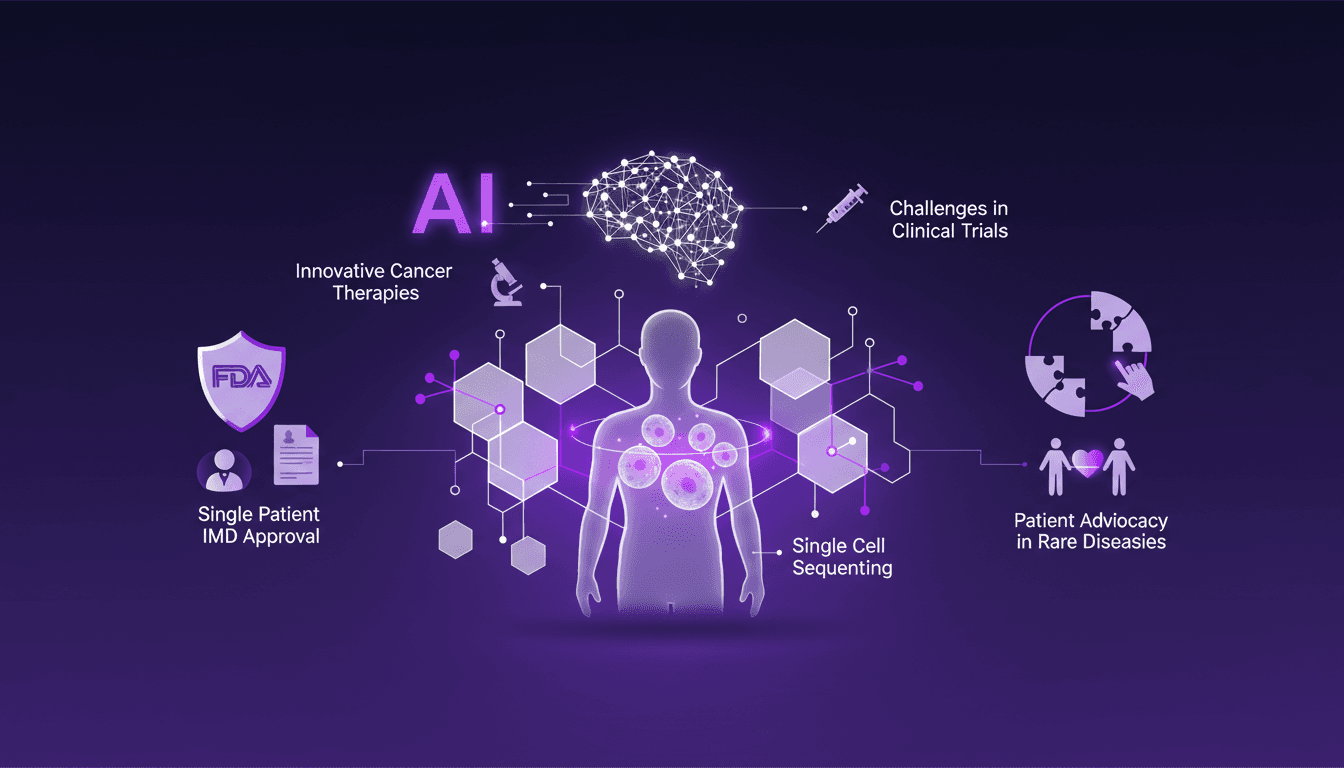
The day Sid Severy shared his journey with us is etched in my memory. It wasn't just about battling cancer; it was a complete rewriting of the playbook with AI and advanced medical tech. I orchestrated, alongside Sid, a revolutionary approach to cancer treatment using single cell sequencing. Picture this: we integrated AI to personalize mRNA vaccines and navigated the maze of the FDA's Single Patient IMD approval process. Sid's story is not just personal; it embodies how AI is redefining cancer treatment today. As a tech founder, I've often seen solutions overhyped, but this time, technology truly made a difference. We're diving into innovative therapies, the challenges of clinical trials, and advocacy for rare diseases. Get ready to see how tech meets medicine head-on.
Sid Severy's Journey: A Catalyst for Change
I first met Sid Severy as a co-founder of GitLab, but his journey took an unexpected turn when he faced a devastating diagnosis: a 6 cm tumor growing from his vertebra. This discovery was shocking, especially considering that osteosarcoma, the cancer in question, affects fewer than a thousand Americans each year. The statistics surrounding this disease are quite grim: once it recurs, survival rates are often measured in months. But Sid, true to his entrepreneurial spirit, refused to be defeated and decided to explore innovative treatments.
Sid's medical journey was heavily influenced by his tech background. He came to the US in 2015 with GitLab, an experience that allowed him to view things from a different angle. Osteosarcoma is rare, and this rarity dictated a personalized and innovative approach. This is where Sid began to merge his tech expertise with the medical world, using modern tools to navigate such uncharted medical waters.
Harnessing AI: From Data Analysis to Decision Making
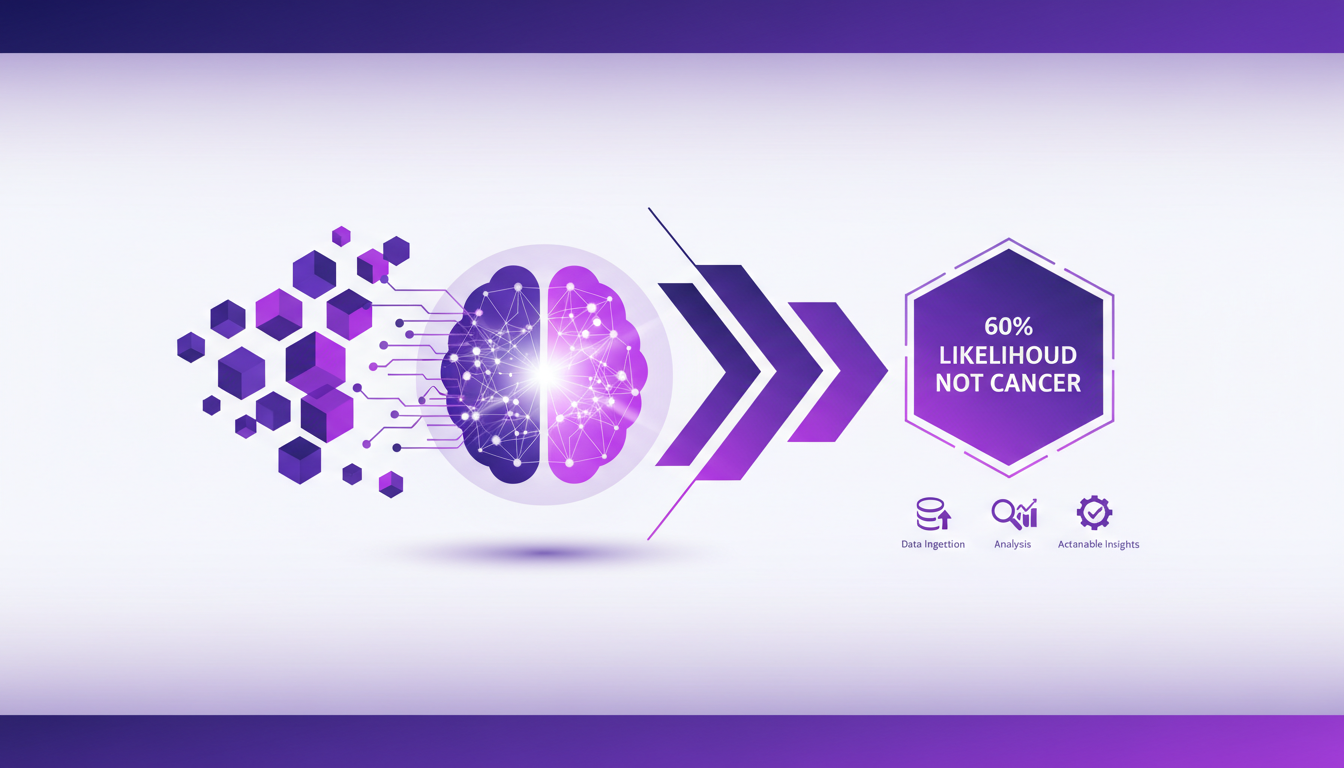
AI has become a powerful ally in analyzing complex cancer data sets. In analyzing his own data, AI revealed a 60% likelihood that his condition wasn't cancerous. This is a huge boost when you're fighting a potentially deadly disease. AI enabled the transition from massive data ingestion to actionable insights, thus shortening the time for diagnosis and treatment planning.
But watch out, there are trade-offs. While AI can provide predictions, it's crucial to balance them with human clinical expertise. Technology can't do everything, and it's important not to overestimate its capabilities. Yet, the efficiency gains are undeniable and have significantly accelerated Sid's treatment journey.
Single Cell Sequencing: Precision in Diagnostics
Single cell sequencing is a groundbreaking technology that allows us to understand cancer at an unprecedented level of detail. For Sid, this technology was crucial in refining his treatment options. By isolating individual cancer cells, it was possible to identify specific properties of these cells, leading to more targeted and potentially more effective treatments.
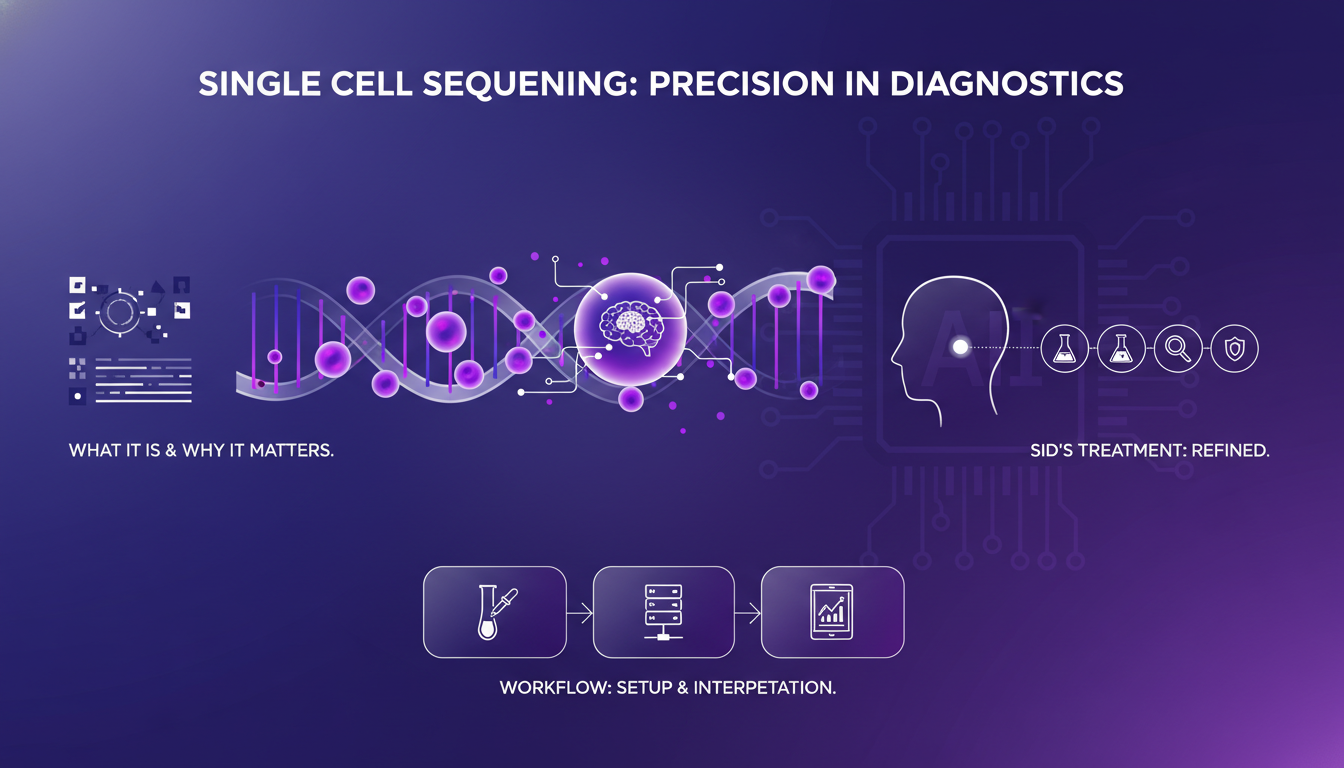
However, single cell sequencing is not without challenges. The cost, time required, and data complexity can be significant obstacles. But the impact is clear: this technology enables the transition from broad strokes to precision medicine.
Navigating FDA Approvals: The Single Patient IMD
Understanding FDA approval processes is critical for accessing innovative treatments. The Single Patient IMD process, which Sid navigated, is a textbook case of balancing innovation with regulatory compliance. Preparing and submitting an IMD application requires rigor and a deep understanding of regulatory requirements.
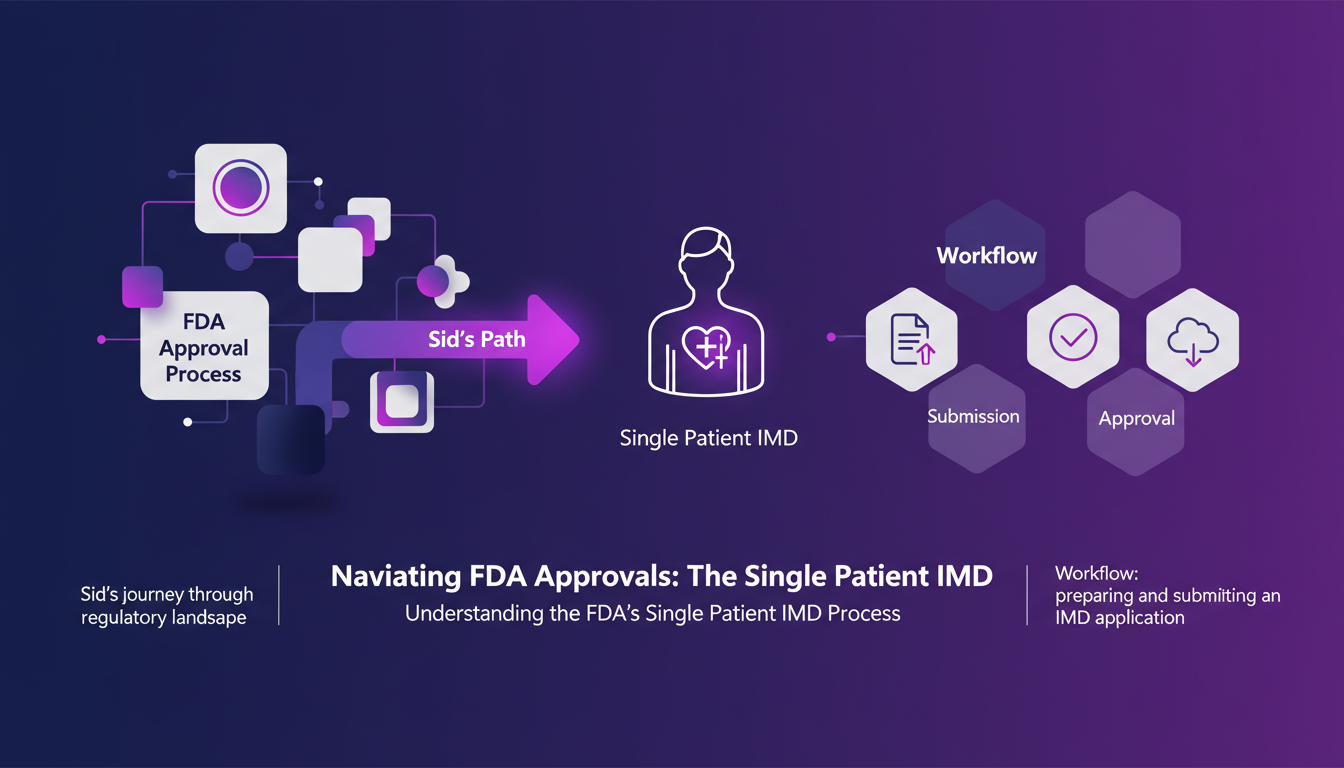
With a 99.7% approval rate, the Single Patient IMD is a viable pathway for personalized treatments. However, it's crucial to ensure patient safety is not overlooked in this process.
Innovations in Clinical Trials and Patient Advocacy
Clinical trials for rare diseases like osteosarcoma present unique challenges. Innovative therapies, such as mRNA vaccines and TCR and CAR-T cell therapies, push the boundaries of what's possible. As a patient, Sid actively played a role in designing these trials, integrating patient feedback to improve clinical outcomes.
Patient advocacy is a critical element in advancing clinical trials. However, it's important to balance innovation with patient safety. Don't get carried away with innovation at the expense of safety.
Key Takeaways:
- AI can speed up diagnosis and treatment planning but must be balanced with clinical expertise.
- Single cell sequencing offers precision medicine but poses logistical and financial challenges.
- FDA approvals for personalized treatments require careful navigation.
- Patient advocacy is vital for integrating innovations into clinical trials.
I dove into Sid's journey, and what stood out is the incredible power of combining AI with cutting-edge medical tech. Here are the key takeaways I grabbed:
- Taking control of your treatment can be a game changer, but watch out for regulatory hurdles like the FDA's Single Patient IMD Approval.
- AI in medicine isn't just a buzzword. It enables personalized treatment, potentially reducing cancer misdiagnosis by 60%.
- Single cell sequencing is opening new doors, but it demands technical expertise and a solid grasp of the data.
Looking ahead, I see an opportunity to reinvent personalized medicine. However, it's not all smooth sailing. There are real tech and ethical challenges to tackle. If you're in the medical field or a tech enthusiast, I urge you to dive into these technologies. It's time to act. For a deeper vision of this inspiring journey, I recommend watching the original video here: [YouTube link].
Frequently Asked Questions

Thibault Le Balier
Co-fondateur & CTO
Coming from the tech startup ecosystem, Thibault has developed expertise in AI solution architecture that he now puts at the service of large companies (Atos, BNP Paribas, beta.gouv). He works on two axes: mastering AI deployments (local LLMs, MCP security) and optimizing inference costs (offloading, compression, token management).
Related Articles
Discover more articles on similar topics
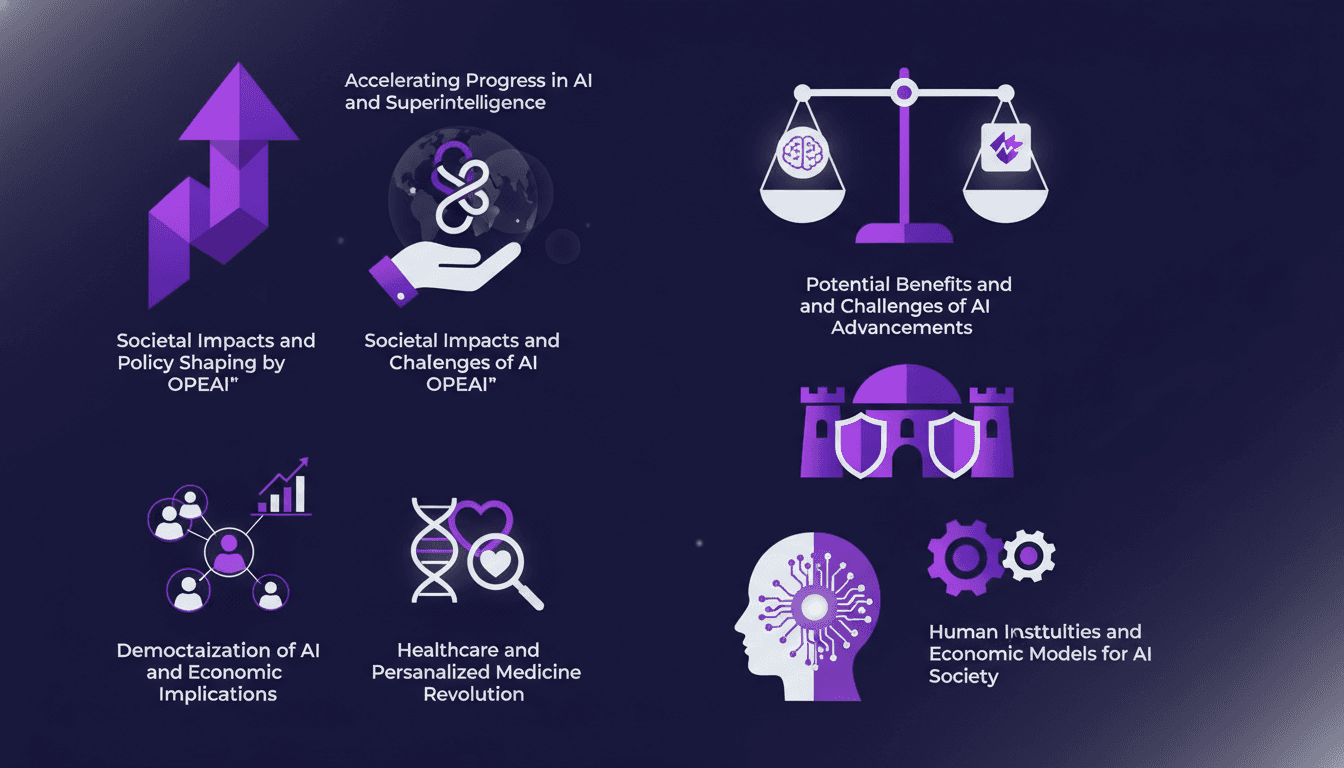
Accelerating AI: Building a Superintelligent Future
I've spent countless hours building AI systems that push boundaries. Imagine accelerating a decade of scientific progress in just one year. That's what Sam Altman and his OpenAI team are showcasing in their talk on the future of AI. We're diving into real-world applications, tangible challenges, and the potential societal impact. From AI democratization to personalized medicine and resilience against threats, the AI era is here. But watch out, there are challenges to tackle. Join me in exploring how we're shaping policies and economic models to integrate AI into our daily lives.
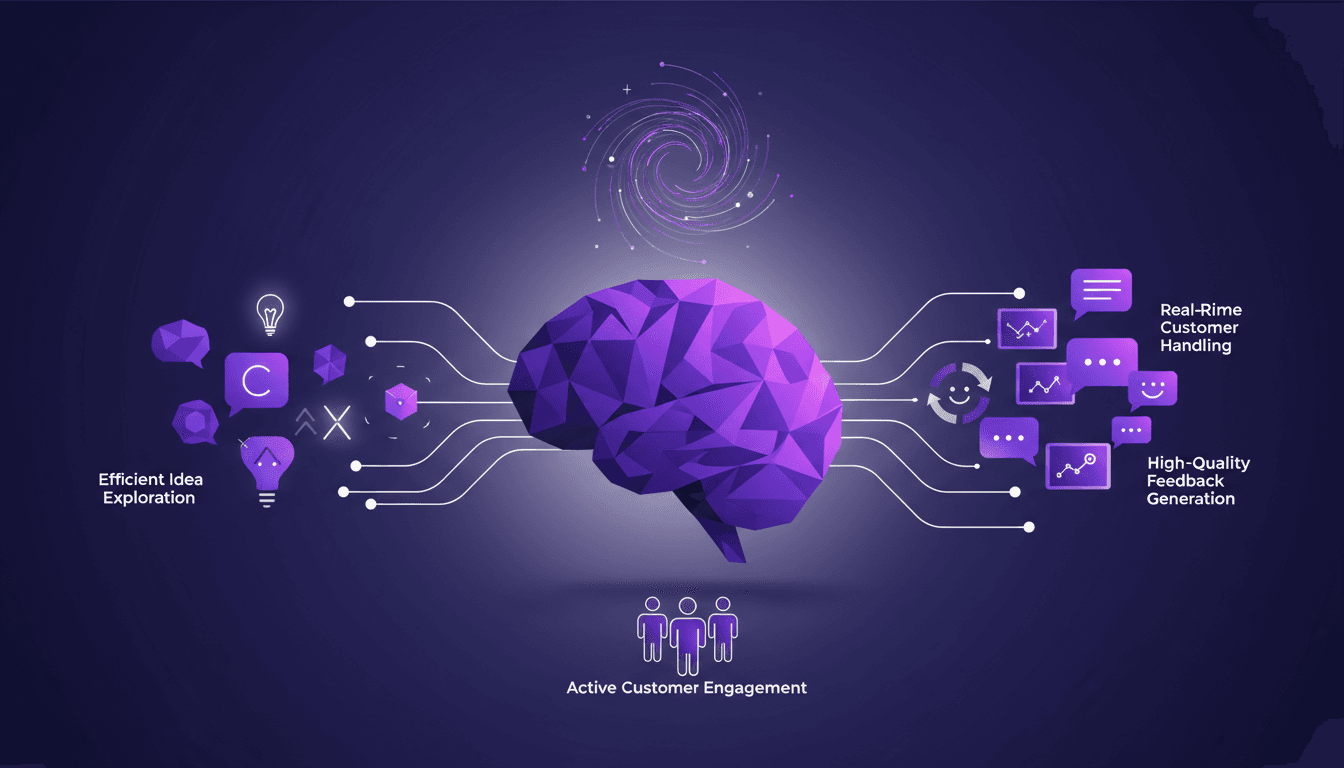
Efficient Idea Exploration with Codex
I still remember the first time I integrated Codex into our workflow at Braintrust. It was like flipping a switch on our innovation process. Ideas that were previously just floating around transformed into concrete prototypes we could test and iterate in real time. In this article, I'll walk you through how Codex has revolutionized our approach to handling customer feedback and innovation. We're talking ultra-efficient idea exploration, real-time feedback handling, and a shortened feedback loop. With Codex, we actively engage our customers and generate high-quality feedback.
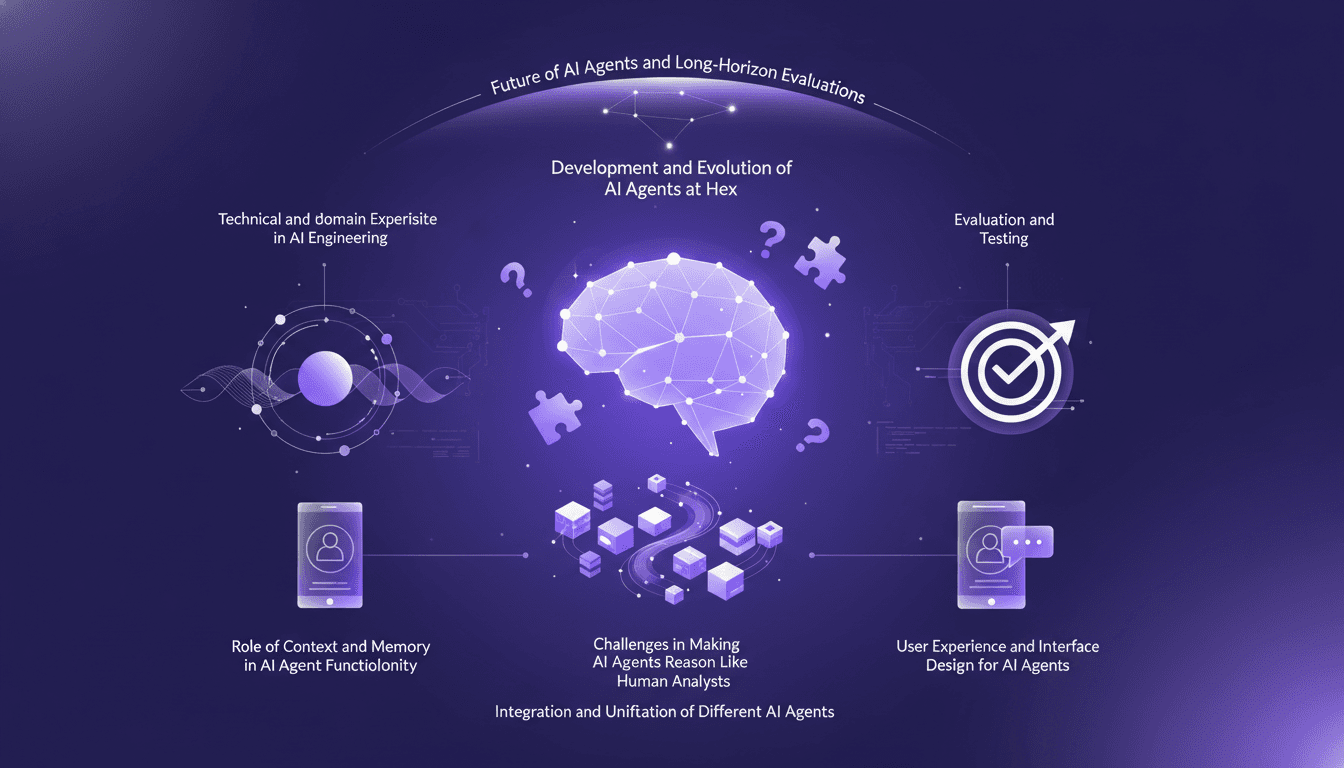
Building AI Agents at Hex: Workflow Challenges
At Hex, I've spent countless hours fine-tuning our AI agents to think like human data analysts. It's been a real journey, but every challenge brings us closer to our goal: creating agents that can reason accurately. First, I connect the various systems, then I test them (and sometimes I get burned). Integration and performance evaluation are crucial to avoid pitfalls like context overflow or poorly designed user interfaces. The key is user experience and contextual memory. Our aim? To reach 100% accuracy by day 90. We're not there yet, but every step counts. Join me in this adventure where technical expertise meets practical application.
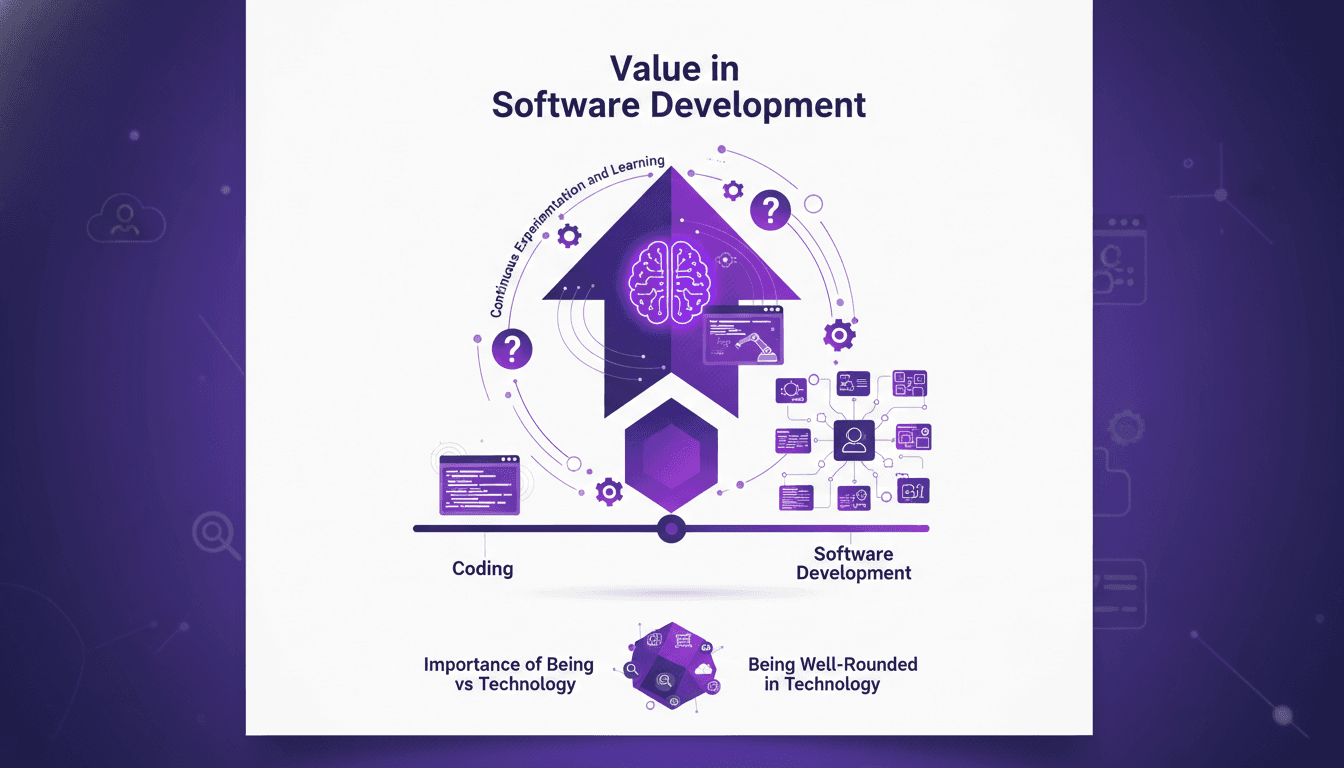
Software Development: Fast Coding, But at What Cost?
I've been coding at breakneck speed, but over time, I learned that the real cost isn't just about how fast you type. Software development is a whole different game. You can code 55 times faster, but if you're not careful, costs can skyrocket. Let's dive into why coding is cheap, but software is expensive. We'll explore the importance of being well-rounded, the role of junior engineers and AI, and why continuous experimentation is key. It's in understanding the value beyond mere lines of code that successful projects are distinguished from costly failures.
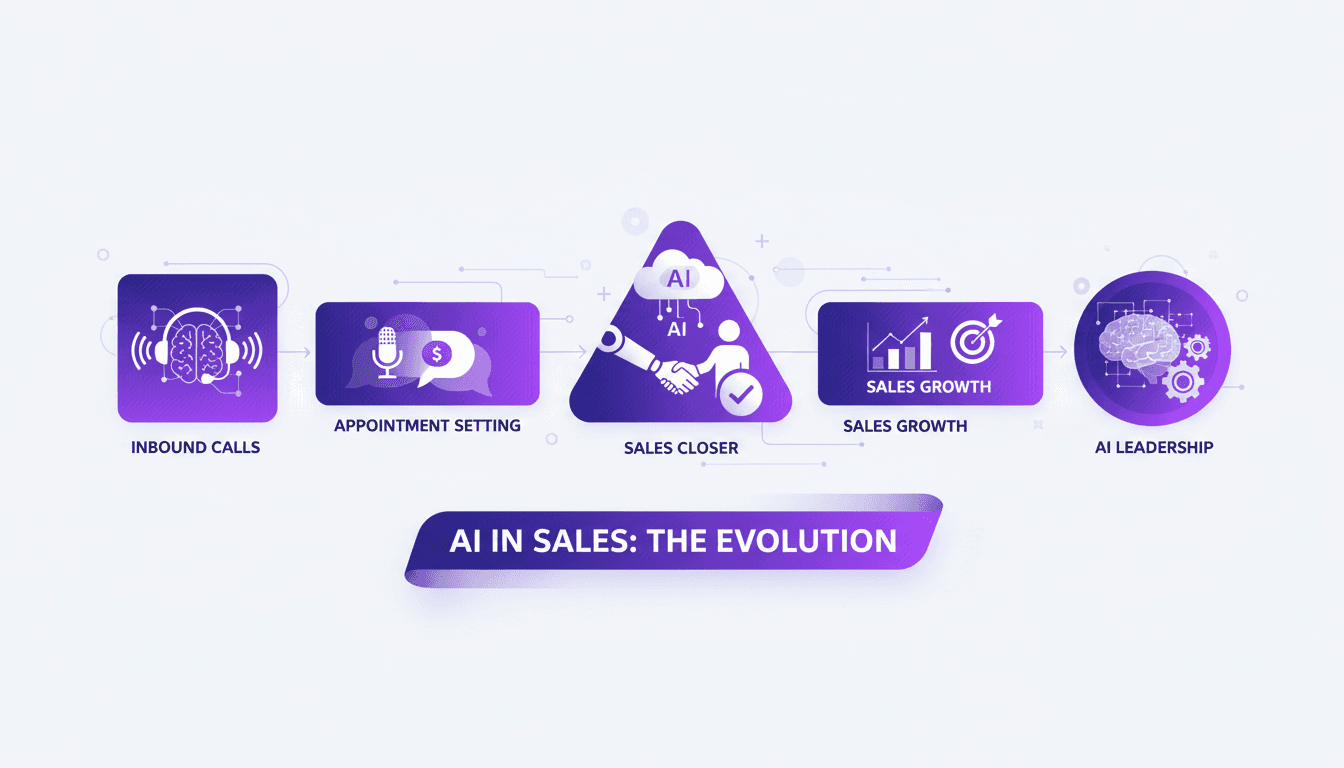
AI in Sales: Automating Inbound Calls
I've been in sales for over a decade, and let me tell you, AI is not just a buzzword anymore—it's a game changer. I've seen it handle calls, close deals, and even set appointments. But it's not all roses; there are limits and trade-offs you need to know. In the next six months, AI is set to revolutionize sales roles. Let's dive into how it's already reshaping the landscape and what you need to watch out for.