Coding Agents: Revolutionizing with GPT 5.2
I've been in the trenches of software development for years, and let me tell you, the game has changed. Integrating GPT 5.2 into my workflow was like unlocking a new level of efficiency. Suddenly, coding agents weren't just an abstract concept—they were my new team members. With the scarcity of human resources in software engineering, leveraging AI like GPT 5.2 is no longer optional; it's essential. Let's dive into how these tools are shaping the future of our field. We'll explore advancements in coding agents, systems thinking and delegation, the importance of specifying non-functional requirements, and more. Get ready for a revolution in how you approach coding.
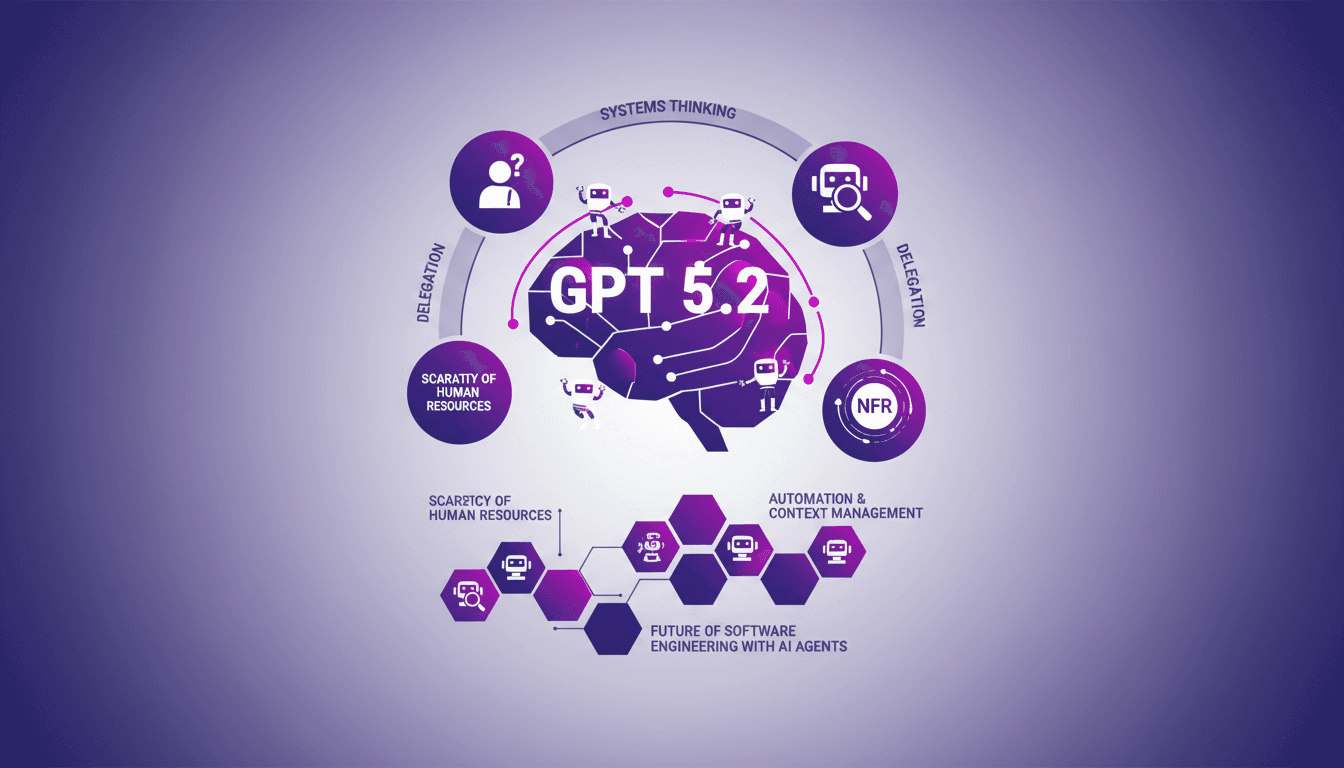
I've been in the trenches of software development for years, and let me tell you, the game has changed. When I first integrated GPT 5.2 into my workflow, it was like unlocking a new level of efficiency. Suddenly, coding agents weren't just a concept—they were my new team members. In the face of scarce human resources in software engineering, leveraging AI like GPT 5.2 is no longer optional; it's essential. Imagine not just having access to five engineers, but thousands, working 24/7. In this article, we're diving into how these tools are reshaping our field. I'll walk you through advancements like using reviewer agents for code quality, automation, and context management, and the critical role of specifying non-functional requirements. Buckle up, because we're about to revolutionize how you code.
Advancements in Coding Agents and GPT 5.2
I started with GPT 5.2, and it was a game changer. Suddenly, it felt like I had access to 5,000 engineers. Coding agents have evolved to handle complex tasks autonomously, significantly reducing my team’s workload. The magic moment for me was realizing the 24/7 capacity these agents offer, something human teams can’t match.
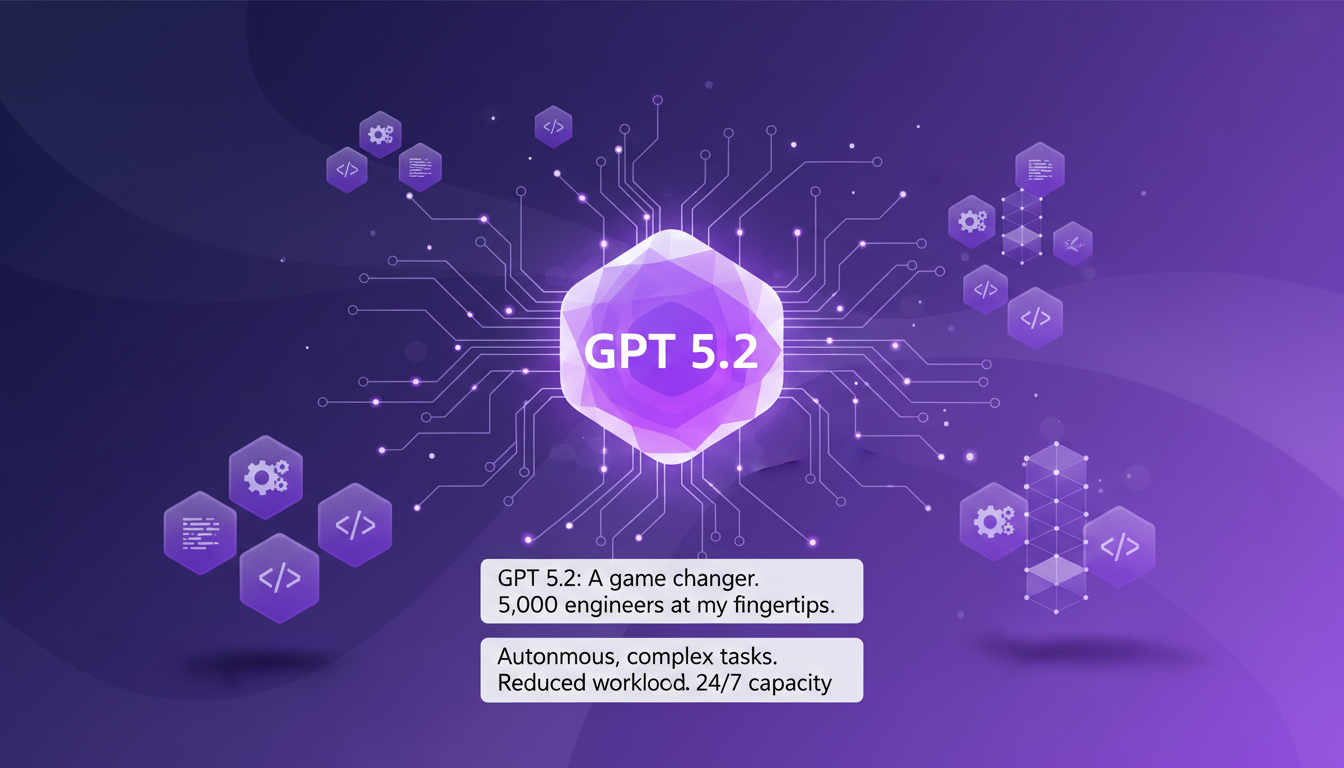
However, watch out for their context limits—beyond certain token thresholds, things get tricky. Over the last nine months, I’ve witnessed how these agents transform project management and execution. Learn more about advancements with GPT 5.2.
Addressing Human Resource Scarcity
The scarcity of skilled engineers pushed me to explore AI solutions. GPT 5.2 filled that gap. These agents operate at full capacity 24/7, providing consistent output without burnout. But remember, AI doesn’t replace human intuition—it augments our capabilities. I’ve seen this in projects where automation allowed better allocation of human resources. AI and Code: 90% Written by Agents.
Systems Thinking and Delegation in AI
Integrating AI required critical systems thinking. Understanding how agents fit into the bigger picture is crucial. Delegation isn’t just for humans anymore; I delegate tasks to AI, freeing up my time for strategic thinking. It's vital to specify non-functional requirements clearly to ensure AI delivers quality output. However, over-delegating to AI can lead to oversight on important nuances.
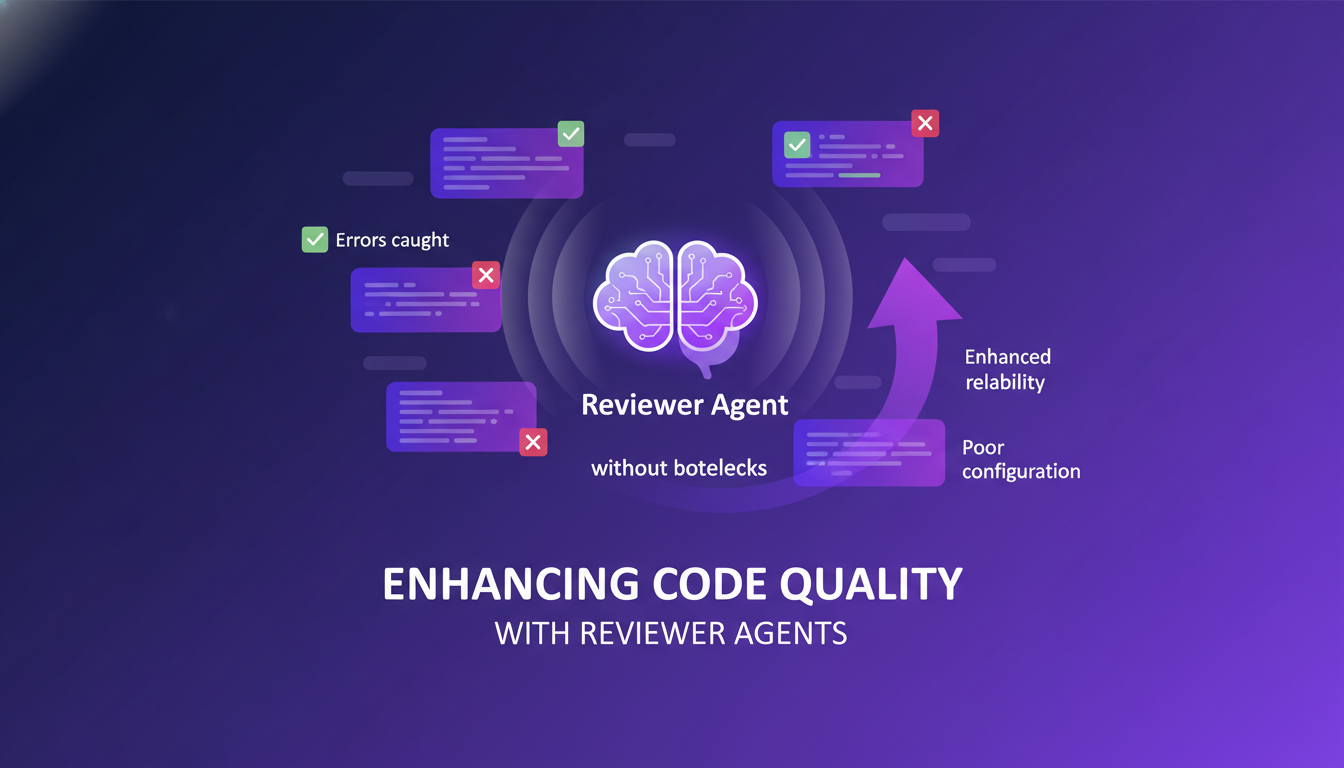
Enhancing Code Quality with Reviewer Agents
Reviewer agents have become my go-to for maintaining code quality without bottlenecks. They catch errors that might slip through human review, enhancing reliability. However, they require proper configuration—poor setup can lead to false positives. I’ve found they complement human reviewers, not replace them, ensuring a balanced approach. Codex: Revolutionizing Development Time.
Automation and Context Management in Software Development
Automation through AI has streamlined my workflow, saving time and reducing manual errors. Context management is critical—AI needs clear parameters to function effectively. I’ve learned to set boundaries for AI tasks to prevent context overload and maintain performance. Future improvements in AI context management will further enhance efficiency and output quality. Paperclip: Efficiently Orchestrate Your AI Agents.
Integrating GPT 5.2 into our development flow isn’t just about keeping pace; it’s about leading the charge. Here's what I found:
- Coding Agents: I delegate repetitive tasks to agents, freeing up my time for more strategic work.
- Resource Scarcity: With AI, I feel like I have access to a 24/7 pool of engineers, as if I have 5, 50, or even 5,000 more colleagues on hand.
- Systems Thinking and Delegation: By orchestrating tasks properly, I make my system more efficient and scalable.
Looking forward, I see these technologies as a true game changer, but watch out for the limits: AI enhances human creativity, it doesn’t replace it. So start experimenting with these tools today. Don’t get left behind because the future of software engineering is happening now. For a deeper dive, I recommend watching Ryan Lopopolo’s full video. It's packed with practical insights: Watch the video.
Frequently Asked Questions

Thibault Le Balier
Co-fondateur & CTO
Coming from the tech startup ecosystem, Thibault has developed expertise in AI solution architecture that he now puts at the service of large companies (Atos, BNP Paribas, beta.gouv). He works on two axes: mastering AI deployments (local LLMs, MCP security) and optimizing inference costs (offloading, compression, token management).
Related Articles
Discover more articles on similar topics
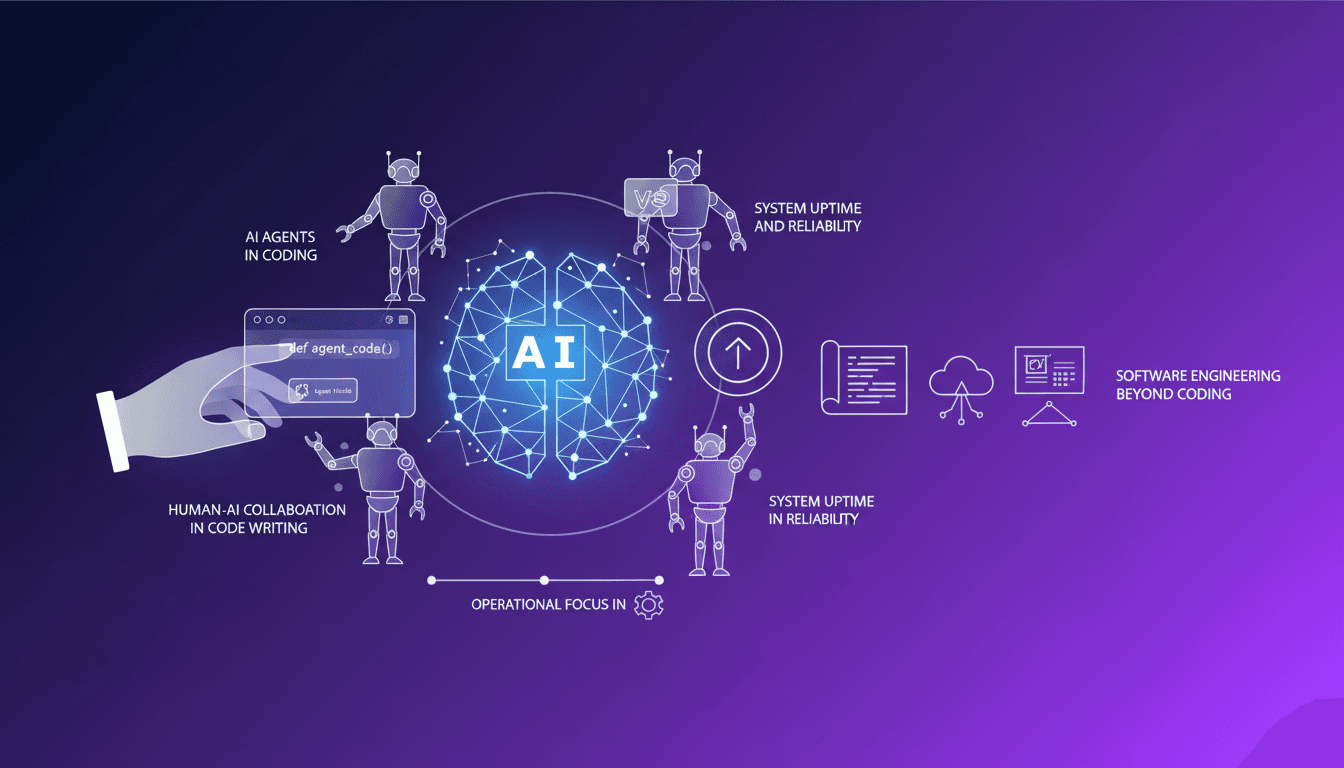
AI and Code: 90% Written by Agents
I never thought I'd let AI write 90% of my code, but here we are. As a GitHub senior engineer, I've embraced AI agents, and it's been a game changer—albeit with its quirks. AI in software development is more than a buzzword; it's reshaping our workflows. I've seen it firsthand, moving from traditional coding to orchestrating AI-driven solutions. We're diving into the impact of AI agents in our field, how it shifts our operational focus, and even boosts system reliability. I've had to adapt, learn from my mistakes (and trust me, I've made a few!), but the leap is worth it. If you've ever used VS Code's Agent Mode, you know what I mean. The future of development is already here.
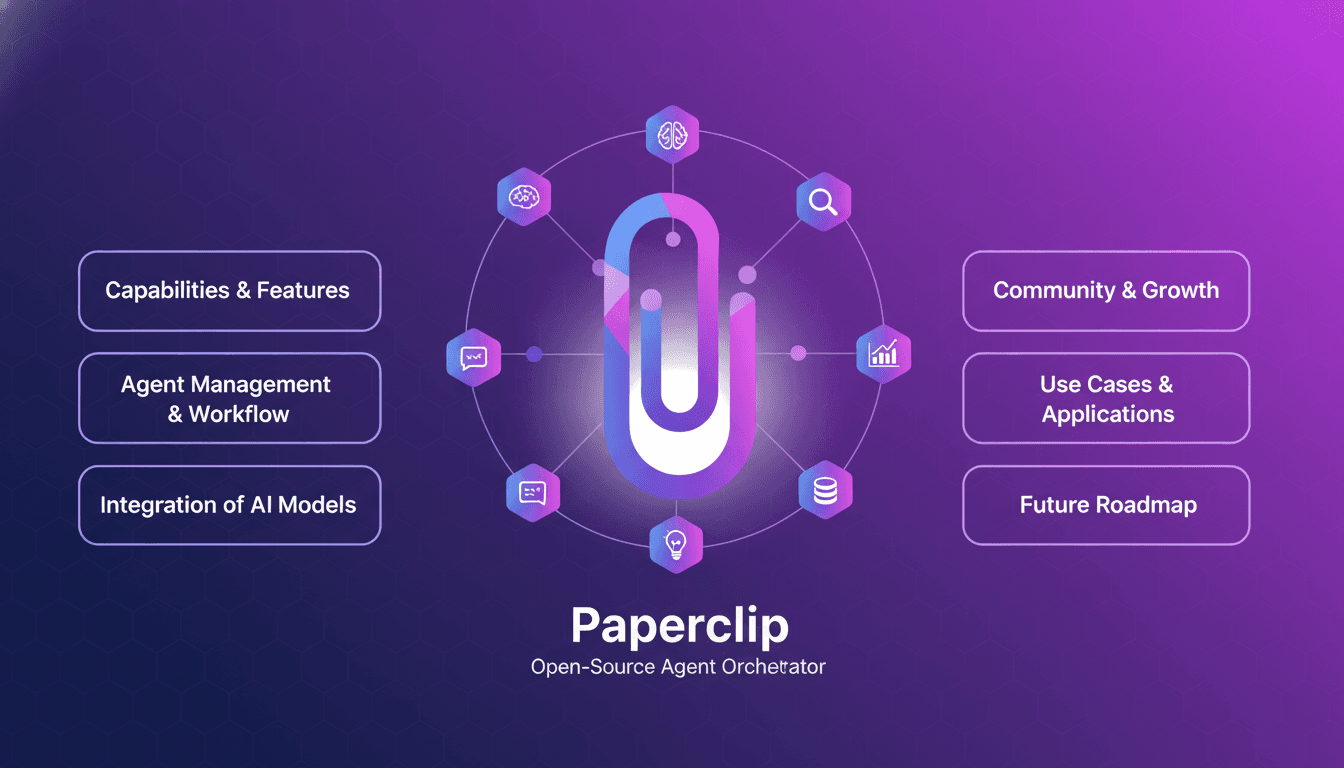
Paperclip: Efficiently Orchestrate Your AI Agents
I remember the first time I heard about Paperclip—it sounded like a game changer for AI orchestration. Having been burned by overly complex systems in my career, I was skeptical. But diving into it, I found a tool that could actually streamline my AI workflows without the usual headaches. Paperclip, an open-source orchestrator, is designed to efficiently manage AI agents, and I've integrated it into my operations to avoid technical migraines. We're talking about seamless orchestration, handling different agent types like Gemini and Hermes, and an engaged community that's constantly pushing development forward. In short, if you're looking to optimize your AI-driven operations, Paperclip might just be the tool that changes everything.
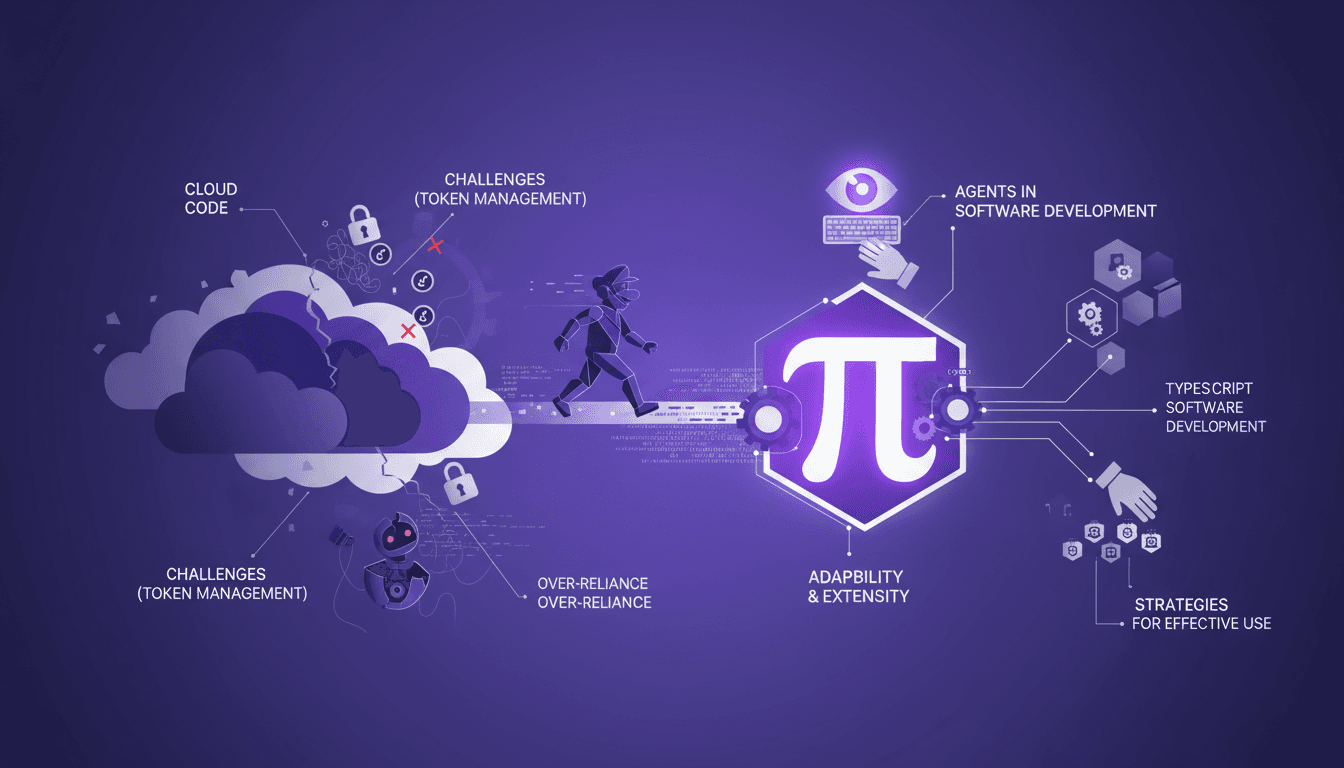
Building Pi: Transition from Cloud Code
Back in 2025, I made the leap from cloud code to Pi, and let me tell you, it wasn't just a platform switch. It was a full overhaul of my coding approach, focusing on efficiency and adaptability. First, I faced the notorious token madness, but soon discovered the power of Pi's customization. In this article, I walk you through my journey, the challenges I faced, and how I leveraged Pi to overcome them. We'll dive into the intricacies of coding agents, the role of TypeScript modules, and strategies to avoid pitfalls. The key is that Pi allowed me to transform how I code, without falling into the trap of over-relying on automated tools. Join me in this advanced technical journey, full of practical insights.
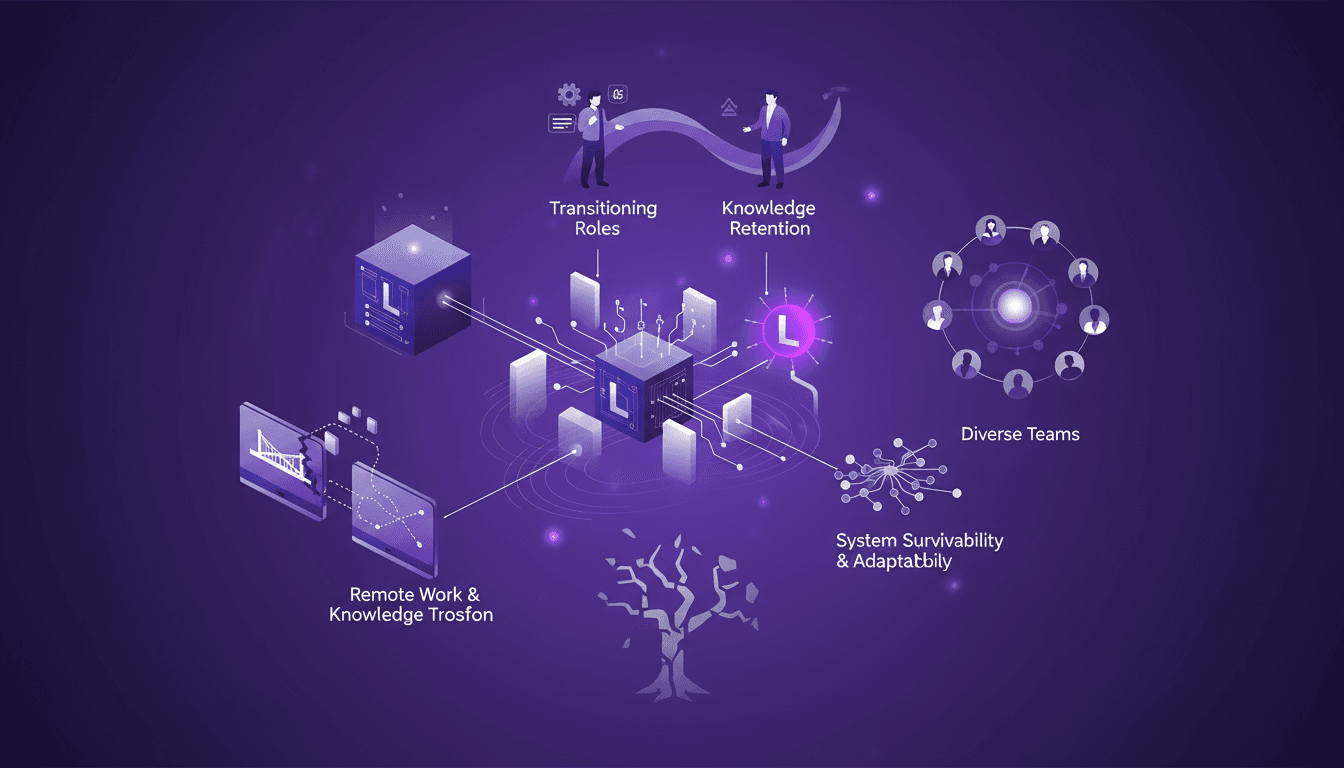
Designing Systems for Survivability: A Practical Guide
With over 30 years in software engineering, let me tell you, systems that last aren't built on the latest buzzwords. It's about tackling real-world challenges. Picture handling knowledge retention in legacy systems while transitioning from technical roles to management. I'll walk you through my approach, drawing on decades of experience. In our rapidly evolving software world, survivability and adaptability are crucial, yet often lost in practice. Let's dive into designing systems that thrive, even amid inevitable tech shifts and team dynamics.
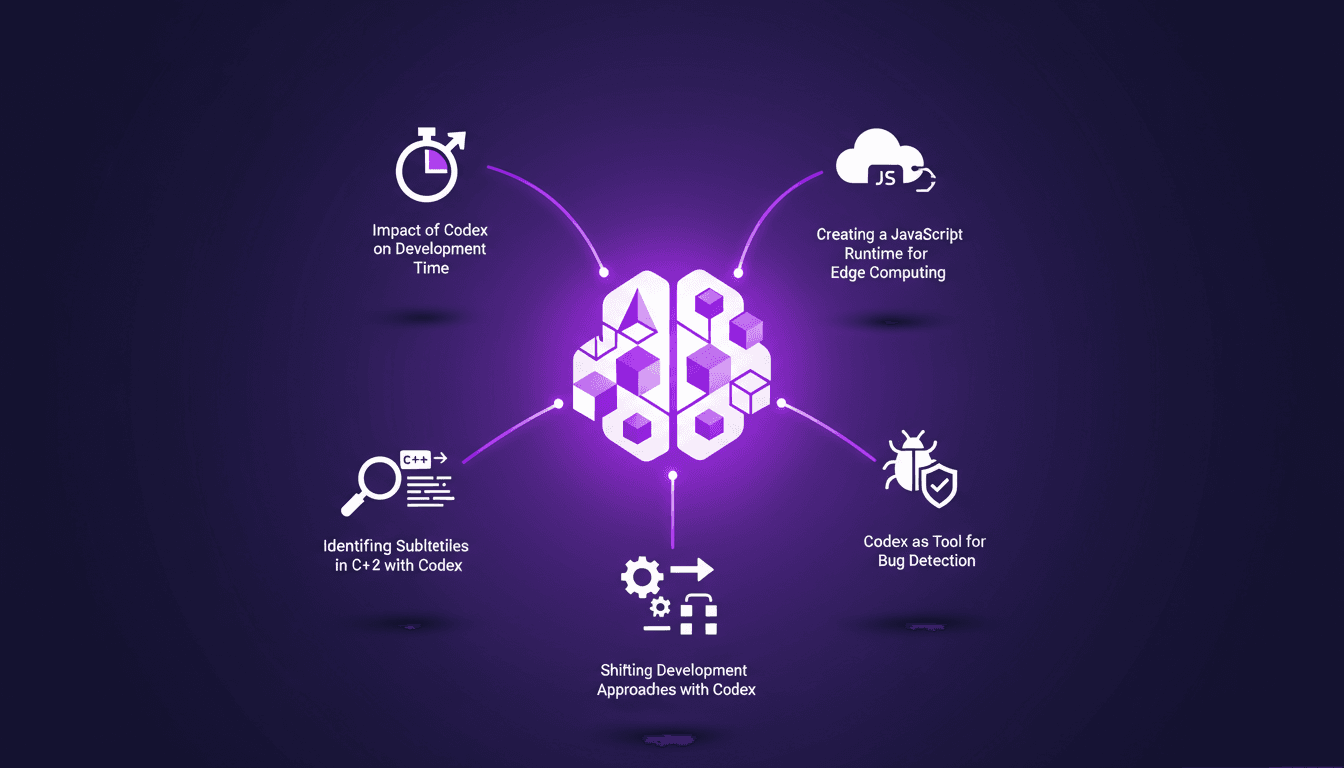
Codex: Revolutionizing Development Time
I used to spend weeks, even months, wrestling with development time. Then Codex came along and changed the game. Let me walk you through how it slashed my JavaScript runtime project from a year to just two weeks. Codex has been nothing short of transformative. From identifying C++ subtleties to creating a JavaScript runtime for edge computing, Codex has streamlined processes I once thought were set in stone. In this video, I dive into how Codex impacted development time, detected bugs, and shifted our development approach.