Paperclip: Efficiently Orchestrate Your AI Agents
I remember the first time I heard about Paperclip—it sounded like a game changer for AI orchestration. Having been burned by overly complex systems in my career, I was skeptical. But diving into it, I found a tool that could actually streamline my AI workflows without the usual headaches. Paperclip, an open-source orchestrator, is designed to efficiently manage AI agents, and I've integrated it into my operations to avoid technical migraines. We're talking about seamless orchestration, handling different agent types like Gemini and Hermes, and an engaged community that's constantly pushing development forward. In short, if you're looking to optimize your AI-driven operations, Paperclip might just be the tool that changes everything.
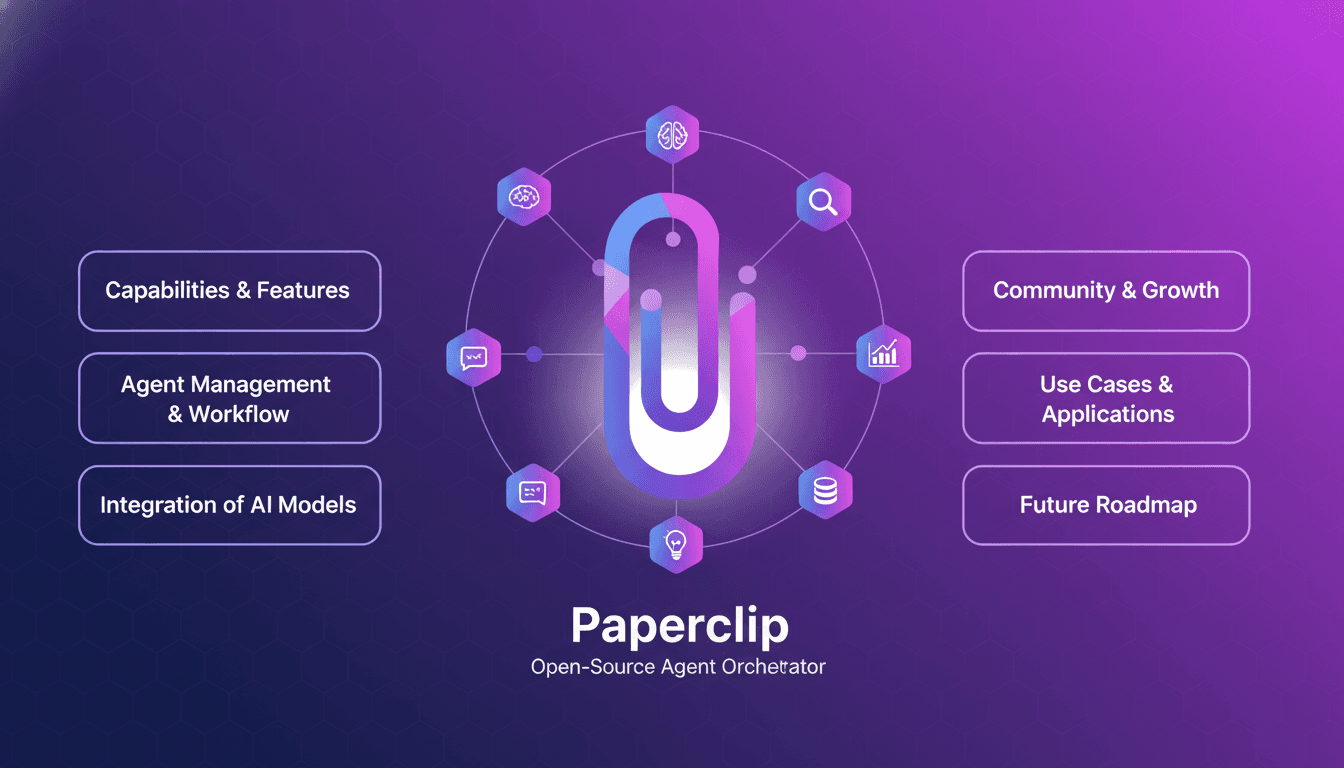
I remember the first time I heard about Paperclip—it sounded like a game changer for AI orchestration. Having been burned by overly complex systems before, I was skeptical. But diving into it, I found a tool that could actually streamline my AI workflows without the usual headaches. Paperclip, this open-source orchestrator, is designed to efficiently manage AI agents. Imagine orchestrating different types of agents, like Gemini or Pi, without pulling your hair out. I've connected my systems and orchestrated my agents with rare fluidity. And it doesn't stop there—the community's highly engaged, constantly pushing the development forward with promising new features in the next 30 days. So, if like me, you're looking to optimize your AI-driven operations, Paperclip might just be the tool that changes the game.
Understanding Paperclip's Core Features
Picture this: Paperclip is like the conductor of an orchestra, but for AI agents. It acts as a human control plane for AI labor, orchestrating a symphony of autonomous agents. First, there's the Skills Manager that optimizes each agent's capabilities. Then you have the Maximizer Mode, which pushes agent efficiency to its peak, but watch out—overuse can lead to inefficiencies.
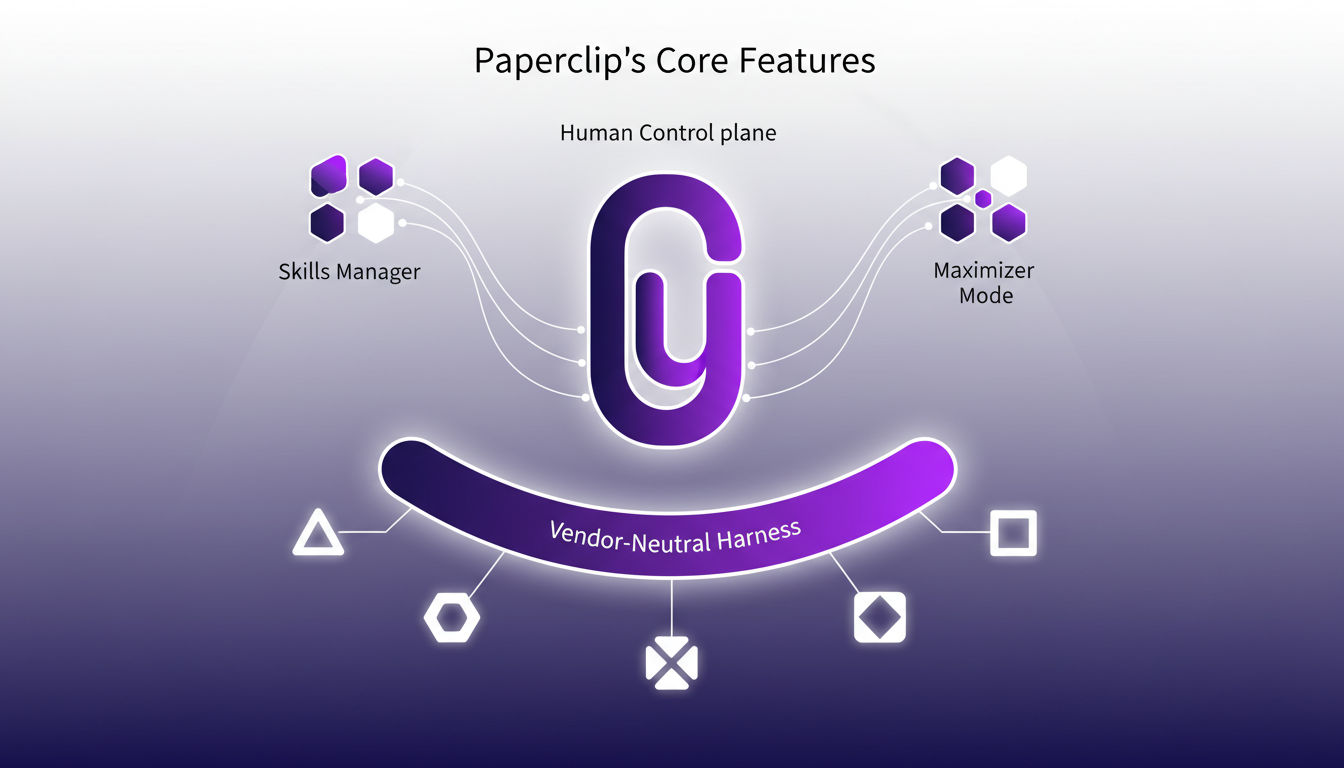
What makes Paperclip truly fascinating? Its vendor-neutral harness. In simple terms, it integrates seamlessly with various AI models like Gemini, open code, Hermes, Pi, and cursor. That's quite a lineup!
Community and Growth: Why It Matters
With over 40,000 GitHub stars, Paperclip enjoys impressive community support. This active community is vital for feature development and bug fixes, crucial for an open-source tool.
Heading towards 50,000 stars, Paperclip demonstrates its growing adoption. Engaging with the community on GitHub is a great way to stay updated on best practices and new features. But remember, community-driven projects can sometimes lack immediate support. Plan accordingly.
"Paperclip is the open-source orchestrator for zero-human companies."
Agent Management and Workflow Orchestration
Paperclip simplifies agent management with its intuitive interface. Role differentiation, like QA agent and approver roles, helps streamline workflows. For zero-human companies, Paperclip’s agentic surface reduces manual intervention.
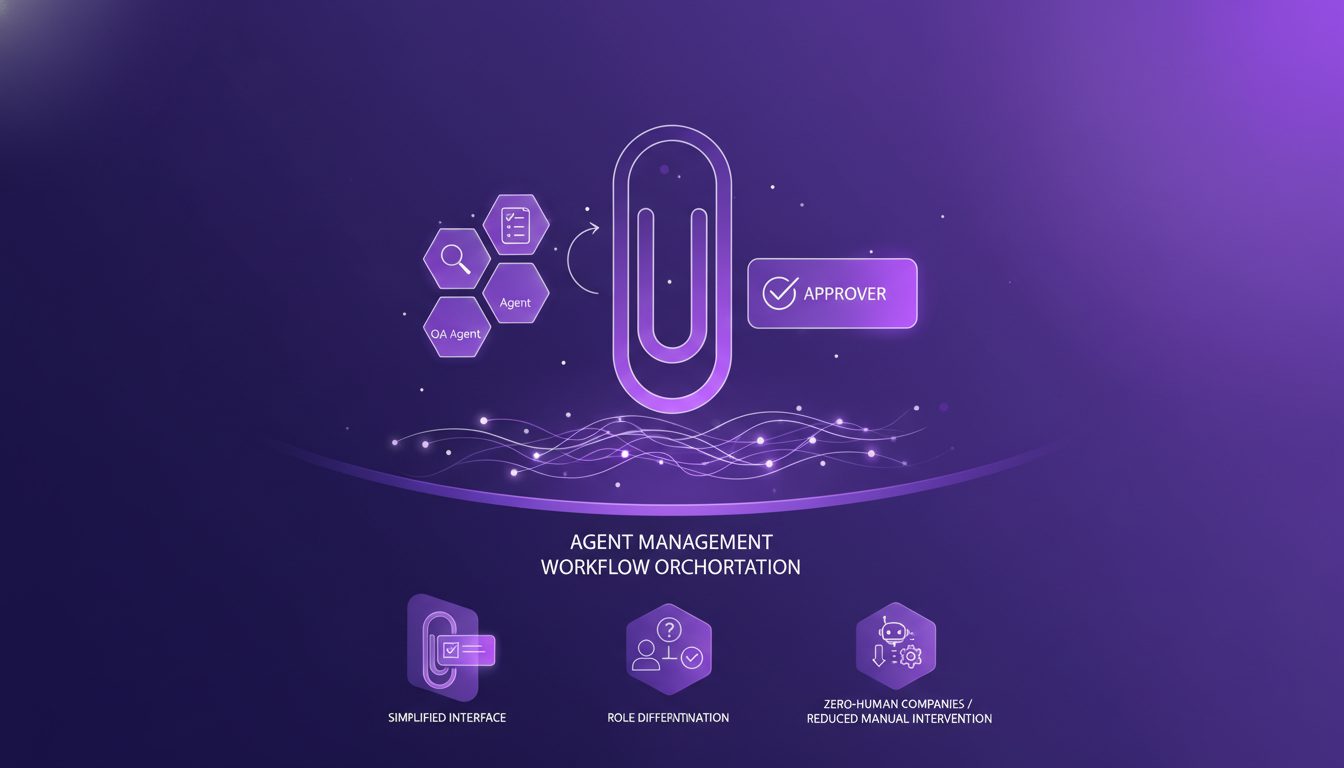
Customizing workflows in Paperclip has saved me time and reduced errors. However, don’t over-automate—sometimes human oversight is crucial.
- Intuitive interface for managing agents
- Role differentiation for streamlined workflows
- Reduction of manual interventions
- Beware of over-automation
Real-World Use Cases Across Departments
Paperclip is utilized across various departments like customer service, development, and QA. In customer service, it automates repetitive tasks, freeing human agents for more complex issues. Development teams use it to efficiently manage code deployments and integrations.
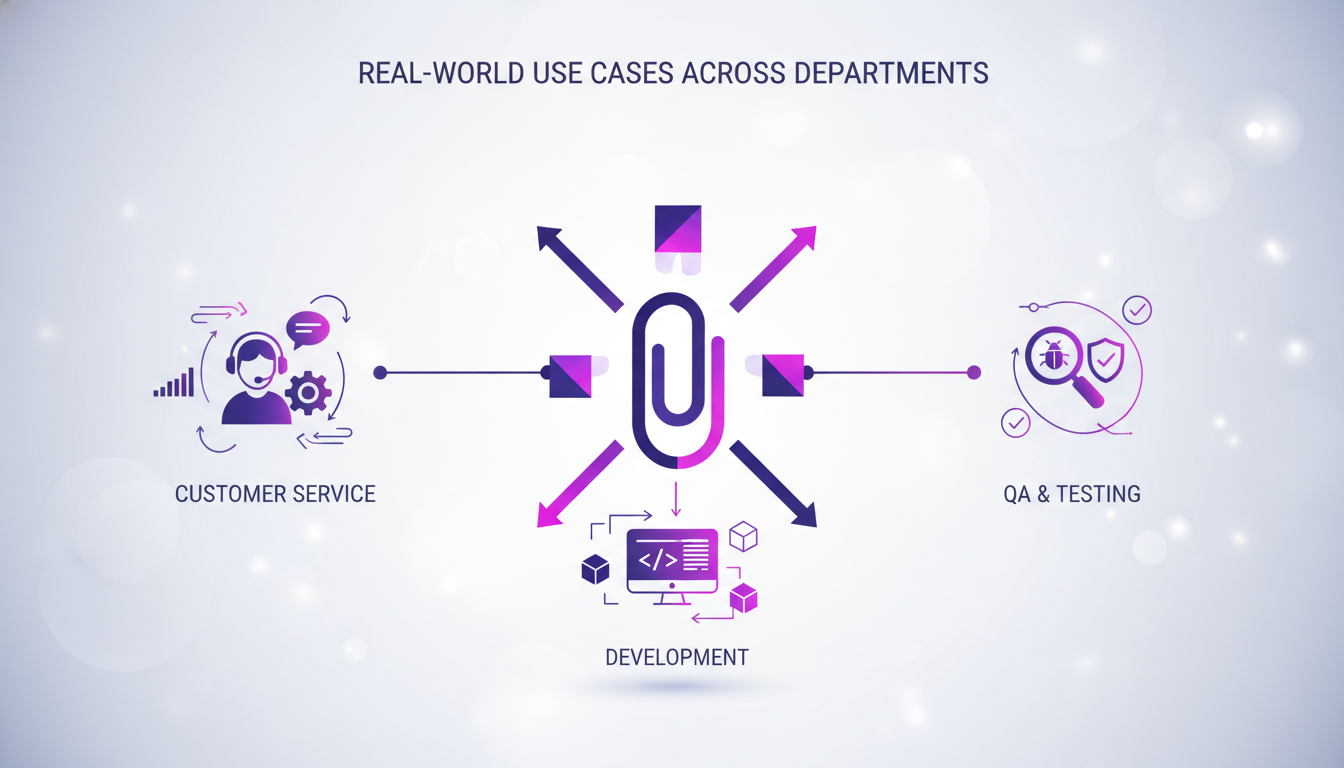
QA departments leverage its capabilities to streamline testing processes. However, ensure alignment with department-specific needs to avoid pitfalls during implementation.
- Automates repetitive tasks in customer service
- Efficient management of code deployments
- Streamlining QA testing processes
- Ensure alignment with department needs
Future Roadmap: What's Next for Paperclip?
The next 30 days will see the introduction of new features, further enhancing Paperclip’s capabilities. Focus areas include improving integration with new AI models and expanding agent types.
Community feedback is shaping the roadmap, ensuring relevant feature development. Stay engaged with updates to maximize the tool’s potential in your workflows. But remember, new features can introduce complexity. Test thoroughly before full-scale deployment.
- New features in 30 days
- Improved AI integrations
- Community feedback guiding development
- Test before full deployment
To delve deeper into Paperclip's impact, check out Open Clow Surpasses Docker: Impact and Implications or explore the essential steps for deploying agents.
So, I dove into Paperclip, and I have to say it's a robust tool for orchestrating AI agents. First, what hit me was its efficiency and flexibility, especially with its five additional agent types like Gemini and Hermes. Then, its open-source nature and community backing are real assets. But watch out, you still have to keep an eye on performance limits when managing multiple roles, like QA agents and approvers. And the new features announced for the next 30 days promise exciting developments.
Looking forward, Paperclip has everything to become an essential human control plane in our AI operations, especially if we stay connected with the community to share insights and anticipate new features. So, don't wait any longer, dive into Paperclip and start optimizing your AI workflows today. And to really grasp the full potential of Paperclip, I encourage you to watch the video "Paperclip: Open Source Human Control Plane for AI Labor — Dotta Bippa" on YouTube. It's a must-watch to stay updated on the latest advancements!
Frequently Asked Questions

Thibault Le Balier
Co-fondateur & CTO
Coming from the tech startup ecosystem, Thibault has developed expertise in AI solution architecture that he now puts at the service of large companies (Atos, BNP Paribas, beta.gouv). He works on two axes: mastering AI deployments (local LLMs, MCP security) and optimizing inference costs (offloading, compression, token management).
Related Articles
Discover more articles on similar topics
Open Clow Surpasses Docker: Impact and Implications
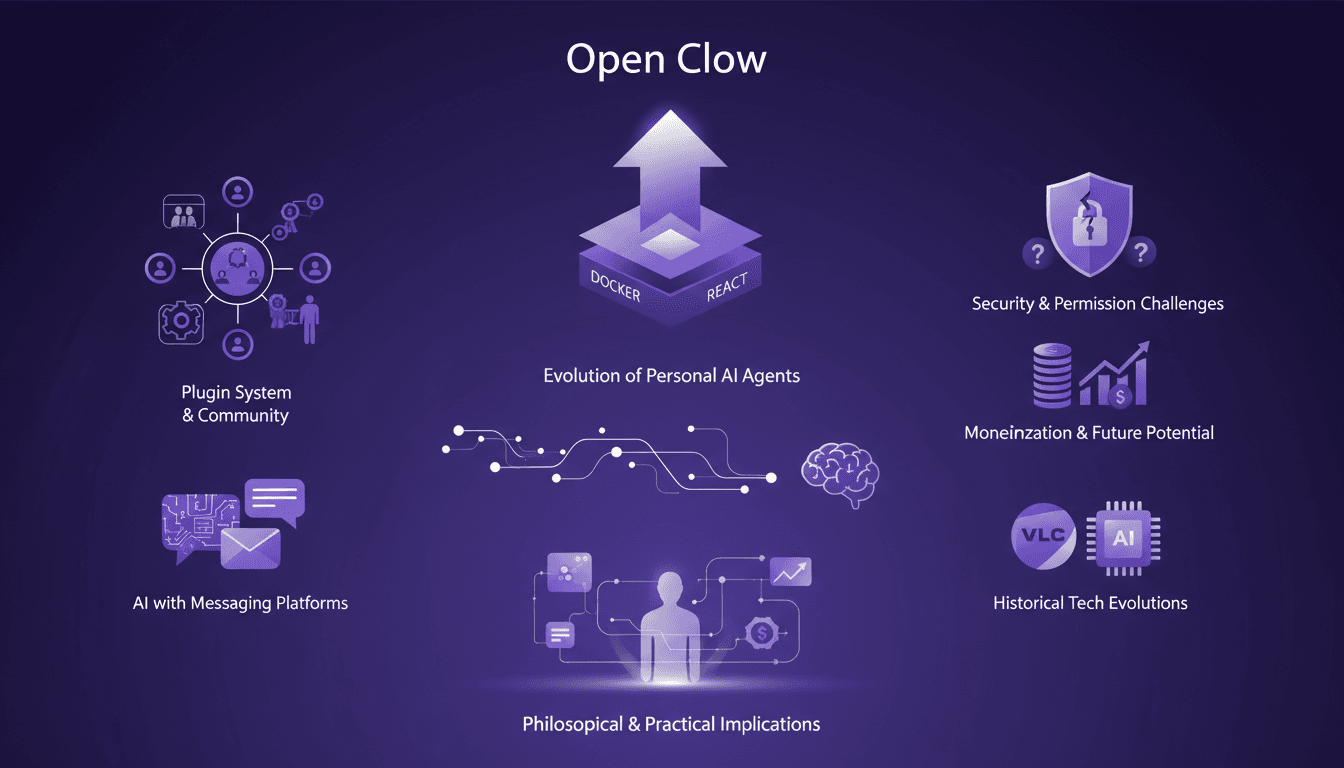
I clearly remember when Open Clow surpassed Docker and React on GitHub. It felt like witnessing a paradigm shift. Suddenly, personal AI agents were more than just hypothetical—they became a burgeoning movement. With 265,000 stars, Open Clow is reshaping the open-source AI landscape. But it's not just about numbers; it's about the transformation of our daily workflows through these agents. Let's delve into Open Clow's evolution, its plug-in systems, community engagement, and the security challenges it poses. Watch out for permission pitfalls and monetization, because the future of AI is happening now.
Deploying Agents: 7 Essential Steps
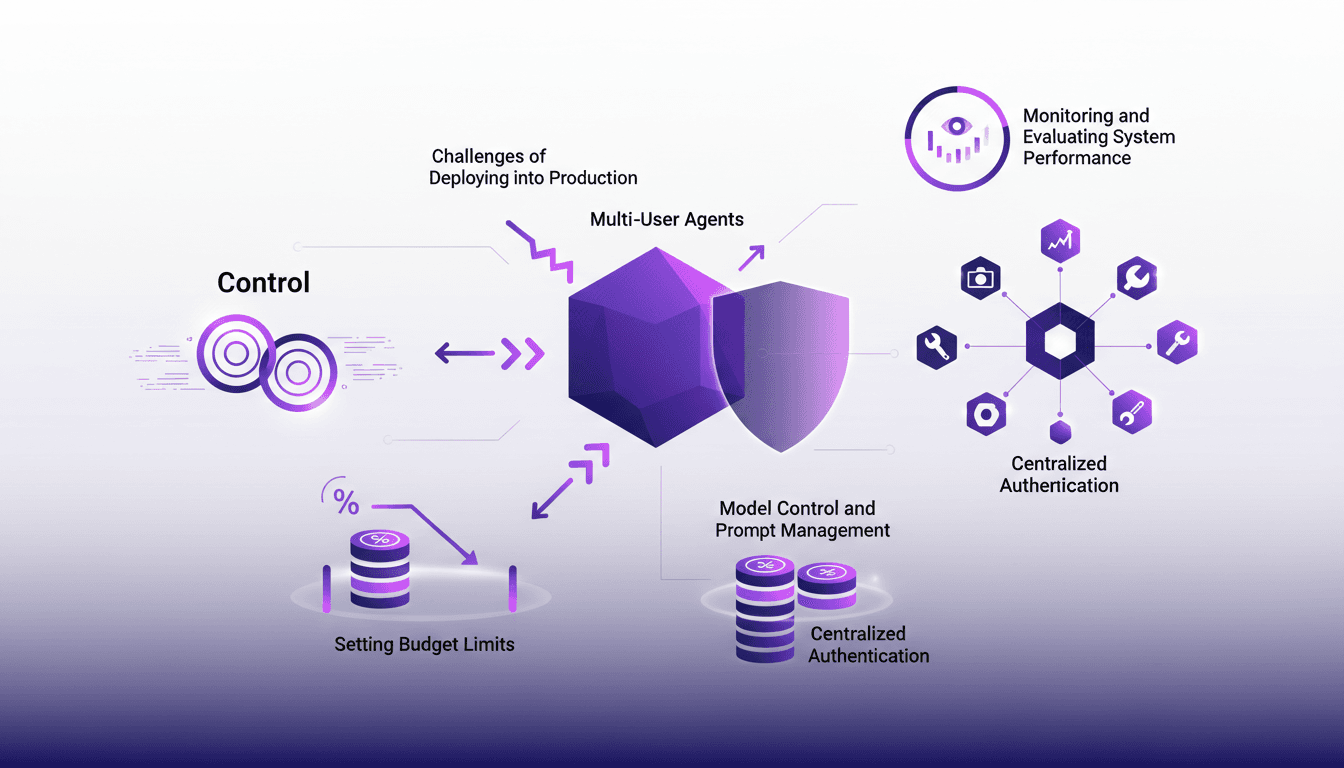
I've been there—agents deployed, costs soaring, chaos ensues. Sometimes, it's like watching an agent run up a 10k bill overnight. Let's talk about the seven key things you need to lock down before any agent hits production. In this article, I walk you through my workflow and the lessons learned. We'll discuss model control, setting up guardrails, and how to prevent your agents from hallucinating for 200 different users.
Handling Sales Objections with AI: My Workflow
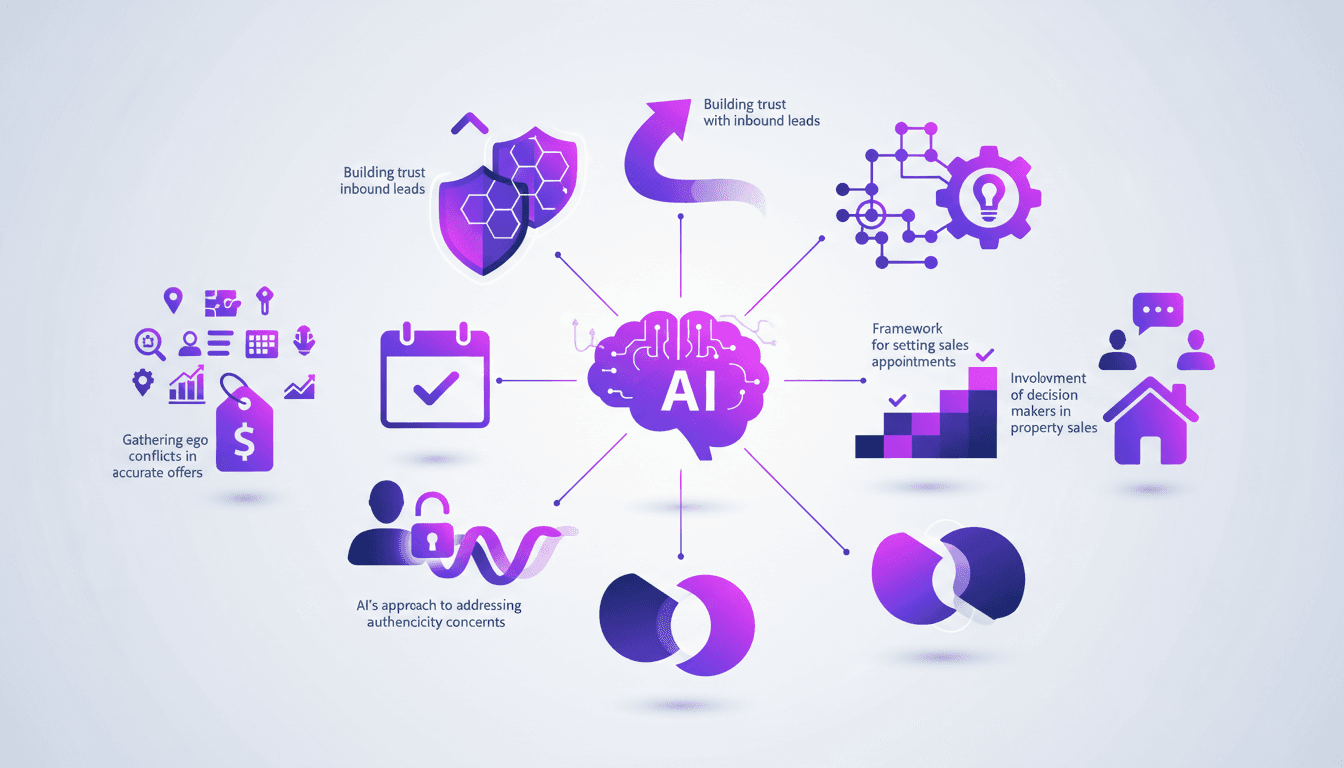
I remember the first time I let AI handle sales objections—it was a leap of faith, but the results were eye-opening. Integrating AI into my sales process was a game changer. In an industry where objections are part and parcel, the idea that AI can smooth over these hurdles is enticing. Let me walk you through how I integrated AI to tackle the toughest objections and build trust with inbound leads. AI can really be transformative, but watch out for pitfalls like addressing authenticity concerns and involving decision-makers. I learned to orchestrate sales appointments and avoid ego conflicts, all while using AI to gather accurate information. Join me as I share how I turned daunting objections into opportunities.
Teaching Claude to Edit Videos: My Approach
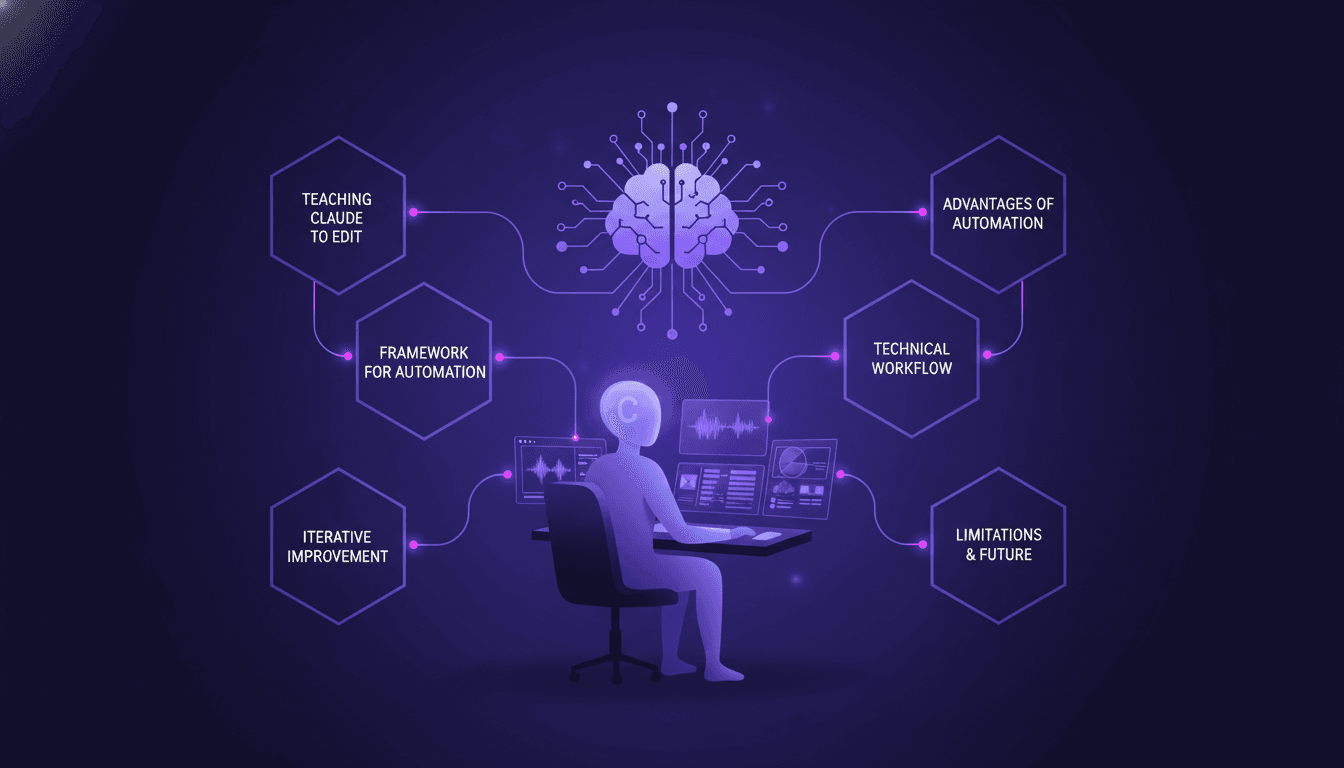
I remember the days of spending two hours manually editing a single YouTube video. Frustrating, right? Then I thought, why not teach Claude to do it for me? In this article, I take you through my journey of automating video editing using Claude's agent skills. We'll go through the tools, techniques, and iterative processes that made it possible. Teaching Claude to edit my videos not only cut the raw video time down by 50% but also transformed my approach to content creation.
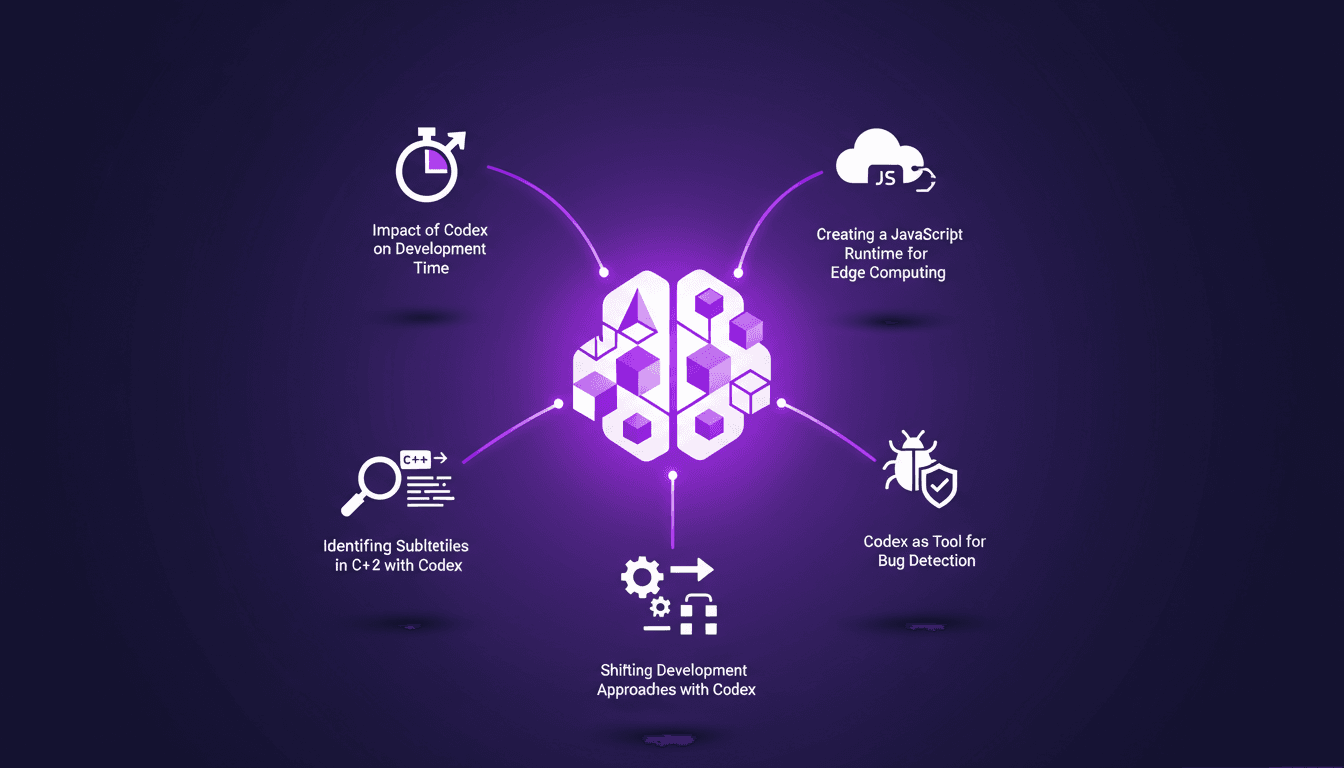
Codex: Revolutionizing Development Time
I used to spend weeks, even months, wrestling with development time. Then Codex came along and changed the game. Let me walk you through how it slashed my JavaScript runtime project from a year to just two weeks. Codex has been nothing short of transformative. From identifying C++ subtleties to creating a JavaScript runtime for edge computing, Codex has streamlined processes I once thought were set in stone. In this video, I dive into how Codex impacted development time, detected bugs, and shifted our development approach.