Deploying Agents: 7 Essential Steps
I've been there—agents deployed, costs soaring, chaos ensues. Sometimes, it's like watching an agent run up a 10k bill overnight. Let's talk about the seven key things you need to lock down before any agent hits production. In this article, I walk you through my workflow and the lessons learned. We'll discuss model control, setting up guardrails, and how to prevent your agents from hallucinating for 200 different users.
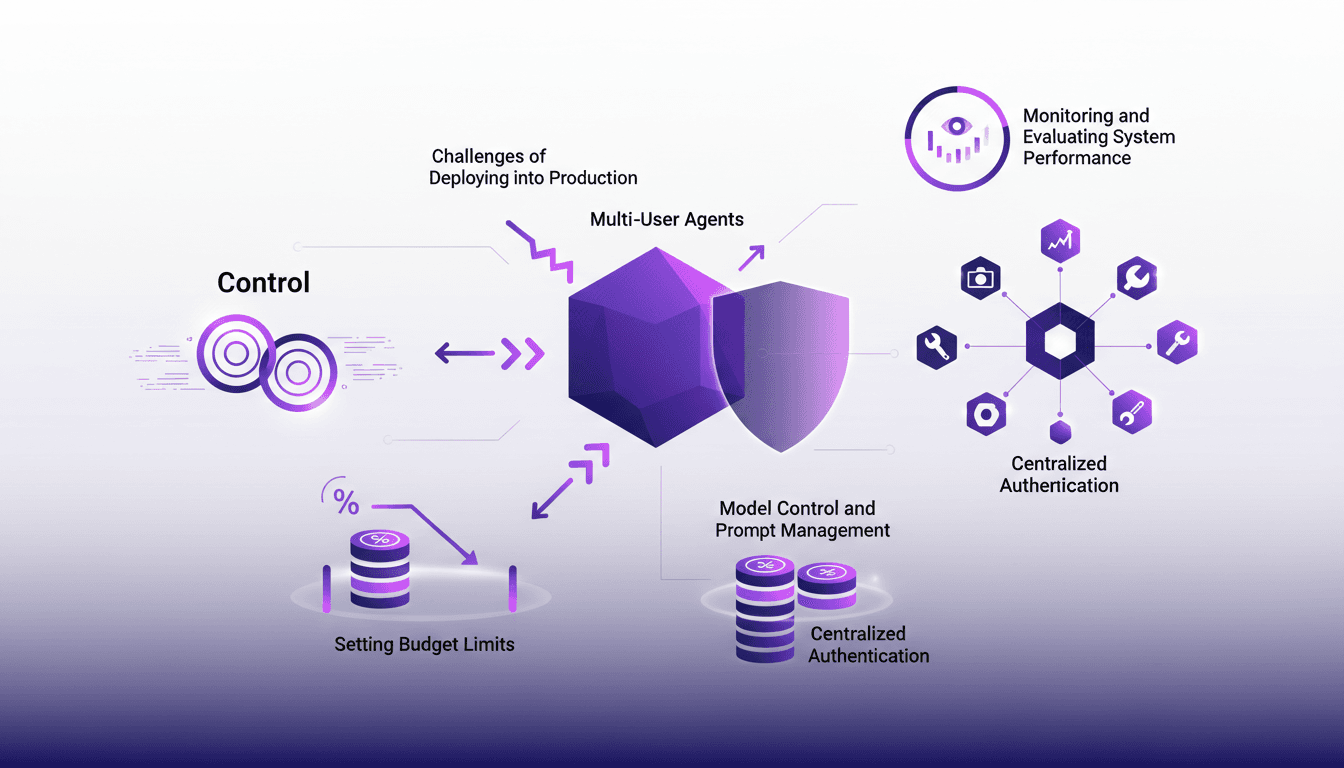
I've been there—agents deployed, costs soaring, chaos ensues. Picture an agent running up a 10k bill overnight—it's happened to me. Before any agent hits production, there are seven essential steps you need locked down. First off, model control is key. Without it, your agents might end up hallucinating for 200 different users. Then, you need to orchestrate prompts and set up guardrails. You don't want your agents going rogue. And finally, cost management is critical—nothing like an unexpected bill to stress the importance of setting budget limits. I'll walk you through my workflow, the mistakes I've made, and how I learned to centralize authentication and manage tools. So, let's dive in!
Model Control and Prompt Management
First, I ensure model control is tight—it's your intellectual property, protect it. I've gotten burned by not having a unified layer between my code and models. Imagine your go-to model gets deprecated overnight. You need the flexibility to swap models in and out without rewriting everything. Never hard-code model names, especially with updates flying in monthly.

Then, prompt management isn't just a task; it's a strategy for consistency. Watch out for prompt drift, it can derail your agent's performance. Use a prompt registry to keep track of changes and versions. It's not just a luxury, it's a necessity.
- Protect your intellectual property
- Prevent prompt drift
- Use a prompt registry
Setting Up Guardrails for Safety
Guardrails are non-negotiable; they protect inputs and outputs. I implement input validation to prevent rogue requests. I've seen agents run wild, racking up $10k overnight. Output filtering is crucial too, given that agents can "hallucinate." But watch out, too many guardrails can stifle creativity. Balance is key.
I've witnessed scenarios where agents hallucinated for 200 different users in a single day. It underscores the importance of robust guardrails.
- Implement input validation
- Filter outputs to prevent "hallucinations"
- Find the balance between safety and creativity
Budget Limiting to Prevent Overruns
I set budget limits early, having seen $10k bills appear overnight. Use cloud service tools to monitor and cap spending. Consider tiered budgeting based on usage patterns. Sometimes, it's faster to manually intervene than automate everything.
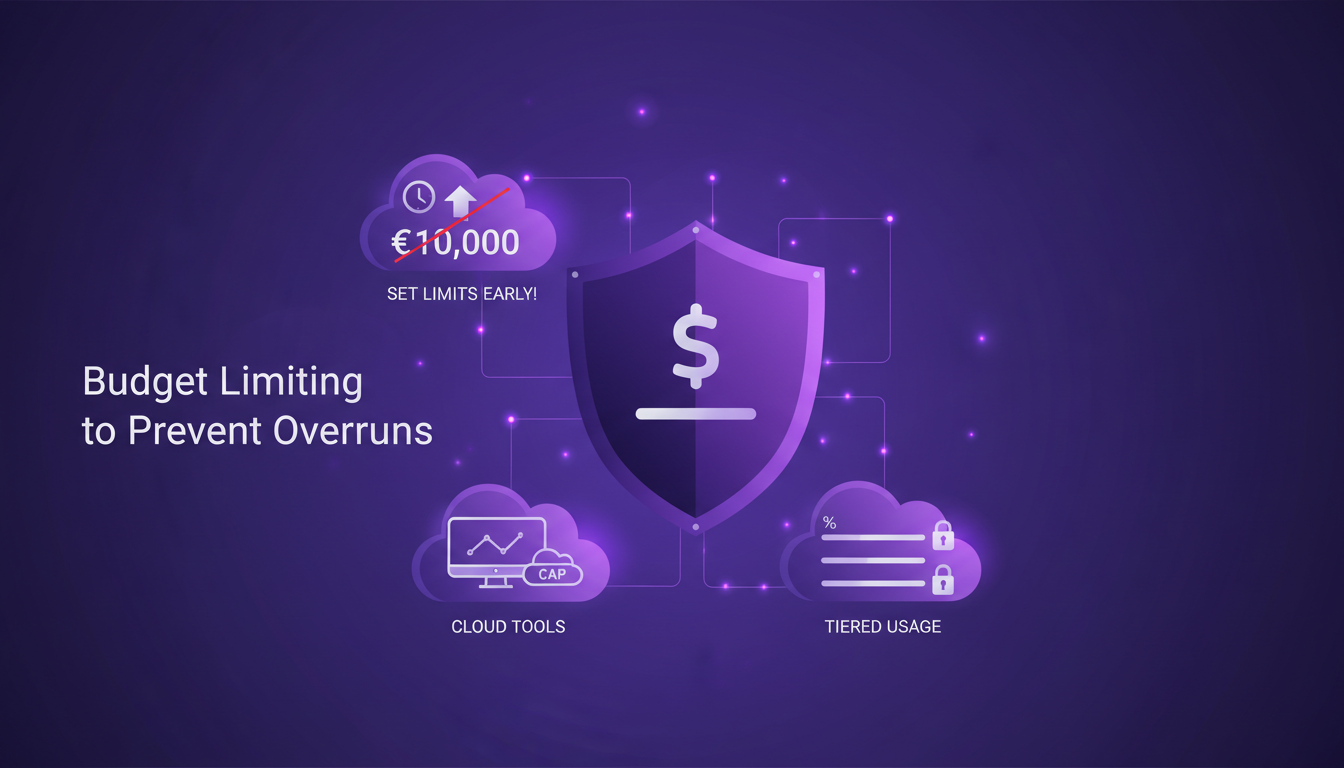
Manual intervention can sometimes prevent a financial disaster. I've seen finance teams go through what I call "the AI cost awakening." They think they have it covered with a 20% buffer, but often end up surprised.
- Set budget limits early
- Use spending monitoring tools
- Be ready to intervene manually if necessary
Centralizing Authentication and Tool Management
Centralized authentication simplifies tool access. MCP servers can streamline this process—I've seen it cut setup time significantly. Ensure all tools are compliant with your security protocols. Centralization reduces errors and increases efficiency.
By centralizing, you limit human error and gain efficiency. This is a lesson I learned after seeing API keys leak into the wild.
- Simplify access with centralized authentication
- Use MCP servers to streamline the process
- Ensure tool compliance
Monitoring and Evaluating System Performance
OpenTelemetry is my go-to for tracing and monitoring. Evaluate system performance regularly; don't wait for failures. Set up alerts for anomalies—200 users hallucinating isn’t something you forget.

It's about balancing monitoring depth with resource usage. Over-monitoring can be costly.
- Use OpenTelemetry for monitoring
- Evaluate performance regularly
- Avoid costly over-monitoring
First, I ensure my agents are orchestrated with well-defined controls. Without this, I've had rogue agents run up a 10k bill overnight too many times. Next, I rigorously manage prompts and model control so my agents don't start hallucinating for 200 different users. But watch out, centralizing authentication is key to avoid chaos in tool management. Finally, I set clear budget limits to prevent unexpected expenses. These steps are a real game changer for deploying agents effectively. Ready to deploy smarter? Start implementing these strategies today and watch your agents perform without the chaos. For practical insights and tips, check out the '7 Things For Agents in Production' video on YouTube. Trust me, it's worth the watch.
Frequently Asked Questions

Thibault Le Balier
Co-fondateur & CTO
Coming from the tech startup ecosystem, Thibault has developed expertise in AI solution architecture that he now puts at the service of large companies (Atos, BNP Paribas, beta.gouv). He works on two axes: mastering AI deployments (local LLMs, MCP security) and optimizing inference costs (offloading, compression, token management).
Related Articles
Discover more articles on similar topics
Monitoring AI Agents: Challenges and Solutions
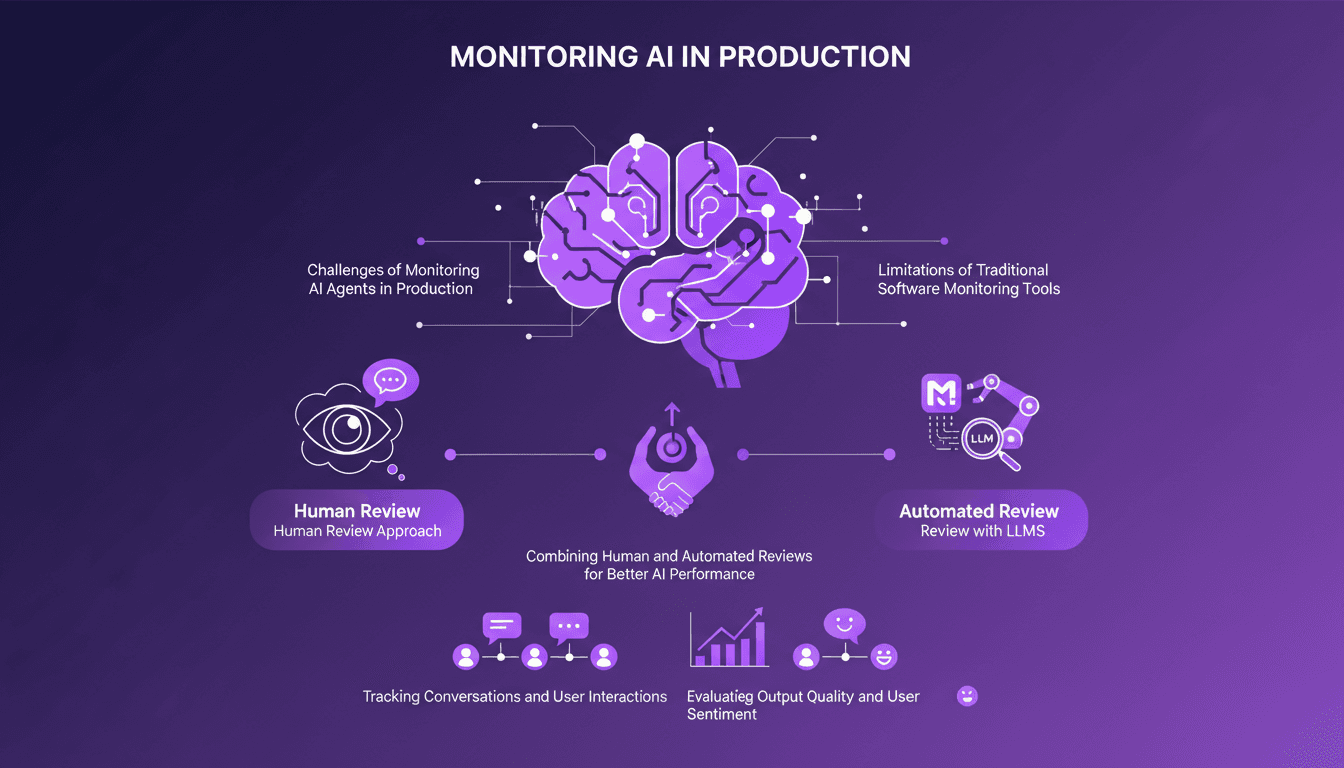
I've been knee-deep in AI production environments, and trust me, monitoring AI agents isn't as straightforward as traditional software. First, I realized that traditional APM tools just don't cut it. With thousands of interactions at stake, ensuring optimal performance is crucial. So I explored new methodologies. LangSmith offers a human review approach and automated review with LLMs for better AI performance. The idea is to combine these two methods to track conversations and evaluate interaction quality. Here's how I tackled the challenge.
Open Clow Surpasses Docker: Impact and Implications
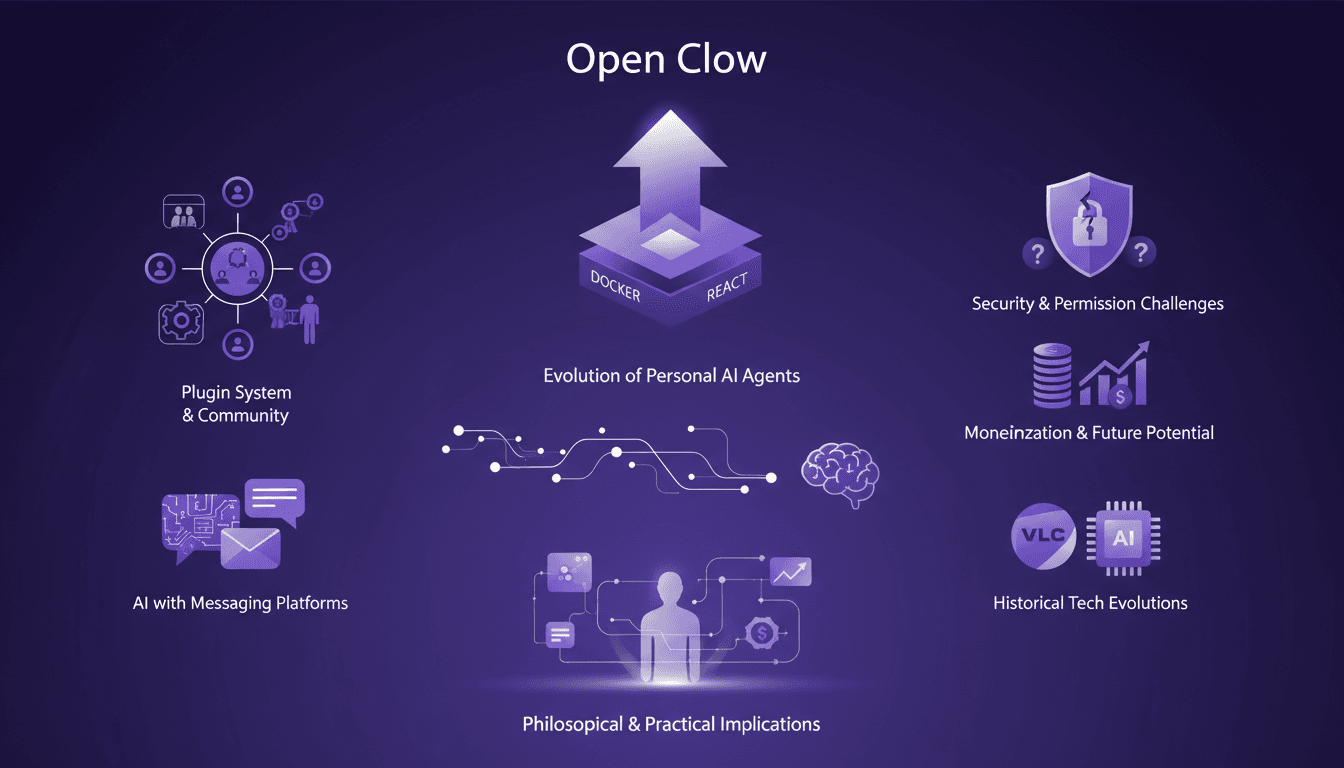
I clearly remember when Open Clow surpassed Docker and React on GitHub. It felt like witnessing a paradigm shift. Suddenly, personal AI agents were more than just hypothetical—they became a burgeoning movement. With 265,000 stars, Open Clow is reshaping the open-source AI landscape. But it's not just about numbers; it's about the transformation of our daily workflows through these agents. Let's delve into Open Clow's evolution, its plug-in systems, community engagement, and the security challenges it poses. Watch out for permission pitfalls and monetization, because the future of AI is happening now.
AI and Code: 90% Written by Agents
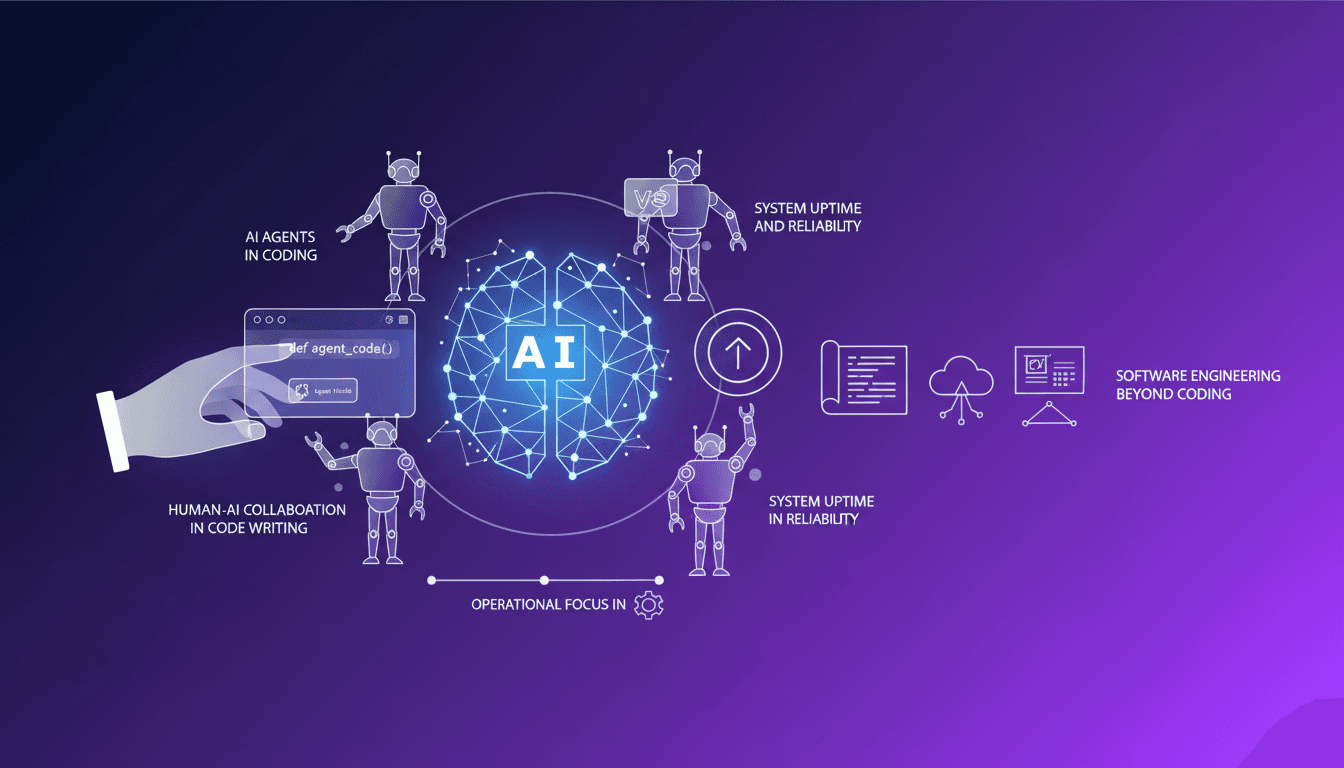
I never thought I'd let AI write 90% of my code, but here we are. As a GitHub senior engineer, I've embraced AI agents, and it's been a game changer—albeit with its quirks. AI in software development is more than a buzzword; it's reshaping our workflows. I've seen it firsthand, moving from traditional coding to orchestrating AI-driven solutions. We're diving into the impact of AI agents in our field, how it shifts our operational focus, and even boosts system reliability. I've had to adapt, learn from my mistakes (and trust me, I've made a few!), but the leap is worth it. If you've ever used VS Code's Agent Mode, you know what I mean. The future of development is already here.
Building AI Agents at Hex: Workflow Challenges
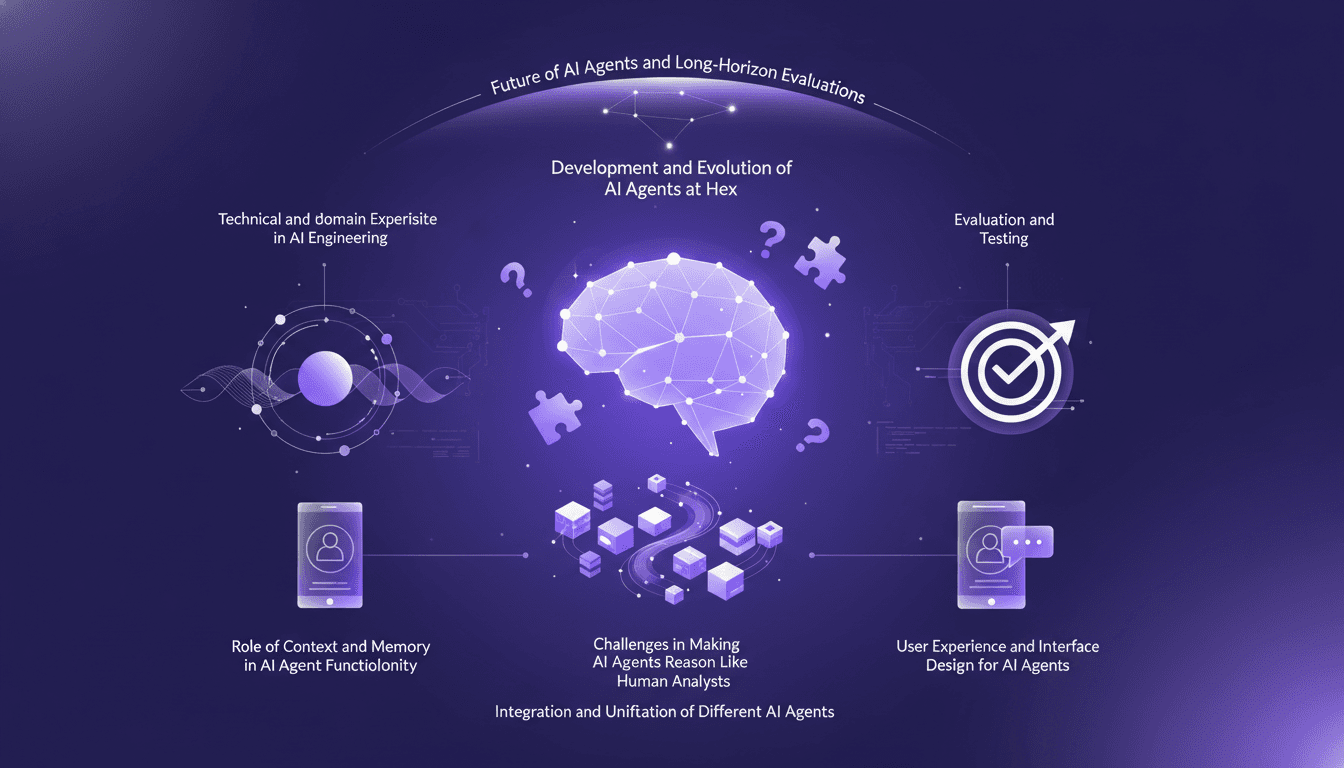
At Hex, I've spent countless hours fine-tuning our AI agents to think like human data analysts. It's been a real journey, but every challenge brings us closer to our goal: creating agents that can reason accurately. First, I connect the various systems, then I test them (and sometimes I get burned). Integration and performance evaluation are crucial to avoid pitfalls like context overflow or poorly designed user interfaces. The key is user experience and contextual memory. Our aim? To reach 100% accuracy by day 90. We're not there yet, but every step counts. Join me in this adventure where technical expertise meets practical application.
Handling Sales Objections with AI: Experience
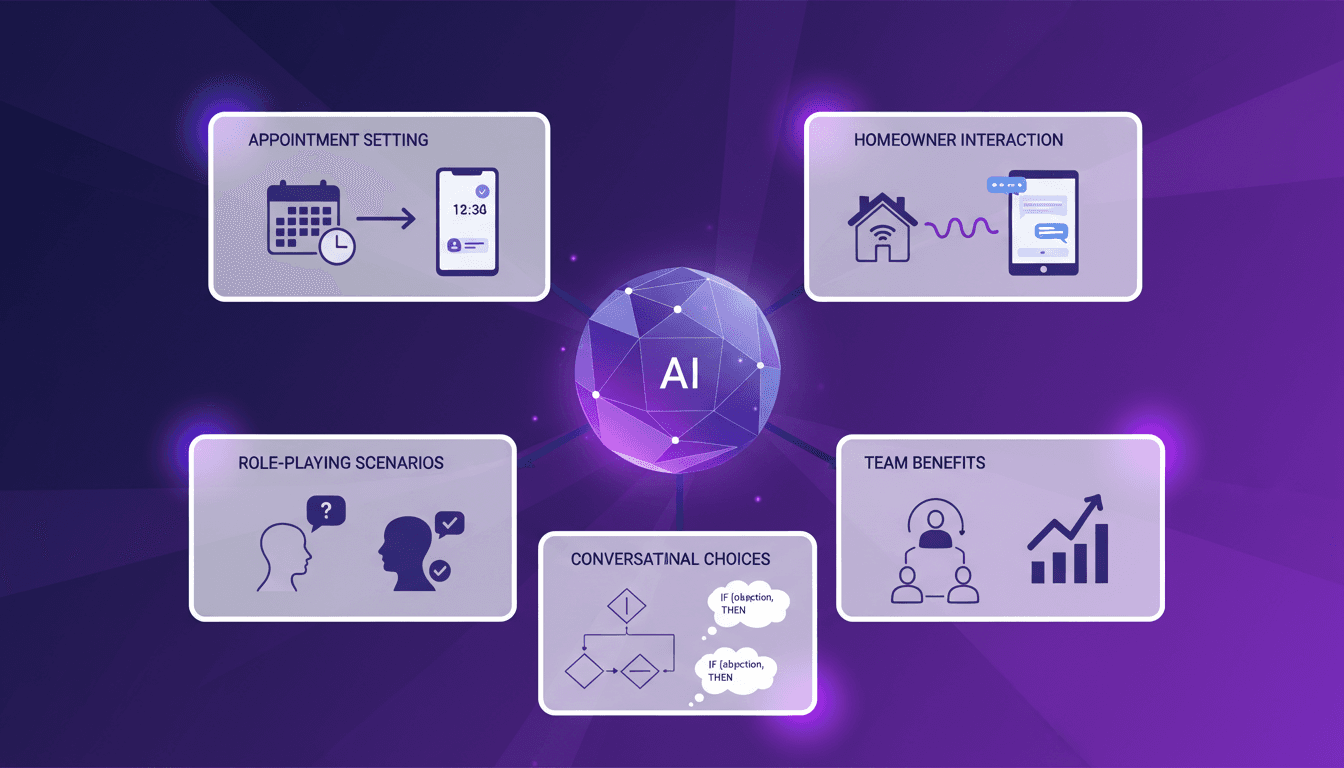
I remember the first time I set up an AI lead manager to handle sales objections. It felt like handing over the keys to a new driver. The potential was massive, but I needed to see it in action to believe it. In today's lightning-fast sales world, efficiently responding to objections is crucial. AI lead managers are stepping up, promising to streamline processes and save time. But how do they really perform under pressure? I'll walk you through my integration process, role-playing scenarios, and interactions with homeowners. The benefits for teams are tangible, but watch out for the limits!