Robotics Breakthroughs: A 10-Day Revolution
I've been in the robotics game for years, and let me tell you, the last 10 days have been wild. We’re talking about a seismic shift in humanoid robotics that nobody's really discussing yet. In this article, I'll walk you through what's happening on the ground: incredible advancements in humanoid robotics, the real tech behind AI vision systems, and what all this means for our industry. From Real Botics to Unitri, companies are pushing the boundaries of what robots can do, and it's not just tech talk—it's about real-world applications and market dynamics.
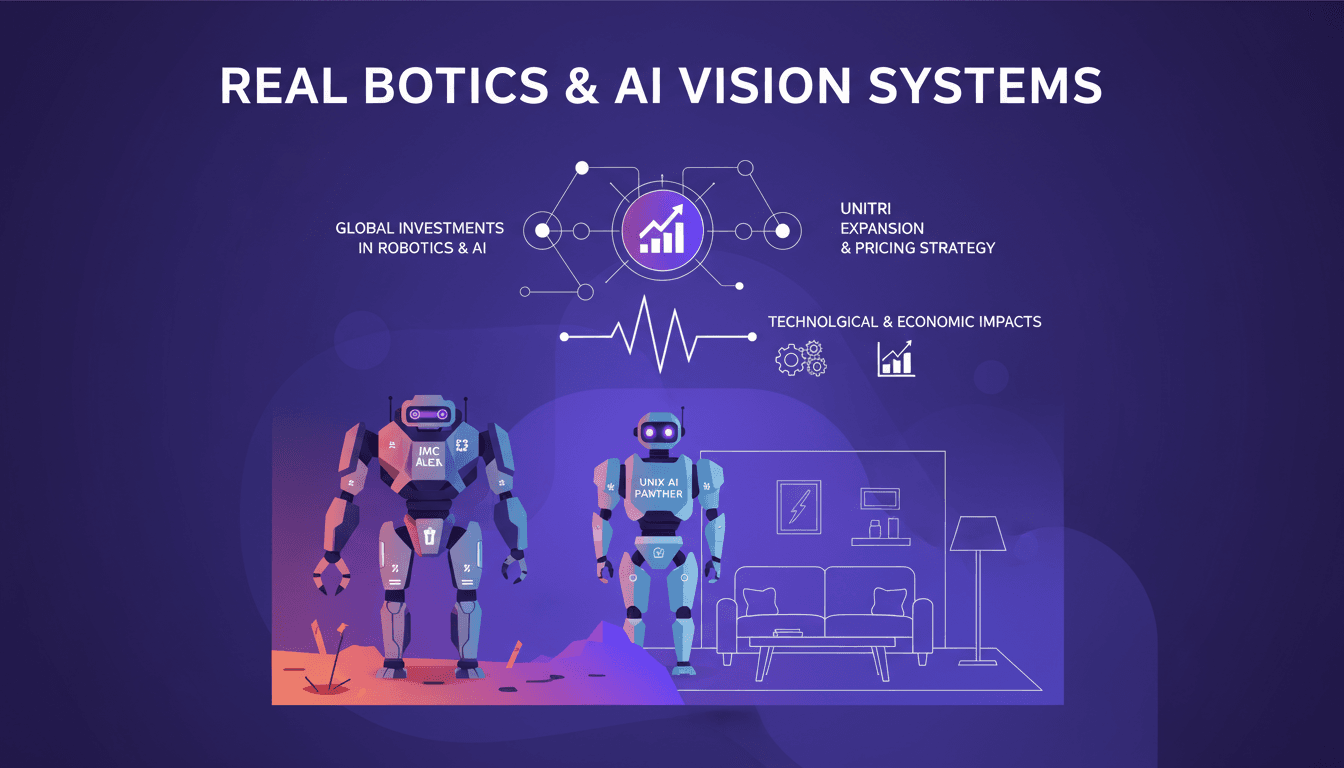
I've been in the robotics game for years, and let me tell you, the last 10 days have been wild. We’re talking about a seismic shift in humanoid robotics that nobody's really discussing yet. First, I watched Real Botics deliver 19 units in the blink of an eye, and on AliExpress, humanoid robots priced at $4000 started making waves. Then, Unix AI rolled out 100 units of their Panther robot into domestic environments. In this article, I'll walk you through what's happening on the ground: incredible advancements in humanoid robotics, the real tech behind AI vision systems, and what all this means for our industry. And it's not just tech talk—it's about real-world applications and market dynamics. So, get ready to explore how these companies are pushing boundaries and what it means for the future (and your next project).
Real Botics and AI Vision: Delivery and Impact
Real Botics has reached a significant milestone by delivering 19 humanoid robots equipped with AI vision systems to Ericsson. This marks a pivotal shift in robotics, as these robots are not just following pre-programmed scripts; they interact in real-time, recognizing human faces and emotions. It's not just technology; it's a change in human-machine interaction.
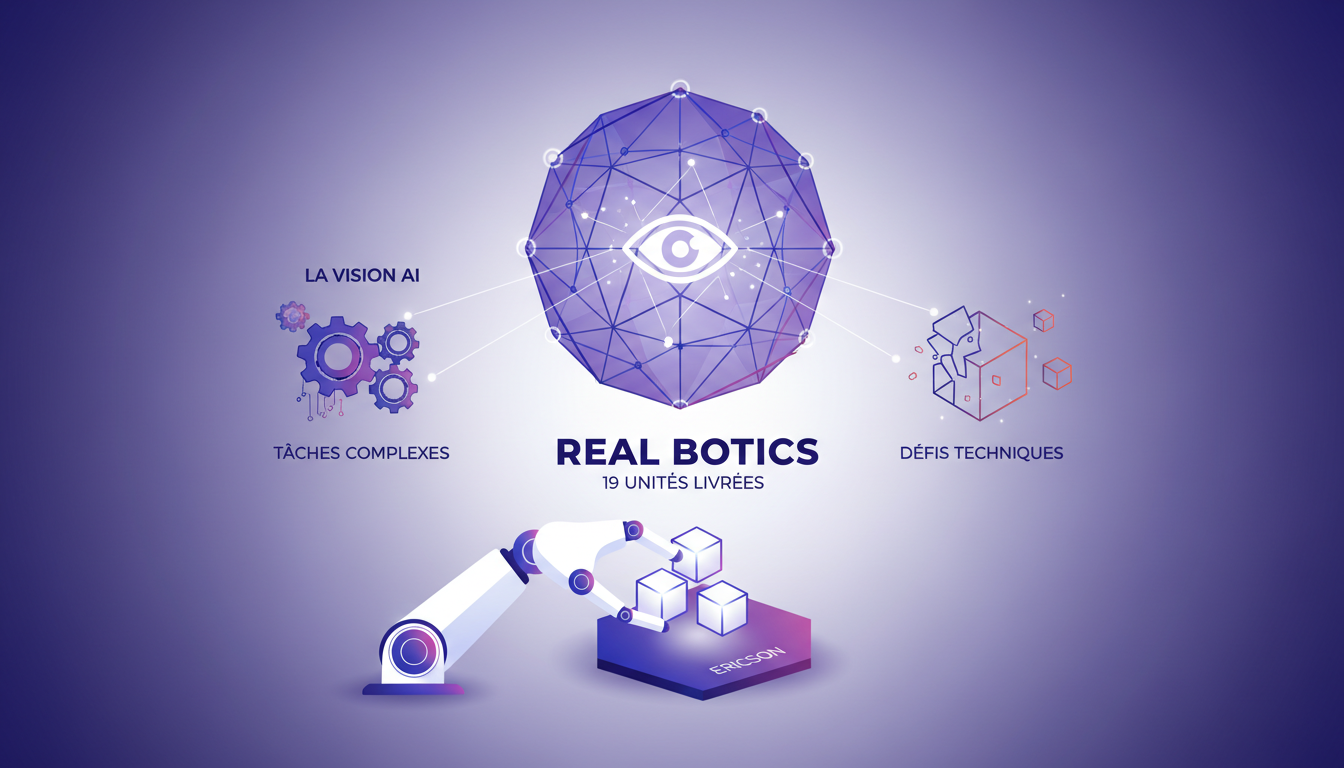
However, integrating such AI vision systems is not without challenges. I've often had to juggle with the limits of degrees of freedom to ensure smooth interaction. For instance, a poorly calibrated camera can turn an interaction into an awkward moment. That's why 2027 seems to be the pivotal year when these technologies will become more robust and commonplace.
"Vinci recognizes returning individuals. It remembers what you said last time and continues the conversation from there."
This contextual memory capability is crucial, and Real Botics seems to have captured this aspect well. Their approach of integrating sensors directly into the robot's eyes allows a realistic tracking of human movements. It's a revolution that unlocks potential for more human-like interactions.
Unix AI and the Panther Robot: Capabilities and Limits
Unix AI recently announced that their Panther robot has successfully passed validation in a real domestic environment. It's an achievement because handling a real space, with its unpredictability, is a true test for any robot. Panther demonstrated its ability to handle complex tasks like preparing breakfast or tidying up the house, which is impressive.
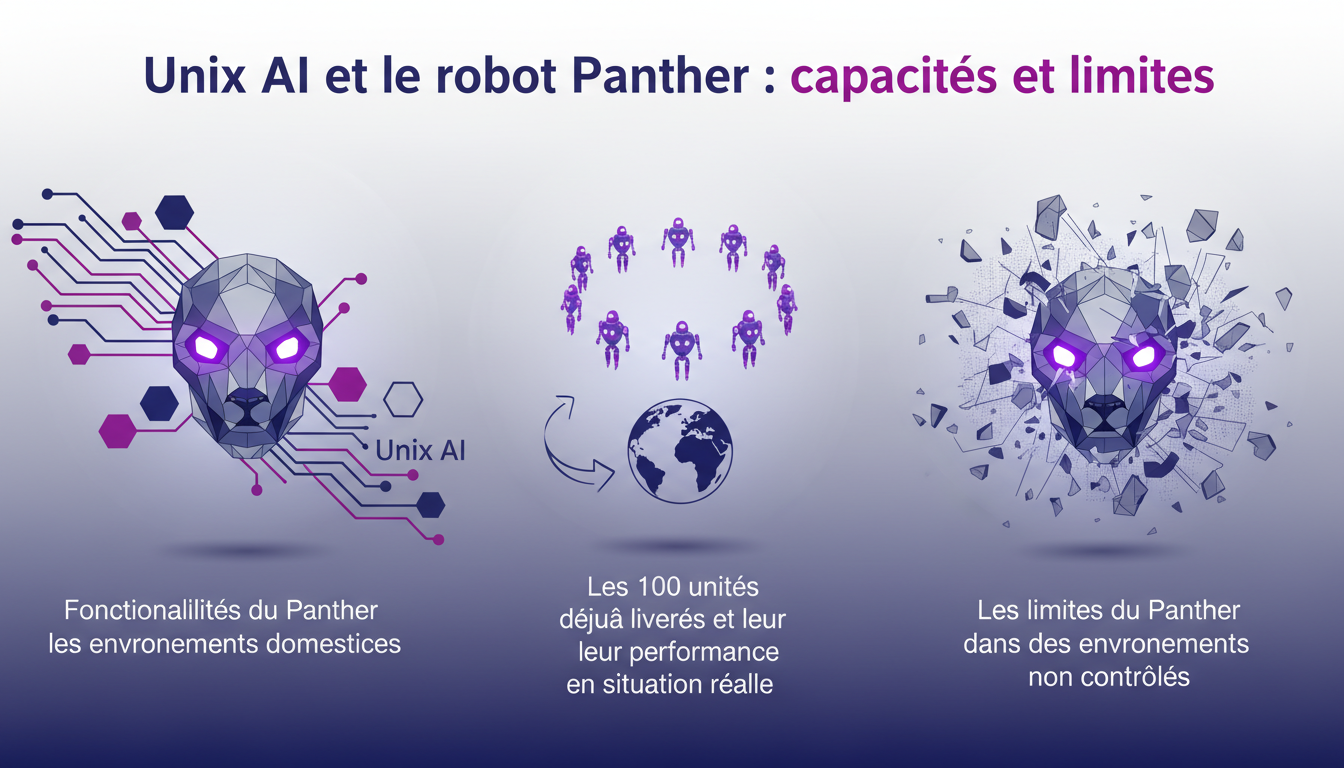
With its 34 degrees of freedom, Panther is equipped for various tasks. However, it's important to note that its wheeled design, while pragmatic, may be limited in terms of mobility in cluttered environments. Wheeled robots are often more stable but less adaptable than legged ones in complex environments.
Unix AI optimizes AI automation modules to enhance these performances, but be cautious not to overload the system, which could reduce efficiency. Experience has taught me that sometimes simplifying the design can offer better performance.
IMC and the Alex Robot: Applications in Hostile Environments
Designed for hostile environments, the Alex robot from IMC is an example of robustness and innovation. Specifically developed for disaster scenarios and military applications, Alex is equipped with bionic arms and adaptive grippers, which are essential for operating in challenging conditions.
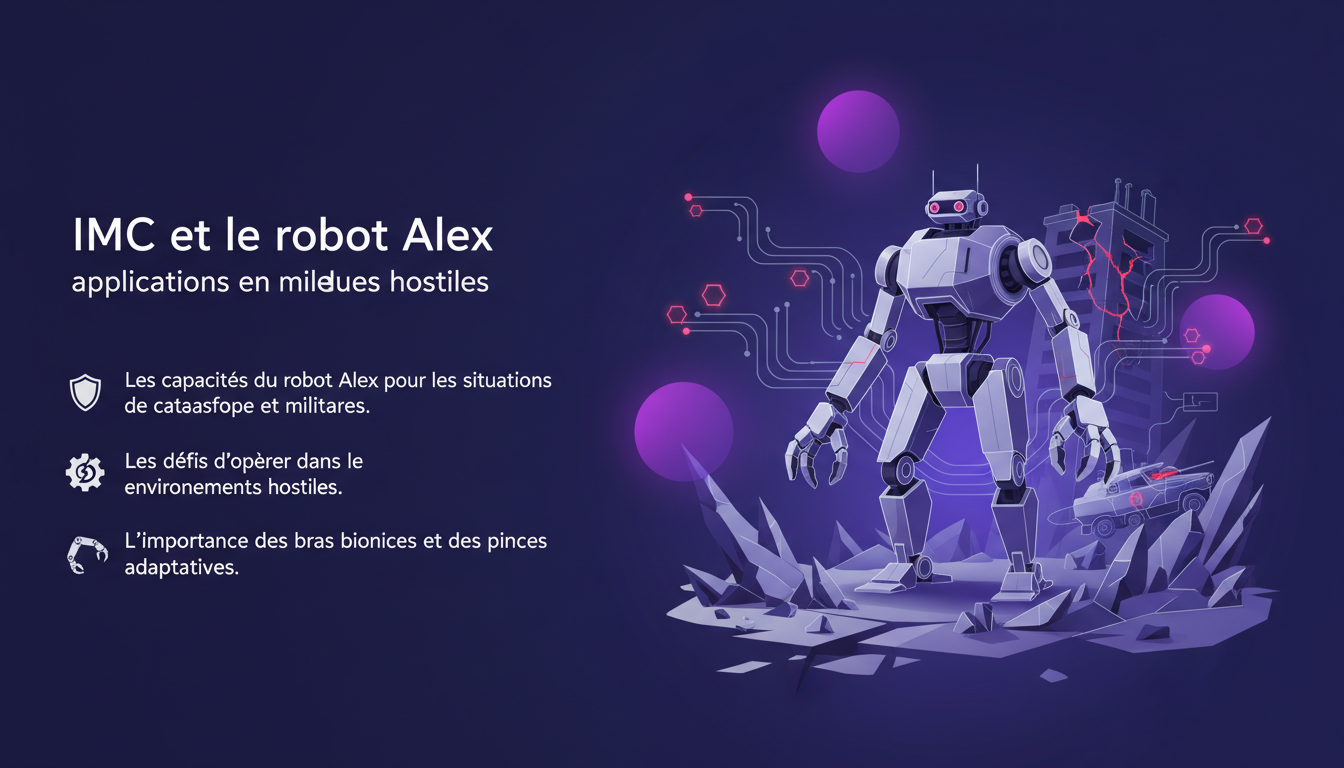
The challenges of operating in hostile environments are not to be underestimated. The trade-offs between robustness and flexibility are constant. Alex weighs 85 kg, which is lighter than its predecessor Nadia, but this also involves technical choices to maintain its ability to withstand extreme conditions.
Unitri's Market Strategy: Expansion and Pricing
Unitri is adopting an aggressive strategy to establish itself in the global robotics market. With an attractive price of $4,000 for its humanoid robot on AliExpress, Unitri aims to make robotics accessible to a broader audience. This approach could well transform the robotics market, but it also requires robust logistics.
Their strategy also involves adapting to new market dynamics. In 2025, Unitri shipped over 5,500 humanoid robots, surpassing American giants like Tesla and Agility Robotics. This highlights the importance of competitive pricing in this sector.
Economically, Unitri recorded significant growth with a revenue of 1.71 billion yan in 2025. This demonstrates the viability of their business model based on reduced costs and wide distribution. However, competition remains fierce, and it is crucial to maintain margins while innovating.
Global Investments and the Future of Robotics
Investments in robotics and AI are on the rise. Japan is investing $6.3 billion to enhance its capabilities in this field, aiming for a significant market share by 2040. This trend shows an increasing interest in robotic technologies, which are perceived as essential for the global economic future.
These investments also shape future innovations. For example, Neura Robotics secured €1 billion in funding, with a valuation of €4 billion. This underscores the importance of financial support for developing cutting-edge technologies.
The opportunities are vast, but there are also risks. Market players must navigate between innovation and profitability while anticipating technological and economic changes. As always, it is crucial to remain adaptable and vigilant amidst the industry's rapid changes.
In just 10 days, the robotics landscape has taken a dramatic turn. I've seen AI vision systems literally transform how we build and deploy robots. First, Unix AI and Yi have already delivered 100 units of their humanoid robot—it's massive. Then, Real Botics plans to deliver 19 more, which is a real indicator of development speed. But watch out, with a $4000 price tag for a humanoid robot on AliExpress, you need to evaluate the economic impact and ROI of these investments.
- AI vision systems now integrated are taking robots to the next level in terms of functionality.
- With 100 units already in the field, Unix AI shows that humanoids are no longer science fiction.
- AI in domestic and hostile environments is redefining standards. Watch the full video to really grasp these shifts; it could influence your next project or investment. It's a real game changer, but keep an eye on costs and economic implications.
Frequently Asked Questions

Thibault Le Balier
Co-fondateur & CTO
Coming from the tech startup ecosystem, Thibault has developed expertise in AI solution architecture that he now puts at the service of large companies (Atos, BNP Paribas, beta.gouv). He works on two axes: mastering AI deployments (local LLMs, MCP security) and optimizing inference costs (offloading, compression, token management).
Related Articles
Discover more articles on similar topics
Building Trust on TikTok: AI Strategies at Scale
I've been in the trenches of digital marketing for years, and if there's one platform reshaping the landscape, it's TikTok. With over 1 billion active users, the stakes for brand safety and performance are enormous. I'm connecting the dots between AI and strategic partnerships to see how we can navigate this terrain. We're talking about TikTok's massive reach, its partnership with IAS, and the role of AI in advertising. It's a real balance between performance and protection. By 2026, the opportunities for brands will be huge, but speed and innovation will be key. Multimedia classification technology is evolving, but watch out, it's not always flawless. So let's dive into this evolving world of digital marketing together.
Humanoid Robots: CES 2026 Innovation Platform
I've been to CES more times than I can count, but 2026 marked a true turning point for robotics. This year, I witnessed humanoid robots integrating into industries in ways I never imagined. Beyond the gadgets, CES has become a platform where innovation meets collaboration. I connected with strategic partners to steer my future projects and gained invaluable insights for product development. This is where visibility and innovation in robotics truly take shape.
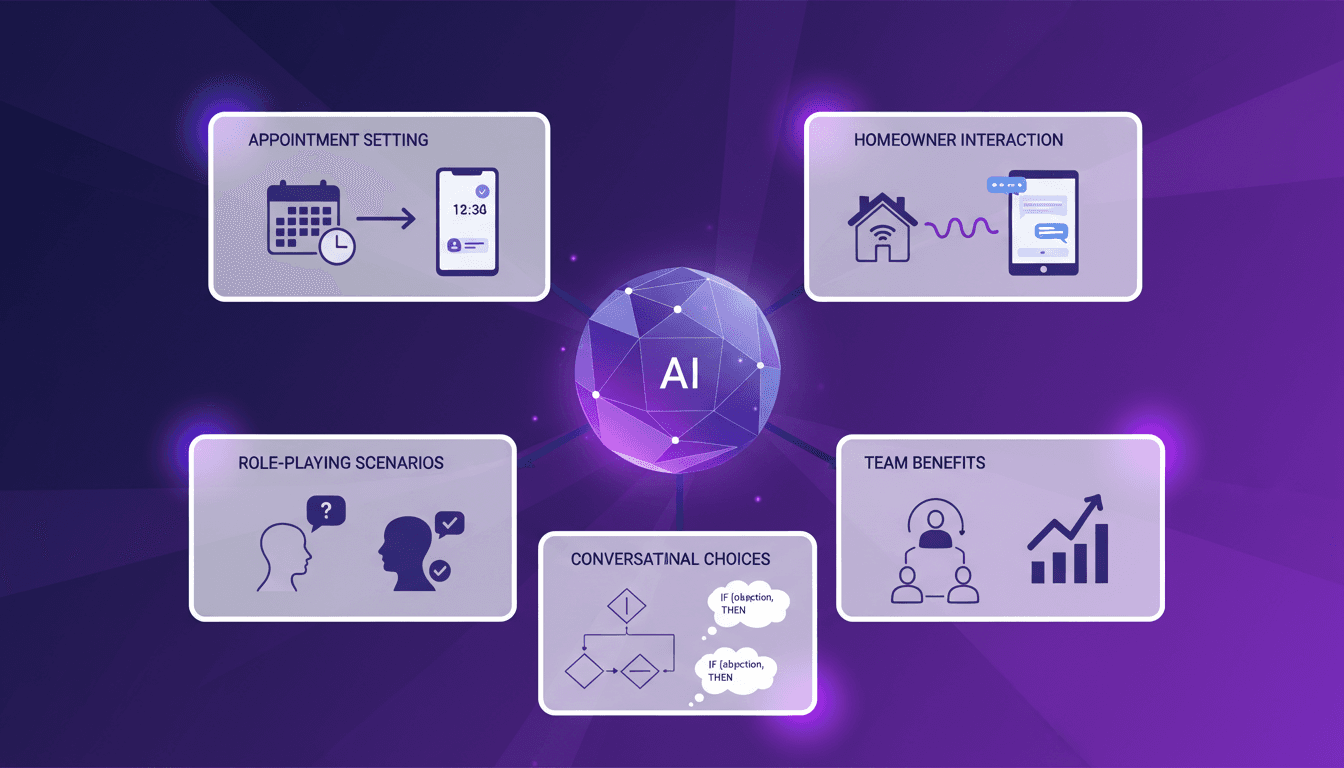
Handling Sales Objections with AI: Experience
I remember the first time I set up an AI lead manager to handle sales objections. It felt like handing over the keys to a new driver. The potential was massive, but I needed to see it in action to believe it. In today's lightning-fast sales world, efficiently responding to objections is crucial. AI lead managers are stepping up, promising to streamline processes and save time. But how do they really perform under pressure? I'll walk you through my integration process, role-playing scenarios, and interactions with homeowners. The benefits for teams are tangible, but watch out for the limits!
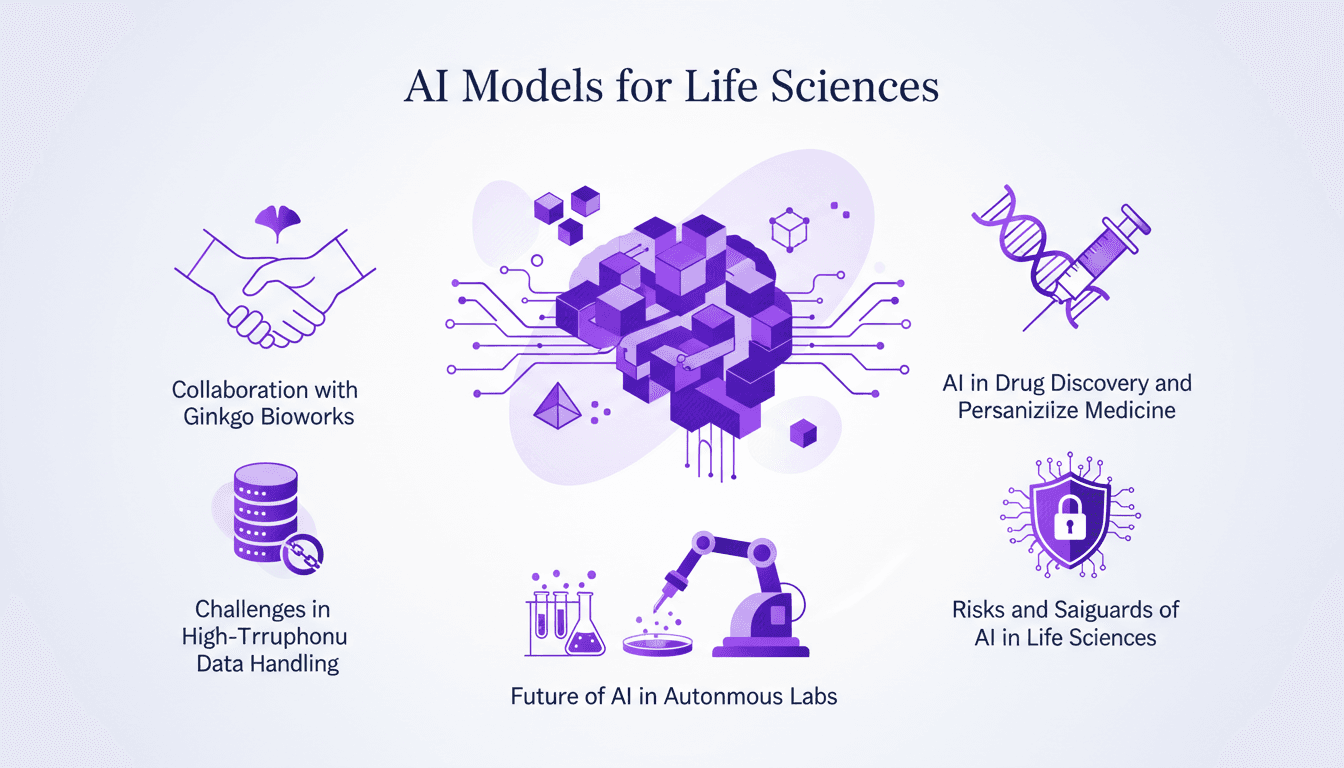
Building AI Models for Life Sciences: Guide
Knee-deep in AI for life sciences, I navigate a rapidly evolving landscape. Collaborating with giants like Ginkgo Bioworks means constantly rethinking our approaches. From handling massive data to drug discovery, every day is an adventure. AI is often hailed as a revolution, but beware of pitfalls: without safeguards, you might get burned. Join me as we dive into this fascinating world where innovation and caution must coexist to build the future.
Robots in Action: Revolutionizing Business
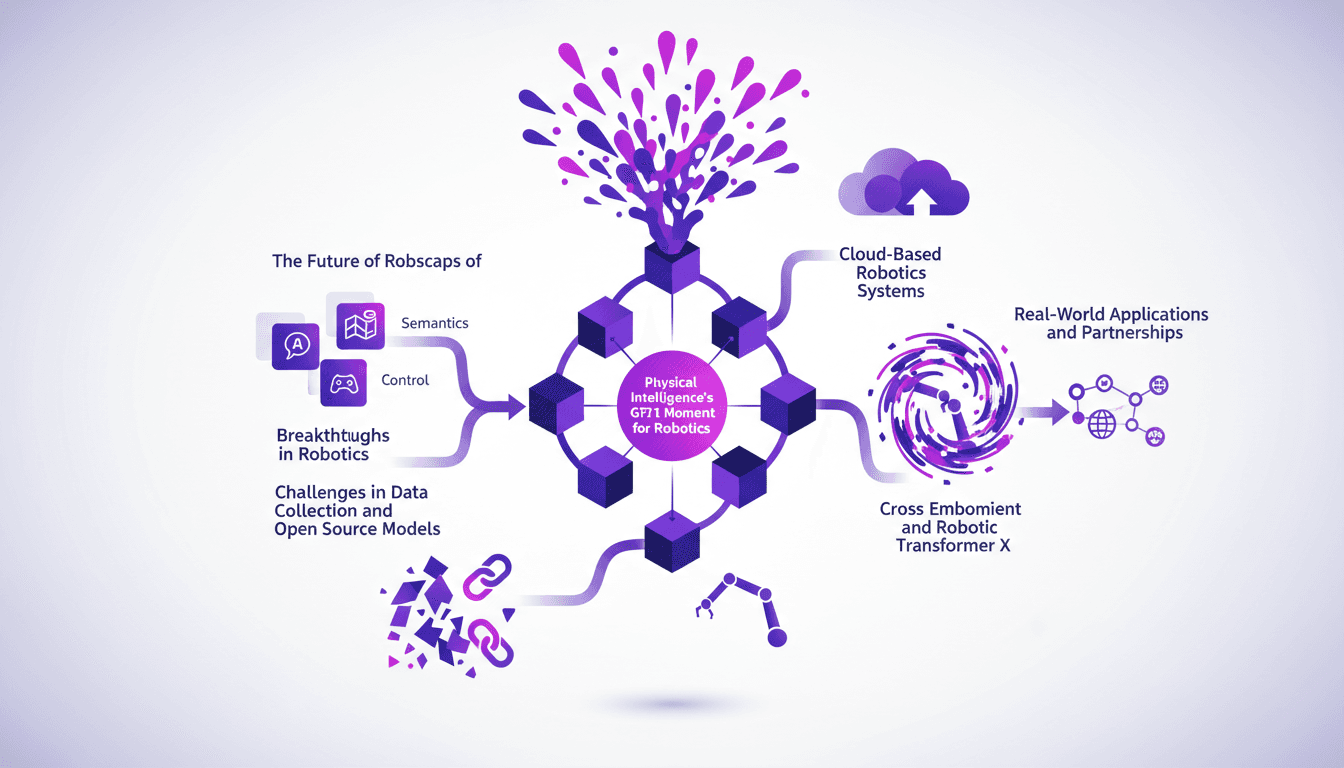
I remember the first time I saw a robot actually work in a real-world setting. Not a demo, not a prototype, but a robot doing exactly what it was built to do. This is the moment the robotics industry has been waiting for. With breakthroughs in semantics, planning, and control, and concepts like Physical Intelligence's GPT1 moment, we're witnessing a major transformation. But what does this mean for the business landscape and future applications? We're talking cloud-based robotics systems, real-world applications, and the Cambrian explosion of robotics. We've open sourced PI 0 and PIO5, and in two years, real deployment in companies is on the horizon. Why? Because generalist robots improve performance by 50% compared to specialist models. It's a game changer.