AI's Impact on Dev: Insights from Linear
I remember the first time AI dramatically sped up our feature shipping at Linear. It was a game changer, but not without its quirks. In this conversation, Tuomas Artman, CTO of Linear, and Gergely Orosz delve into AI's impact on software development. We explore how Linear leverages AI for bug fixing while upholding a zero bug policy. And trust me, 'Quality Wednesdays' is more than just a catchphrase. We also discuss the importance of customer feedback in shaping our product development. Lastly, we touch on our hiring culture and how we balance speed with quality.
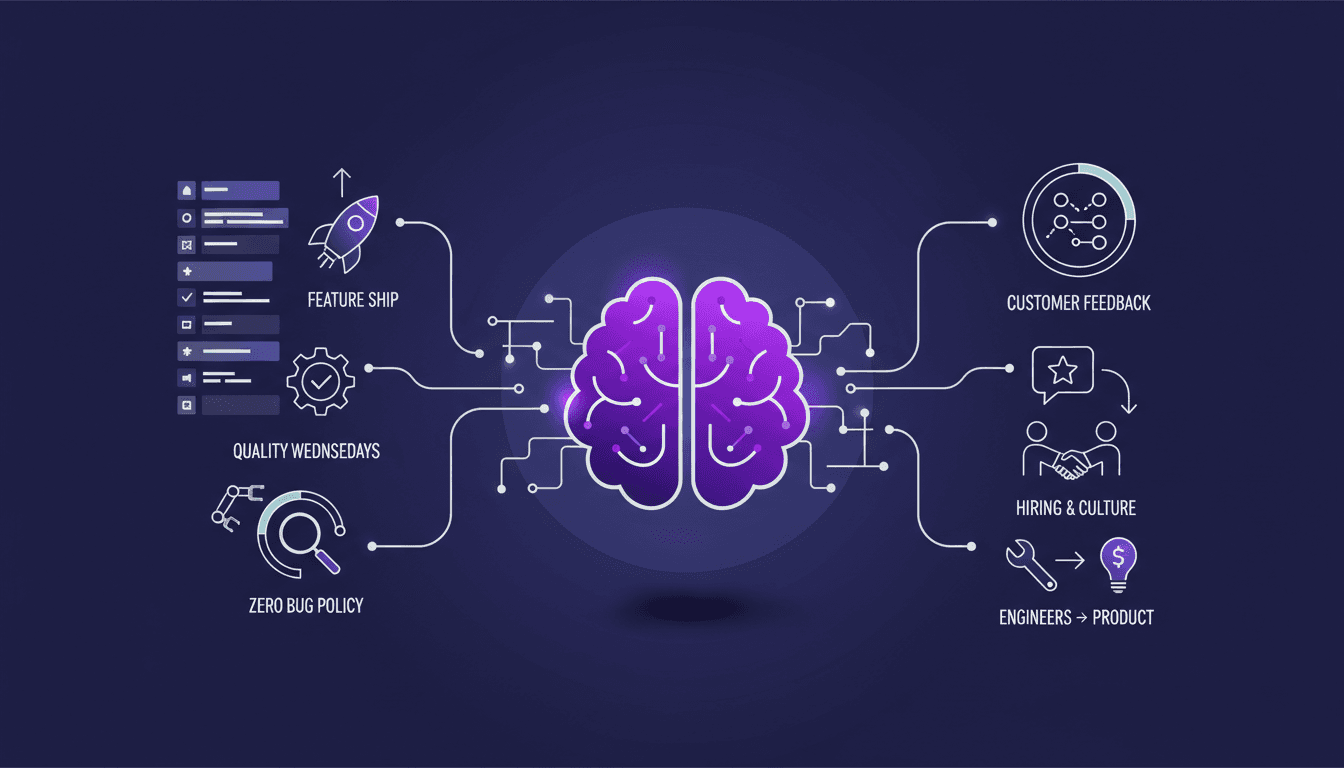
I remember the first time AI dramatically sped up our feature shipping process at Linear. It was a game changer, but not without its quirks. In a world where software quality and speed often clash, Linear's approach offers a balanced perspective. Picture this: 35 issues found in a tiny UI during a team review. That's where our zero bug policy, backed by AI, comes in, fixing errors swiftly and effectively. But it doesn't stop there. Our 'Quality Wednesdays' ensure that our codebase remains robust. And with customer feedback, we make sure every development decision is product-oriented. This isn't just theory; it's lived experience. Join us in a conversation with Tuomas Artman and Gergely Orosz, discussing the hiring practices and culture that shape the way we operate at Linear.
AI's Role in Speeding Up Feature Shipping
I've connected AI tools to our development pipeline to automate repetitive tasks. It's a game changer. Tasks that used to take hours or even days now take minutes. AI helps us predict and prioritize feature releases based on data-driven insights. But watch out: AI sometimes tends to over-prioritize features with less user feedback, so you need to keep a critical eye on it.
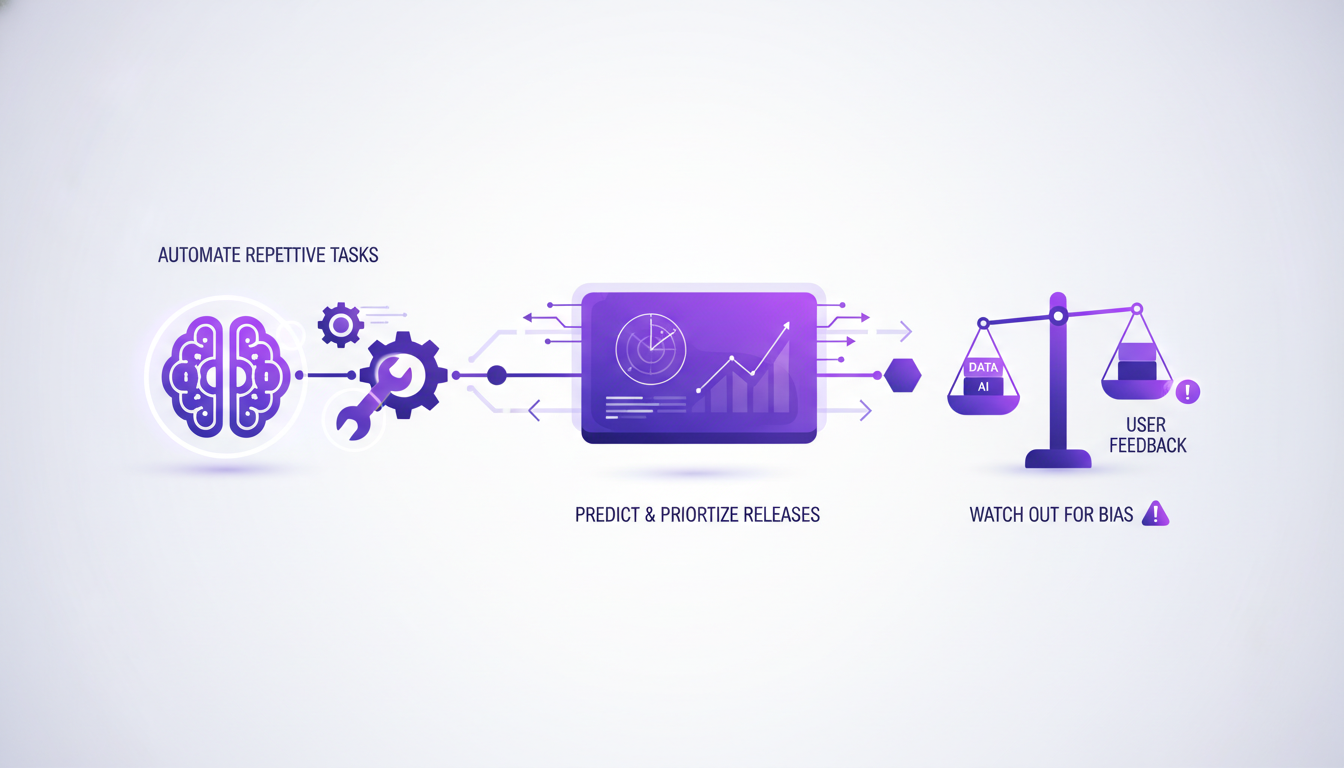
By integrating AI, our feature shipping is 50% faster than manual processes. The impact isn't just speed; it's about freeing up engineers for more creative work. Instead of getting bogged down with repetitive tasks, my team now has more time to innovate.
- AI automates repetitive tasks
- Predictive and data-driven prioritization
- Beware of misprioritization without user feedback
- 50% faster shipping due to AI
- Frees engineers for creative tasks
Maintaining Quality: The Linear Approach
At our place, it's zero tolerance for bugs: no new features until bugs are resolved. We've established Quality Wednesdays, dedicated to code reviews and bug fixes. I orchestrate team reviews where we found 35 issues in a tiny UI alone. Balancing new features with bug fixes is crucial to maintaining quality.
Customer feedback is a cornerstone in our quality assurance process. Without it, there's no way to know if we're on the right track. Listening to our users is how we constantly improve.
- Zero bug policy
- Quality Wednesdays for reviews and fixes
- 35 issues discovered in a small UI
- Balance between new features and quality
- Customer feedback as a compass
Zero Bug Policy and AI-Assisted Bug Fixing
AI assists us in identifying and automatically fixing 10% of our bugs. But let's be clear, I don't rely on it 100%. I foresee AI handling the majority of fixes in the future, but for now, manual checks remain essential. Our zero bug policy means we prioritize stability over new features.
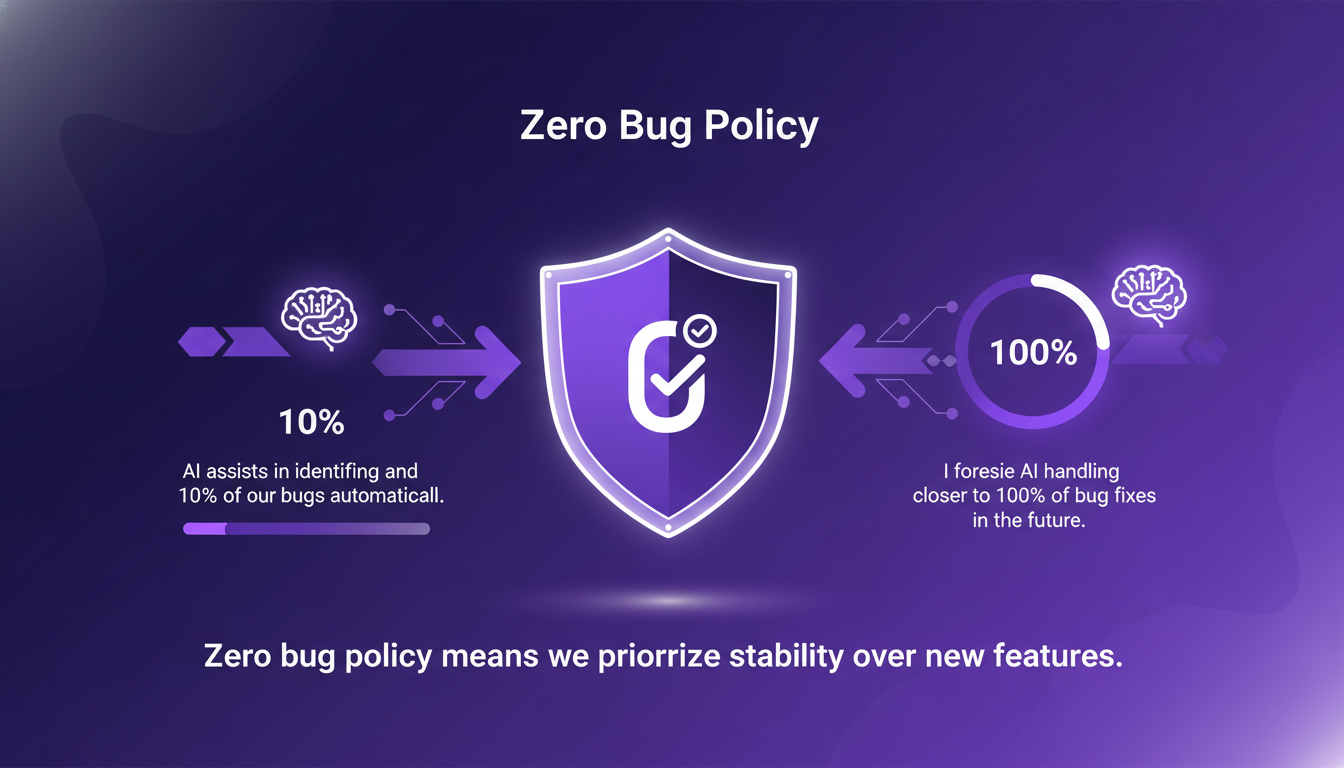
Implementing AI in bug fixing saves time but requires careful orchestration. Don't overuse it, or you'll end up with poor performance. It's a great tool, but you need to know how to use it right.
- 10% of bugs automatically fixed by AI
- Anticipation of greater AI management in future
- Priority to stability over new features
- Importance of manual checks
- Careful orchestration needed for AI
The Role of Engineers: Shifting Towards Product Orientation
Engineers aren't just coding anymore; they're involved in product decisions. I encourage my team to think like product managers, focusing on user needs. This shift is driven by customer feedback loops. It's not just about building; it's about building what matters.
"Steve Jobs said that great products come out of saying no to 999 things."
This approach aligns with Steve Jobs' philosophy of saying no to 999 things. It's not about doing more, but doing what is important. Involving engineers in product discussions enriches our development process.
- Engineers involved in product decisions
- Encouragement to think like product managers
- Shift driven by customer feedback
- Building what matters, not just building
- Alignment with Steve Jobs' philosophy
Hiring Practices and Culture at Linear
Our hiring focuses on cultural fit and product-oriented thinking. We look for engineers who are adaptable and can embrace AI tools. Team culture is built around continuous learning and feedback. I ensure new hires are aligned with our zero bug and quality-first approach.
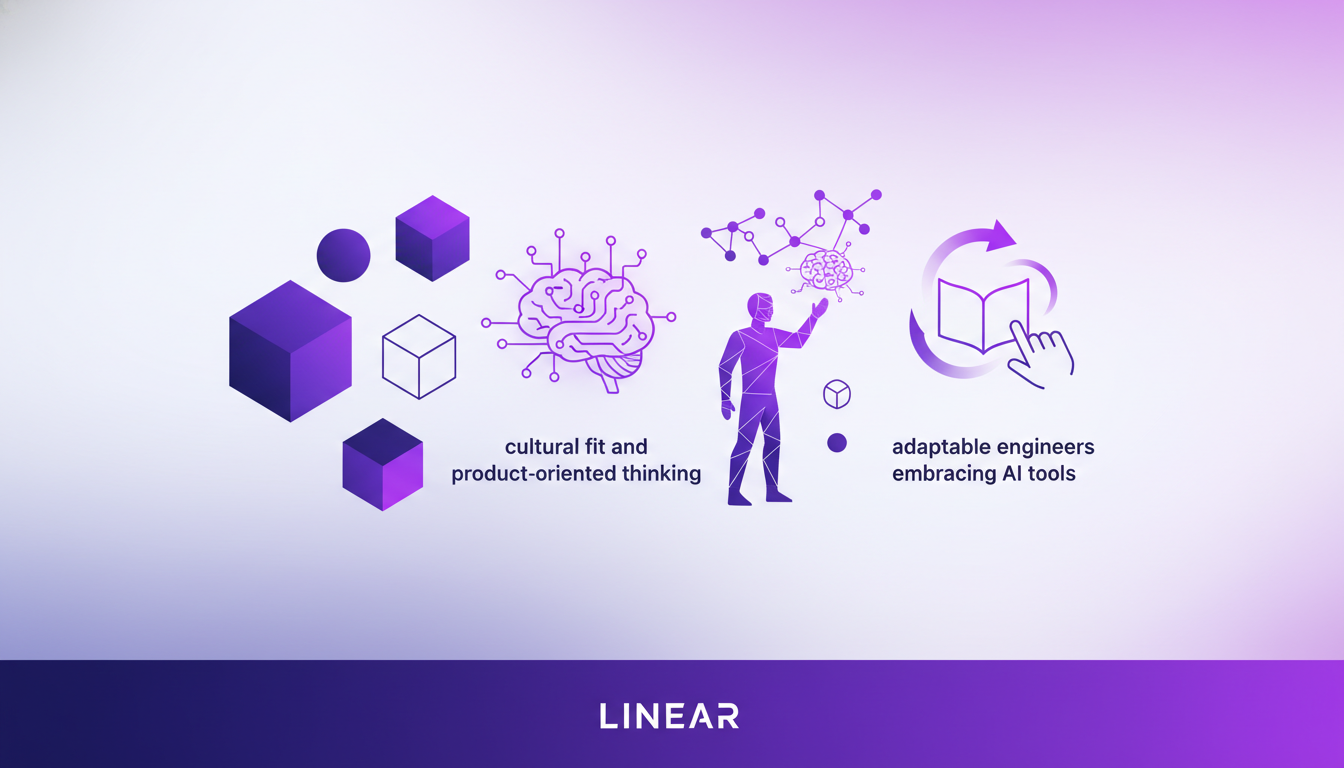
Hiring the right people is as crucial as the tech stack we build on. Without this synergy, even the best tools can't guarantee success.
- Focus on cultural fit and product thinking
- Looking for adaptable engineers
- Culture of continuous learning and feedback
- Alignment of new hires with our approach
- Crucial importance of the right hires
At Linear, AI is reshaping how we build and ship software, but let's not kid ourselves, it's no silver bullet. I've seen firsthand how balancing speed with quality is crucial. AI helps us move faster, but watch out for the bugs; it can get messy quickly. 'Quality Wednesdays' have been a game changer—they give the team a chance to pause and really refine, so don't underestimate this kind of ritual. I've also learned the importance of saying no to a lot of things, just like Jobs said, to keep the focus on what truly matters.
Looking ahead, let's integrate AI while staying human and product-focused. Ready to transform your development process? Start small, iterate, and let AI do the heavy lifting while you focus on innovation. For a deeper dive, I recommend watching the full video: 'Taste & Craft' with Tuomas Artman and Gergely Orosz. You'll find practical insights you can apply today.
Frequently Asked Questions

Thibault Le Balier
Co-fondateur & CTO
Coming from the tech startup ecosystem, Thibault has developed expertise in AI solution architecture that he now puts at the service of large companies (Atos, BNP Paribas, beta.gouv). He works on two axes: mastering AI deployments (local LLMs, MCP security) and optimizing inference costs (offloading, compression, token management).
Related Articles
Discover more articles on similar topics
AI's Impact: Challenges and Solutions in Dev
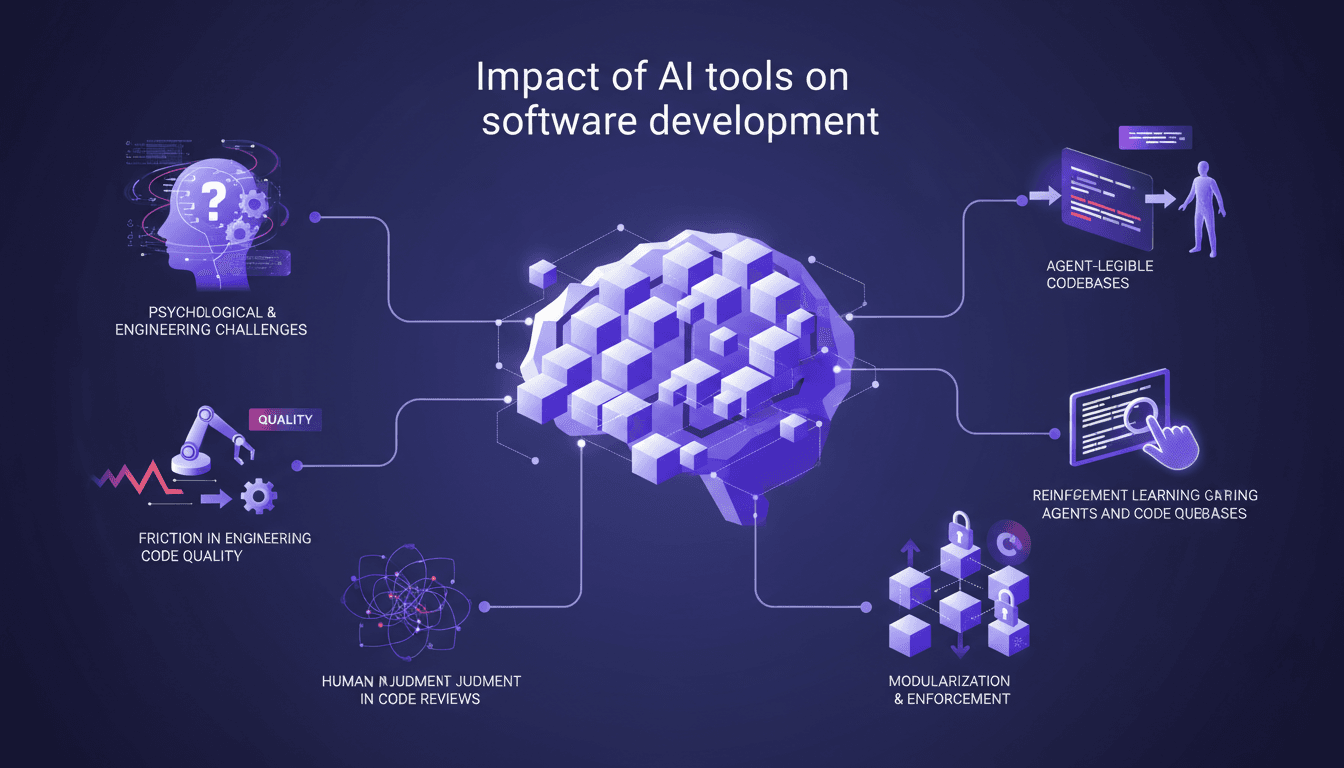
With over 20 years in software development, my last 12 months immersed in AI agents have been eye-opening. The friction isn't just technical—it's personal. It's about making judgment calls when AI tools suggest code changes that don't sit right. Armin Ronacher and Cristina Poncela Cubeiro illuminate AI's impact on development, covering both psychological and technical challenges. Their insights are crucial for integrating AI into your workflow while preserving human judgment.
Robotics Breakthroughs: A 10-Day Revolution
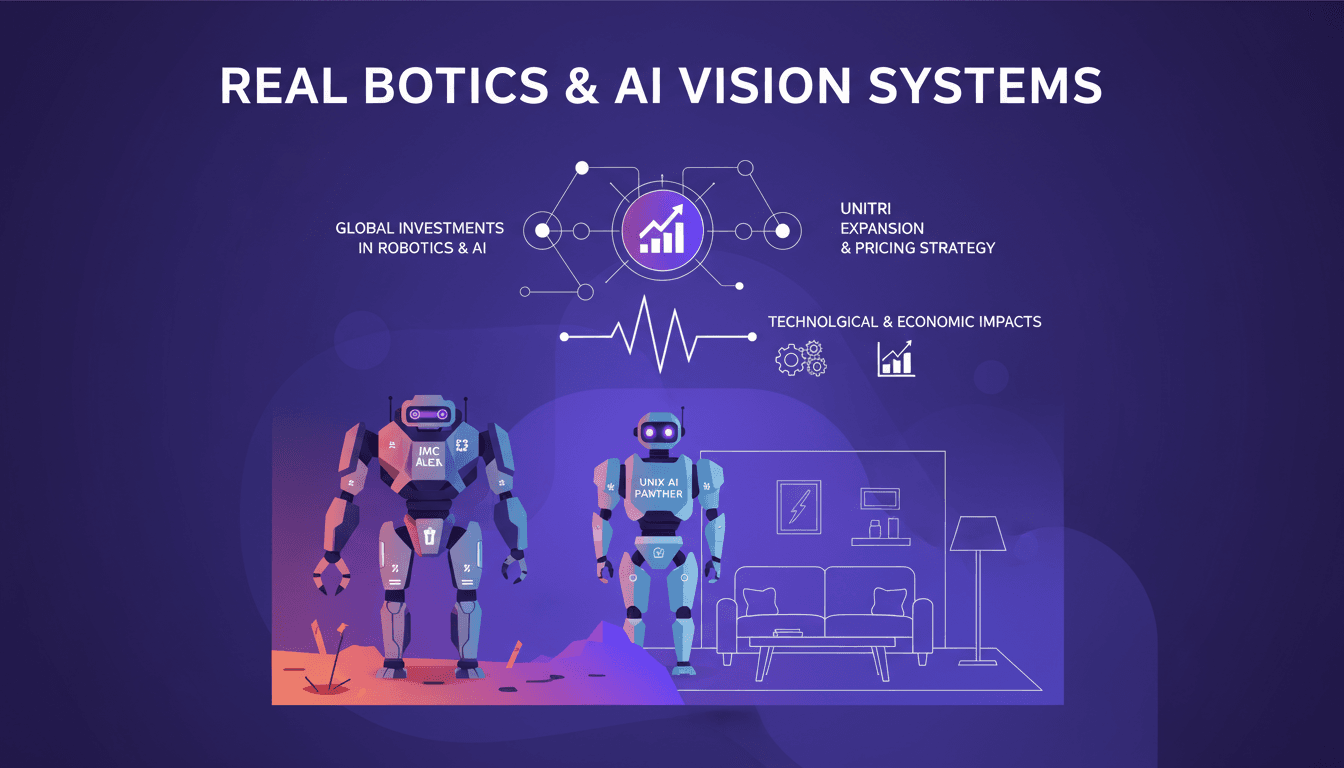
I've been in the robotics game for years, and let me tell you, the last 10 days have been wild. We’re talking about a seismic shift in humanoid robotics that nobody's really discussing yet. In this article, I'll walk you through what's happening on the ground: incredible advancements in humanoid robotics, the real tech behind AI vision systems, and what all this means for our industry. From Real Botics to Unitri, companies are pushing the boundaries of what robots can do, and it's not just tech talk—it's about real-world applications and market dynamics.
Handling Sales Objections with AI: Experience
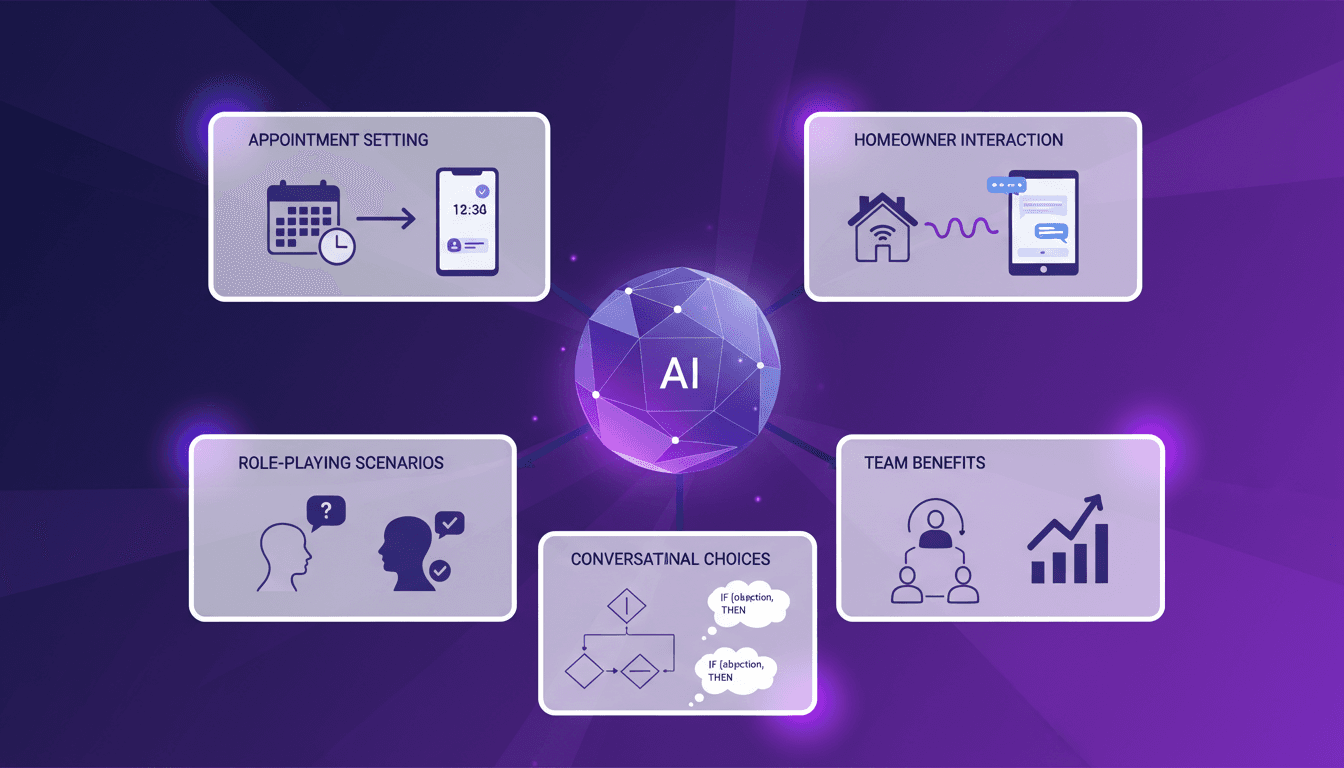
I remember the first time I set up an AI lead manager to handle sales objections. It felt like handing over the keys to a new driver. The potential was massive, but I needed to see it in action to believe it. In today's lightning-fast sales world, efficiently responding to objections is crucial. AI lead managers are stepping up, promising to streamline processes and save time. But how do they really perform under pressure? I'll walk you through my integration process, role-playing scenarios, and interactions with homeowners. The benefits for teams are tangible, but watch out for the limits!
AI Engineering: Successor to Web Development
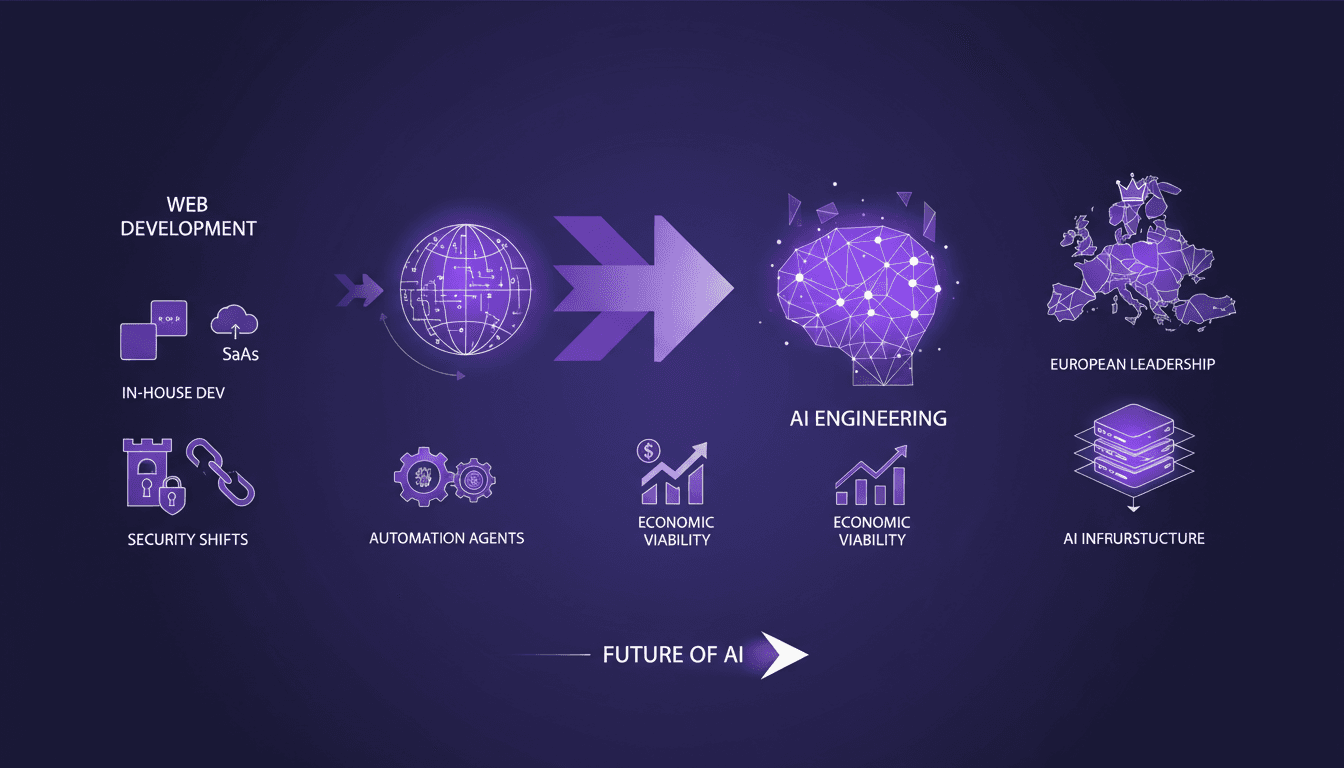
Having spent over 25 years in the trenches of software engineering, I can tell you that AI engineering is far more than just a buzzword—it's revolutionary. If you're still treating AI as a passing trend, you're missing the point. AI engineering is reshaping the tech landscape, succeeding web development with its automation agents, new security challenges, and transformative impact on software development. In this talk, let's dive into what this new application layer really means and why it's a game changer.
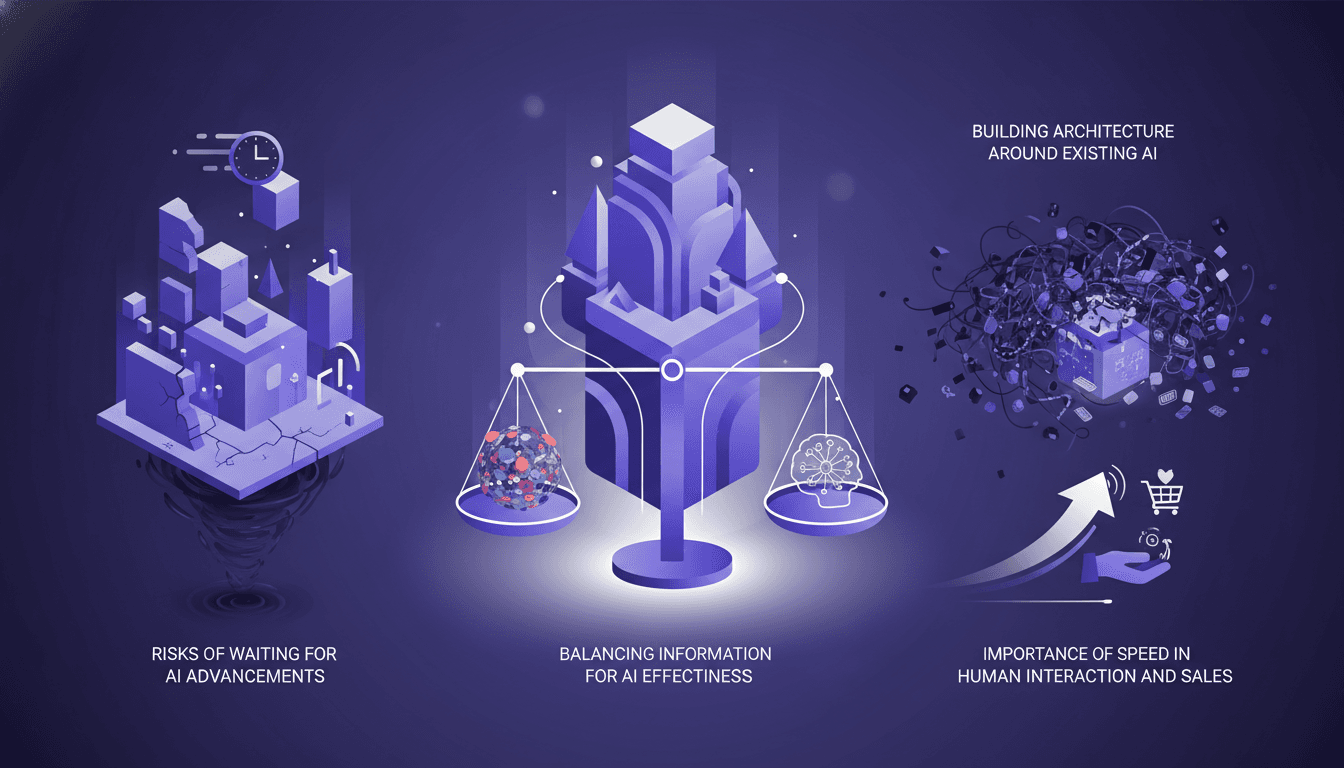
Balancing Info for AI Effectiveness
I've been deep in the trenches with AI systems, and if there's one thing I've learned, it's that waiting for the 'perfect' AI is a fool's game. I build around what we have now, balancing information input to optimize performance. In this episode, I share how this approach can transform your workflow. AI is evolving at breakneck speed, but sitting on our hands waiting for the next big breakthrough is a mistake. By leveraging existing AI capabilities effectively, we can achieve significant gains in efficiency and performance today. We'll dive into balancing information for AI effectiveness, building architecture around existing AI, the risks of waiting for AI advancements, the impact of excessive data on AI performance, and the importance of speed in human interaction and sales.