AI Engineering: Successor to Web Development
Having spent over 25 years in the trenches of software engineering, I can tell you that AI engineering is far more than just a buzzword—it's revolutionary. If you're still treating AI as a passing trend, you're missing the point. AI engineering is reshaping the tech landscape, succeeding web development with its automation agents, new security challenges, and transformative impact on software development. In this talk, let's dive into what this new application layer really means and why it's a game changer.
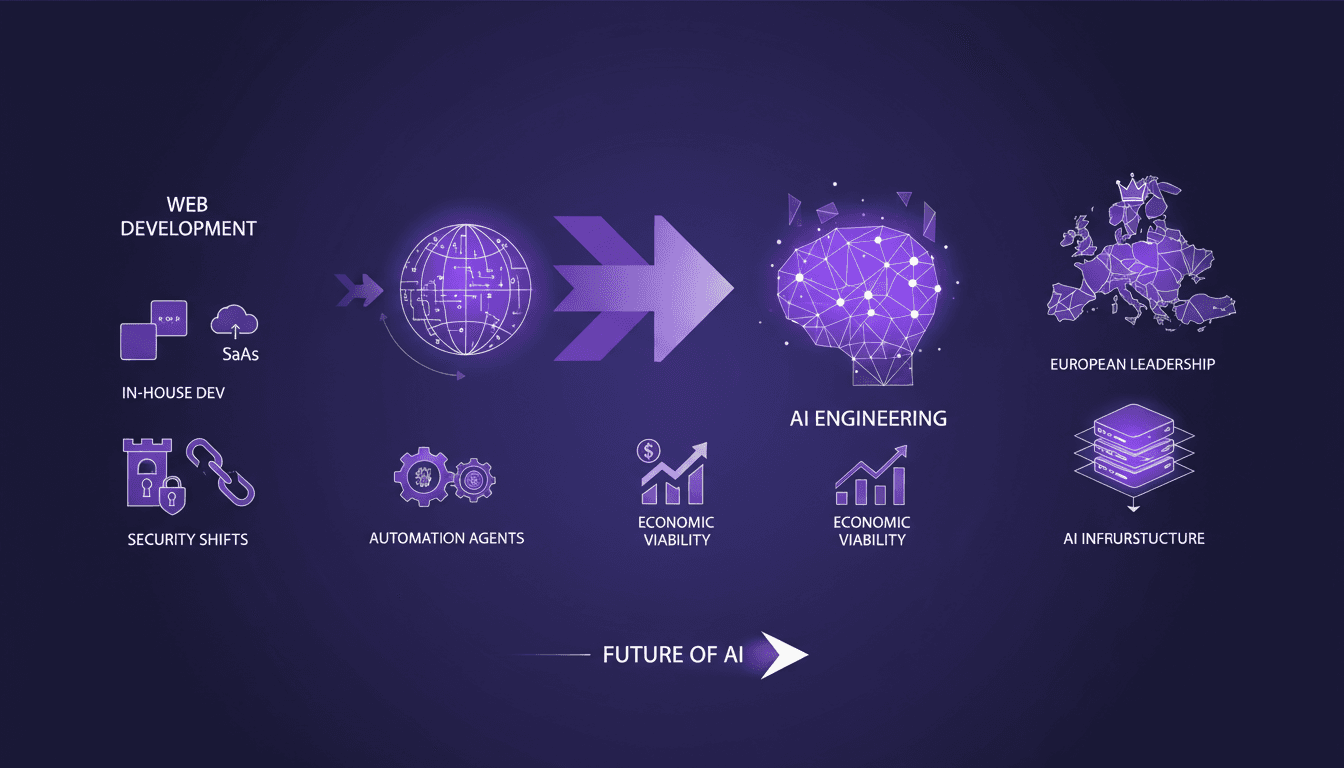
I've been in the trenches of software engineering for over 25 years, and the shift I'm seeing towards AI engineering is nothing short of revolutionary. If you're still treating AI as a buzzword, you're missing the boat. We're talking about the next big thing after web development. AI engineering isn't just a continuation; it's a whole new paradigm. Imagine building automation agents, rethinking software development, and tackling security challenges in ways we hadn't imagined a decade ago. This talk delves into how Europe is leading the charge, the economic viability of these agents, and why application layers are crucial for AI innovation. So, let's dive into this new technological era together.
AI Engineering: The New Frontier
From my 25 years of experience in software engineering, I can confidently say AI engineering is poised to become the rightful successor to web development. It's more than just an evolution; it's a transformation that leads us toward complex systems capable of learning and adapting. We're not just dealing with static codebases anymore; we're diving into dynamic, intelligent systems.
The economic viability of AI agents is literally transforming software production. These agents allow for the automation of tasks that were previously deemed economically unviable. Imagine a world where every repetitive task is optimized by intelligent agents, freeing up teams to focus on innovation. It's a paradigm shift that redefines how we conceive and use software.
"AI engineering is the rightful successor to web development for the next decade."
Building Automation Agents for Efficiency
Automation agents are not just tools; they are catalysts for productivity. I've seen entire teams transform their workflows by integrating these agents, significantly reducing the time spent on repetitive tasks. However, this requires a shift in mindset. We're no longer coding linearly; we're orchestrating systems capable of adapting and evolving.
But watch out, don't over-rely on automation. Always have a manual backup. From experience, it's easy to get carried away by apparent efficiency and neglect necessary human oversight. I've seen projects fail because they didn't plan for a Plan B. Trust me, the impact on team morale can be devastating.
- Free up time for innovation.
- Never underestimate the importance of a backup plan.
- Use agents to automate repetitive tasks, but keep human control.
In-House Development vs. SaaS
There's a shift towards developing in-house solutions instead of relying on SaaS. As someone who's orchestrated numerous projects, I can say building in-house offers better control over customization and security. That said, it requires significant investment in talent and infrastructure.
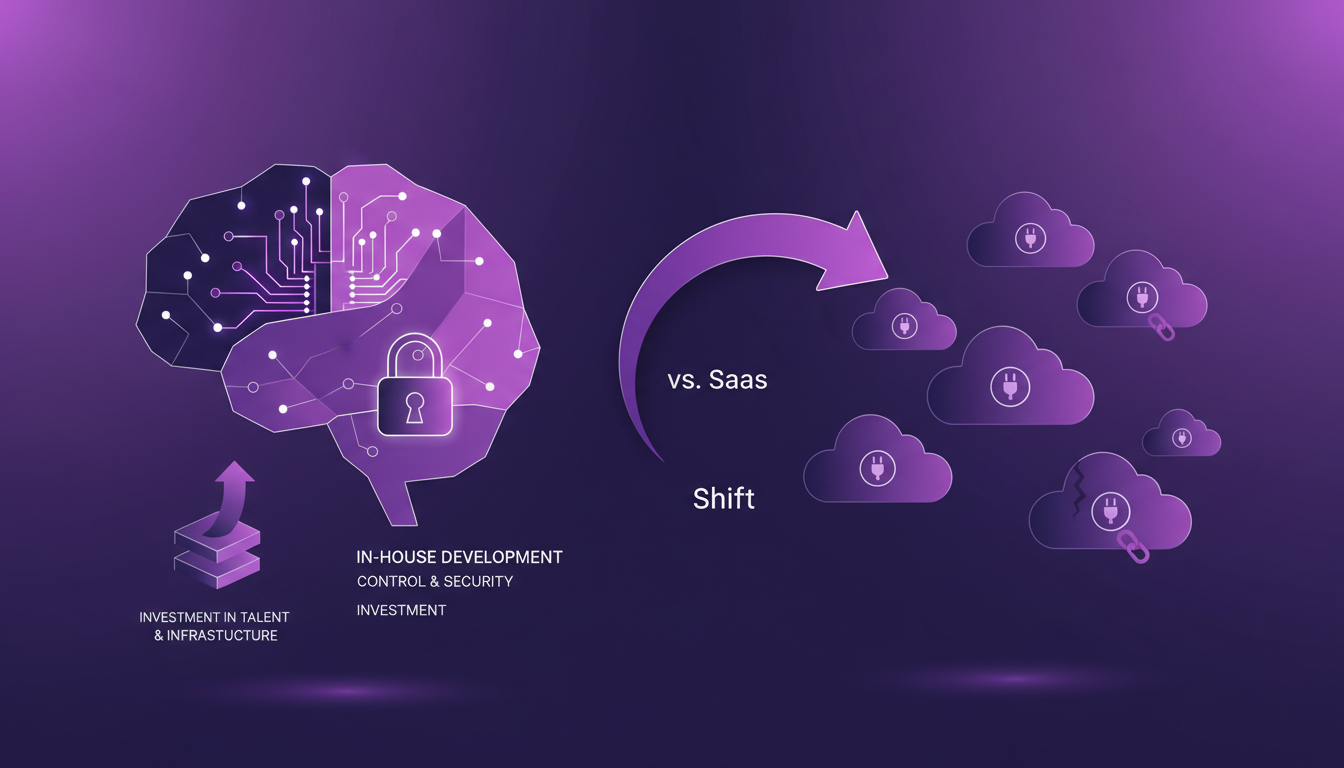
What I've learned is that you must balance cost and control. Sometimes SaaS is the better choice, especially when implementation time is critical. I've been burned by in-house projects that took months when a SaaS solution would have been deployed in weeks. But beware, SaaS can also hide recurring costs that quickly add up.
- In-house development = more control.
- SaaS = rapid deployment but recurring costs.
- Balance between cost and customization.
Security Paradigms in the AI Era
AI introduces new security challenges that we hadn't anticipated. Understanding these challenges is crucial for safe deployment. This is where Europe leads by setting standards for secure AI engineering.
Security isn't just about protection; it's about anticipating threats. I've seen companies neglect this aspect and pay the price. In today's context, it's imperative to remain open to paradigm shifts in security, especially with the rise of AI agents.
- Anticipate threats, don't just react.
- Follow European standards for enhanced security.
- Stay agile in the face of new vulnerabilities.
The Future of AI Models and Infrastructure
AI models are becoming more sophisticated and resource-intensive. Infrastructure needs to evolve to support these advanced models. By 2026, we expect AI to be integrated into most business processes. Investing in scalable infrastructure is crucial for future-proofing your systems.
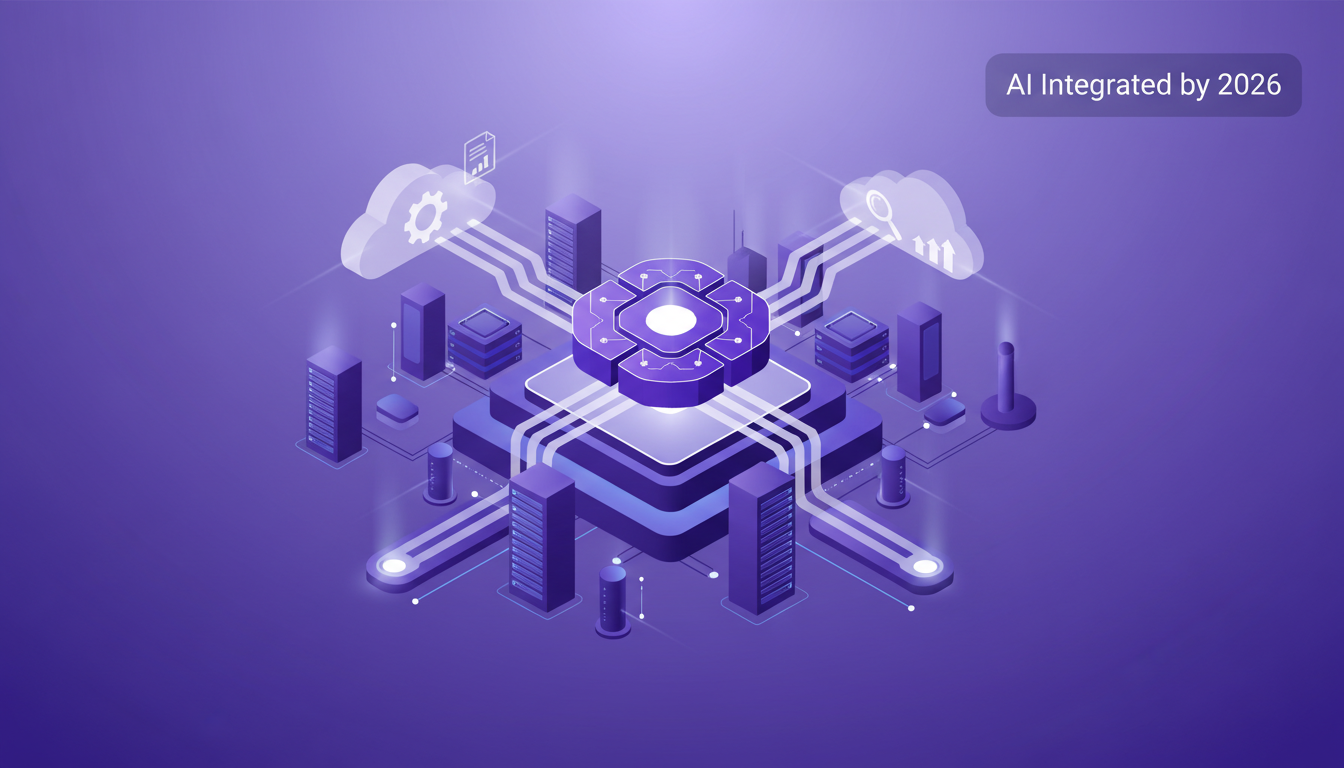
I've seen companies stumble by neglecting this aspect, thinking their current infrastructure would suffice. Don't make this mistake. Prepare to invest in scalable solutions that can adapt to the rapid evolution of AI. Infrastructure needs to be as dynamic as the systems it supports.
- Invest in scalable infrastructure.
- Prepare for full AI integration by 2026.
- Don't underestimate the resource needs of advanced AI models.
In the software development landscape, AI engineering isn't just a trend; it's undeniably the future. With over 25 years in the field, I've seen how automation agents are reshaping our coding practices. First, we focus on automation to boost efficiency and cost savings. Next, security cannot be an afterthought—it's critical from the get-go. Lastly, striking the right balance between in-house development and SaaS solutions is key to fully harnessing AI's potential. But remember, challenges like assessing infrastructure needs are always present.
The future is bright, but it requires skillful navigation between opportunities and limitations. I strongly encourage you to dive into AI engineering today. Experiment with building agents, assess your infrastructure needs, and stay vigilant about security challenges. The future is here, and it's AI-driven. For a deeper understanding, watch Malte Ubl's video "The New Application Layer" on YouTube.
Frequently Asked Questions

Thibault Le Balier
Co-fondateur & CTO
Coming from the tech startup ecosystem, Thibault has developed expertise in AI solution architecture that he now puts at the service of large companies (Atos, BNP Paribas, beta.gouv). He works on two axes: mastering AI deployments (local LLMs, MCP security) and optimizing inference costs (offloading, compression, token management).
Related Articles
Discover more articles on similar topics
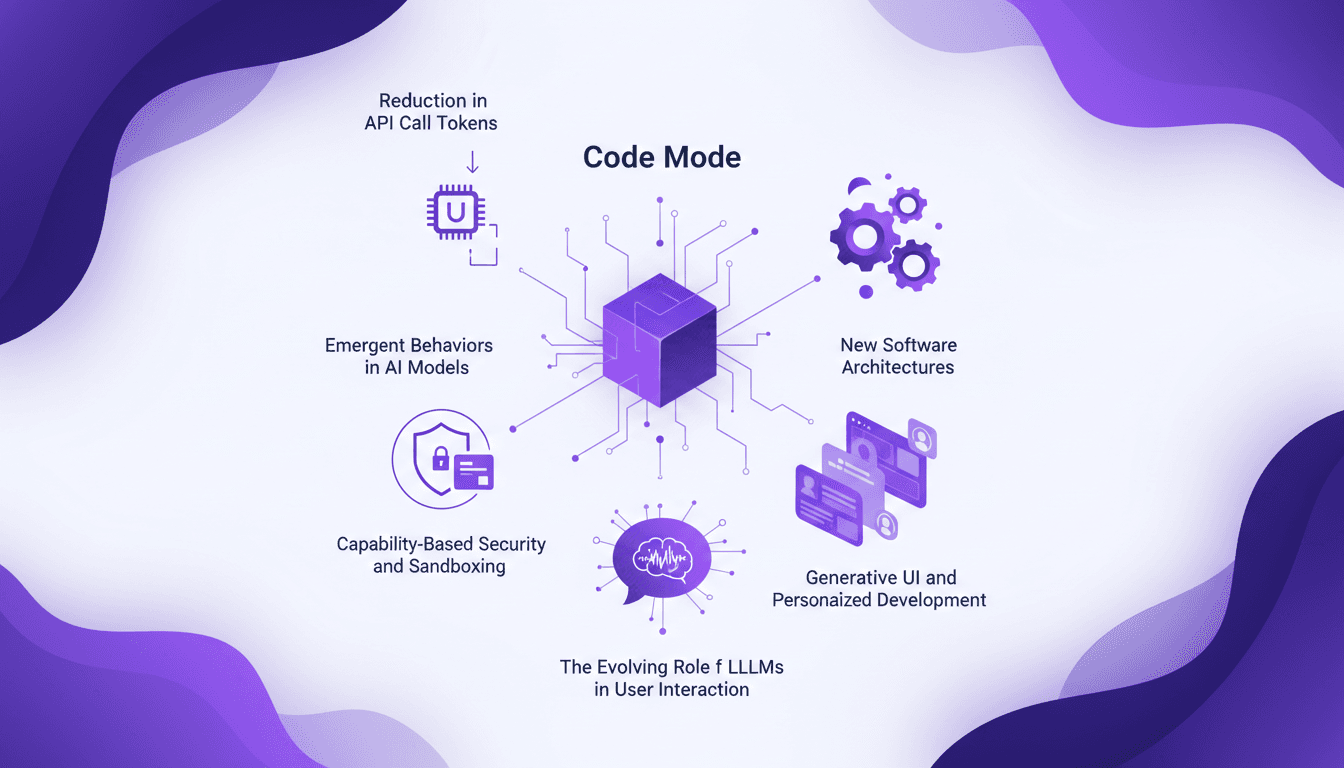
Code Mode: Slash API Calls Efficiently
I've been in the trenches with API calls, and let me tell you, Code Mode is a game changer. First, I was skeptical, but then I saw the 99.9% reduction in token usage. Let's dive into how this works and why it matters in today's tech landscape. Code Mode isn't just about slashing API calls; it transforms how we engage with AI models, capability-based security, and even generative UIs. It's not just hype—it's the next step for more efficient and secure software architecture.
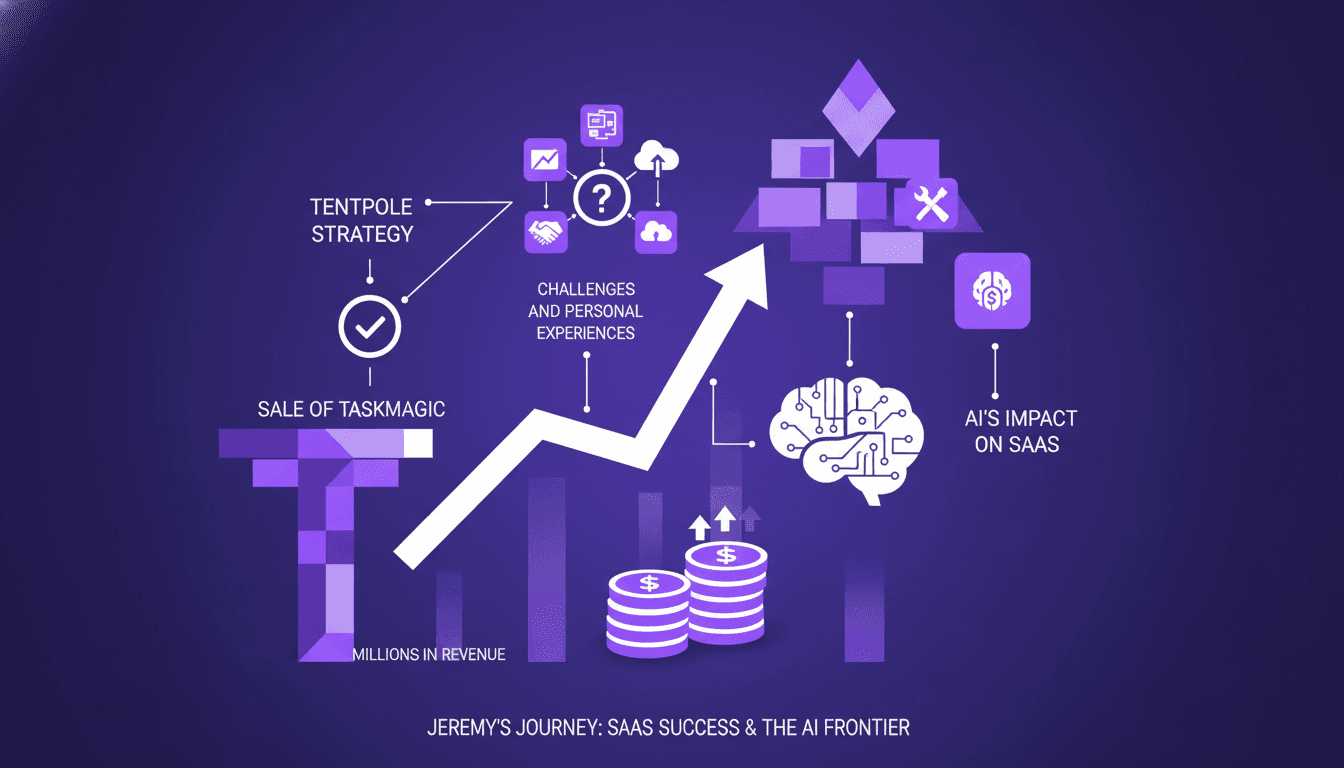
Selling Taskmagic: SaaS Strategies for Millions
I spent 24 hours with Jeremy, the mastermind behind Taskmagic—a SaaS that not only reached 60,000 users but also brought in $3 million annually. Watching Jeremy navigate the sale of his company for millions was eye-opening. In the SaaS world, scaling and selling a business isn't just about numbers—it's about strategy, resilience, and foresight. Jeremy's journey with Taskmagic offers a blueprint for aspiring entrepreneurs. We delved into Taskmagic's rapid growth, the cornerstone strategies that fueled its success, and the impact of AI on the SaaS industry. Each challenge faced, each decision made, was a lesson in itself.
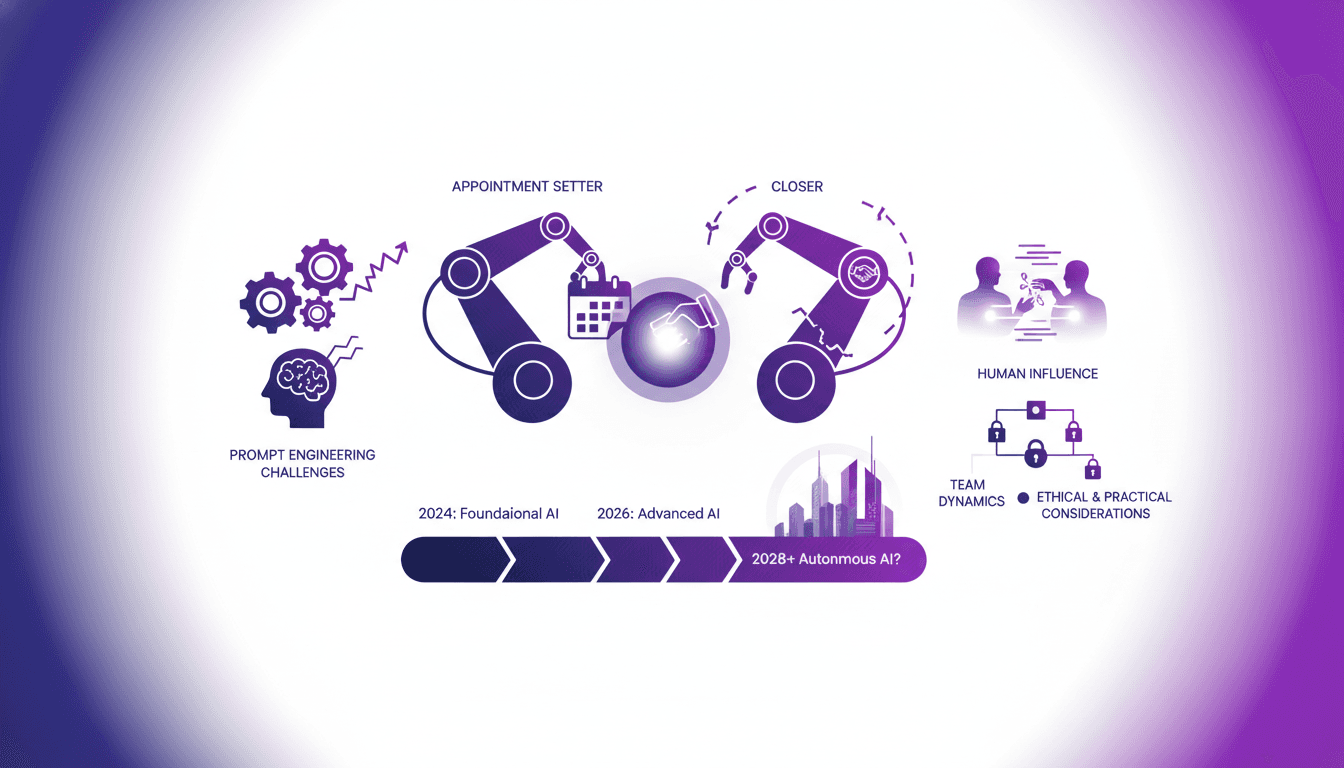
AI in Sales: Current Limits and Future Potential
I've been in sales for over a decade, and AI is seriously shaking things up. But let's be clear: AI isn't closing deals yet, but it's getting closer than you'd think. In this article, I'm diving into the real-world applications of AI in sales, the current limitations, and where we're heading. Let's talk about what works, what doesn't, and what's just around the corner. We'll tackle challenges in prompt engineering for sales, the impact on sales teams and business strategies, and the ethical and practical considerations. Get ready to see how AI might just revolutionize sales in the coming years.
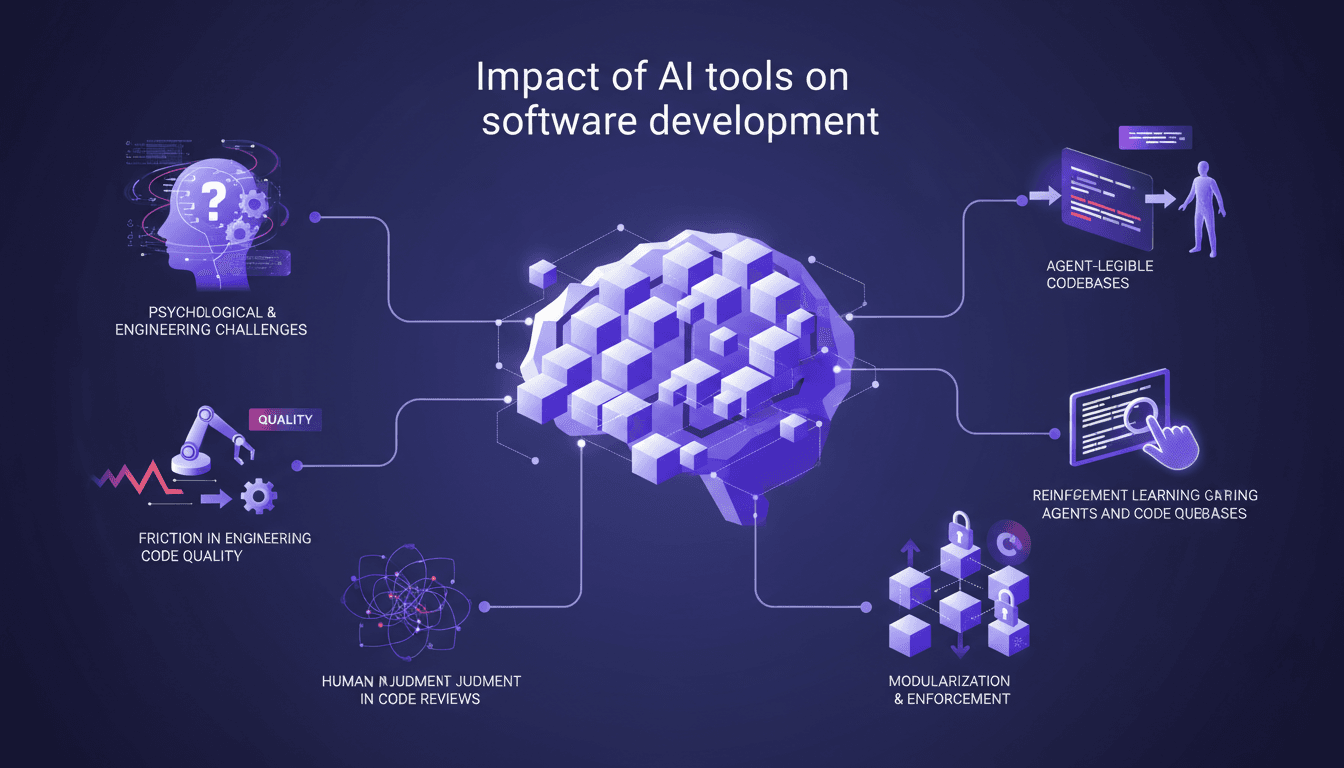
AI's Impact: Challenges and Solutions in Dev
With over 20 years in software development, my last 12 months immersed in AI agents have been eye-opening. The friction isn't just technical—it's personal. It's about making judgment calls when AI tools suggest code changes that don't sit right. Armin Ronacher and Cristina Poncela Cubeiro illuminate AI's impact on development, covering both psychological and technical challenges. Their insights are crucial for integrating AI into your workflow while preserving human judgment.
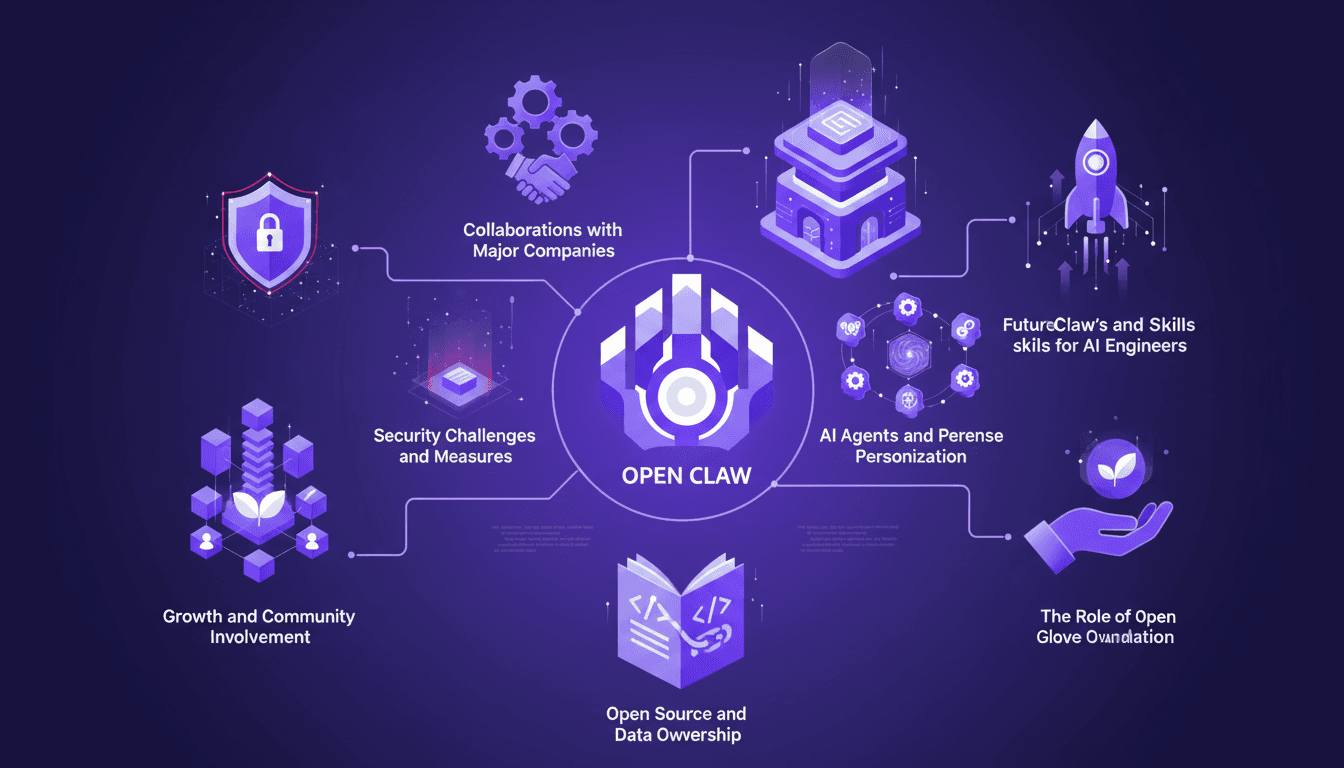
Open Claw Growth & Security: Practical Insights
I jumped into Open Claw five months ago, and it's been a whirlwind ride! This open-source project, boasting 30,000 GitHub stars, isn't just another project—it's a movement. But with growth come challenges, especially in security. I've been in the trenches tackling vulnerabilities (like that Gshjp issue with a CVSS score of 10). Collaborating with major companies also brought its own set of complexities. In this article, I share what's working, what's not, and where we're headed. Get ready for the real story, straight from the trenches.