Open Claw Growth & Security: Practical Insights
I jumped into Open Claw five months ago, and it's been a whirlwind ride! This open-source project, boasting 30,000 GitHub stars, isn't just another project—it's a movement. But with growth come challenges, especially in security. I've been in the trenches tackling vulnerabilities (like that Gshjp issue with a CVSS score of 10). Collaborating with major companies also brought its own set of complexities. In this article, I share what's working, what's not, and where we're headed. Get ready for the real story, straight from the trenches.
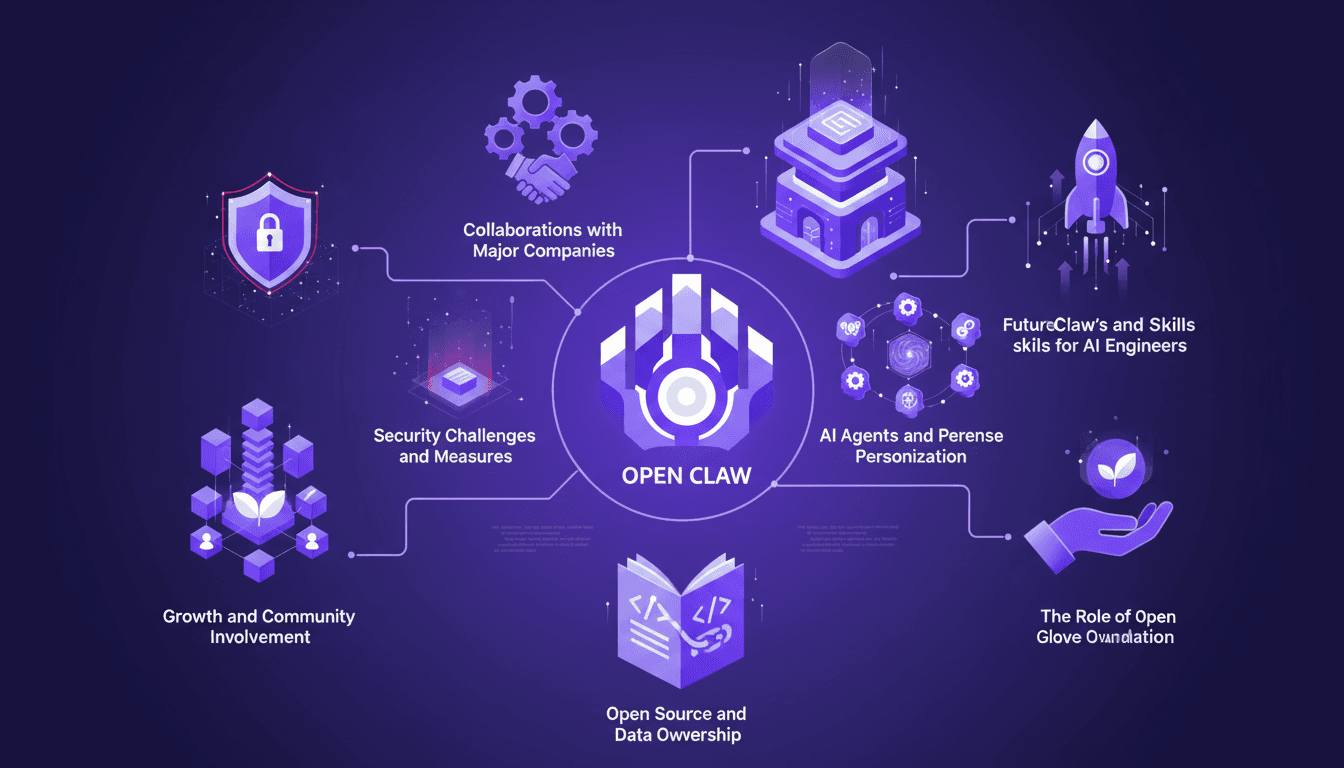
I jumped into Open Claw five months ago, and let me tell you, it's been a whirlwind. With 30,000 GitHub stars, this isn't just another open-source project—it's a full-on movement. But with such explosive growth, there are challenges. Security has been a major hurdle, and I've been burned more than once dealing with critical vulnerabilities like the Gshjp issue (a solid CVSS score of 10 for context). The community has grown exponentially, and collaborating with major companies has sometimes been a real headache. I've had to orchestrate innovative solutions, and here I'll share what's working, what's not, and where we're headed. This isn't just theory—this is raw experience, straight from the trenches. Ready to dive into the world of Open Claw with me?
Growth and Community Involvement
When I joined the Open Claw community, the growth was already staggering. Achieving 30,000 stars on GitHub in just 5 months is unprecedented. Such growth attracts a swarm of users, and surprisingly, 30 to 40% of this audience actively runs Open Claw. This community involvement is both a blessing and a challenge. Yes, it allows for faster development thanks to diverse contributions, but beware of the pitfalls of rapid growth: maintaining quality becomes a real headache.
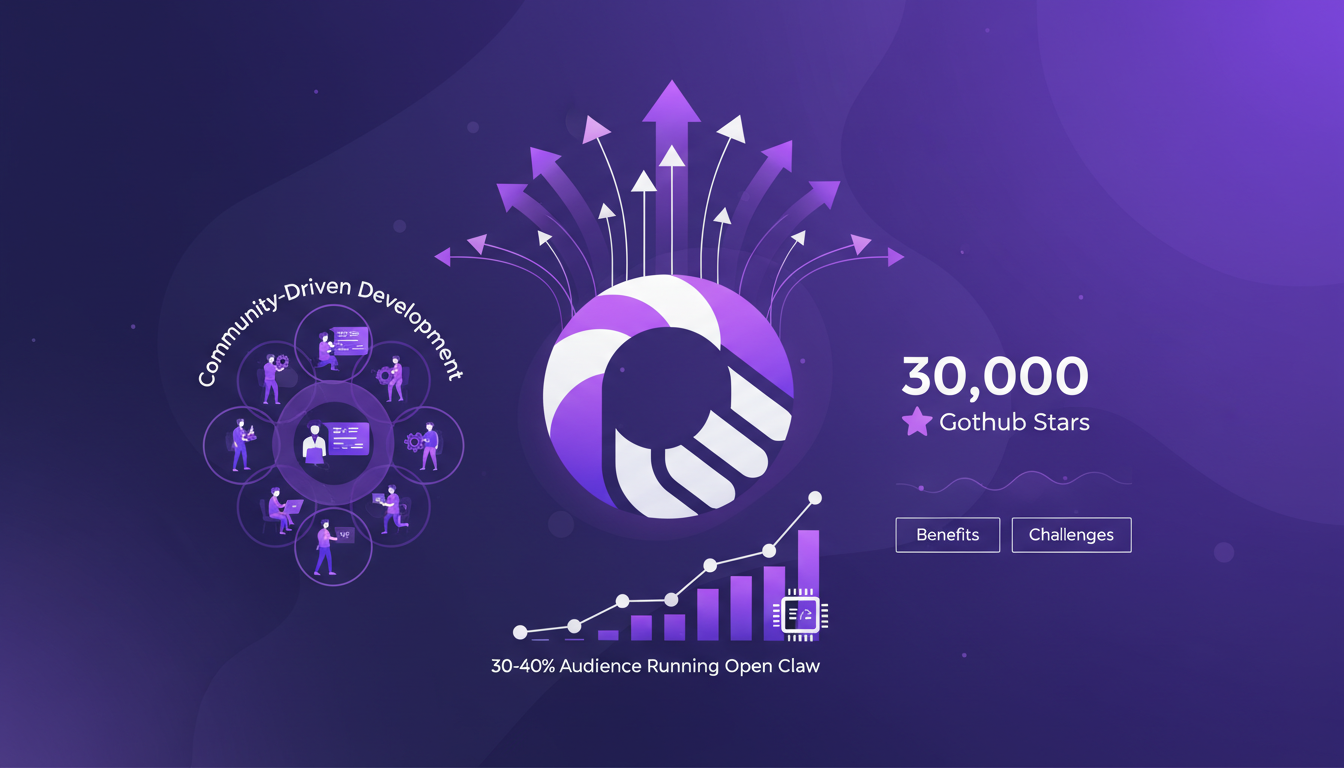
I started by contributing to side projects, but quickly dove into the core development. The community is dynamic, but there's always the risk of letting speed overshadow quality. Sometimes, it's better to slow down to do things right. This is a lesson I learned the hard way.
- 30,000 GitHub stars in 5 months
- 30-40% of users actively run Open Claw
- Maintaining quality in a rapidly growing project
Security Challenges and Measures
Security has been a real headache, especially with a CVSS score of 10 for some issues (the maximum severity). Imagine that level of threat, and you'll understand why I've had to implement solid measures like sandboxing to mitigate Remote Code Execution (RCE) risks. I got burned by a prompt injection I underestimated. It's the kind of threat that can ruin your project if you're not careful.
I've learned that certain security measures really work:
- Sandboxing to isolate processes
- Continuous monitoring of security vulnerabilities
- Collaboration with companies to reinforce defenses
Collaborations with Major Companies
Working with giants like Nvidia, Microsoft, and Red Hat has been crucial for advancing Open Claw. These partnerships aren't just about branding; they truly steer the project's direction. I've seen how these collaborations can influence technical decisions, but there's always this dilemma: how far to let a company influence without sacrificing community autonomy?
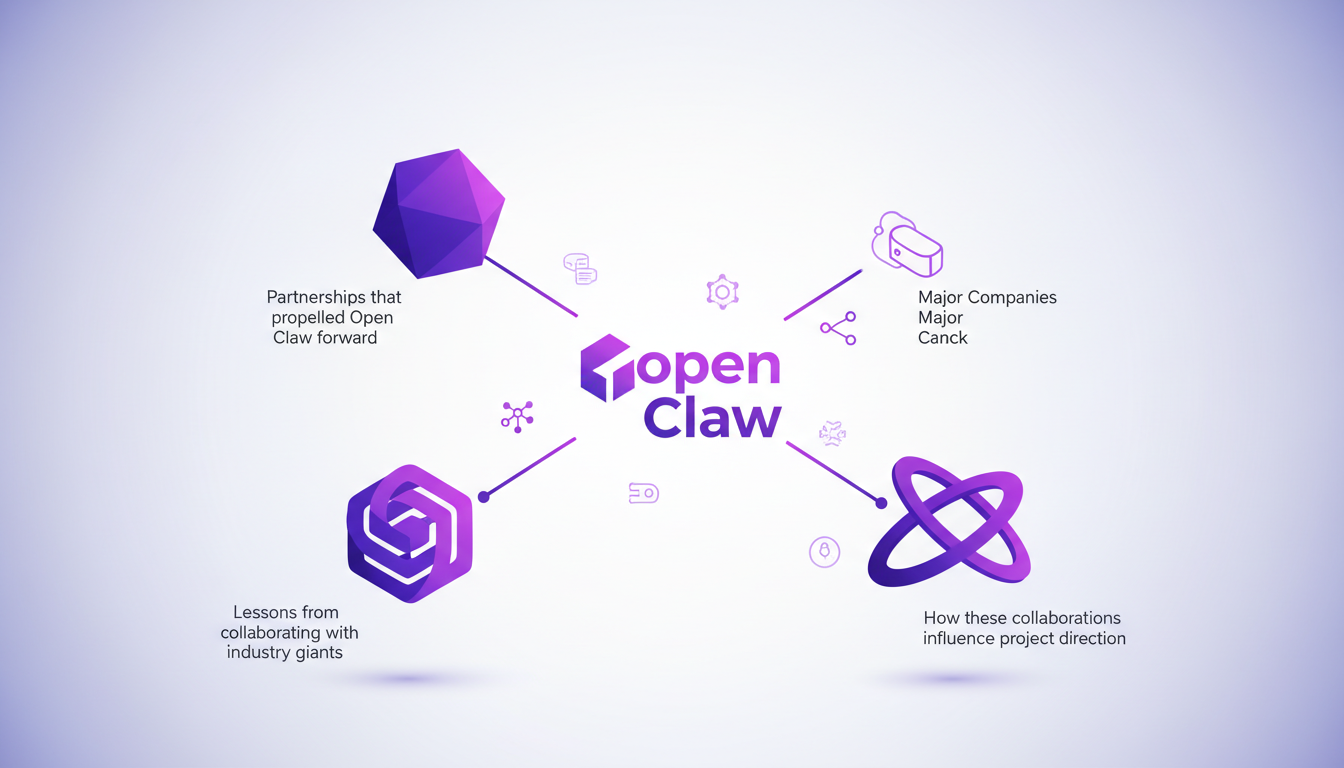
The terms of these collaborations must ensure open-source integrity, which isn't always simple to negotiate.
Open Claw's Architecture and Security Features
Open Claw's architecture is robust, no doubt. As a developer, I leverage it to orchestrate my projects effectively. The built-in security features, like sandboxing personal agents, are essential to prevent data exfiltration. However, not all features are as effective as they claim to be.
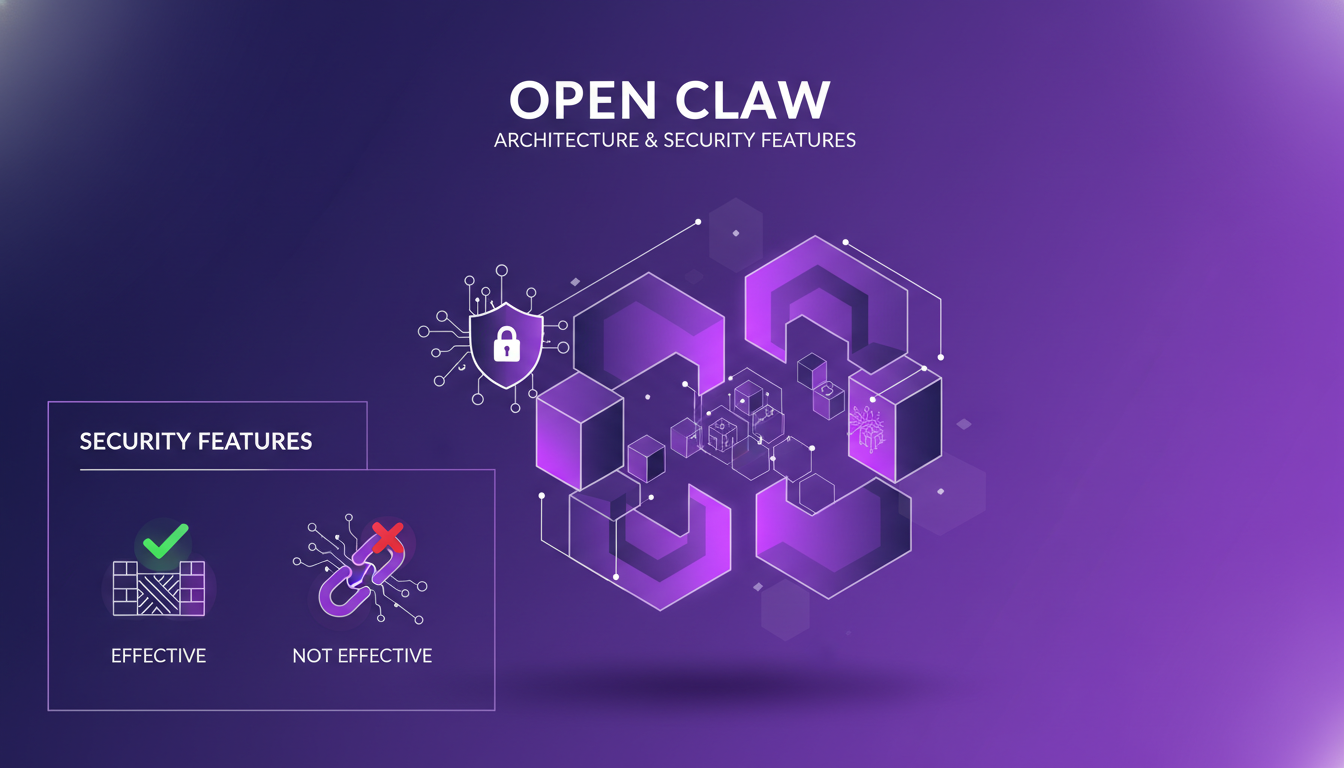
Beware of overcomplicating the architecture at the expense of performance. Sometimes, a simple solution well executed is better.
- Sandboxing agents to prevent data leaks
- Balance between security and performance
Future Directions and Skills for AI Engineers
AI engineers need to prepare for the rapid evolution of Open Claw. Emerging skills include AI agent personalization and a deep understanding of open-source architectures. The future of this project seems promising, but we must ensure innovation doesn't outpace practical application.
I see Open Claw moving towards increased AI agent personalization, but this raises questions about data ownership and open source. It's crucial to stay vigilant in this regard.
- Skills in AI agent personalization
- Importance of data ownership in open source
Ultimately, the future of Open Claw rests on balancing innovation with practical application, while keeping an eye on security and open-source integrity.
Open Claw isn't just a project; it's a community-driven revolution. First, with 30,000 GitHub stars, it's one of the largest open-source projects out there. Then, we're tackling security challenges like the Gshjp issue with a CVSS score of 10, reminding us how crucial architecture and security measures are. But remember, with growth comes more responsibility. Collaborations with major companies highlight the recognition and immense potential for innovation. This project is truly a game changer, but watch out for the security challenges not to be underestimated. Ready to dive into Open Claw? Join the community, contribute, and let's build something incredible together. For more insights, watch the 'State of the Claw' video by Peter Steinberger on YouTube. It's worth it to grasp the full scope and challenges of this project.
Frequently Asked Questions

Thibault Le Balier
Co-fondateur & CTO
Coming from the tech startup ecosystem, Thibault has developed expertise in AI solution architecture that he now puts at the service of large companies (Atos, BNP Paribas, beta.gouv). He works on two axes: mastering AI deployments (local LLMs, MCP security) and optimizing inference costs (offloading, compression, token management).
Related Articles
Discover more articles on similar topics
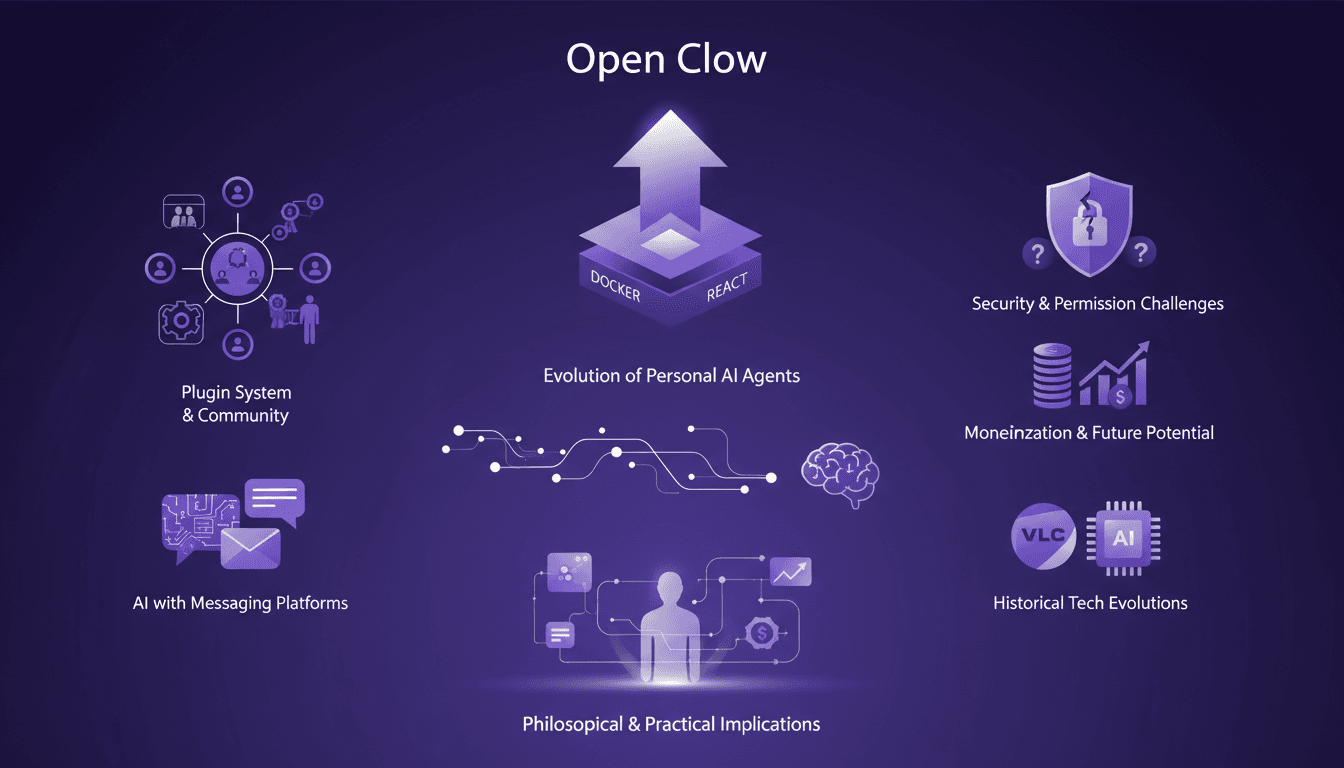
Open Clow Surpasses Docker: Impact and Implications
I clearly remember when Open Clow surpassed Docker and React on GitHub. It felt like witnessing a paradigm shift. Suddenly, personal AI agents were more than just hypothetical—they became a burgeoning movement. With 265,000 stars, Open Clow is reshaping the open-source AI landscape. But it's not just about numbers; it's about the transformation of our daily workflows through these agents. Let's delve into Open Clow's evolution, its plug-in systems, community engagement, and the security challenges it poses. Watch out for permission pitfalls and monetization, because the future of AI is happening now.
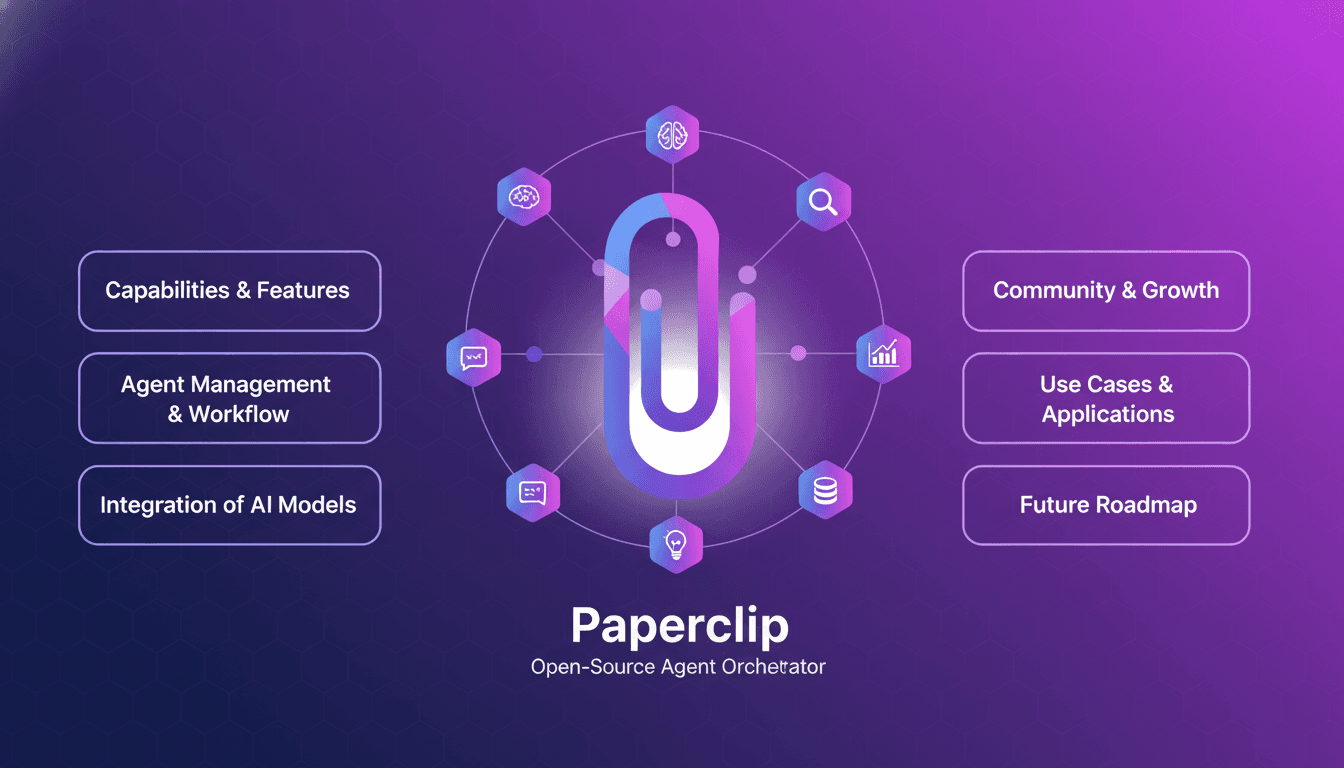
Paperclip: Efficiently Orchestrate Your AI Agents
I remember the first time I heard about Paperclip—it sounded like a game changer for AI orchestration. Having been burned by overly complex systems in my career, I was skeptical. But diving into it, I found a tool that could actually streamline my AI workflows without the usual headaches. Paperclip, an open-source orchestrator, is designed to efficiently manage AI agents, and I've integrated it into my operations to avoid technical migraines. We're talking about seamless orchestration, handling different agent types like Gemini and Hermes, and an engaged community that's constantly pushing development forward. In short, if you're looking to optimize your AI-driven operations, Paperclip might just be the tool that changes everything.
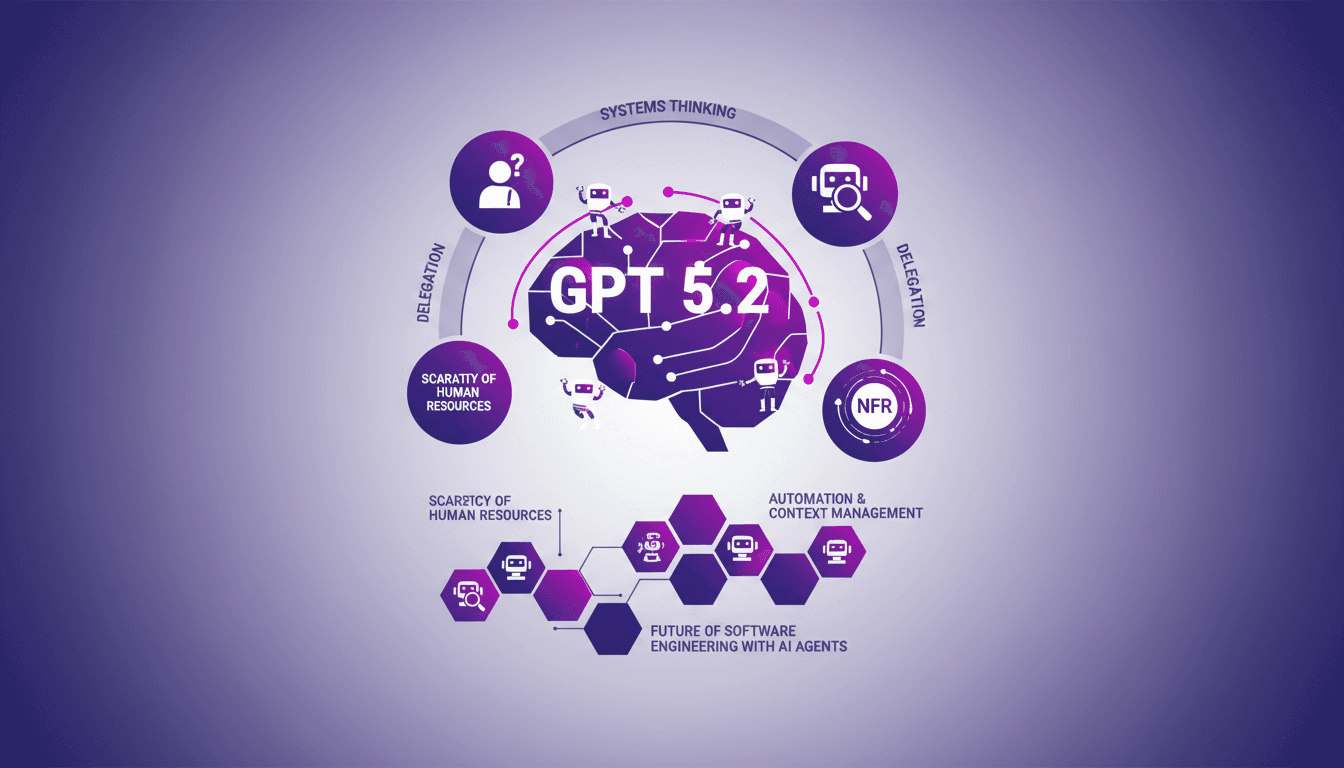
Coding Agents: Revolutionizing with GPT 5.2
I've been in the trenches of software development for years, and let me tell you, the game has changed. Integrating GPT 5.2 into my workflow was like unlocking a new level of efficiency. Suddenly, coding agents weren't just an abstract concept—they were my new team members. With the scarcity of human resources in software engineering, leveraging AI like GPT 5.2 is no longer optional; it's essential. Let's dive into how these tools are shaping the future of our field. We'll explore advancements in coding agents, systems thinking and delegation, the importance of specifying non-functional requirements, and more. Get ready for a revolution in how you approach coding.
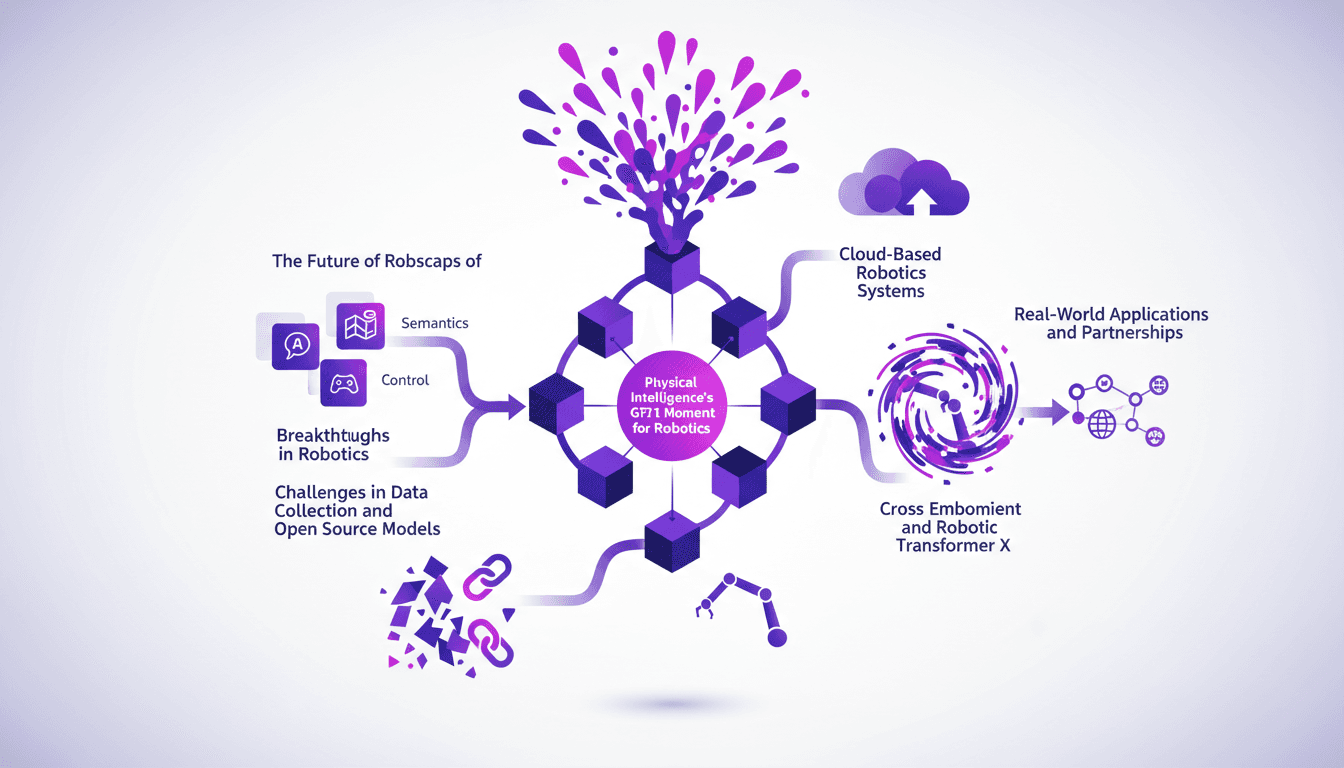
Robots in Action: Revolutionizing Business
I remember the first time I saw a robot actually work in a real-world setting. Not a demo, not a prototype, but a robot doing exactly what it was built to do. This is the moment the robotics industry has been waiting for. With breakthroughs in semantics, planning, and control, and concepts like Physical Intelligence's GPT1 moment, we're witnessing a major transformation. But what does this mean for the business landscape and future applications? We're talking cloud-based robotics systems, real-world applications, and the Cambrian explosion of robotics. We've open sourced PI 0 and PIO5, and in two years, real deployment in companies is on the horizon. Why? Because generalist robots improve performance by 50% compared to specialist models. It's a game changer.
Humanoid Robots: CES 2026 Innovation Platform
I've been to CES more times than I can count, but 2026 marked a true turning point for robotics. This year, I witnessed humanoid robots integrating into industries in ways I never imagined. Beyond the gadgets, CES has become a platform where innovation meets collaboration. I connected with strategic partners to steer my future projects and gained invaluable insights for product development. This is where visibility and innovation in robotics truly take shape.