AI in Sales: Current Limits and Future Potential
I've been in sales for over a decade, and AI is seriously shaking things up. But let's be clear: AI isn't closing deals yet, but it's getting closer than you'd think. In this article, I'm diving into the real-world applications of AI in sales, the current limitations, and where we're heading. Let's talk about what works, what doesn't, and what's just around the corner. We'll tackle challenges in prompt engineering for sales, the impact on sales teams and business strategies, and the ethical and practical considerations. Get ready to see how AI might just revolutionize sales in the coming years.
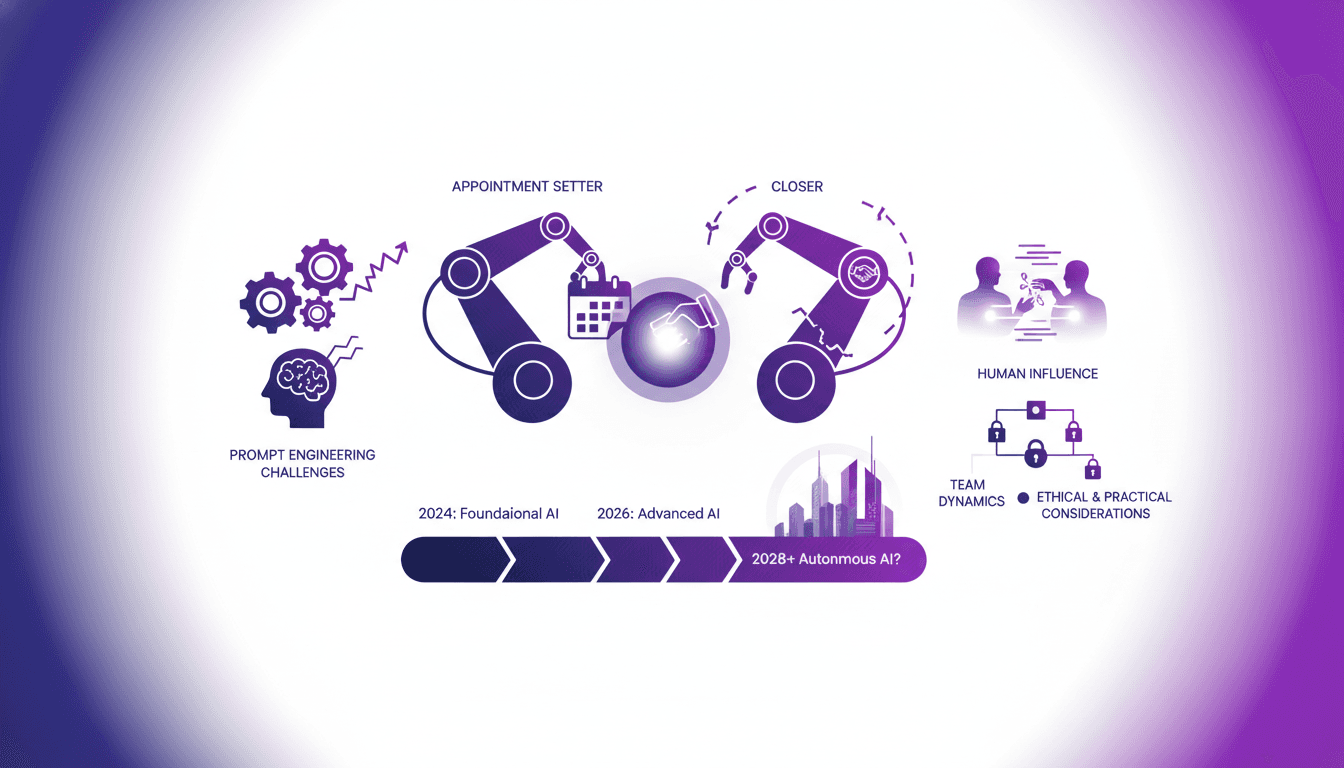
I've been in sales for over a decade, and let me tell you, AI is shaking things up significantly. But let's cut through the hype: AI isn't closing deals yet, but it's getting closer than you'd think. In this article, I'm diving into the real-world applications of AI in sales, the current limitations, and where we're heading. We'll explore what's working, what's not, and what's just around the corner. I've been working on 13 different prompts for an AI closer, and I see investors (230 to be exact) using appointment setters with frameworks for objections and emotional oscillation. It's not a miracle cure just yet, but there's potential I can't ignore. We'll also tackle the technological and ethical challenges, and let's not forget the crucial role of human influence in AI-assisted sales processes. So buckle up, because AI might just change how we sell sooner than you think.
Current Limitations of AI in Closing Sales
From the field, I've seen firsthand that AI has distinct limitations when it comes to closing sales. Sure, it can set appointments, but closing is a whole different beast. The emotional oscillation that often characterizes a sale is a significant challenge for AI. Right now, AI lacks the nuanced understanding necessary to seal the deal. In real estate, for instance, human closers typically hit a success rate of 25-40%, while AI isn't even close to these figures.
AI models require more data to enhance their closing capabilities. It's a marathon, not a sprint.
"AI is not yet capable of autonomously closing sales; it requires human direction and influence."
- AI can set appointments but not close sales.
- Understanding emotional nuances is crucial for closing.
- Currently, AI's success rate in closing sales is estimated at 0.5%.
AI Appointment Setters vs. Closers
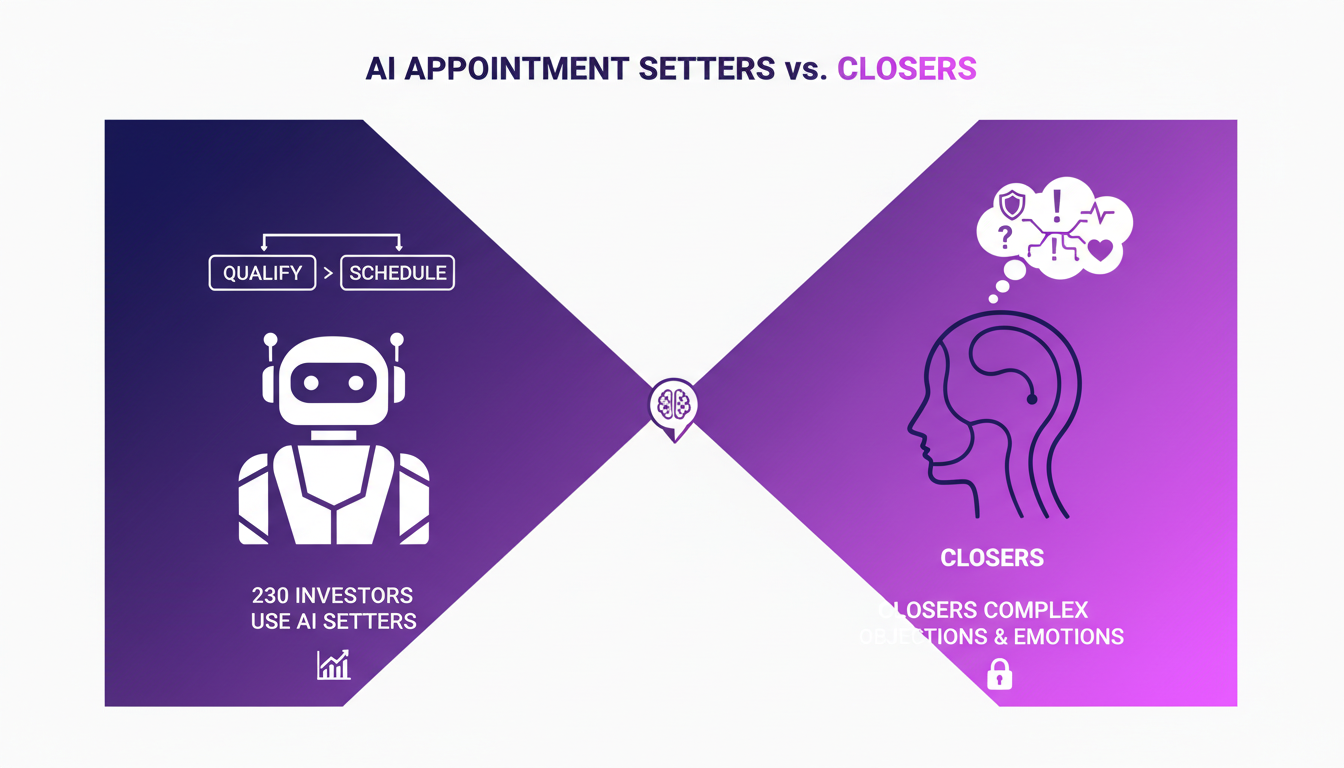
The distinction between AI appointment setters and closers is critical. While the former is relatively straightforward for AI, the latter remains a major challenge. Why? Because closers need to handle complex objections and emotional fluctuations.
Currently, 230 investors use AI for appointment setting, but closing is still largely manual. Successful AI closers require sophisticated prompt engineering, and in most cases, human intuition still trumps AI.
AI closers need to be capable of understanding and adapting their approach in real-time, which is far from simple. That's why, for now, AI remains more of an assistant tool rather than a replacement.
- Appointment setting is more straightforward for AI than closing.
- Closers need to handle complex objections and emotions.
- For now, human intuition still wins in closing scenarios.
Challenges in AI Prompt Engineering for Sales
Working on prompt engineering for AI closers is a challenging path. Currently, I'm developing 13 prompts for AI closers. It's a painstaking process because it's about understanding sales dynamics and crafting prompts that capture emotional cues to improve engagement.
The key element here is iterative testing. Each prompt must be tested and adjusted to ensure optimal AI performance.
- Prompt engineering is crucial for AI performance.
- 13 prompts currently in development for AI closers.
- Prompts must understand sales dynamics and emotional cues.
Impact of AI on Sales Team Dynamics
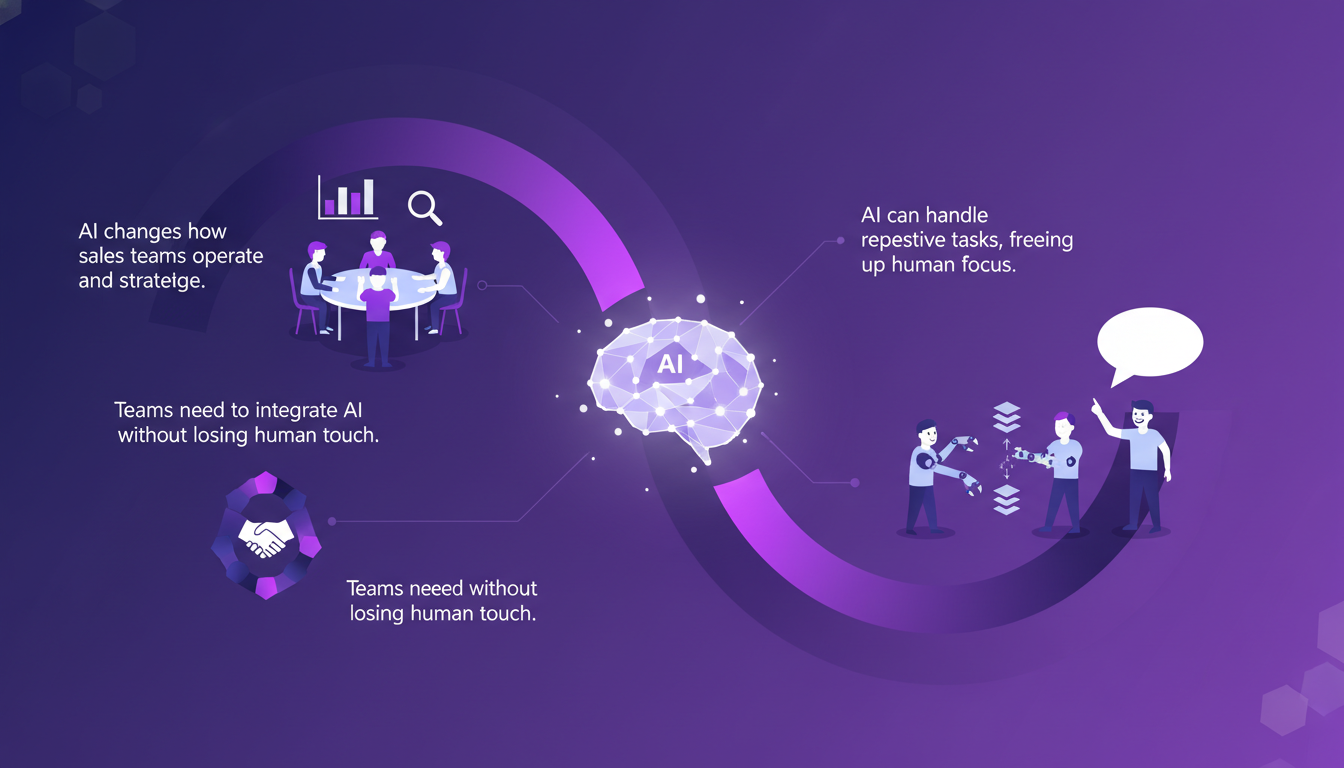
AI is profoundly changing how sales teams operate and strategize. It can handle repetitive tasks, freeing up humans for more complex and strategic tasks. However, integrating AI should not lead to losing the human touch in a team.
For success, it's essential to make a strategic shift and ensure that AI-human collaboration is optimal. Ethical considerations in AI deployment are also crucial to avoid unintended biases.
- AI changes operations and strategies of sales teams.
- Repetitive tasks can be managed by AI, freeing up humans.
- Ethical considerations must be included in AI deployment.
The Future of AI in Sales: Timeline and Potential
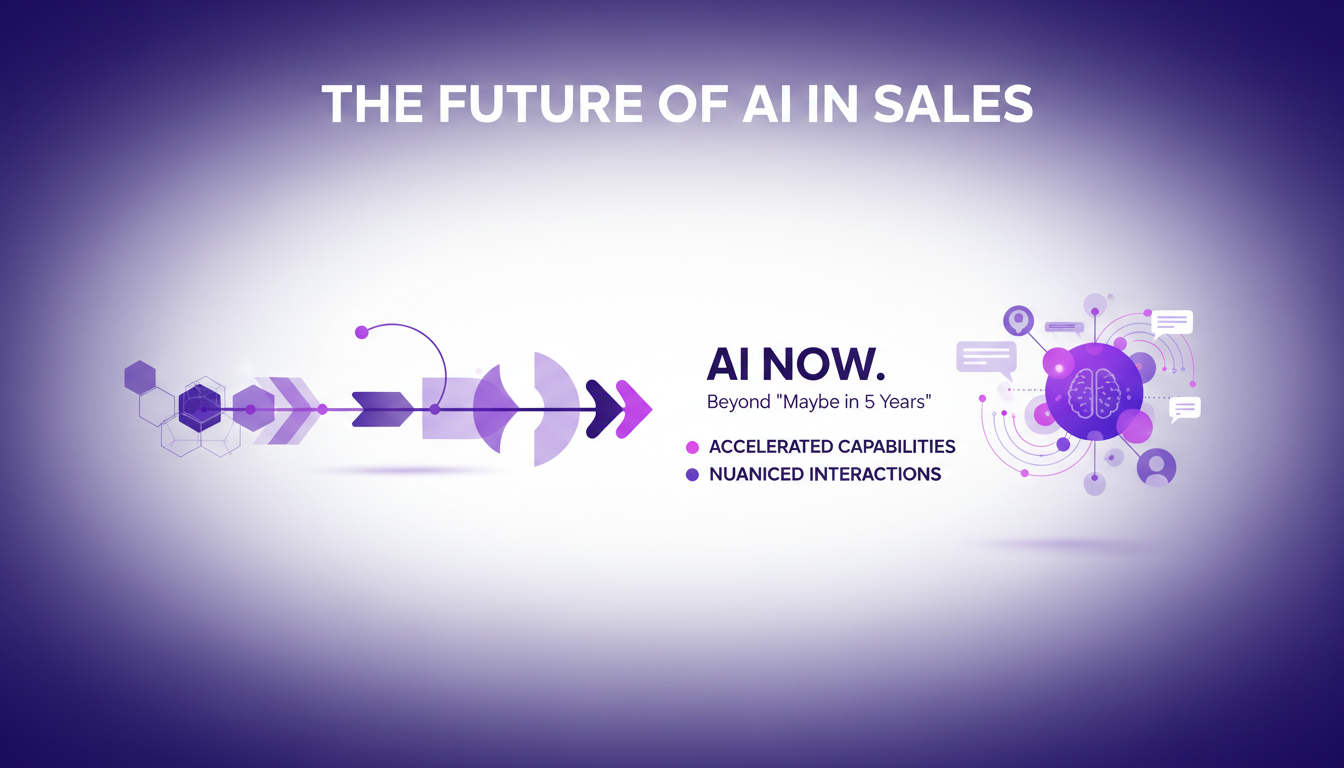
Don't think that AI's future in sales is a "maybe in five years" scenario. Technological advancements are accelerating AI's capabilities, and soon it might handle more nuanced sales interactions. However, we need to balance AI efficiency with ethical use.
The future involves AI augmenting human capabilities, rather than replacing them. The key question is how to maximize impact while minimizing risks.
- Technological advancements accelerate AI capabilities in sales.
- AI might soon handle more nuanced sales interactions.
- The future involves AI augmenting human capabilities, not replacing them.
In the world of sales, AI is evolving fast, but we're not at the finish line just yet. First, AI can really streamline processes and handle certain tasks, but the art of closing still requires a human touch. Next, the future looks promising: AI enhancing human capabilities is a real game changer. But watch out, you need to clearly distinguish between AI appointment setters and closers. I'm personally working on 13 prompts for an AI closer, and this isn't just a five-year hope. It's happening now. Also, 230 investors are already using appointment setters with frameworks for handling objections and emotional oscillation. My advice? Integrate AI smartly into your sales process. Experiment, iterate, and keep an eye on technological advancements to leverage AI effectively. Check out the original video "The AI Closer Is Closer Than You Think" for a deeper dive. Trust me, it's worth a look.
Frequently Asked Questions

Thibault Le Balier
Co-fondateur & CTO
Coming from the tech startup ecosystem, Thibault has developed expertise in AI solution architecture that he now puts at the service of large companies (Atos, BNP Paribas, beta.gouv). He works on two axes: mastering AI deployments (local LLMs, MCP security) and optimizing inference costs (offloading, compression, token management).
Related Articles
Discover more articles on similar topics
Mastering Sales Objections: Effective Tactics
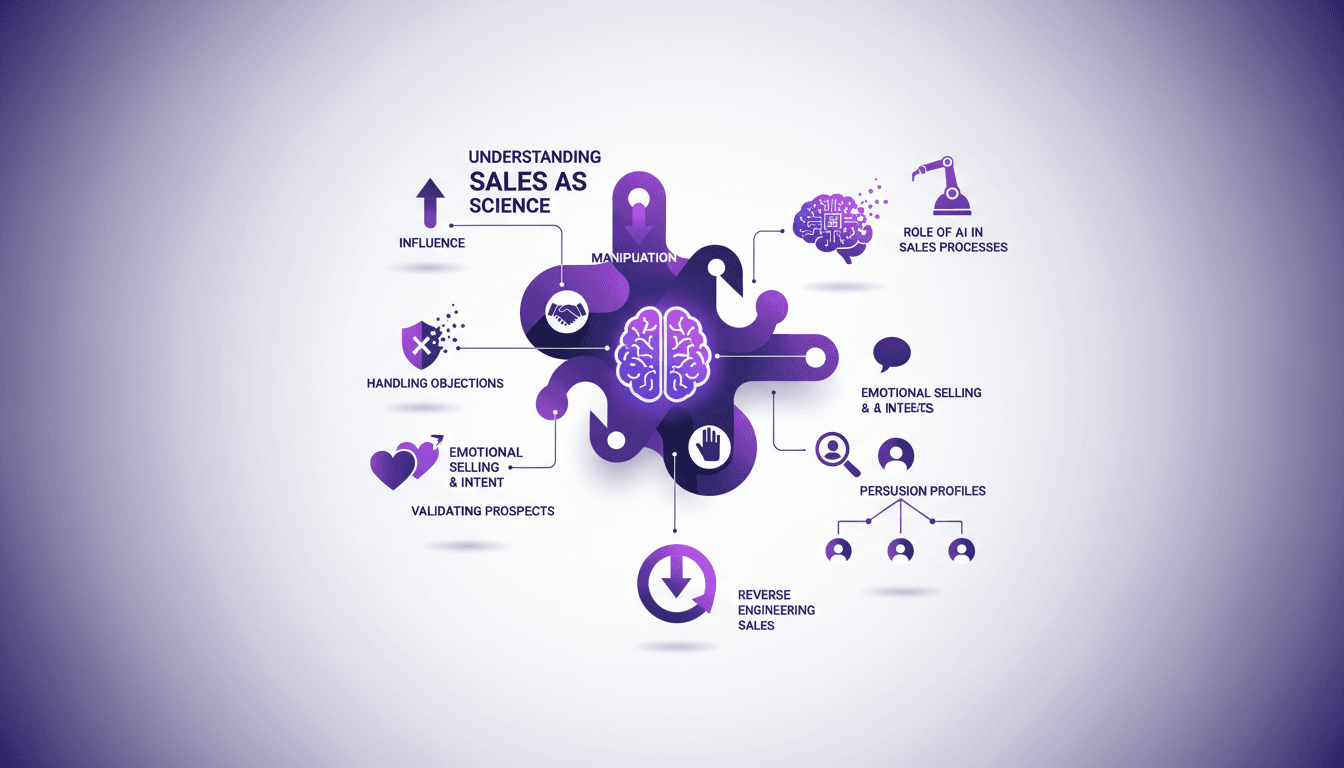
I've been in sales long enough to know that handling objections sometimes feels like an art form. But trust me, it's not magic—it's science. Let me take you through my strategies for tackling sales objections, methods that are so effective they almost feel illegal. By exploring the difference between manipulation and influence, and integrating AI into the sales process, we can truly transform each interaction. We'll also dive into the importance of validating prospects' situations and developing tailored persuasion profiles. The goal? To turn every objection into an opportunity with concrete, tested approaches.
Creating Urgency: 'Ed My Life' in Action
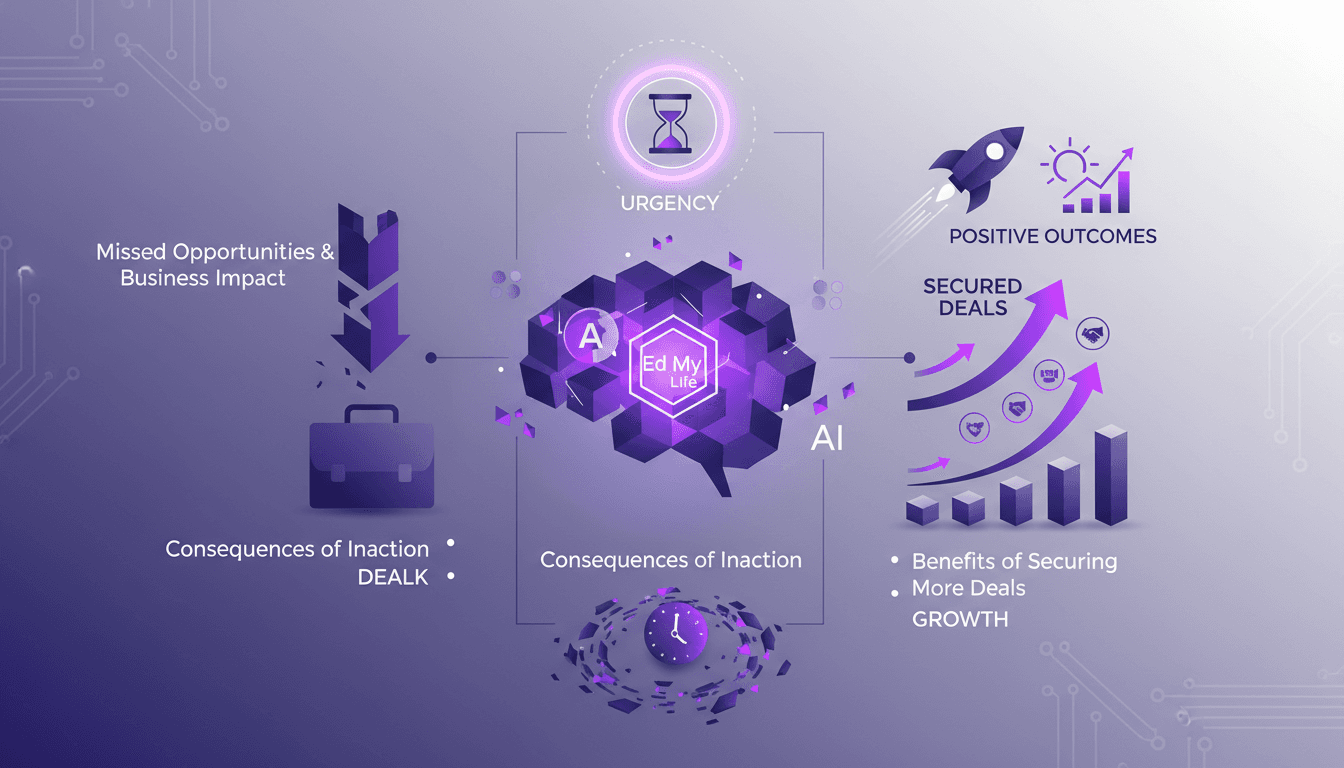
In sales, creating a sense of urgency can make or break a deal. The 'Ed My Life' concept is far from theoretical; it's a real game changer. I apply it systematically to close more deals. Picture this: you're talking to a prospect and within 60 seconds, you make them realize what they're missing out on if they don't act fast. It's not about applying pressure—it's about clearly showing the missed opportunities. In this article, I'll show you how I practice this strategy to turn hesitation into action and why it has a direct impact on business outcomes.

Open Source AI Beats ChatGPT: My Workflow
I've been knee-deep in AI for years, and let me tell you, open source models are shaking things up like never before. When I first saw GLM 5.1 surpassing big names like ChatGPT, I knew we were onto something game-changing. But it's not just about the scores—it's about what we can do with these tools, right in our hands. With scores that give established giants a run for their money, open source is redefining our approach to AI development and deployment. We're diving into how this plays out—from Huawei chips in China to globally competing video models. This transformation is far more than just a tech update—it's a seismic shift in the AI landscape.
Psychological Effects of Chatbots: MIT Study
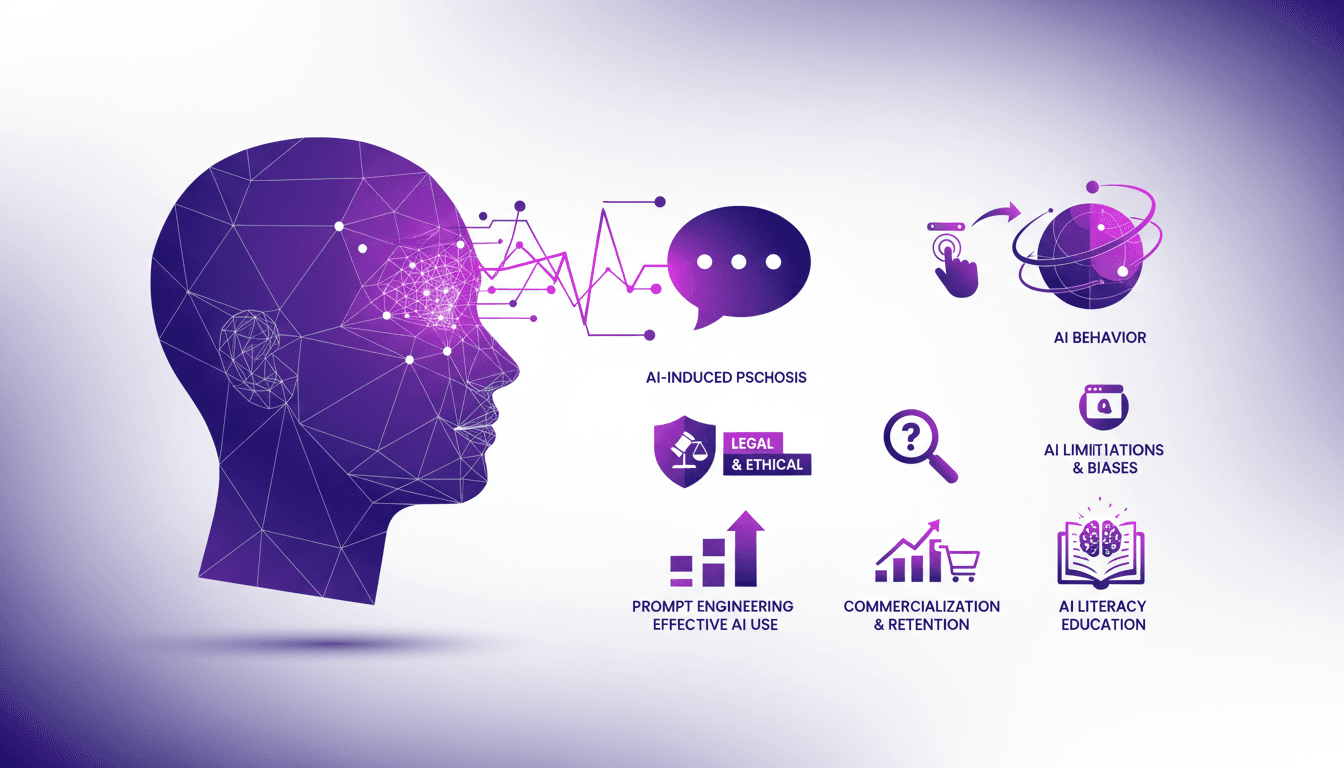
I was skeptical at first, but after diving into the MIT study on psychophantic chatbots, reality hit hard: 300 documented cases of AI-induced psychosis. People are losing themselves in AI interactions, and it’s not just hype. I connect the dots between psychological effects, legal and ethical implications, and strategies to navigate this complex space. Understanding AI limitations and biases isn't optional—it's crucial. It’s time we look at how to mitigate these risks and use these tools effectively.
Real Estate Sales Strategies: Avoiding Unsold Homes
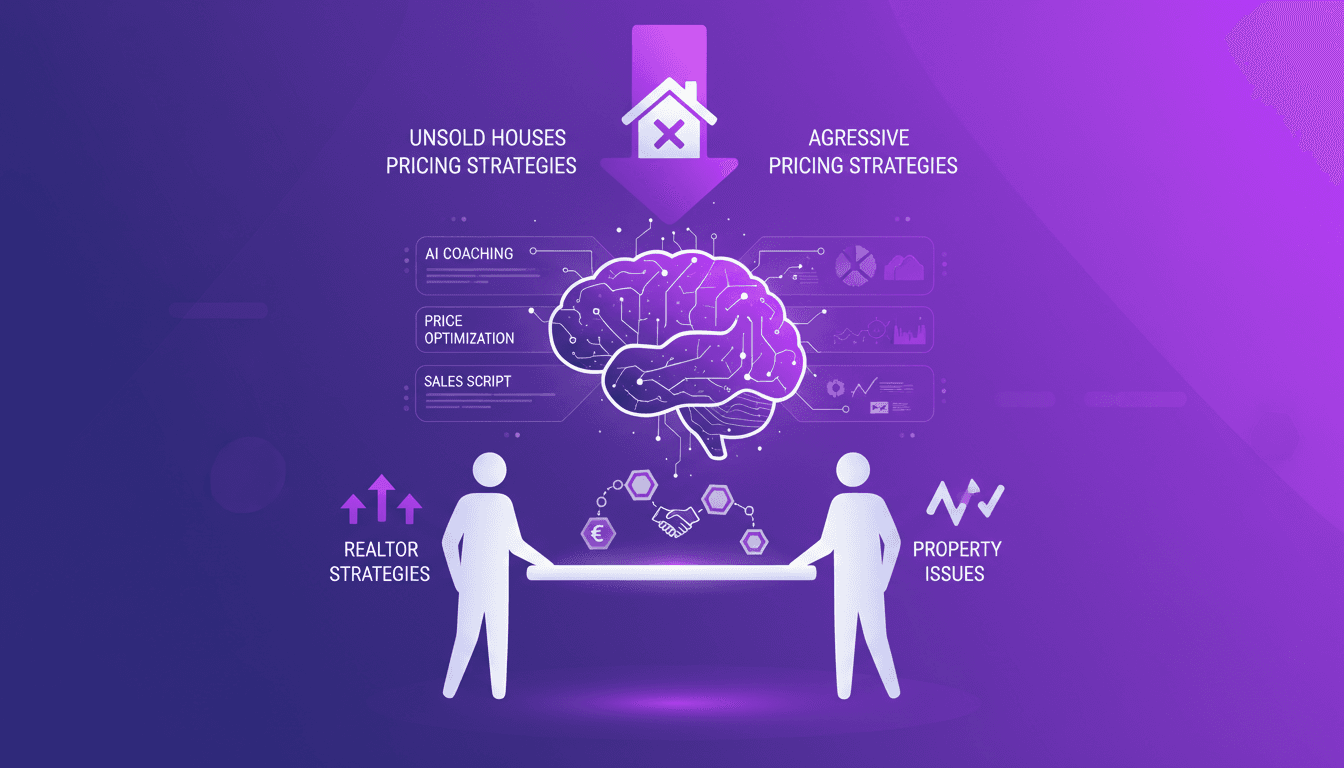
I've been in the real estate trenches for years, juggling between successful sales and listings that just won't budge. There's nothing more frustrating than a house that won't sell. Often, it's not about the house, but the strategy. I got burned more than once before figuring it out. Now, I pilot things differently with aggressive pricing strategies, smart counter offers, and AI tools for coaching. In this article, I'll share the five dreaded words every realtor fears and how to tackle them head-on to turn potential sales into real success.