Creating Urgency: 'Ed My Life' in Action
In sales, creating a sense of urgency can make or break a deal. The 'Ed My Life' concept is far from theoretical; it's a real game changer. I apply it systematically to close more deals. Picture this: you're talking to a prospect and within 60 seconds, you make them realize what they're missing out on if they don't act fast. It's not about applying pressure—it's about clearly showing the missed opportunities. In this article, I'll show you how I practice this strategy to turn hesitation into action and why it has a direct impact on business outcomes.
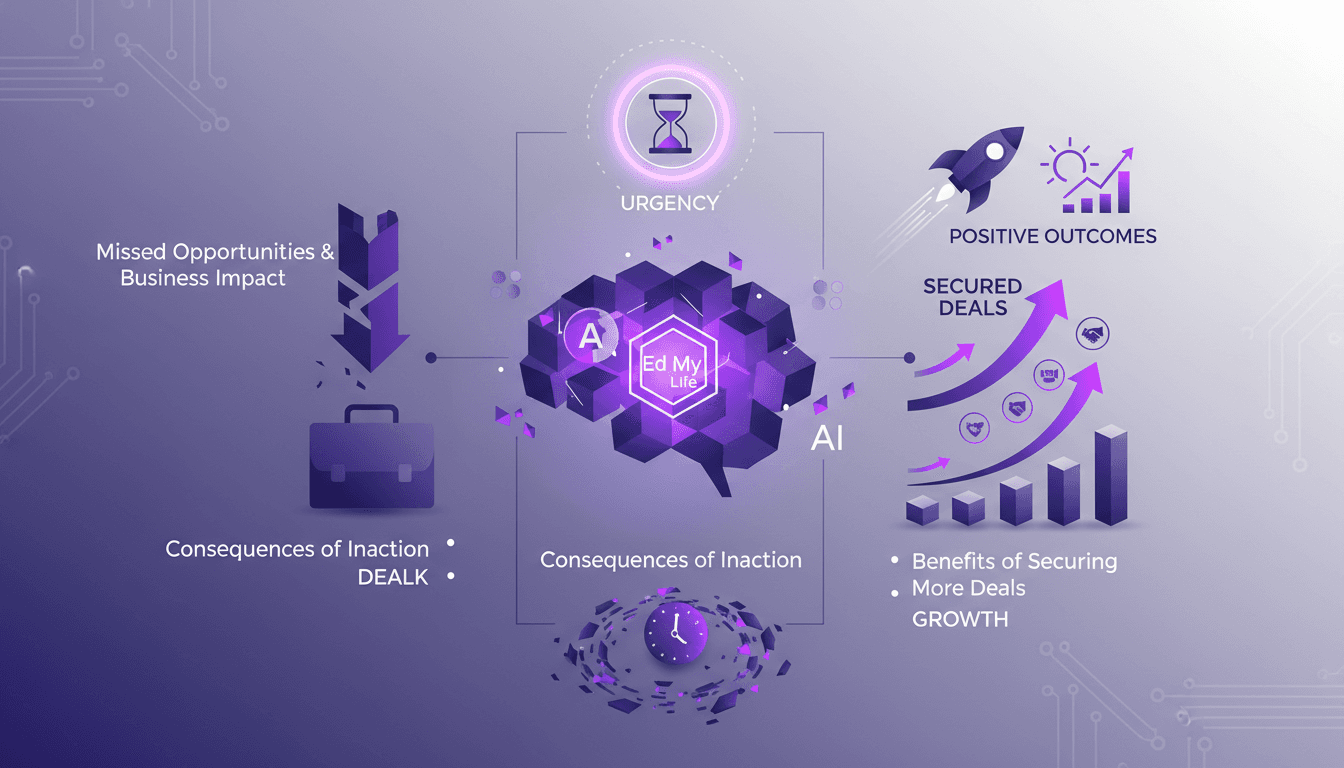
I've been in sales long enough to know that urgency can make or break a deal. The 'Ed My Life' concept isn't just theory—it's a game changer. When I put it into action, I take my prospects and, in under 60 seconds, I make them see what they're missing out on if they don't act. It's not about pressure, but about exposing the consequences of inaction. I've watched too many deals slip away because someone delayed a decision. With this approach, I don't let them walk away; instead, I engage them. You'll discover how this well-orchestrated technique can transform your sales outcomes and why not acting often costs more than you think.
Understanding the 'Ed My Life' Concept
The first time I stumbled upon the 'Ed My Life' concept was during a high-stakes negotiation. It’s all about making prospects visualize their future without your solution. It's not merely about instilling fear—it's about providing clarity. By showing them what they might miss out on, you offer a perspective they might not have considered. But watch out: overusing fear can backfire. I learned this the hard way when a client accused me of manipulation. It's not about scaring, but about clarifying the stakes.

Quantifying Missed Deals and Potential Benefits
I started calculating the potential revenue from missed deals. Imagine X, Y, and Z as the benefits you can highlight. Showing prospects the numbers is crucial—they need to see the impact. For instance, missing out on 20% of your deals could represent several thousand dollars annually. But keep it realistic; exaggeration kills credibility. I once had a client laugh at my overly optimistic projections. Since then, I ensure to stay grounded in reality.
- Calculate potential losses in real figures
- Show concrete examples of benefits
- Avoid exaggeration to maintain credibility
Envisioning Business Growth with Secured Deals
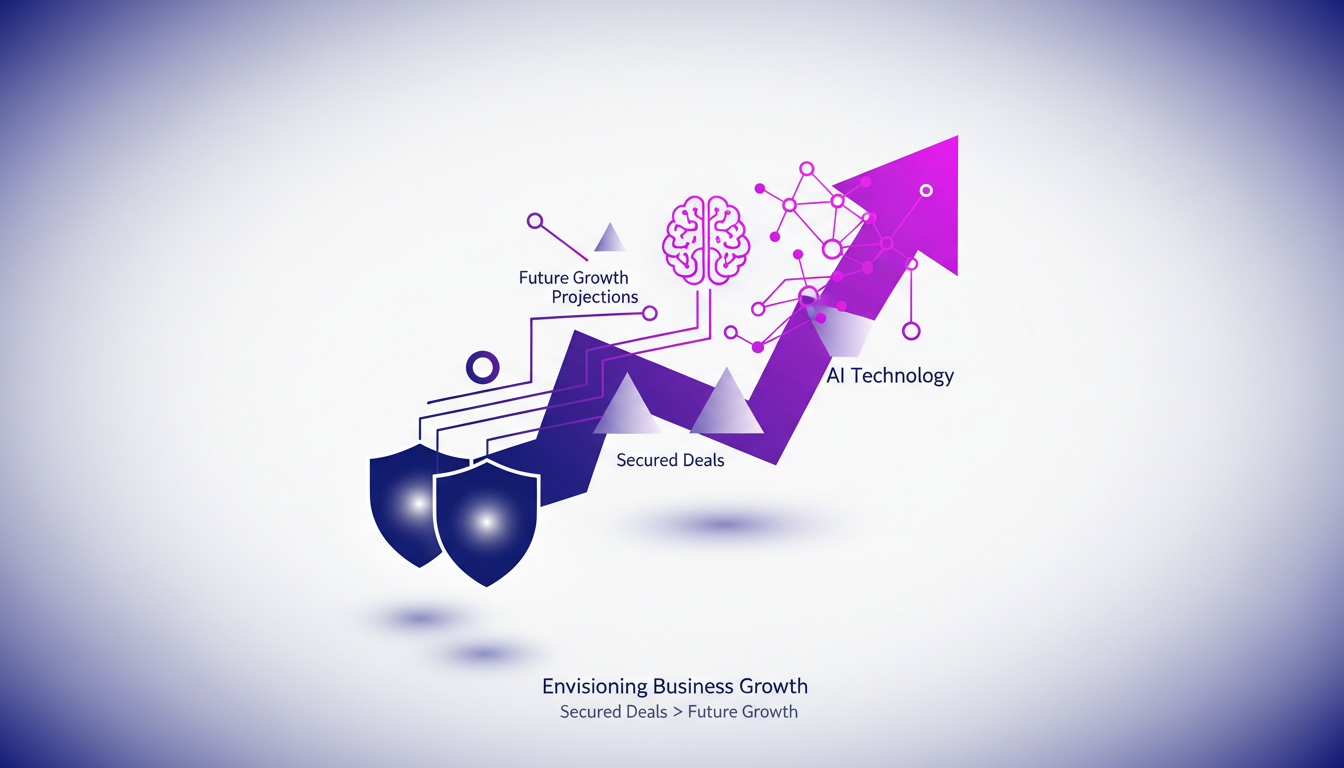
Next, I paint a picture of growth—this isn't just about closing a deal. Secured deals mean more than just immediate revenue. I use case studies to project future growth. For example, integrating an AI solution could boost a company’s efficiency by 20% in a year (source). Remember, prospects need to see themselves in this success story. It's their future we are sketching.
Reflecting on the Consequences of Inaction
I highlight the cost of doing nothing. This isn't about scaring; it's about informed decisions. I use past client examples where inaction led to losses. One client saw sales drop by 15% in a year due to a lack of responsiveness. But be careful: don't overstate or it seems like a scare tactic.
Creating Urgency by Projecting Future Outcomes
Finally, I project outcomes based on current trends. This isn't just about numbers; it's about vision. I use timelines—'in a few months, this could be you.' But avoid being too aggressive; urgency should feel natural. With good storytelling, prospects feel motivated to act. For instance, a steel manufacturer saw a 20% sales growth within a year by introducing an online pricing calculator (source).

Ultimately, using the 'Ed My Life' concept to create urgency in sales is a powerful approach but one that must be handled with care. By highlighting missed opportunities and the consequences of inaction, you can guide your prospects towards more informed decisions. To dive deeper into creating urgency in sales, check out this article.
Creating urgency isn't about pressure, it's about clarity and vision. I do this by showing prospects the tangible outcomes of their decisions. Here's what I've learned:
- Deploying the 'Ed My Life' concept transforms how we perceive urgency. It's a real game changer, but watch out not to overdo it. You have to know when to slow down to maintain authenticity.
- Missed opportunities have a direct business impact. I've noticed that often, the cost of inaction is higher than the cost of taking a wrong action.
- Securing more deals guarantees benefits X, Y, and Z for the business. Even in a few months, the changes can be significant. Looking forward, by applying these principles, I see my sales transforming. So, start applying the 'Ed My Life' concept today. Urgency becomes your ally. And for a deeper dive, check out the original video here: YouTube link. It's really insightful to watch from a peer-to-peer perspective.
Frequently Asked Questions

Thibault Le Balier
Co-fondateur & CTO
Coming from the tech startup ecosystem, Thibault has developed expertise in AI solution architecture that he now puts at the service of large companies (Atos, BNP Paribas, beta.gouv). He works on two axes: mastering AI deployments (local LLMs, MCP security) and optimizing inference costs (offloading, compression, token management).
Related Articles
Discover more articles on similar topics

Creating Urgency in Sales: From 'I'll Think About It'
I remember the first time a client hit me with 'I'll think about it.' Frustrating, right? But that moment was pivotal—I learned the art of creating urgency in sales. Turning hesitation into immediate action is within reach. In this article, I’m laying out my practical strategies: how to amplify pain to drive urgency, understand the gap between vision and current reality in decision-making, and tackle obstacles to convert interest into immediate action. No fluffy theories here, just actionable tactics that truly work.

Handling Sales Objections with AI: My Workflow
I remember the first time I let AI handle sales objections—it was a leap of faith, but the results were eye-opening. Integrating AI into my sales process was a game changer. In an industry where objections are part and parcel, the idea that AI can smooth over these hurdles is enticing. Let me walk you through how I integrated AI to tackle the toughest objections and build trust with inbound leads. AI can really be transformative, but watch out for pitfalls like addressing authenticity concerns and involving decision-makers. I learned to orchestrate sales appointments and avoid ego conflicts, all while using AI to gather accurate information. Join me as I share how I turned daunting objections into opportunities.

Handling Sales Objections with AI: Experience
I remember the first time I set up an AI lead manager to handle sales objections. It felt like handing over the keys to a new driver. The potential was massive, but I needed to see it in action to believe it. In today's lightning-fast sales world, efficiently responding to objections is crucial. AI lead managers are stepping up, promising to streamline processes and save time. But how do they really perform under pressure? I'll walk you through my integration process, role-playing scenarios, and interactions with homeowners. The benefits for teams are tangible, but watch out for the limits!

Real Estate Sales Strategies: Avoiding Unsold Homes
I've been in the real estate trenches for years, juggling between successful sales and listings that just won't budge. There's nothing more frustrating than a house that won't sell. Often, it's not about the house, but the strategy. I got burned more than once before figuring it out. Now, I pilot things differently with aggressive pricing strategies, smart counter offers, and AI tools for coaching. In this article, I'll share the five dreaded words every realtor fears and how to tackle them head-on to turn potential sales into real success.
Close Sales Easily: Understanding and Influence
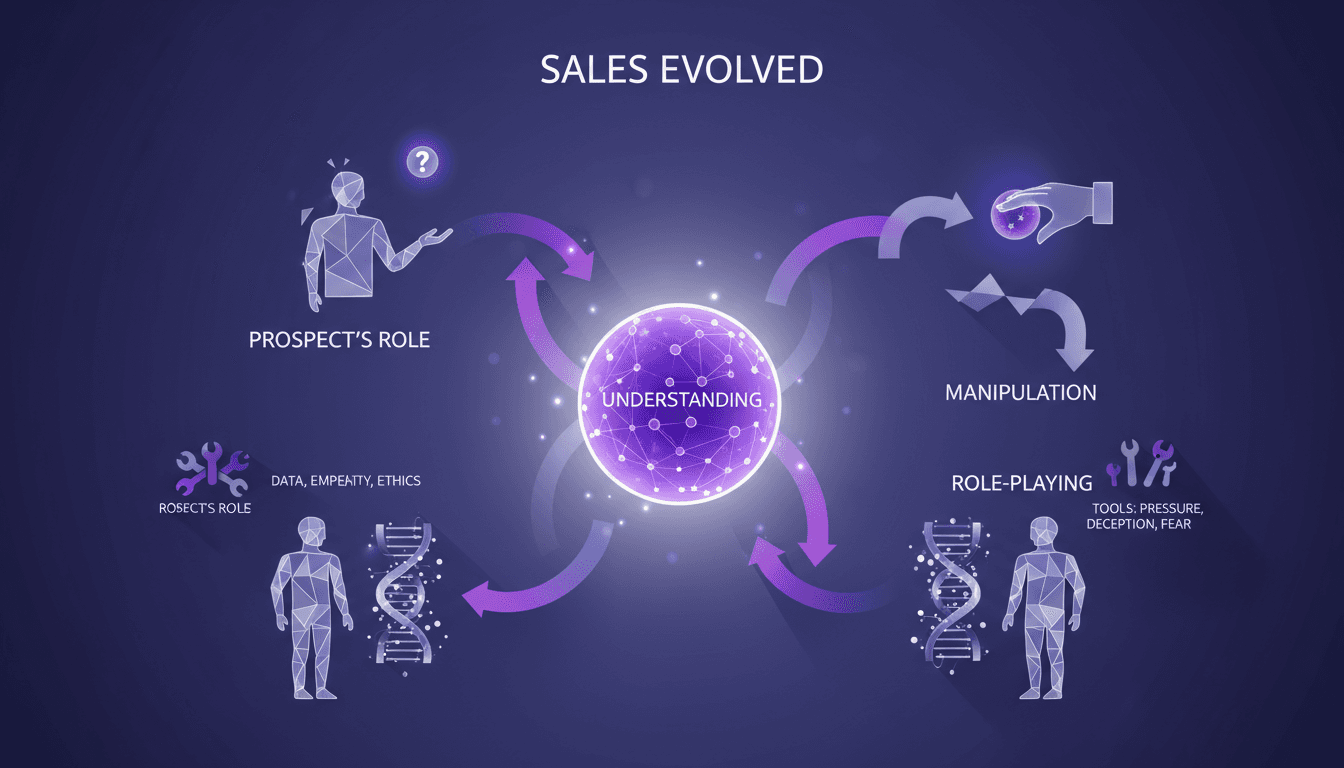
For years, I thought sales was an art form, like painting or jazz. Then, after a decade in the trenches, I realized it's more like engineering: structured, methodical, and surprisingly predictable. Let me show you how I shifted my approach to make closing sales feel almost illegally easy. It's not about convincing anyone, but understanding the process, the prospect, and using influence—not manipulation. This paradigm shift changed everything about how I sell.