Creating Urgency in Sales: From 'I'll Think About It'
I remember the first time a client hit me with 'I'll think about it.' Frustrating, right? But that moment was pivotal—I learned the art of creating urgency in sales. Turning hesitation into immediate action is within reach. In this article, I’m laying out my practical strategies: how to amplify pain to drive urgency, understand the gap between vision and current reality in decision-making, and tackle obstacles to convert interest into immediate action. No fluffy theories here, just actionable tactics that truly work.

I can still recall the first time a client hit me with the dreaded 'I'll think about it.' It's a seemingly harmless phrase that can derail a sales process entirely. That's when I uncovered the art of creating urgency. In sales, the line between a 'maybe' and a 'yes' often hinges on how effectively we can spark that immediate need. So, how do you shift from hesitation to immediate action? Here, I'm sharing my concrete strategies: first, I focus on amplifying the client's pain, creating a natural urgency. Then, I make sure to fully understand the gap between the client's vision and their current reality, which helps in addressing obstacles. Finally, I turn latent interest into immediate action. No theoretical fluff, just proven methods. Join me as we dive into this practical journey.
Creating Urgency in Sales: The Basics
When it comes to creating urgency in sales, it's not about artificial pressure. It's about understanding where your customer wants to be versus their current situation. This is what I call the gap between vision and reality. First, I focus on their ideal vision. Then, I compare that vision to their current situation to highlight what's lacking. That's where urgency begins to form.
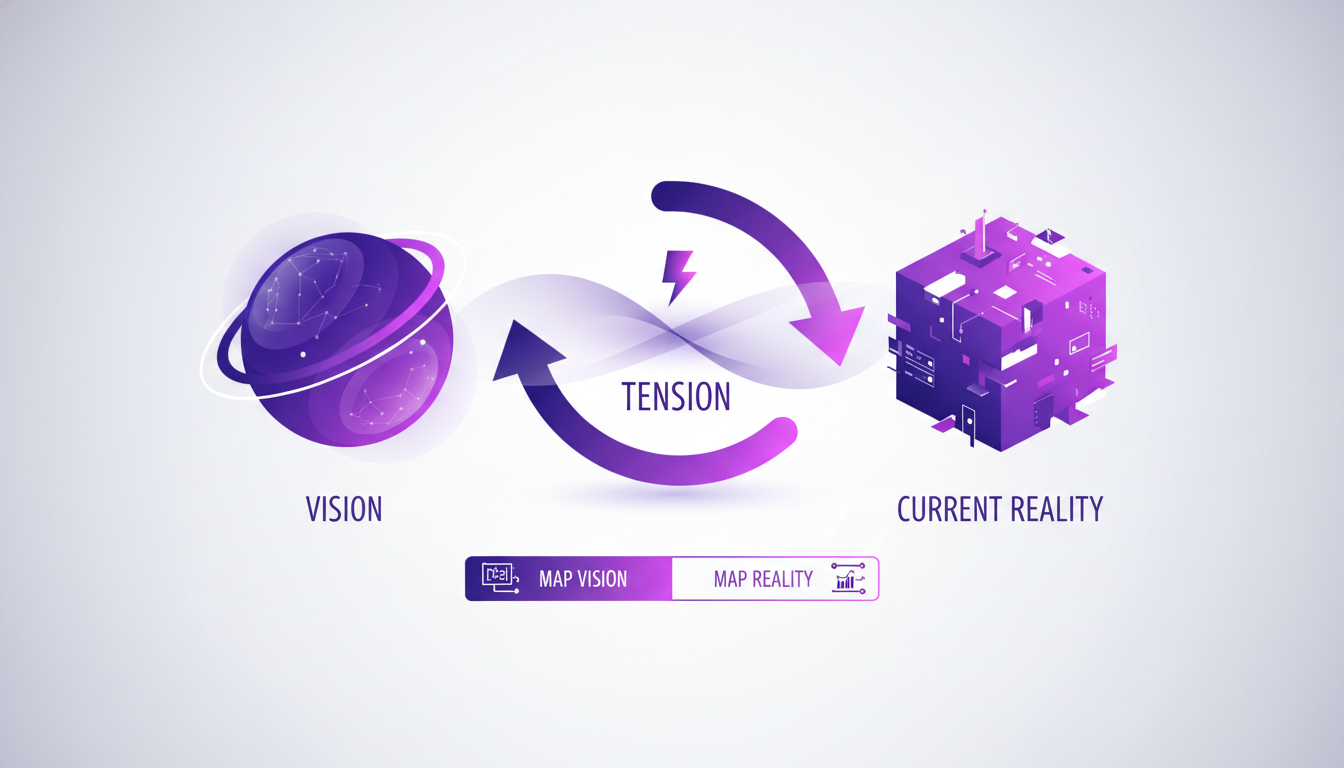
For example, I had a client who hesitated to invest in new technology. By clearly showing the gap between their goals and their current state, they realized that every day of delay was a day lost. This realization was the trigger to move forward.
- Understand the client's vision
- Identify the gap between vision and reality
- Use this gap to create a sense of urgency
Vision vs. Current Reality: A Decision-Making Oscillation
The oscillation between a client's vision and their current reality creates a natural tension that I can leverage. This tension is like a rubber band: the more it's stretched, the more likely it is to snap back, prompting immediate action. To do this, I map out the client's vision and reality.
Once, during a meeting, I asked a client to draw how they envisioned their business in five years. This simple visualization created palpable urgency because they realized how far they were from this ideal.
- Map out vision and reality
- Leverage the tension between the two
- Use visualizations to spur action
Amplifying Pain to Drive Urgency
One of my favorite tools for creating urgency is amplifying pain. But watch out, it's not about causing panic. The idea is to touch on sensitive points without overdoing it, as excessive panic can be paralyzing.
I recall a tough negotiation where I used this technique. By subtly highlighting the risks of inaction, I managed to close the deal. It's a delicate balance between pressure and persuasion.
- Identify pain points
- Amplify without causing panic
- Use pain to drive urgency
Addressing Obstacles to Increase Urgency
Obstacles are often the reasons why decisions are delayed. In my experience, identifying these obstacles is the first step to overcoming them. Sometimes they're irrational fears, other times real constraints. Timing is crucial in removing these barriers.

Once, by removing a financial obstacle for a client, we were able to accelerate the decision within days. It was a matter of presenting the right solutions at the right time.
- Identify common obstacles
- Develop strategies to overcome them
- Understand the context and timing
Converting Interest into Immediate Action
Moving from interest to action is often the trickiest part. I always start with regular follow-ups and limited-time offers. But watch out, too much urgency can backfire.
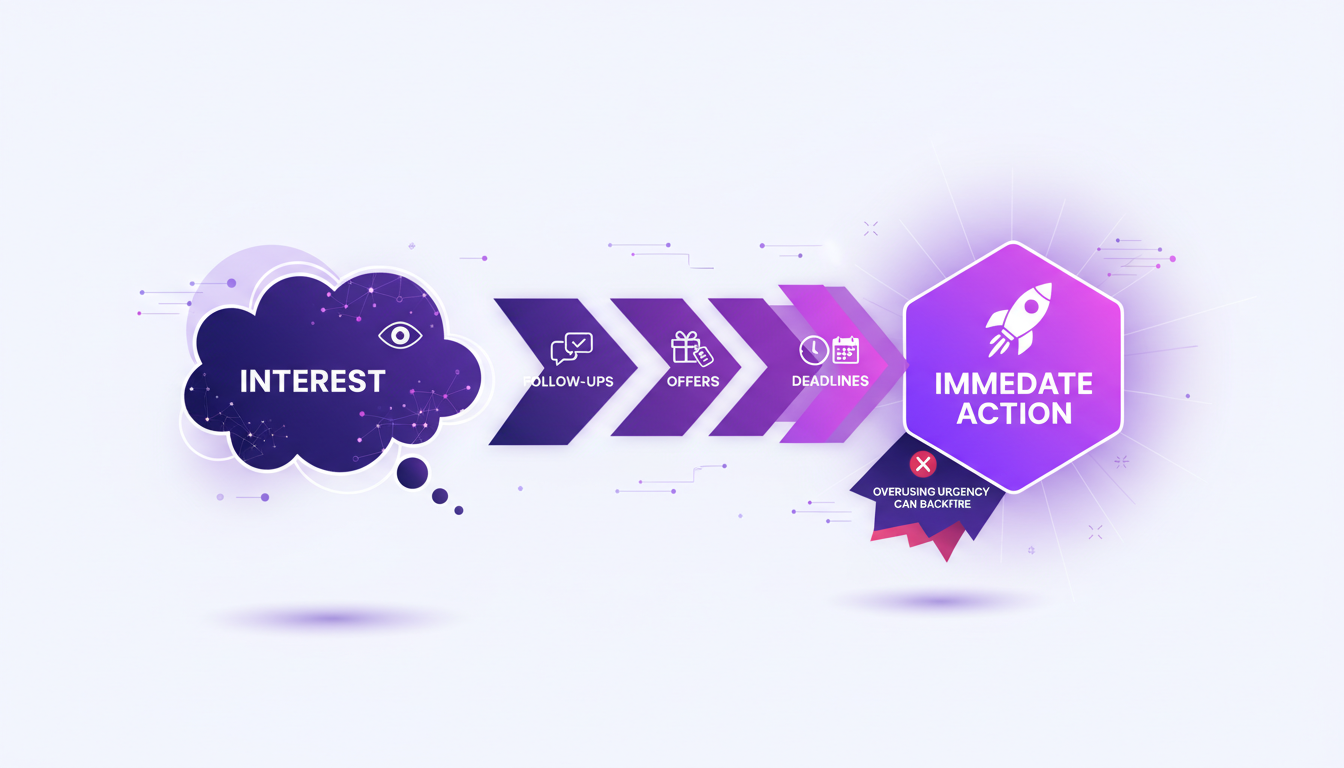
In one of my recent experiences, a potential client finally made their decision after a well-timed reminder and a 48-hour limited offer. It's a balance between pressure and opportunity.
- Use follow-ups and limited-time offers
- Avoid overusing urgency
- Create a balance between pressure and opportunity
For more on handling sales objections, check out this article: Handling Sales Objections with AI: My Experience.
So, when I'm crafting a sales strategy, I start by really listening to the client. That's where I uncover their true needs. Then, I highlight the gap between their current situation and their ideal vision (you know, that 100% potential). That's the key to creating urgency. I don't push hard, just gently but firmly steer them towards action. Here are some key takeaways:
- Listen and understand the client's needs first and foremost.
- Highlight the gap between what they have and what they could achieve (100%).
- Amplify the pain of the current situation to create that urgency.
Looking ahead: mastering this approach is a real game changer for boosting your sales. But be careful not to overdo it, or you risk losing the client's trust. Next time a client says 'I'll think about it,' apply these strategies, iterate, and watch your sales close faster.
For a deeper understanding, I recommend watching the original video. It offers valuable insights that will help refine your approach even further. Here's the link: YouTube
Frequently Asked Questions

Thibault Le Balier
Co-fondateur & CTO
Coming from the tech startup ecosystem, Thibault has developed expertise in AI solution architecture that he now puts at the service of large companies (Atos, BNP Paribas, beta.gouv). He works on two axes: mastering AI deployments (local LLMs, MCP security) and optimizing inference costs (offloading, compression, token management).
Related Articles
Discover more articles on similar topics

Handling Sales Objections with AI: Experience
I remember the first time I set up an AI lead manager to handle sales objections. It felt like handing over the keys to a new driver. The potential was massive, but I needed to see it in action to believe it. In today's lightning-fast sales world, efficiently responding to objections is crucial. AI lead managers are stepping up, promising to streamline processes and save time. But how do they really perform under pressure? I'll walk you through my integration process, role-playing scenarios, and interactions with homeowners. The benefits for teams are tangible, but watch out for the limits!

Handling Sales Objections with AI: My Workflow
I remember the first time I let AI handle sales objections—it was a leap of faith, but the results were eye-opening. Integrating AI into my sales process was a game changer. In an industry where objections are part and parcel, the idea that AI can smooth over these hurdles is enticing. Let me walk you through how I integrated AI to tackle the toughest objections and build trust with inbound leads. AI can really be transformative, but watch out for pitfalls like addressing authenticity concerns and involving decision-makers. I learned to orchestrate sales appointments and avoid ego conflicts, all while using AI to gather accurate information. Join me as I share how I turned daunting objections into opportunities.
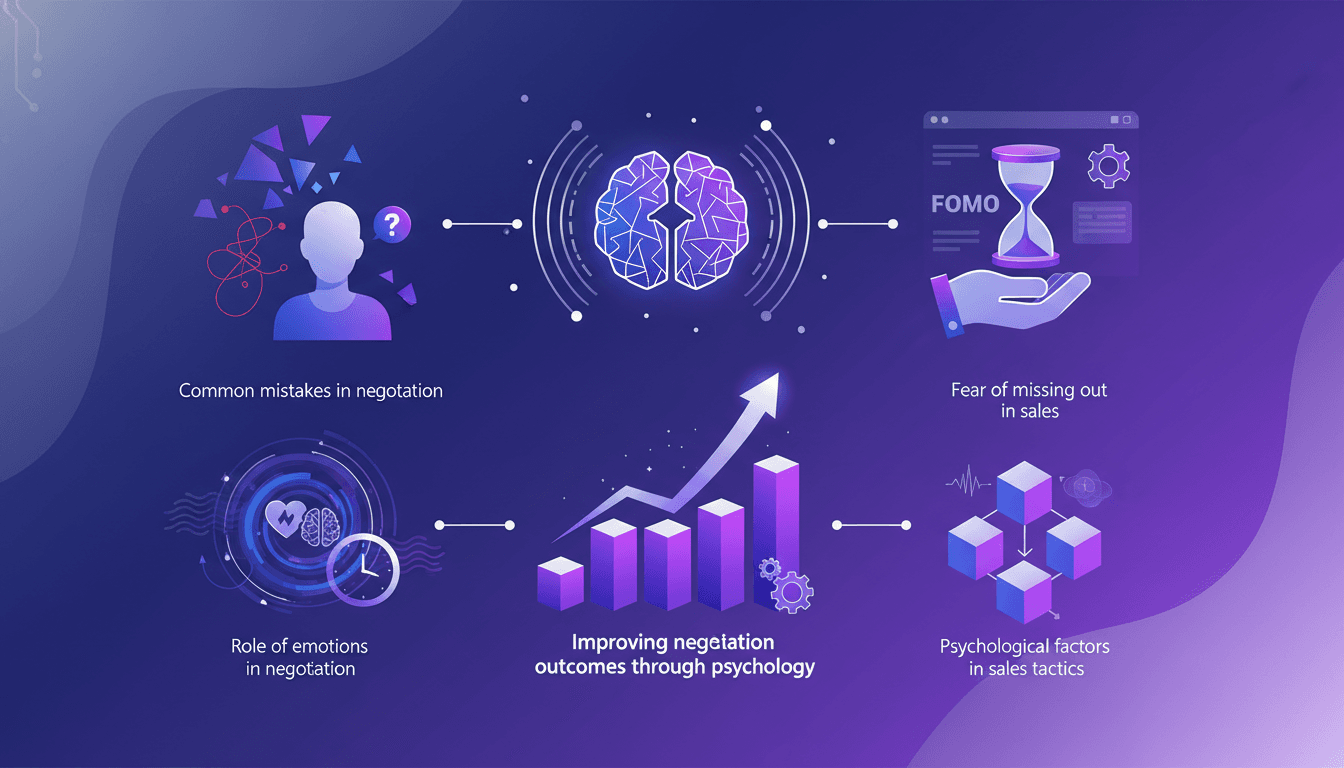
Never Get Lowballed Again: Effective Strategies
I've been in the trenches of real estate negotiations for years, and if there's one thing I've learned, it's that getting lowballed is a gut punch. But I've found ways to turn the tables. Let me walk you through how I use psychology to keep my deals on track. In the fast-paced world of real estate, negotiation isn't just about numbers—it's a psychological game. Understanding the common pitfalls and leveraging emotional intelligence can make or break your deals. Let’s dive into how we can use these insights to our advantage. #realestate #realestateinvesting #psychology

Manipulation vs Influence: Understanding Therapy
I've been in therapy rooms where the line between manipulation and influence blurred, and it wasn't until I understood the intent behind actions that I could see why manipulation isn't always a bad thing. In this post, we're diving into how therapy uses these tools ethically. We'll explore the difference between manipulation and influence, and how intent plays a critical role in ethical practice. We'll also compare the techniques used by therapists to those of con men, and discuss the ethical implications of using these manipulation tools.

Overcoming 'I Don't Know' in Conversations
Ever been blocked by an 'I don't know' in the middle of a conversation? Yeah, me too. But I've learned to turn that dead end into a new beginning. Here's how I do it. In this article, I share my strategies for overcoming 'I don't know' responses – validating answers to encourage more detail, using extreme statements to provoke corrections, and the role of persistence. Psychology is key in communication, and mastering these techniques can make all the difference. Whether in negotiation or sales, breaking through that wall and digging deeper can uncover valuable insights.