Selling Taskmagic: SaaS Strategies for Millions
I spent 24 hours with Jeremy, the mastermind behind Taskmagic—a SaaS that not only reached 60,000 users but also brought in $3 million annually. Watching Jeremy navigate the sale of his company for millions was eye-opening. In the SaaS world, scaling and selling a business isn't just about numbers—it's about strategy, resilience, and foresight. Jeremy's journey with Taskmagic offers a blueprint for aspiring entrepreneurs. We delved into Taskmagic's rapid growth, the cornerstone strategies that fueled its success, and the impact of AI on the SaaS industry. Each challenge faced, each decision made, was a lesson in itself.
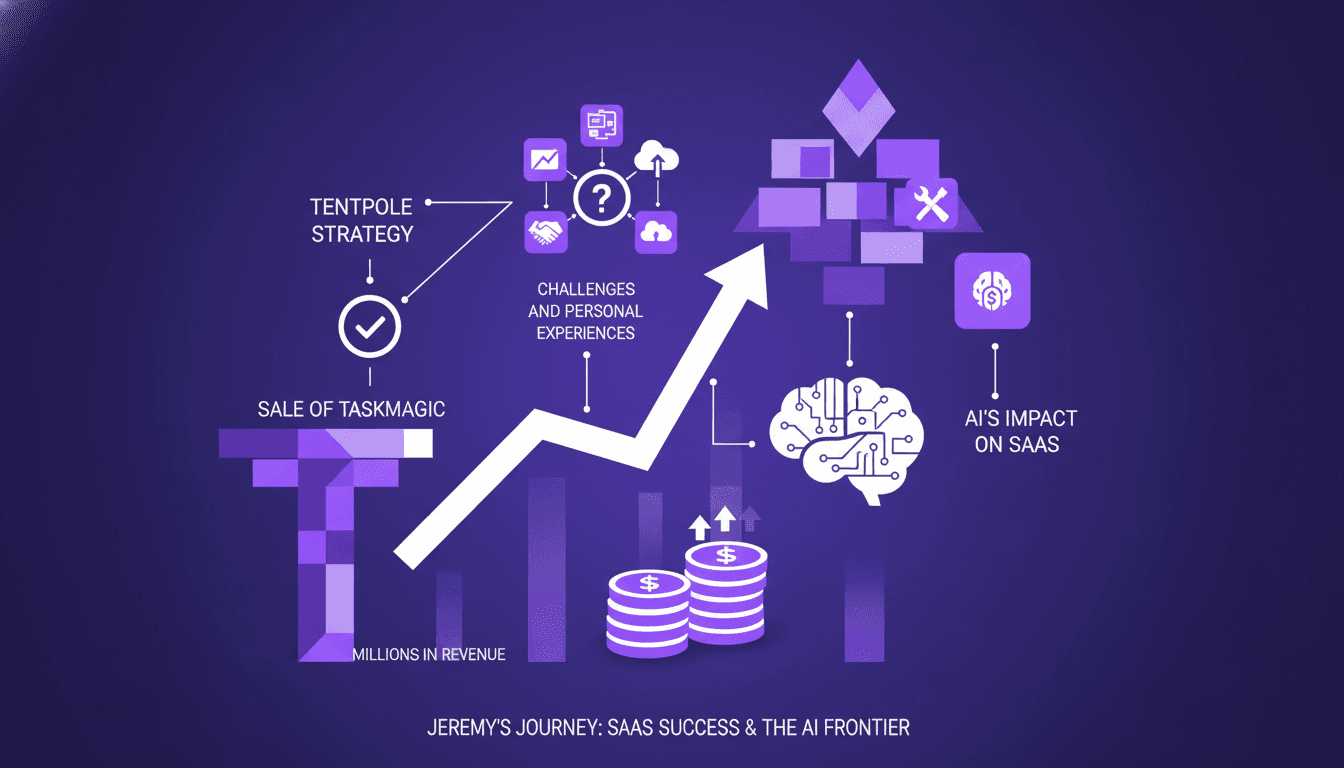
I found myself immersed in Jeremy's world, the mastermind behind Taskmagic, by spending 24 hours with him. Picture a SaaS with 60,000 users and 8,000 paying customers, generating $3 million annually—not just numbers, but a well-oiled machine. I watched Jeremy orchestrate the sale of his company for millions, and it was a masterclass in strategy and foresight. Together, we dissected Taskmagic's meteoric rise, the tentpole strategy that bolstered its success, and the impact of AI on the SaaS industry. But watch out, selling a business is a path filled with hurdles. Jeremy shared his personal challenges and the lessons learned while building a thriving SaaS ecosystem. One thing is clear: addressing problems is the key to entrepreneurship. It's not just a journey; it's an action plan for those looking to make their mark in the SaaS world.
Building Taskmagic: From Concept to Millions
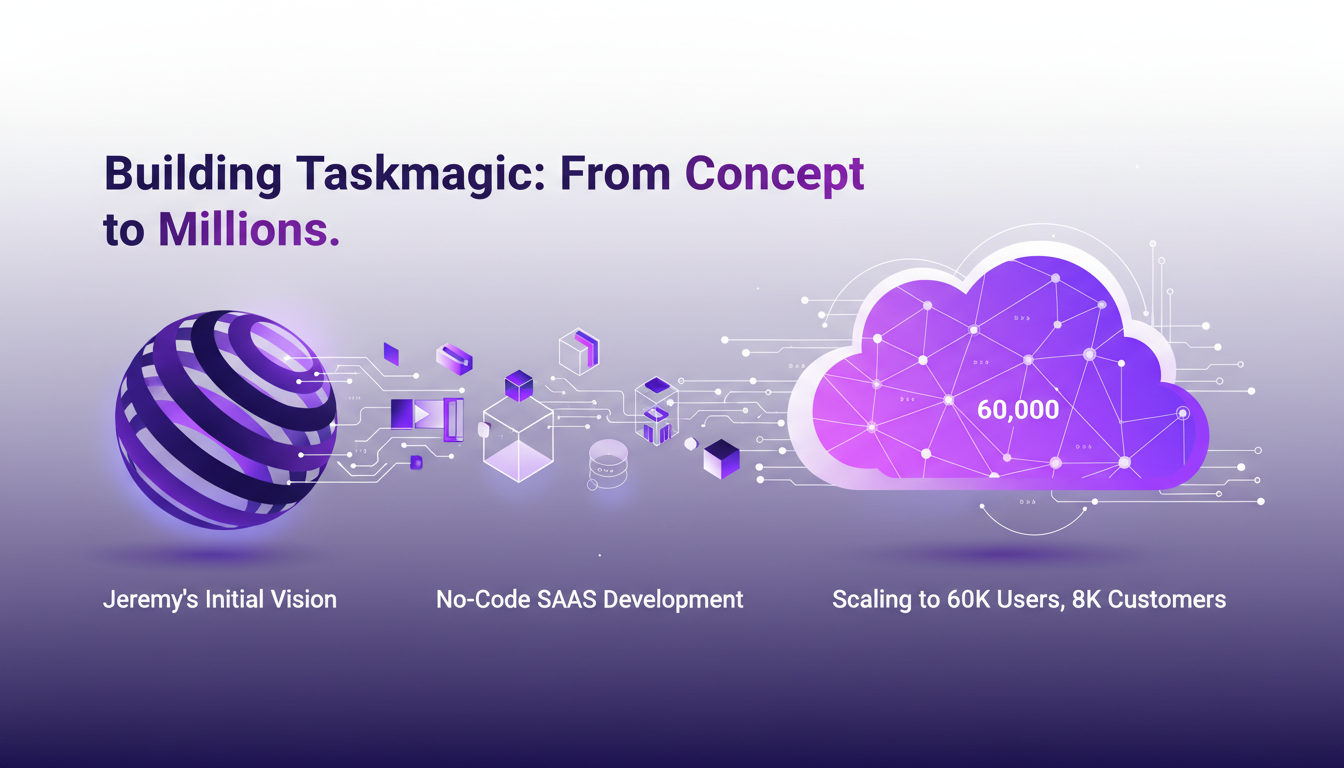
When Jeremy started Taskmagic, he had a clear vision: making automation accessible without coding. And honestly, his approach paid off. We quickly went from a handful of curious users to 60,000 users and 8,000 paying customers. How did he do it? Heavy use of no-code tools for rapid SaaS development. It's simple: less time coding, more time iterating.
Now, let's talk SEO. Jeremy understood that SEO specificity was crucial to attract relevant traffic. By targeting the right keywords and publishing relevant content, Taskmagic positioned itself as a viable alternative to other known tools. But watch out, scaling too fast can quickly become an operational nightmare. I've seen this too often: servers crashing, customer support overwhelmed...
Tentpole Strategy: The Backbone of SaaS Success
What exactly is the tentpole strategy? In SaaS, it's the art of creating key events that maintain user engagement. Jeremy brilliantly applied this by developing small complementary products, like satellites around Taskmagic. This kept user interest while strengthening the main product.
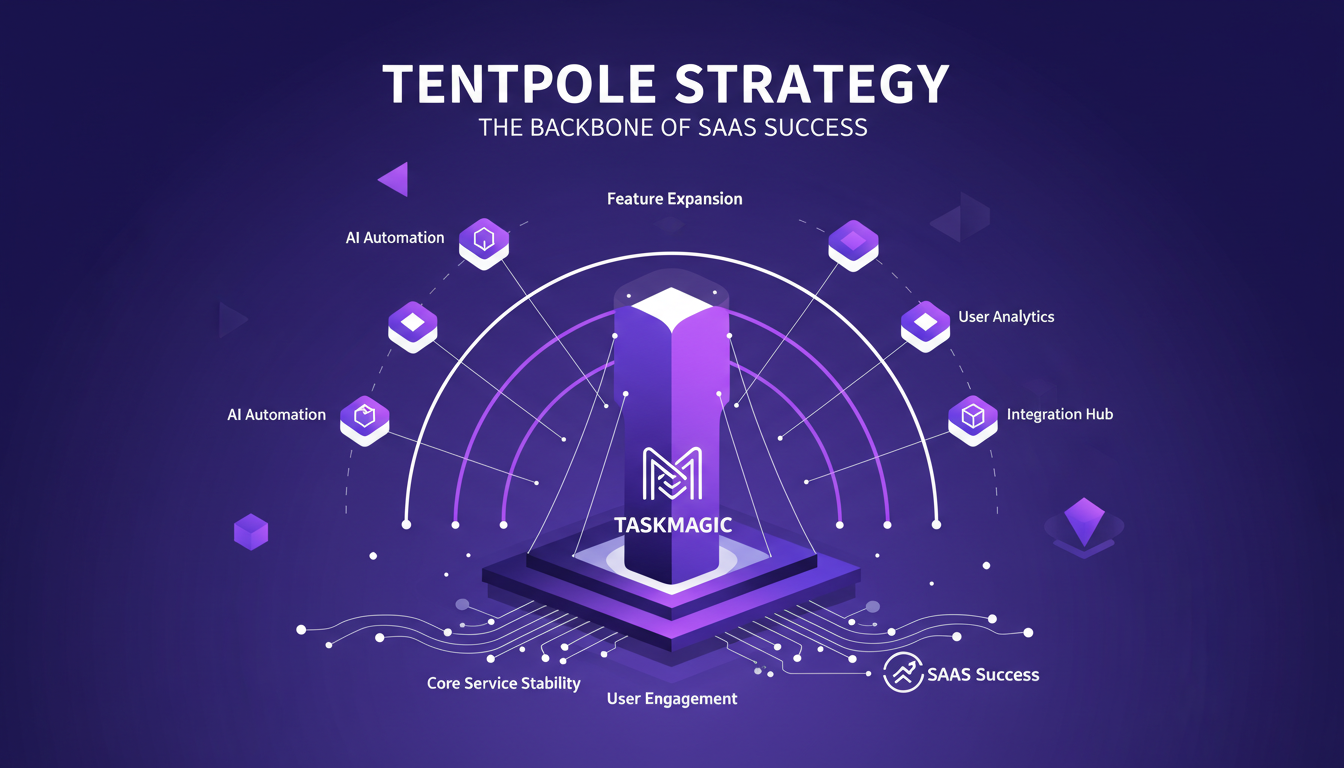
But be cautious with resources. Over-focusing on these events can drain your team. The key? First, identify your tentpole events, then align your resources accordingly. I've seen companies burn out trying to do everything at once. Prioritize, focus, execute.
- Identify your major events.
- Balance feature expansion with service stability.
- Don't overcommit to tentpole events.
Financial Growth and Revenue Generation
Taskmagic reached impressive financial milestones: $400K months, $3 million annually. How? By diversifying revenue streams between subscriptions and one-time fees. A strong customer base is crucial for financial stability. But watch out for high revenue months: they can mask underlying issues.
Sometimes, I prefer sustainable growth over flashy numbers. Over time, I've learned that sustainability often trumps momentary brilliance. That's why it's crucial to always keep an eye on the overall health of the business, not just the monthly figures.
- Prioritize long-term stability.
- Monitor underlying indicators.
- Don't be blinded by revenue spikes.
Challenges in Selling a SaaS Business
Selling Taskmagic was no walk in the park for Jeremy. Between personal and logistical challenges, he had to navigate a sea of emotions. Having a clear exit strategy from day one is essential. I learned the hard way: without a plan, you risk selling your business short during negotiations.
Jeremy had to juggle a personal debt of $200,000 during the sale process. It's a stark reminder that even apparent successes often hide significant personal sacrifices. Prepare your financials, then approach potential buyers with confidence.
- Have an exit strategy from the start.
- Don't undervalue your business during negotiations.
- Prepare your finances before starting the sale.
The Future of SaaS and the Impact of AI
Artificial Intelligence is the future of SaaS, no doubt. Taskmagic plans to integrate AI into its offerings, but be careful to balance between automation and the human touch. Over-automation can alienate users.
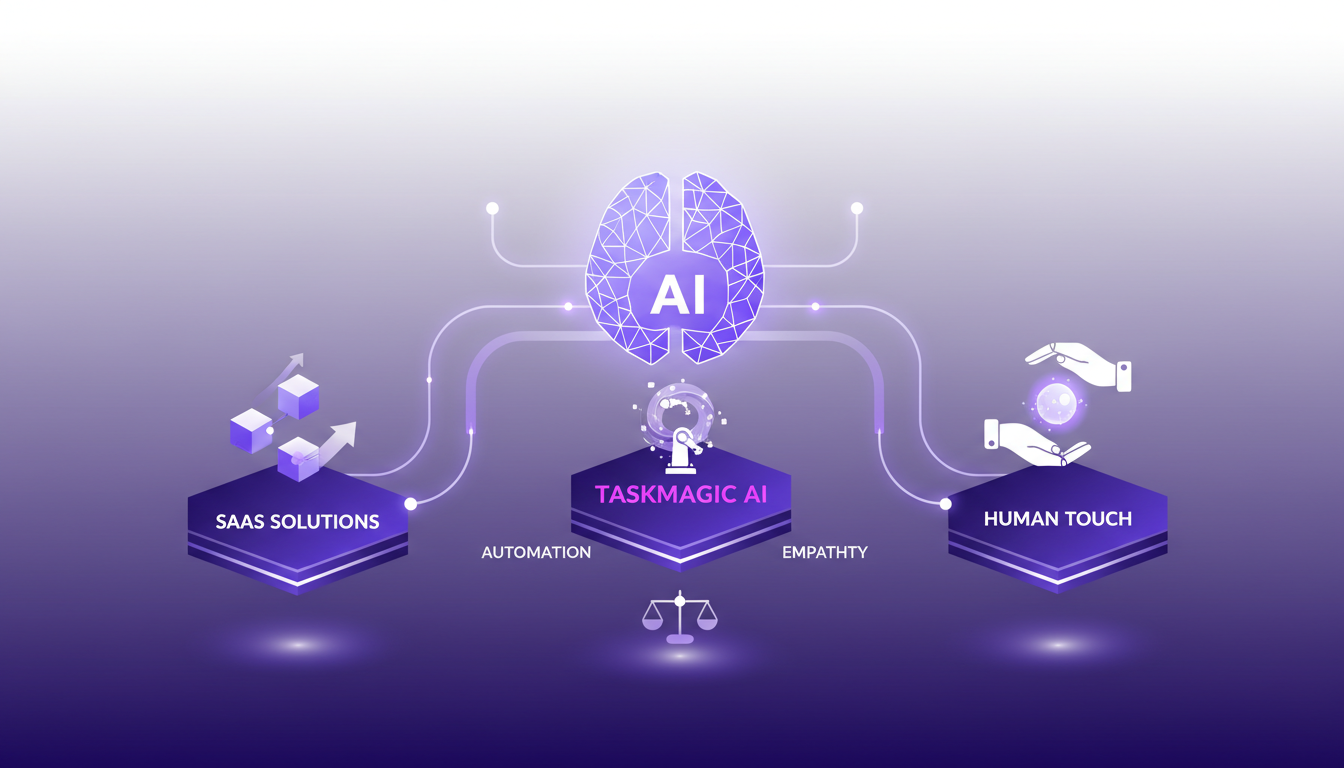
The first step? Assess if AI fits well with your product, then implement it gradually. I've seen companies rush into automation and lose their soul along the way. Don't make the same mistake. AI should be an amplifier, not a replacement.
- Assess AI's fit for your product.
- Implement AI gradually.
- Maintain a balance between technology and human interaction.
So, having followed Jeremy's journey with Taskmagic, here's what I take away for my own SaaS endeavors. First off, leveraging no-code tools helped Taskmagic scale to over 60,000 users, with 8,000 paying customers. It's clear: build smart to sell even smarter. Next, the impact of AI was a real game changer, but watch out, you need to adapt your strategy as technology evolves. Finally, the tentpole strategy for SaaS businesses—focusing on sustainable growth and strategic planning—was crucial for Jeremy. But remember, every choice comes with trade-offs, and keeping an eye on the long-term is vital.
Looking ahead, I'd say the key is to stay agile and always ready to pivot when opportunities arise.
For those building a SaaS, I highly recommend checking out the full video "I Spent 24 Hours With A SaaS Millionaire" on YouTube. Jeremy has a lot to share, and it's really from the field, not just theory. YouTube video link
Frequently Asked Questions

Thibault Le Balier
Co-fondateur & CTO
Coming from the tech startup ecosystem, Thibault has developed expertise in AI solution architecture that he now puts at the service of large companies (Atos, BNP Paribas, beta.gouv). He works on two axes: mastering AI deployments (local LLMs, MCP security) and optimizing inference costs (offloading, compression, token management).
Related Articles
Discover more articles on similar topics
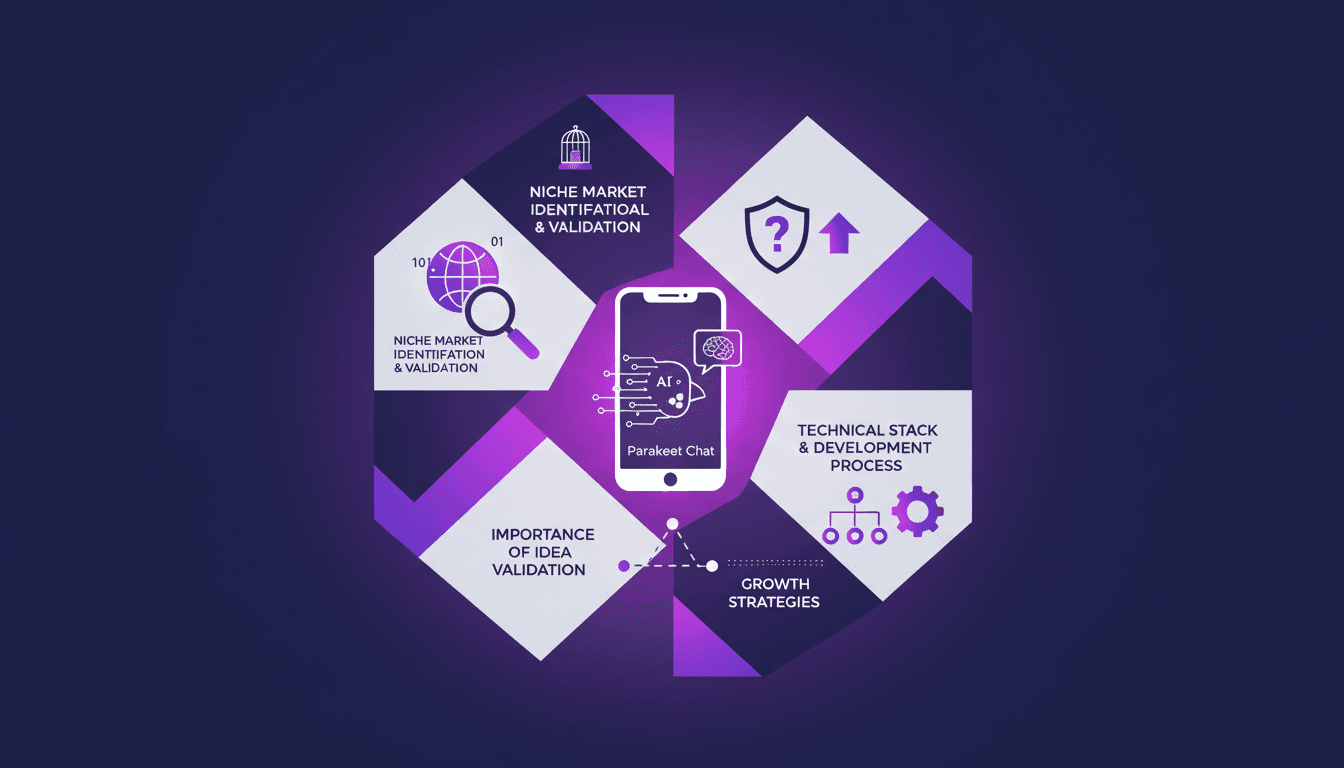
App Success: $1.5M, Niche Market, Strategy
I built an app you’ve probably never heard of, and it made $1.5 million. Let me break down how I found my niche, validated my idea, and built Parakeet Chat from the ground up. In an industry where 95% of people don't even realize the potential, I carved out a space in the prison communication market. This is how it unfolded. From niche market selection to idea validation, business model crafting, and growth strategies, I share my entrepreneurial journey and the challenges faced along the way. If you're curious about hidden opportunities in overlooked industries, this article is for you.
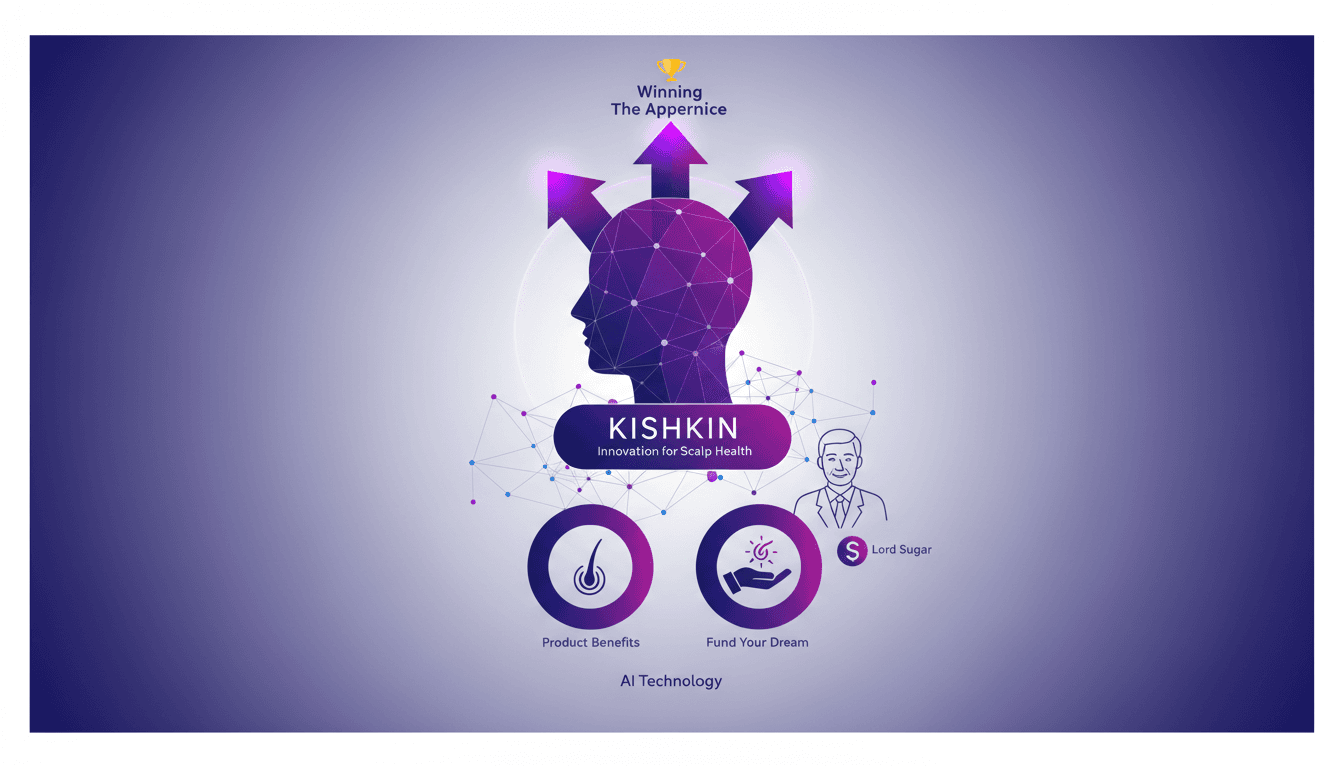
Winning The Apprentice: My Journey and Prize
I remember the moment I won The Apprentice like it was yesterday. Walking away with £250,000 was incredible, but it was just the beginning. It wasn't just about the money, but how I used the opportunity to build something tangible with Kishkin. I'm going to walk you through how I turned that win into a thriving business and what it's like working alongside Lord Sugar. We'll dive into the origins of Kishkin, the scalp care benefits we offer, and why collaborating with a business titan is a game changer. Plus, I'm not stopping there—I have an exciting proposal to help fund your dream.
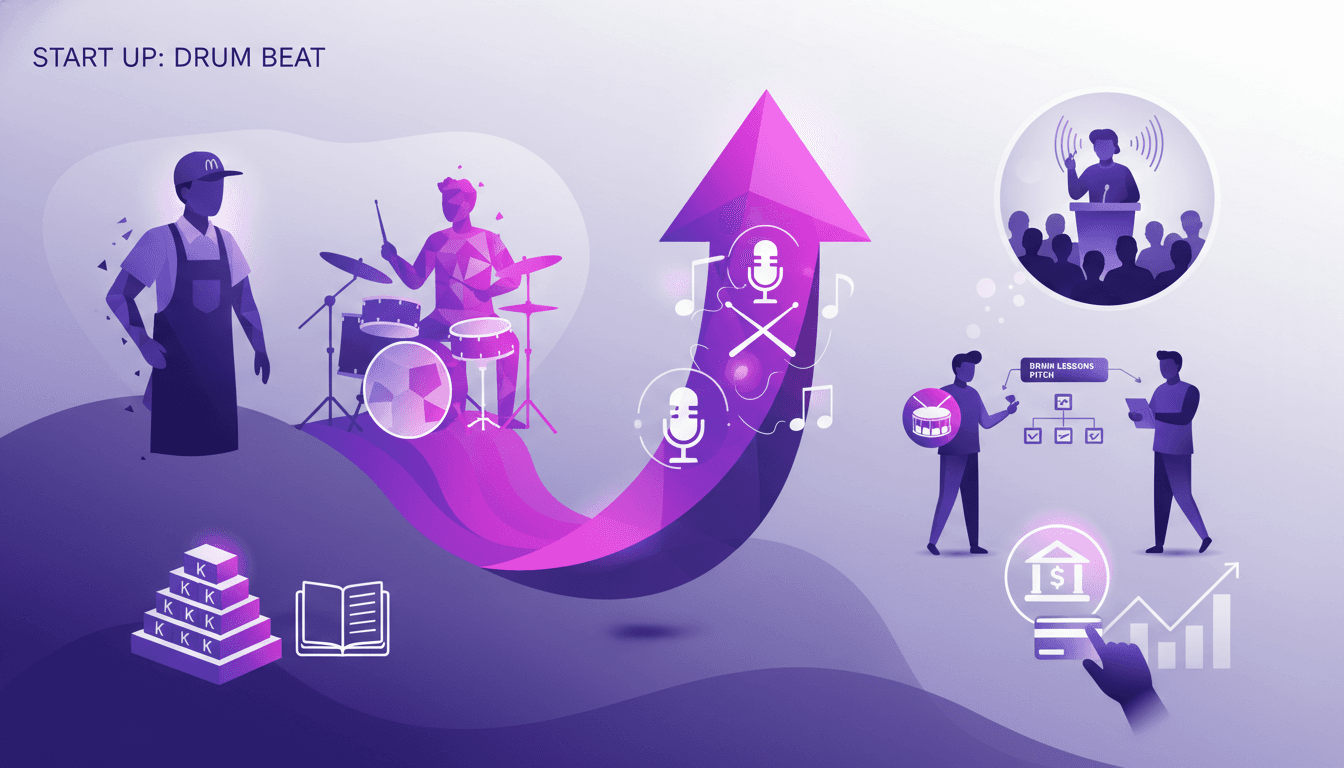
Starting a Business with $10,000
I've been there—working at McDonald's just to pay the bills, dreaming of something bigger. When I got $10,000 to start my own business, it was a game changer. I turned that opportunity into a thriving venture by following my passion for drumming. This isn't just theory—it's a lived story. I started by teaching drum lessons, guided by successful drummers, and now I'm pitching to 2,500 people at the London Palladium. This story is as much about transition and risk-taking as it is about passion and perseverance.
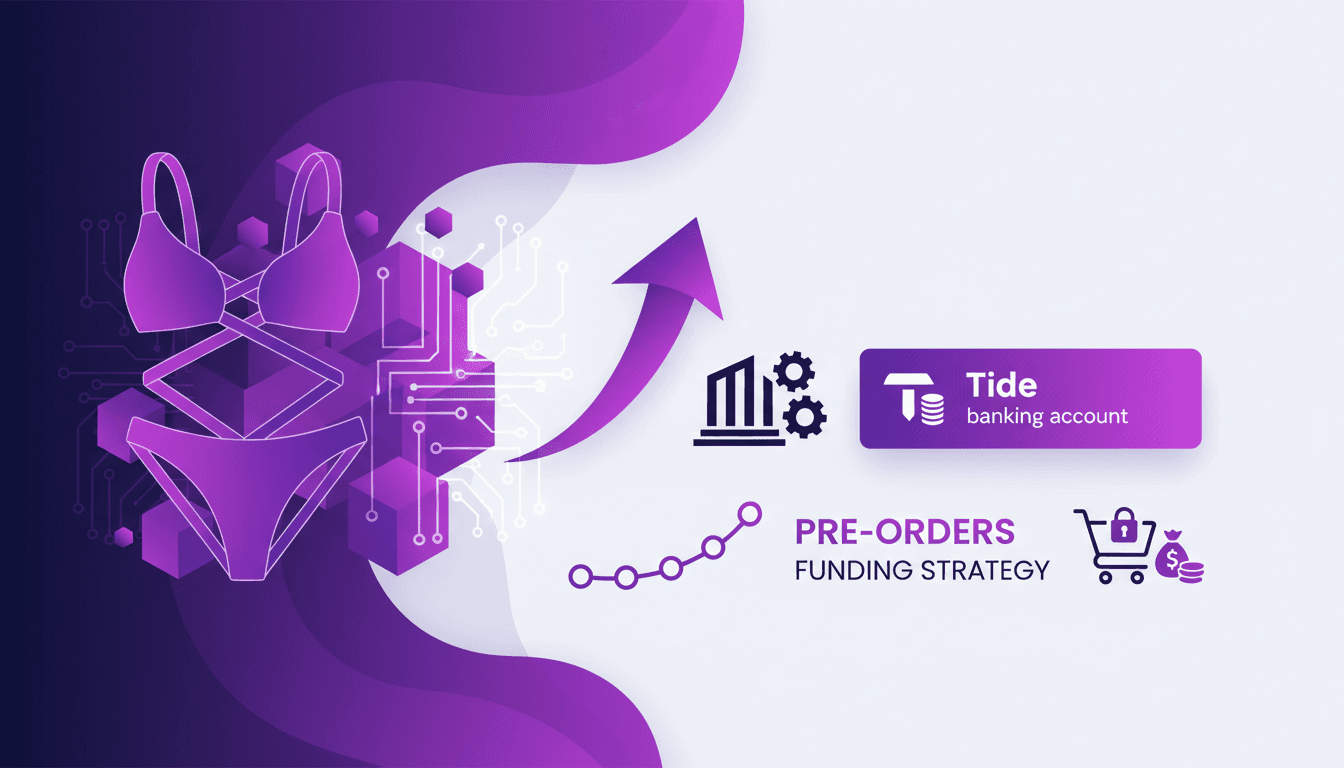
Starting a Swimwear Brand: Challenges
I always dreamed of starting my own swimwear brand. But let me tell you, turning that dream into reality involves more than just good intentions—it's a complex dance of design, funding, and infrastructure. In this article, I share how I navigated this tricky path. Launching a business without initial investment? Yes, it's possible, and I'll explain how. From tackling complex swimwear designs to the necessity of solid infrastructure, using a Tide banking account for transactions, and pre-orders as a funding strategy, I reveal my tricks and pitfalls. If you're considering taking the plunge, these insights might just turn your dream into reality.
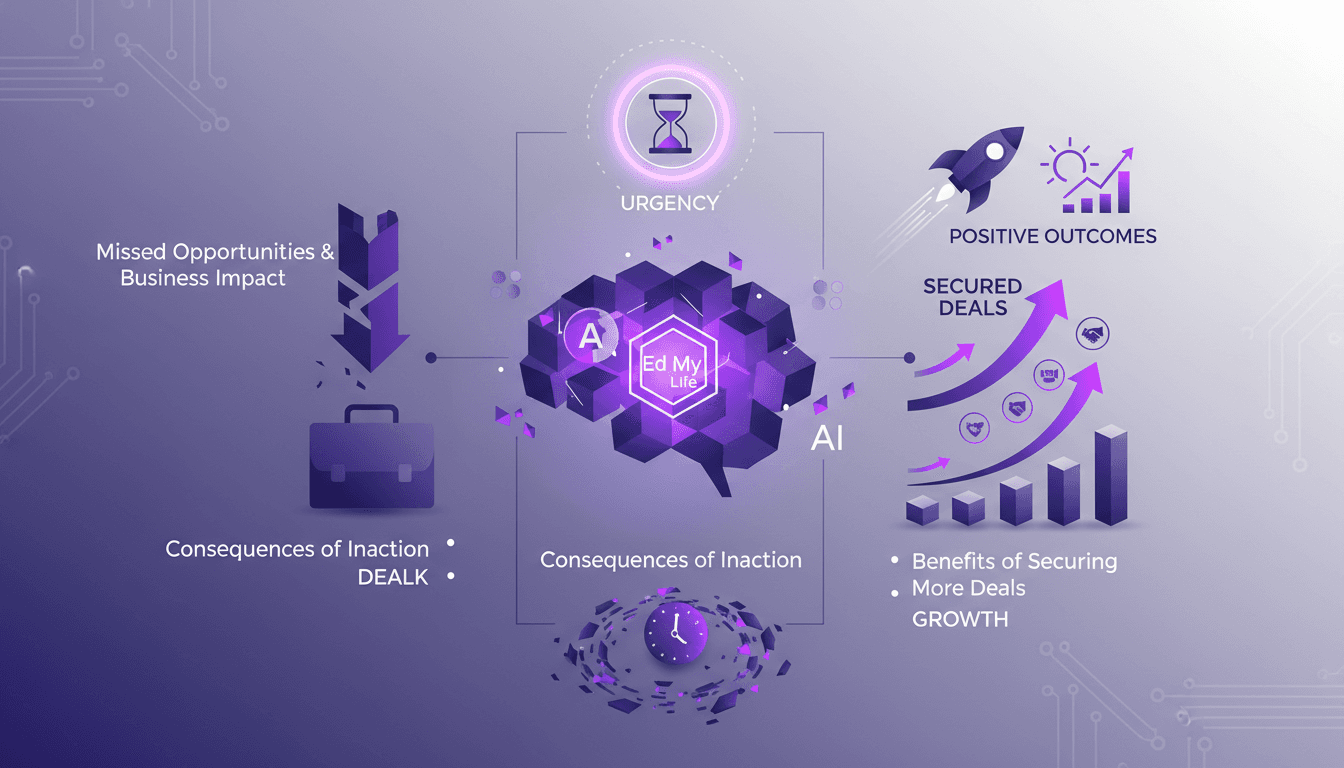
Creating Urgency: 'Ed My Life' in Action
In sales, creating a sense of urgency can make or break a deal. The 'Ed My Life' concept is far from theoretical; it's a real game changer. I apply it systematically to close more deals. Picture this: you're talking to a prospect and within 60 seconds, you make them realize what they're missing out on if they don't act fast. It's not about applying pressure—it's about clearly showing the missed opportunities. In this article, I'll show you how I practice this strategy to turn hesitation into action and why it has a direct impact on business outcomes.