Starting a Business with $10,000
I've been there—working at McDonald's just to pay the bills, dreaming of something bigger. When I got $10,000 to start my own business, it was a game changer. I turned that opportunity into a thriving venture by following my passion for drumming. This isn't just theory—it's a lived story. I started by teaching drum lessons, guided by successful drummers, and now I'm pitching to 2,500 people at the London Palladium. This story is as much about transition and risk-taking as it is about passion and perseverance.
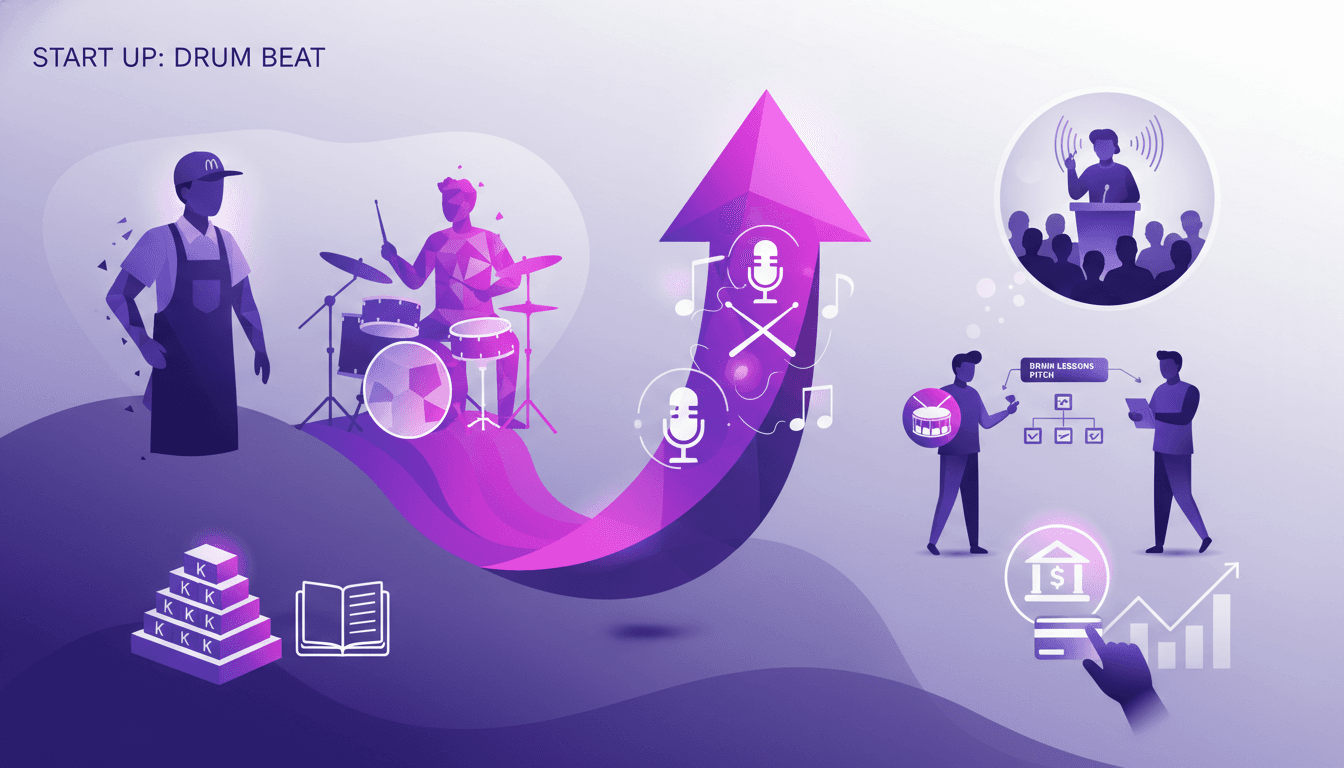
Have you ever dreamed of breaking out of the mundane cycle of a dead-end job? I have, and it was a $10,000 boost that changed everything. I left my post at McDonald's to pursue my passion: drumming. This isn't just a theoretical journey, but a real entrepreneurial adventure. I started by teaching drum lessons, guided by the pros, and learning to pitch my ideas, even in front of 2,500 people at the London Palladium. Each step taught me to overcome my fears and build the confidence needed to turn a simple dream into a profitable reality. This isn’t a fairy tale, but a demonstration that sometimes, a small spark is all it takes to ignite great ambitions.
Getting Started: From McDonald's to Entrepreneur
I've always believed that dreams can come true with a bit of courage and a lot of hard work. And that's exactly what I felt when I was handed $10,000 to start my own business. Picture this: working at McDonald's in New Zealand, dreaming of finance, but in reality, my passion was elsewhere. Drumming was my true aspiration. Leaving a stable job to follow a passion was both terrifying and exciting.
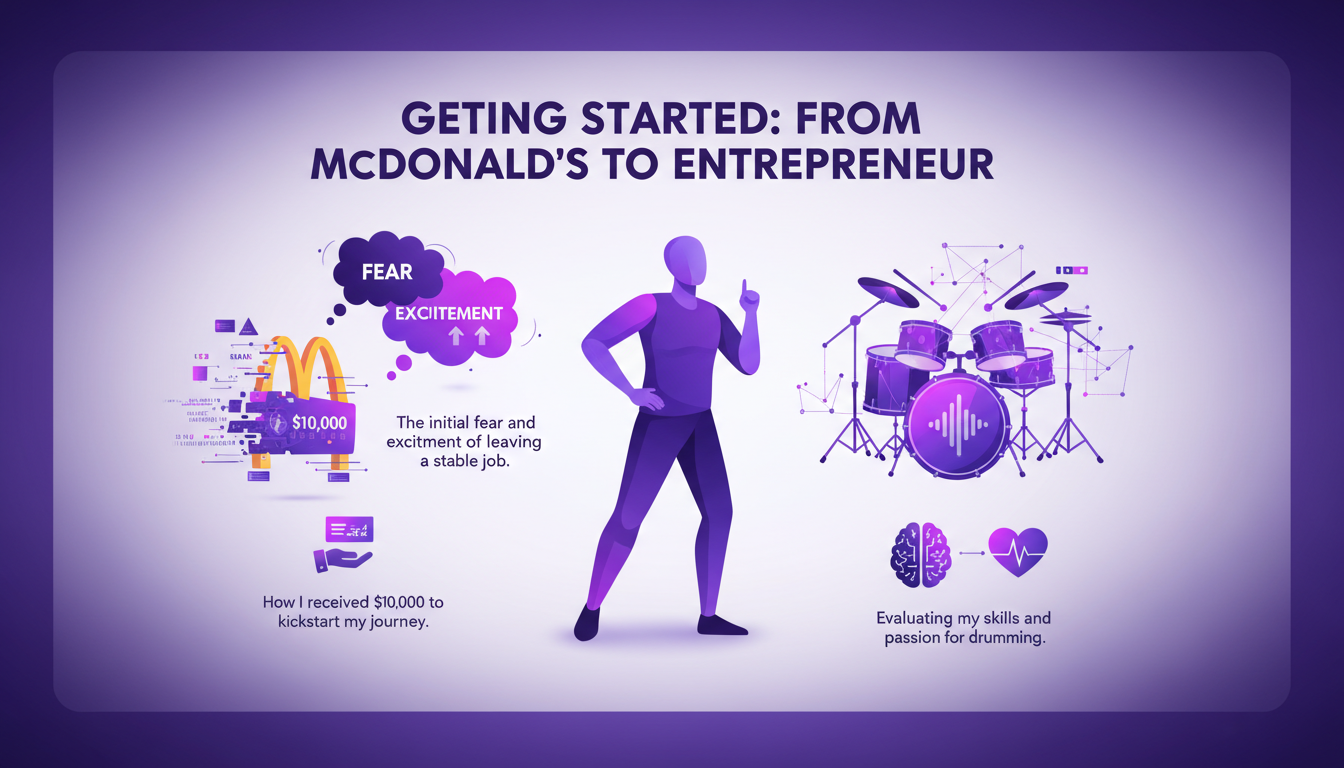
The first step was to evaluate my skills and passion. I realized I needed to structure a solid business plan. The idea was to create a clear vision, set defined goals, and navigate the financial incentives available, like the Tide Banking offer of a £50 reward for opening an account with a specific code. It was a small step, but crucial for laying the foundations.
- Assess your skills and passions.
- Develop a business plan.
- Explore banking solutions and financial incentives.
Transitioning from Finance to Drums
Why drumming over finance? It's simple: passion. I always knew that finance was just a childhood dream, but drumming was the real call. Identifying the right time to make the switch was critical. I had to build a new daily routine centered around my passion. This meant leveraging online platforms to reach a wider audience. I used networks like Instagram to connect with other drumming enthusiasts.
But beware, changing career paths isn't without pitfalls. I learned not to fall into the trap of isolation and to constantly seek feedback to improve my skills.
- Choose passion over security.
- Build a routine around your passion.
- Leverage online platforms to expand your audience.
Building Confidence Through Mentorship
Mentorship played a crucial role in my journey. Having seasoned guides in the field, like Patrick, a successful online drumming trainer, was a real confidence booster. He showed me how I could turn my passion into a career, charging up to $320 per hour for online drumming lessons.
To find a mentor, I approached directly, clearly explaining what I was looking for. But I also learned to balance the advice received with my personal intuition. It's this balance that accelerated my business growth.
- Seek mentors in your chosen field.
- Balance external advice with personal intuition.
- Use mentorship to boost business growth.
Teaching and Pitching: Lessons from the Field
My first drum lesson wasn't perfect, but it taught me what works and what doesn't. I had to adjust my pricing strategy based on market research, setting a competitive rate while remaining attractive. I was also about to pitch to 2,500 people at the London Palladium, an exercise in public speaking that required intense preparation.
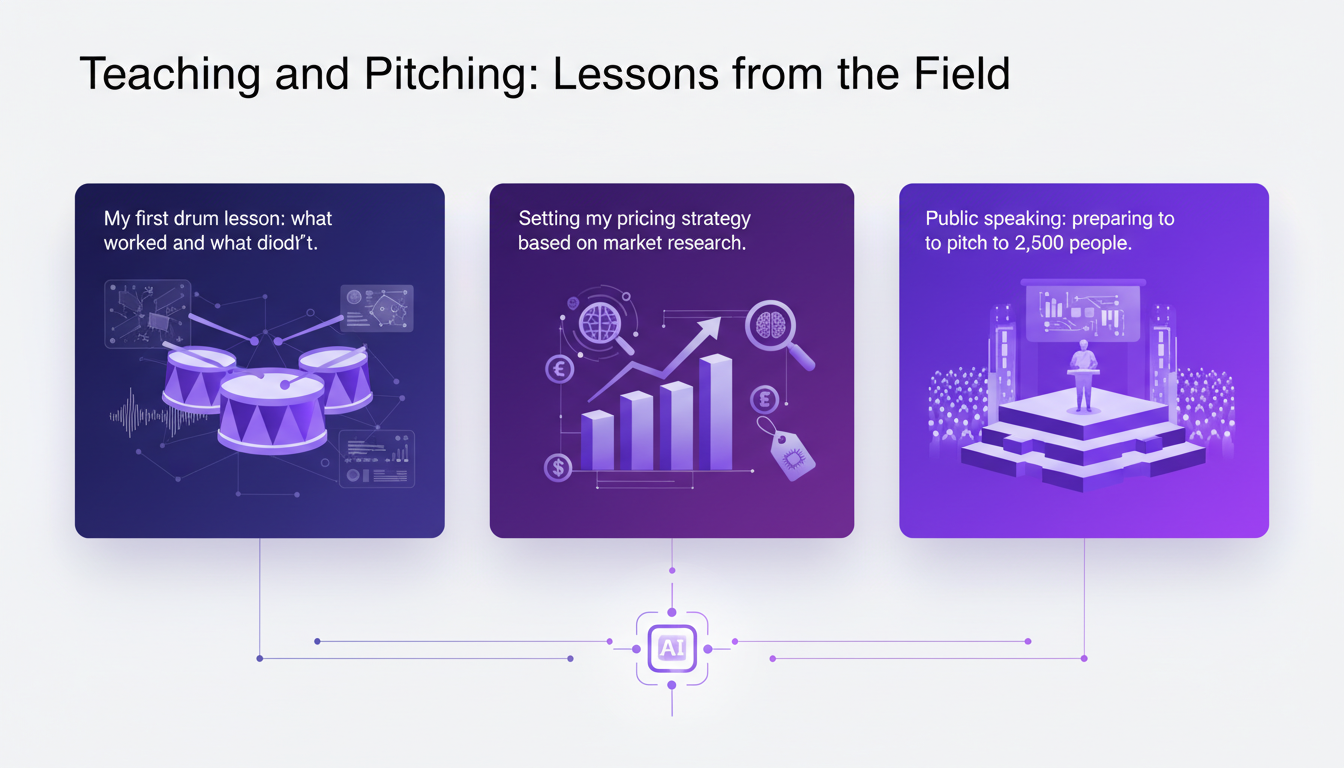
In 24 hours, I had to craft a compelling message, and the success of this pitch had a huge impact on my business, allowing me to secure four paying clients at £200 each.
- Learn from mistakes during initial lessons.
- Adapt pricing strategy according to the market.
- Intensive preparation for public speaking.
Overcoming Challenges and Celebrating Success
Challenges are an integral part of any entrepreneurial journey. I had to face setbacks, but what's important is maintaining motivation. Tracking progress and celebrating small wins was essential to staying on course. I adjusted my strategies based on feedback and results, always ready to pivot if necessary.
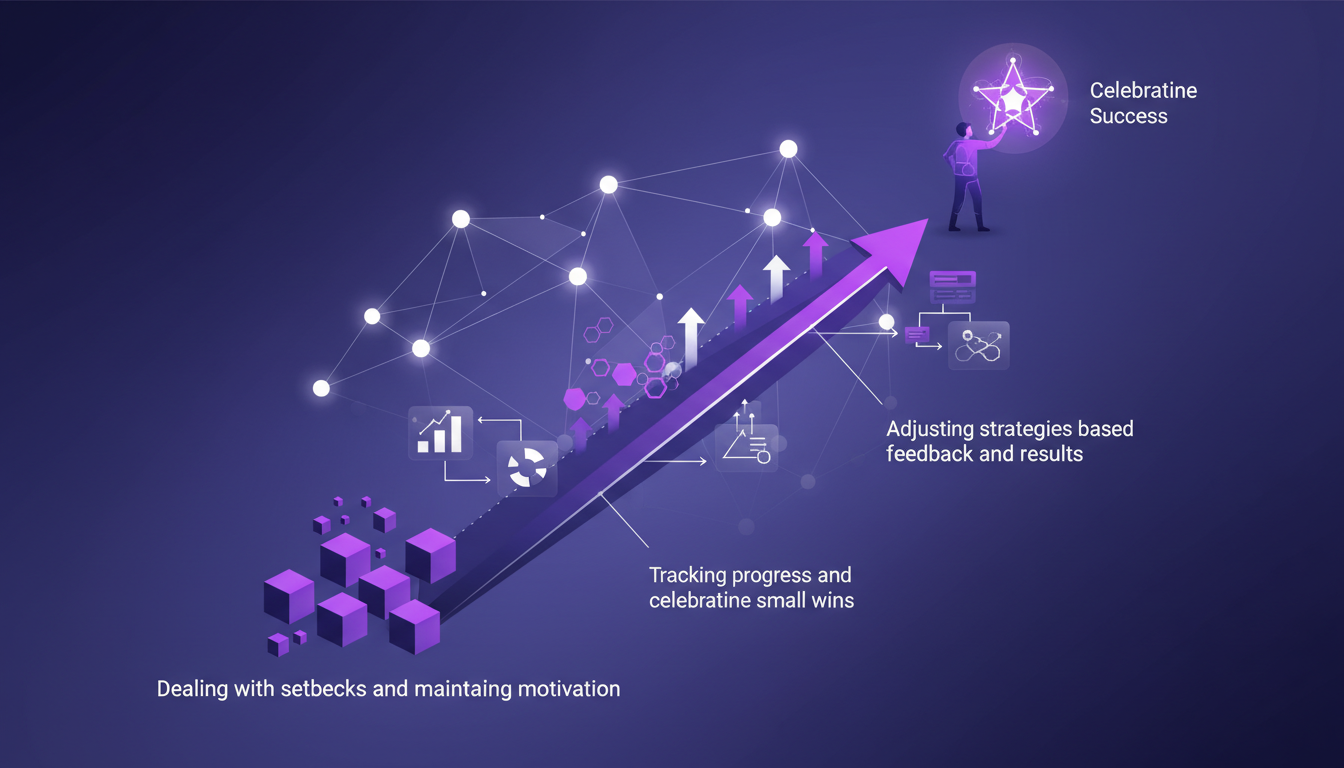
Reflecting on my journey from McDonald's to entrepreneur, I see how much I've grown and learned. Future plans include expanding my audience and developing new growth strategies to continue on this path.
- Face setbacks and keep motivation high.
- Celebrate small victories to maintain morale.
- Adapt strategies based on feedback.
Turning a $10,000 investment into a successful business isn't just about the cash—it's about passion, strategy, and resilience. I've learned that firsthand transitioning from flipping burgers at McDonald's to becoming an entrepreneur. Each step, from cooking to teaching drums, taught me invaluable lessons. Here's what I've got for you:
- Passion is your engine. Without it, even $10,000 won't take you far.
- Start small. Every experience is a learning opportunity, so don't fear mistakes.
- Don't hesitate to ask for help. We're stronger together, especially when it comes to overcoming fears.
Looking ahead, I'm convinced that those who dare to take the first step, even with little, can succeed. If you're on the fence about pursuing your passion, I encourage you to take the leap.
Watch the original video to dive deeper into this incredible journey and, who knows, you might find inspiration for your own. Video link
Frequently Asked Questions

Thibault Le Balier
Co-fondateur & CTO
Coming from the tech startup ecosystem, Thibault has developed expertise in AI solution architecture that he now puts at the service of large companies (Atos, BNP Paribas, beta.gouv). He works on two axes: mastering AI deployments (local LLMs, MCP security) and optimizing inference costs (offloading, compression, token management).
Related Articles
Discover more articles on similar topics

Quantum Mass Production: Making It Happen
I remember the moment I realized quantum wasn't just theory anymore. At CES 2026, it hit me: we're finally moving from prototypes to mass production. But let me tell you, it's a wild ride. Transitioning from making one prototype to manufacturing ten is about more than just scaling up. We have to rethink systems engineering, secure significant capital, and overcome industry-specific hurdles. This transition is crucial for the quantum industry, and the promise is huge, but the path is littered with challenges we need to tackle together.
Starting a Swimwear Brand: Challenges
I always dreamed of starting my own swimwear brand. But let me tell you, turning that dream into reality involves more than just good intentions—it's a complex dance of design, funding, and infrastructure. In this article, I share how I navigated this tricky path. Launching a business without initial investment? Yes, it's possible, and I'll explain how. From tackling complex swimwear designs to the necessity of solid infrastructure, using a Tide banking account for transactions, and pre-orders as a funding strategy, I reveal my tricks and pitfalls. If you're considering taking the plunge, these insights might just turn your dream into reality.
App Success: $1.5M, Niche Market, Strategy
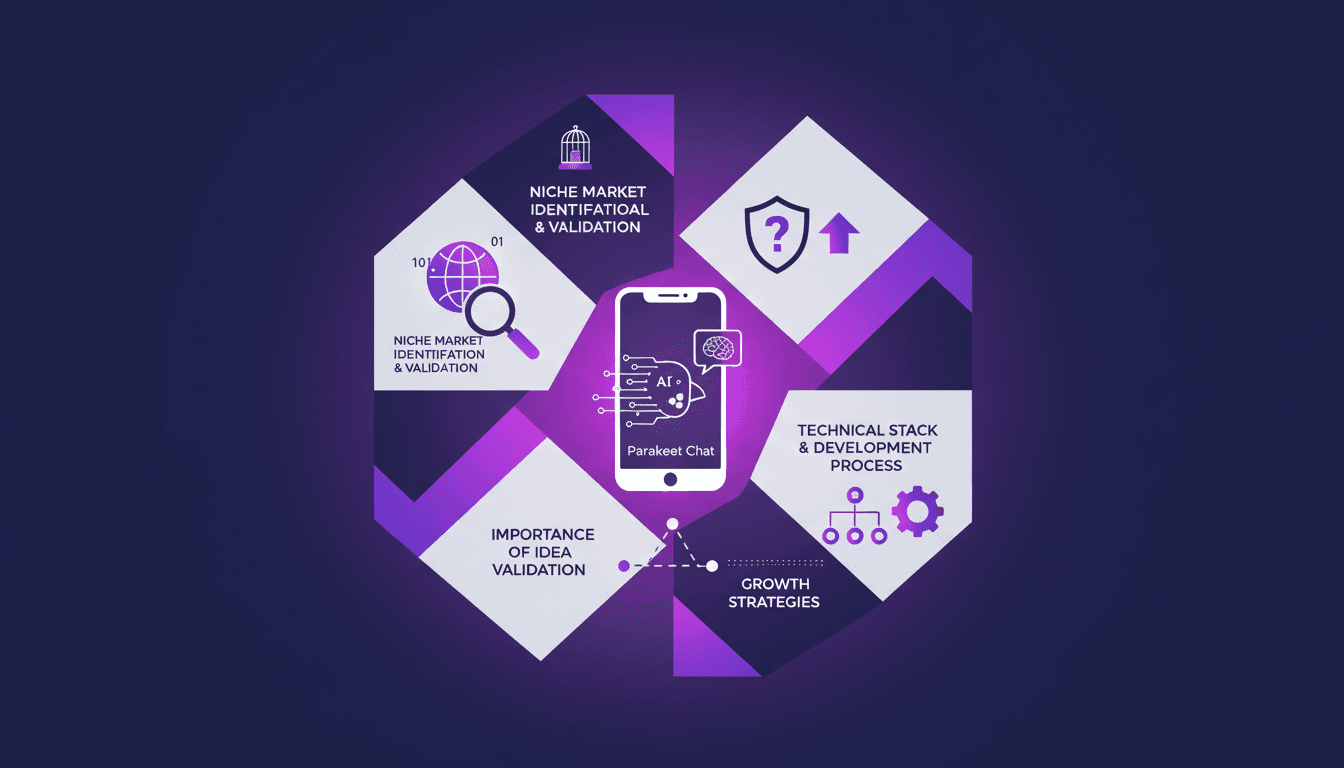
I built an app you’ve probably never heard of, and it made $1.5 million. Let me break down how I found my niche, validated my idea, and built Parakeet Chat from the ground up. In an industry where 95% of people don't even realize the potential, I carved out a space in the prison communication market. This is how it unfolded. From niche market selection to idea validation, business model crafting, and growth strategies, I share my entrepreneurial journey and the challenges faced along the way. If you're curious about hidden opportunities in overlooked industries, this article is for you.
Building Trust on TikTok: AI Strategies at Scale
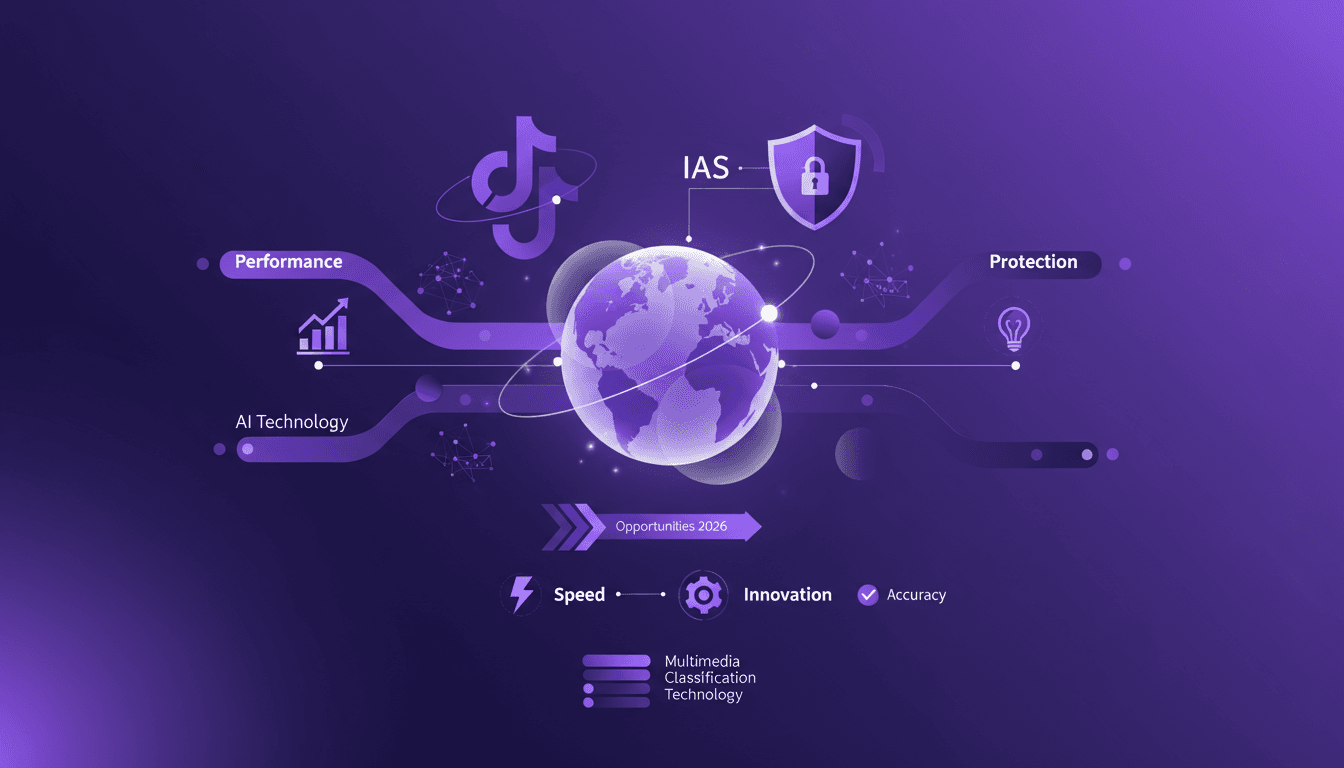
I've been in the trenches of digital marketing for years, and if there's one platform reshaping the landscape, it's TikTok. With over 1 billion active users, the stakes for brand safety and performance are enormous. I'm connecting the dots between AI and strategic partnerships to see how we can navigate this terrain. We're talking about TikTok's massive reach, its partnership with IAS, and the role of AI in advertising. It's a real balance between performance and protection. By 2026, the opportunities for brands will be huge, but speed and innovation will be key. Multimedia classification technology is evolving, but watch out, it's not always flawless. So let's dive into this evolving world of digital marketing together.
Designing Systems for Survivability: A Practical Guide
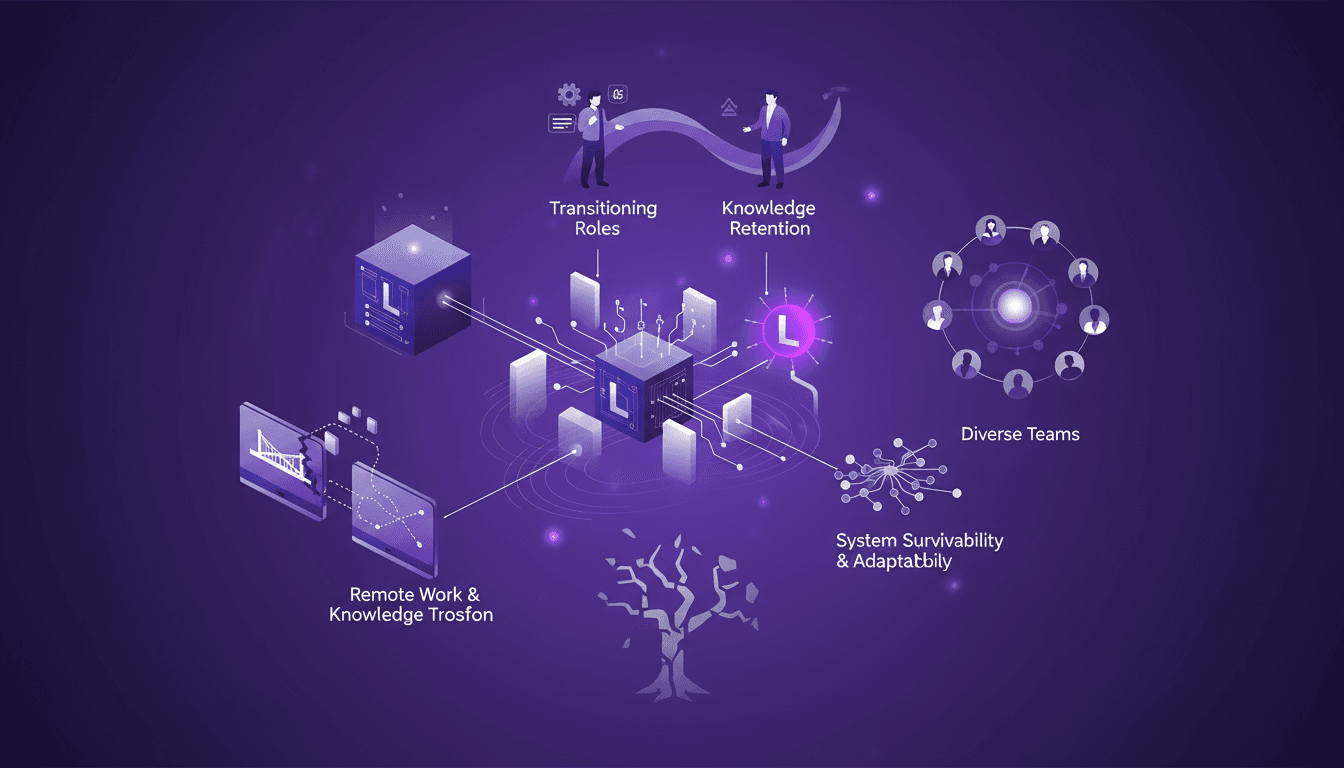
With over 30 years in software engineering, let me tell you, systems that last aren't built on the latest buzzwords. It's about tackling real-world challenges. Picture handling knowledge retention in legacy systems while transitioning from technical roles to management. I'll walk you through my approach, drawing on decades of experience. In our rapidly evolving software world, survivability and adaptability are crucial, yet often lost in practice. Let's dive into designing systems that thrive, even amid inevitable tech shifts and team dynamics.