Quantum Mass Production: Making It Happen
I remember the moment I realized quantum wasn't just theory anymore. At CES 2026, it hit me: we're finally moving from prototypes to mass production. But let me tell you, it's a wild ride. Transitioning from making one prototype to manufacturing ten is about more than just scaling up. We have to rethink systems engineering, secure significant capital, and overcome industry-specific hurdles. This transition is crucial for the quantum industry, and the promise is huge, but the path is littered with challenges we need to tackle together.

I vividly remember that moment at CES 2026 when I realized quantum wasn't just a theoretical plaything anymore. Right there, I saw the shift from prototypes to mass production. But let's be clear, it's not just about scaling up. When you're moving from making one prototype to five, then to ten, you need to rethink your entire systems engineering. We're talking about securing major capital, overcoming industry-specific hurdles. I've gotten burned trying to scale concepts without the right infrastructure. What we need is an integrated strategy to turn quantum's potential into tangible reality. The promises are massive, but the road is full of challenges. And believe me, that's where real-world experience makes all the difference.
Transitioning to Mass Production: The Quantum Leap
Moving from making one prototype to hundreds or thousands is a quantum leap that demands a paradigm shift. It's not just about technology—it's a complete business overhaul. As a practitioner, I've found that systems engineering becomes critical at this scale. Initially, you need to grasp that every step of your process needs optimization, or you're heading for a crash.
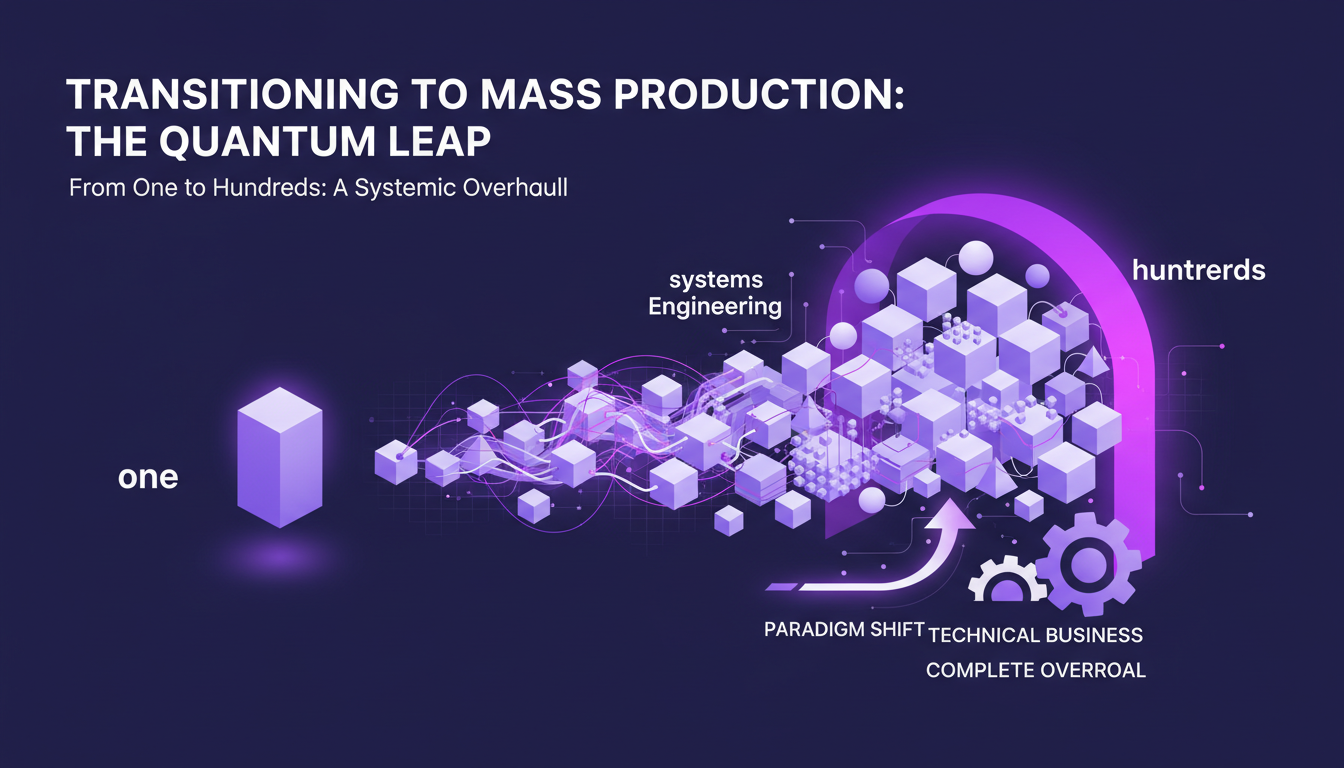
When I started piloting large-scale projects, I often underestimated the challenges of scaling up. Systems engineering is the backbone supporting this growth. You need to think of everything: from integrating new manufacturing processes to adjusting supply chains. But watch out, don't move too fast! The pitfalls of scaling too quickly can be devastating. I've seen companies crumble because they rushed the steps.
- Process optimization to avoid bottlenecks.
- Systemic approach for managing scale-up.
- Production capacity considerations before committing resources.
The Role of Systems Engineering and Manufacturing
Systems engineering is the backbone of quantum manufacturing. I learned the hard way that without an integrated approach, you quickly get lost in details. At each step, you must balance innovation with manufacturability. Introducing new manufacturing processes is an adventure in itself. Don't underestimate the need for specialized equipment. Sometimes there's a tendency to over-innovate, but don't overuse it, or you'll lose efficiency.
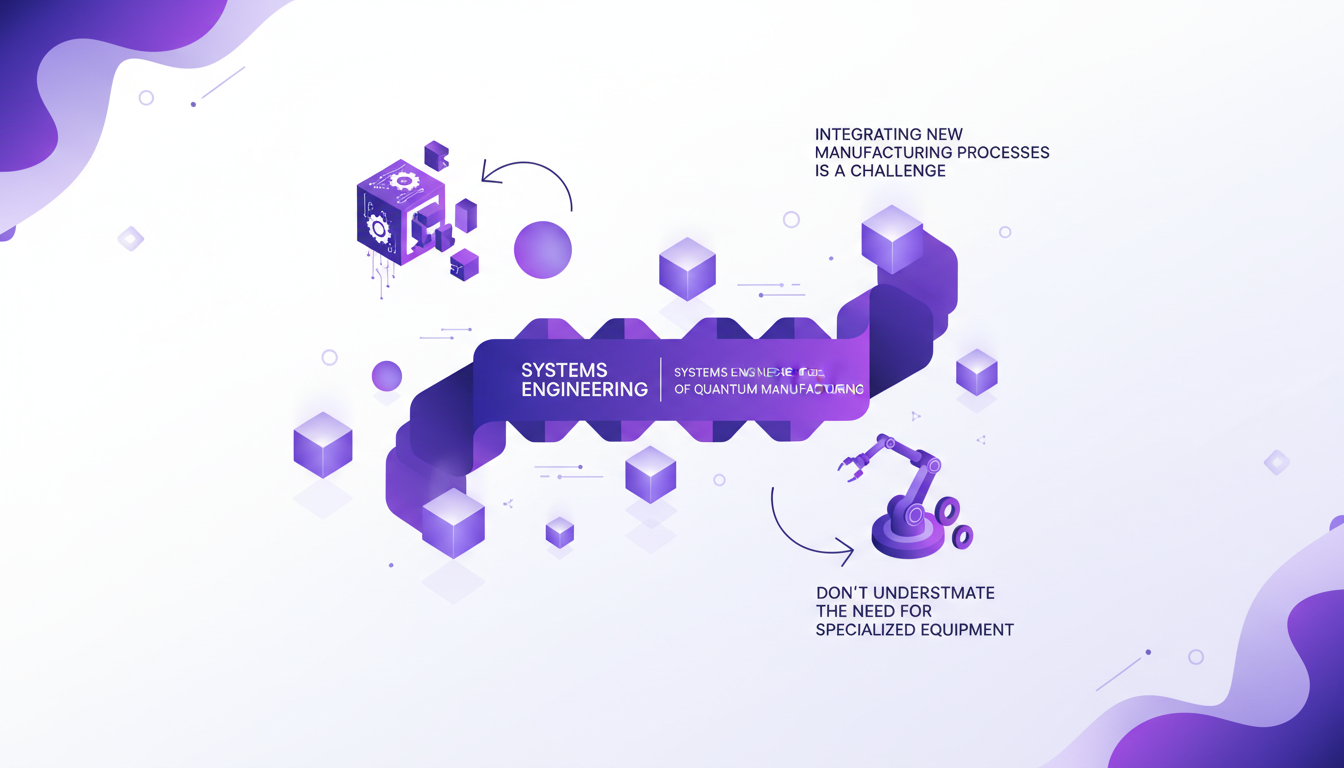
Working on quantum manufacturing projects, I've often had to juggle between innovation and production constraints. Technological choices must be carefully considered to avoid unnecessary costs. If you're not careful, the impact on the business can be direct and often painful. Always keep an eye on process adaptability to the industrial scale.
- Process integration in a systemic framework.
- Balancing innovation and manufacturability to optimize costs.
- Specialized equipment required to support innovation.
Capital Investment: Fueling Quantum's Future
No secret, without investment, no project. Securing capital is as crucial as the technology itself. Investors need to understand that it's a long-term game. I've seen promising projects fail due to insufficient funds. Strategic capital allocation can make or break your project. Sometimes, it's wise to partner with other players to ease the financial burden.
Quantum technology funding is booming, with expenditure forecasts reaching $19 billion by 2032. Strategic partnerships can be a real lever for overcoming financial obstacles. I've often used alliances to fill budget gaps and accelerate development.
- Understanding long-term stakes by investors.
- Strategic capital allocation to maximize impact.
- Strategic partnerships to ease financial constraints.
Navigating Challenges in the Quantum Sensing Industry
The quantum sensing industry is full of promise but also challenges. Precision and accuracy are non-negotiable. Regulatory landscapes are still evolving, and you need to be ready to adapt. Don't overpromise on capabilities; it can ruin your credibility. I've seen companies burn themselves by overestimating their capabilities.

The key lies in managing expectations and aligning with market reality. As a practitioner, I've often had to readjust my strategies to meet ever-evolving demands. Quantum technologies demand extreme precision, and for that, investments in quality and compliance are indispensable.
- Maintaining precision and accuracy in quantum applications.
- Adapting to evolving regulatory landscapes.
- Expectation management to avoid overpromising.
Fulfilling the Promise of Quantum Technology
Quantum technology promises transformative potential, and real-world applications are closer than ever. But you need to balance hype with reality. Those who succeed are those who continually iterate and test. I've learned never to rest on my laurels and always seek to improve my processes.
Investments in quantum technology have tripled since 2020, reaching $2 billion per year. This shows the market believes in this potential, but caution is needed regarding the challenges that persist. The key lies in a well-orchestrated strategy that combines innovation, practical application, and understanding of technical limits.
- Transformative potential of quantum technologies.
- Real-world applications getting closer.
- Continuous iteration and testing to adapt innovation.
In the quantum world, getting from lab to mass production is a real battlefield. First, I make sure systems engineering is at the core. That's where the magic happens, but watch out for the technical challenges that can pile up. Next, I secure capital. It's crucial for large-scale deployments. And finally, I keep an eye on industry-specific hurdles, like in the quantum sensing field.
- Making one piece is one thing. Producing ten is another.
- Systems engineering and manufacturing need to be perfectly in sync.
- Without adequate capital, no significant deployment is possible.
The potential is huge. But for quantum to truly become a game changer, you need to navigate these obstacles skillfully. If you're ready to dive into the quantum adventure, start by understanding the engineering challenges and securing the right partnerships. Watch the video "From CES 2026: Quantum is Now" for a deeper dive into this fascinating world. It's here: YouTube.
Frequently Asked Questions

Thibault Le Balier
Co-fondateur & CTO
Coming from the tech startup ecosystem, Thibault has developed expertise in AI solution architecture that he now puts at the service of large companies (Atos, BNP Paribas, beta.gouv). He works on two axes: mastering AI deployments (local LLMs, MCP security) and optimizing inference costs (offloading, compression, token management).
Related Articles
Discover more articles on similar topics
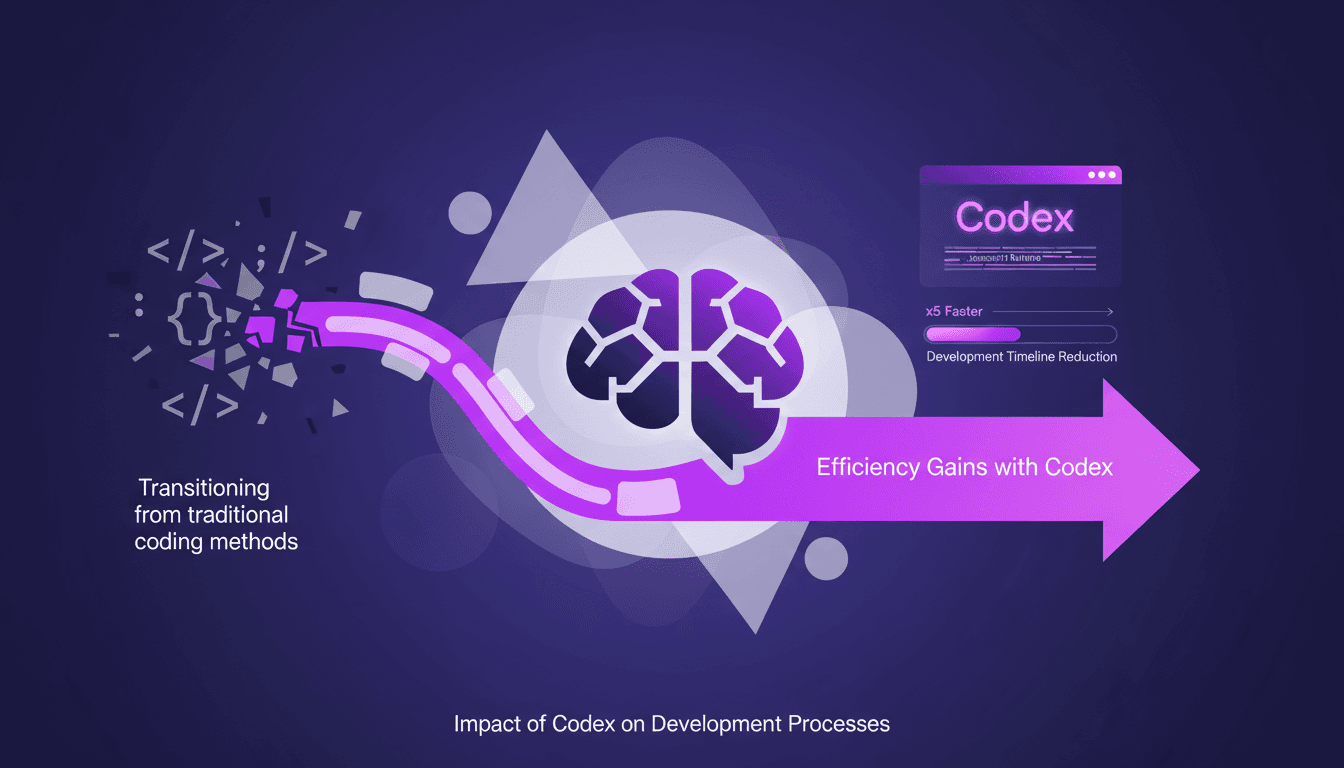
Boosting Wasmer with Codex: Efficiency Unlocked
I remember the first time I integrated Codex into my workflow. It was like flipping a switch on development speed. Going from traditional coding to leveraging Codex transformed my approach to building a JavaScript runtime for Wasmer. In just two weeks, I completed a project that would have taken me a whole year without Codex. This article dives into how Codex revolutionizes development timelines, especially in creating a JavaScript runtime for Wasmer, and the efficiency gains it unlocks.
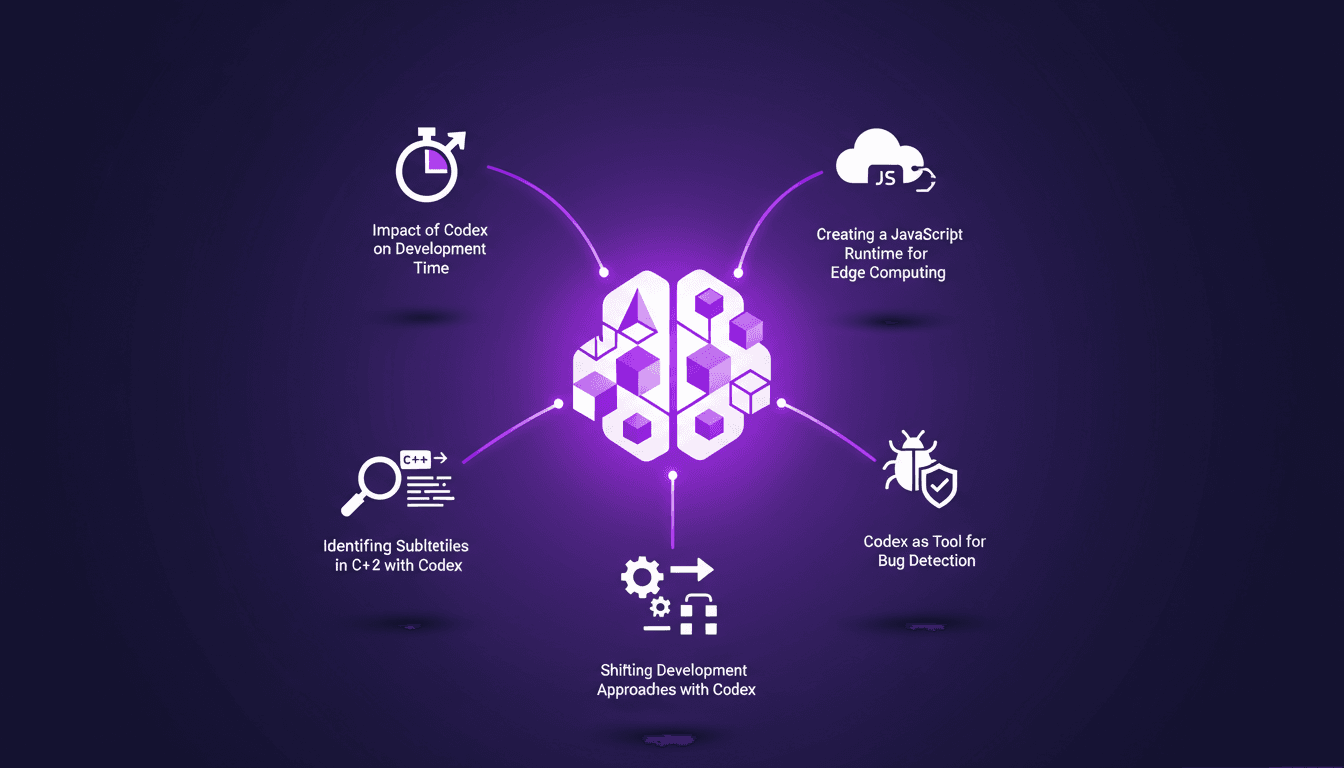
Codex: Revolutionizing Development Time
I used to spend weeks, even months, wrestling with development time. Then Codex came along and changed the game. Let me walk you through how it slashed my JavaScript runtime project from a year to just two weeks. Codex has been nothing short of transformative. From identifying C++ subtleties to creating a JavaScript runtime for edge computing, Codex has streamlined processes I once thought were set in stone. In this video, I dive into how Codex impacted development time, detected bugs, and shifted our development approach.
Self-Education: From Dropout to Senior Engineer
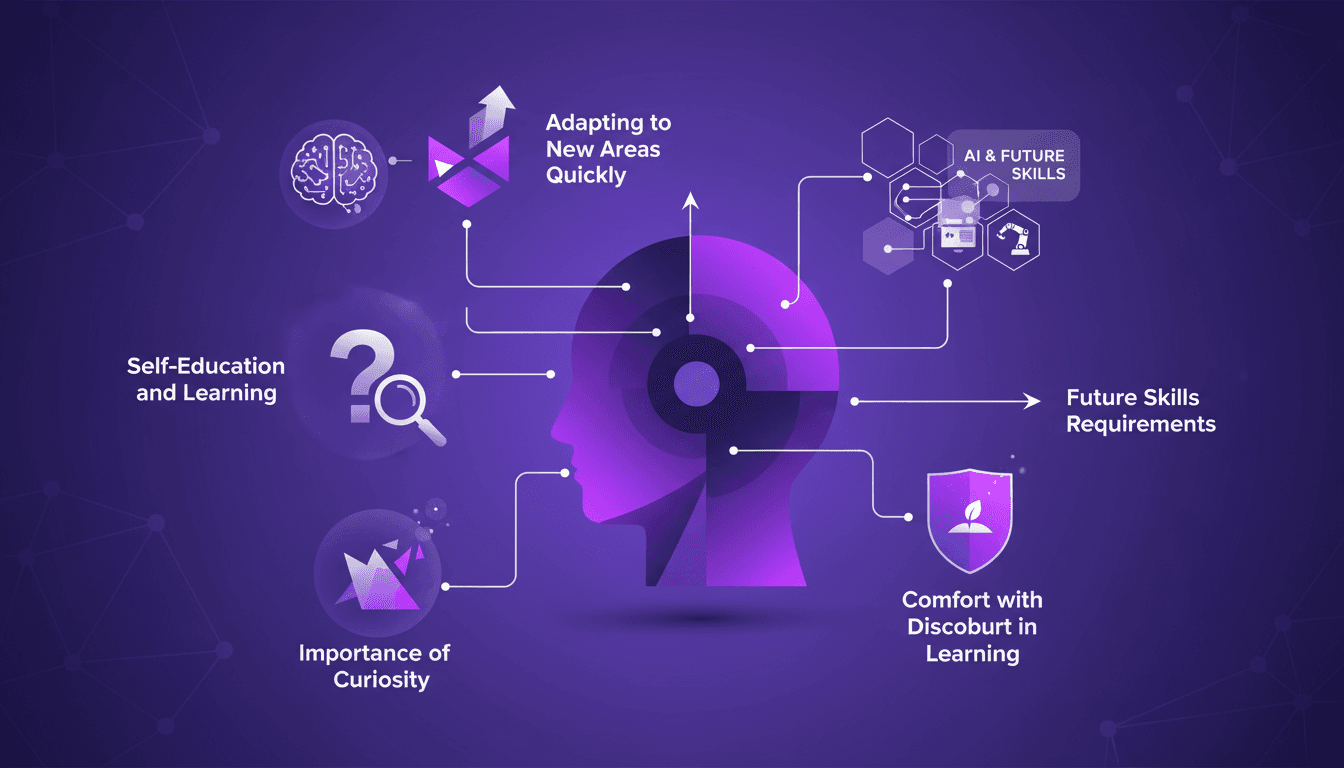
I never completed my computer science degree, yet here I am, a senior engineer at GitHub. How did I get here? Spoiler: it's anything but the traditional route. I banked on self-education, curiosity, and embracing discomfort. In a world where tech evolves at lightning speed, what really counts is our ability to learn quickly. I'll show you how these elements shaped my journey and how they can transform yours. We'll dive into how to swiftly adapt to new areas, the importance of daring to be curious, and why getting comfortable with discomfort has become crucial for future skills.
Open Clow Surpasses Docker: Impact and Implications
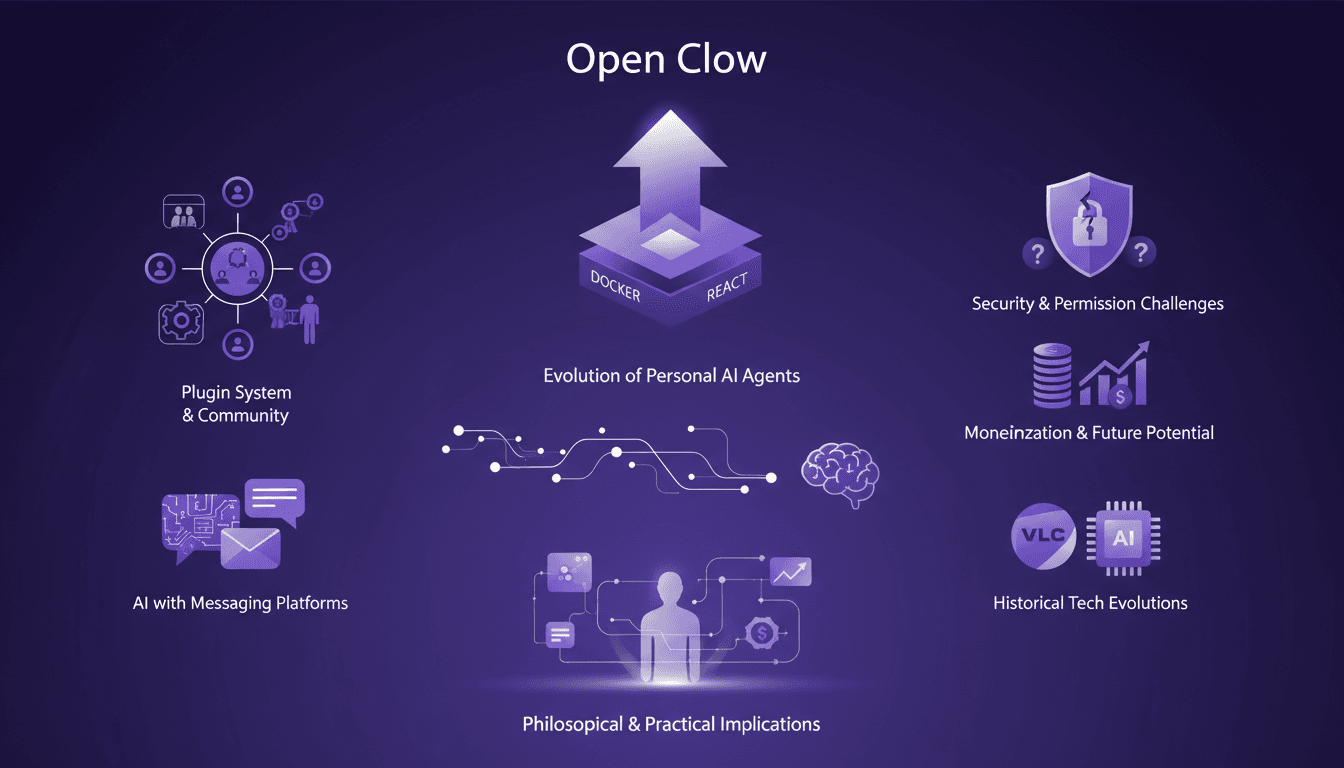
I clearly remember when Open Clow surpassed Docker and React on GitHub. It felt like witnessing a paradigm shift. Suddenly, personal AI agents were more than just hypothetical—they became a burgeoning movement. With 265,000 stars, Open Clow is reshaping the open-source AI landscape. But it's not just about numbers; it's about the transformation of our daily workflows through these agents. Let's delve into Open Clow's evolution, its plug-in systems, community engagement, and the security challenges it poses. Watch out for permission pitfalls and monetization, because the future of AI is happening now.
Post-Quantum Security: Google's Future Plan
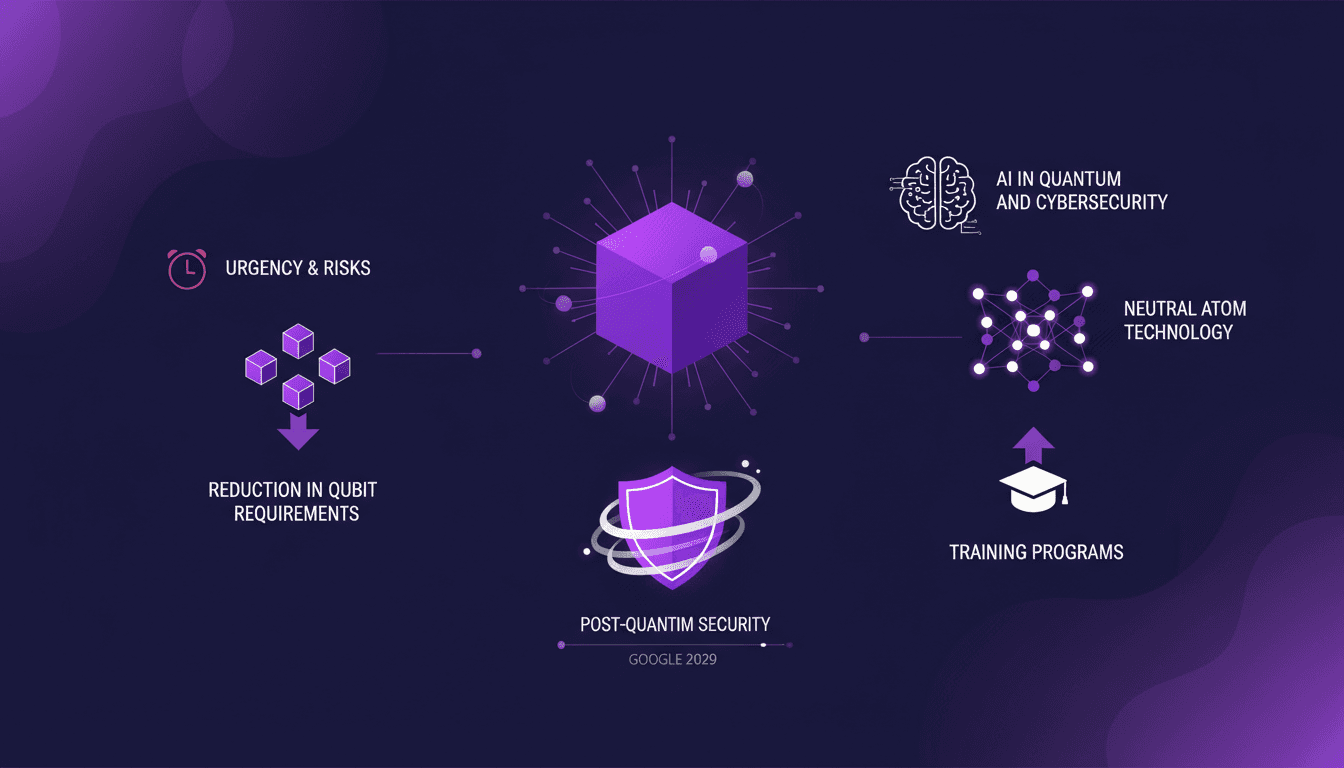
I've been watching the quantum computing space closely, and Google's recent moves are a game-changer. They're not just theorizing; they're setting the stage for a security revolution by 2029. I've seen how qubit reduction is reshaping our encryption strategies, and I'm diving deep into what this means for us all. With quantum computing advancing rapidly, Google and others are focusing on post-quantum cryptography. The urgency is real—our current encryption could be obsolete soon. Let's unpack what this means and how we can prepare. I'll take you through advancements in quantum computing, Google's strategic shift to post-quantum security, and the emergence of neutral atom technology.