Boosting Wasmer with Codex: Efficiency Unlocked
I remember the first time I integrated Codex into my workflow. It was like flipping a switch on development speed. Going from traditional coding to leveraging Codex transformed my approach to building a JavaScript runtime for Wasmer. In just two weeks, I completed a project that would have taken me a whole year without Codex. This article dives into how Codex revolutionizes development timelines, especially in creating a JavaScript runtime for Wasmer, and the efficiency gains it unlocks.
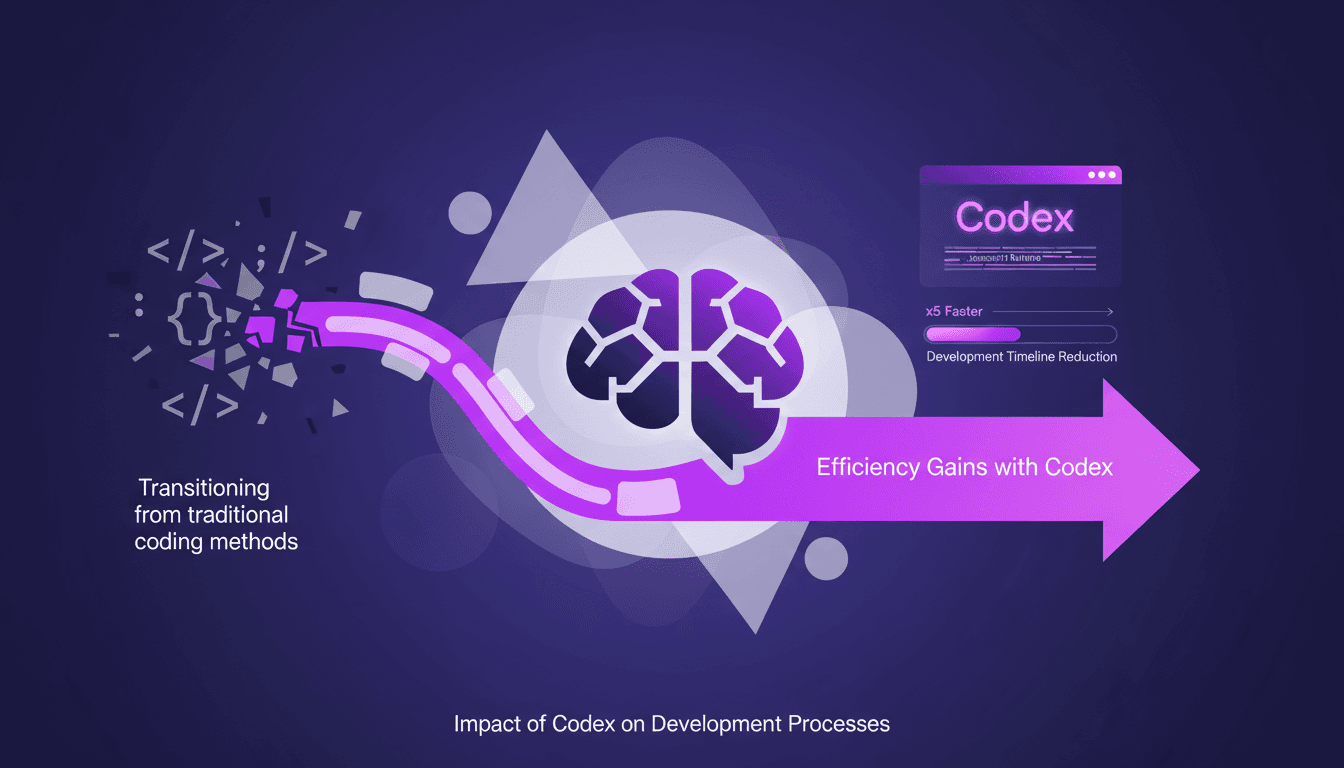
I'll never forget the first time I integrated Codex into my workflow. It was as if somebody suddenly turned on the lights on development speed. I moved away from traditional coding methods and embraced Codex, which dramatically transformed how I built a JavaScript runtime for Wasmer. Imagine a project that would have taken a year, reduced to just two weeks. Yes, two weeks! In this article, I take you through this transformation, exploring how Codex redefines development timelines and opens up new avenues for efficiency. We’ll talk about what it really means to transition from the old to the new, the pitfalls to avoid, and how you too can maximize these incredible productivity gains. Get ready to discover how Codex is a game changer for Wasmer.
Transitioning from Traditional Coding to Codex
I've been there—hesitant to move away from traditional coding methods. Used to typing every line myself, switching to Codex was a leap into the unknown. Rather than writing everything from scratch, Codex guides the code where I want it to go. Think of it as a co-pilot who knows when to step in and when to hang back. But watch out, there's a learning curve. You don't master it overnight.
The efficiency improvements are undeniable. I've noticed projects can be completed significantly faster, up to 55% quicker according to some studies. Yet, it's crucial to balance Codex's suggestions with your developer intuition. Don't get carried away by the magic; keep a critical eye on the generated code.
"We are not touching the code as much, we are guiding it where we want it to go."
Creating a JavaScript Runtime in Two Weeks
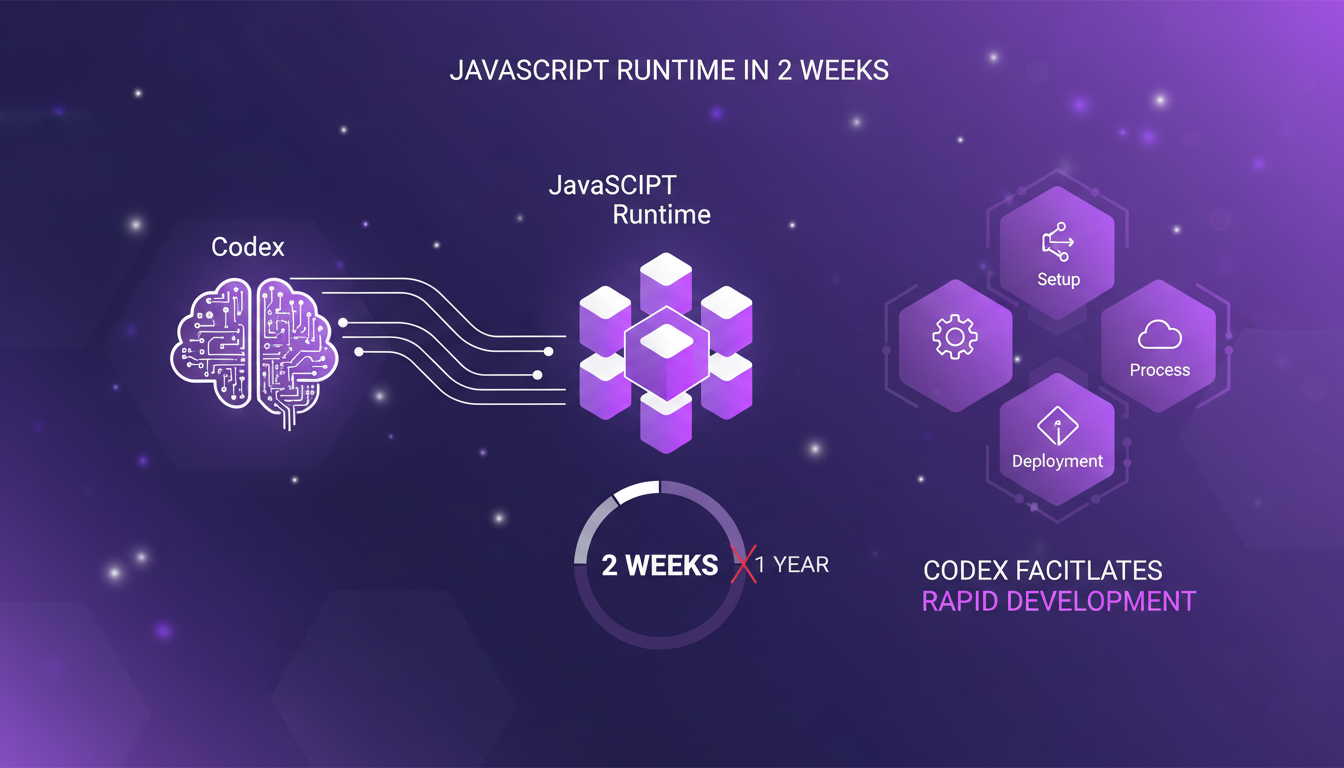
Imagine creating a JavaScript runtime in two weeks with Codex. Sounds crazy, right? But that's exactly what I did. Typically, such a project would have taken me a year. First, I orchestrated tasks with Codex, letting it handle the complex structures. It managed parallel tasks like a maestro, significantly reducing development time.
Specific challenges? Of course. But Codex allowed me to solve them with an efficiency I'd never experienced before. For instance, dependency management was simplified to the point where I could focus on the creative aspects of development.
Comparing Development Timelines: With and Without Codex
I compared development timelines with and without Codex, and the data speaks for itself. The project that would have taken a year was completed in two and a half weeks thanks to Codex. This changes the game for project deadlines and deliverables.
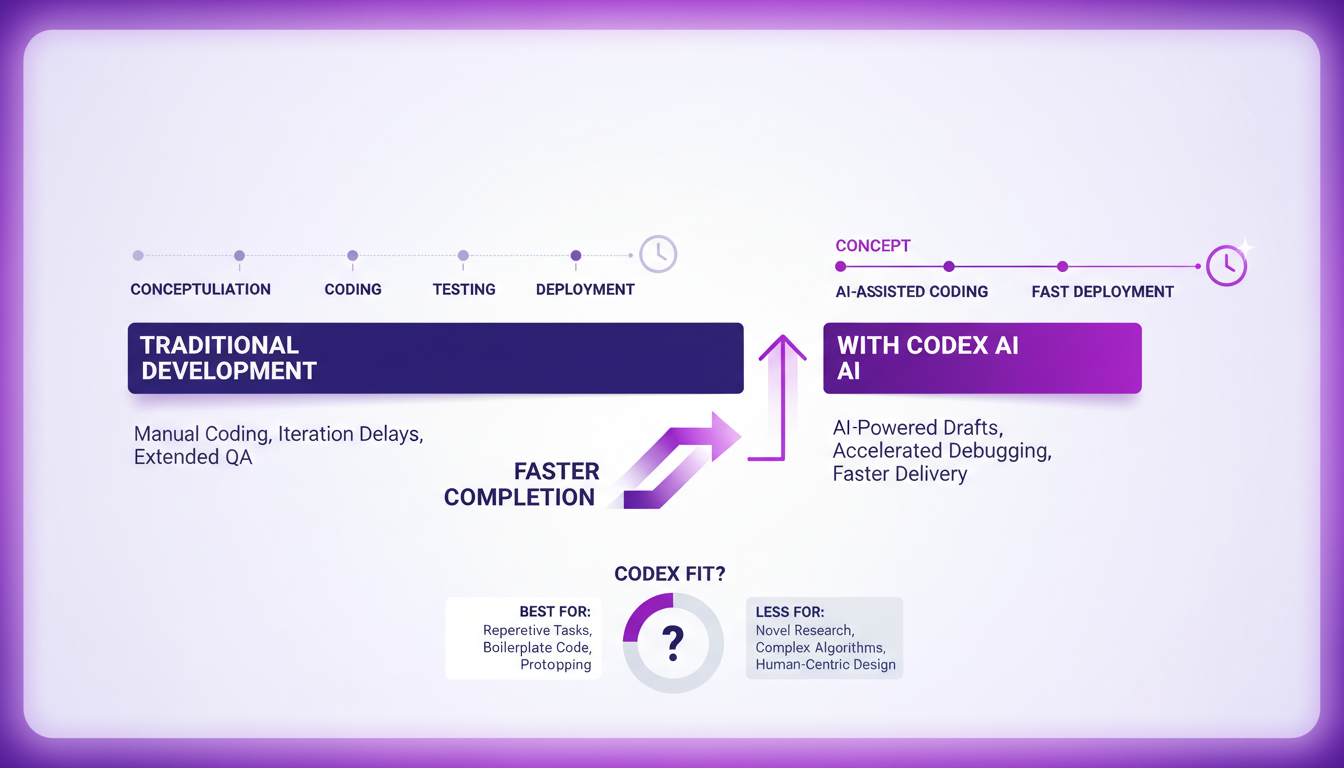
There are scenarios where Codex isn't the best fit, particularly for highly specific tasks where human intuition remains indispensable. But the efficiency gains, in terms of both time and resources, are undeniable. Watch out for unexpected hurdles, like code suggestions that don't always align with project goals.
Overall Impact of Codex on Development Efficiency
Since integrating Codex, development processes have radically changed. The cost-benefit analysis of using Codex is positive in most cases. I've seen incredible efficiency gains, like projects wrapped up in weeks rather than months.
Of course, there are trade-offs. Sometimes the code generated by Codex isn't as optimized as what I would manually write. But for future projects, integrating Codex is a no-brainer. It allows me to focus on innovation rather than routine code.
- Reduction in development time by up to 55%
- Improvement in code quality with 88% of suggestions maintained
- Capability to handle complex tasks in parallel
So, Codex has truly been a game changer for me, especially when creating complex runtimes like JavaScript for Wasmer. First takeaway: I've slashed my development time significantly. Two weeks to create a JavaScript runtime is just phenomenal compared to the year it would have taken without Codex. But watch out, you need to know its limits to integrate it wisely. Next, transitioning from traditional coding methods was seamless, but you have to balance automation with your own coding expertise. Lastly, the efficiency gains are undeniable, but it doesn't replace the need to understand the fundamentals. Looking forward, I see Codex as a powerful ally, but not a total replacement for our skills. If you're really looking to boost your development efficiency, give Codex a shot. Just remember, it's a tool to balance with your know-how. For more insights, check out the 'What Codex Unlocks for Wasmer' video on YouTube. It's practical, no fluff.
Frequently Asked Questions

Thibault Le Balier
Co-fondateur & CTO
Coming from the tech startup ecosystem, Thibault has developed expertise in AI solution architecture that he now puts at the service of large companies (Atos, BNP Paribas, beta.gouv). He works on two axes: mastering AI deployments (local LLMs, MCP security) and optimizing inference costs (offloading, compression, token management).
Related Articles
Discover more articles on similar topics
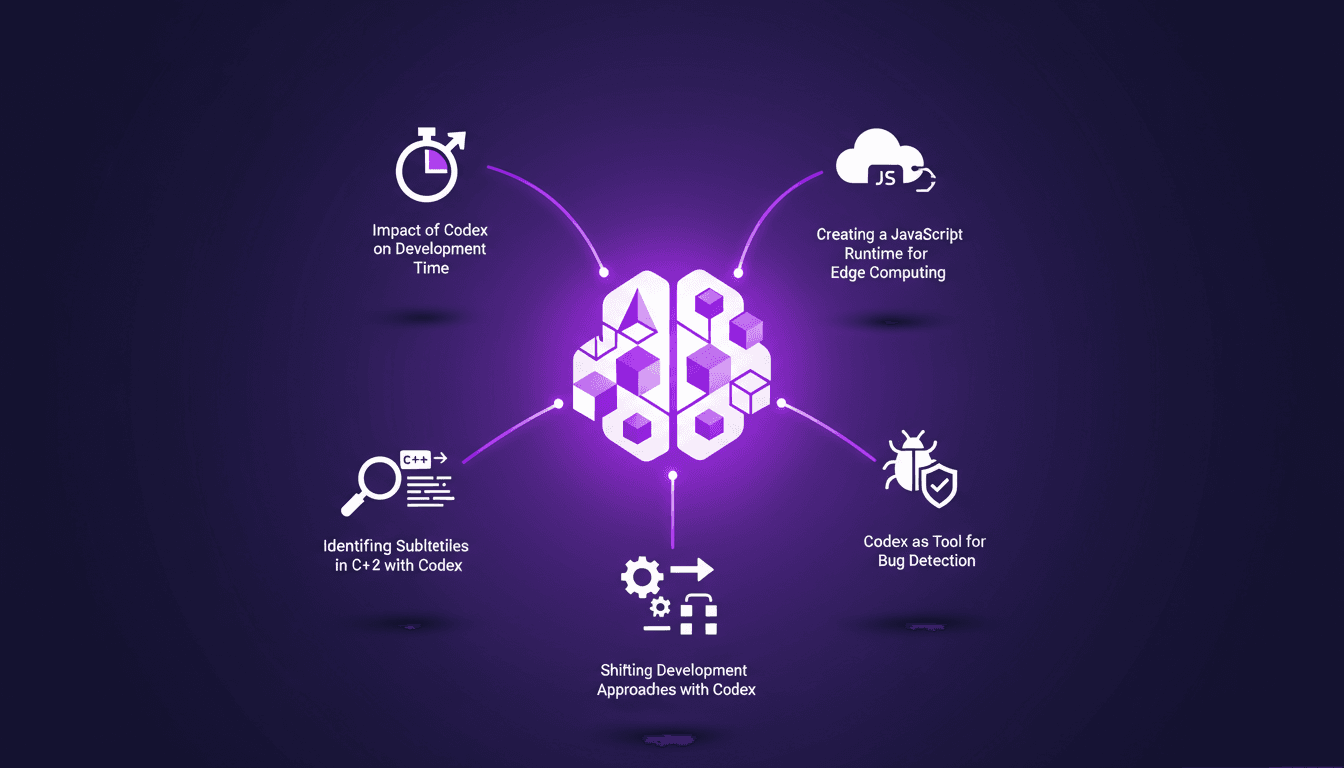
Codex: Revolutionizing Development Time
I used to spend weeks, even months, wrestling with development time. Then Codex came along and changed the game. Let me walk you through how it slashed my JavaScript runtime project from a year to just two weeks. Codex has been nothing short of transformative. From identifying C++ subtleties to creating a JavaScript runtime for edge computing, Codex has streamlined processes I once thought were set in stone. In this video, I dive into how Codex impacted development time, detected bugs, and shifted our development approach.
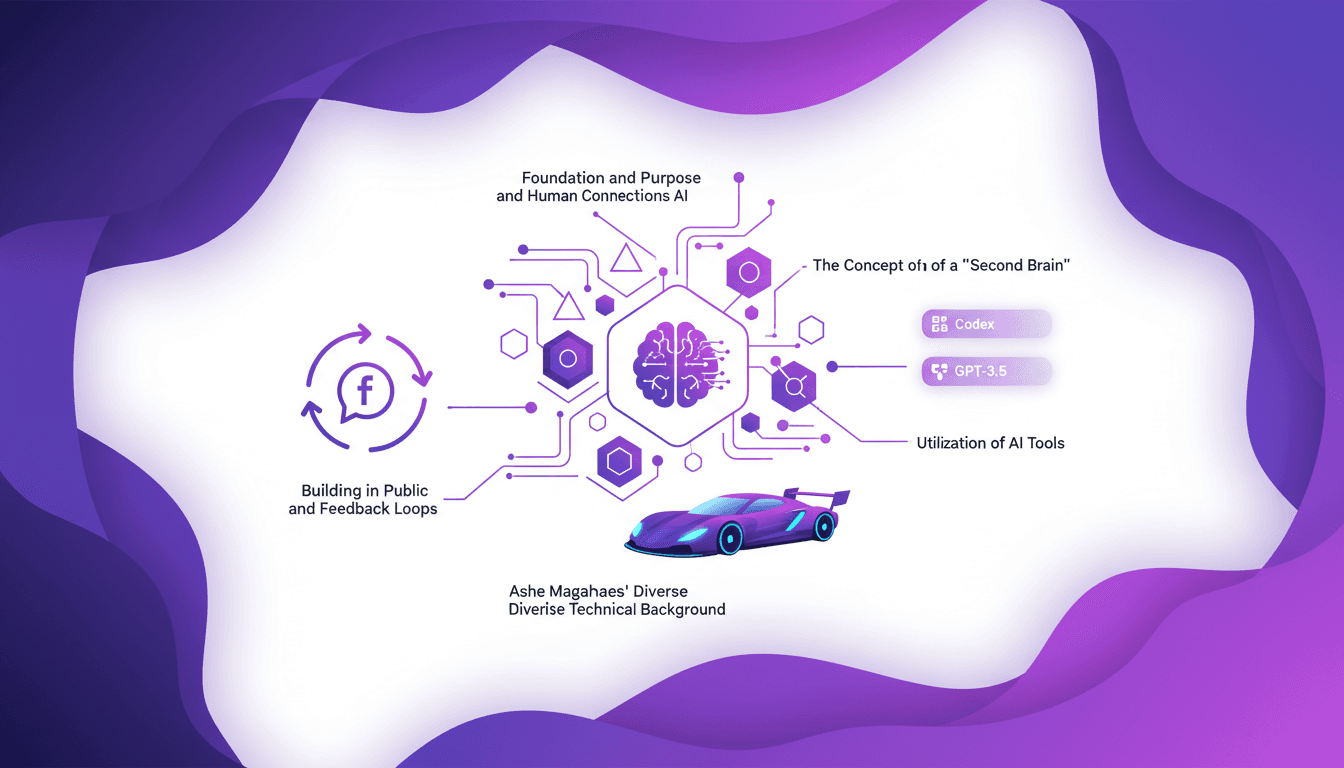
Building Hearth AI: Foundations and Vision
I vividly remember the thrill of building a solar-powered racing car—an experience that shaped my approach to founding Hearth AI. It was all about pushing boundaries and connecting technology with human potential. In this episode, I share insights from my journey as a builder, from my diverse technical background to founding Hearth AI in 2022. We'll dive into innovative concepts like relational intelligence, the 'second brain', and how AI tools like Codex and GPT 3.5 are revolutionizing our daily work. Get ready to explore the vision and foundations of Hearth AI and see how AI can truly transform human experience.

AI and Code: 90% Written by Agents
I never thought I'd let AI write 90% of my code, but here we are. As a GitHub senior engineer, I've embraced AI agents, and it's been a game changer—albeit with its quirks. AI in software development is more than a buzzword; it's reshaping our workflows. I've seen it firsthand, moving from traditional coding to orchestrating AI-driven solutions. We're diving into the impact of AI agents in our field, how it shifts our operational focus, and even boosts system reliability. I've had to adapt, learn from my mistakes (and trust me, I've made a few!), but the leap is worth it. If you've ever used VS Code's Agent Mode, you know what I mean. The future of development is already here.

Efficient Idea Exploration with Codex
I still remember the first time I integrated Codex into our workflow at Braintrust. It was like flipping a switch on our innovation process. Ideas that were previously just floating around transformed into concrete prototypes we could test and iterate in real time. In this article, I'll walk you through how Codex has revolutionized our approach to handling customer feedback and innovation. We're talking ultra-efficient idea exploration, real-time feedback handling, and a shortened feedback loop. With Codex, we actively engage our customers and generate high-quality feedback.
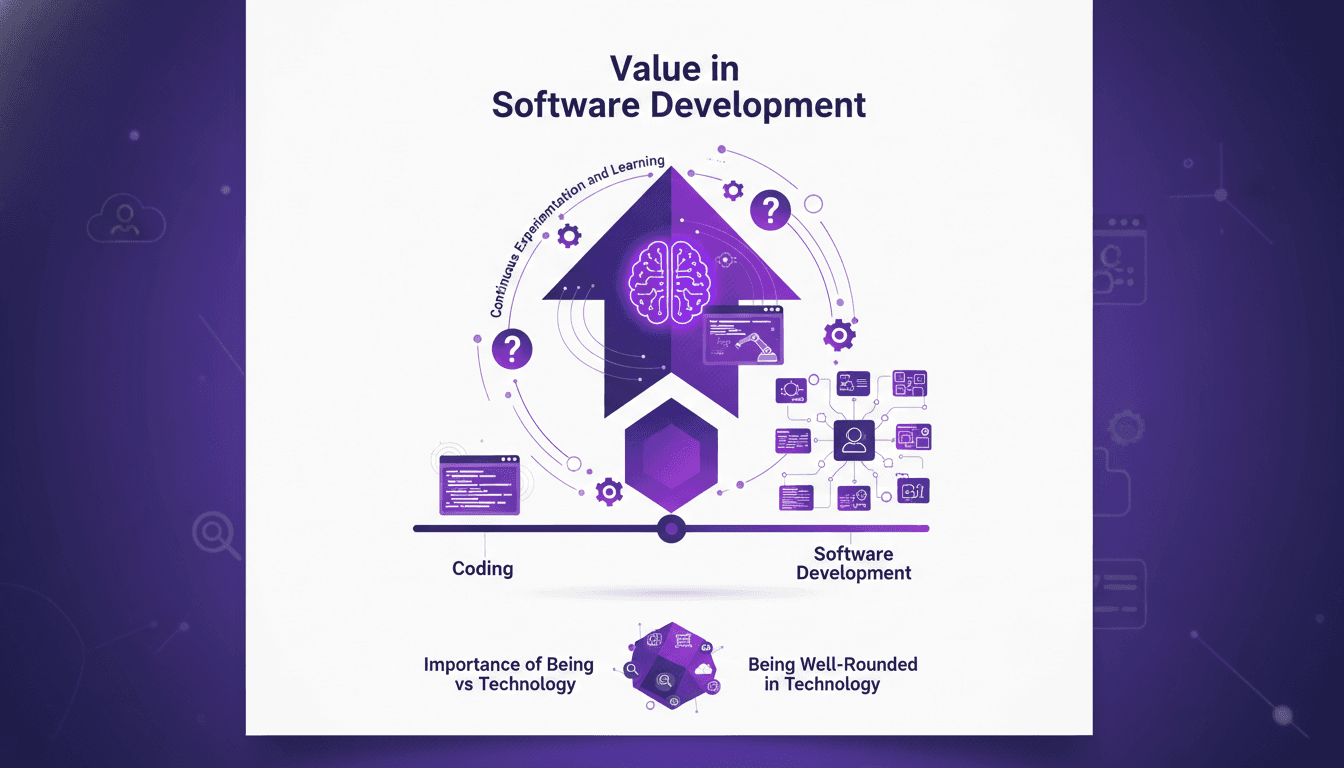
Software Development: Fast Coding, But at What Cost?
I've been coding at breakneck speed, but over time, I learned that the real cost isn't just about how fast you type. Software development is a whole different game. You can code 55 times faster, but if you're not careful, costs can skyrocket. Let's dive into why coding is cheap, but software is expensive. We'll explore the importance of being well-rounded, the role of junior engineers and AI, and why continuous experimentation is key. It's in understanding the value beyond mere lines of code that successful projects are distinguished from costly failures.