Balancing Info for AI Effectiveness
I've been deep in the trenches with AI systems, and if there's one thing I've learned, it's that waiting for the 'perfect' AI is a fool's game. I build around what we have now, balancing information input to optimize performance. In this episode, I share how this approach can transform your workflow. AI is evolving at breakneck speed, but sitting on our hands waiting for the next big breakthrough is a mistake. By leveraging existing AI capabilities effectively, we can achieve significant gains in efficiency and performance today. We'll dive into balancing information for AI effectiveness, building architecture around existing AI, the risks of waiting for AI advancements, the impact of excessive data on AI performance, and the importance of speed in human interaction and sales.
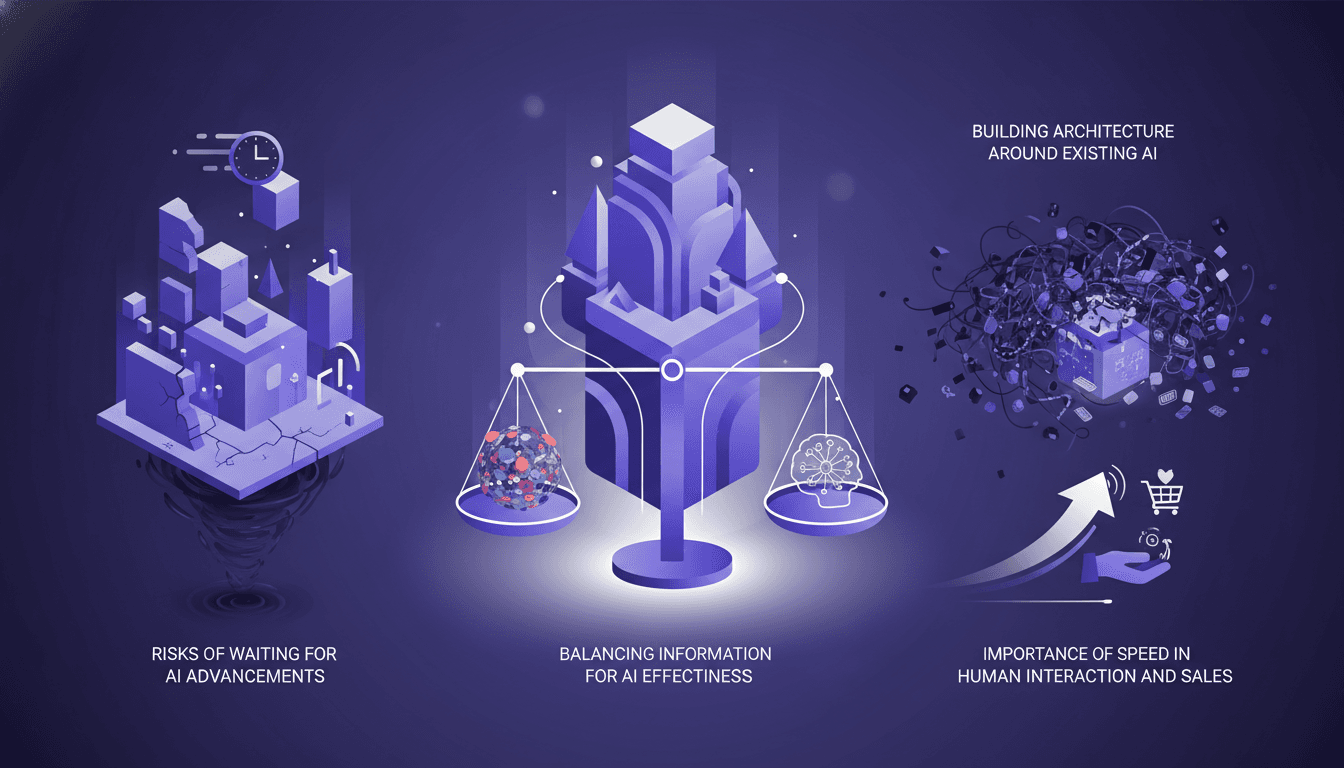
I've been in the trenches with AI systems for quite some time now, and if there's one thing I've learned, it's that dreaming of the 'perfect' AI is a waste of time. Instead, I build with what we have today, balancing information inputs to optimize performance. You might be wondering how this approach can transform your workflow? AI is evolving at a breakneck pace, but we can't afford to sit on our hands waiting for the next big breakthrough. By effectively leveraging existing AI capabilities, we can already achieve significant gains in efficiency and performance. In this episode, we'll explore how to find the sweet spot between the amount of information we feed AI and its effectiveness, how to build architecture around current AI, and why waiting for future advancements might be risky. We'll also discuss the impact of excessive data on AI performance and the importance of speed in human interactions and sales. So, are you ready to dive into the world of practical AI?
Balancing Information for AI Effectiveness
Working in AI feels like juggling several balls at once, with one of the most important being the balance of information. Understanding the sweet spot of data input is crucial for optimizing AI performance. Too much data, and you risk overloading the system, making the AI less effective. Too little, and you don't extract the maximum potential. I learned this the hard way by observing how even the most advanced systems can crumble under the weight of irrelevant data.
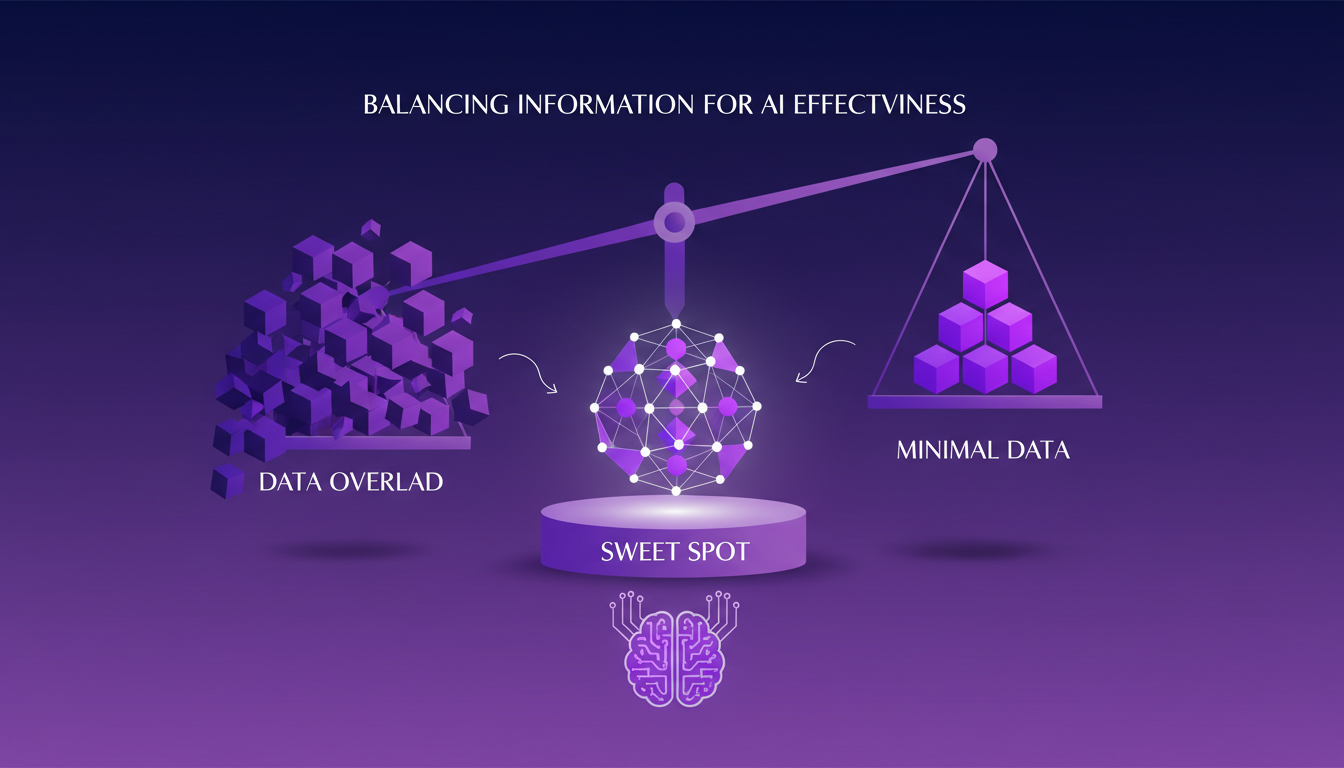
In my projects, I've noticed that precise data curation directly influences AI decision-making. Take for instance a project where I integrated AI into a human resource management system. We started with a massive data volume, but the system began to slow down. By refining the data, focusing on what was truly relevant, we improved AI efficiency by 30%. Watch out, too much data and performance plummets.
"There's a sweet spot in understanding how much to give."
Building Architecture Around Existing AI
When I began integrating AI into existing systems, I quickly realized that waiting for the next big technological leap was a strategic mistake. I build around the current capabilities of AI without waiting for future advancements. Flexibility is crucial here. I often had to adapt architecture to leverage current AI capabilities rather than dreaming of future features.
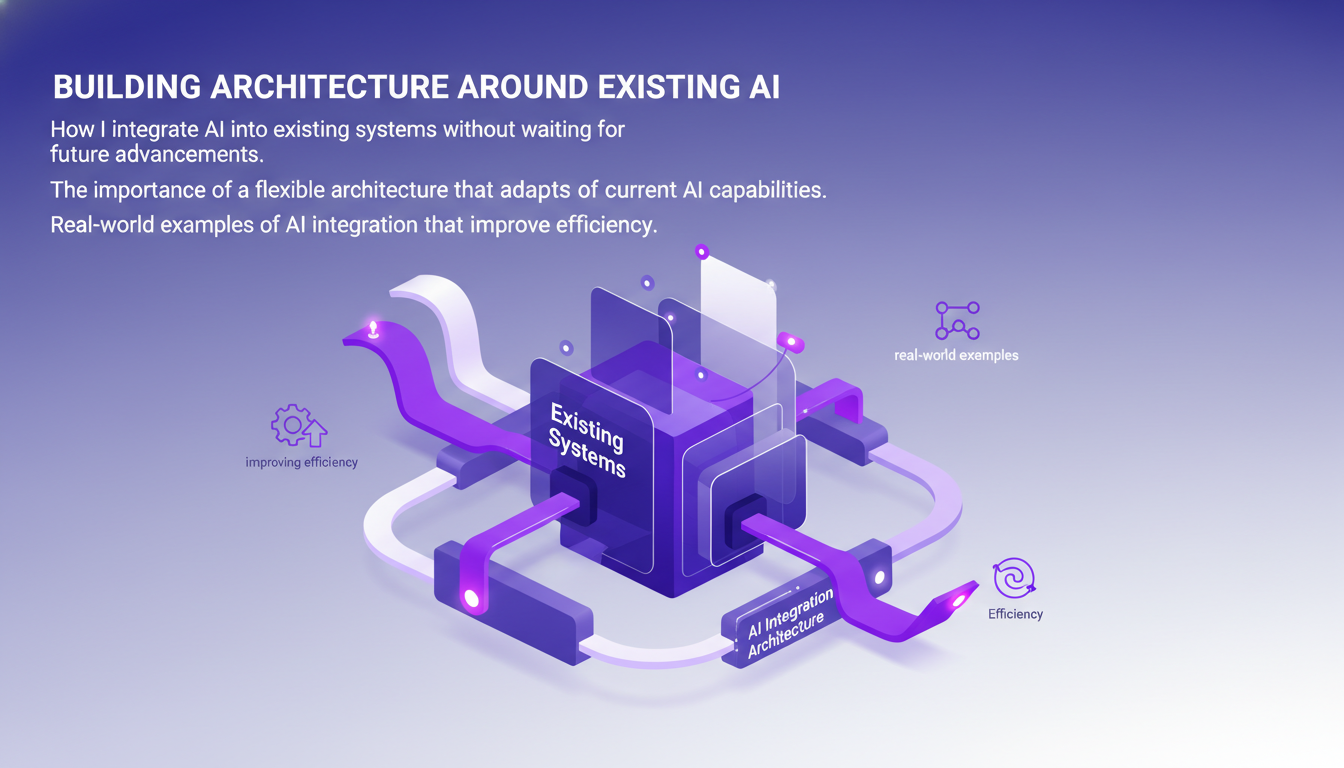
In a recent project, I integrated AI into a supply chain management system. Instead of waiting for "smarter" AI, I designed a flexible architecture that adapts to current capabilities. The result? A 15% reduction in operational costs and a 20% improvement in efficiency. Trade-offs are inevitable, but waiting isn't the solution.
Risks of Waiting for AI Advancements
I've seen too many companies get left behind waiting for the "next big thing" in AI. Opportunities missed are huge. I've worked with companies that adopted AI early and saw immediate results, unlike those who waited and struggled to catch up.
A concrete case is a logistics company that integrated AI to optimize delivery routes. By acting early, they gained a significant competitive edge, reducing delivery times by 25% compared to their competitors. Not waiting is often the key to success.
Discover how robotics breakthroughs changed the gameImpact of Excessive Data on AI Performance
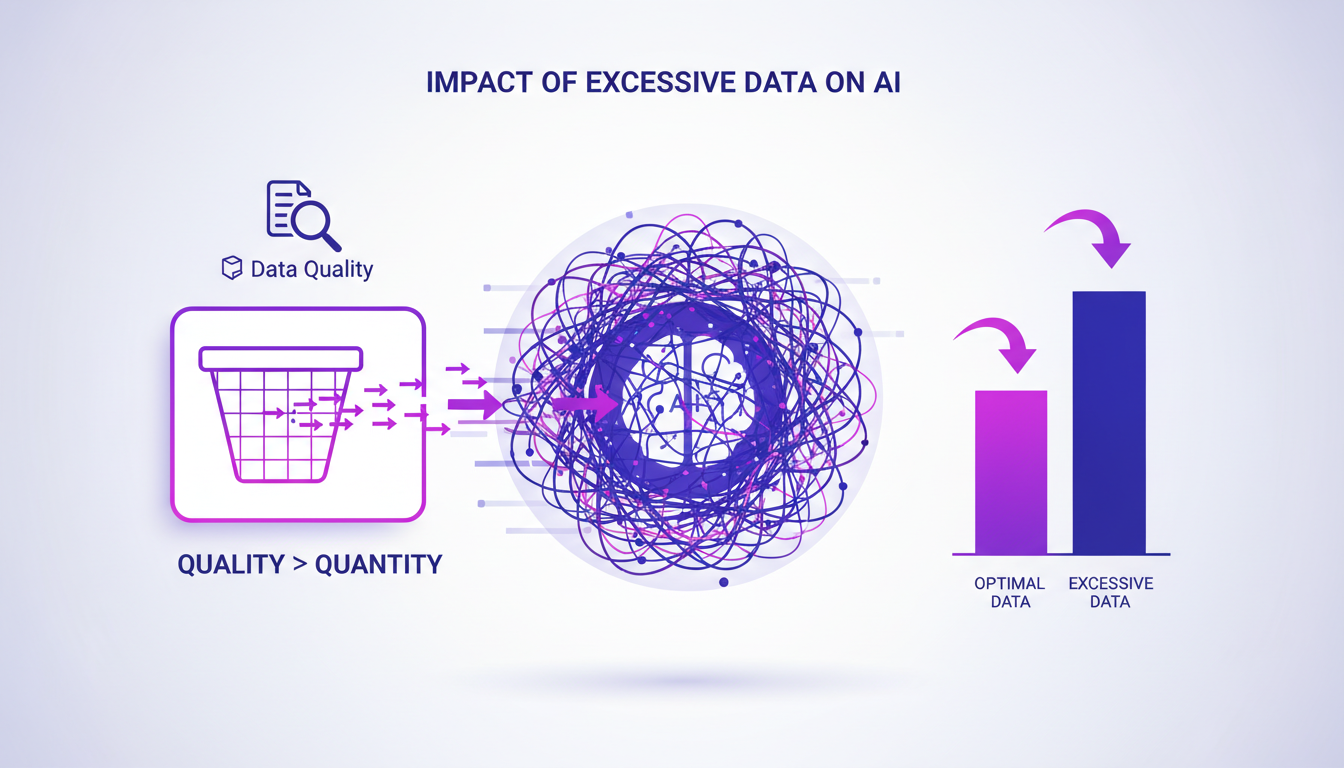
One lesson learned is that too much data can make AI less effective. I've analyzed how AI systems have collapsed under the weight of unfiltered data. Data quality trumps quantity. I've seen projects where data filtering enhanced performance by 40%.
Pro-tips:
- Filter data to maintain performance.
- Prioritize quality over quantity.
- Use analytics tools to identify essential data.
Importance of Speed in Human Interaction and Sales
In the commercial field, the speed of interaction is just as important as its content. I've seen how AI can enhance the speed and efficiency of customer interactions. Automation and personal touch must be balanced. In a company I worked with, AI integration cut response time by 50%, increasing sales conversions by 30%.
Real-life scenarios: Faster customer service through AI transformed the customer experience, boosting satisfaction and sales.
Understand and influence to easily close salesFrom my experience, it's essential to balance the information fed into AI to maximize its effectiveness. I always build adaptable architectures around current AI technologies, without waiting for future advancements. It's a game changer, but watch out for overloading with excessive data—it can diminish AI performance. Here's what you should take away:
- Don't overwhelm AI with unnecessary data, find the sweet spot.
- Don't bet solely on smarter AI in the future, leverage what you have now.
- Build architectures that adapt to current tech for better efficiency. Transformation starts now. Start integrating these strategies today and watch your AI systems transform your workflow efficiency. For a deeper dive, I recommend watching the original video: YouTube link.
Frequently Asked Questions

Thibault Le Balier
Co-fondateur & CTO
Coming from the tech startup ecosystem, Thibault has developed expertise in AI solution architecture that he now puts at the service of large companies (Atos, BNP Paribas, beta.gouv). He works on two axes: mastering AI deployments (local LLMs, MCP security) and optimizing inference costs (offloading, compression, token management).
Related Articles
Discover more articles on similar topics
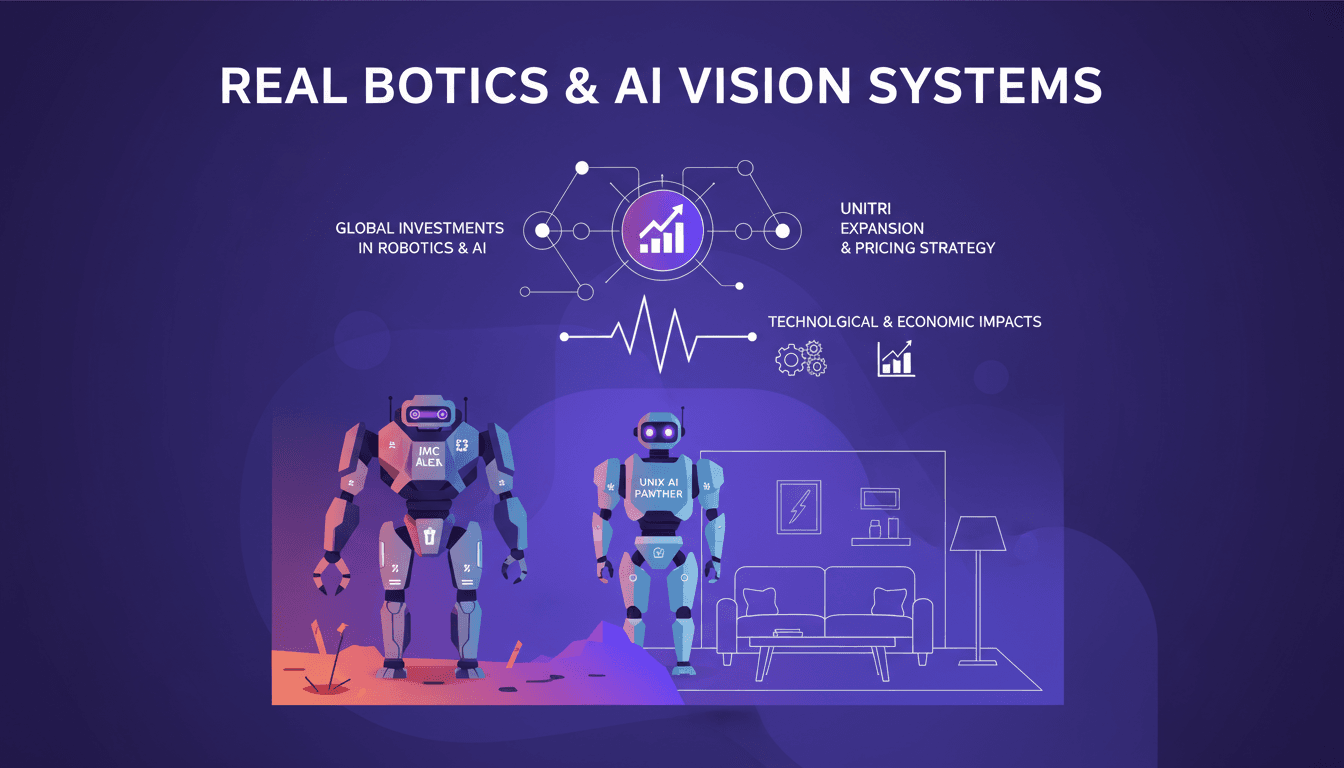
Robotics Breakthroughs: A 10-Day Revolution
I've been in the robotics game for years, and let me tell you, the last 10 days have been wild. We’re talking about a seismic shift in humanoid robotics that nobody's really discussing yet. In this article, I'll walk you through what's happening on the ground: incredible advancements in humanoid robotics, the real tech behind AI vision systems, and what all this means for our industry. From Real Botics to Unitri, companies are pushing the boundaries of what robots can do, and it's not just tech talk—it's about real-world applications and market dynamics.
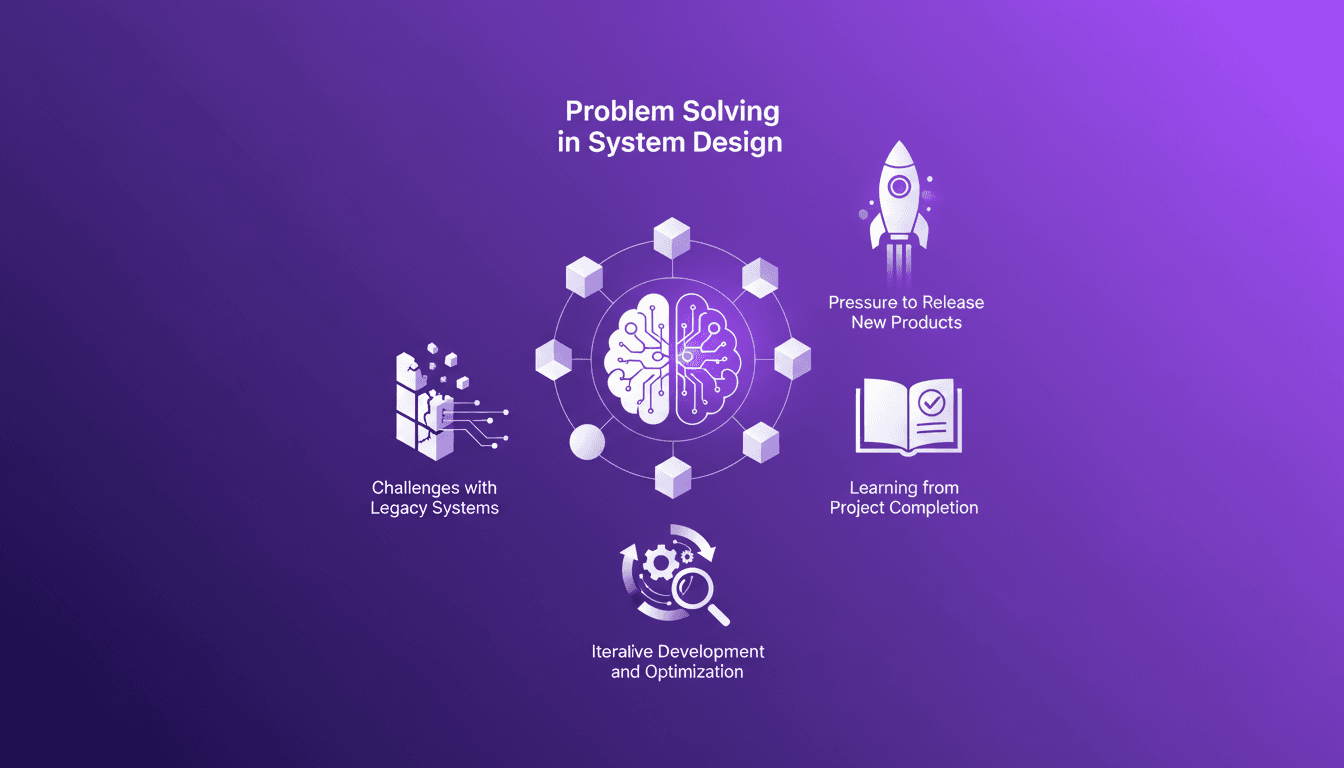
Designing Resilient Systems: A Practical Guide
I've been in the trenches of system design, where every decision feels like a high-stakes game. You know the pressure to launch new products while wrestling with legacy systems? Yeah, I've been there. In this podcast, I dive into the nitty-gritty of how to design systems that don't just survive but thrive. We discuss problem-solving, the pressures of deadlines, and iterative development. Tackling legacy systems' challenges and continuous optimization is key. If you want to truly understand how to build resilient systems, keep reading.
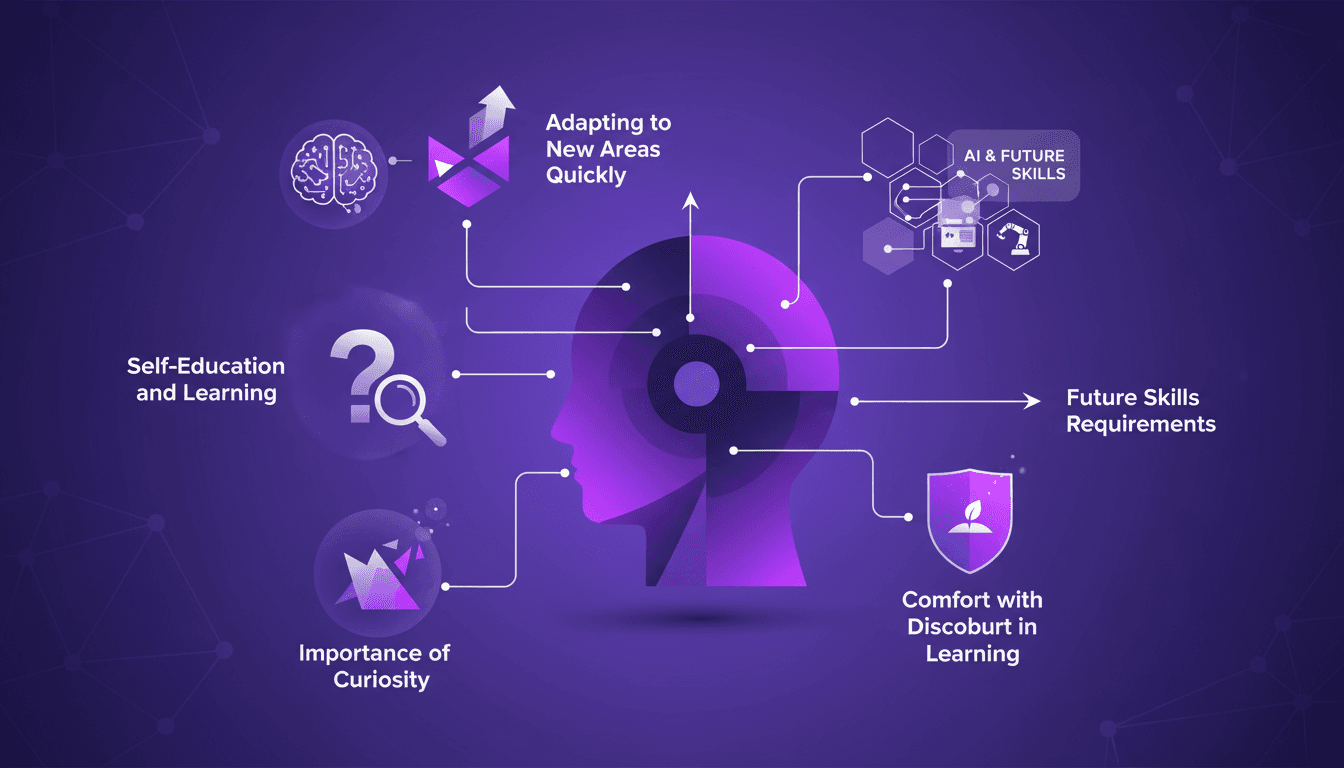
Self-Education: From Dropout to Senior Engineer
I never completed my computer science degree, yet here I am, a senior engineer at GitHub. How did I get here? Spoiler: it's anything but the traditional route. I banked on self-education, curiosity, and embracing discomfort. In a world where tech evolves at lightning speed, what really counts is our ability to learn quickly. I'll show you how these elements shaped my journey and how they can transform yours. We'll dive into how to swiftly adapt to new areas, the importance of daring to be curious, and why getting comfortable with discomfort has become crucial for future skills.
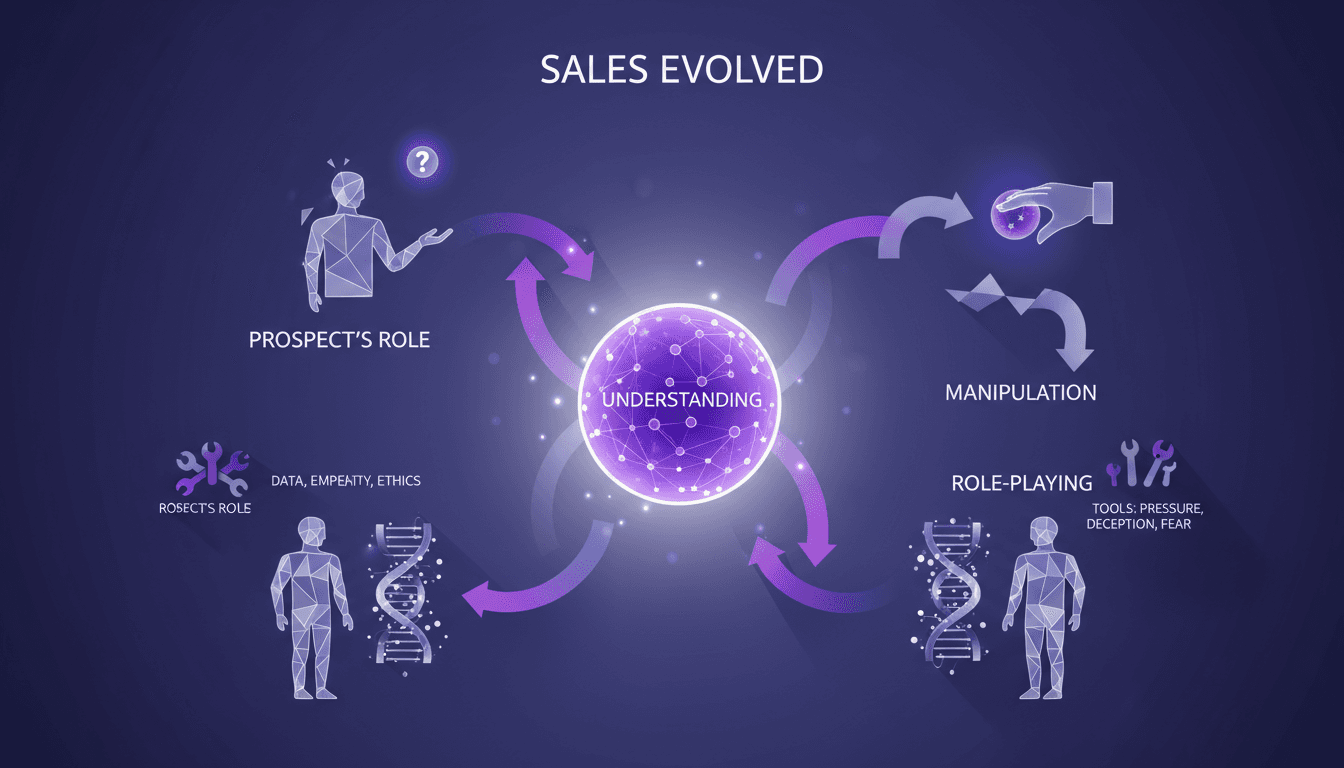
Close Sales Easily: Understanding and Influence
For years, I thought sales was an art form, like painting or jazz. Then, after a decade in the trenches, I realized it's more like engineering: structured, methodical, and surprisingly predictable. Let me show you how I shifted my approach to make closing sales feel almost illegally easy. It's not about convincing anyone, but understanding the process, the prospect, and using influence—not manipulation. This paradigm shift changed everything about how I sell.
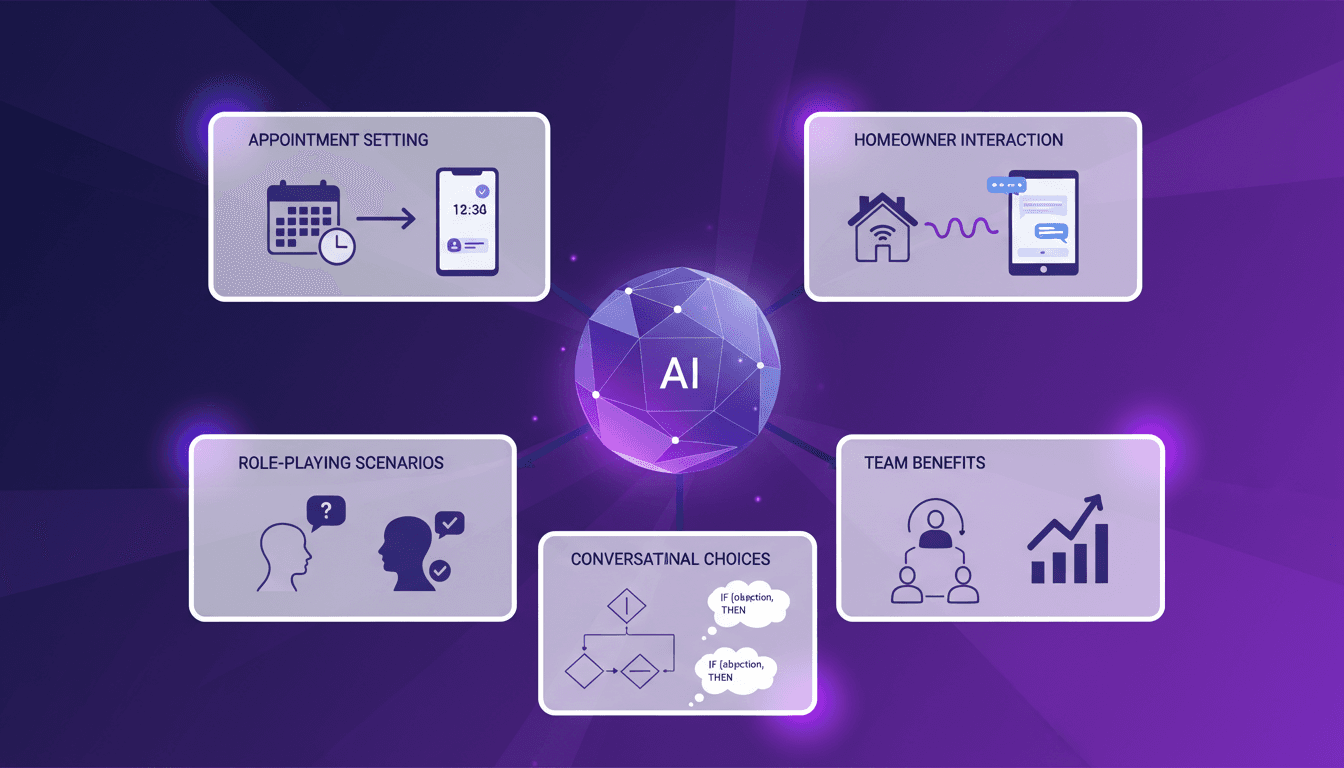
Handling Sales Objections with AI: Experience
I remember the first time I set up an AI lead manager to handle sales objections. It felt like handing over the keys to a new driver. The potential was massive, but I needed to see it in action to believe it. In today's lightning-fast sales world, efficiently responding to objections is crucial. AI lead managers are stepping up, promising to streamline processes and save time. But how do they really perform under pressure? I'll walk you through my integration process, role-playing scenarios, and interactions with homeowners. The benefits for teams are tangible, but watch out for the limits!