Token Maxing: AI's Revolution in Engineering
I've been in the AI trenches, and let me tell you, the way AI is reshaping software engineering is nothing short of a game changer. But beware, it's not all smooth sailing. In our field, AI tool adoption brings its own set of challenges, like token maxing and the evolving role of engineers. At a recent conference, experts like Gergely Orosz shared valuable insights on these transformations, from productivity impacts to cultural shifts in team management. We will need to navigate these opportunities and challenges to make the most of this technological revolution.
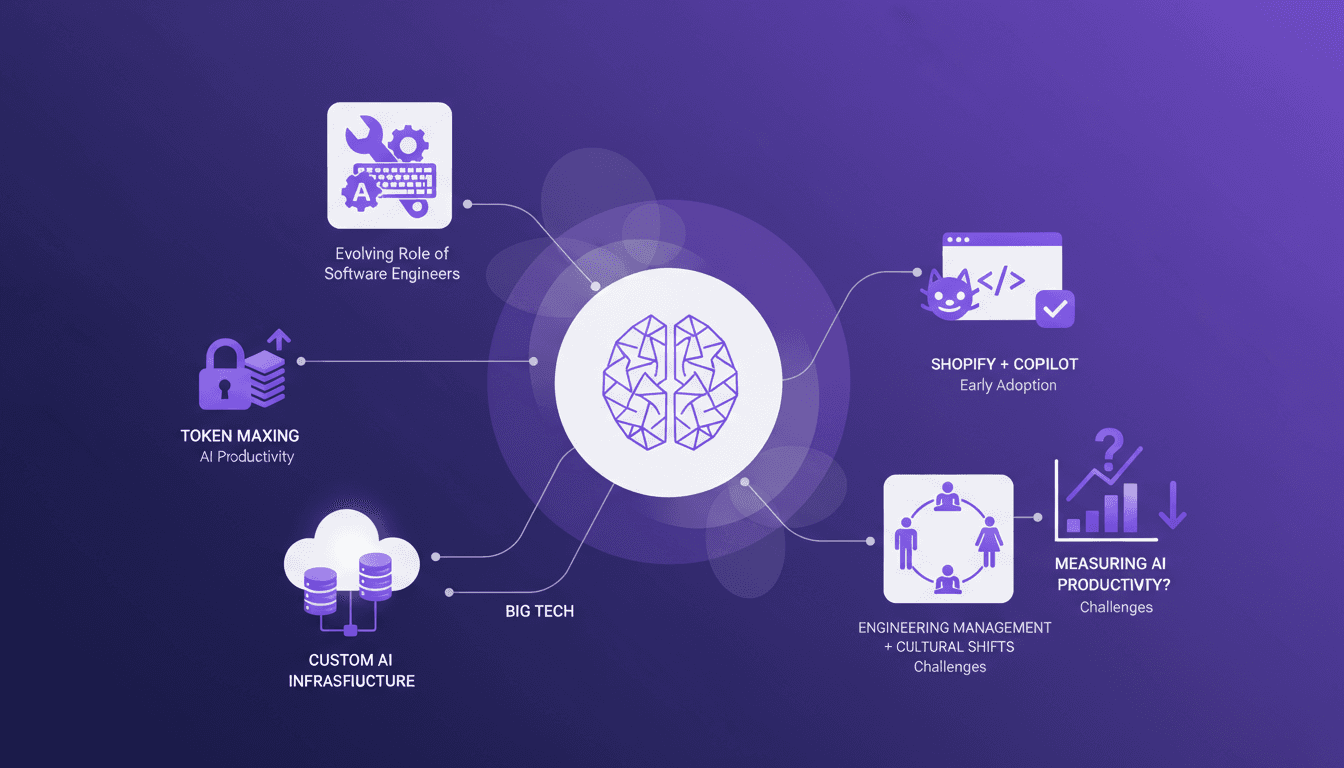
I've been in the AI trenches, and let me tell you, the way AI is reshaping software engineering is a real game changer. But don't be fooled, every tool has its limits. Let's talk about the realities of token maxing, AI tool adoption, and what this means for us engineers. In a recent conference, industry leaders like Gergely Orosz and Simon Wilson shared fascinating insights on how AI is transforming our field. From productivity impacts to cultural shifts, there's a lot to unpack. For instance, Shopify was among the early adopters of GitHub Copilot, raising questions about our roles as engineers. What's striking is that demonstrated results showed a 20% drop in productivity on average. These numbers highlight that integrating AI doesn't come without its challenges. So, how do we leverage this revolution while managing the hurdles?
Decoding Token Maxing in Tech Companies
Three days ago, a tweet ignited the discussion around token maxing, a practice focused on maximizing AI token usage while adhering to budget constraints. Simon Wilson, who's been navigating AI waters for two years, shared his real-world challenges with this phenomenon. Understanding token limits can significantly save companies on costs. But watch out, it's easy to overspend quickly. Sometimes, less is more. In big companies like Meta, Microsoft, and Salesforce, I've seen employees trying to increase their token count for various reasons.
In these companies, token output is often measured through leaderboards or tools, leading to concerns about its impact on performance evaluations and promotions. Even though it sounds ridiculous, this is the field reality. It's like trying to run an engine at full throttle without checking the fuel gauge. Be cautious, as poor management can lead to significant performance issues.
Simon Wilson stated, "Understanding token limits can significantly save companies on costs."
Ultimately, this token-maxing trend has driven cultural shifts within companies, with some employees resorting to unconventional methods to boost their token count.
AI Tools: Boosting or Busting Productivity?
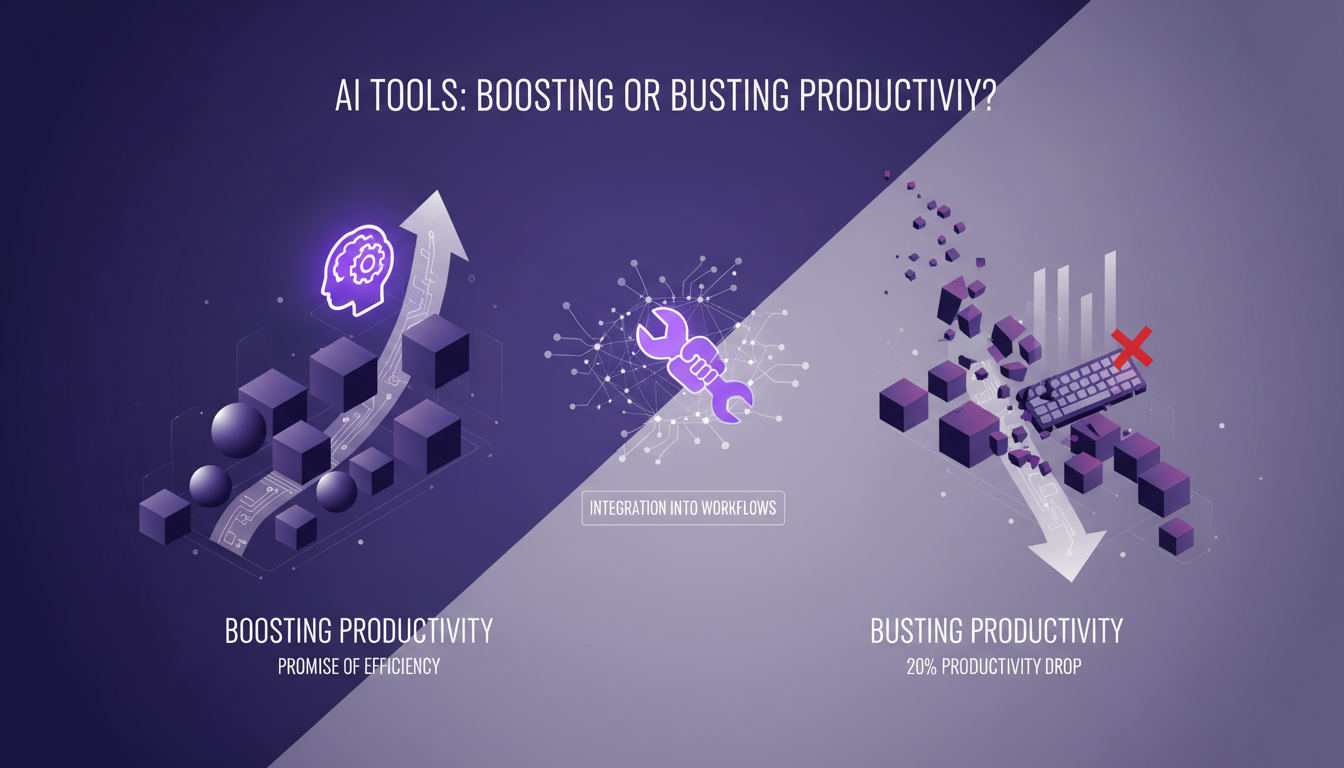
AI tools promise increased efficiency, but results have shown a 20% drop in productivity for some. Adoption isn't just about tools; it's about their integration into workflows. I've noticed in lead code style interviews that gaps appear in AI tool effectiveness. Balancing automation with human oversight is crucial.
Over-relying on AI is like trying to cook without ever tasting what you're preparing. It's a tool, not a crutch.
- Promises of AI tool efficiency are not always fulfilled.
- Integration into workflows is essential to avoid productivity drops.
- Don't turn AI into a substitute but a complement to your skills.
Cultural Shifts in Engineering Management
AI adoption is reshaping team dynamics and management styles. The Two Pizza Teams concept proves useful in managing AI-driven projects. Cultural changes require new communication strategies, and engineers must adapt to AI-enhanced roles. However, be aware of resistance, as change isn't always welcome.
- AI is redefining roles within engineering teams.
- Communication must evolve to accommodate these changes.
- Resistance to change is common but surmountable with the right strategies.
Building Custom AI Infrastructure in Big Tech
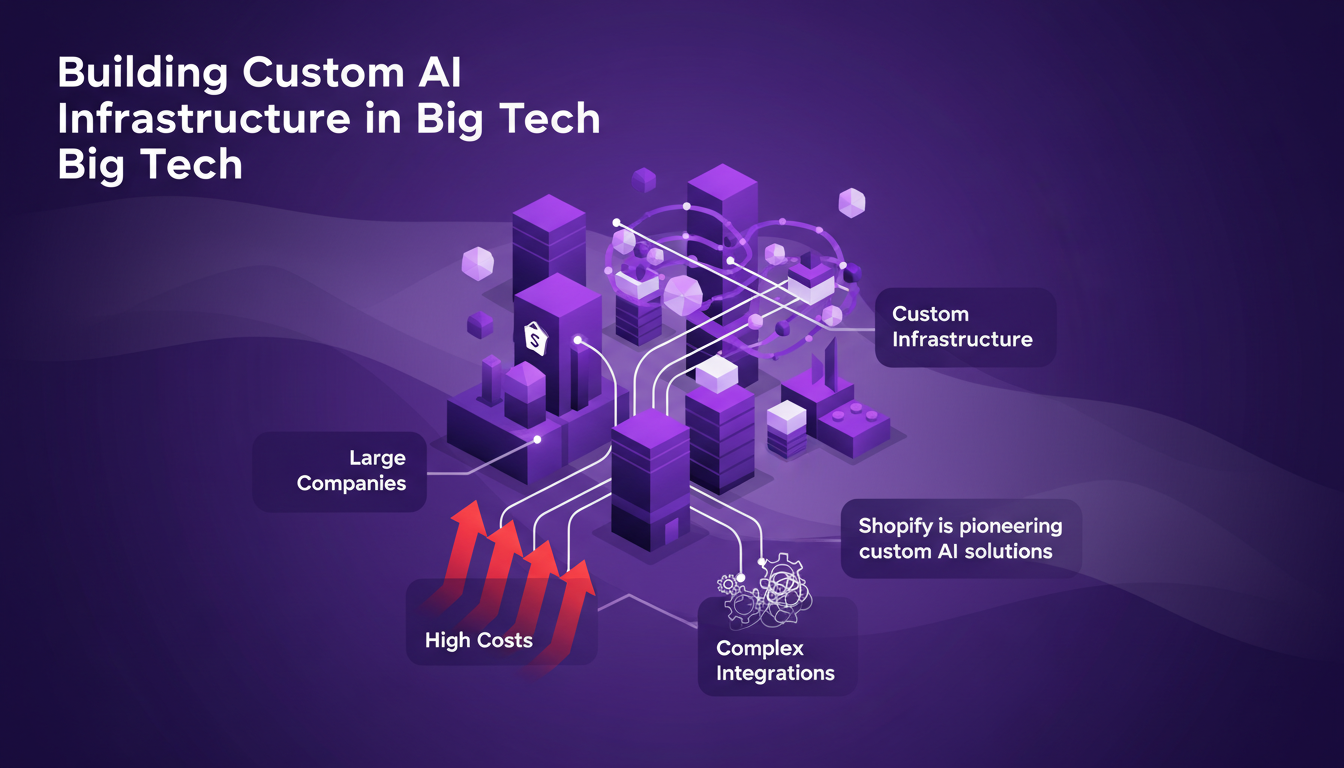
Companies like Shopify are pioneering custom AI solutions. These bespoke infrastructures allow for tailored AI applications but come with challenges like high costs and complex integrations. For instance, at Salesforce, a minimum monthly spend of $175 highlights the investment needed.
Finding a balance between off-the-shelf tools and custom solutions is crucial. It's like deciding between buying a new car or building one yourself. Both options have their pros and cons, but it depends on the context and specific needs.
Shopify's Strategic AI Adoption
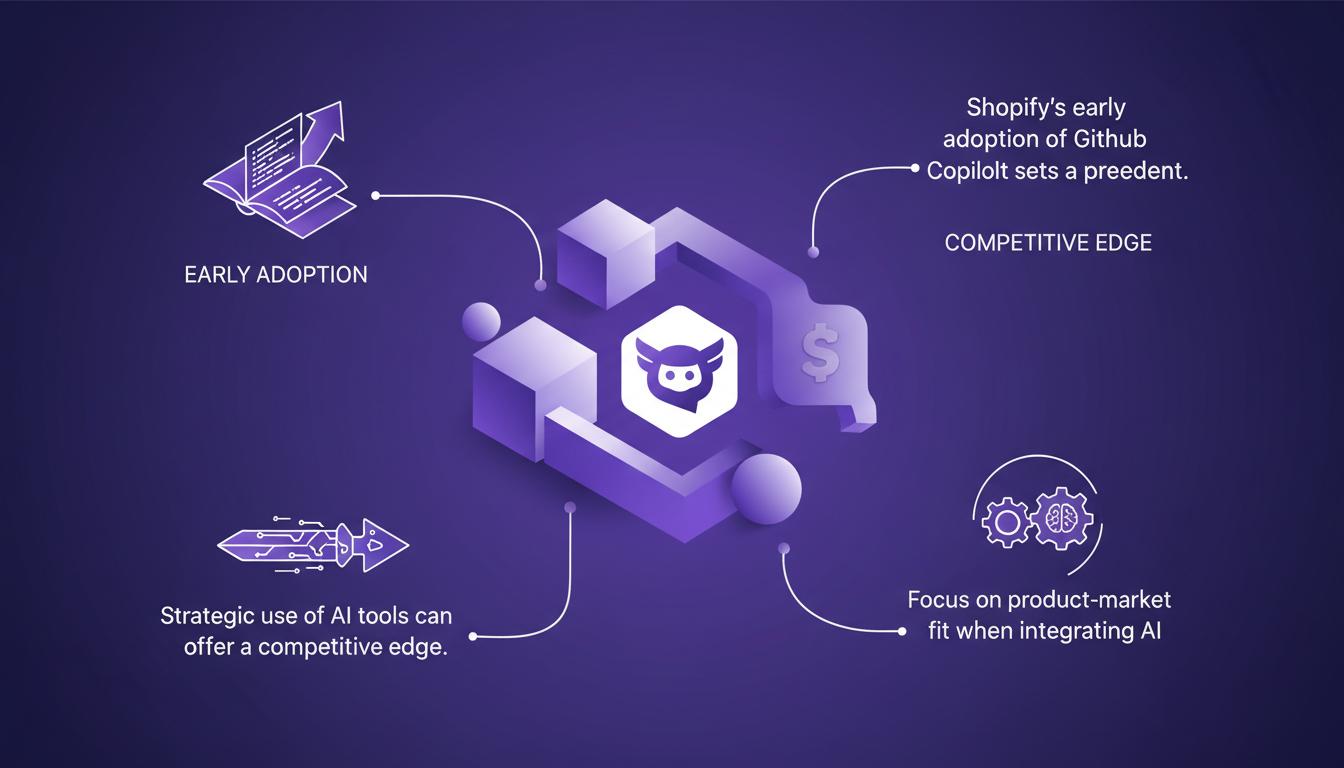
Shopify's early adoption of GitHub Copilot sets a notable precedent. Strategic use of AI tools can offer a competitive edge. It's essential to focus on product-market fit when integrating AI. Shopify's approach highlights the importance of pilot testing to assess AI capabilities.
Keeping an eye on evolving AI capabilities is crucial to stay ahead. Like any emerging technology, there is an adaptation phase, but ongoing innovation is key to remaining competitive.
- Early AI adoption can offer significant competitive advantages.
- Pilot testing is crucial to assess capabilities and necessary adjustments.
- Staying updated with AI evolution is vital to maintaining an edge.
I've been in the AI game for two years, and let me tell you, it's a real game changer, but don't ignore the limits. First, get your head around 'token maxing'—it can blow up your costs if not managed right. Second, adopting AI tools doesn't automatically boost productivity; in fact, it can drop by 20% sometimes. Engineers need to evolve too: we're not just coding anymore, we're orchestrating, integrating, piloting custom AI infrastructures. Big tech is doing it already, but it's a path we all need to explore. So, stay informed, experiment wisely, and let's build the future of engineering together. I highly recommend watching the original video with Gergely Orosz for deeper insights. Trust me, it's worth it. YouTube Video
Frequently Asked Questions

Thibault Le Balier
Co-fondateur & CTO
Coming from the tech startup ecosystem, Thibault has developed expertise in AI solution architecture that he now puts at the service of large companies (Atos, BNP Paribas, beta.gouv). He works on two axes: mastering AI deployments (local LLMs, MCP security) and optimizing inference costs (offloading, compression, token management).
Related Articles
Discover more articles on similar topics
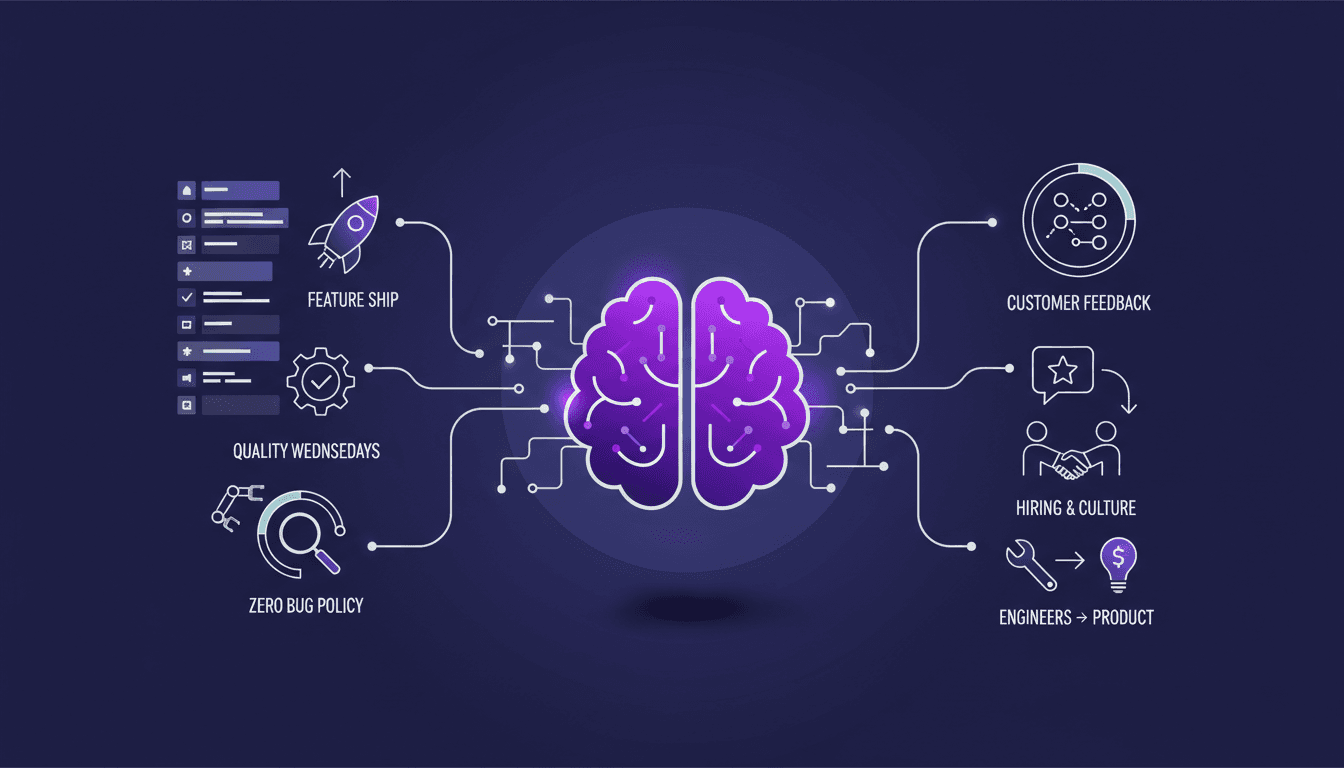
AI's Impact on Dev: Insights from Linear
I remember the first time AI dramatically sped up our feature shipping at Linear. It was a game changer, but not without its quirks. In this conversation, Tuomas Artman, CTO of Linear, and Gergely Orosz delve into AI's impact on software development. We explore how Linear leverages AI for bug fixing while upholding a zero bug policy. And trust me, 'Quality Wednesdays' is more than just a catchphrase. We also discuss the importance of customer feedback in shaping our product development. Lastly, we touch on our hiring culture and how we balance speed with quality.
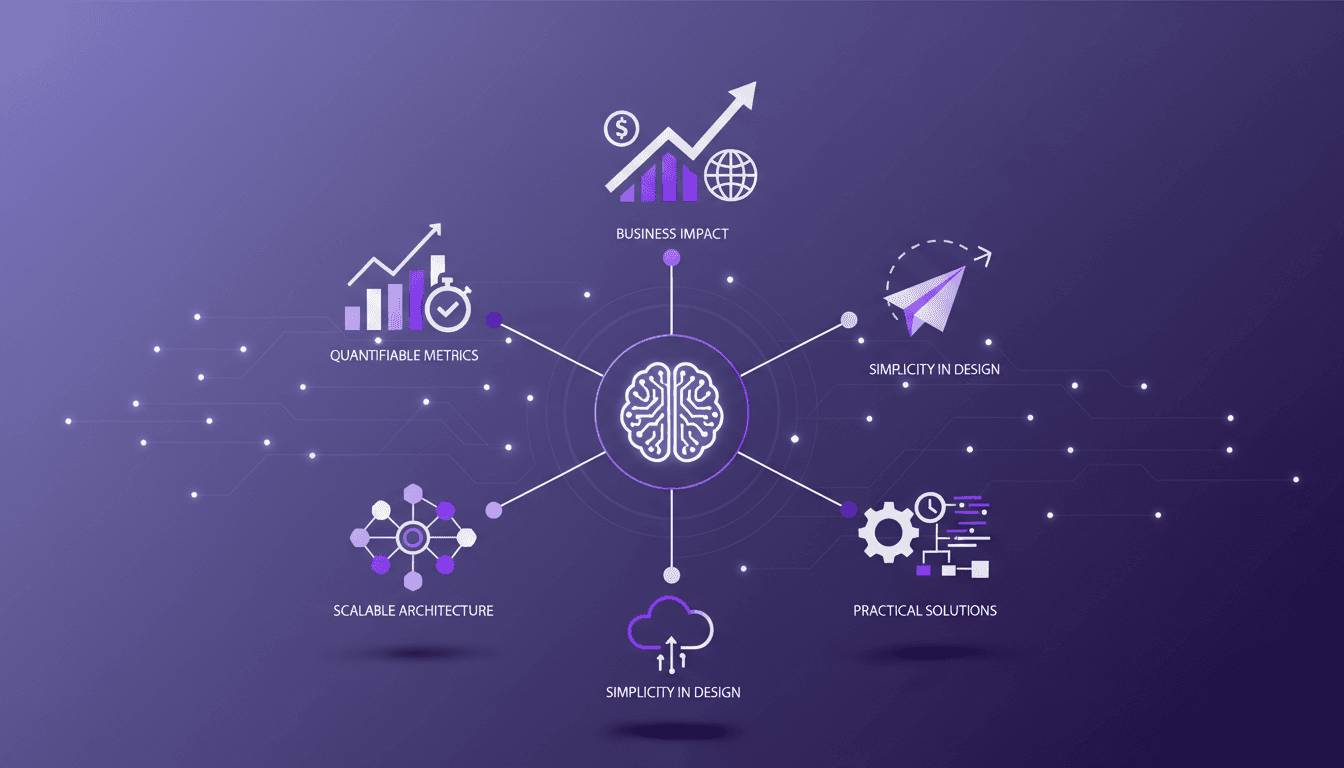
Designing Large-Scale Systems: GitHub Engineer Insights
I remember my first large-scale system design project—overwhelming, right? But then I realized, it's all about metrics, simplicity, and impact. In this article, I share how I approach it now as an engineer at GitHub. We'll dive into the importance of quantifiable metrics, the real business impact, and the necessity of keeping things simple. Designing large-scale systems requires a careful balance between technical complexity and business needs. I'll show you how I use concrete data to guide my design decisions and maximize business impact.
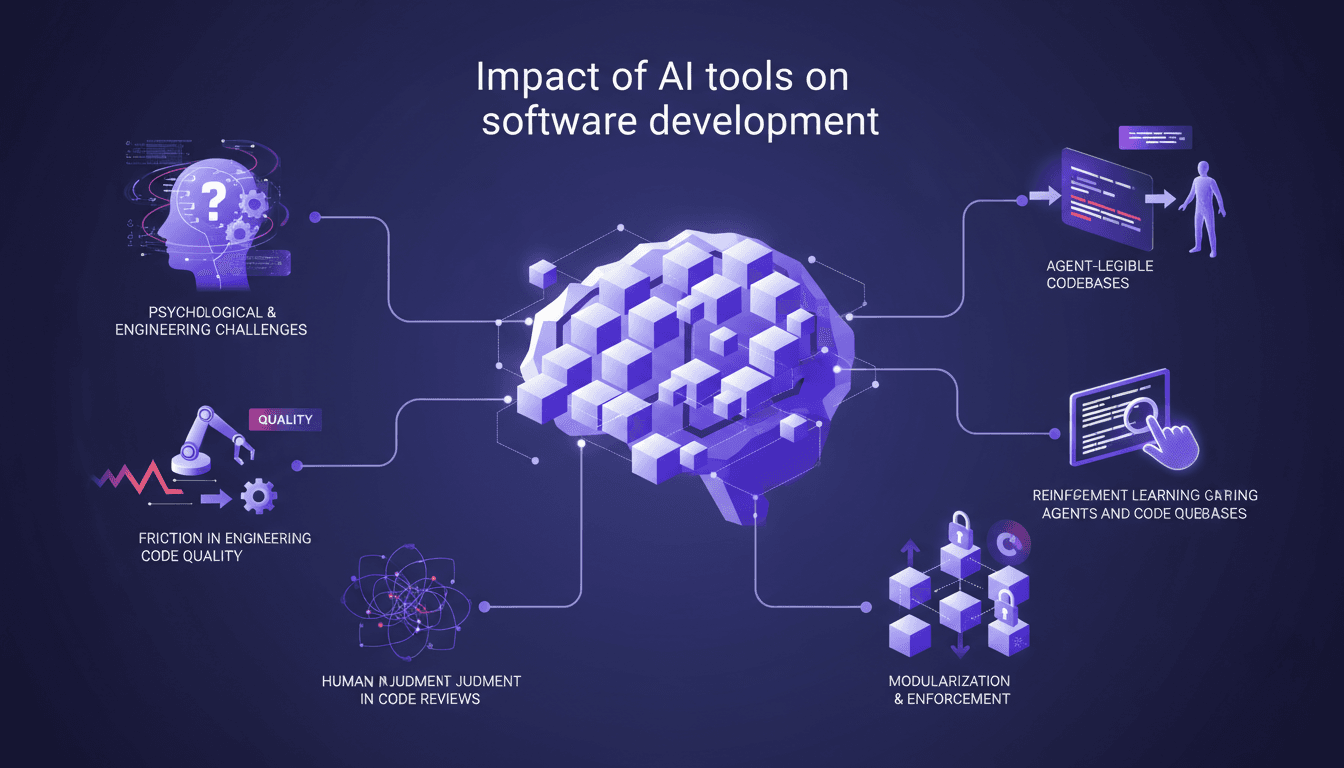
AI's Impact: Challenges and Solutions in Dev
With over 20 years in software development, my last 12 months immersed in AI agents have been eye-opening. The friction isn't just technical—it's personal. It's about making judgment calls when AI tools suggest code changes that don't sit right. Armin Ronacher and Cristina Poncela Cubeiro illuminate AI's impact on development, covering both psychological and technical challenges. Their insights are crucial for integrating AI into your workflow while preserving human judgment.
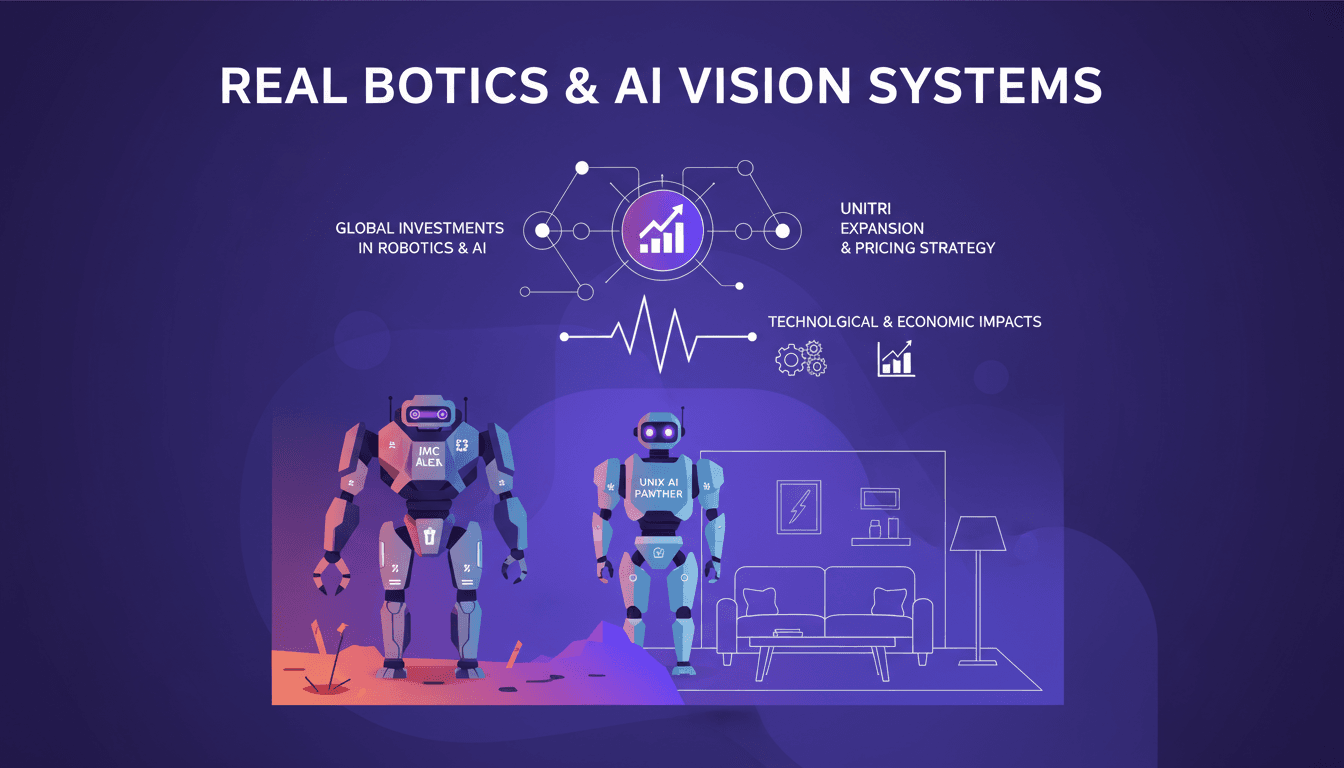
Robotics Breakthroughs: A 10-Day Revolution
I've been in the robotics game for years, and let me tell you, the last 10 days have been wild. We’re talking about a seismic shift in humanoid robotics that nobody's really discussing yet. In this article, I'll walk you through what's happening on the ground: incredible advancements in humanoid robotics, the real tech behind AI vision systems, and what all this means for our industry. From Real Botics to Unitri, companies are pushing the boundaries of what robots can do, and it's not just tech talk—it's about real-world applications and market dynamics.
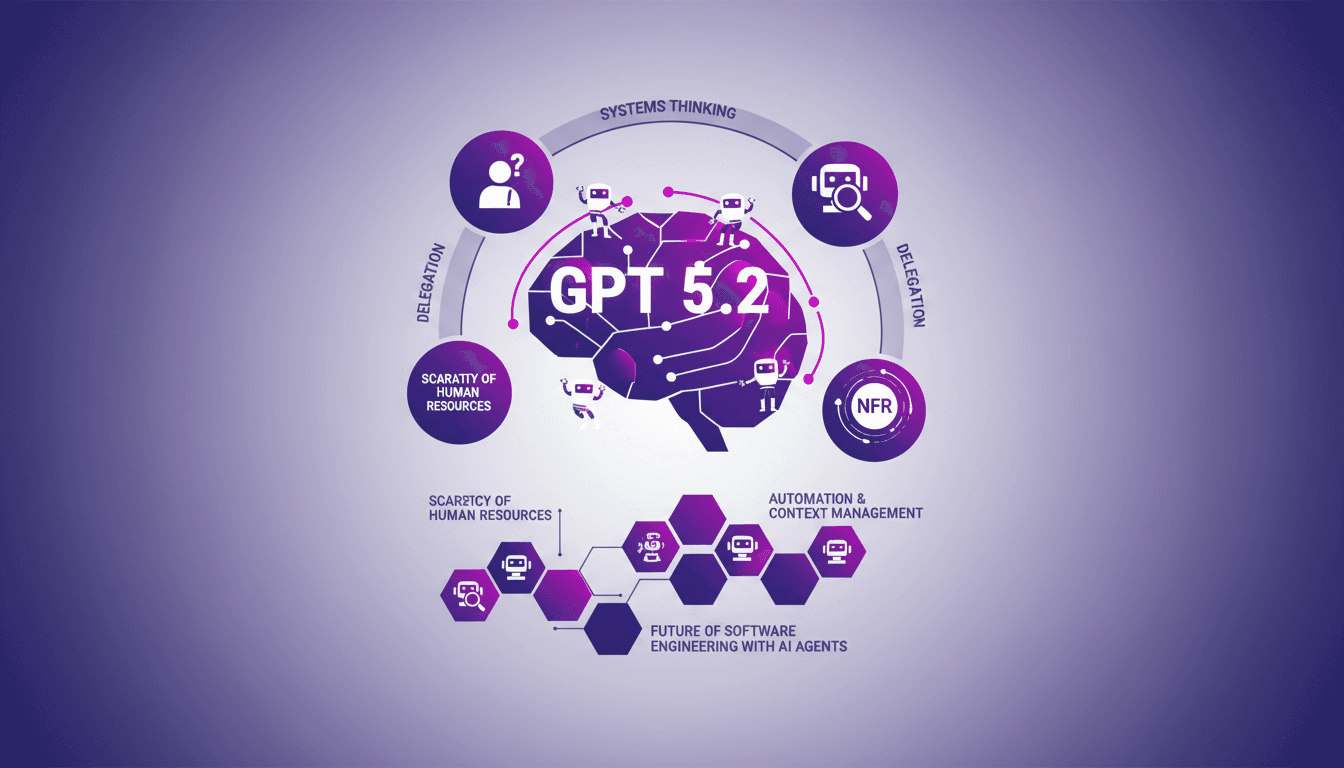
Coding Agents: Revolutionizing with GPT 5.2
I've been in the trenches of software development for years, and let me tell you, the game has changed. Integrating GPT 5.2 into my workflow was like unlocking a new level of efficiency. Suddenly, coding agents weren't just an abstract concept—they were my new team members. With the scarcity of human resources in software engineering, leveraging AI like GPT 5.2 is no longer optional; it's essential. Let's dive into how these tools are shaping the future of our field. We'll explore advancements in coding agents, systems thinking and delegation, the importance of specifying non-functional requirements, and more. Get ready for a revolution in how you approach coding.