Designing Large-Scale Systems: GitHub Engineer Insights
I remember my first large-scale system design project—overwhelming, right? But then I realized, it's all about metrics, simplicity, and impact. In this article, I share how I approach it now as an engineer at GitHub. We'll dive into the importance of quantifiable metrics, the real business impact, and the necessity of keeping things simple. Designing large-scale systems requires a careful balance between technical complexity and business needs. I'll show you how I use concrete data to guide my design decisions and maximize business impact.
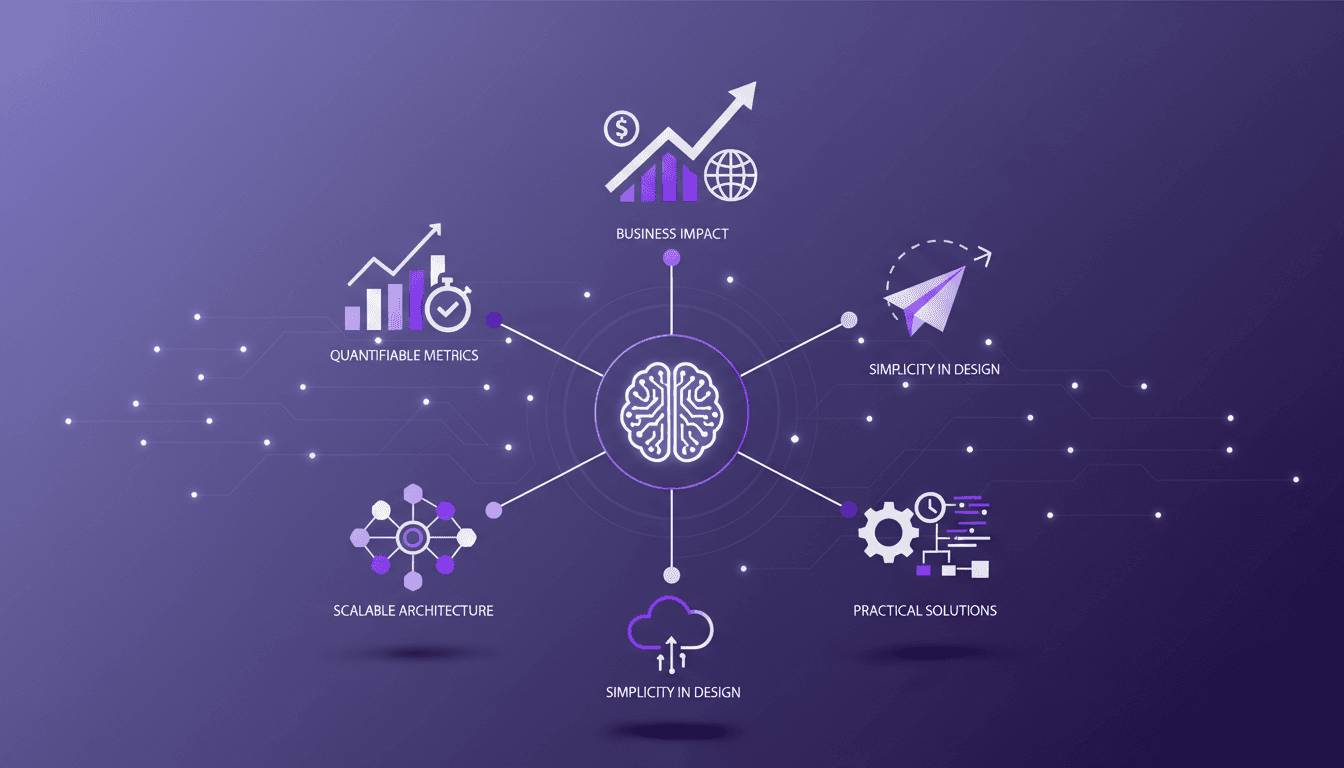
I vividly remember my first large-scale system design project. It felt overwhelming—sound familiar? But soon, I realized that the secret lies in metrics, simplicity, and impact. As an engineer at GitHub, I juggle daily with the technical complexity and business needs. What really changed the game for me was understanding the importance of quantifiable metrics—those numbers that, even if they seem dry, drive our strategic choices. They are how I measure real business impact. A system can be technically brilliant, but if it doesn't meet the business's immediate needs, it's pointless. So, let me walk you through my approach: how I ensure every design decision has tangible impact and how I keep things as simple as possible, even at scale. Trust me, simplicity often turns out to be the best ally for efficiency.
Quantifiable Metrics: The Backbone of Effective Engineering
First thing I do when kicking off a project is nail down the quantifiable metrics that truly matter. We're talking about response time, throughput, and error rate. These aren't just numbers; they guide every design decision I make. Tools like Prometheus are my go-to for monitoring because having real-time data is like gold. Beware of vanity metrics—they look good but drive no real impact.
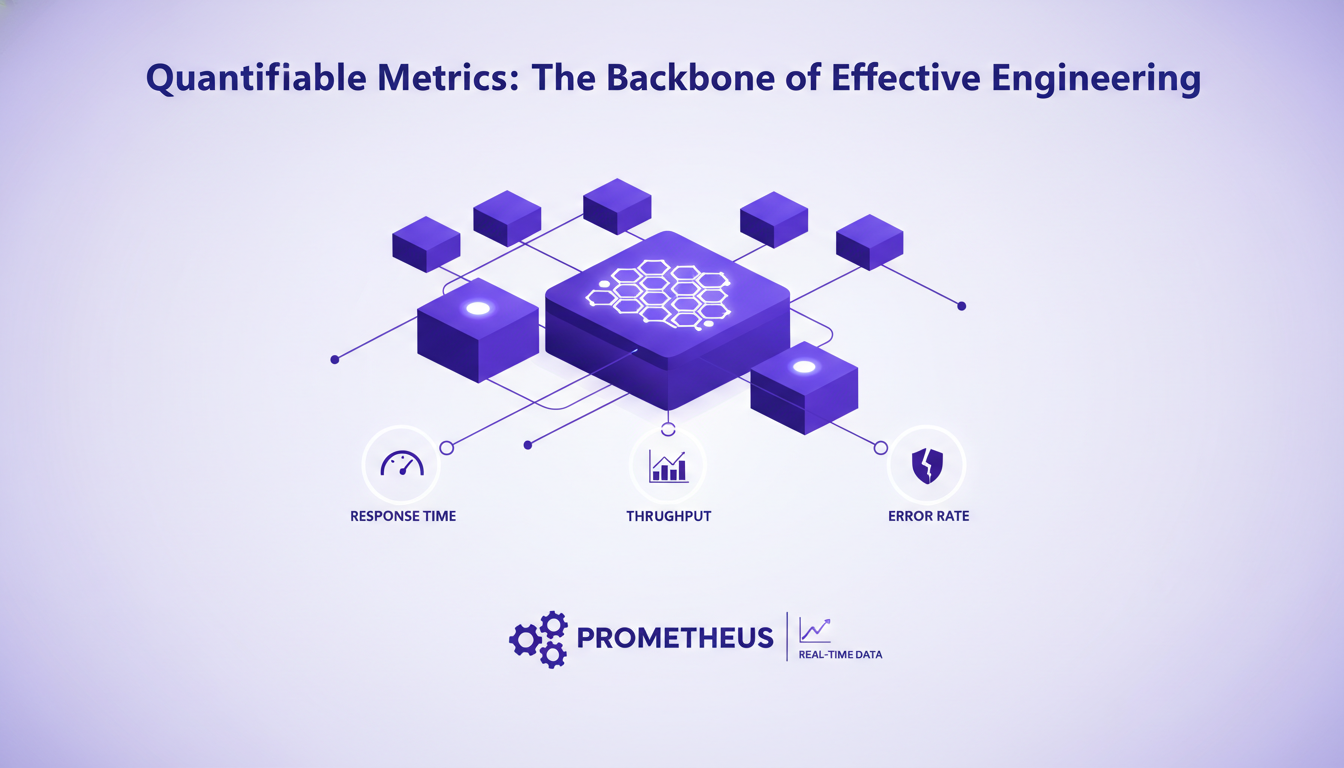
Quantifiable metrics are crucial for setting realistic, clear goals. According to this article, they help assess performance, quality, and efficiency throughout the software development lifecycle. But watch out, don't get caught up in numbers that don't add business value.
Business Impact: Aligning Tech with Business Goals
I always ask, 'How does this feature move the business needle?' Tech for tech's sake is a trap. Focus on solutions that deliver real value. I work closely with business teams to understand impact metrics. Sometimes, it's faster to iterate on a smaller scale to test impact.
Remember, the best tech solutions solve real business problems. A good example is consulting the software quality metrics, which define key indicators for assessing business impact.
Simplicity in Software Design: Less is More
Complex systems are breeding grounds for bugs—keep it simple. I prioritize features that solve core problems over 'nice-to-haves'. Designing with simplicity reduces maintenance overhead. Beware of over-engineering; it slows down deployment.
By keeping things simple, scalability is enhanced—fewer moving parts, less to go wrong. I've seen how Go can simplify large projects, as discussed in this article.
Designing for Large-Scale Systems: Challenges and Strategies
Scaling isn't just about adding servers—it's about efficient architecture. I focus on modular design to make scaling easier. Load testing is crucial—simulate heavy usage before it happens.
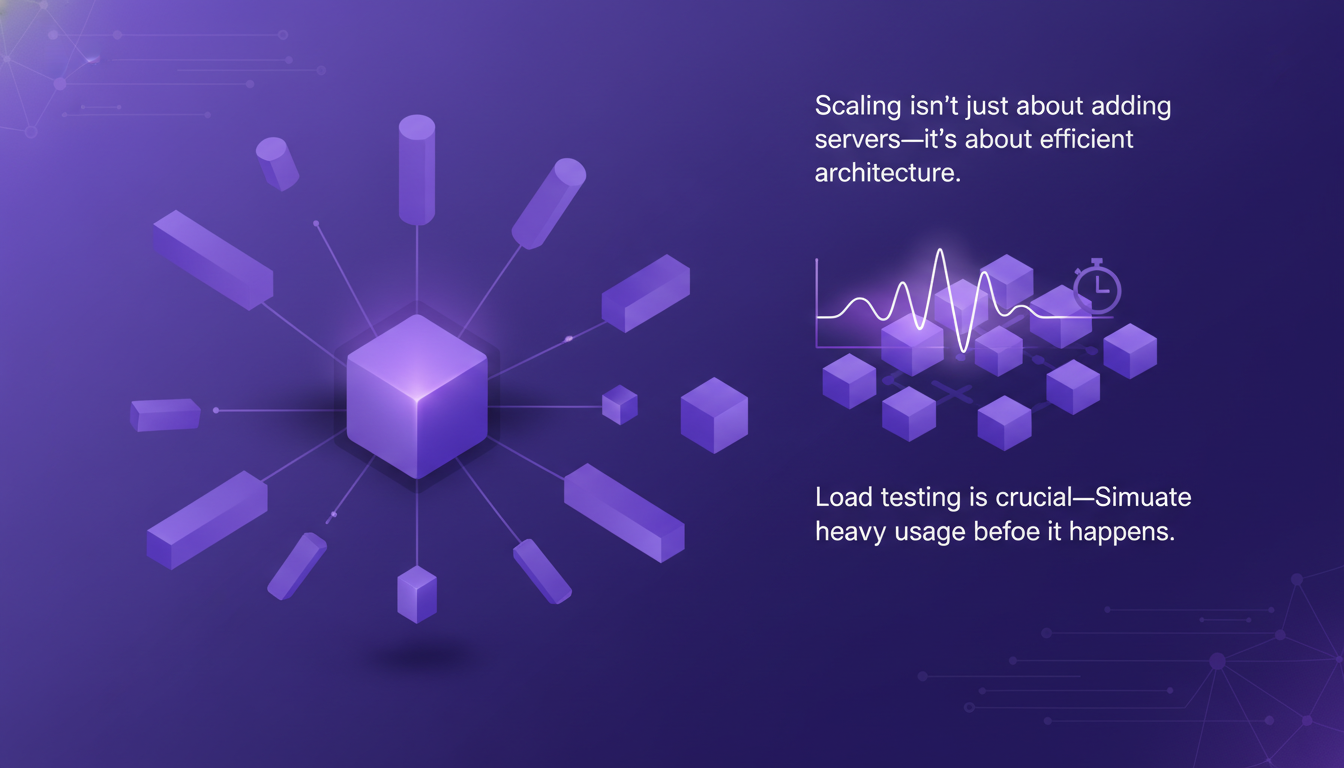
Trade-offs are inevitable—sometimes, you sacrifice speed for reliability. Always plan for failure—design systems that can handle outages gracefully. For more on resilience, see this article.
Practicality in Meeting Current Business Needs
I prioritize current business needs over future-proofing. Agility is key—be ready to pivot as business needs change. Sometimes, quick, pragmatic solutions are better than perfect ones.
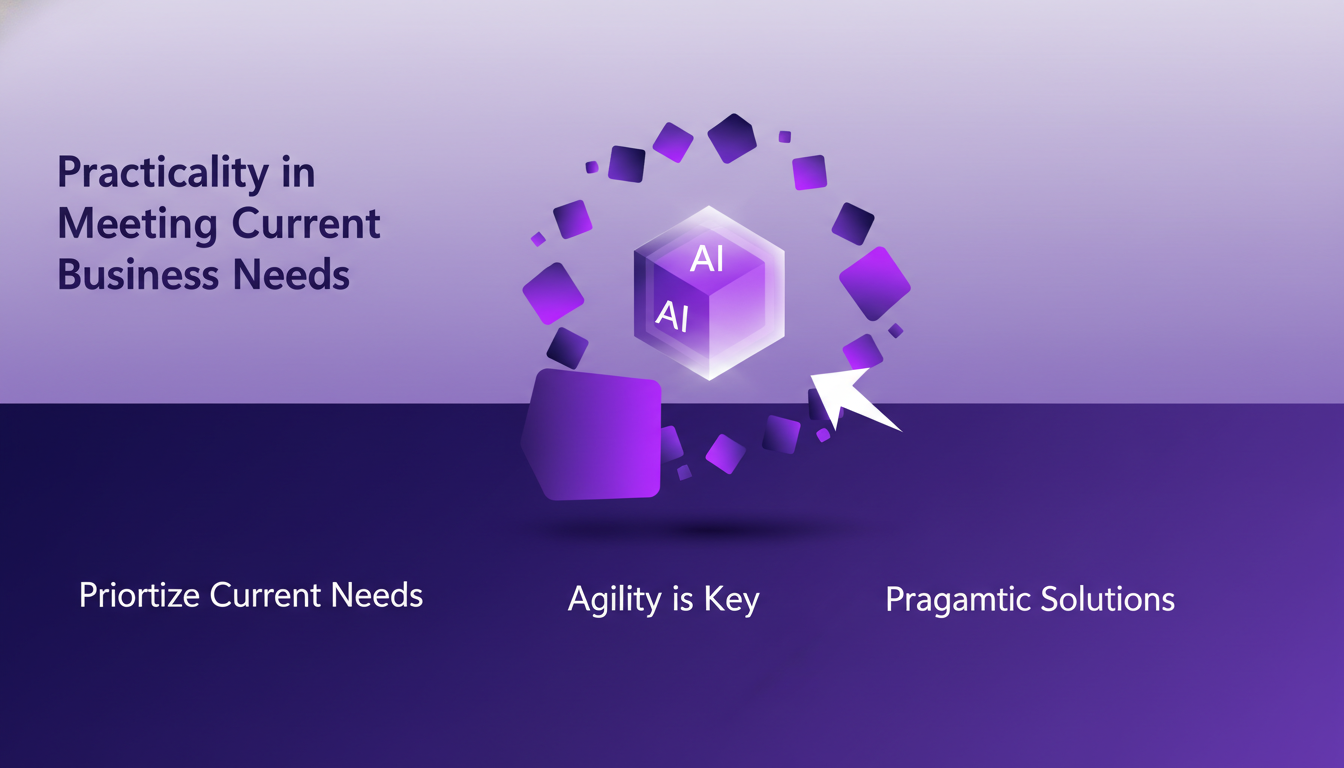
I use feedback loops to ensure we're meeting business requirements. Don't get stuck in analysis paralysis—action often beats perfection. To dive deeper, check out this article on engineering metrics.
In the end, it's about balancing metrics, simplicity, and business impact. When I design systems, I make sure they're not just efficient, but that they also drive real business results. Here are my key takeaways:
- Measure smartly: Use quantifiable metrics to track performance, but watch out for drowning in numbers.
- Always simplify: A simple design is often more performant and easier to maintain.
- Align with business goals: Ensure your tech solutions directly support the company's objectives.
Next time you're faced with a system design challenge, remember: measure, simplify, and align with business goals. Let's build smarter, not harder.
For deeper insights, check out the full video "How a GitHub Engineer Actually Thinks About System Design" here: https://www.youtube.com/watch?v=cMSIQ_Ba3BU. It's a real game changer in our field.
Frequently Asked Questions

Thibault Le Balier
Co-fondateur & CTO
Coming from the tech startup ecosystem, Thibault has developed expertise in AI solution architecture that he now puts at the service of large companies (Atos, BNP Paribas, beta.gouv). He works on two axes: mastering AI deployments (local LLMs, MCP security) and optimizing inference costs (offloading, compression, token management).
Related Articles
Discover more articles on similar topics
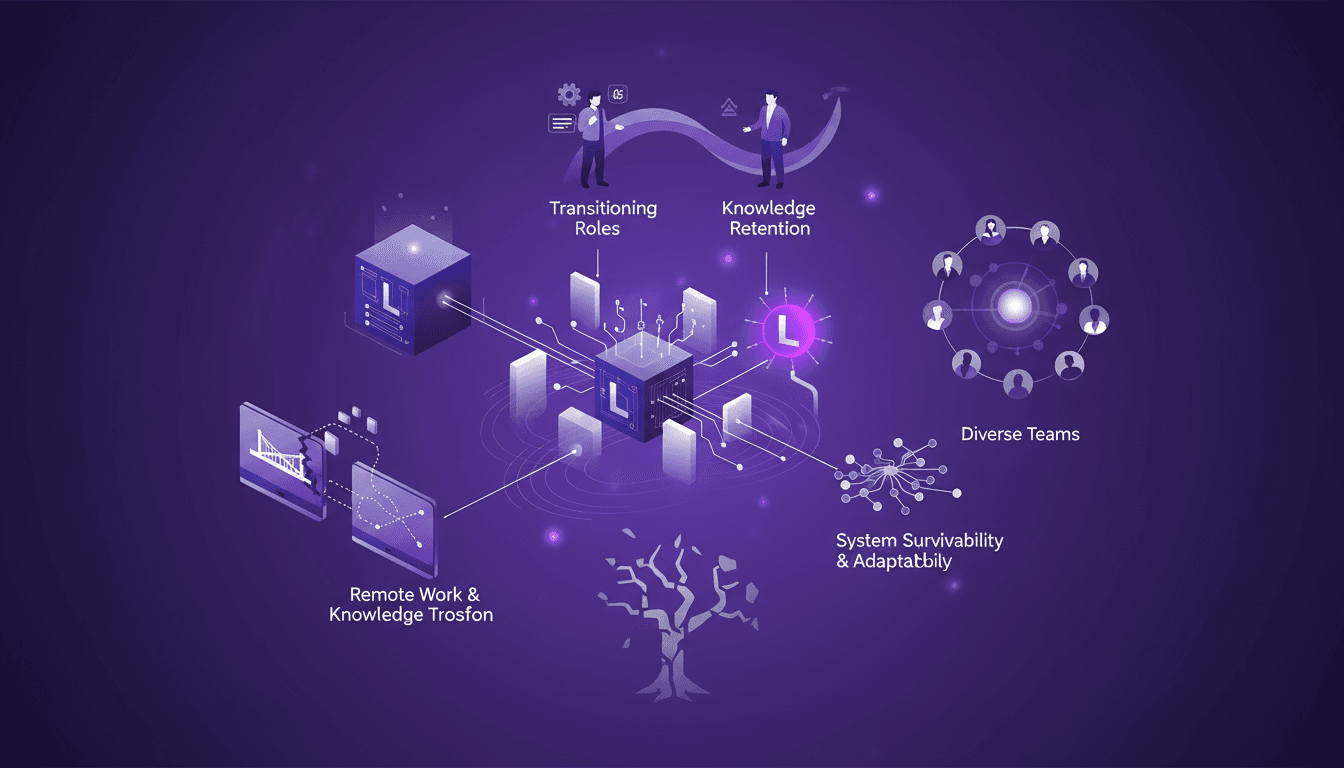
Designing Systems for Survivability: A Practical Guide
With over 30 years in software engineering, let me tell you, systems that last aren't built on the latest buzzwords. It's about tackling real-world challenges. Picture handling knowledge retention in legacy systems while transitioning from technical roles to management. I'll walk you through my approach, drawing on decades of experience. In our rapidly evolving software world, survivability and adaptability are crucial, yet often lost in practice. Let's dive into designing systems that thrive, even amid inevitable tech shifts and team dynamics.
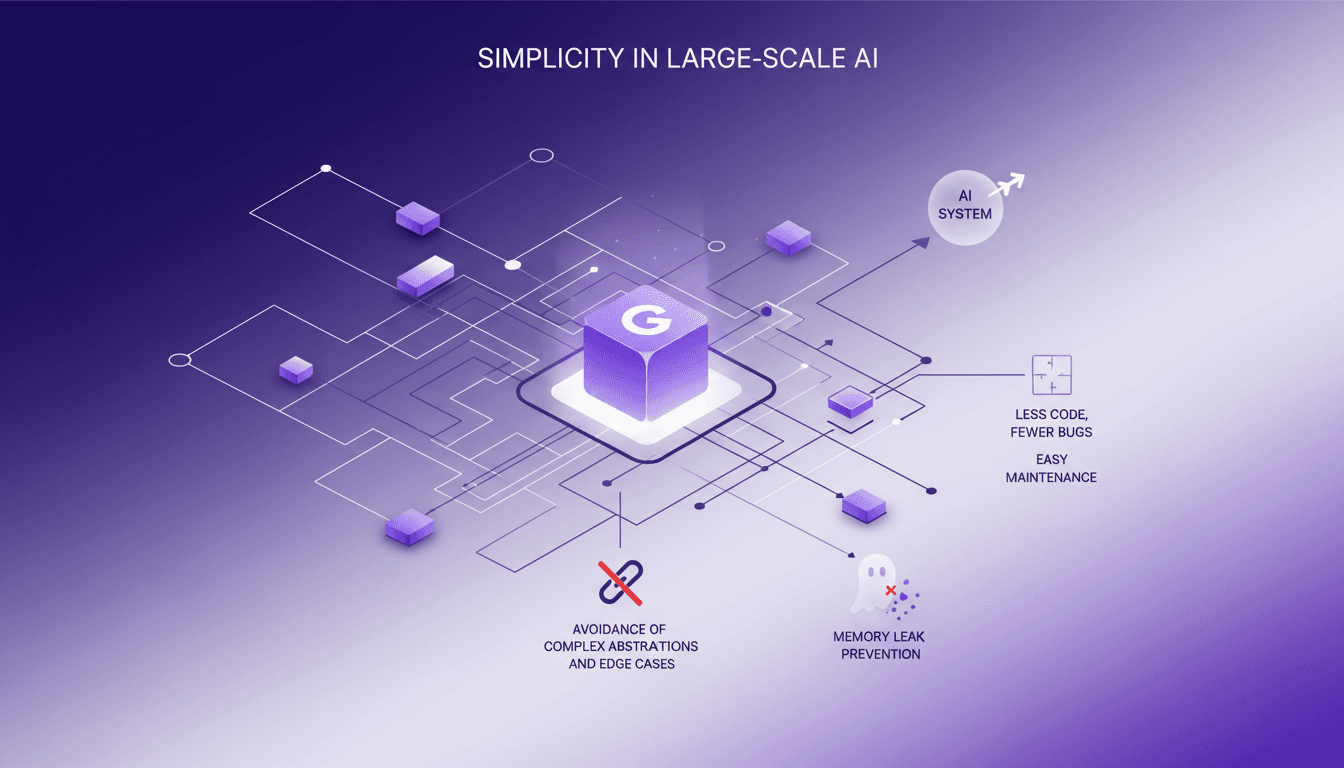
Simplifying Large Projects: Go's Role
I've been knee-deep in code more times than I can count, and if there's one lesson I've learned, it's this: simplicity is your best ally, especially when scaling up. Working at GitHub, I've witnessed firsthand how simplicity not only streamlines processes but also prevents costly errors. Let me walk you through how I keep things simple, why I love Go, and how this mindset keeps my projects from spiraling into chaos. We're talking about dodging complex abstractions and memory leaks that can wreck a system. Simplicity isn't just an aesthetic choice; it's a necessity for maintaining and understanding code effectively. As an engineer, I'm sharing my strategies to stay simple in large-scale projects.
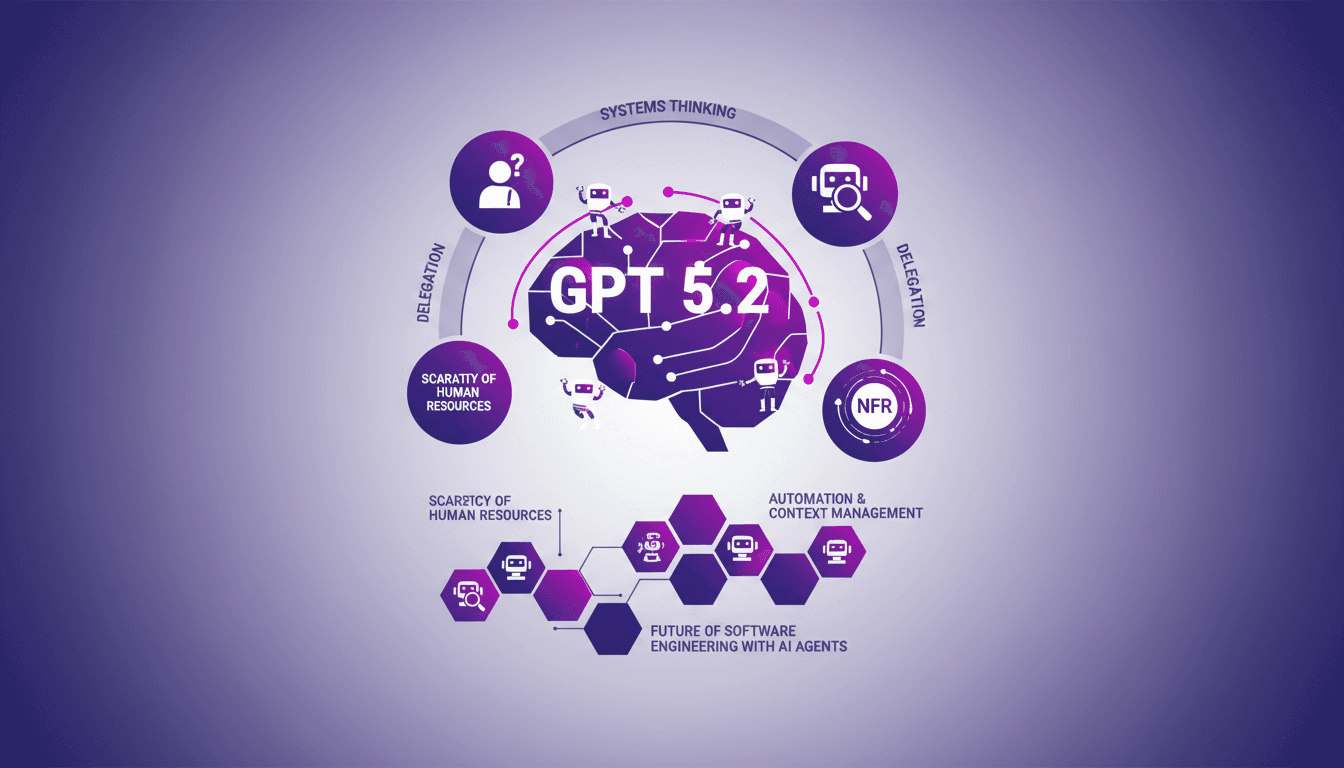
Coding Agents: Revolutionizing with GPT 5.2
I've been in the trenches of software development for years, and let me tell you, the game has changed. Integrating GPT 5.2 into my workflow was like unlocking a new level of efficiency. Suddenly, coding agents weren't just an abstract concept—they were my new team members. With the scarcity of human resources in software engineering, leveraging AI like GPT 5.2 is no longer optional; it's essential. Let's dive into how these tools are shaping the future of our field. We'll explore advancements in coding agents, systems thinking and delegation, the importance of specifying non-functional requirements, and more. Get ready for a revolution in how you approach coding.
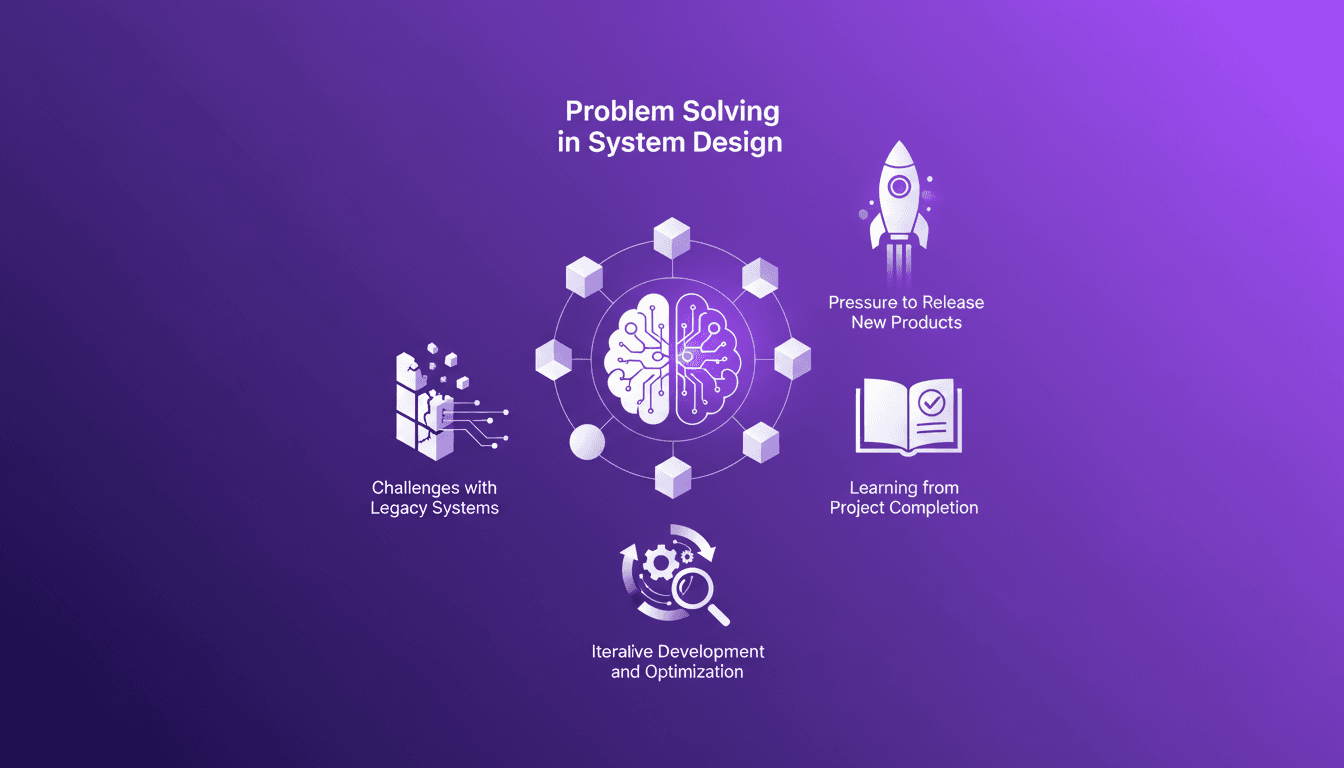
Designing Resilient Systems: A Practical Guide
I've been in the trenches of system design, where every decision feels like a high-stakes game. You know the pressure to launch new products while wrestling with legacy systems? Yeah, I've been there. In this podcast, I dive into the nitty-gritty of how to design systems that don't just survive but thrive. We discuss problem-solving, the pressures of deadlines, and iterative development. Tackling legacy systems' challenges and continuous optimization is key. If you want to truly understand how to build resilient systems, keep reading.
Self-Education: From Dropout to Senior Engineer
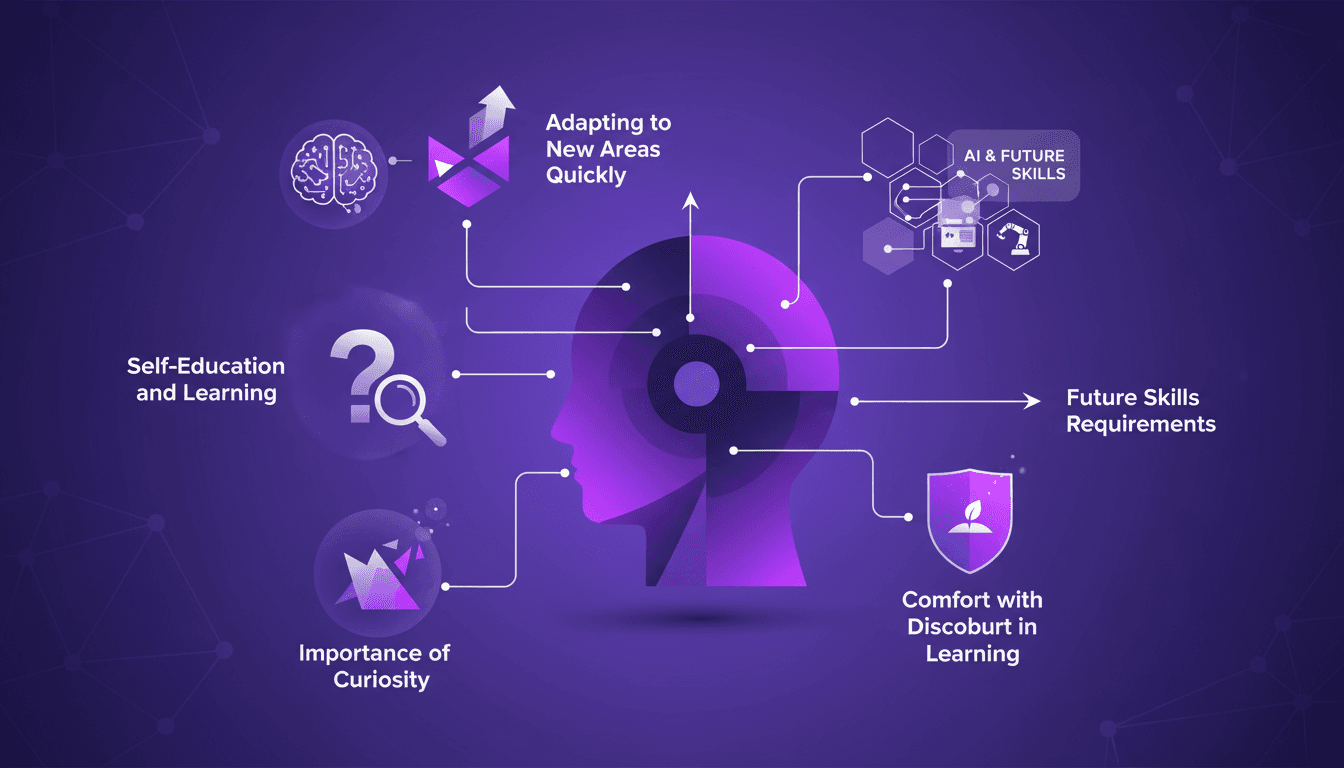
I never completed my computer science degree, yet here I am, a senior engineer at GitHub. How did I get here? Spoiler: it's anything but the traditional route. I banked on self-education, curiosity, and embracing discomfort. In a world where tech evolves at lightning speed, what really counts is our ability to learn quickly. I'll show you how these elements shaped my journey and how they can transform yours. We'll dive into how to swiftly adapt to new areas, the importance of daring to be curious, and why getting comfortable with discomfort has become crucial for future skills.