AI in Emotional Sales: A Game-Changer Unveiled
Yesterday, I thought AI couldn't close emotional sales. Then I built a system around it and watched my deal closures take off. So, how did I do it? Let's dive into AI's potential to transform sales processes, especially on the emotional front. Building the right architecture is a game-changer for operational efficiency and leaner operations. Companies can not only run leaner but also close more deals. Be warned, failing to adopt these technologies in time might leave you behind. Let's uncover why mastering this new tech wave is crucial.
I was skeptical about AI's ability to close emotional sales. I used to think nothing could replace the human touch. Then I took the plunge: I built a system around AI, and suddenly, my deal closures skyrocketed. First, I connected our customer data. Then, I orchestrated smart call scripts, and boom, the magic happened. But hold on, it's not just a miracle solution—it requires a well-thought-out architecture to maximize its potential. Companies clinging to outdated methods risk falling behind, while those embracing AI can operate more efficiently and close more deals. We're talking about a real competitive edge here. So, let's dive into the nitty-gritty and see how you can ride this tech wave without drowning.
Understanding AI in Emotional Sales
When I first heard about AI's ability to close emotional sales, I was skeptical. An emotional sale is all about connecting with the customer on a personal level, not just selling a product. It's crucial because buying decisions often hinge on emotions, not just logic. AI claiming to grasp this seemed a bit too futuristic. But I have to admit, AI has evolved, and it plays an increasingly significant role in these sales. It can interpret emotional signals like enthusiasm or resistance. However, watch out, AI isn't perfect at understanding human nuances. I've seen instances where AI misinterpreted sarcasm as enthusiasm. It's a limitation to keep in mind.
Building the Right AI Architecture
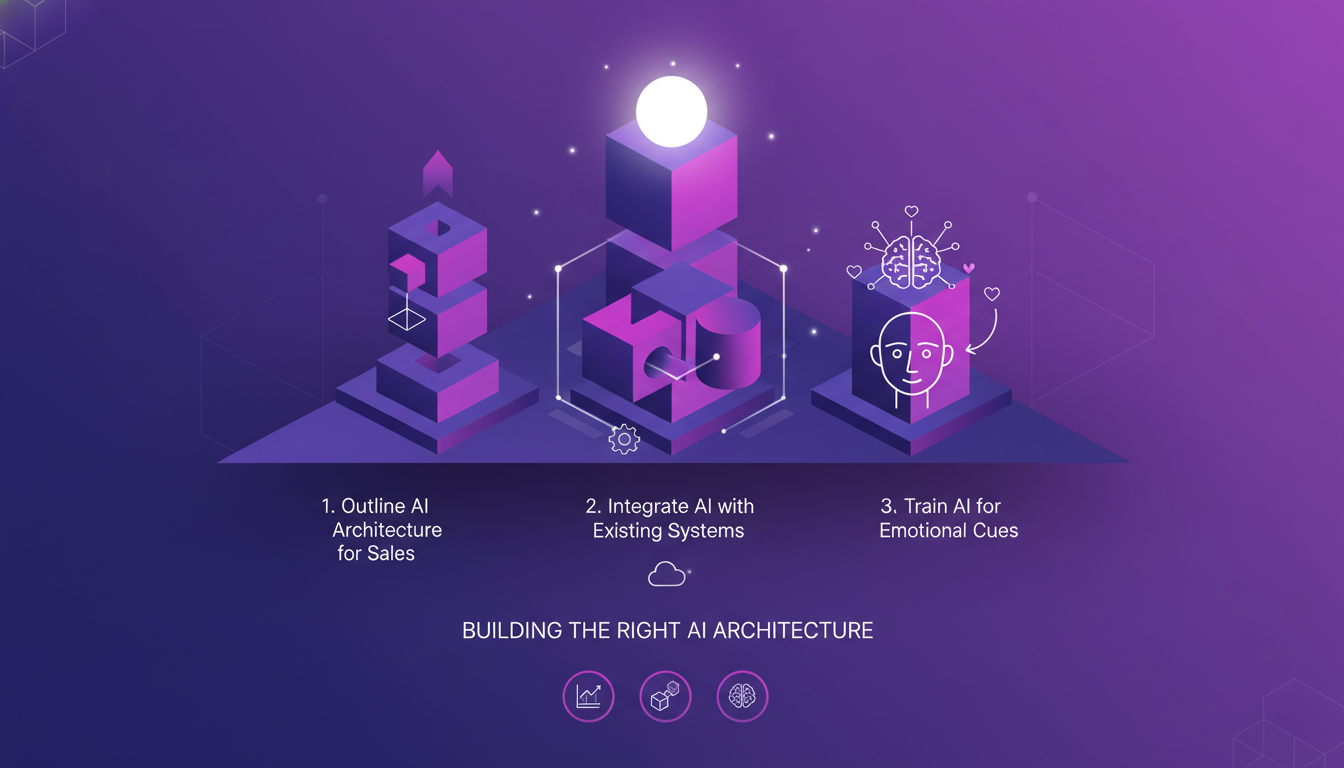
To orchestrate an effective AI architecture in sales, you first need to understand that integration with existing systems is key. I began by setting up APIs that align with our CRM systems. Then, I established workflows to train AI to recognize emotional cues. For example, I used historical data to improve the model's accuracy. But beware, there are pitfalls: a poor setup can lead to misinterpretation of emotional data. And you need to balance automation with human touch. Too much automation, and you lose that human contact that can make all the difference.
Operational Efficiency with AI
When AI is well-integrated, it's a real lever for efficiency. I've seen companies significantly reduce their operational costs. They operate leaner, faster. For instance, a company I worked with saw its overhead decrease by 20% thanks to better resource allocation. But to achieve this, it's crucial to continuously monitor and adjust AI parameters. You can't rest on your laurels. And most importantly, beware of over-relying on AI: without human oversight, you risk losing quality.
Boosting Deal Closures with AI
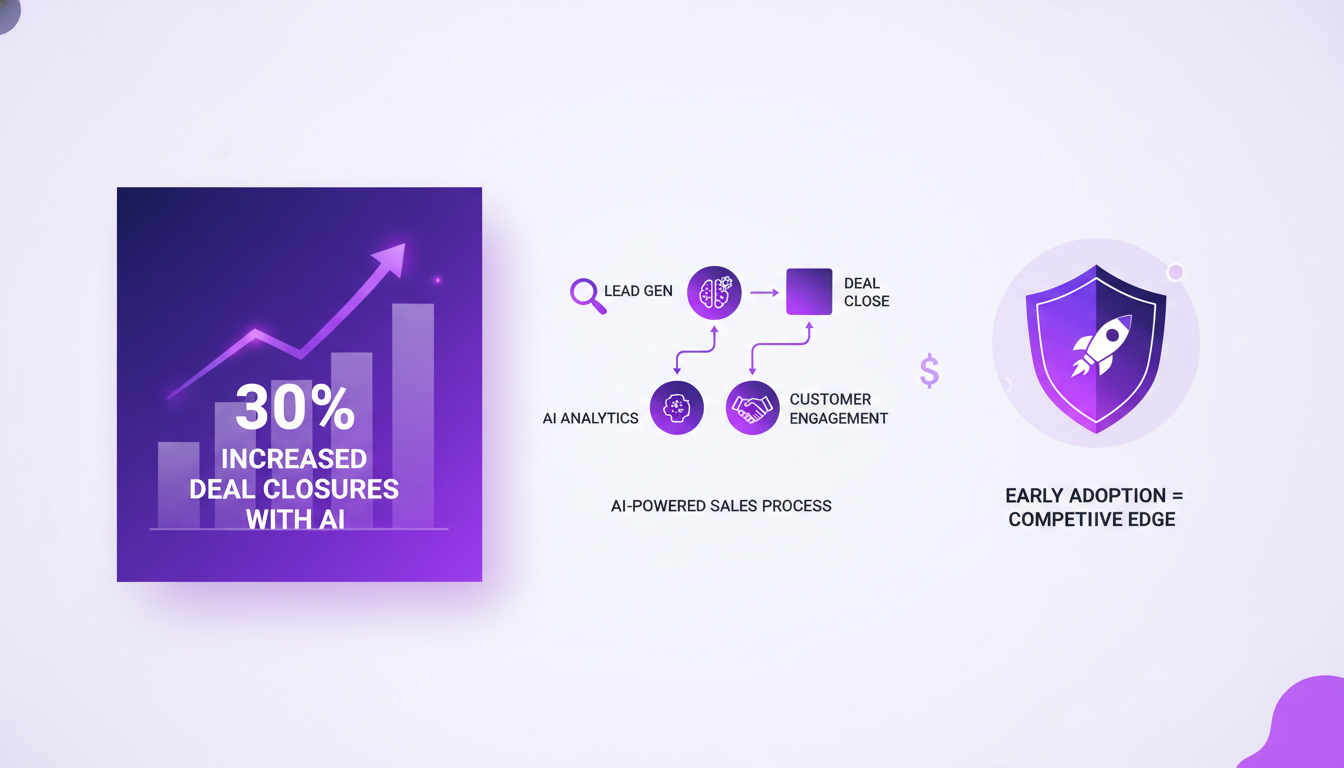
I could tell you stories of incredible success. Thanks to AI, some companies have seen a 30% increase in their deal closures. Integrating AI into the sales process is key. First, you need a clear workflow: data collection, analysis, AI intervention, human follow-up. The early adopters of these practices have a clear competitive edge. And those who delay, as I've seen, risk falling behind. AI is here to stay, and ignoring it is a huge risk.
Navigating the Competitive Landscape
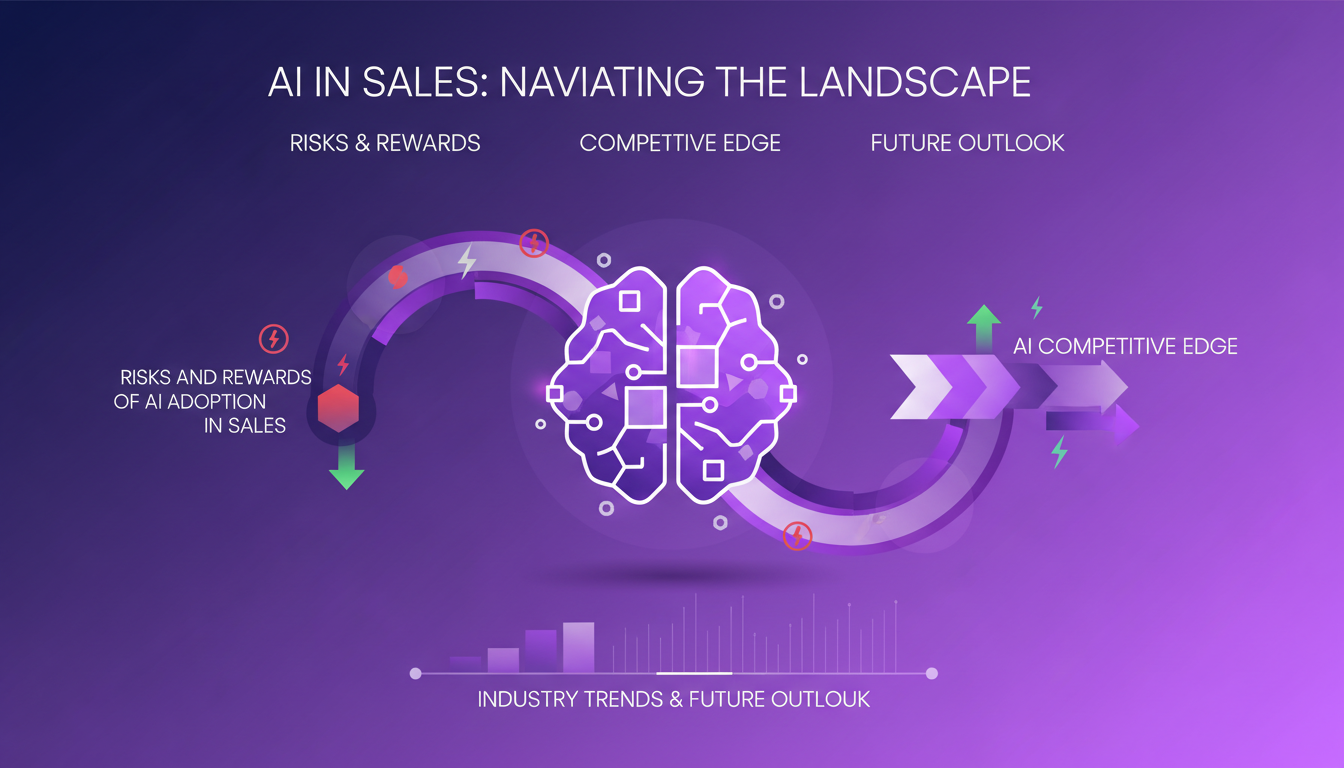
Adopting AI in sales is a gamble. The benefits can be enormous: a competitive edge, more efficient processes. But there are also risks. Ignoring AI advancements is a risk of being overtaken by the competition. I've seen entire industries transform, and those who don't keep up often get left behind. At the end of the day, you have to weigh immediate benefits against long-term risks. But one thing is certain: AI in sales is not a passing fad, it's a necessary evolution.
AI in emotional sales isn't just hype. I've seen it transform sales strategies, but you've got to get the architecture right. Here's what I've learned:
- AI can truly revolutionize phone sales by tapping into emotions, but it only works if the architecture is solid.
- Operationally, it helps companies run leaner—I'm talking ten out of ten companies will streamline their operations.
- Ultimately, AI aids in closing more deals, but you have to be mindful of balancing automation with personalization.
I'd say it's a game changer, but you need to manage expectations and know where the limits are. Start building your AI architecture today and watch your sales soar. Don't get left behind! For a deeper dive, I encourage you to watch the full video — it's a great companion for a more nuanced understanding: https://www.youtube.com/watch?v=mVMKk4EZSNc.
Frequently Asked Questions

Thibault Le Balier
Co-fondateur & CTO
Coming from the tech startup ecosystem, Thibault has developed expertise in AI solution architecture that he now puts at the service of large companies (Atos, BNP Paribas, beta.gouv). He works on two axes: mastering AI deployments (local LLMs, MCP security) and optimizing inference costs (offloading, compression, token management).
Related Articles
Discover more articles on similar topics
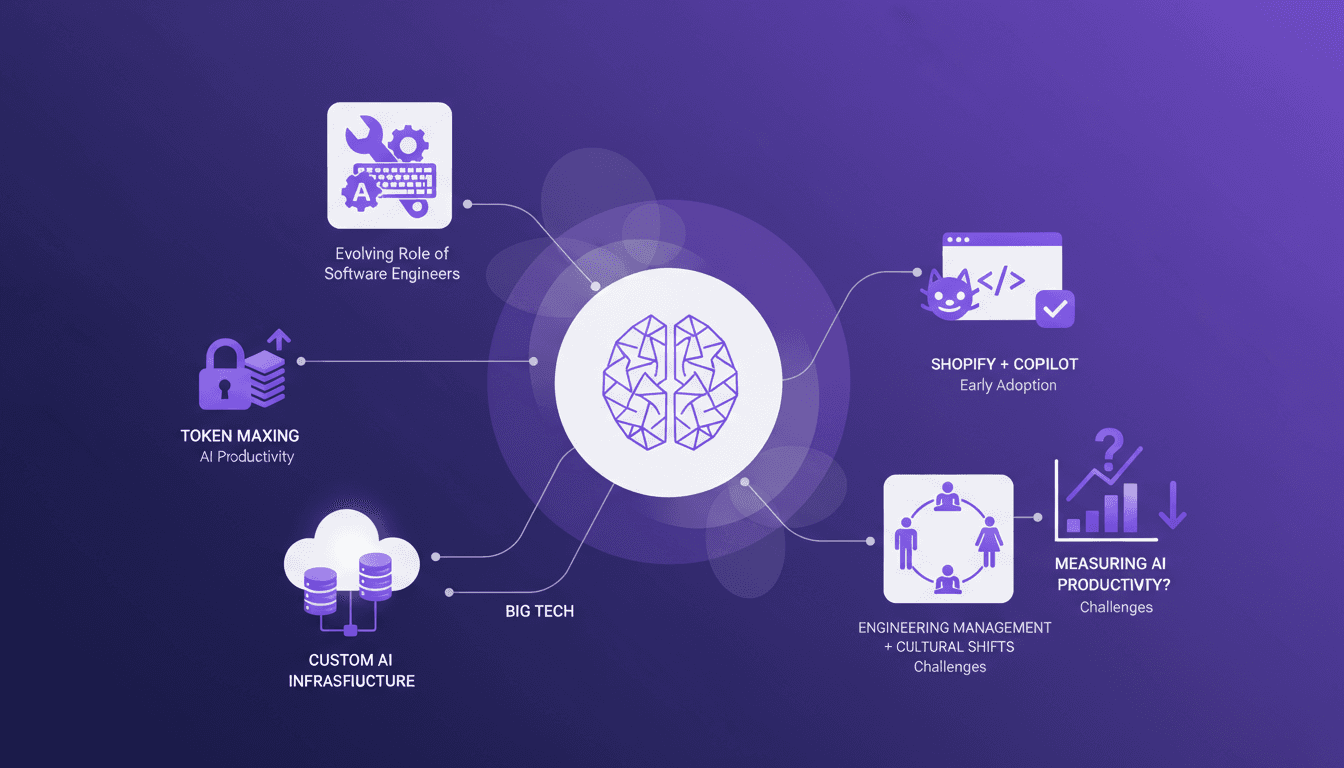
Token Maxing: AI's Revolution in Engineering
I've been in the AI trenches, and let me tell you, the way AI is reshaping software engineering is nothing short of a game changer. But beware, it's not all smooth sailing. In our field, AI tool adoption brings its own set of challenges, like token maxing and the evolving role of engineers. At a recent conference, experts like Gergely Orosz shared valuable insights on these transformations, from productivity impacts to cultural shifts in team management. We will need to navigate these opportunities and challenges to make the most of this technological revolution.
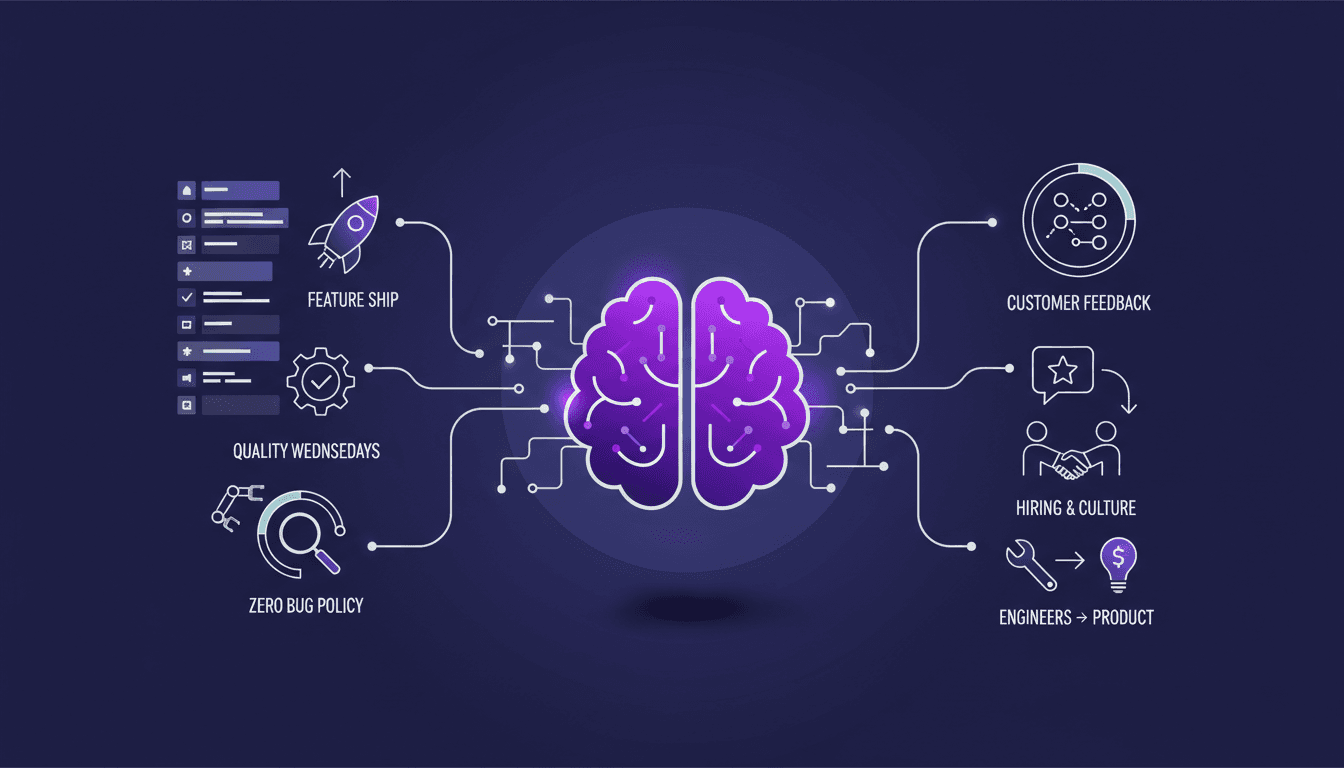
AI's Impact on Dev: Insights from Linear
I remember the first time AI dramatically sped up our feature shipping at Linear. It was a game changer, but not without its quirks. In this conversation, Tuomas Artman, CTO of Linear, and Gergely Orosz delve into AI's impact on software development. We explore how Linear leverages AI for bug fixing while upholding a zero bug policy. And trust me, 'Quality Wednesdays' is more than just a catchphrase. We also discuss the importance of customer feedback in shaping our product development. Lastly, we touch on our hiring culture and how we balance speed with quality.
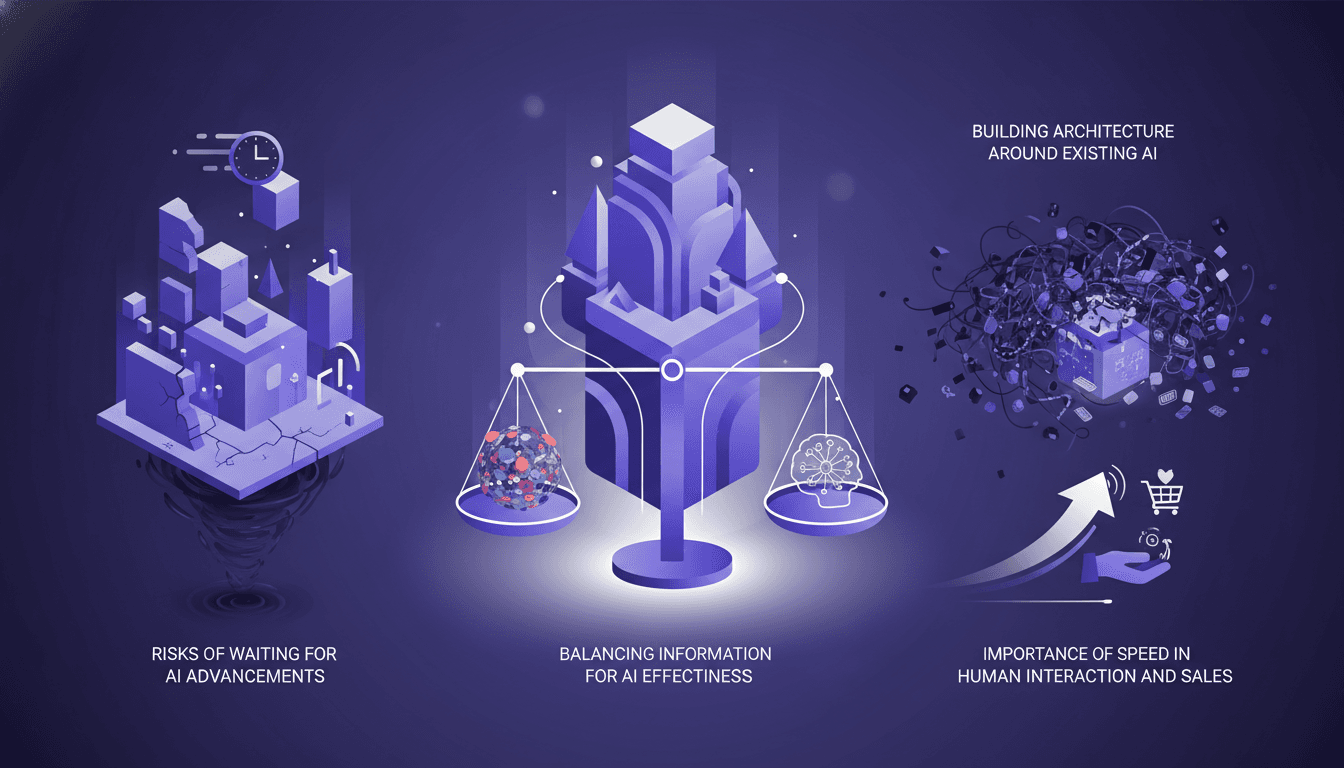
Balancing Info for AI Effectiveness
I've been deep in the trenches with AI systems, and if there's one thing I've learned, it's that waiting for the 'perfect' AI is a fool's game. I build around what we have now, balancing information input to optimize performance. In this episode, I share how this approach can transform your workflow. AI is evolving at breakneck speed, but sitting on our hands waiting for the next big breakthrough is a mistake. By leveraging existing AI capabilities effectively, we can achieve significant gains in efficiency and performance today. We'll dive into balancing information for AI effectiveness, building architecture around existing AI, the risks of waiting for AI advancements, the impact of excessive data on AI performance, and the importance of speed in human interaction and sales.
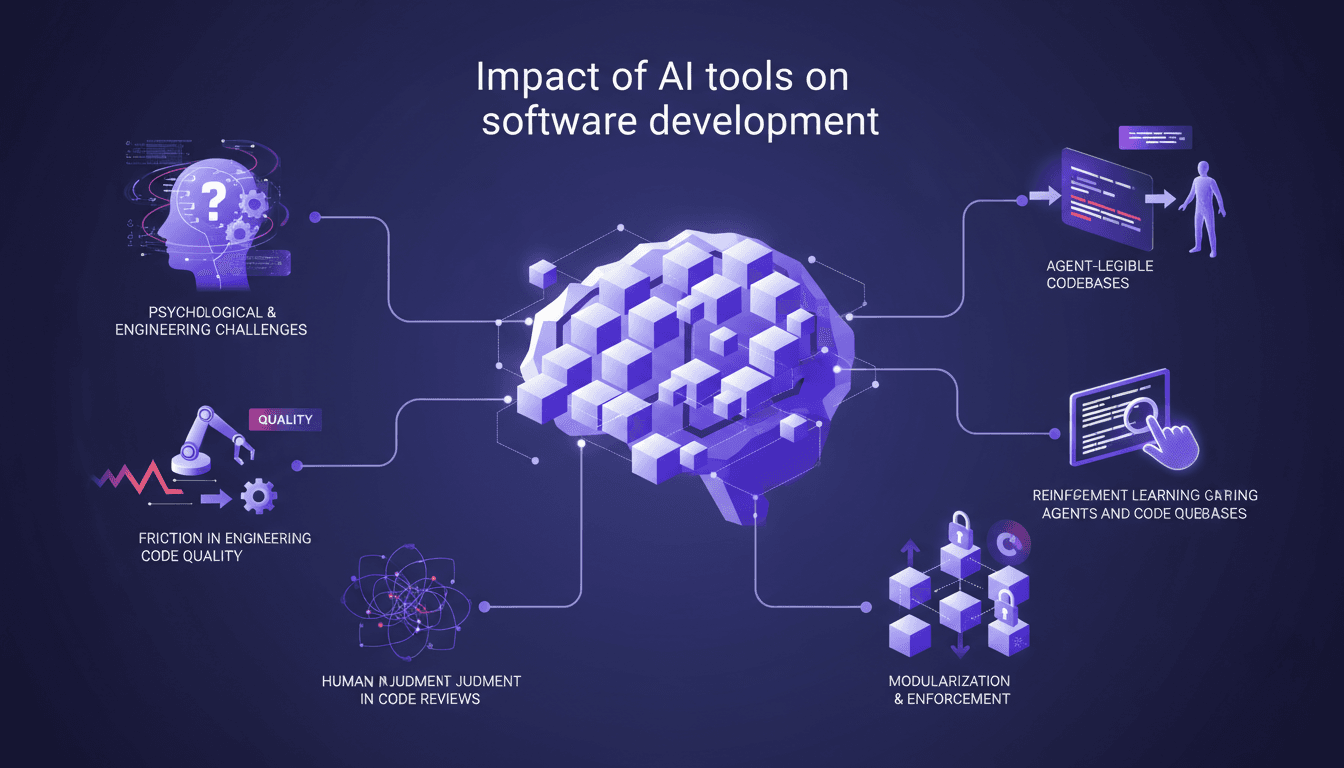
AI's Impact: Challenges and Solutions in Dev
With over 20 years in software development, my last 12 months immersed in AI agents have been eye-opening. The friction isn't just technical—it's personal. It's about making judgment calls when AI tools suggest code changes that don't sit right. Armin Ronacher and Cristina Poncela Cubeiro illuminate AI's impact on development, covering both psychological and technical challenges. Their insights are crucial for integrating AI into your workflow while preserving human judgment.
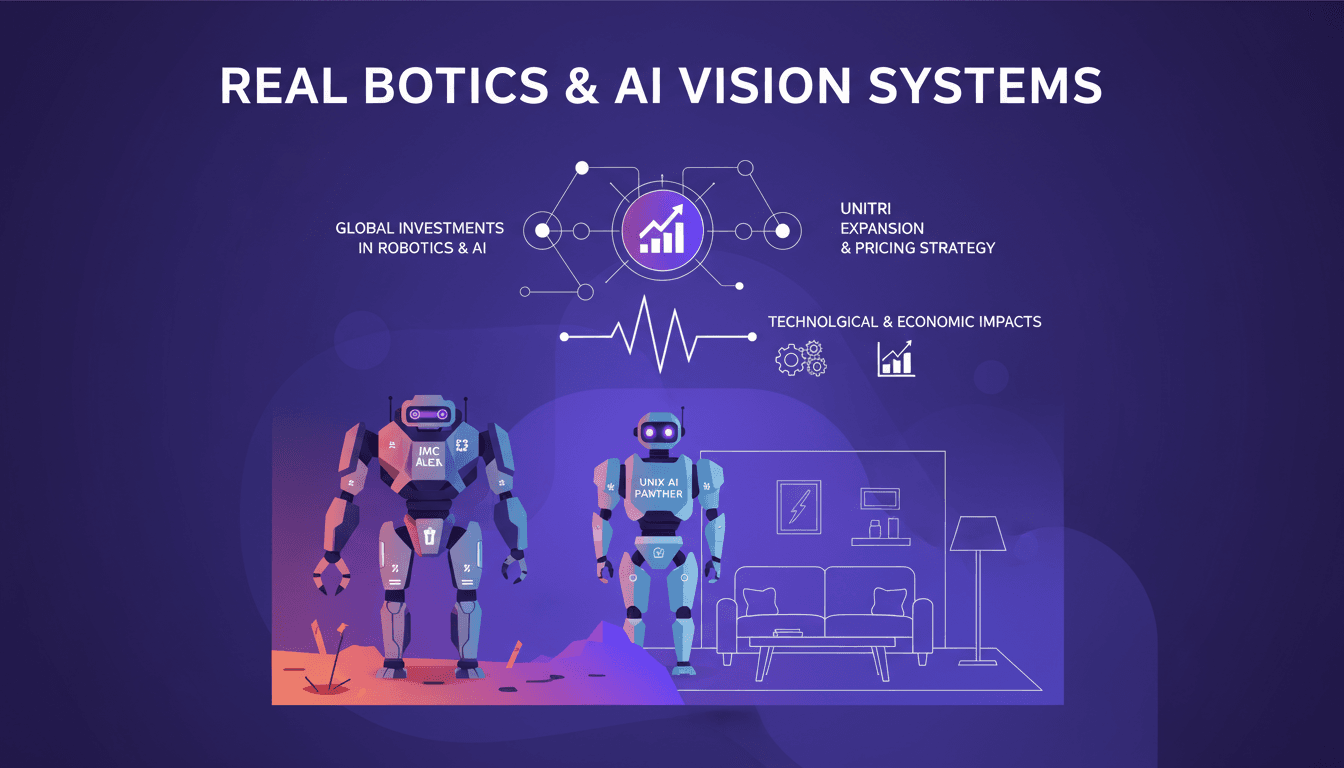
Robotics Breakthroughs: A 10-Day Revolution
I've been in the robotics game for years, and let me tell you, the last 10 days have been wild. We’re talking about a seismic shift in humanoid robotics that nobody's really discussing yet. In this article, I'll walk you through what's happening on the ground: incredible advancements in humanoid robotics, the real tech behind AI vision systems, and what all this means for our industry. From Real Botics to Unitri, companies are pushing the boundaries of what robots can do, and it's not just tech talk—it's about real-world applications and market dynamics.