Master Open Source to Boost Your Career
I've been there, navigating the maze of software engineering without a traditional job application. Open source was my ticket. Let me walk you through how I leveraged open source to get hired. In today's tech landscape, open source isn't just a buzzword; it's a career catalyst. Whether it's contributing to projects or building a network, open source offers a pathway to professional growth and personal fulfillment. But beware, contributing to open source comes with its challenges. You'll see how I navigated the hurdles, optimizing my time (spending two to three hours on a single PR proposal) and building an identity within these communities. And then, there's the impact of AI, shifting the game for open source contributors. This podcast episode is here to arm you with the tools to master these resources and boost your career.
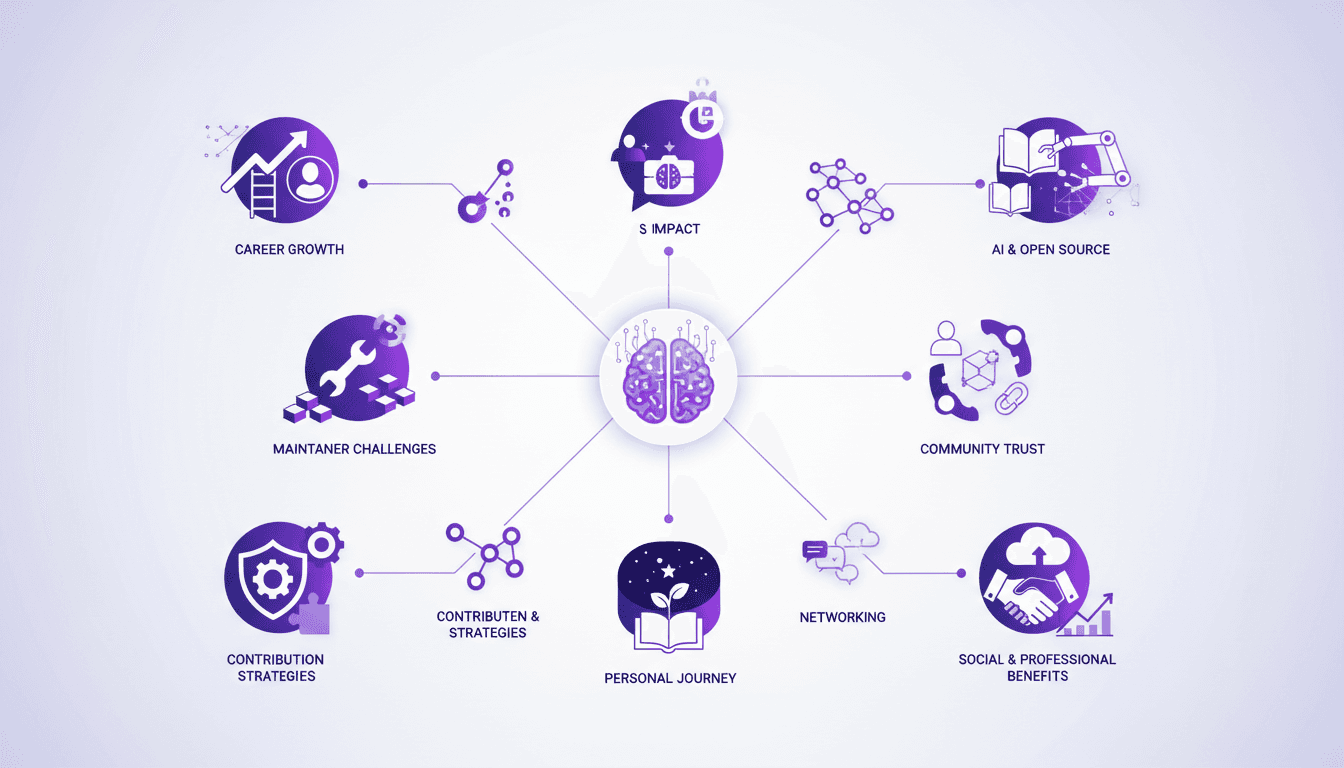
I remember those days of juggling with the idea of kickstarting my software engineering career without drowning in traditional applications. Open source was my escape hatch. I connected my ideas, immersed myself in projects, and with a few PRs and contributions, landed a job without even officially applying. In today's tech landscape, open source isn't just a buzzword; it's a career lever. Whether it's contributing to projects or building a robust network, open source offers a roadmap to professional growth and personal fulfillment. But beware, it's not a path without hurdles. I spent hours drafting PR proposals (some edited up to 15 times!) and crafting an identity. With AI shaking up the playing field, open source contributors need to adapt. In this podcast episode, I share the strategies that allowed me to navigate this universe successfully and boost my career.
Leveraging Open Source for Career Development
Open source is like having your own public portfolio. Each line of code, each pull request (PR), is tangible proof of your skills. When I started contributing, I saw it as a way to prove what I could do, far more concrete than just a resume. Working on open source projects allowed me to build credibility and visibility that I couldn't have achieved otherwise.
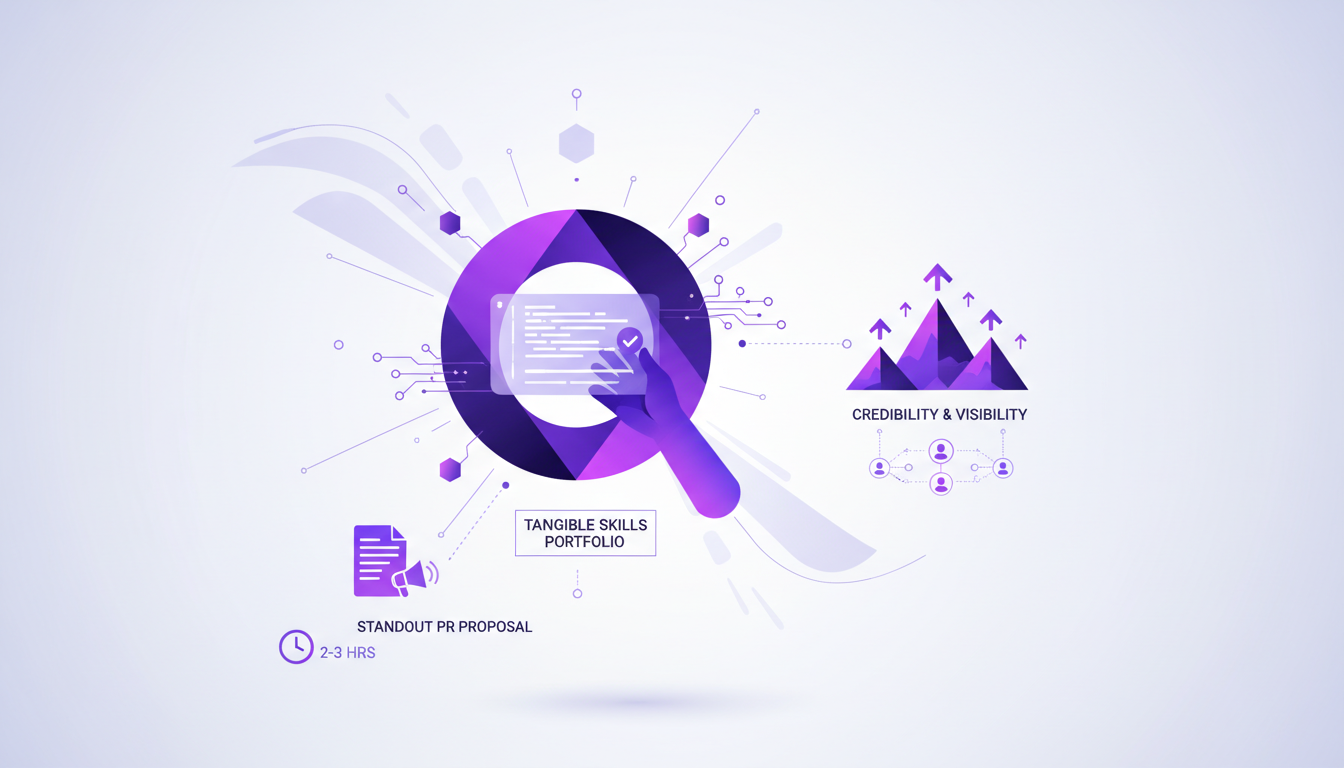
Recently, I spent 2 to 3 hours perfecting a PR proposal. I edited it 15 times to get it just right. This isn't just perfectionism, it's an investment in my reputation. What I've learned is to identify active repositories with at least 5 contributors. This ensures quality feedback and a truly lively project. But watch out, don't dive into any repo just to add lines of code.
- Start with projects with at least 5 active contributors.
- Invest time in crafting well-structured and thoughtful PRs.
- Use your contributions as a real-time portfolio.
Navigating Challenges in Open Source Contributions
Making your first contributions can be intimidating, I know the feeling. The key is not to settle for low-value code dumps. I've often found myself juggling between my 9 to 5 job and open source contributions. The secret is efficient time management.
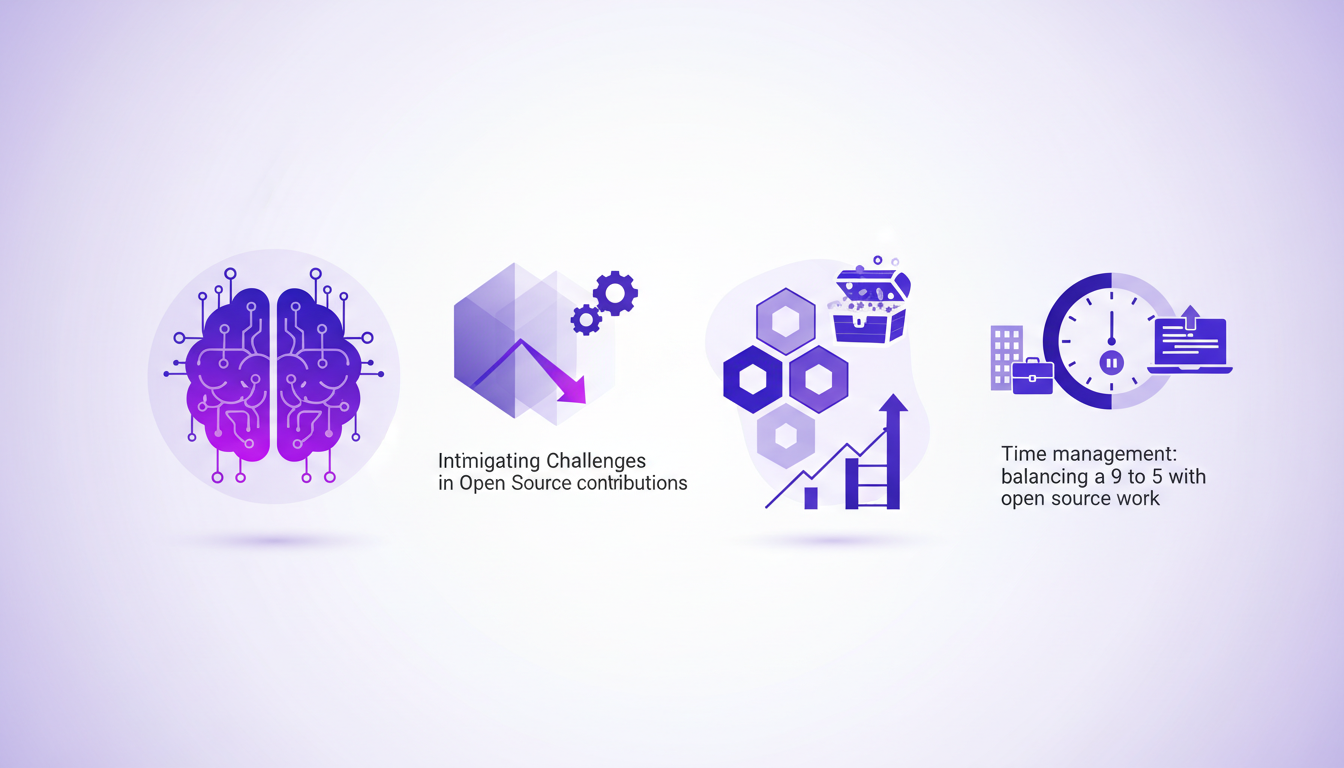
Avoid low-value contributions that burden maintainers. Each contribution should bring real added value. A strategy that worked for me is to draw inspiration from already merged PRs to understand what is expected.
- Avoid low-value contributions.
- Manage your time: balance 9 to 5 work and open source.
- Draw inspiration from accepted PRs to understand expectations.
AI's Role in Shaping Open Source Contributions
AI is like a double-edged sword in open source. Yes, it can generate code, but be careful not to lose the authenticity of your contributions. I use AI tools for efficiency, but never at the cost of my personal touch.
The limitations of AI are real, especially in creative coding tasks. I've seen maintainers overwhelmed by the noise of AI-generated contributions. It's essential to filter and bring genuine human-added value.
- Use AI for efficiency but keep your authenticity.
- Understand AI's limitations in creative tasks.
- Bring personal touch to avoid the noise of AI contributions.
Building Trust and Identity in Open Source Communities
In open source, the vouch system is key to earning trust. It's through consistent contributions that I've been able to create a recognized identity within communities. Networking allowed me to turn relationships into job opportunities.
I've learned to balance personal growth with community expectations. Each contribution is another brick in building my professional identity.
- Earn trust through regular contributions.
- Build relationships that lead to job opportunities.
- Balance personal growth with community expectations.
The Social and Professional Benefits of Open Source Engagement
Open source is more than just code. It's a real social community. I've found in these projects not only professional growth but also an escape and a source of personal pride.
But be careful with the fine line between a hobby and professional work. I've seen colleagues burn out by not finding this balance. But for those who manage to do it, the benefits are immense, both personally and professionally.
- See open source as a social network, beyond code.
- Find a balance between hobby and professional work.
- Enjoy personal and professional growth through open source projects.
Diving into open source isn't just about cranking out code; it's a career strategy. I've seen firsthand how engaging deeply can build skills you won't find in the typical 9 to 5. Spending a couple of hours on a PR, even editing it 15 times, has helped me build a robust professional network and identity. Here are the key takeaways:
- Career Strategy: Open source equips you with real-world problem-solving skills while expanding your network.
- Challenges and Strategies: Start small, find your niche, and let your contributions speak for themselves.
- Impact of AI: AI accelerates our contributions, but watch out not to sacrifice quality for speed.
Open source is a game changer for those willing to dive in fully. Ready to dive in? Start with a small contribution and let the community guide you. For more on mastering software engineering without applying, check out the original video: YouTube link.
Frequently Asked Questions

Thibault Le Balier
Co-fondateur & CTO
Coming from the tech startup ecosystem, Thibault has developed expertise in AI solution architecture that he now puts at the service of large companies (Atos, BNP Paribas, beta.gouv). He works on two axes: mastering AI deployments (local LLMs, MCP security) and optimizing inference costs (offloading, compression, token management).
Related Articles
Discover more articles on similar topics
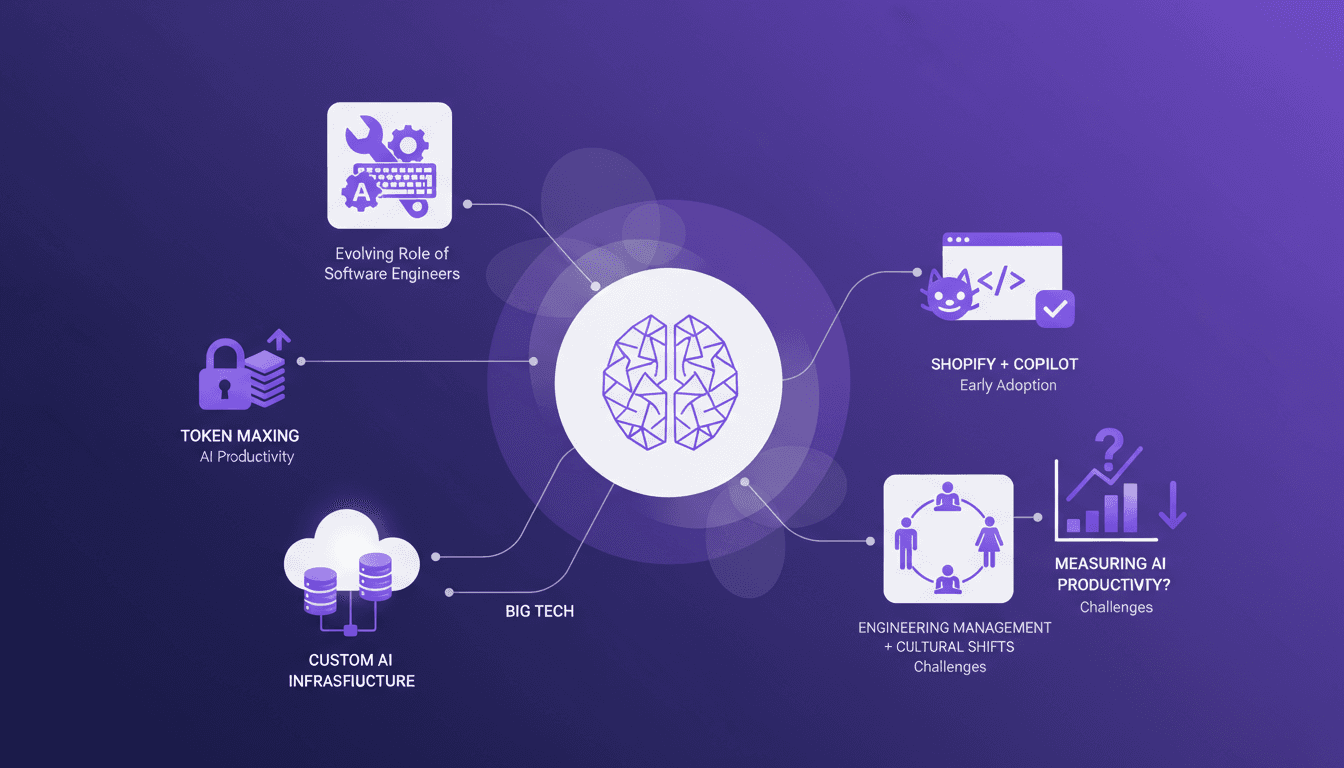
Token Maxing: AI's Revolution in Engineering
I've been in the AI trenches, and let me tell you, the way AI is reshaping software engineering is nothing short of a game changer. But beware, it's not all smooth sailing. In our field, AI tool adoption brings its own set of challenges, like token maxing and the evolving role of engineers. At a recent conference, experts like Gergely Orosz shared valuable insights on these transformations, from productivity impacts to cultural shifts in team management. We will need to navigate these opportunities and challenges to make the most of this technological revolution.
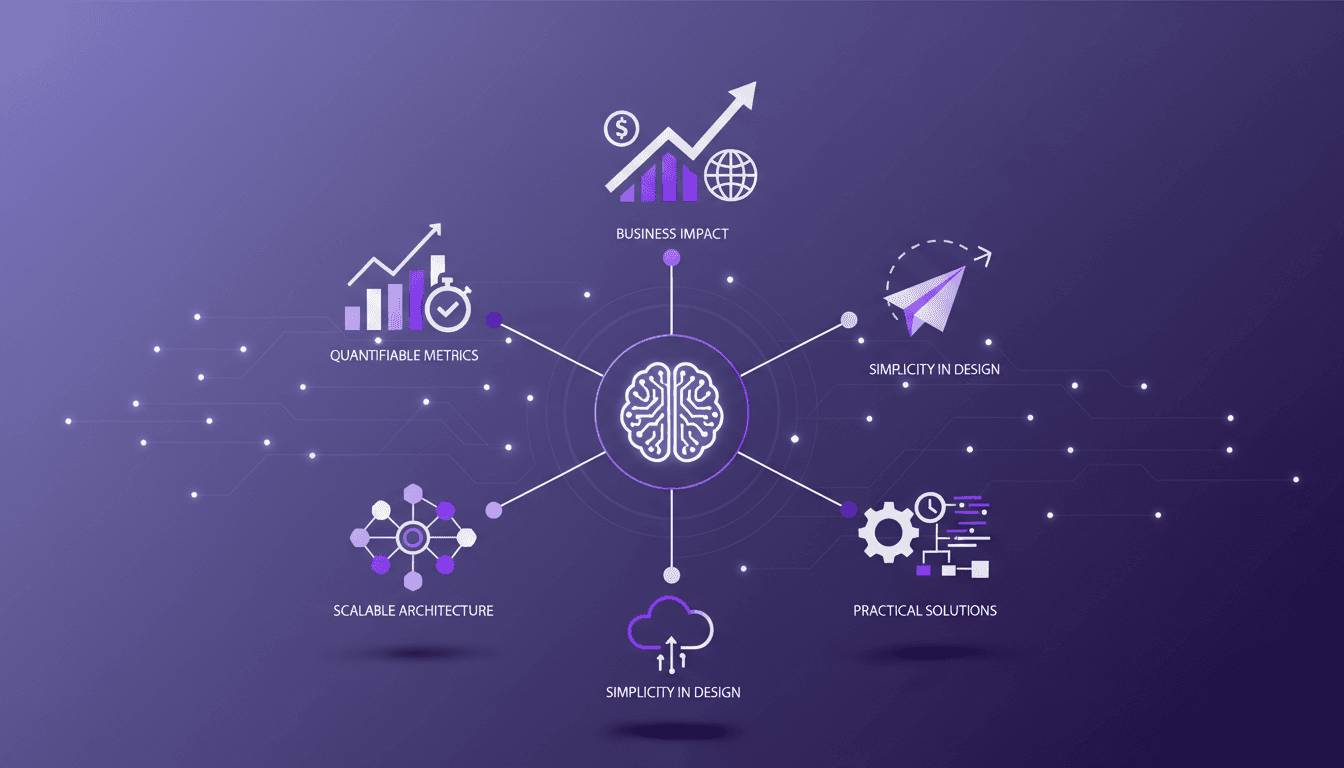
Designing Large-Scale Systems: GitHub Engineer Insights
I remember my first large-scale system design project—overwhelming, right? But then I realized, it's all about metrics, simplicity, and impact. In this article, I share how I approach it now as an engineer at GitHub. We'll dive into the importance of quantifiable metrics, the real business impact, and the necessity of keeping things simple. Designing large-scale systems requires a careful balance between technical complexity and business needs. I'll show you how I use concrete data to guide my design decisions and maximize business impact.
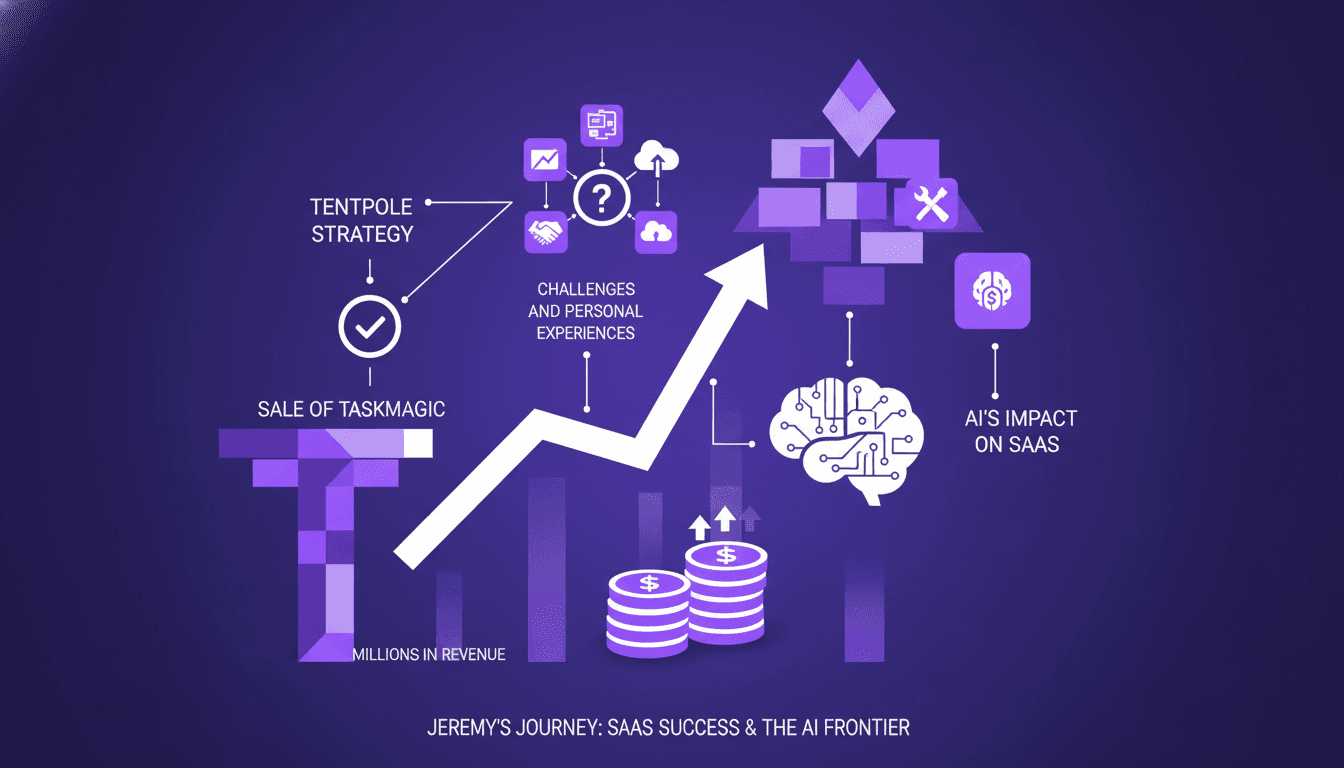
Selling Taskmagic: SaaS Strategies for Millions
I spent 24 hours with Jeremy, the mastermind behind Taskmagic—a SaaS that not only reached 60,000 users but also brought in $3 million annually. Watching Jeremy navigate the sale of his company for millions was eye-opening. In the SaaS world, scaling and selling a business isn't just about numbers—it's about strategy, resilience, and foresight. Jeremy's journey with Taskmagic offers a blueprint for aspiring entrepreneurs. We delved into Taskmagic's rapid growth, the cornerstone strategies that fueled its success, and the impact of AI on the SaaS industry. Each challenge faced, each decision made, was a lesson in itself.
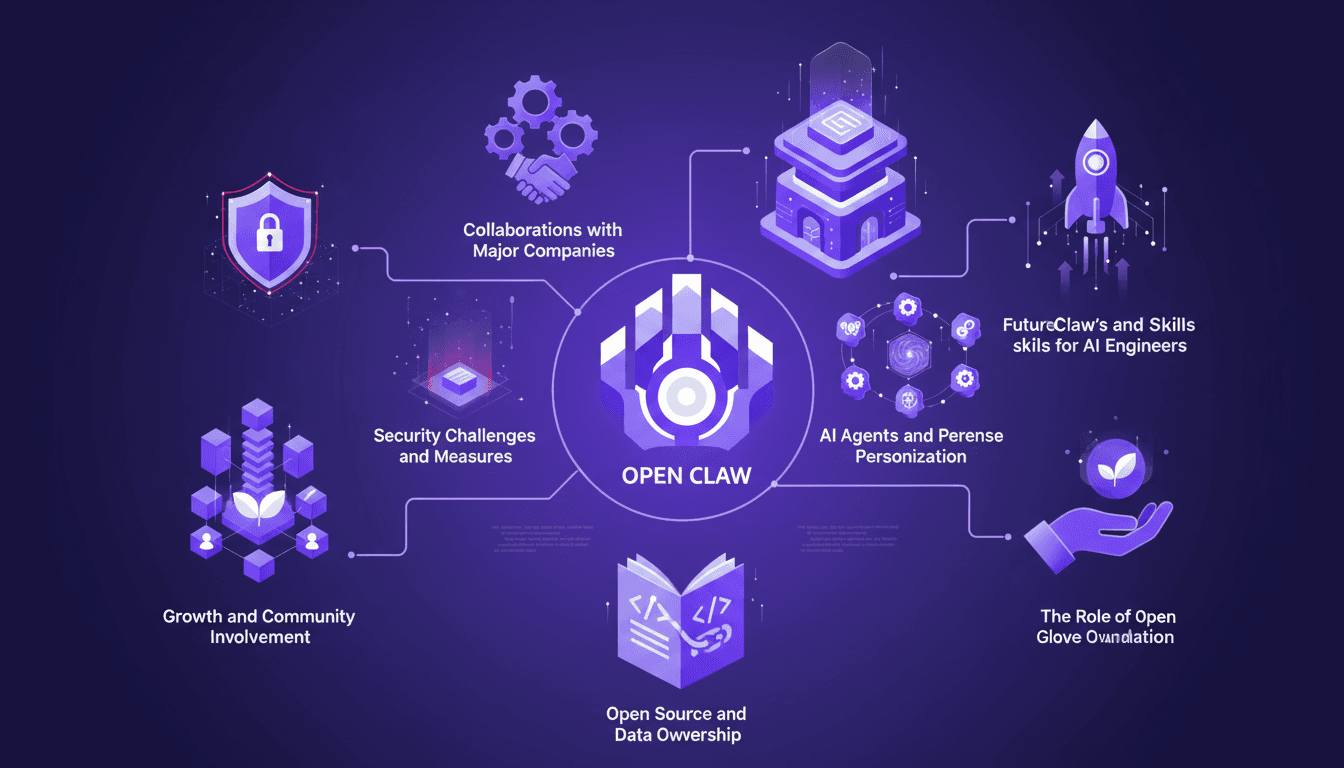
Open Claw Growth & Security: Practical Insights
I jumped into Open Claw five months ago, and it's been a whirlwind ride! This open-source project, boasting 30,000 GitHub stars, isn't just another project—it's a movement. But with growth come challenges, especially in security. I've been in the trenches tackling vulnerabilities (like that Gshjp issue with a CVSS score of 10). Collaborating with major companies also brought its own set of complexities. In this article, I share what's working, what's not, and where we're headed. Get ready for the real story, straight from the trenches.
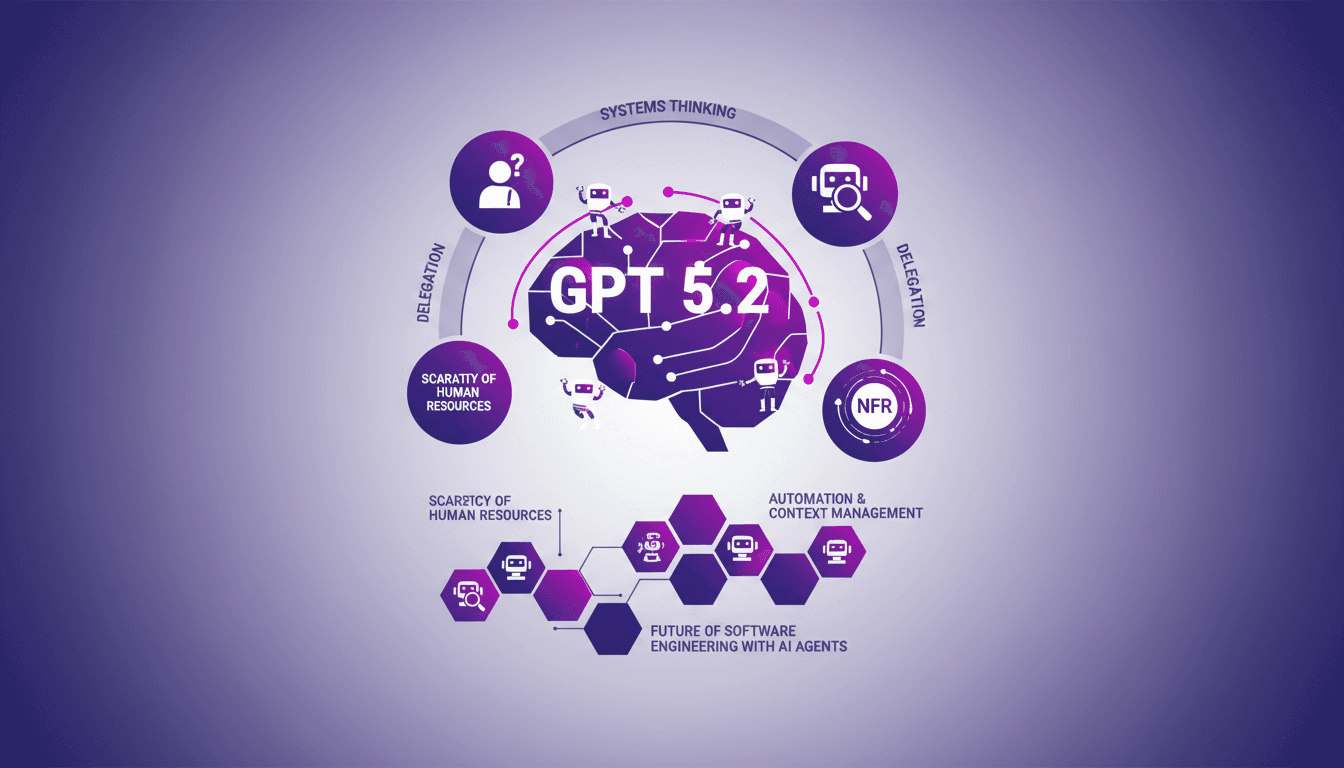
Coding Agents: Revolutionizing with GPT 5.2
I've been in the trenches of software development for years, and let me tell you, the game has changed. Integrating GPT 5.2 into my workflow was like unlocking a new level of efficiency. Suddenly, coding agents weren't just an abstract concept—they were my new team members. With the scarcity of human resources in software engineering, leveraging AI like GPT 5.2 is no longer optional; it's essential. Let's dive into how these tools are shaping the future of our field. We'll explore advancements in coding agents, systems thinking and delegation, the importance of specifying non-functional requirements, and more. Get ready for a revolution in how you approach coding.