Imagen 2.0: Revolutionizing Image Generation
When I first got my hands on Imagen 2.0, I was blown away by its potential. We're talking about generating 2K resolution images with multilingual support. The first thing I did was integrate it into my workflow, and the improvement is tangible. The advancement in resolution and detail is a real game changer, but watch out for technical limits in multi-image generation. Compared to previous models and DALL-E, Imagen 2.0 really stands out. This isn't about theory; I'm talking about daily impact on my practice. If you're aiming to innovate, this is the tool to explore.
When I first got my hands on Imagen 2.0, it was like discovering a new universe. We're talking about 2K resolution image generation with multilingual support that opens up unseen possibilities. I integrated this tool into my daily workflow, and honestly, the technological leap is spectacular. But it's not just about the tech; it's what you can do with it that really matters. Imagen 2.0's capabilities far exceed those of previous models and DALL-E, especially in terms of detail and precision. However, there are pitfalls to watch out for, particularly in multi-image generation. I had to adjust my expectations and rethink how I orchestrated my projects to truly leverage this tool. Whether you're in design, innovation, or simply curious about what AI can offer, Imagen 2.0 is definitely worth a closer look.
Unpacking Imagen 2.0's Capabilities
Imagen 2.0 is not just about generating images; it orchestrates structured, detailed visuals. I've been diving into this tool for global projects, and let me tell you, image generation has never been this intelligent. With built-in multilingual support, the ability to create images in multiple languages simultaneously opens new horizons.
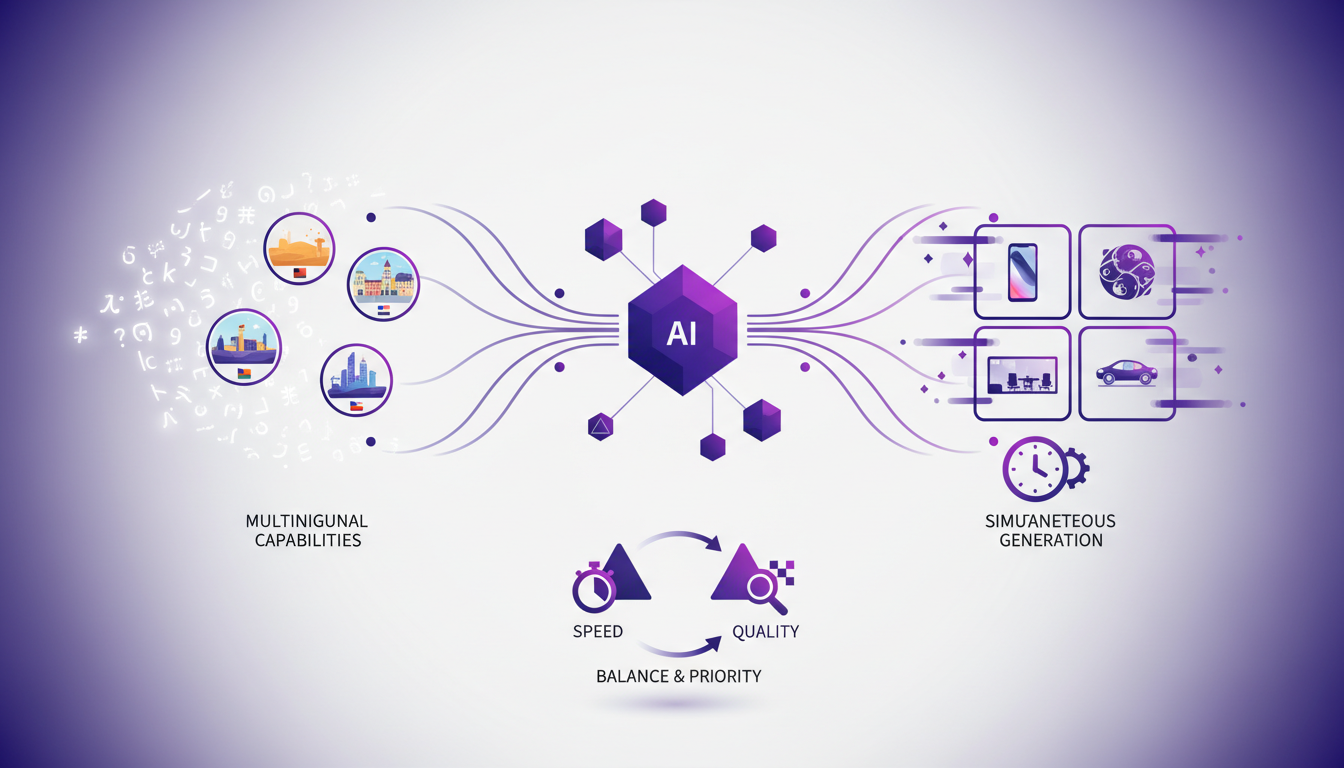
Whether it's for a magazine or educational project, the ability to generate multiple images at once is a massive time-saver. I've managed to cut down visual production time by 30% on some projects. But watch out, the learning curve is real. Investing time upfront to master its features is crucial.
Imagen 2.0 is described as the smartest image generation model ever built.
Multilingual and Multi-Image Generation
The multilingual feature is a real asset for reaching diverse markets. I've used Imagen 2.0 to tailor my visual creations to varied audiences, directly translating my prompts into multiple languages. This has allowed me to triple the reach of my marketing campaigns.
Simultaneous image generation is where efficiency truly shines. Imagine creating an entire series of visuals for a campaign in just a few clicks. This allows me to spend more time on optimization than on production. However, there’s a balance to strike between speed and quality. Sometimes, slowing down to fine-tune details is necessary.
Applications Across Various Fields
In the real world, Imagen 2.0 is versatile. Whether for marketing, education, or even architecture, its applications are vast. I recently used Imagen 2.0 for an educational project, generating complex infographics that explain systems in just minutes.
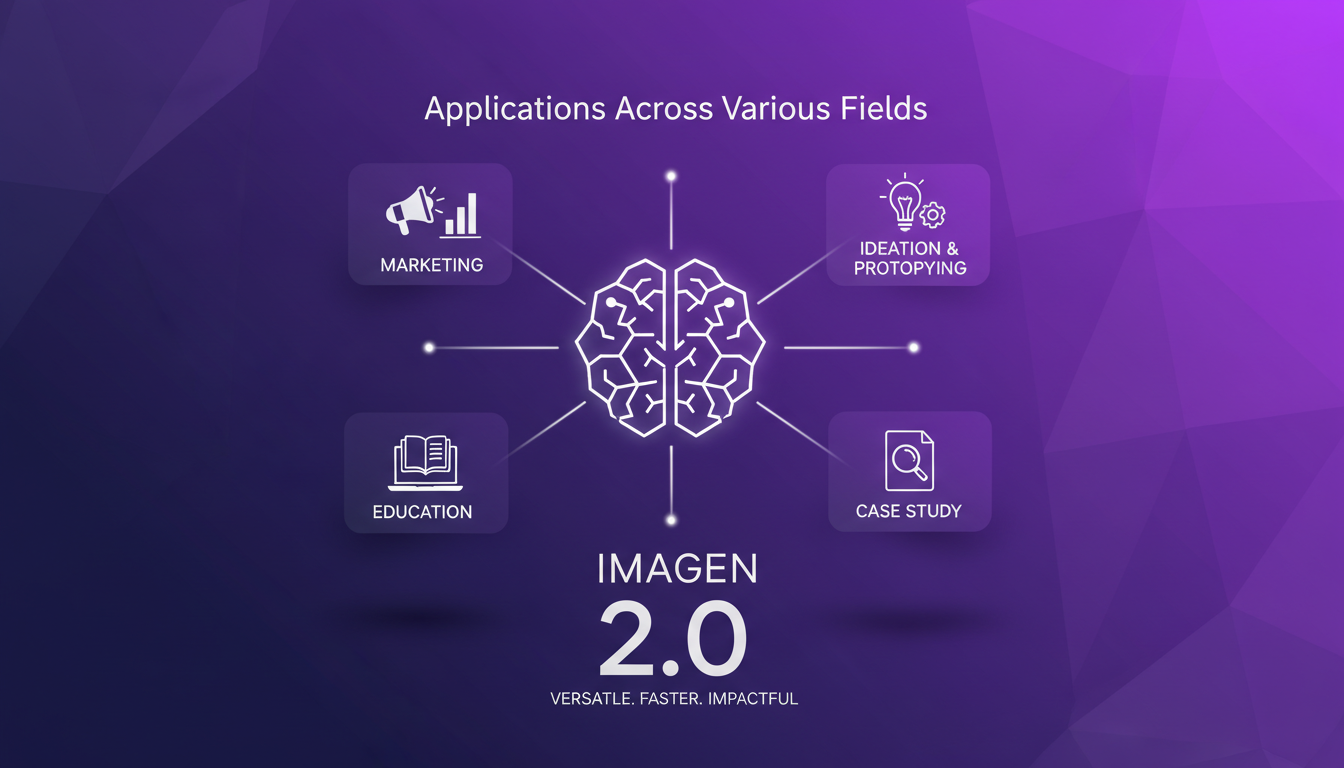
What impressed me was the direct impact on the creative process. Ideas take shape faster, and visual prototypes become a reality in no time. However, don’t overuse automation. Sometimes, a manual touch is needed for the best results.
Technical Advancements: Resolution and Detail
Imagen 2.0’s 2K resolution is a game changer. For my projects, it means visuals of exceptional clarity, crucial for large displays. The structured design in AI-generated visuals significantly enhances output quality.
But watch out, there are trade-offs. Higher resolution means increased processing time. I’ve learned to optimize performance by adjusting resolution settings to avoid sacrificing quality.
Imagen 2.0 can generate complex, polished, and production-ready visuals with structured text design.
Comparing Imagen 2.0 with Previous Models and DALL-E
When comparing Imagen 2.0 to its predecessors, notable improvements stand out. Textual accuracy and structured design far surpass earlier models. When I compared it to DALL-E, I found Imagen 2.0 offered better handling of details and cultural differences.
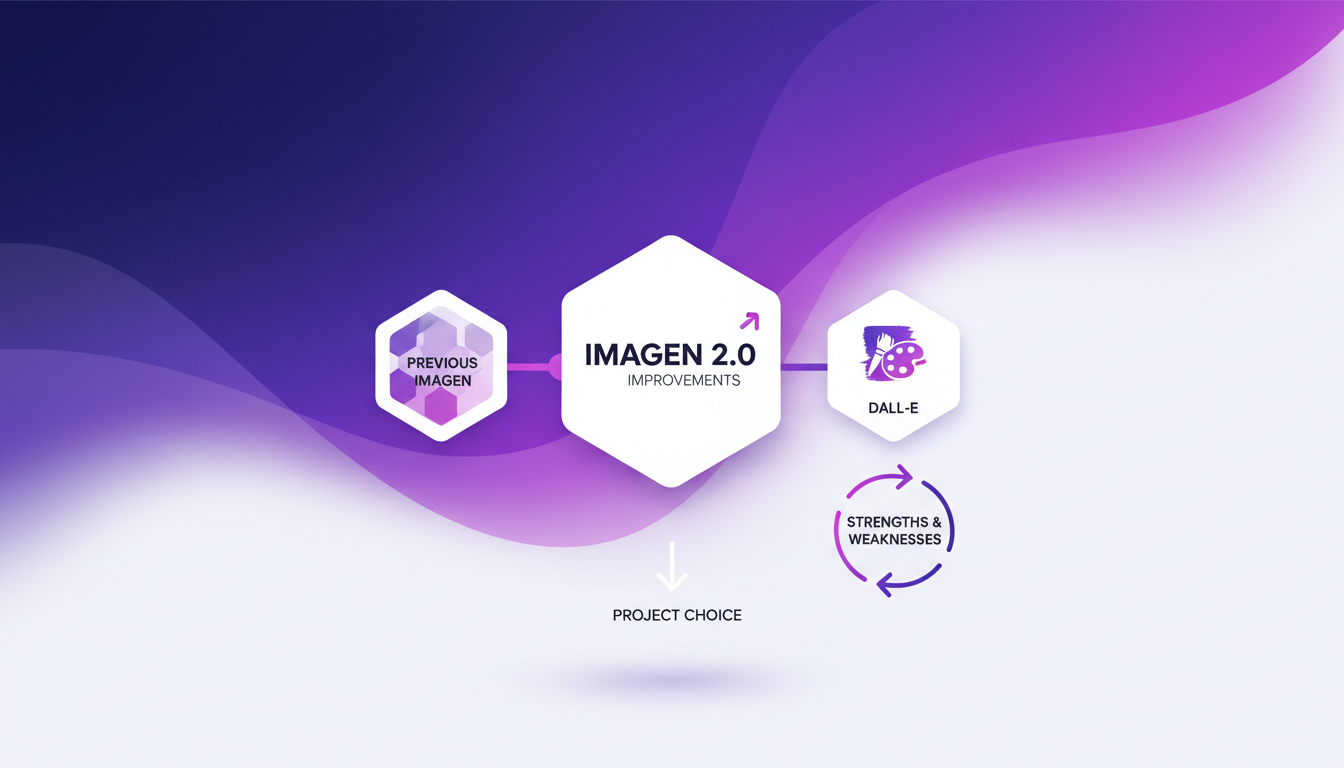
I chose Imagen 2.0 for specific projects due to its ability to generate complex infographics and math solutions with proofs. However, it’s not perfect for everything. For projects requiring highly specific artistic styles, DALL-E might be more suitable.
So, what did I learn with Imagen 2.0? First off, it's a game changer for image generation. I integrated it into my workflows and reached up to 2K resolution, which is impressive. But watch out, like any tool, it has its limits – resource management can become a headache if you're not careful.
- High-quality image generation: With 2K resolution, the details are stunning.
- Multilingual support: I can generate images in multiple languages, which expands my possibilities.
- Varied applications: Whether it's for graphic design, marketing, or even research, I've found concrete uses.
Looking forward, I'm convinced that mastering the intricacies of Imagen 2.0 will revolutionize our creative processes. Ready to transform your image generation process? Dive into Imagen 2.0 and see the difference it can make. For a deeper understanding, I recommend watching the full video to catch all the nuances: This is ChatGPT Images 2.0.
Frequently Asked Questions

Thibault Le Balier
Co-fondateur & CTO
Coming from the tech startup ecosystem, Thibault has developed expertise in AI solution architecture that he now puts at the service of large companies (Atos, BNP Paribas, beta.gouv). He works on two axes: mastering AI deployments (local LLMs, MCP security) and optimizing inference costs (offloading, compression, token management).
Related Articles
Discover more articles on similar topics
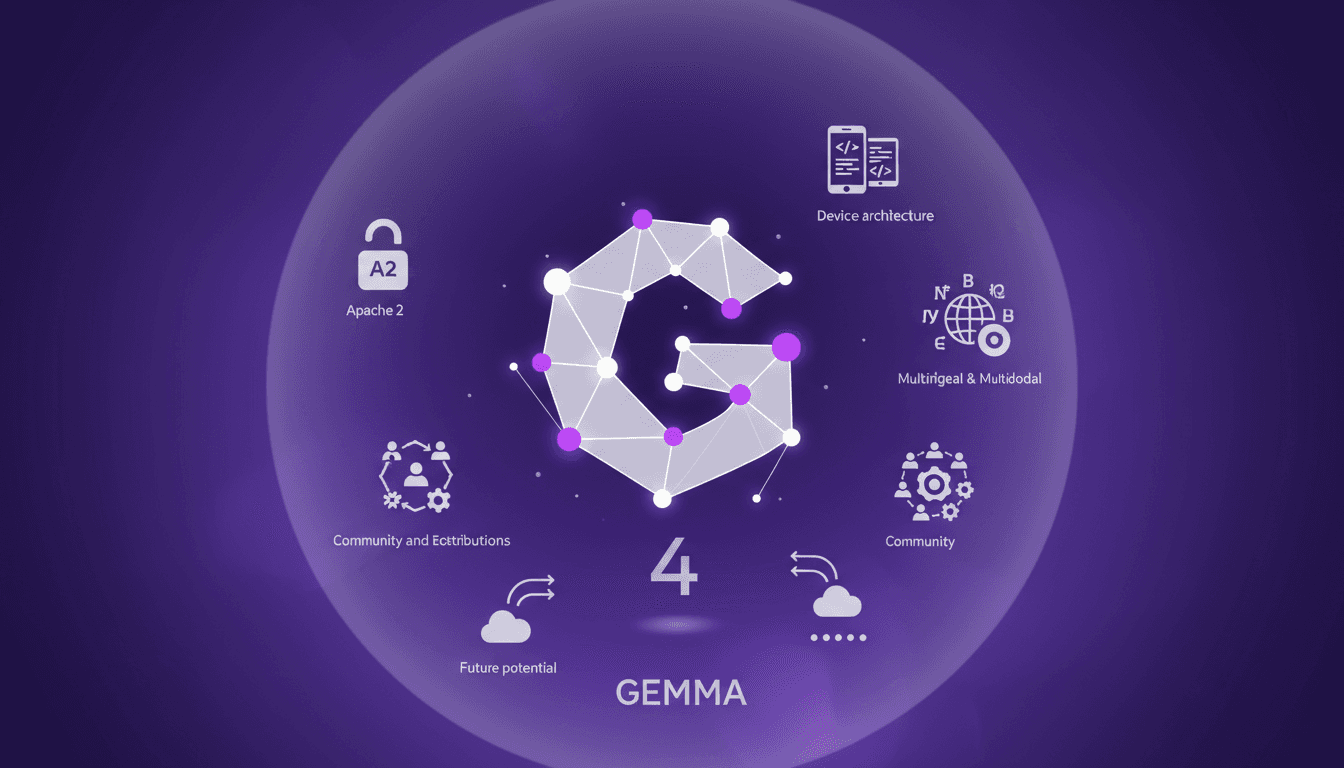
Gemma 4: Deployment and Mobile Optimization
I've been knee-deep in Gemma 4 since it dropped just a week ago. I’ve woven it into my workflows, leveraging its developer-friendly design and mobile optimization. But watch out, there are trade-offs to be aware of. With its new Apache 2 licensing and E2B architecture optimized for mobile, Gemma 4 is reshaping our approach to open models. Its multilingual and multimodal capabilities, alongside community contributions, make it a key player. Yet, even with 500 million downloads for the Gemma family, understanding the technical limits is crucial to fully harness its potential.
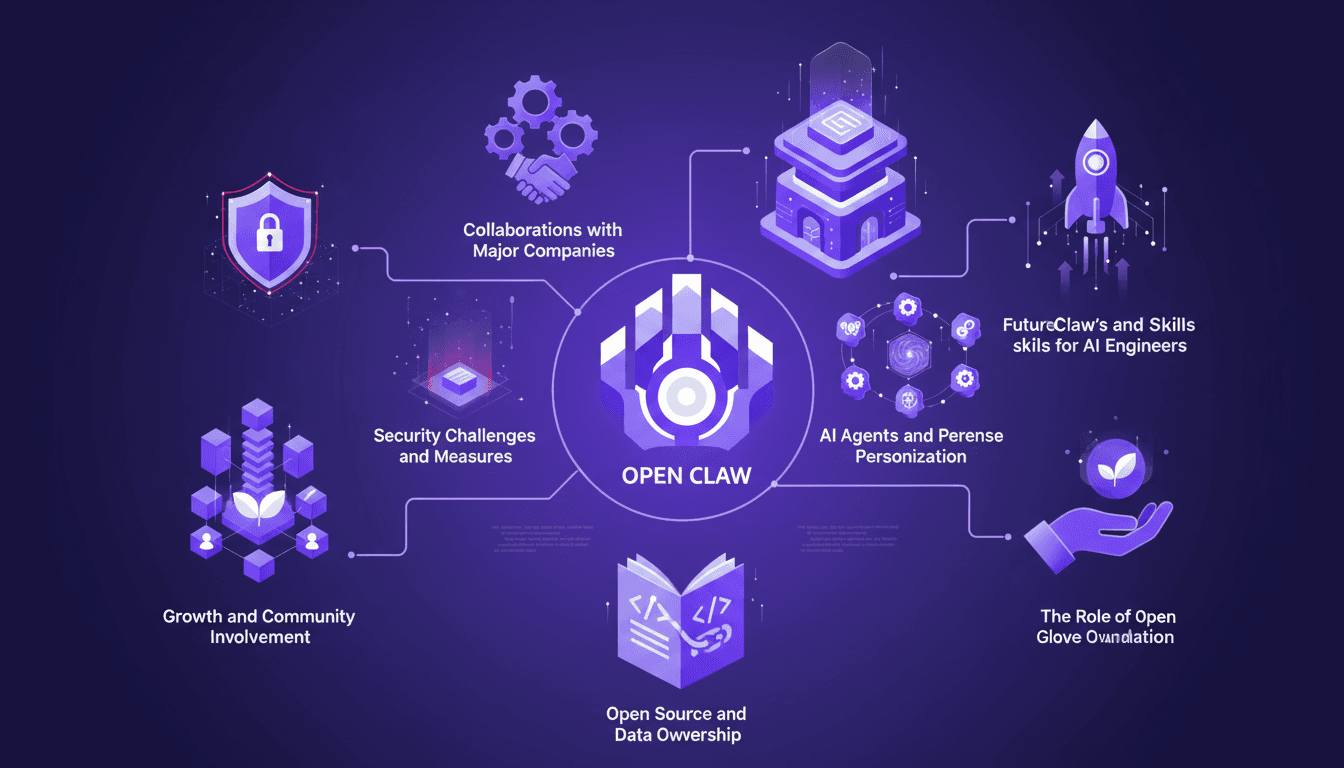
Open Claw Growth & Security: Practical Insights
I jumped into Open Claw five months ago, and it's been a whirlwind ride! This open-source project, boasting 30,000 GitHub stars, isn't just another project—it's a movement. But with growth come challenges, especially in security. I've been in the trenches tackling vulnerabilities (like that Gshjp issue with a CVSS score of 10). Collaborating with major companies also brought its own set of complexities. In this article, I share what's working, what's not, and where we're headed. Get ready for the real story, straight from the trenches.
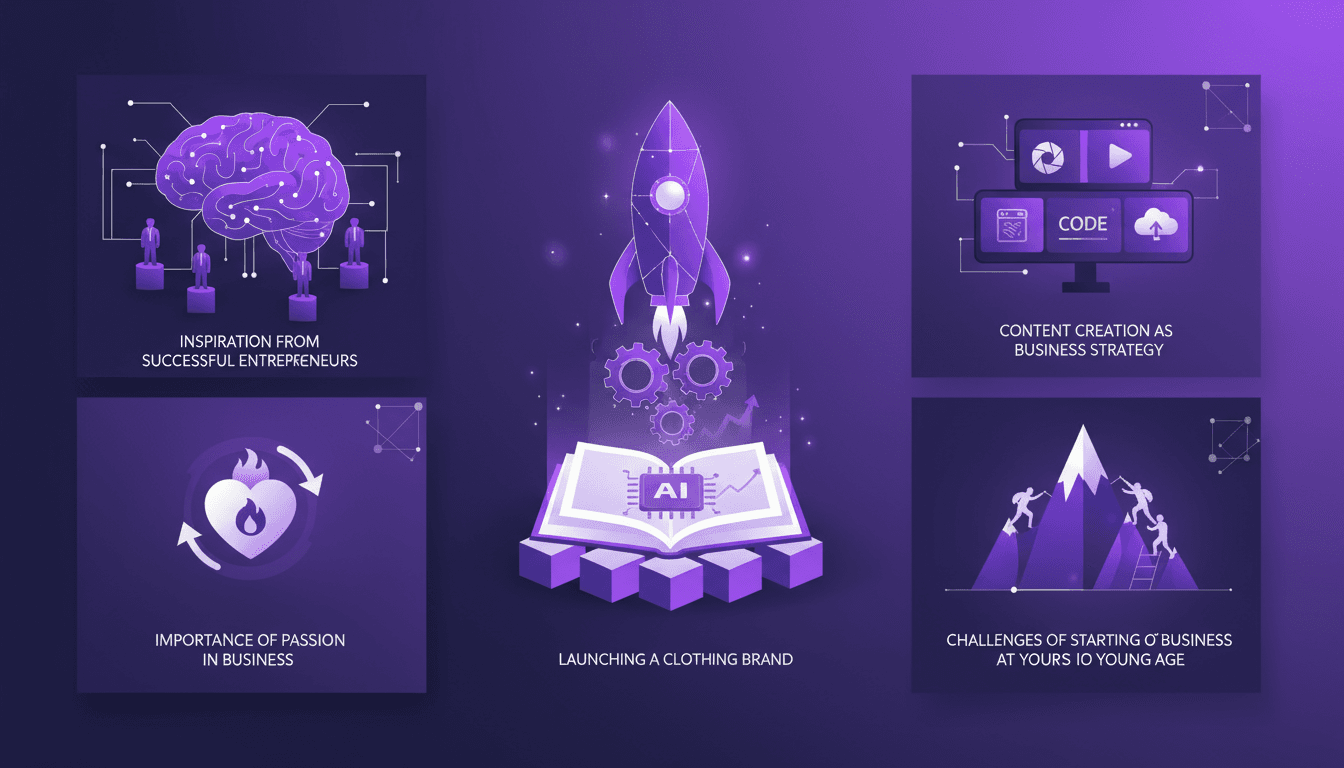
Launching a Clothing Brand at 14: My Journey
I remember being 14 and deciding to launch my own clothing brand. It felt like climbing Everest with just a backpack. But I did it, and here's how you can too. Many believe you need to be an adult to start a business, but with the right mix of passion, strategy, and inspiration, you can turn a simple idea into a thriving enterprise. In this article, I share my journey, the challenges I faced as a young entrepreneur, and the inspiration I drew from successful entrepreneurs. Launching a brand at that age is like juggling school and business, but it's doable with the right content strategies and unwavering passion.
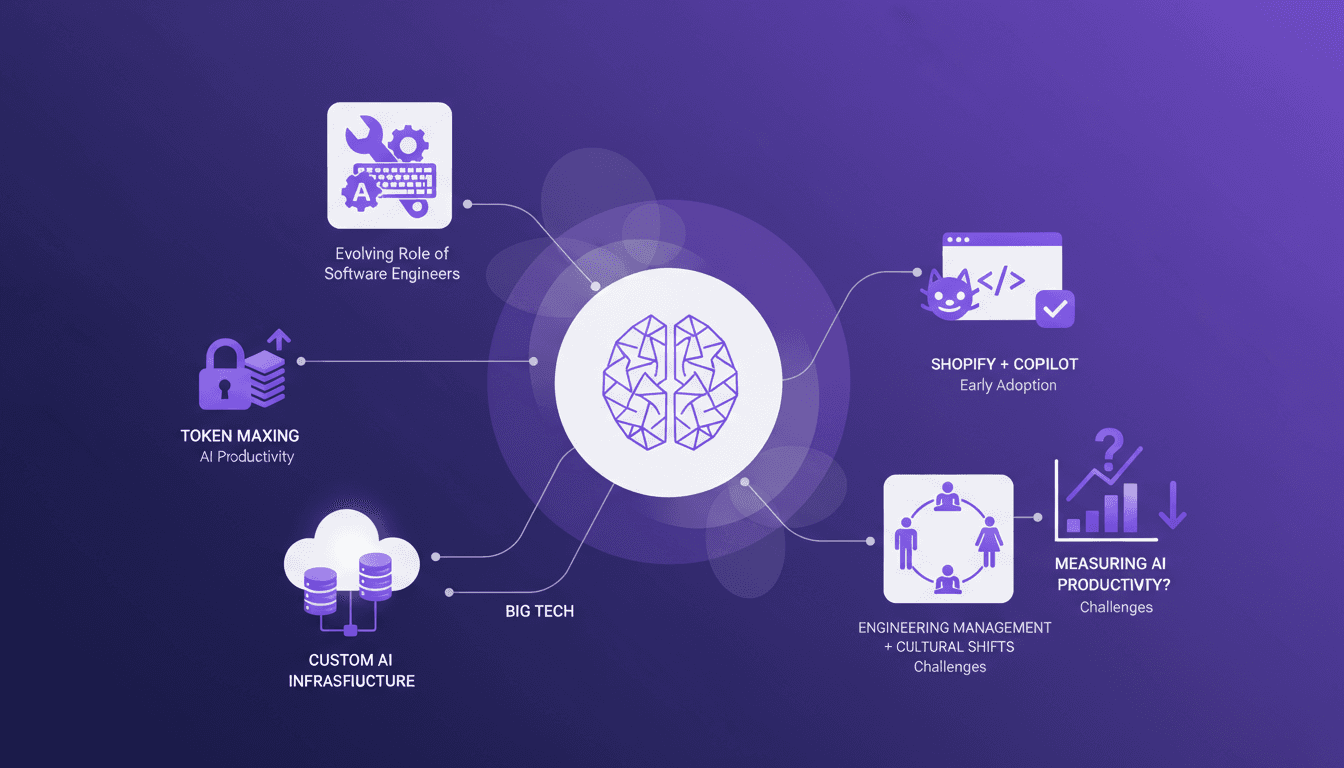
Token Maxing: AI's Revolution in Engineering
I've been in the AI trenches, and let me tell you, the way AI is reshaping software engineering is nothing short of a game changer. But beware, it's not all smooth sailing. In our field, AI tool adoption brings its own set of challenges, like token maxing and the evolving role of engineers. At a recent conference, experts like Gergely Orosz shared valuable insights on these transformations, from productivity impacts to cultural shifts in team management. We will need to navigate these opportunities and challenges to make the most of this technological revolution.
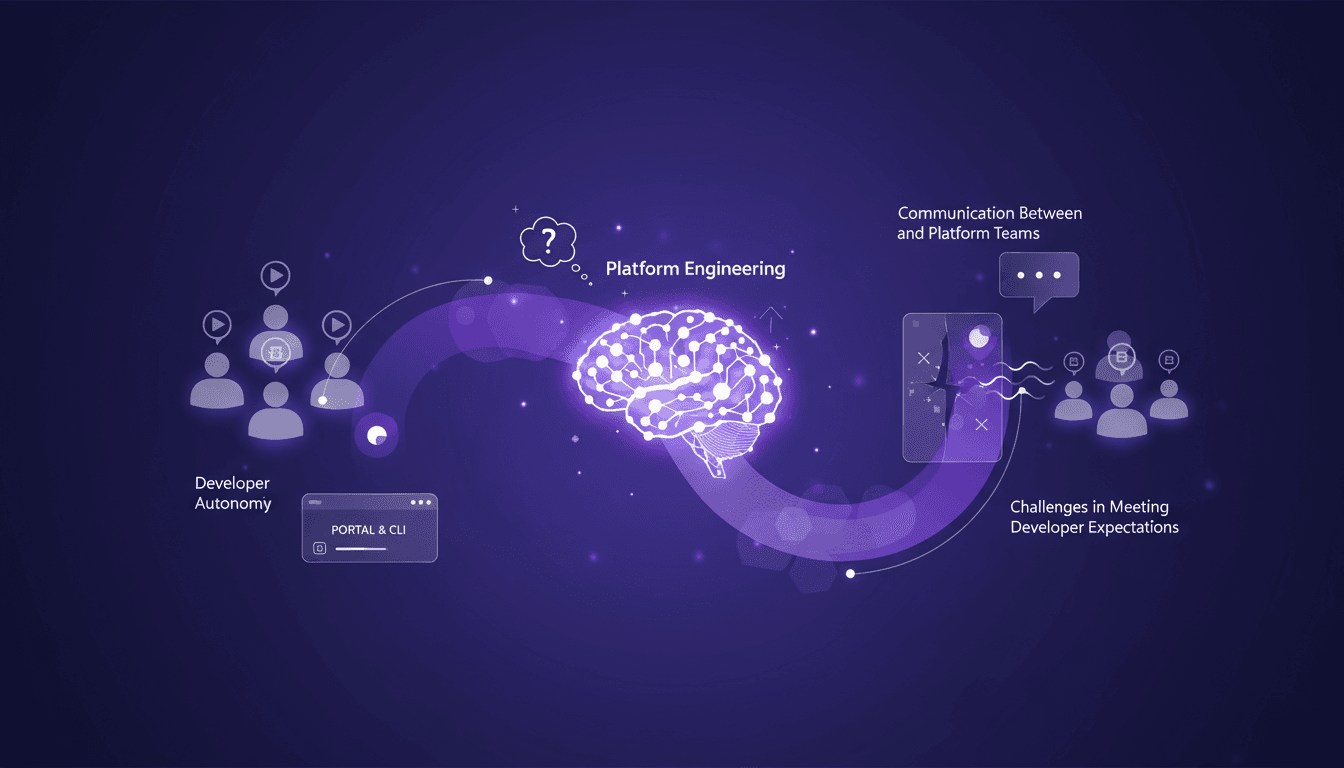
Platform Engineering's Impact on Developer Autonomy
I remember the first time our platform team rolled out a new self-service portal. It felt like a game changer. But soon, I realized it was nibbling away at our autonomy. Platform engineering is reshaping how we deliver capabilities, often enhancing efficiency but sometimes at the cost of developer autonomy. Let's dive into the impact this has on our daily work. I'll walk you through self-service capabilities, the communication between developers and platform teams, and the challenges in meeting developer expectations. We'll also look at tools like portals and CLI interfaces for delivering these capabilities.