Platform Engineering's Impact on Developer Autonomy
I remember the first time our platform team rolled out a new self-service portal. It felt like a game changer. But soon, I realized it was nibbling away at our autonomy. Platform engineering is reshaping how we deliver capabilities, often enhancing efficiency but sometimes at the cost of developer autonomy. Let's dive into the impact this has on our daily work. I'll walk you through self-service capabilities, the communication between developers and platform teams, and the challenges in meeting developer expectations. We'll also look at tools like portals and CLI interfaces for delivering these capabilities.
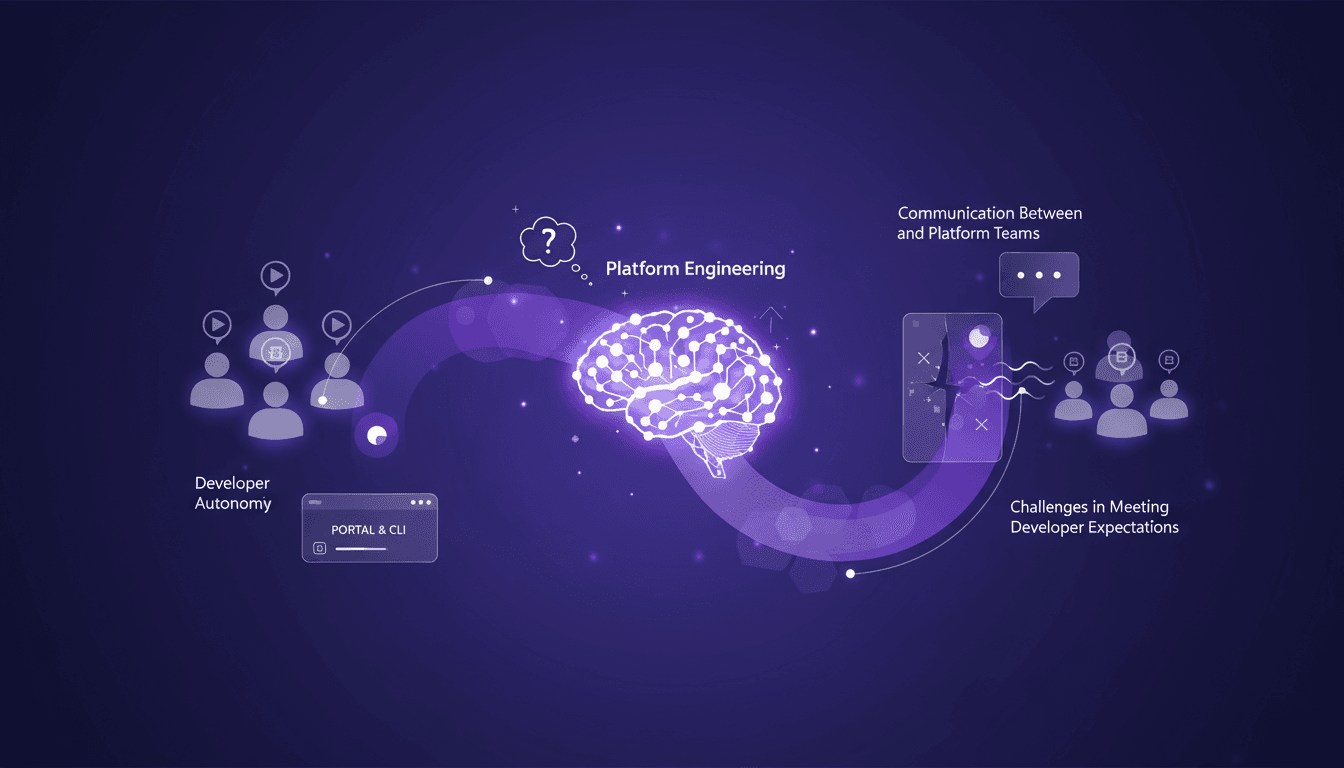
I remember the first time our platform team rolled out a new self-service portal. It felt revolutionary, a real 'game changer'. But soon, I realized it was chipping away at our autonomy. Platform engineering is reshaping how we deliver capabilities—often boosting efficiency but sometimes at the cost of our developer autonomy. First off, self-service capabilities sound amazing on paper, but be cautious not to lose control over our own tools and processes. Then there's communication. Too often, platform teams and developers aren't speaking the same language, which can create friction. The challenge is understanding the real needs of developers to tailor tools like portals or CLI interfaces. I'll share my experiences, the mistakes I've made, and how I've adjusted my approach to managing these projects. The goal is to strike a balance between efficiency and autonomy.
Understanding Platform Engineering
Platform engineering is like building a finely-tuned engine for a development team. It's all about practices and tools that aim to streamline processes and enhance developer efficiency. By setting up a centralized platform, we eliminate repetitive tasks and offer developers self-service capabilities. But beware, this can sometimes limit their autonomy.
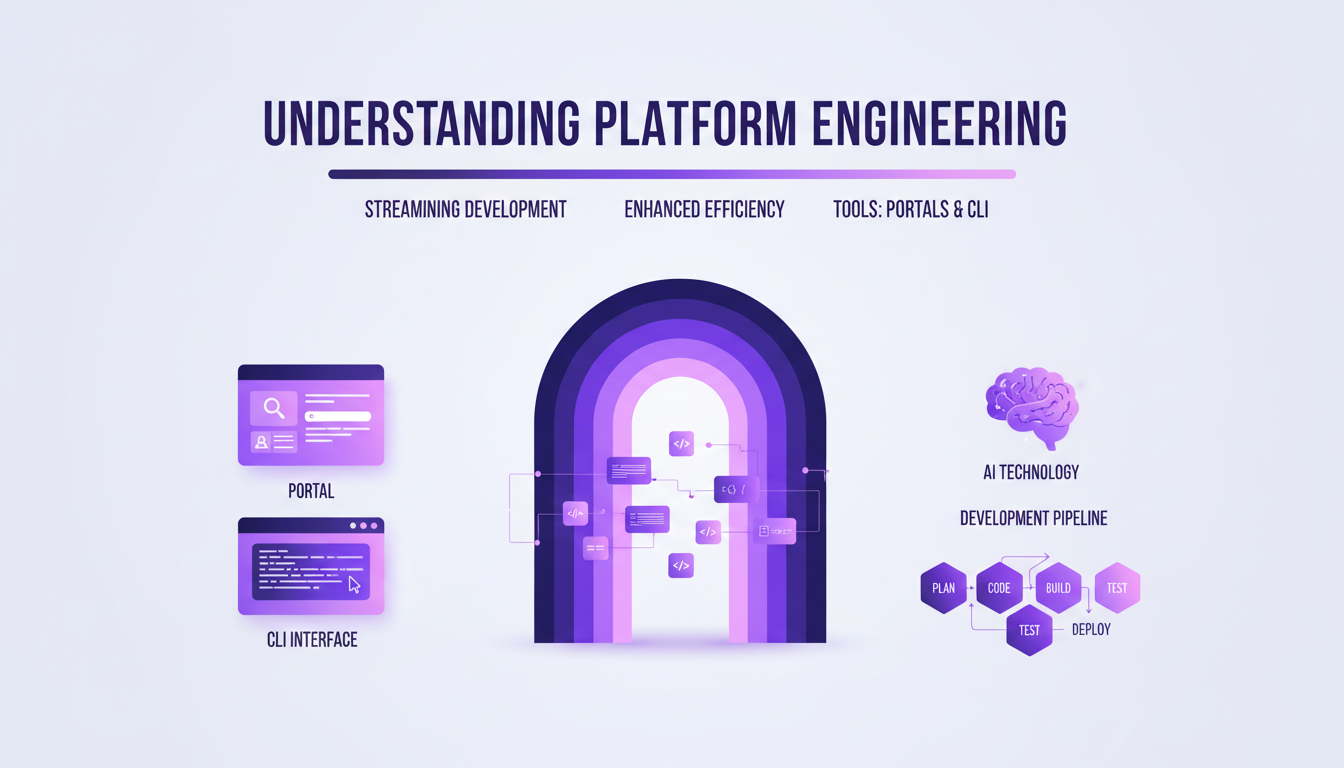
The main tools here often involve portals or CLI interfaces (Command Line Interface). They allow direct and quick manipulation of services, but there's a caveat: one might end up following a predefined path, which can be frustrating for developers who are used to more flexibility. I've seen teams thrive with these tools, but also developers feeling constrained. First point of caution.
Self-Service Capabilities: A Double-Edged Sword
Self-service capabilities are like the Holy Grail for developers. They empower them to do things themselves without always having to go through platform support. Whether via a portal or a CLI interface, these capabilities help speed up development cycles. But, like all good things, they come with their set of challenges.
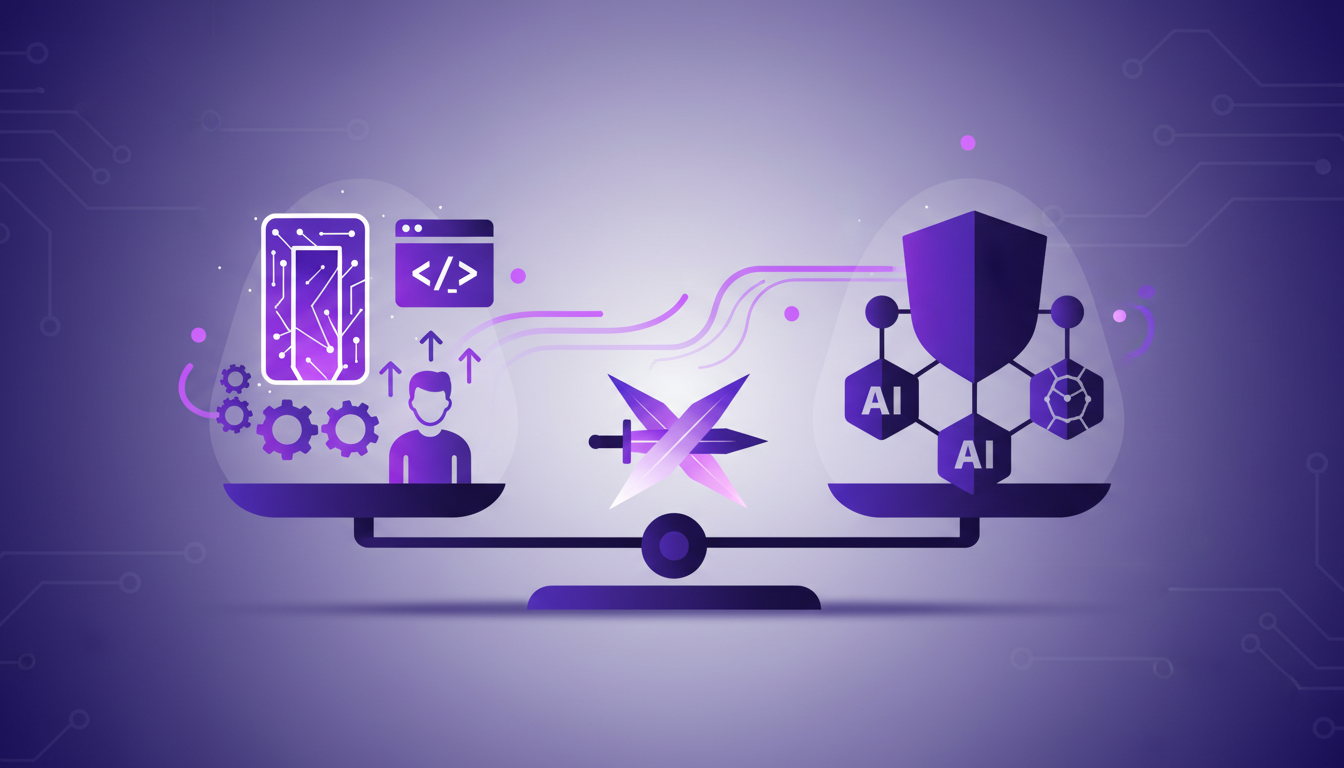
It's crucial to find a balance between developer autonomy and centralized control. Why? Because too much freedom can lead to inconsistencies in implementation, while too much control can stifle creativity. I've noticed some developers become overly reliant on platform teams, which can slow down innovation. The key is to allow developers to work efficiently while maintaining some homogeneity in processes.
Communication Between Developers and Platform Teams
Communication is the lifeblood of any team. I've seen teams crumble due to misunderstandings that could have been avoided with a bit more clarity and transparency. To sidestep these pitfalls, I recommend a few simple yet effective practices.
First, establish feedback loops. This allows you to quickly identify issues and address them. Then, use appropriate communication tools like Slack or project management platforms to centralize exchanges. Finally, encourage developers to voice their needs. It may seem obvious, but I can't count the times a small piece of feedback made all the difference.
Understanding and Meeting Developer Needs
To meet developer needs, you must first understand them. Easier said than done. This involves user research and regular feedback. I've seen teams fail because they assumed they knew what developers wanted without ever checking.
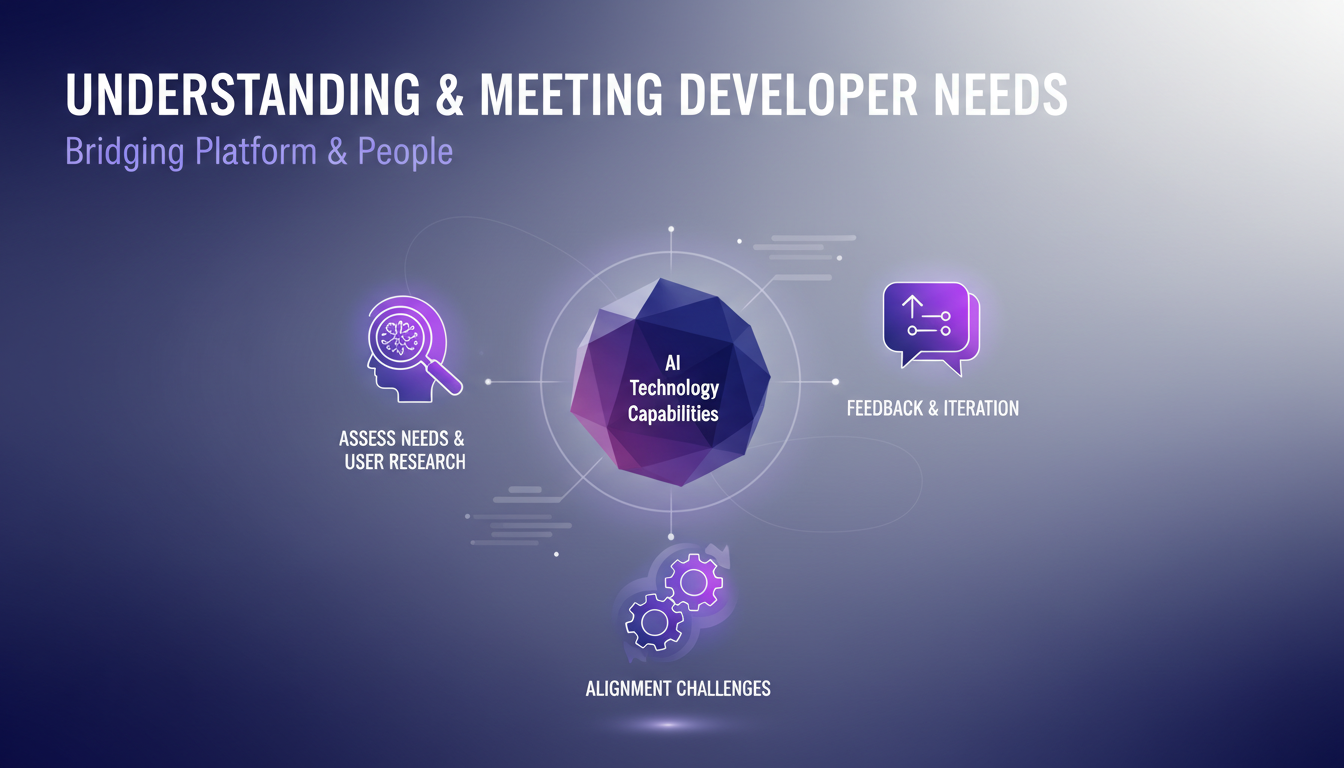
Aligning platform capabilities with developer expectations is essential. This requires continuous improvement because needs evolve. I've often had to adjust features after discovering that developers found them unnecessary or counterintuitive. A good starting point is conducting regular surveys and organizing co-creation workshops.
Challenges in Meeting Developer Expectations
Meeting developer expectations is no small feat. The challenges are numerous: differing priorities, lack of resources, or even unrealistic expectations. I've often noticed that when expectations aren't met, productivity takes a hit and frustrations rise.
To bridge this gap, it's crucial to remain adaptable and encourage iterative improvements. By integrating developer feedback into the platform development process, we can adjust offerings to better meet actual needs. This may require compromises, but the benefits are often worth it.
In conclusion, platform engineering is a powerful lever for improving the efficiency of development teams, but it requires careful management of the balance between autonomy and control, as well as open and continuous communication with developers.
In my experience, platform engineering is a real ally for boosting efficiency, but watch out, it's a delicate balance to maintain developer autonomy. Here's what I take away:
- Autonomy vs. Efficiency: I deliver capabilities in a self-service manner via portals or CLI interfaces. It's faster, but you have to be careful not to suffocate developer autonomy.
- Smooth Communication: I've found that better communication between the platform team and developers is crucial. It clarifies needs and avoids unnecessary friction.
- Understanding Needs: Every time I better understand developer needs, the impact is direct. It allows creating solutions that are not just efficient but also respect their way of working.
Looking forward, I'm convinced mastering this balance between efficiency and autonomy is a game changer. But it requires constant listening and adjustment. I'd recommend you reflect on your own experiences with platform engineering and improve this balance within your teams. To delve deeper and see how others approach it, check out the original video here.
Frequently Asked Questions

Thibault Le Balier
Co-fondateur & CTO
Coming from the tech startup ecosystem, Thibault has developed expertise in AI solution architecture that he now puts at the service of large companies (Atos, BNP Paribas, beta.gouv). He works on two axes: mastering AI deployments (local LLMs, MCP security) and optimizing inference costs (offloading, compression, token management).
Related Articles
Discover more articles on similar topics
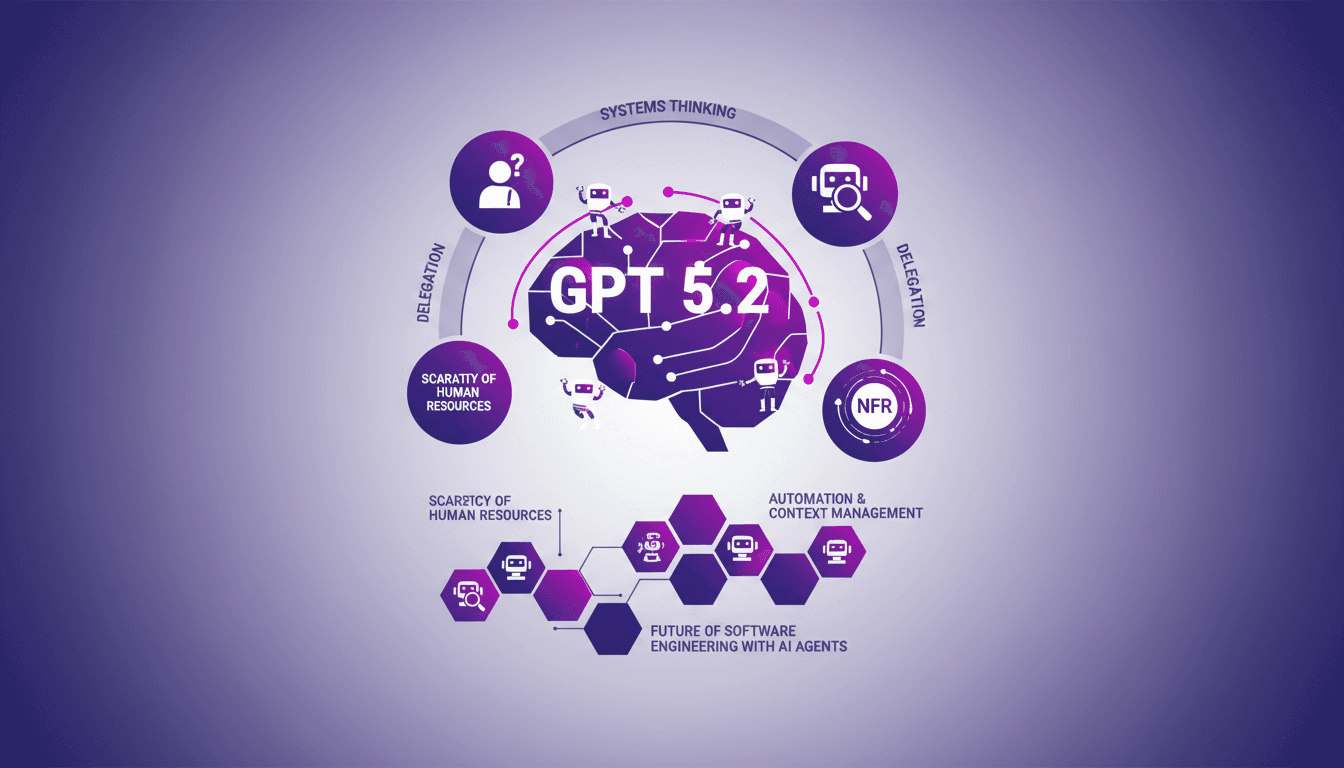
Coding Agents: Revolutionizing with GPT 5.2
I've been in the trenches of software development for years, and let me tell you, the game has changed. Integrating GPT 5.2 into my workflow was like unlocking a new level of efficiency. Suddenly, coding agents weren't just an abstract concept—they were my new team members. With the scarcity of human resources in software engineering, leveraging AI like GPT 5.2 is no longer optional; it's essential. Let's dive into how these tools are shaping the future of our field. We'll explore advancements in coding agents, systems thinking and delegation, the importance of specifying non-functional requirements, and more. Get ready for a revolution in how you approach coding.
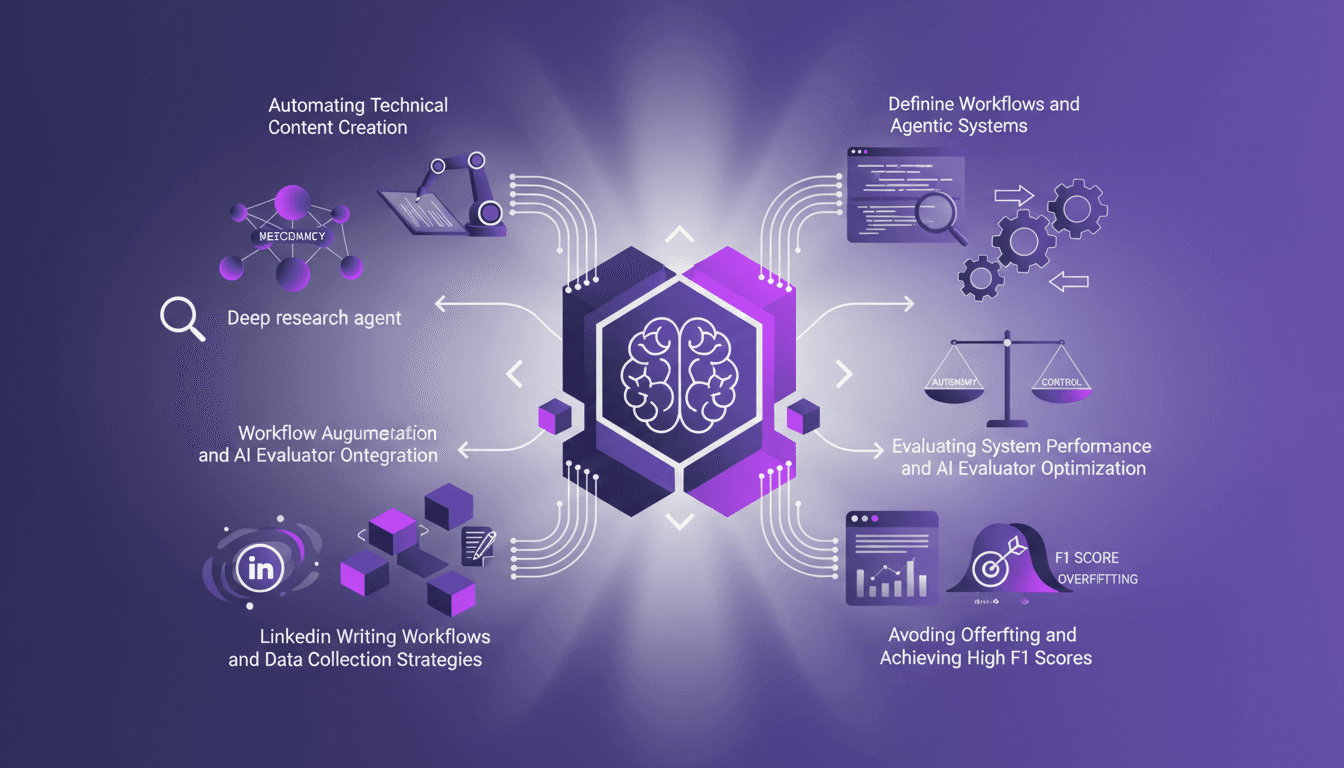
Automate Technical Content Creation in AI
I've been teaching AI for over four years, and if there's one thing I've learned, it's that building your own deep research agents can be a game changer. But it's not just about slapping together some code; it's about crafting workflows that make sense and deliver results. In this article, I'll take you behind the scenes of my research agents, the strategies to avoid overfitting, and how to achieve high F1 scores, all while integrating these systems into your daily operations. We'll also dive into automating technical content creation and optimizing AI evaluators. It's a balance of autonomy and control, and I'll show you how I achieved it.
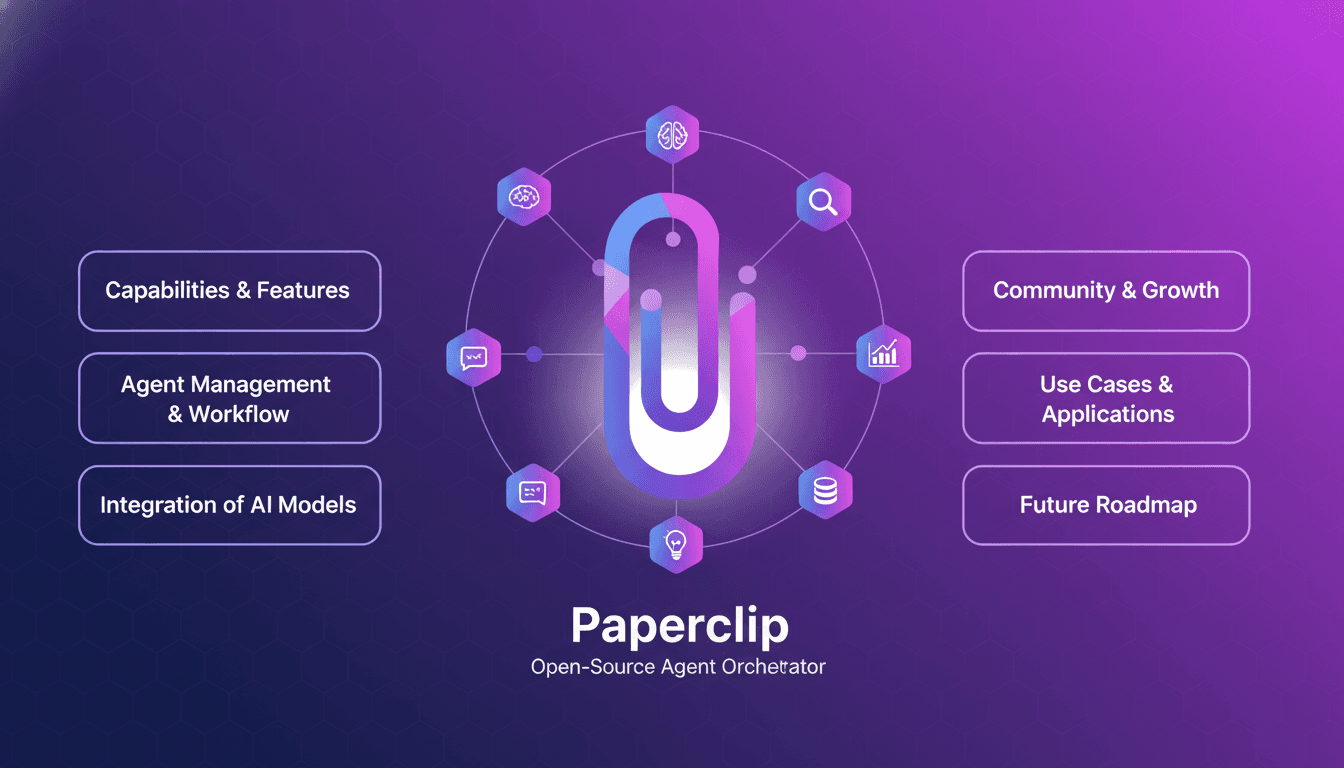
Paperclip: Efficiently Orchestrate Your AI Agents
I remember the first time I heard about Paperclip—it sounded like a game changer for AI orchestration. Having been burned by overly complex systems in my career, I was skeptical. But diving into it, I found a tool that could actually streamline my AI workflows without the usual headaches. Paperclip, an open-source orchestrator, is designed to efficiently manage AI agents, and I've integrated it into my operations to avoid technical migraines. We're talking about seamless orchestration, handling different agent types like Gemini and Hermes, and an engaged community that's constantly pushing development forward. In short, if you're looking to optimize your AI-driven operations, Paperclip might just be the tool that changes everything.
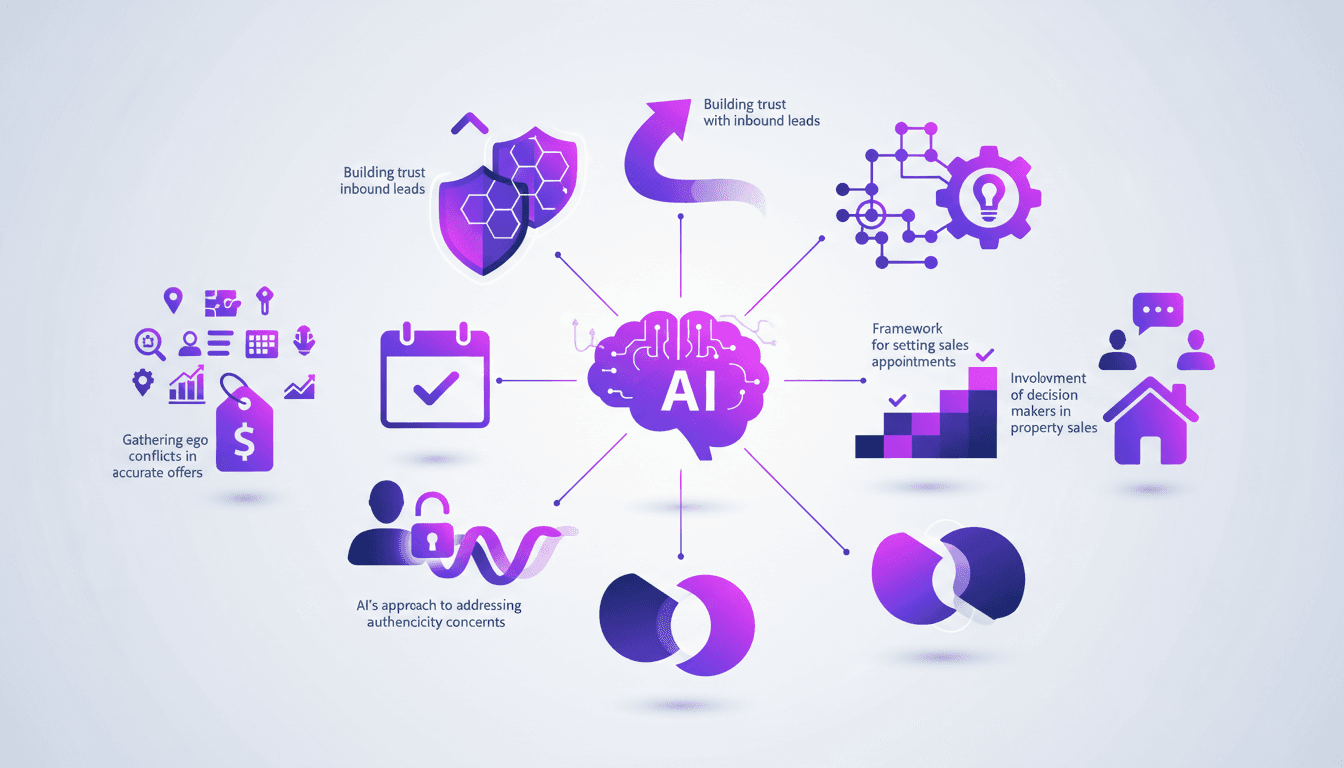
Handling Sales Objections with AI: My Workflow
I remember the first time I let AI handle sales objections—it was a leap of faith, but the results were eye-opening. Integrating AI into my sales process was a game changer. In an industry where objections are part and parcel, the idea that AI can smooth over these hurdles is enticing. Let me walk you through how I integrated AI to tackle the toughest objections and build trust with inbound leads. AI can really be transformative, but watch out for pitfalls like addressing authenticity concerns and involving decision-makers. I learned to orchestrate sales appointments and avoid ego conflicts, all while using AI to gather accurate information. Join me as I share how I turned daunting objections into opportunities.
AI's Impact on Dev: Insights from Linear
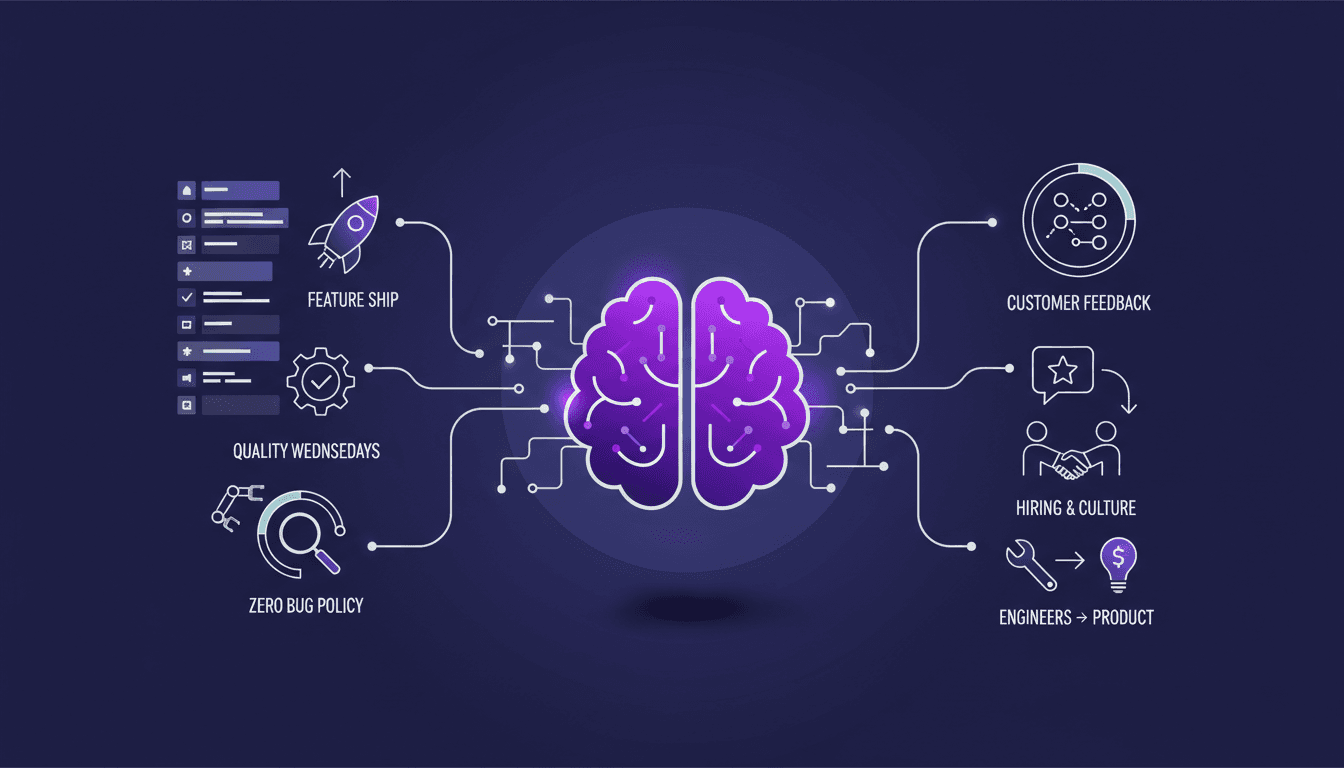
I remember the first time AI dramatically sped up our feature shipping at Linear. It was a game changer, but not without its quirks. In this conversation, Tuomas Artman, CTO of Linear, and Gergely Orosz delve into AI's impact on software development. We explore how Linear leverages AI for bug fixing while upholding a zero bug policy. And trust me, 'Quality Wednesdays' is more than just a catchphrase. We also discuss the importance of customer feedback in shaping our product development. Lastly, we touch on our hiring culture and how we balance speed with quality.