Validate App Ideas: $500K Made, Method Explained
I've made over $500K flipping apps on iOS. Let me walk you through my formula for validating app ideas that actually make money. In the crowded App Store, it's all about spotting trends and making data-driven decisions. First, I focus on potential revenue analysis using tools like Sensor Tower for market insights. Then, I target profitable niches by identifying promising app categories. It's a game of strategy and timing, and I'm going to show you how I orchestrate it.

I've made over $500K flipping apps on iOS. And no, that's not just a flashy number to grab your attention. I'm here to share my method for validating app ideas that truly bring in revenue. The App Store is a jungle, and surviving means spotting trends and making data-driven decisions. First, I dive into potential revenue analysis using tools like Sensor Tower. It gives me a clear market view, and from there, I target profitable niches by identifying categories with real potential. It's like a strategy game where timing is everything. I'm going to walk you through how I orchestrate it all, step by step, to maximize profits. Trust me, getting burned three times before figuring it out is part of the process!
Spotting Trends in the App Store
Every day begins with a simple yet critical routine: diving into the App Store. As a developer constantly on the lookout for new opportunities, keeping an eye on emerging trends is essential. The first step involves checking which apps are climbing into the top 20 across various categories. This keeps me in tune with the market and helps identify apps that are truly captivating users.
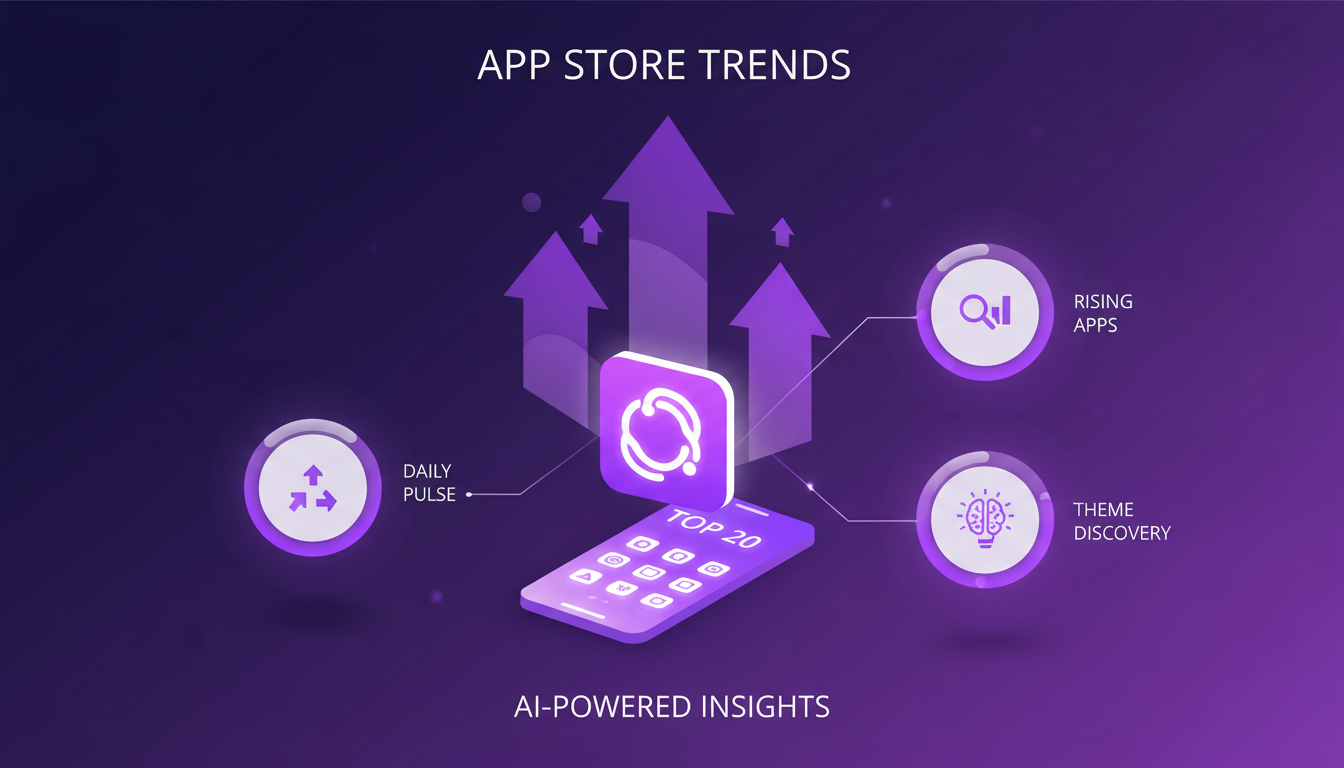
But beware, not all trends are worth chasing. Some are heavily overhyped and fade away as quickly as they appear. It's crucial to distinguish between fleeting fads and sustainable trends. One effective approach I've found is to look for consistent themes or features that users are drawn to repeatedly.
- Open the App Store daily
- Identify apps in the top 20 of various categories
- Avoid overhyped trends
- Spot consistent themes and features
Analyzing Top Apps in Different Categories
When I dive into different App Store categories, my goal is to analyze user preferences. I focus on apps with high engagement and user retention. Often, these apps show patterns in design or functionality that seem to work well.
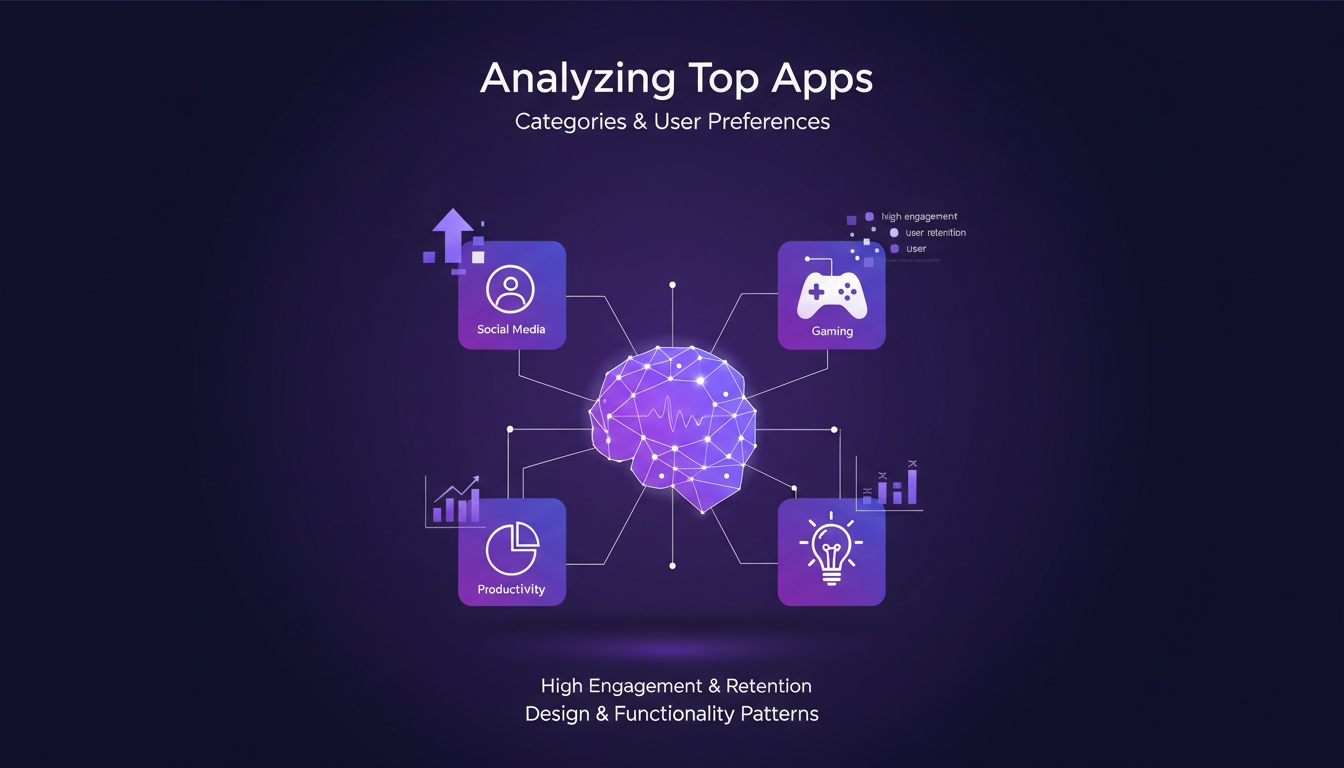
It’s also crucial to consider the lifecycle of apps. I've noticed that some apps peak quickly and then decline just as fast. Understanding this cycle helps in anticipating opportunities without getting blinded by temporary success.
- Dive into different categories to understand preferences
- Focus on engagement and retention
- Recognize successful patterns
- Consider the lifecycle of apps
Setting Revenue Thresholds for Viable Opportunities
A crucial point in validating an app idea is setting a minimum monthly revenue (MR) threshold, say $100K. This helps filter out ideas that aren't financially viable. However, not all high-revenue apps are sustainable. I've often seen apps that seemed lucrative but were riding on temporary spikes.
A comprehensive assessment must consider the cost of development versus potential earnings. Numbers can be misleading if these aspects are ignored. I'm cautious with apps showing inflated MR due to temporary spikes.
- Set a minimum MR threshold of $100K
- Be wary of apps with inflated revenue
- Evaluate development cost versus earnings
- Consider temporary spikes
Using Sensor Tower for Market Insights
I leverage Sensor Tower for accurate revenue data and trends. This tool is invaluable for identifying profitable niches by analyzing competitor performance. The data provided helps validate my assumptions about app viability.

However, watch out for data discrepancies: it's crucial to cross-verify these insights with other sources to avoid nasty surprises. I've learned the hard way that data must be triple-checked to avoid misjudgments.
- Use Sensor Tower for precise revenue data
- Analyze competitor performance
- Validate assumptions with data
- Watch out for data discrepancies
Identifying Profitable Niches in App Categories
Finally, I focus on less saturated categories with growing demand. Finding unique app features that fill a market gap is essential. However, balancing niche specificity with broad appeal is key.
I often test ideas with minimal investment before committing to full-scale development. This saves me from heavy losses if the idea doesn't pan out as expected.
- Focus on less saturated categories with growing demand
- Look for unique features
- Balance niche specificity with broad appeal
- Test with minimal investment
Here's my take after diving into validating profitable app ideas. First, spot trends in the App Store and use tools like Sensor Tower for revenue viability analysis. This is where I've seen tangible results. Remember, it's not just about data but using it smartly. I've seen developers make over $500,000 by following this process. But watch out, don't be blinded by numbers: sometimes trends fade quicker than you'd expect.
Looking ahead? By applying these strategies today, you can really boost your app flipping success. Surprises are always possible, but being prepared is key.
I invite you to watch the full video to delve deeper into the topic. Trust me, it's worth it for those who want to truly break into this field: video link. Let's discuss if you've got questions!
Frequently Asked Questions

Thibault Le Balier
Co-fondateur & CTO
Coming from the tech startup ecosystem, Thibault has developed expertise in AI solution architecture that he now puts at the service of large companies (Atos, BNP Paribas, beta.gouv). He works on two axes: mastering AI deployments (local LLMs, MCP security) and optimizing inference costs (offloading, compression, token management).
Related Articles
Discover more articles on similar topics
Craft Impactful Infographics with Imagen 2
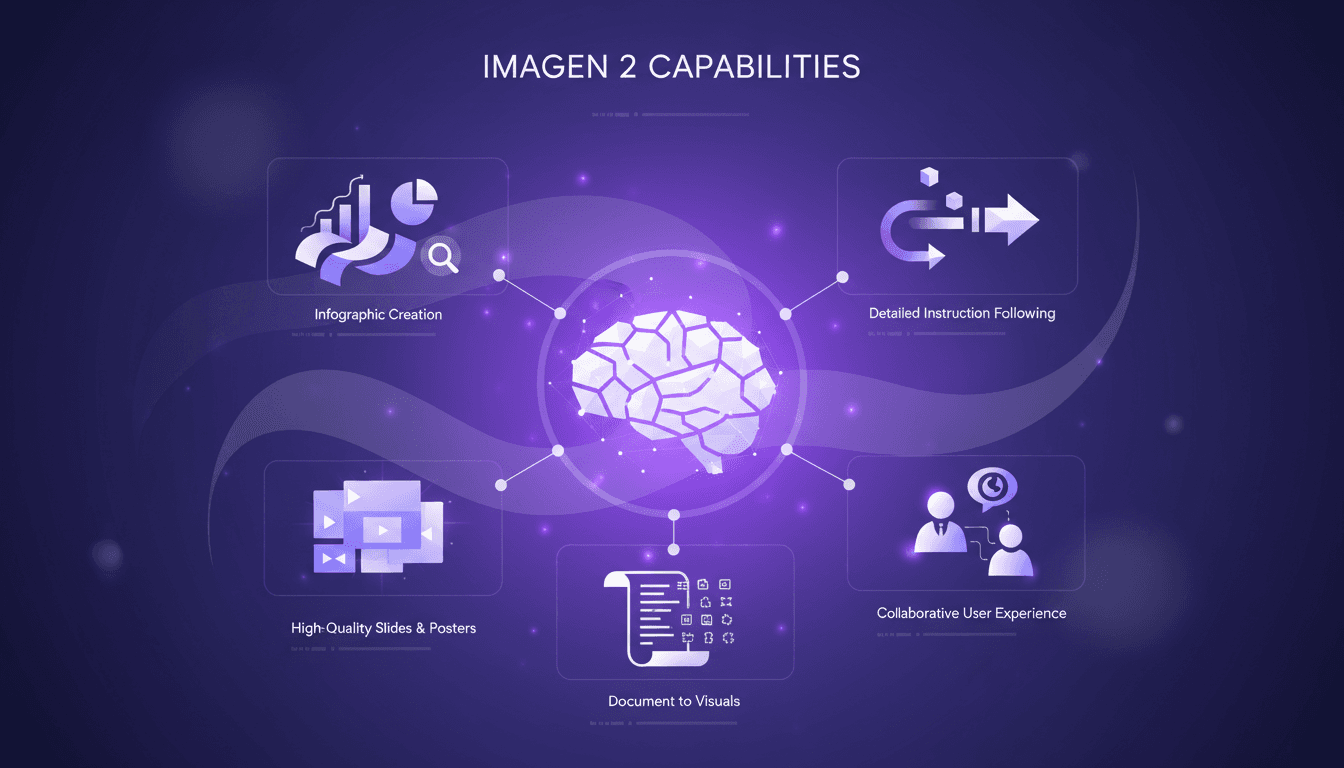
I've been in the trenches, turning dense documents into visuals that actually speak to people. Imagen 2 has been my go-to for crafting infographics and slides that not only look professional but also convey the message clearly. Whether it's a 70-page PDF or a one-page poster, this tool makes life easier and presentations more impactful. I'll walk you through my process, step by step. We’ll dive into Imagen 2's capabilities, how I convert lengthy documents into concise visuals, and how I create high-quality slides and posters. Trust me, the user experience with Imagen 2 is collaboration at its finest.
Debunking AI Closers: Truths and Limits
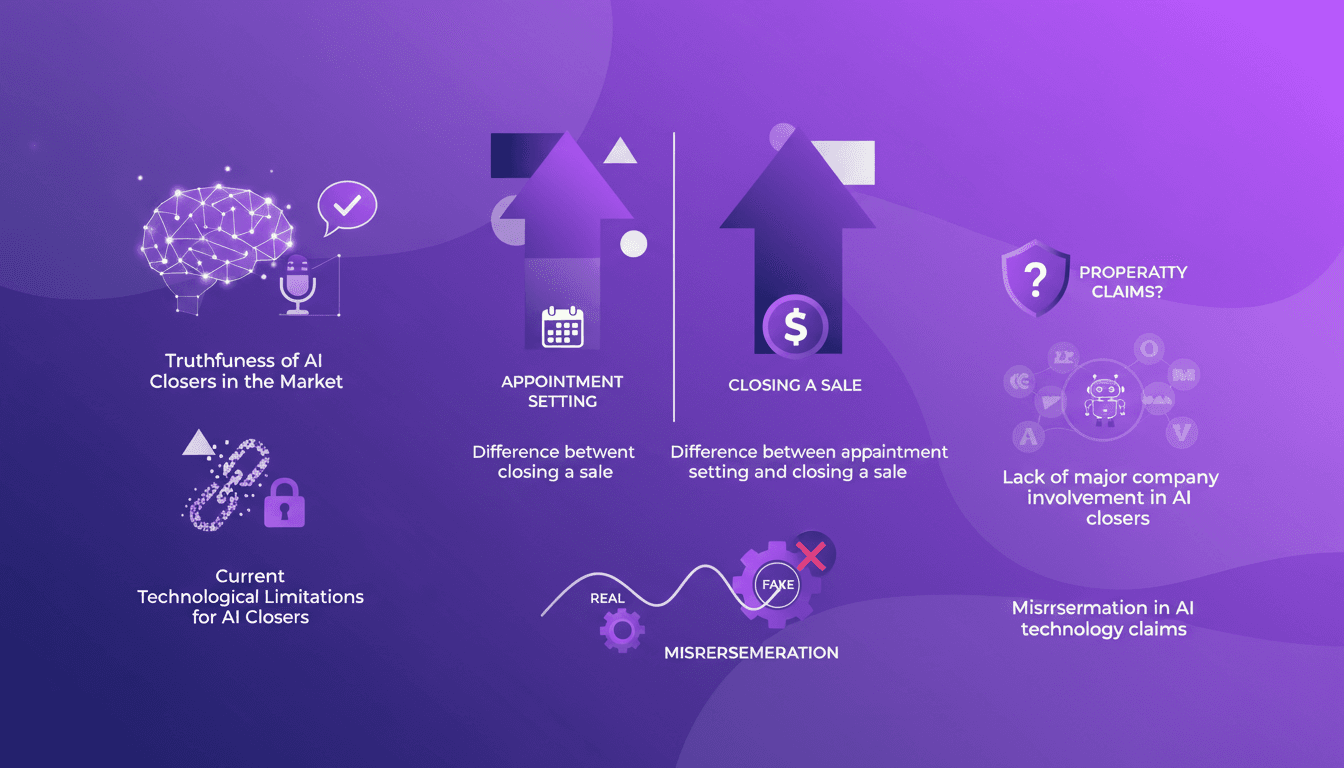
I've been in the trenches with AI tech for years, and if there's one thing I've learned, it's that not everything that glitters is gold—especially when it comes to AI closers. Let's cut through the noise and get real about what's happening in the market. There's a lot of buzz around AI closers, but are they really the game-changers they're hyped up to be? Let's dig into the claims, the reality, and where the tech actually stands. Between current technological limitations, the difference between appointment setting and closing a sale, and claims of proprietary solutions, it's time to debunk all this. And if the big companies aren't jumping in, there's probably a good reason for that.

Get Hired via GitHub: My Personal Journey
I never filled out a single job application, yet here I am, hired through GitHub. Crazy, right? In the open source world, your contributions speak louder than a resume. GitHub isn't just a code repository; it's a platform to showcase your skills, connect with potential employers, and even get job offers without applying traditionally. I'll walk you through how I pulled it off by analyzing pull requests for opportunities and keeping a firm grip on my identity and work. Watch out—using agents can be tricky in your job search. And speaking the language of reviewers is key. I'll share my missteps, my wins, and how to navigate the challenges of open source contributions.
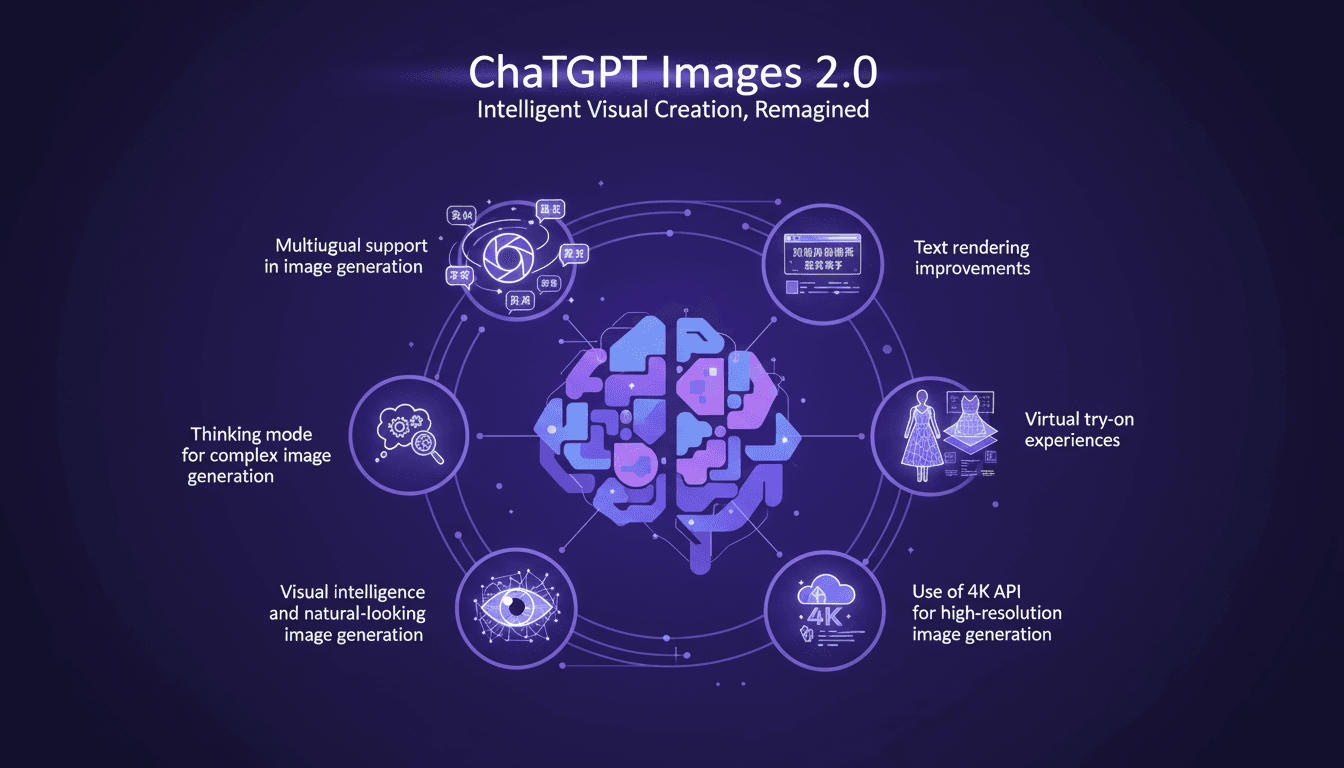
ChatGPT Images 2.0: Multilingual Image Generation
I dove headfirst into ChatGPT Images 2.0, eager to see how it could revolutionize my creative workflow. The promise of multilingual support and high-resolution outputs had me immediately intrigued. In practice, it's a real leap forward for AI-driven image generation. We're talking multilingual capabilities, enhanced visual intelligence, and images that look natural. I started by connecting the 4K API to test high-resolution outputs, and honestly, the difference is striking. But watch out—there are limits, especially regarding token usage. It's a powerful tool for creators pushing boundaries. Let me walk you through how it played out.
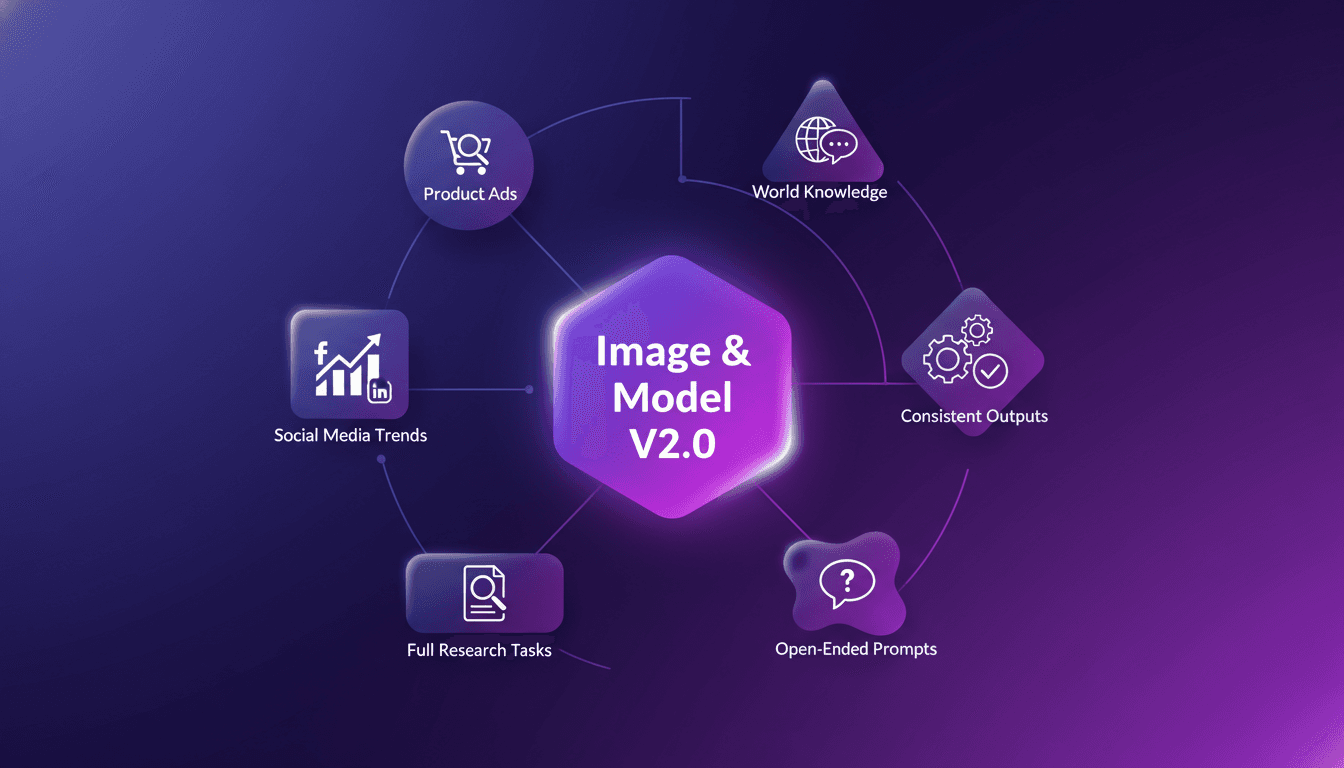
Harnessing ChatGPT Images 2.0: Create, Analyze
I dove into ChatGPT Images 2.0, and it's a real game changer for creating ads, summarizing knowledge, and analyzing trends. With Image and Model Version 2.0, we have tools that can transform our creative and analytical tasks. But it's not just about the tech—it's about how we use it efficiently. I started by exploring its capabilities for creating product ads, then moved on to summarizing world knowledge and analyzing social media trends over the last three decades. The impact is immediate when you know how to orchestrate it all. I'll walk you through how I make the most of it.