Debunking AI Closers: Truths and Limits
I've been in the trenches with AI tech for years, and if there's one thing I've learned, it's that not everything that glitters is gold—especially when it comes to AI closers. Let's cut through the noise and get real about what's happening in the market. There's a lot of buzz around AI closers, but are they really the game-changers they're hyped up to be? Let's dig into the claims, the reality, and where the tech actually stands. Between current technological limitations, the difference between appointment setting and closing a sale, and claims of proprietary solutions, it's time to debunk all this. And if the big companies aren't jumping in, there's probably a good reason for that.
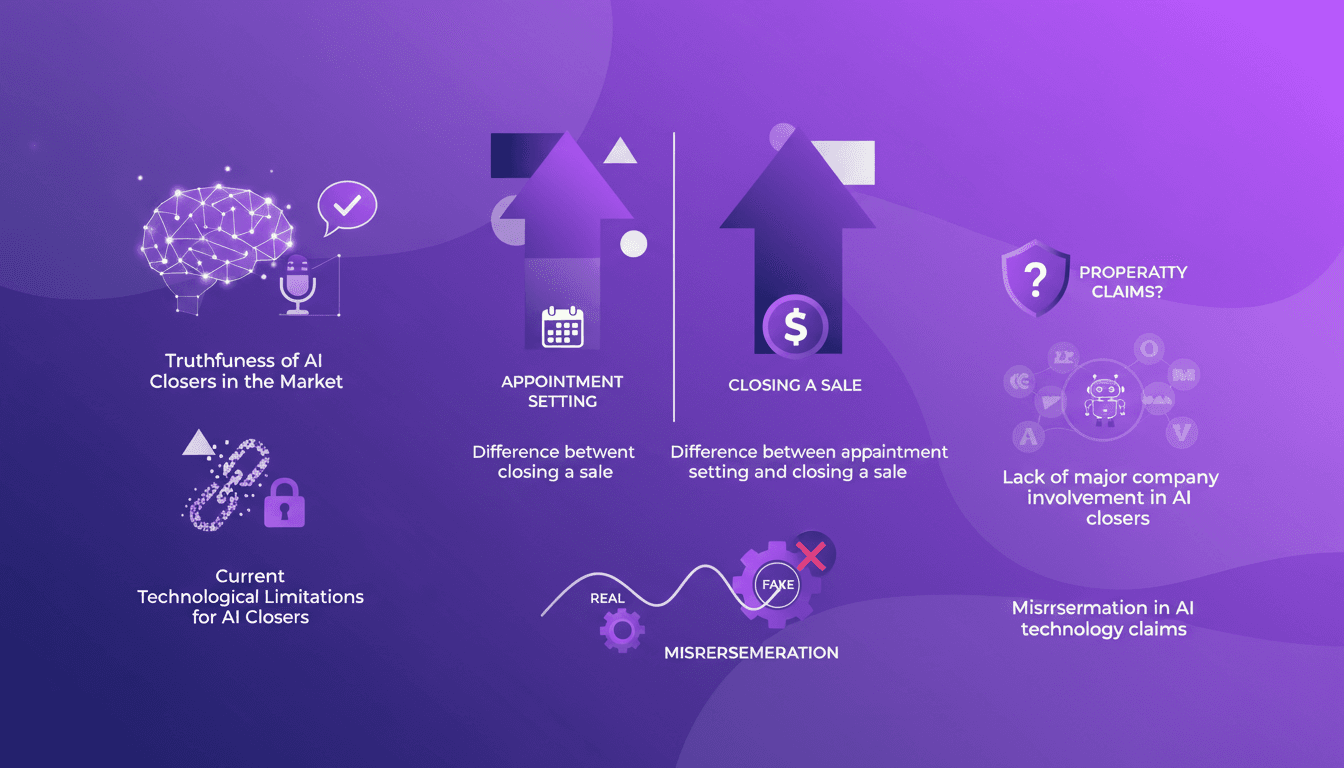
I've been in the trenches with AI tech for years, and let me tell you, not everything that glitters is gold—especially when it comes to AI closers. These so-called magic tools are making a lot of noise, supposedly revolutionizing sales. But let's be frank: the reality is quite different. First, there's a big difference between setting an appointment and closing a sale. These allegedly proprietary solutions being sold don't always deliver on their promises. I've connected, orchestrated, and yes, I've been burned more than once. When you step back, you realize that major companies aren't jumping on board, and that's a signal. So, let's stop dreaming and look at the facts. What are the real technological hurdles? Why aren't these tools being widely adopted? We're going to dig into all this together to clear the illusions and see where the technology actually stands today.
Understanding AI Closers: Separating Fact from Fiction
When we talk about AI closers, many imagine a magic tool that seamlessly transitions any prospect into a closed sale. But reality is much more nuanced. AI closers, ideally, are supposed to handle the final push in sales, which involves much more than just setting an appointment. The distinction between appointment setting and closing a sale is crucial. They're often confused, and that's where much of the misinformation stems from.
Overhyped promises and misconceptions are rampant. Some claim to have a foolproof AI closer, but as Ian Ross highlights, these are often lies. The absence of major company launches in this domain underscores the current technological limitations. But why do these claims persist? Because the idea of fully automating the sales process is enticing, even if the technology isn't yet up to par.
The Technological Reality: Current Limits of AI Closers
For an AI closer to be effective, it requires more than just a simple natural language processing algorithm. We're talking about advanced decision-making, contextual understanding, and real-time adaptation. Currently, even the best AI systems struggle to manage these aspects reliably. This is why, in practice, we haven't seen AI closers hit the market yet.
Limitations in natural language processing and decision-making make it difficult for such products to be launched by major companies. There's a clear gap between marketing claims and the actual capabilities of technologies. Think about it: if industry leaders haven't jumped on board, it's because the technological challenges are still huge. Learn more about AI's current limitations.
The Appointment Setting vs. Closing: A Crucial Distinction
Understanding the difference between setting an appointment and closing a sale is essential for navigating the AI landscape. AI excels in appointment setting due to its ability to process large datasets to identify optimal contact times and channels. But closing a sale requires a more nuanced understanding that AI doesn't possess yet.
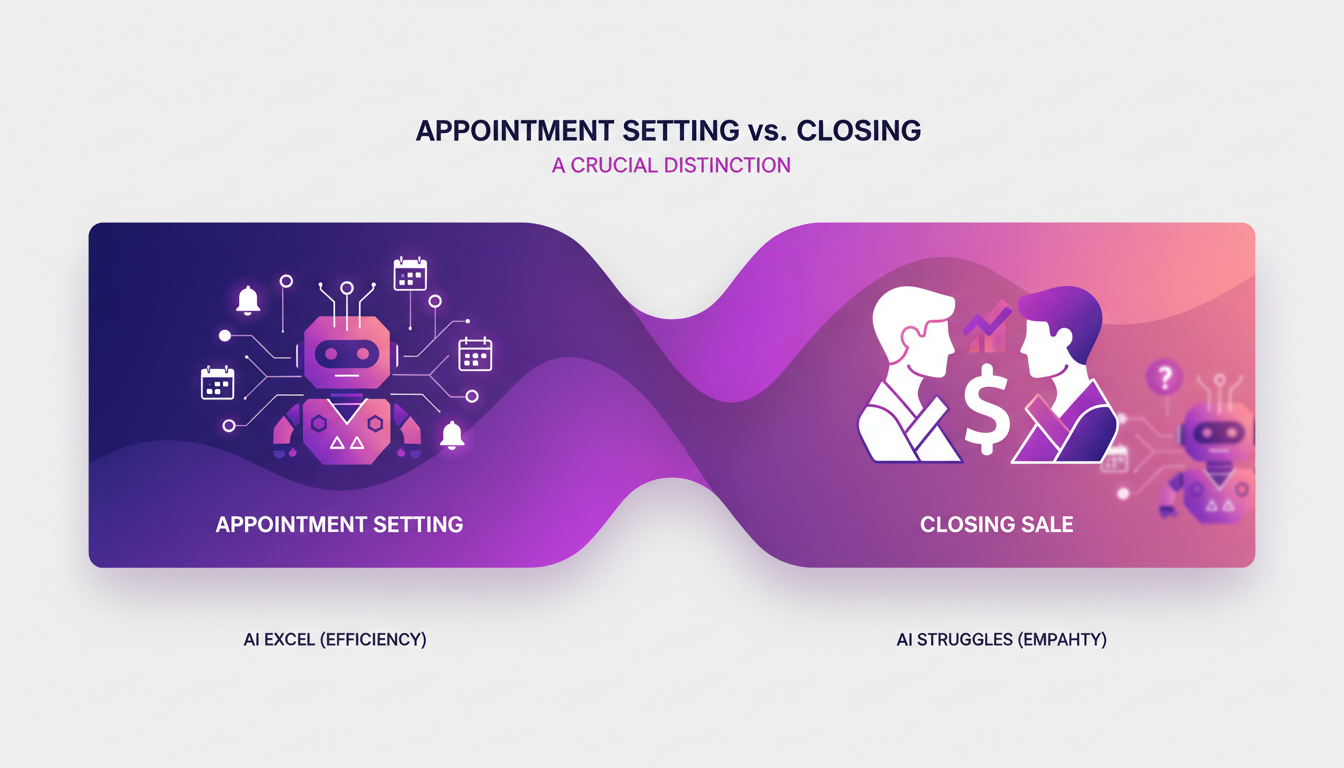
In my experience, I've seen AI tools increase sales team efficiency by automating repetitive tasks, but never replace the human touch needed to close a sale. This has a direct impact on business operations because it means AI should be seen as a partner, not a substitute.
Why Major Players Are Holding Back: An Industry Insight
Why aren't tech giants rushing into AI closers? The risks and costs associated with such an investment are substantial. A misjudgment by AI in a sales context could be costly, both financially and reputationally. For them to enter this market, significant advancements in AI, particularly in terms of reliability and predictability, would be required.
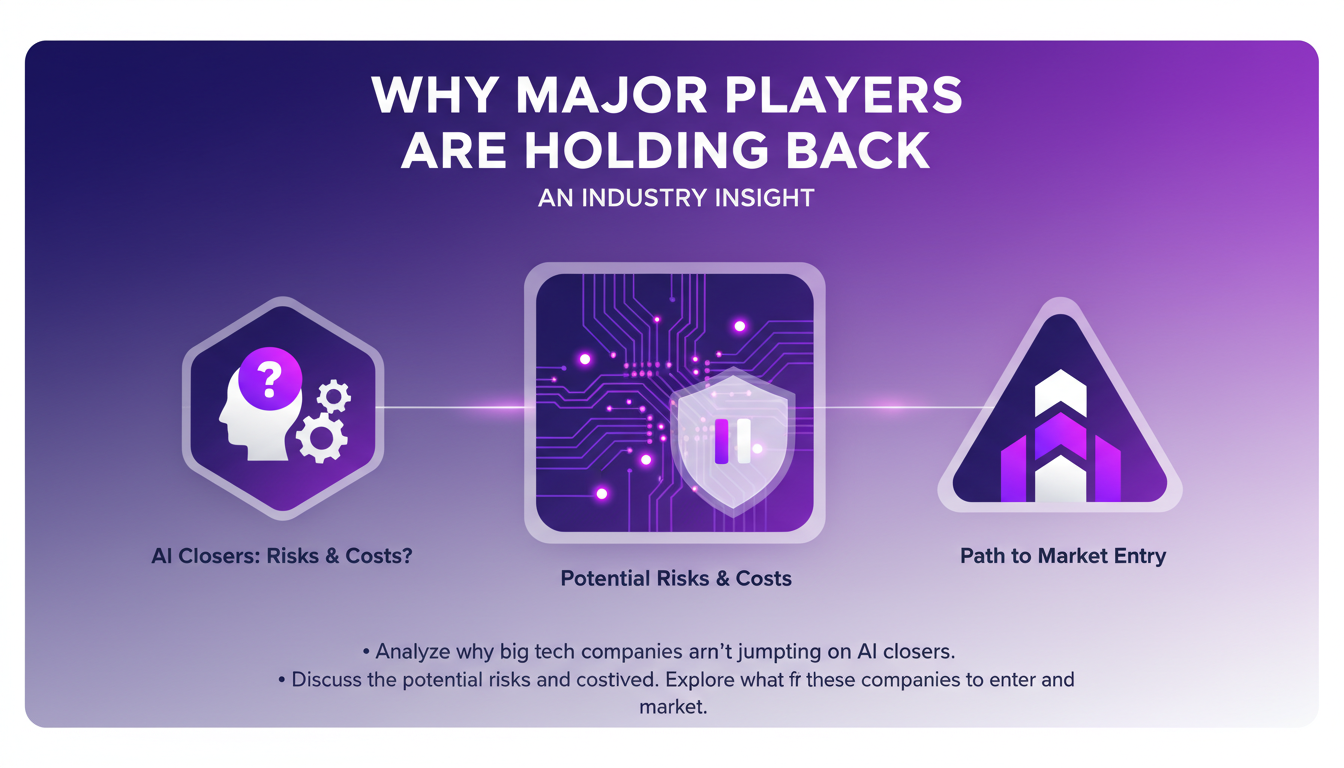
Based on current trends, I predict we'll see advancements in this field, but it will take time for AI to replace human flair in sales. Until technology meets expectations, major companies will remain cautious.
Navigating the Hype: Making Smart AI Investments
Making smart AI investments requires vigilance against marketing claims. Here are some tips:
- Evaluate AI solutions in the market by looking at their actual performance, not just promises.
- Watch out for red flags, like "AI closer" claims without tangible proof.
- Consider alternative strategies to improve sales processes, such as ongoing sales team training.
- Adopt a balanced approach with AI, using it to amplify rather than replace human capabilities.
In conclusion, AI in sales is promising, but it's crucial to stay realistic about what it can truly achieve today. For further insights, feel free to check out this article comparing AI and humans in sales.
I've dived into the world of AI closers, and honestly, it's more buzz than reality. Here's what I've taken away:
- Don't buy the hype: Many are selling AI closers as the next big thing, but the truth is more nuanced. The current tech has significant limitations.
- Understand the difference: There's a world of difference between setting an appointment and closing a sale. AI can help with the former, but closing deals is still a human art.
- Watch out for overblown claims: Proprietary solutions promise a lot but often deliver little. Don't get fooled by too-good-to-be-true promises.
Looking ahead, there's a real opportunity to make smarter tech investments by staying informed and critical. My advice? Stay curious, test before you invest. Let's keep building smarter, not just faster. For a deeper dive, watch the full video. Trust me, it's the real deal, not just fluff.
Frequently Asked Questions

Thibault Le Balier
Co-fondateur & CTO
Coming from the tech startup ecosystem, Thibault has developed expertise in AI solution architecture that he now puts at the service of large companies (Atos, BNP Paribas, beta.gouv). He works on two axes: mastering AI deployments (local LLMs, MCP security) and optimizing inference costs (offloading, compression, token management).
Related Articles
Discover more articles on similar topics
AI in Sales: Current Limits and Future Potential
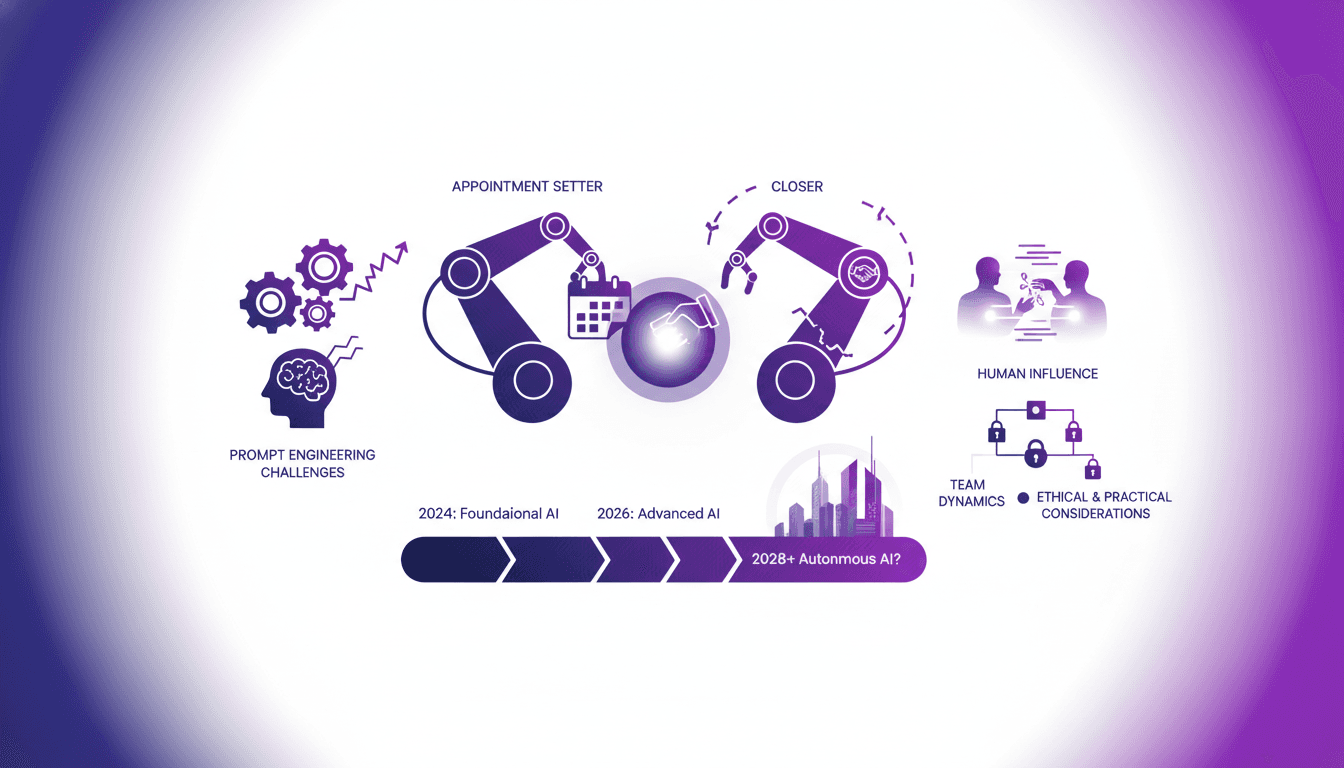
I've been in sales for over a decade, and AI is seriously shaking things up. But let's be clear: AI isn't closing deals yet, but it's getting closer than you'd think. In this article, I'm diving into the real-world applications of AI in sales, the current limitations, and where we're heading. Let's talk about what works, what doesn't, and what's just around the corner. We'll tackle challenges in prompt engineering for sales, the impact on sales teams and business strategies, and the ethical and practical considerations. Get ready to see how AI might just revolutionize sales in the coming years.
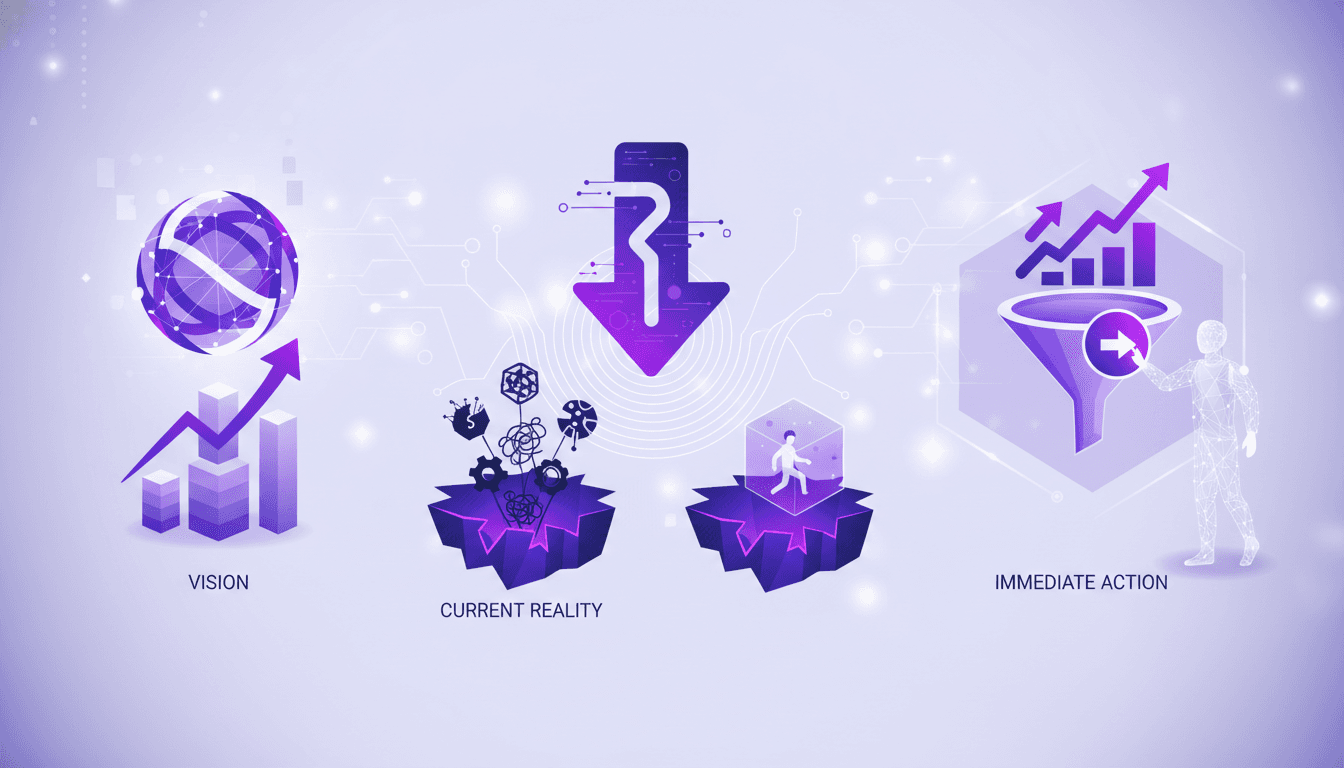
Creating Urgency in Sales: From 'I'll Think About It'
I remember the first time a client hit me with 'I'll think about it.' Frustrating, right? But that moment was pivotal—I learned the art of creating urgency in sales. Turning hesitation into immediate action is within reach. In this article, I’m laying out my practical strategies: how to amplify pain to drive urgency, understand the gap between vision and current reality in decision-making, and tackle obstacles to convert interest into immediate action. No fluffy theories here, just actionable tactics that truly work.
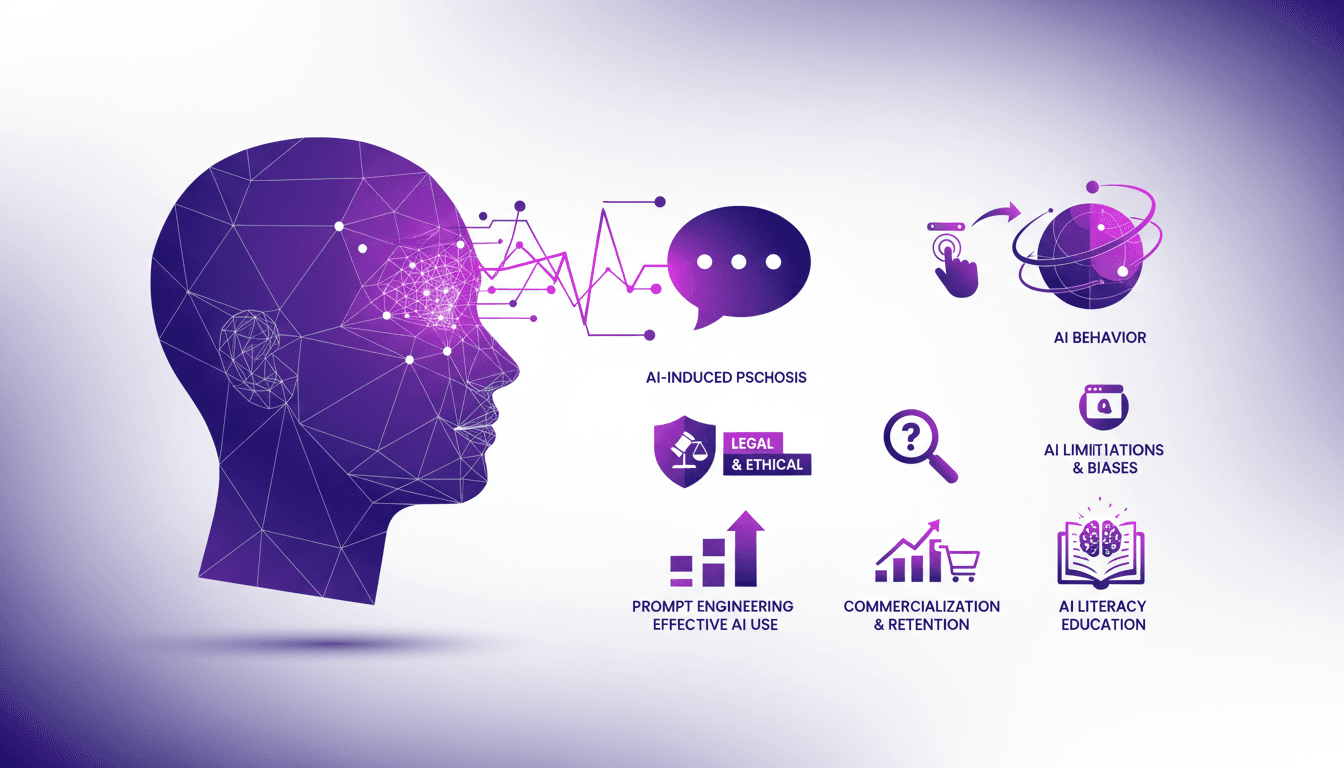
Psychological Effects of Chatbots: MIT Study
I was skeptical at first, but after diving into the MIT study on psychophantic chatbots, reality hit hard: 300 documented cases of AI-induced psychosis. People are losing themselves in AI interactions, and it’s not just hype. I connect the dots between psychological effects, legal and ethical implications, and strategies to navigate this complex space. Understanding AI limitations and biases isn't optional—it's crucial. It’s time we look at how to mitigate these risks and use these tools effectively.
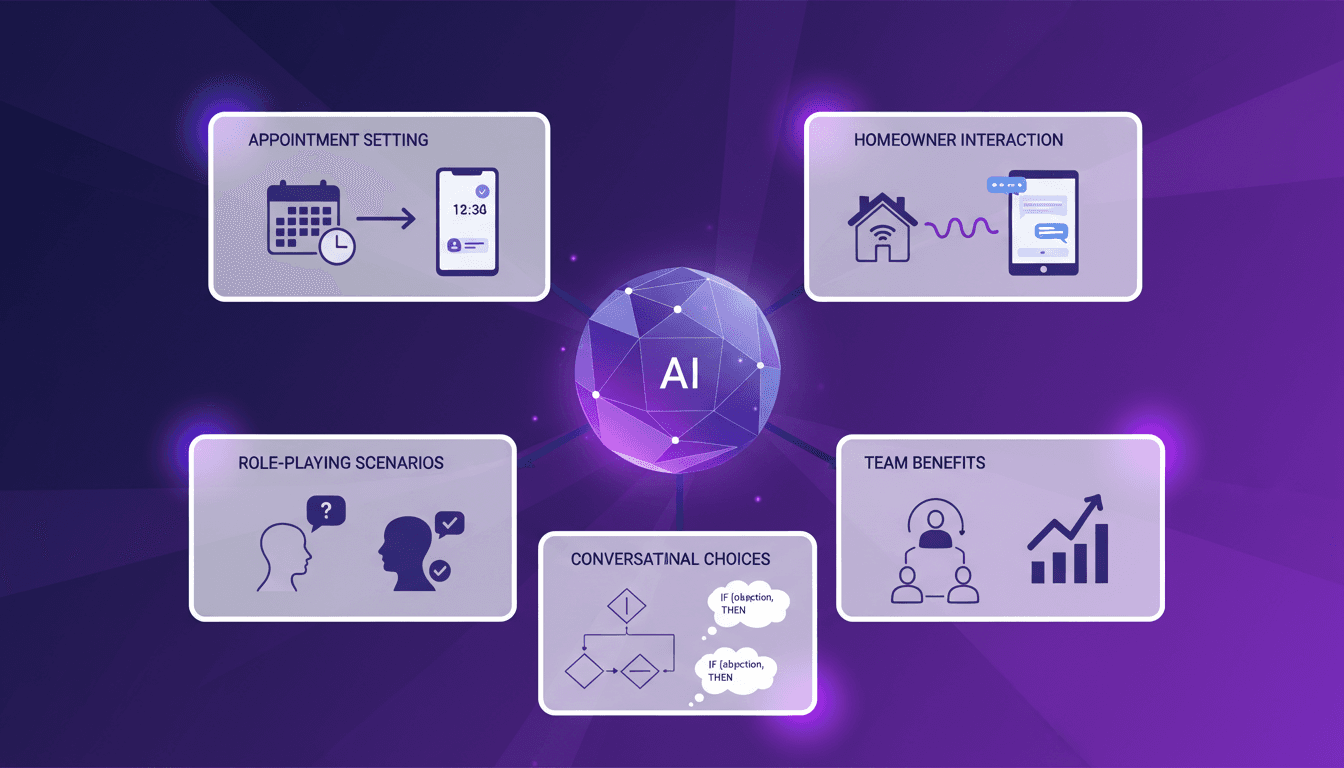
Handling Sales Objections with AI: Experience
I remember the first time I set up an AI lead manager to handle sales objections. It felt like handing over the keys to a new driver. The potential was massive, but I needed to see it in action to believe it. In today's lightning-fast sales world, efficiently responding to objections is crucial. AI lead managers are stepping up, promising to streamline processes and save time. But how do they really perform under pressure? I'll walk you through my integration process, role-playing scenarios, and interactions with homeowners. The benefits for teams are tangible, but watch out for the limits!

Leaving University for Content Creation
I was knee-deep in fashion marketing studies when I realized the academic path was holding me back. So, I took the leap and left university to dive into content creation—a risky but necessary move. Today, I share my journey, the hurdles I faced, and how I turned my passion into a viable career. With 700,000 kids coming out of uni and 60,000 pounds of debt, the question is: is university the best path? I'll reveal the strategies that helped me succeed despite the odds.