Get Hired via GitHub: My Personal Journey
I never filled out a single job application, yet here I am, hired through GitHub. Crazy, right? In the open source world, your contributions speak louder than a resume. GitHub isn't just a code repository; it's a platform to showcase your skills, connect with potential employers, and even get job offers without applying traditionally. I'll walk you through how I pulled it off by analyzing pull requests for opportunities and keeping a firm grip on my identity and work. Watch out—using agents can be tricky in your job search. And speaking the language of reviewers is key. I'll share my missteps, my wins, and how to navigate the challenges of open source contributions.

I never filled out a single job application, yet here I am, hired through GitHub. How did I do it? In the open source world, your contributions can carry more weight than a resume. GitHub isn't just a code repository; it's a way to showcase your skills, connect with potential employers, and even land job offers without going through the usual hoops. Let me show you how I pulled it off. First, I analyze pull requests to spot job opportunities. Then, I always make sure to maintain my identity and ownership of my work. Watch out for agents—they can complicate your job search. And, you need to speak the language of reviewers. I've learned the hard way, with a few stumbles, but also some wins. The challenges of open source contributions are many, but with the right approach, it can truly be a game changer for your career.
Leveraging GitHub for Job Opportunities
I haven't created a resume in years. Why? Because GitHub has become my primary networking and professional showcase tool. This is where the magic happens. I structure my profile to capture recruiters' attention by highlighting quality projects, not just quantity. Consistency in my contributions is crucial. I prefer to publish less but better, focusing on projects that truly demonstrate my skills. This approach has often led to spontaneous job offers without actively seeking them.
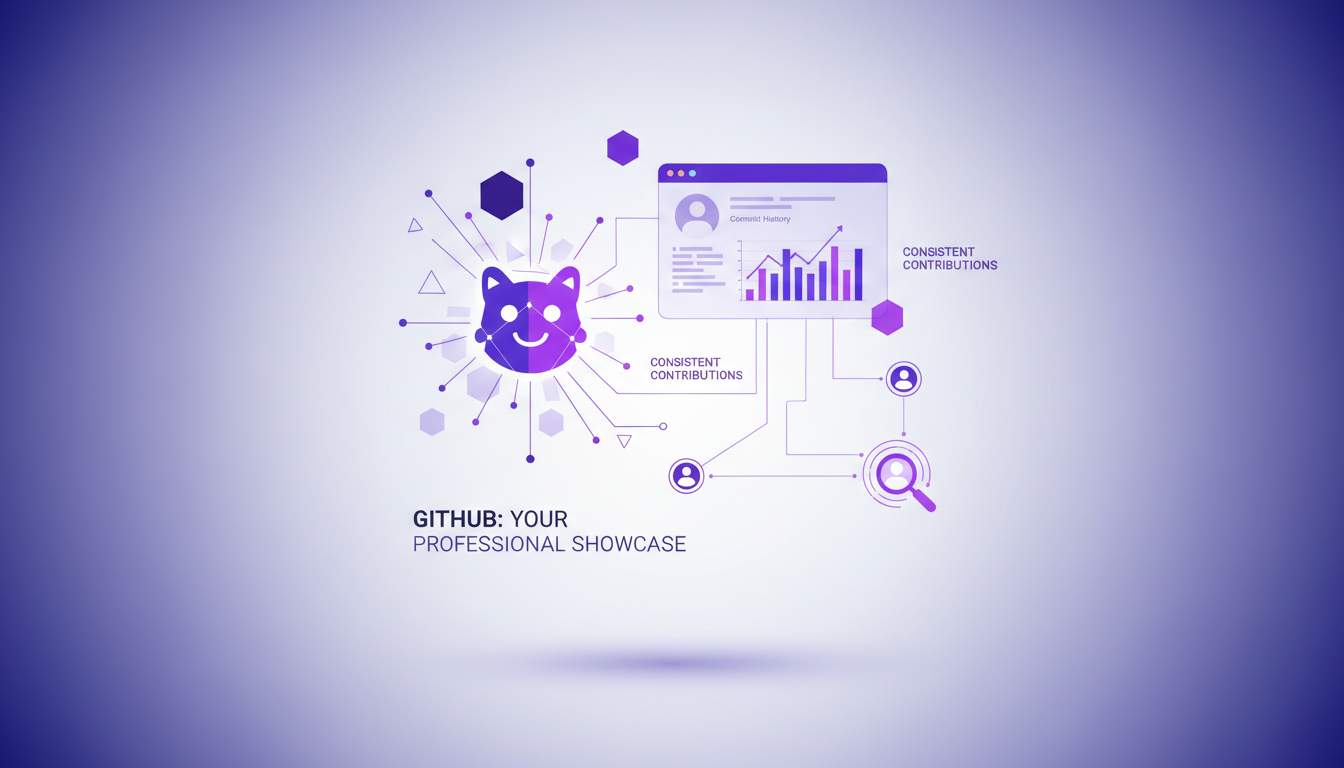
I haven't created a resume in years because opportunities come to me via GitHub.
Concrete examples? I've received collaboration proposals simply because my projects caught the eye of the right people at the right time. This proves that a well-curated profile can have a direct impact on your career.
Analyzing Pull Requests for Career Growth
Pull requests are a goldmine for demonstrating problem-solving skills. I use them to identify active contributors who add real value to projects. I analyze their pull requests, emulate their style, and try to understand why their contributions were accepted. This approach reduces the cognitive load for reviewers because I speak their language.

But watch out, there's a balance to be found between open source contributions and personal projects. I've often had to recalibrate my priorities to not sacrifice one for the other. Time is a limited resource, and knowing where to invest your efforts is crucial.
Maintaining Identity and Ownership
Always keep your coder identity intact. How? By ensuring your contributions reflect your values and unique style. This is crucial on GitHub. A strong personal brand can open doors. But beware of the pitfalls of collaborative projects where one can easily fade into the background.
I've learned the hard way that losing your identity in a collaborative project can be costly. So, I stay vigilant and ensure my contributions are recognized.
Navigating Job Search Agents Cautiously
I prefer direct connections over agents. Why? Because agents can sometimes misrepresent your skills. If you choose to use them, vet them carefully. Check their references and make sure they truly understand your value.
It's crucial to balance agent use with personal networking. Watch out for red flags, like promises that seem too good to be true.
Speaking the Language of Reviewers
I tailor my communication for different reviewers. Understanding expectations and feedback is essential. Clear and concise code comments are vital to avoid misunderstandings. But be careful not to overuse technical jargon. Keep the message accessible.
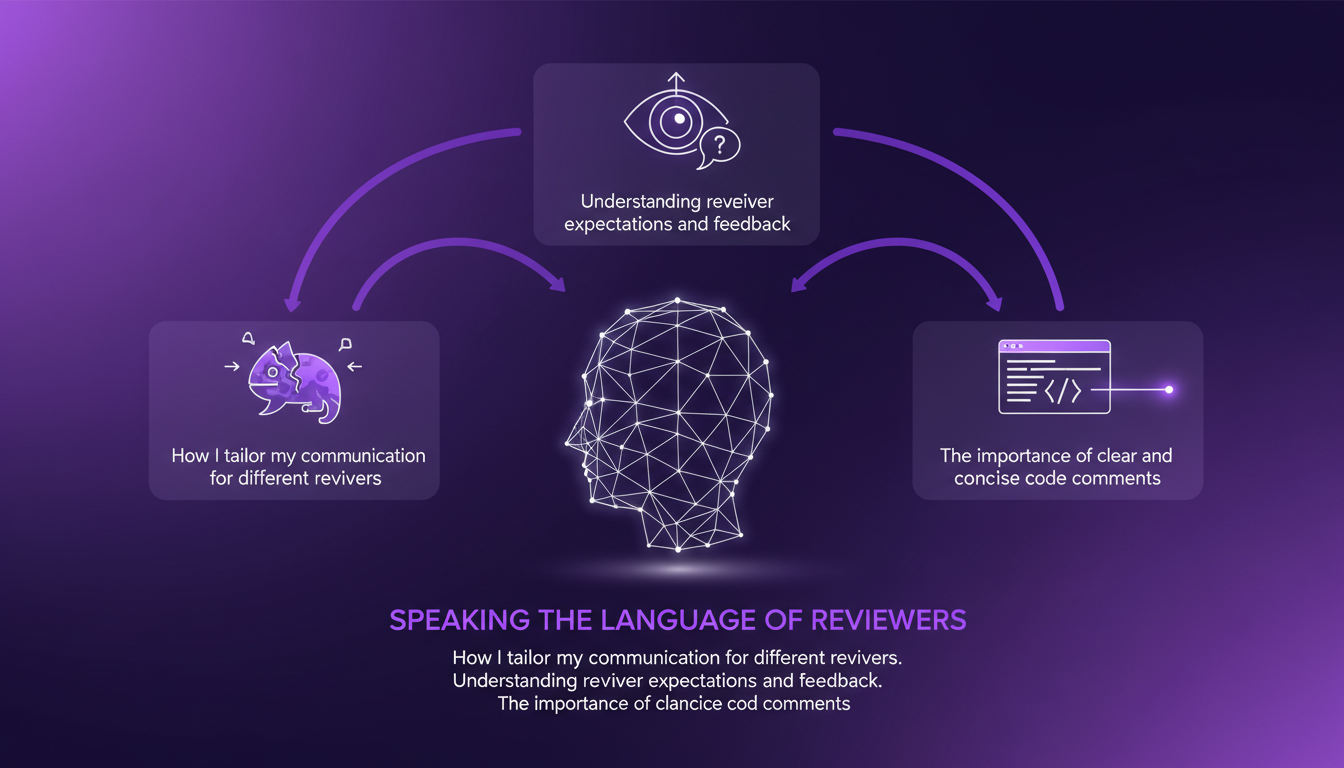
Common mistakes? Forgetting that reviewers are also human. They appreciate clarity and simplicity. By speaking their language, you facilitate the acceptance of your proposals.
Turning your GitHub profile into a job magnet is about much more than just code. First, I ensure my contributions are strategic. I don't just throw code around; I pick projects that align with my professional identity. Then, maintaining identity and ownership over my contributions is key. This shows I'm more than just a contributor. Finally, I analyze pull requests closely. That's where I spot hiring opportunities by seeing who's active and what they're contributing. But watch out, using job search agents should be done cautiously. It's a balance of authenticity and strategy.
Let me tell you, GitHub can be a real game changer for landing a job without sending out resumes. I've tested these approaches, and they work. Ready to transform your GitHub presence? Start analyzing your contributions today and watch the opportunities unfold. For deeper insights, go check out the full video 'Get Hired Without Applying: The Open Source Way' on YouTube. It's a solid complement to refining your strategy.
Video link: https://www.youtube.com/watch?v=4q7PYojJtq0
Frequently Asked Questions

Thibault Le Balier
Co-fondateur & CTO
Coming from the tech startup ecosystem, Thibault has developed expertise in AI solution architecture that he now puts at the service of large companies (Atos, BNP Paribas, beta.gouv). He works on two axes: mastering AI deployments (local LLMs, MCP security) and optimizing inference costs (offloading, compression, token management).
Related Articles
Discover more articles on similar topics
Master Open Source to Boost Your Career
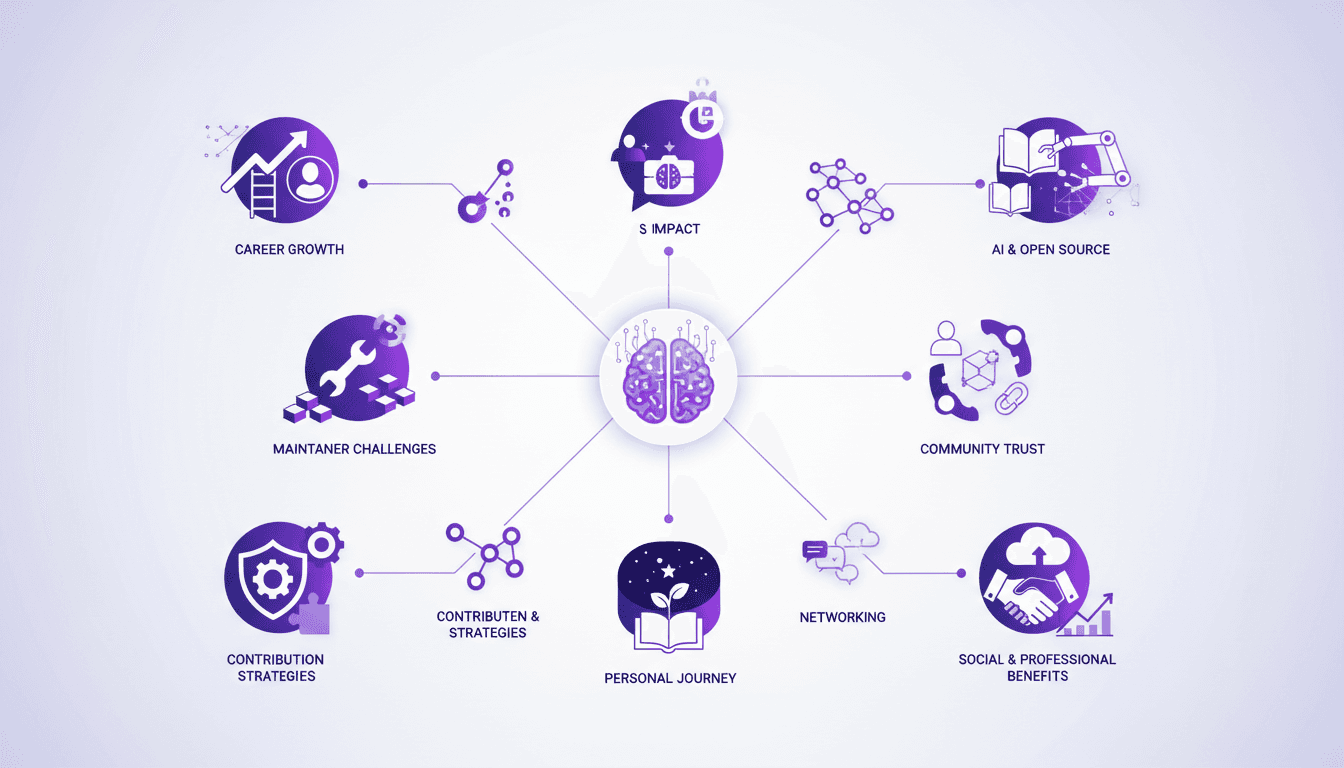
I've been there, navigating the maze of software engineering without a traditional job application. Open source was my ticket. Let me walk you through how I leveraged open source to get hired. In today's tech landscape, open source isn't just a buzzword; it's a career catalyst. Whether it's contributing to projects or building a network, open source offers a pathway to professional growth and personal fulfillment. But beware, contributing to open source comes with its challenges. You'll see how I navigated the hurdles, optimizing my time (spending two to three hours on a single PR proposal) and building an identity within these communities. And then, there's the impact of AI, shifting the game for open source contributors. This podcast episode is here to arm you with the tools to master these resources and boost your career.
Paperclip: Efficiently Orchestrate Your AI Agents
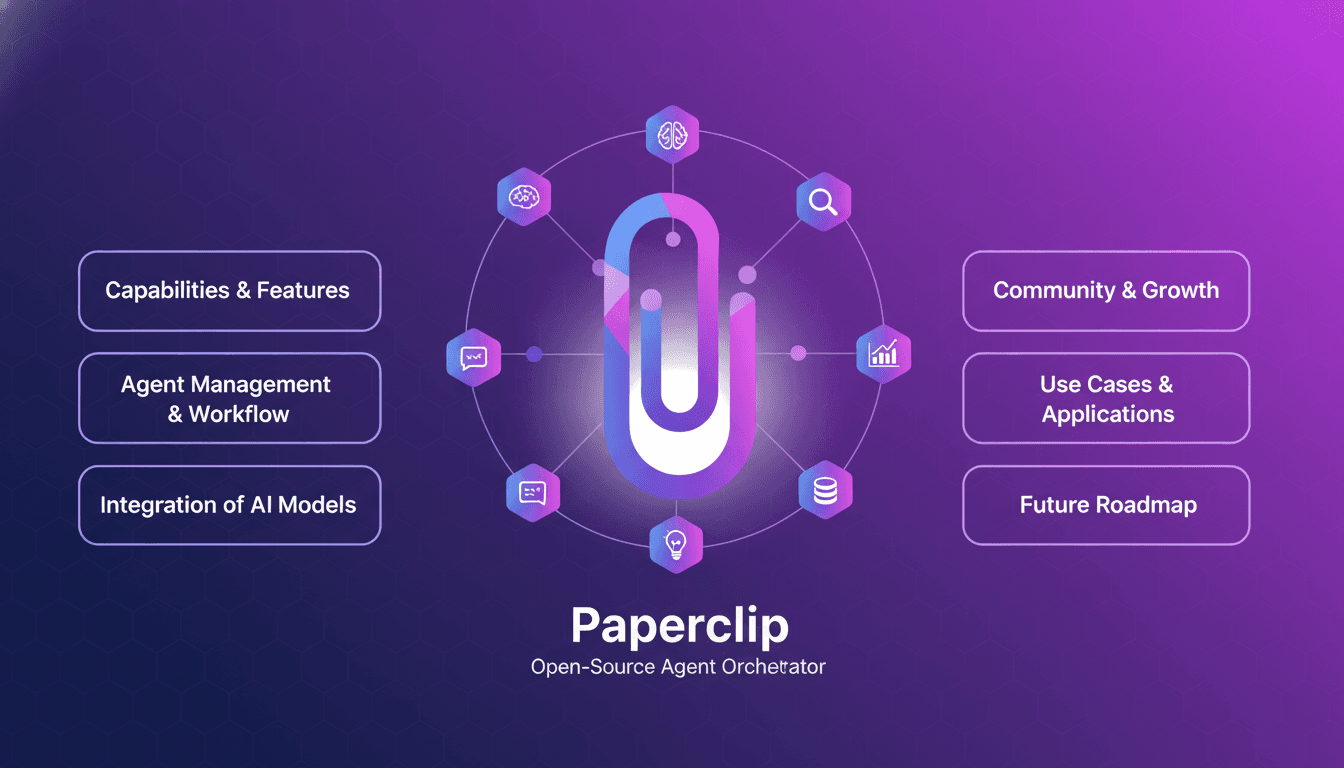
I remember the first time I heard about Paperclip—it sounded like a game changer for AI orchestration. Having been burned by overly complex systems in my career, I was skeptical. But diving into it, I found a tool that could actually streamline my AI workflows without the usual headaches. Paperclip, an open-source orchestrator, is designed to efficiently manage AI agents, and I've integrated it into my operations to avoid technical migraines. We're talking about seamless orchestration, handling different agent types like Gemini and Hermes, and an engaged community that's constantly pushing development forward. In short, if you're looking to optimize your AI-driven operations, Paperclip might just be the tool that changes everything.
AI's Impact on Dev: Insights from Linear
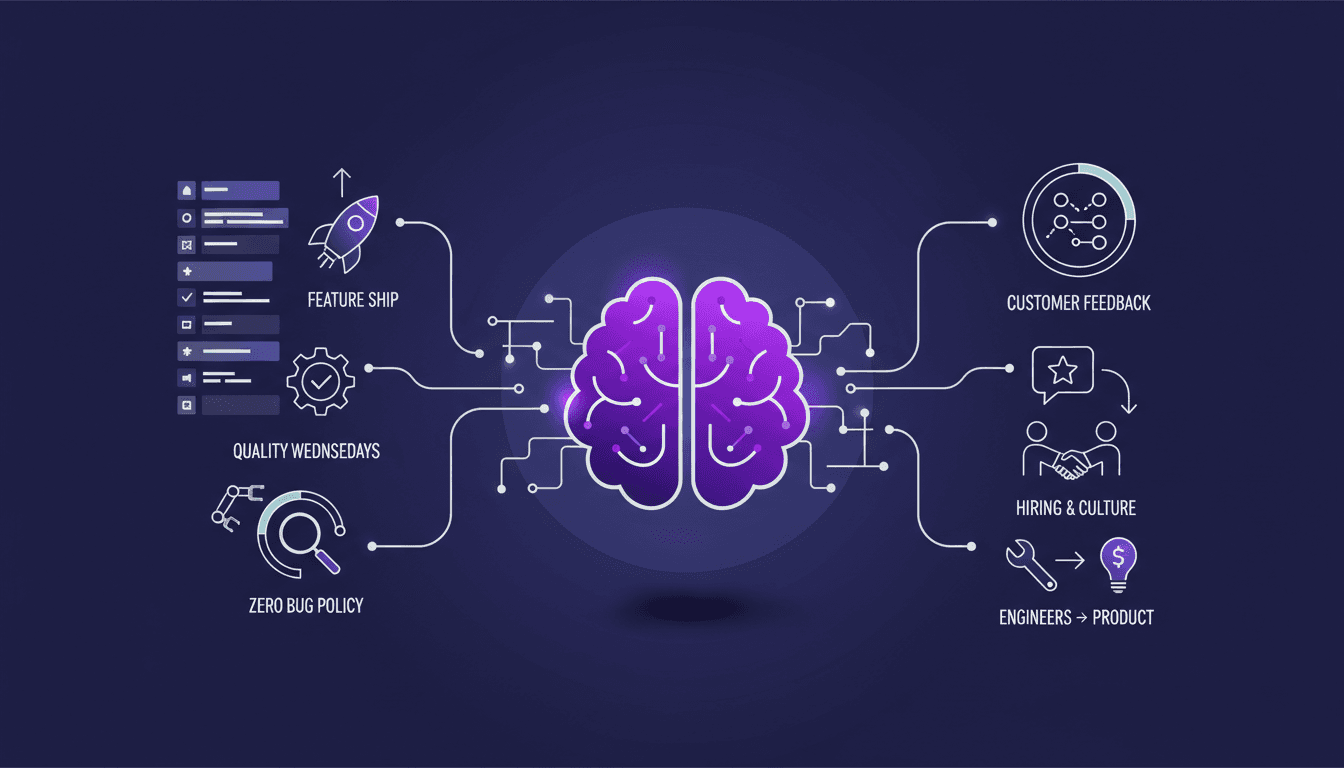
I remember the first time AI dramatically sped up our feature shipping at Linear. It was a game changer, but not without its quirks. In this conversation, Tuomas Artman, CTO of Linear, and Gergely Orosz delve into AI's impact on software development. We explore how Linear leverages AI for bug fixing while upholding a zero bug policy. And trust me, 'Quality Wednesdays' is more than just a catchphrase. We also discuss the importance of customer feedback in shaping our product development. Lastly, we touch on our hiring culture and how we balance speed with quality.
AI Engineering: Successor to Web Development
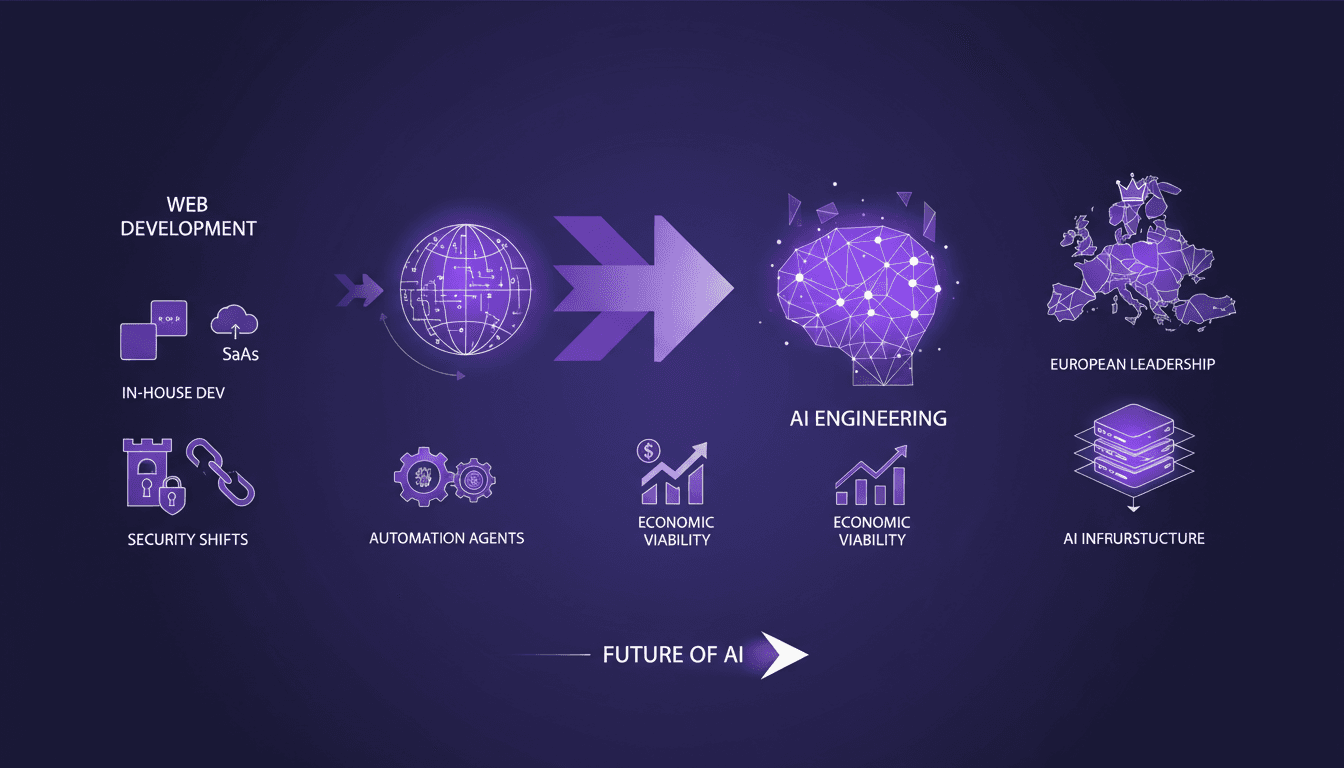
Having spent over 25 years in the trenches of software engineering, I can tell you that AI engineering is far more than just a buzzword—it's revolutionary. If you're still treating AI as a passing trend, you're missing the point. AI engineering is reshaping the tech landscape, succeeding web development with its automation agents, new security challenges, and transformative impact on software development. In this talk, let's dive into what this new application layer really means and why it's a game changer.

Designing Large-Scale Systems: GitHub Engineer Insights
I remember my first large-scale system design project—overwhelming, right? But then I realized, it's all about metrics, simplicity, and impact. In this article, I share how I approach it now as an engineer at GitHub. We'll dive into the importance of quantifiable metrics, the real business impact, and the necessity of keeping things simple. Designing large-scale systems requires a careful balance between technical complexity and business needs. I'll show you how I use concrete data to guide my design decisions and maximize business impact.