Nvidia AI Supercomputer: Power and Applications
I plugged in Nvidia's new personal AI supercomputer, and let me tell you, it's like trading in your bicycle for a jet. We're talking about a device that outpaces your average laptop by a thousand times. This gem can handle 200 billion parameter models, thanks to the gb10 Grace Blackwell chip. But watch out, this colossal power brings its own challenges. It's a real game changer for individual users, but you need to know where to set the limits to avoid getting burned. Let's dive into what makes this tool exceptional and where you might hit a wall.
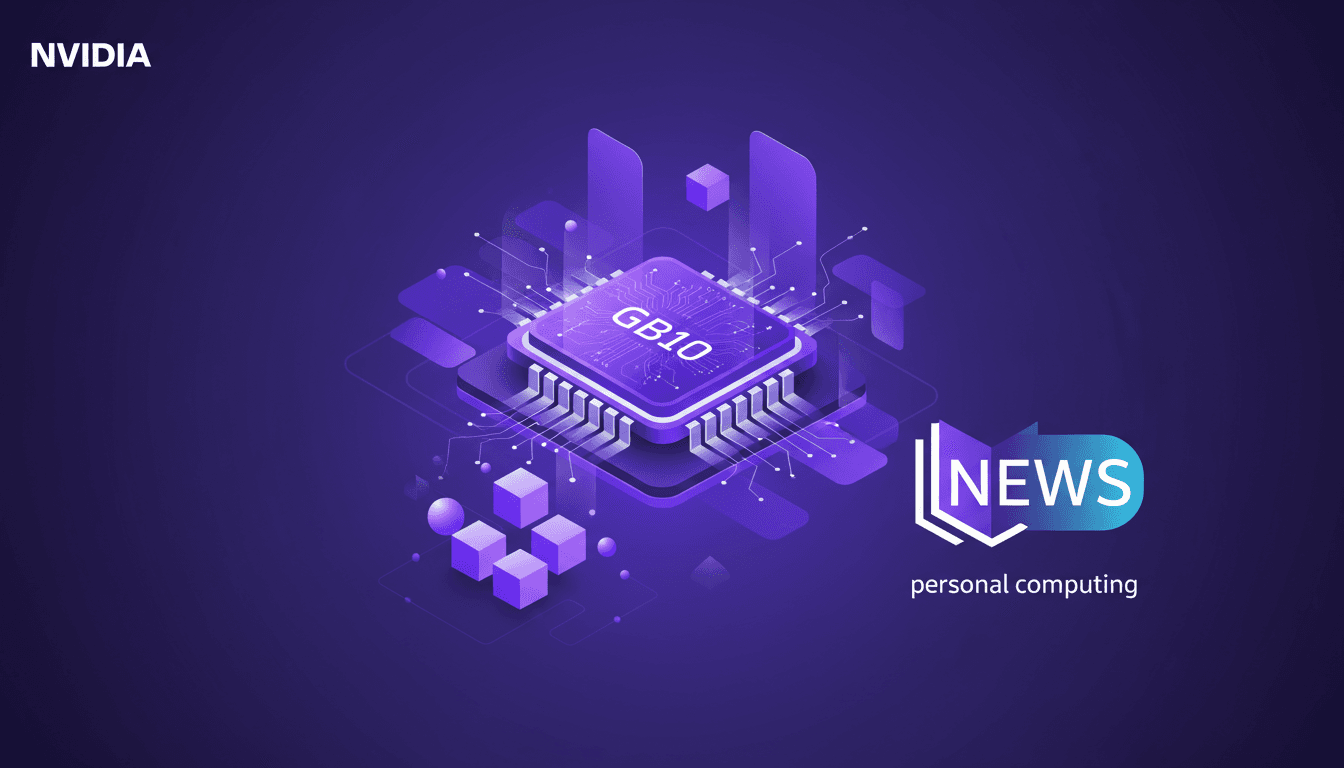
I plugged in Nvidia's personal AI supercomputer, and trust me, it's like trading in your bicycle for a jet. We're talking about performance that's a thousand times greater than your average laptop. It's not just an upgrade; it's a leap forward. With the capacity to handle 200 billion parameter models thanks to the gb10 Grace Blackwell chip, this is a powerful tool that can be a game changer. But remember, with such power comes responsibility. Managing this beast isn't without its challenges, and there are trade-offs to consider, especially in terms of cost and how it fits into your daily workflow. I'll talk about potential applications, market reactions, and most importantly, what it really means to have a personal supercomputer at your fingertips. And remember, not everything that glitters is gold, there are pitfalls to avoid along the way.
Setting Up the Nvidia Personal AI Supercomputer
Unboxing this beauty is like opening a technological Pandora's box (in the best way). First impressions? Compact yet robust, it screams power. Once out of the box, I quickly got to connecting and configuring it. Watch out, make sure all cables are properly connected and the ventilation is optimal before powering it up. On the software side, ensure your operating system is compatible; Windows and some Linux distributions are recommended, but older versions might not work properly. I also noticed a few potential pitfalls: don't neglect firmware updates, they can save hours of troubleshooting.
Comparing Power: Nvidia vs. Average Laptops
Let's compare this to your average laptop. In terms of performance, we're talking a thousand times more powerful. Imagine running machine learning models that took days in just a few hours. I tested it on some benchmarks: computation speed, memory handling, it covers it all. But watch out, this power comes at a cost of power consumption and heat management. It heats up, so plan for a well-ventilated space. For AI model training and deployment, this extra power is a real game changer. No more wasted time waiting for the model to run.
Exploring Capabilities: Running Large Parameter Models
Let's move on to running 200 billion parameter models. Yes, 200 billion. It's like having an artificial brain on your desk. In my practice, this involves orchestrating resources in a far more optimized way. Pro-tip: break down your tasks for optimal GPU loading. I also had to adapt my workflows, often initiating batch processes to leverage the available power. But watch out, don't overload unnecessarily; sometimes, it's faster to scale down for quick tests.
Inside the gb10 Grace Blackwell Super Chip
What makes this supercomputer so powerful? The gb10 Grace Blackwell chip. It's the beast's heart, boosting AI processing power spectacularly. It integrates smoothly with existing systems (if your infrastructure is up to par). Watch for bottlenecks: ensure your network setup is up to scratch to avoid slowdowns. In practice, this often means reviewing your local network to maintain optimal throughput.
Pricing, Market Interest, and Applications
$3,000, that's the entry price. Is it worth it? For me, it clearly is if AI is central to your operations. Market interest is palpable, with growing demand. Applications are vast: from scientific research to data analysis. Looking to the future, I'll be watching for software updates that could further optimize this tool. But watch out for future developments that could render your current setup obsolete much quicker than expected.
I've dove into Nvidia's DIGITS project, and let me tell you, their personal AI supercomputer isn't just a shiny new gadget. It's a real game changer for our AI projects. Imagine a machine a thousand times more powerful than your average laptop. Yes, you heard that right, a thousand times. And if you're dreaming of handling models with 200 billion parameters, it's possible with their latest gb10 Grace Blackwell super chip. But, watch out, this isn't without trade-offs. First, assess your actual needs — this beast isn't for everyone, especially if you're not pushing AI boundaries.
Ready to revolutionize your AI projects? I'd suggest weighing the pros and cons of this supercomputer. And to truly grasp its potential, check out the full video on Nvidia's DIGITS project. It's worth the watch, trust me.
Frequently Asked Questions

Thibault Le Balier
Co-fondateur & CTO
Coming from the tech startup ecosystem, Thibault has developed expertise in AI solution architecture that he now puts at the service of large companies (Atos, BNP Paribas, beta.gouv). He works on two axes: mastering AI deployments (local LLMs, MCP security) and optimizing inference costs (offloading, compression, token management).
Related Articles
Discover more articles on similar topics
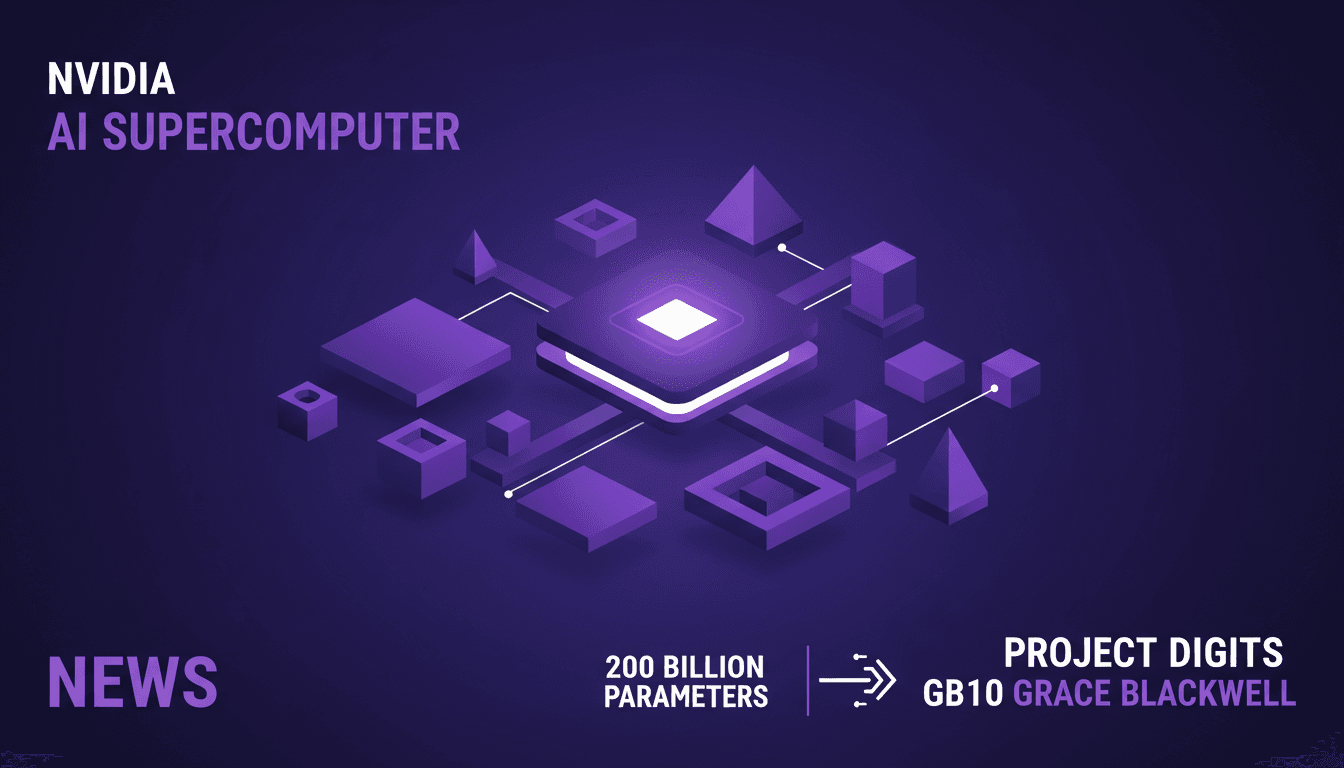
Nvidia's Personal AI Supercomputer: Project DIGITS
I’ve been knee-deep in AI projects for years, but when Nvidia announced their personal AI supercomputer, I knew this was a game changer. Powered by the gb10 Grace Blackwell chip, this beast promises to handle models with up to 200 billion parameters. This isn't just tech hype; it's a shift in how we can build and deploy AI solutions. With power a thousand times that of an average laptop, this isn't for amateurs. Watch out for the pitfalls: before diving in, you need to understand the specs and the costs. I'll walk you through what's changing in our workflows and what you need to know to avoid getting burned.
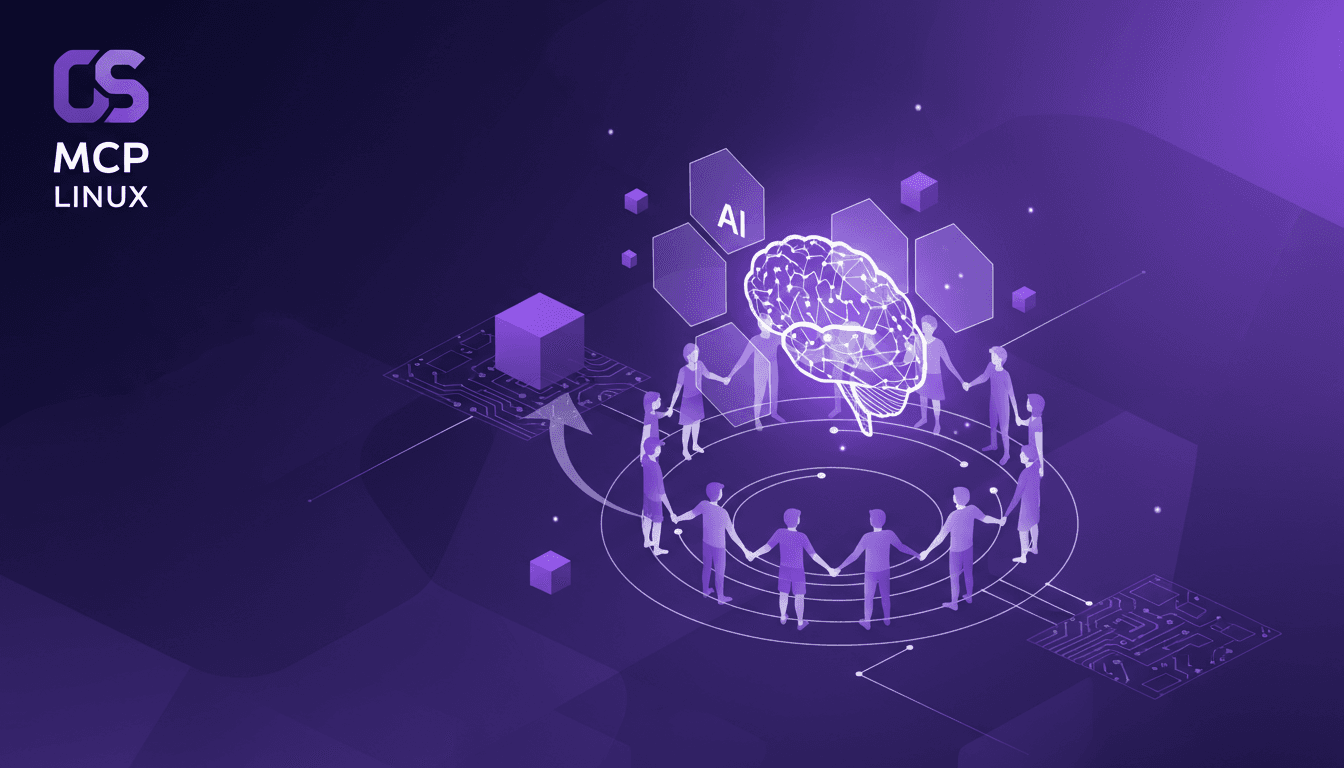
Why We Donated MCP to Linux
I was knee-deep in code when the idea hit me—what if we made the Model Context Protocol open-source? It wasn't just about sharing; it was about community and innovation. Donating the MCP to the Linux Foundation was our way of pushing boundaries and inviting others to join the journey. The technical challenges were many: security, context bloat, but that’s what makes the project exciting. The Agentic AI Foundation plays a crucial role in MCP's adoption and impact within the AI community. Our decision wasn't just a donation; it was an invitation to innovate together. Now, let's dive into the details.
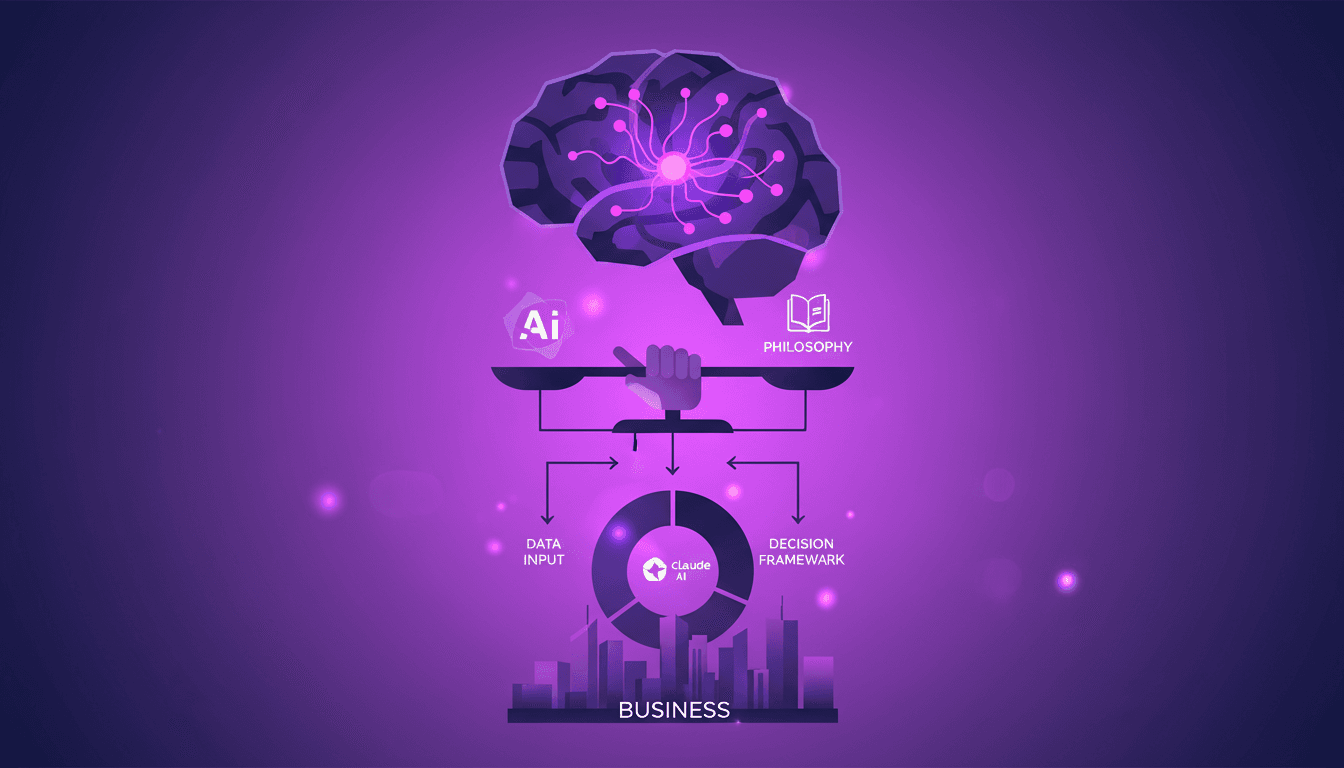
Claude: Philosophy and Ethics in AI
I joined Anthropic not just as a philosopher, but as a builder of ethical AI. First, I had to grasp the character of Claude, the AI model I’d be shaping. This journey isn't just about coding—it's about embedding ethical nuance into AI decision-making. In the rapidly evolving world of AI, ensuring that models like Claude make ethically sound decisions is crucial. This isn't theoretical; it's about practical applications of philosophy in AI. We tackle the character of Claude, nuanced questions about AI behavior, and how to teach AI ethical behavior. As practitioners, I share with you the challenges and aspirations of AI ethics.
Treating AI Models: Why It Really Matters
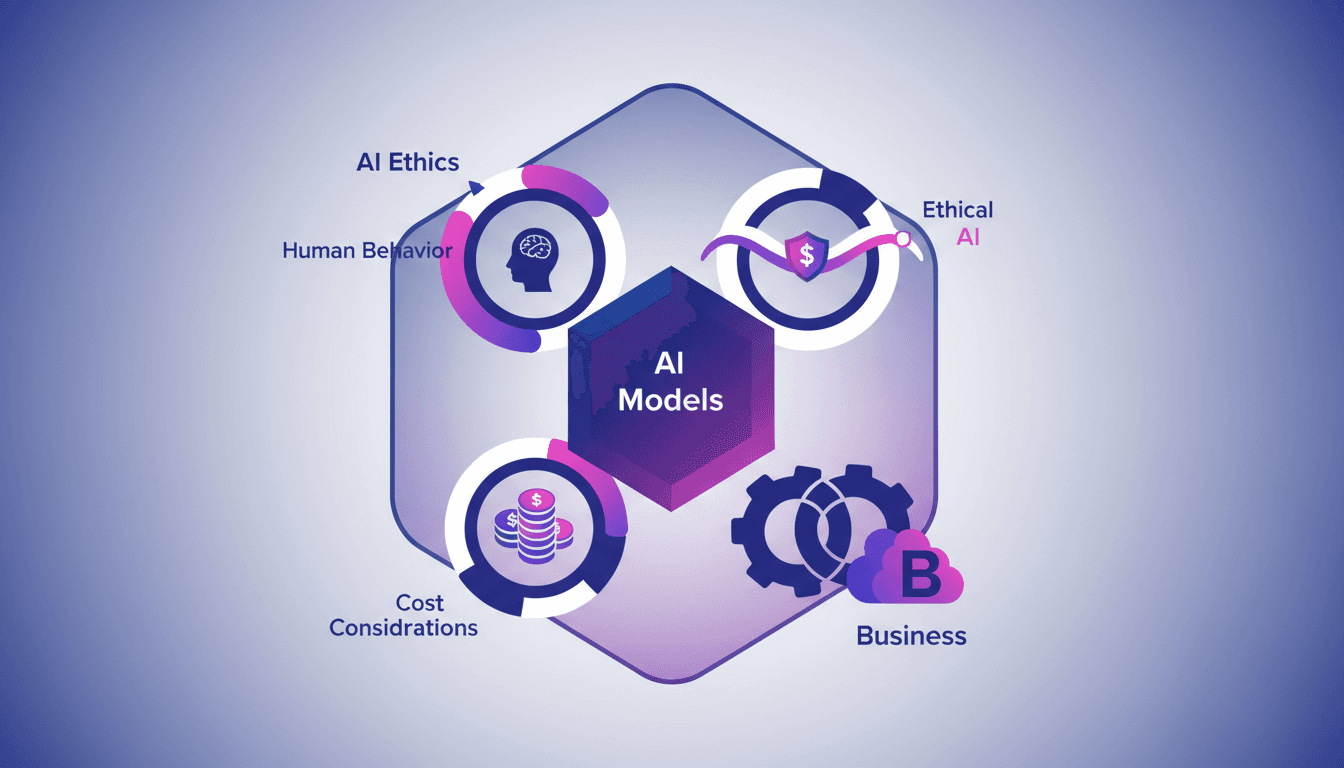
I've been in the trenches with AI models, and here's the thing: how we treat these models isn't just a tech issue. It's a reflection of our values. First, understand that treating AI models well isn't just about ethics—it's about real-world impact and cost. In AI development, every choice carries ethical and practical weight. Whether it's maintaining models or how we interact with them, these decisions shape both our technology and society. We're talking about the impact of AI interactions on human behavior, cost considerations, and ethical questions surrounding humanlike entities. Essentially, our AI models are a mirror of ourselves.
Becoming an AI Whisperer: A Practical Guide
Becoming an 'AI Whisperer' isn't just about the tech, trust me. After hundreds of hours engaging with models, I can tell you it's as much art as science. It's about diving headfirst into AI's depths, testing its limits, and learning from every quirky output. In this article, I'll take you through my journey, an empirical adventure where every AI interaction is a lesson. We'll dive into what truly being an AI Whisperer means, how I explore model depths, and why spending time talking to them is crucial. Trust me, I learned the hard way, but the results are worth it.