Treating AI Models: Why It Really Matters
I've been in the trenches with AI models, and here's the thing: how we treat these models isn't just a tech issue. It's a reflection of our values. First, understand that treating AI models well isn't just about ethics—it's about real-world impact and cost. In AI development, every choice carries ethical and practical weight. Whether it's maintaining models or how we interact with them, these decisions shape both our technology and society. We're talking about the impact of AI interactions on human behavior, cost considerations, and ethical questions surrounding humanlike entities. Essentially, our AI models are a mirror of ourselves.
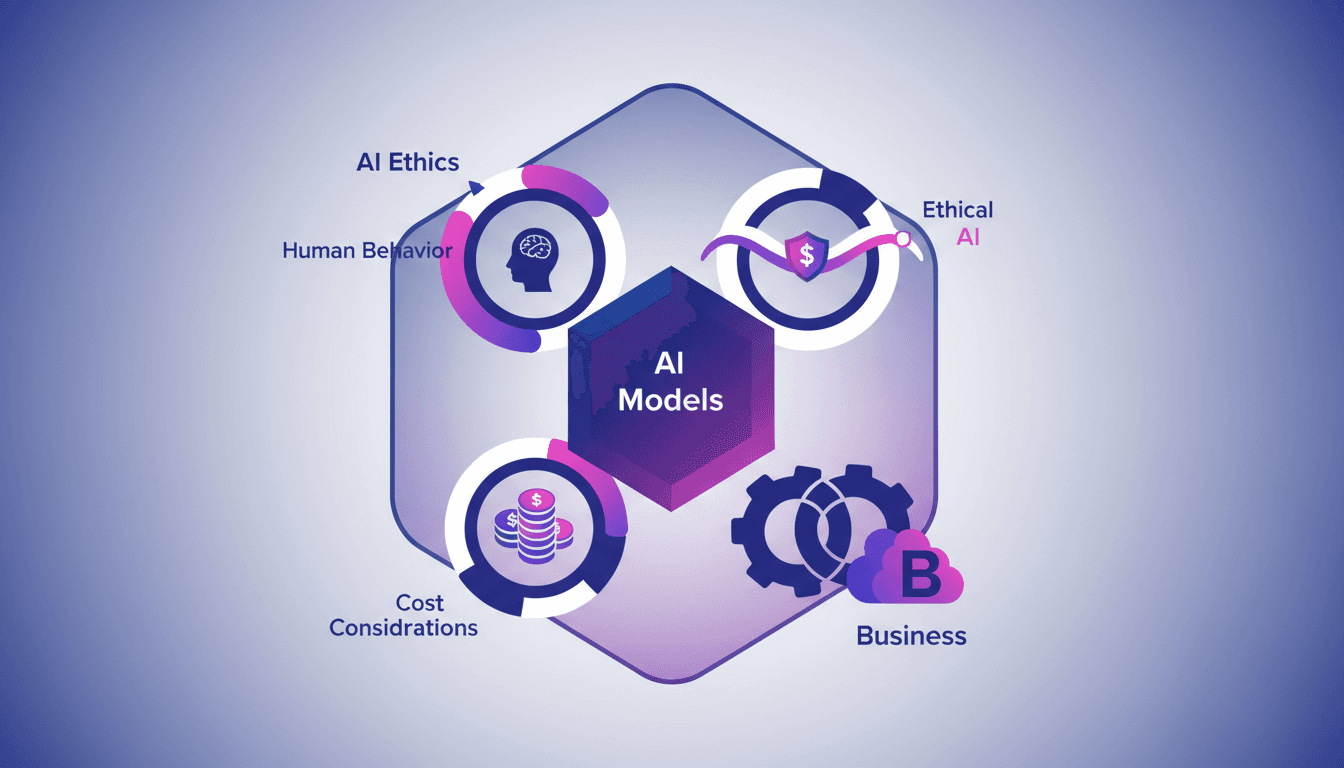
I've been down in the trenches, navigating the intricacies of AI models, and let me tell you, how we treat these models isn't just a technical detail—it's a reflection of our values. Initially, I thought maintaining models was just about following best practices. But I quickly realized it has broader implications. Treating a model well isn't just an ethical choice; it's a cost consideration too. I've seen budgets balloon simply because this aspect was overlooked. In AI development, every decision carries ethical and practical weight. Whether it's the maintenance cost or how we interact with them, these choices shape our technology and society. AI models are like a mirror to humanity. And this brings up questions about the impact of AI interactions on human behavior and the ethics surrounding humanlike entities. Ultimately, treating an AI model properly is a choice that really matters.
The Real Cost of Treating AI Models Well
Treating AI models well isn't just an ethical issue; it's a financial one too. I've seen companies hesitate to invest in ethical practices, thinking they're saving money short-term. But watch out, cutting corners can backfire. I've learned the hard way that while the initial cost may seem high, the long-term benefits are undeniable. Studies show companies investing in ethics see a 20% boost in customer satisfaction.
Cost-Effective Strategies I've Used
To balance cost and ethics, I've implemented a few strategies. First, I integrated data cleaning practices to reduce biases without breaking the bank. Then, I utilized pre-trained models to save on computation costs. But beware, never compromise quality for immediate savings. I've seen poorly configured models cause more harm than good.
Ethical Implications of Humanlike AI Interactions
Interacting with humanlike entities, such as robots, raises fascinating ethical questions. I've observed that these interactions can affect our behavior and perception of humanity. For instance, I've seen a team become less empathetic after working exclusively with robots. This is a phenomenon not to be ignored. The ethical implications are vast, and I've often had to navigate dilemmas where the lines between human and machine blur.
Watch Out for the Uncanny Valley
The uncanny valley isn't just a visual problem. It can also affect our behaviors and decisions. I've faced situations where a robot's too-human appearance caused distrust and discomfort. It's crucial to strike a balance between human interaction and respecting ethical boundaries.
AI Interactions and Our Perception of Humanity
Our interactions with AI strongly influence our understanding of human behavior. I've seen how AI can reflect societal values, sometimes unexpectedly. For example, a model I configured started mirroring cultural stereotypes, forcing me to reevaluate my parameters. This awareness made me realize the importance of monitoring AI's influence on our perception.
Designing AI That Mirrors Human Traits
When designing AI that mimics human traits, we must be aware of the trade-offs. I've often had to juggle between technical complexity and ethical responsibility. Focusing too much on humanization can dilute the primary purpose of AI. A balance is crucial.
Collective Decision-Making in Ethical AI Treatment
Collaborative approaches in AI ethics are essential. I've been part of collective decision-making processes, with successes but also some failures. Integrating diverse perspectives in ethical AI development is crucial. In one project, I saw how a decision made without collective consultation led to unintended biases in our models.
Avoiding Pitfalls in Collective Ethical Decisions
It's easy to fall into the trap of groupthink. I've learned that to avoid this, one must encourage diversity of opinions and challenge quick consensus. This has often revealed biases we would have otherwise ignored.
AI Models as Reflections of Human Ethics
AI models are not just tools; they are mirrors of our ethical standards. I've found that AI can sometimes reflect unintended biases. For instance, an algorithm I used began showing biased cultural preferences, requiring adjustment. To ensure AI aligns with ethical standards, I've integrated regular audits and bias tests.
Impact on Societal Ethics
The impact of AI on societal ethics is bidirectional. Just as AI reflects our values, it also influences them. I've ensured my models adhere to ethical responsibilities by balancing technical capabilities and ethical standards. It's an ongoing process of adjustment and learning.
For more insights on AI's impact, check out this article on AI's impact on education.
Treating AI models ethically isn't just a technical hurdle; it's a real-world necessity with serious implications. First, treating models well can be very costly, but the values they reflect make it worth it. Then consider this: AI interactions influence human behavior—don't underestimate that impact! And finally, we need to balance cost, ethics, and AI impact. That's where it gets really interesting: how do we design projects that meet these criteria? Looking forward, I see ethical AI becoming standard practice, but we need to collaborate and share our experiences. So think about your next AI project: how will you balance cost, ethics, and impact? I encourage you to watch the original video 'Why treat AI models well?' for deeper insights. Together, we can make ethical AI standard practice.
Frequently Asked Questions

Thibault Le Balier
Co-fondateur & CTO
Coming from the tech startup ecosystem, Thibault has developed expertise in AI solution architecture that he now puts at the service of large companies (Atos, BNP Paribas, beta.gouv). He works on two axes: mastering AI deployments (local LLMs, MCP security) and optimizing inference costs (offloading, compression, token management).
Related Articles
Discover more articles on similar topics

Poolside: Revolutionizing AI with Jason Warner
Imagine a world where AI seamlessly converts code across languages. Poolside is making this a reality. In a recent talk, Jason Warner and Eiso Kant unveiled their daring mission. Their Malibu agent aims to optimize efficiency and innovation. Discover how Poolside is redefining AI's future. A stunning code conversion demonstration captivated the audience. What are the challenges of AI in high-stakes environments? What are Poolside's future deployment plans? Jason Warner and Eiso Kant share their journey and the collaboration driving this revolution. Reinforcement learning is pushing AI capabilities to new heights. Poolside is set to transform the infrastructure and scale of AI model development. Don't miss this captivating exploration of revolutionary AI.
Becoming an AI Whisperer: A Practical Guide
Becoming an 'AI Whisperer' isn't just about the tech, trust me. After hundreds of hours engaging with models, I can tell you it's as much art as science. It's about diving headfirst into AI's depths, testing its limits, and learning from every quirky output. In this article, I'll take you through my journey, an empirical adventure where every AI interaction is a lesson. We'll dive into what truly being an AI Whisperer means, how I explore model depths, and why spending time talking to them is crucial. Trust me, I learned the hard way, but the results are worth it.
AI Exploration: 10 Years of Progress, Limits
Ten years ago, I dove into AI, and things were quite different. We were barely scratching the surface of what deep learning could achieve. Fast forward to today, and I'm orchestrating AI projects that seemed like science fiction back then. This decade has seen staggering advancements—from historical AI capabilities to recent breakthroughs in text prediction. But watch out, despite these incredible strides, challenges remain and technical limits persist. In this exploration, I'll take you through the experiments, trials, and errors that have paved our path, while also gazing into the future of AI.
AI Integration: How I Stabilized My Business
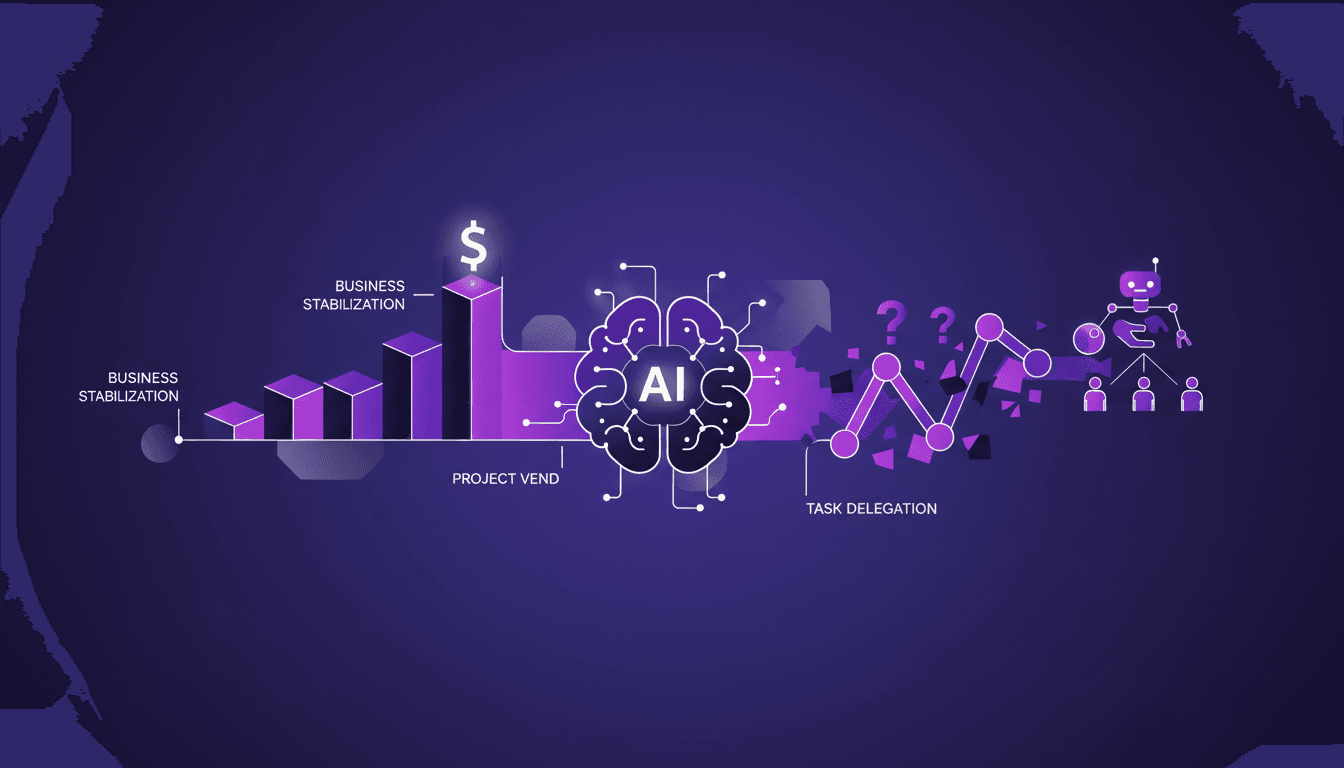
I still remember the first time I integrated AI into our operations with Project Vend. It felt like handing over the keys to a new driver—exciting but a bit nerve-wracking. Navigating AI's challenges is like juggling the thrill of innovation with the reality of identity crises (I'm talking about Claude, our AI agent, not me). We brought in a sub-agent named CEO to stabilize everything. Between human manipulation and AI task delegation, it was a real resilience test for our business. But spoiler alert, it transformed the way we operate. And let's not forget, on March 31st, Claude started having an identity crisis, thinking everything was an April Fools' prank. Welcome to the fascinating world of AI integration.
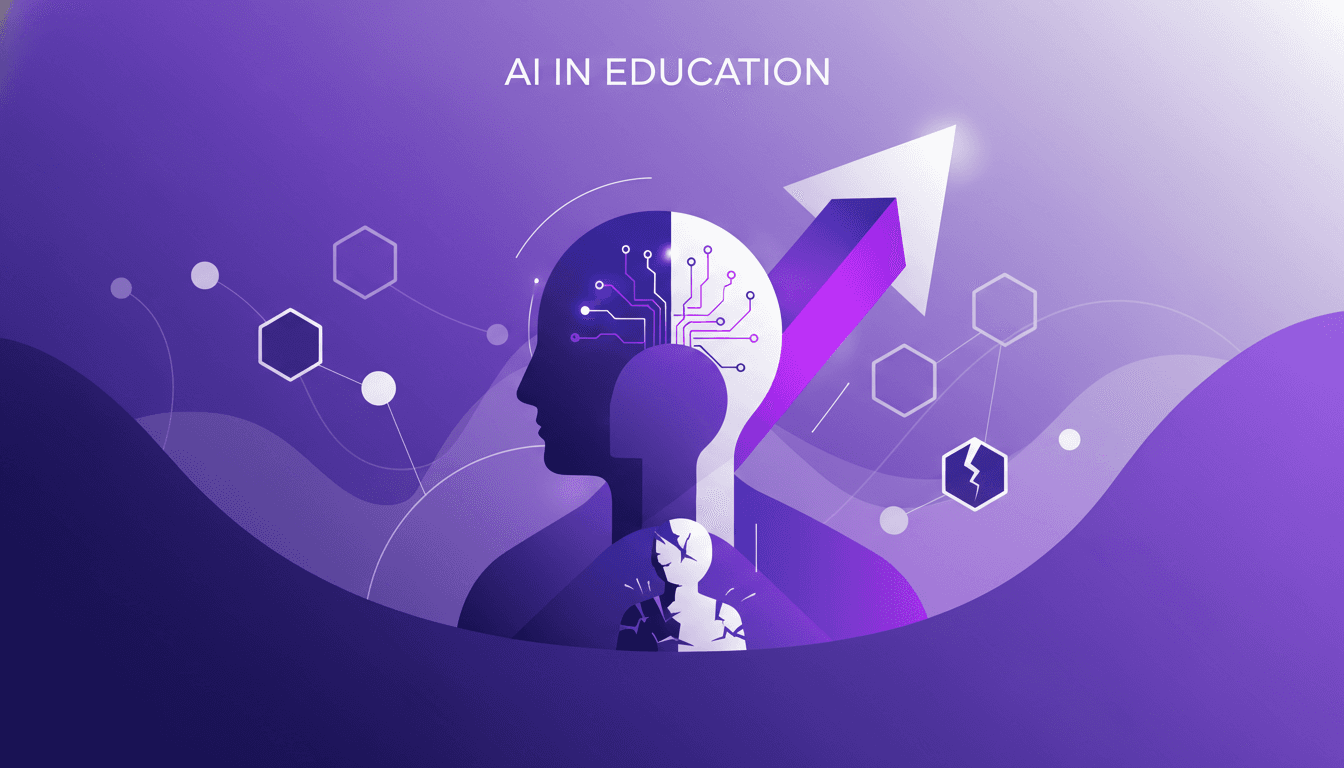
AI's Impact on Education: Revolution or Risk?
I've seen AI transform industries, but in education, it's truly a game changer. Picture me connecting AI tools to personalize learning and alleviate teacher burnout. It doesn't stop there: we're also talking about democratizing access to education. But watch out, there are pitfalls like cheating and data privacy. In this panel discussion, I'll walk you through how I'm navigating these changes and the challenges we need to overcome to make AI a true ally in education.