Tech Sovereignty: Rebuilding France's Stack
I remember the moment I realized tech sovereignty wasn't just a buzzword. It was when I tried to navigate the maze of outsourced infrastructure and felt the limitations firsthand. France, with its rich history in tech, needs to reclaim its stack. In an age where technology dictates geopolitical power, France stands at a crossroads. With historical contributions to tech and a pressing need for resilient infrastructure, it's time to explore the role of leadership and the future of a decentralized, secure web. Let's dive into why and how we rebuild our stack.
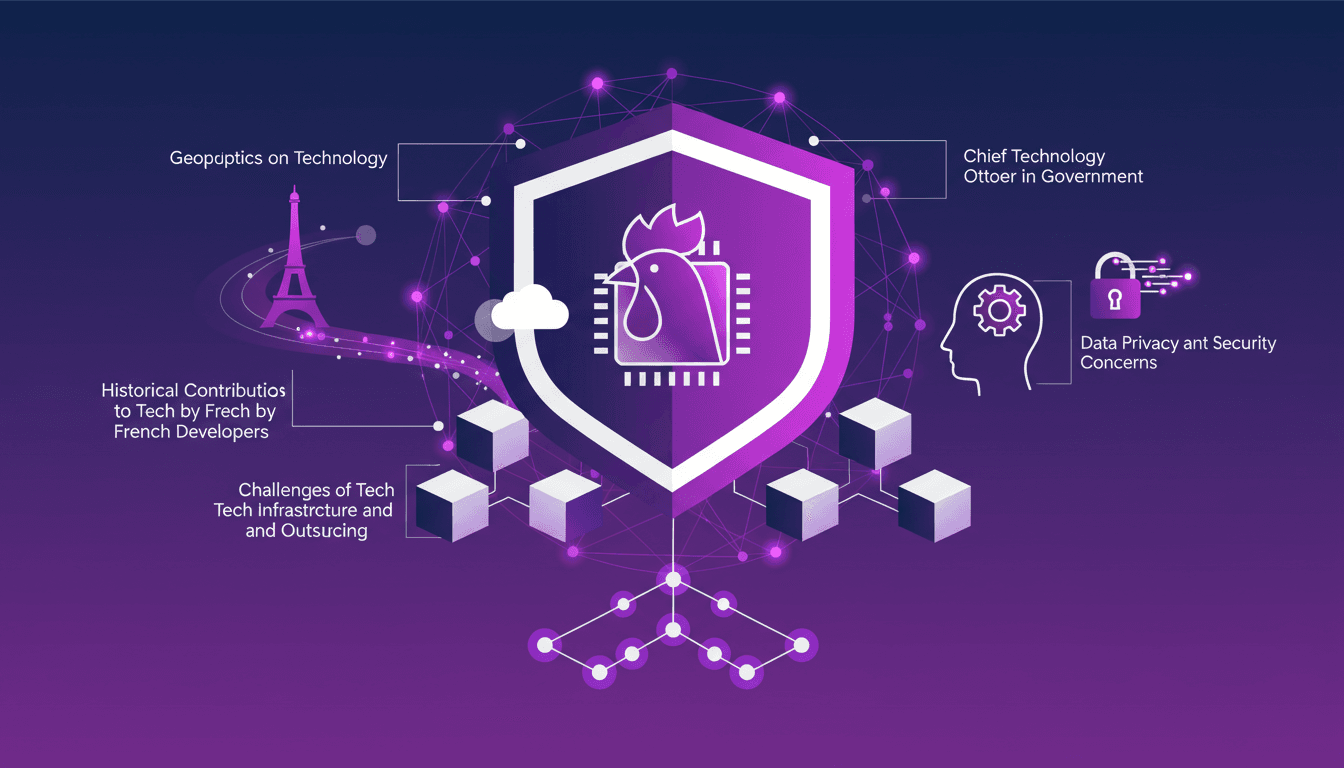
I remember vividly the moment I realized tech sovereignty wasn't just a buzzword. It hit me when I tried to navigate through the maze of outsourced infrastructures and felt the limitations firsthand. That's when it dawned on me that France, with its rich history in tech, needs to reclaim its stack. In a world where technology dictates geopolitical power, France is at a real crossroads. It has a long tradition of innovation, but the urgent need for resilient infrastructure should be our driving force now. The role of the CTO within the government, the challenges of outsourcing, the impact of geopolitics on technology... These are crucial topics to tackle. It's time to rethink our approach and explore the future of a decentralized and secure web. So, why and how do we rebuild our stack? That's what we're going to uncover together.
Understanding Tech Sovereignty and Resilience
Tech sovereignty is more than just a buzzword; it's about regaining control over our digital futures here in France. It's not only about infrastructure but about the very capacity to innovate and withstand external pressures. Historically, France has been a tech leader, pioneering projects like the Minitel, which foreshadowed the modern internet.
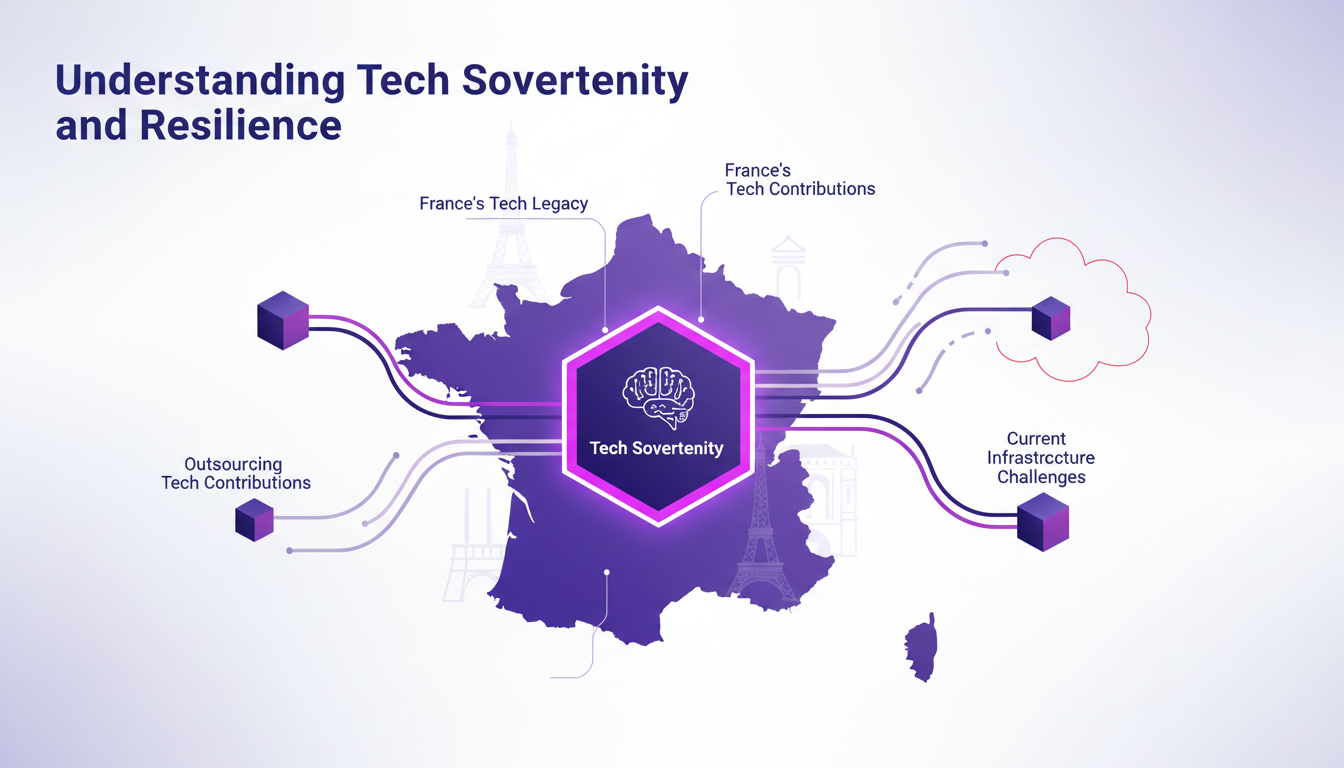
Today, we're at a crossroads. Our infrastructure is aging, heavily relying on foreign vendors. I've seen entire tech stacks move to American clouds, creating a worrying dependency. These decisions, seen 15 years ago, were predicted by visionaries back then. Rebuilding our tech stack is crucial to avoid repeating past mistakes.
The Role of the Chief Technology Officer in Government
A Chief Technology Officer (CTO) in government could revolutionize our tech approach. This role is strategic, guiding tech policy that aligns with geopolitical realities. Looking at past French initiatives, there's been a lack of continuity and long-term vision. A CTO could address this by integrating a clear and proactive strategy.
As a CTO, you don't just follow trends; you orchestrate innovation. It's about balancing innovation with geopolitical considerations. How do we encourage innovation while remaining vigilant against external influences? A proactive CTO can significantly impact national resilience by integrating tech leadership into strategic decisions.
Challenges in Building a Resilient Tech Infrastructure
Building a resilient infrastructure is no small feat. Infrastructure gaps are glaring, and our reliance on foreign tech is concerning. Take Scaleway and VH, contributing around 30% of the GDP in infrastructure. Their role is crucial but not enough if existing gaps aren't filled.
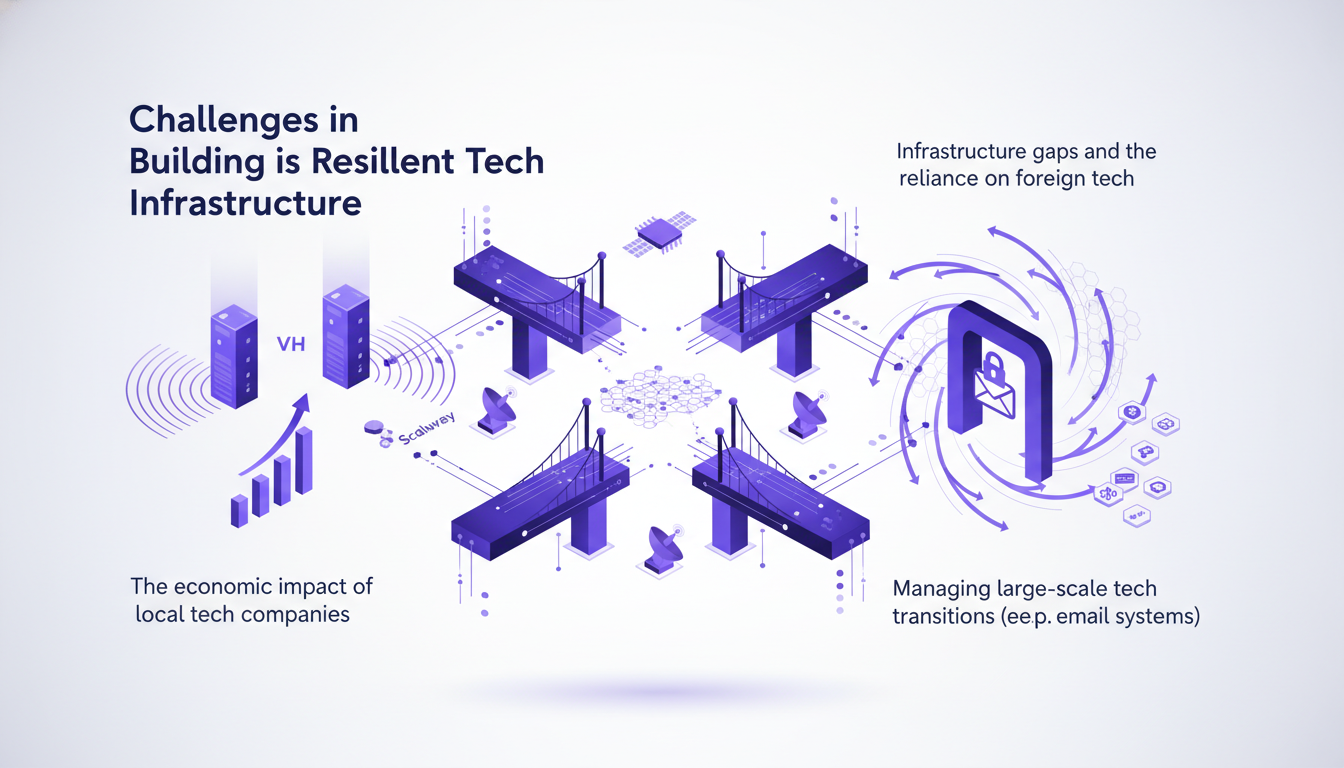
Large-scale tech transitions, like shifting to a new email system, are complex. Balancing speed with security is a delicate balance to maintain. I've often seen projects fail due to lack of preparation or haste. Past infrastructure lessons are clear: success requires time, resources, and a long-term vision.
Geopolitical Influence and the Future of Tech Platforms
Geopolitics shapes our tech policies more than ever. With the rise of global tech giants, the pressure to maintain our tech autonomy is strong. This drives a push towards a decentralized internet, where platforms aren't controlled by a few powerful entities.
French developers have a key role to play here. By developing technologies that support autonomy, we can avoid being trapped by global giants. I've seen how open-source solutions can provide viable alternatives and ensure greater independence.
Data Privacy and Security in the Digital Age
Data privacy is a major concern today. Decentralization plays a crucial role in enhancing security. But balancing user privacy with national security remains a challenge.
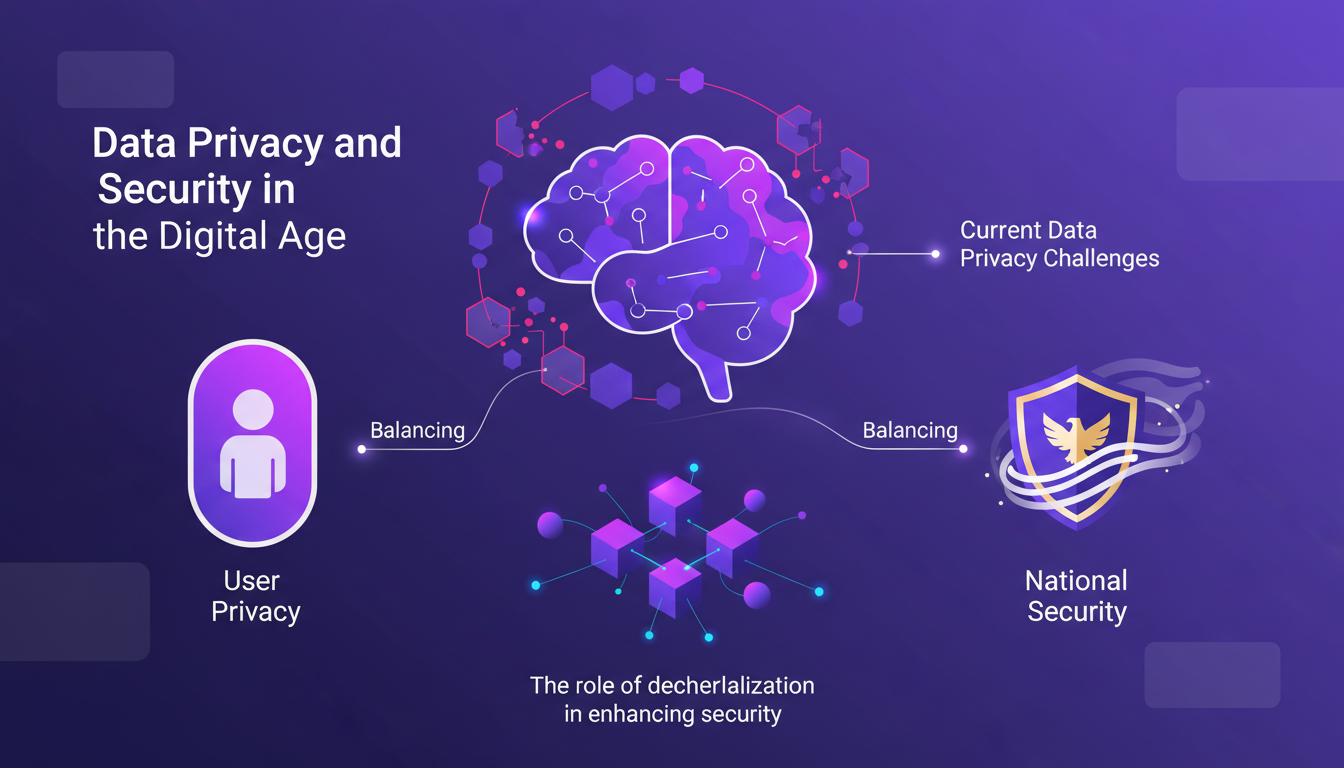
French innovations in data protection are leading the way. By preparing for future privacy regulations now, we can anticipate upcoming challenges. I've often noticed that pioneering solutions in France end up being adopted globally, proving our ability to innovate in this strategic area.
When I rebuild France's tech stack, I'm not just thinking about infrastructure—it's all about sovereignty and resilience for the future. I leverage our historical strengths and tackle current challenges with strategic leadership. Here are some key takeaways:
- Tech sovereignty is like planting a tree: the best time was 15 years ago, but the second best time is now.
- With players like VH or Scaleway, we can aim for 30% of GDP to be supported by our own infrastructure.
- We can't afford to wait 12 years to adopt new technologies, like the recent release of the MacBook Neo. I genuinely believe that France's tech future can be redefined, but watch out for pitfalls like over-reliance on outsourcing. Interested? Join the conversation on how we can all contribute to tech sovereignty. Check out the full video for deeper insights—it's a real game changer if we do it right. YouTube link
Frequently Asked Questions

Thibault Le Balier
Co-fondateur & CTO
Coming from the tech startup ecosystem, Thibault has developed expertise in AI solution architecture that he now puts at the service of large companies (Atos, BNP Paribas, beta.gouv). He works on two axes: mastering AI deployments (local LLMs, MCP security) and optimizing inference costs (offloading, compression, token management).
Related Articles
Discover more articles on similar topics
Quantum Teleportation: China's Game-Changing Move
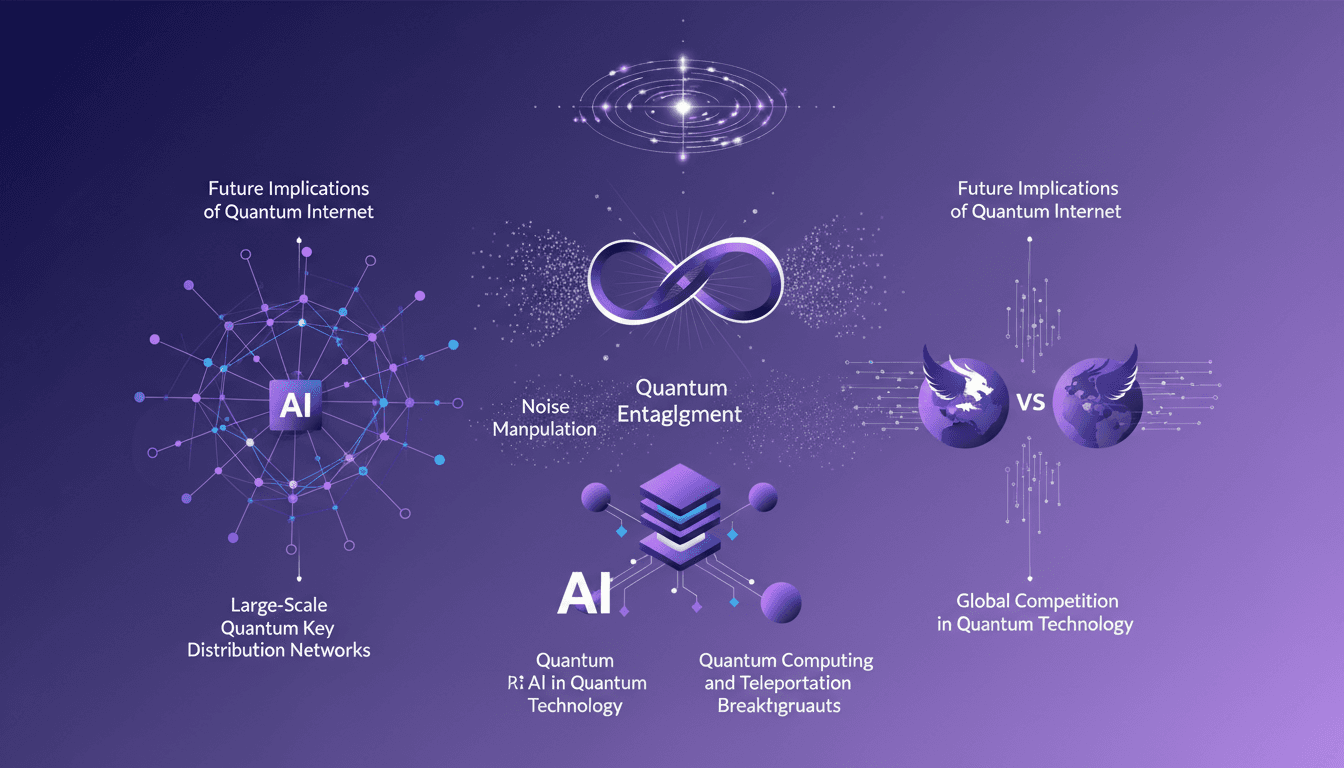
I remember when quantum teleportation was just a distant dream, a topic we debated for 30 years. But now, with China's staggering $17.5 billion investment, that dream is becoming a reality, and I'm right in the thick of it. Quantum teleportation isn't just a sci-fi concept anymore. Thanks to major breakthroughs in quantum entanglement and noise manipulation, we're seeing real-world applications unfold at breakneck speed. Let's dive into how China is leading the charge and what it means for us tech enthusiasts. With large-scale quantum key distribution networks and AI's role in quantum technology, the global race for quantum supremacy is heating up fast. It's a pivotal moment, and understanding these stakes is crucial if you don't want to be left behind.
GPT 5.5: Token Speed and Enterprise Strategy
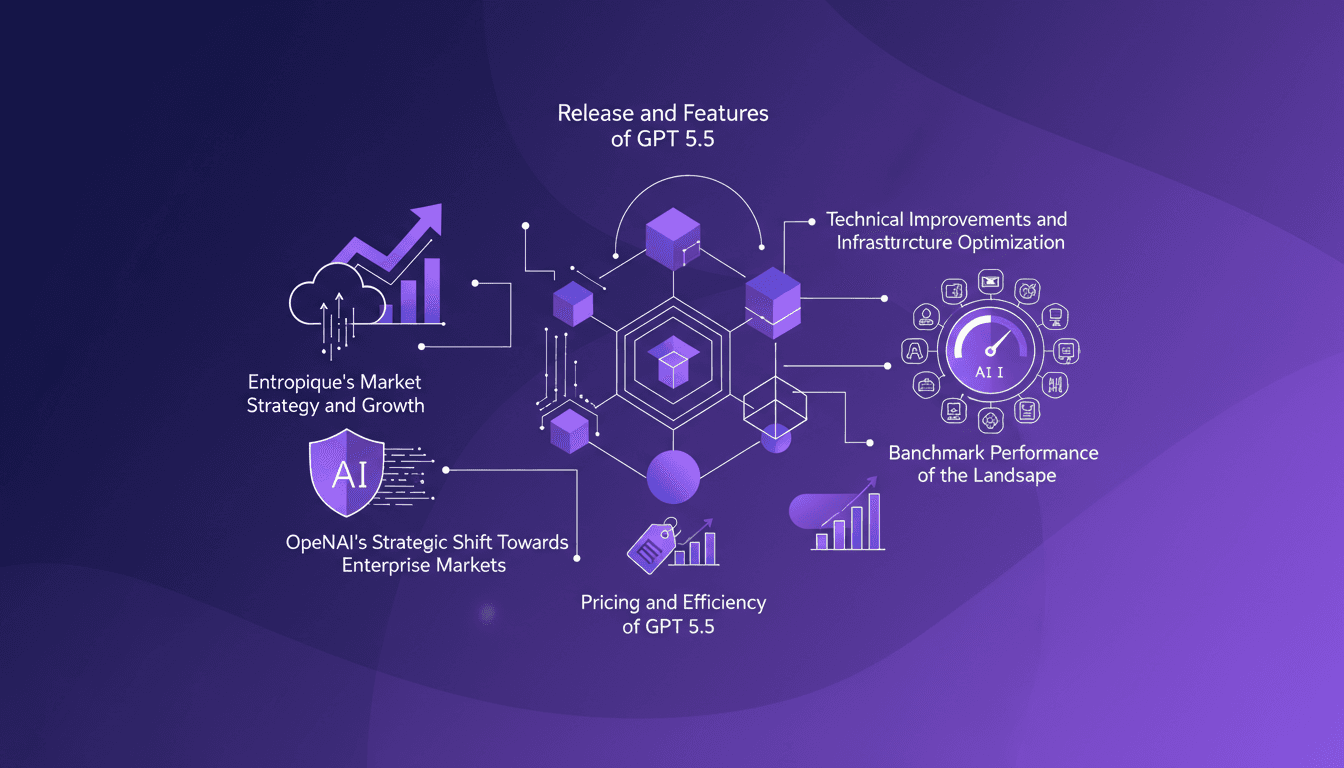
I dove into GPT 5.5 the moment it dropped, and let me tell you, the 20% token speed boost isn't just a number—it's a game changer for real-time applications. But there's more under the hood than just speed. Released on April 23, 2026, this model marks a rapid evolution in OpenAI's offerings. This isn't just about new features; it's a strategic pivot towards enterprise solutions, optimizing infrastructure, and redefining efficiency. We'll explore the release of GPT 5.5, Entropique's market strategy, the impact of Cloud Code on the coding landscape, and how OpenAI is reshaping its approach to conquer the enterprise markets.
Gemma 4: Open Models and Accessibility
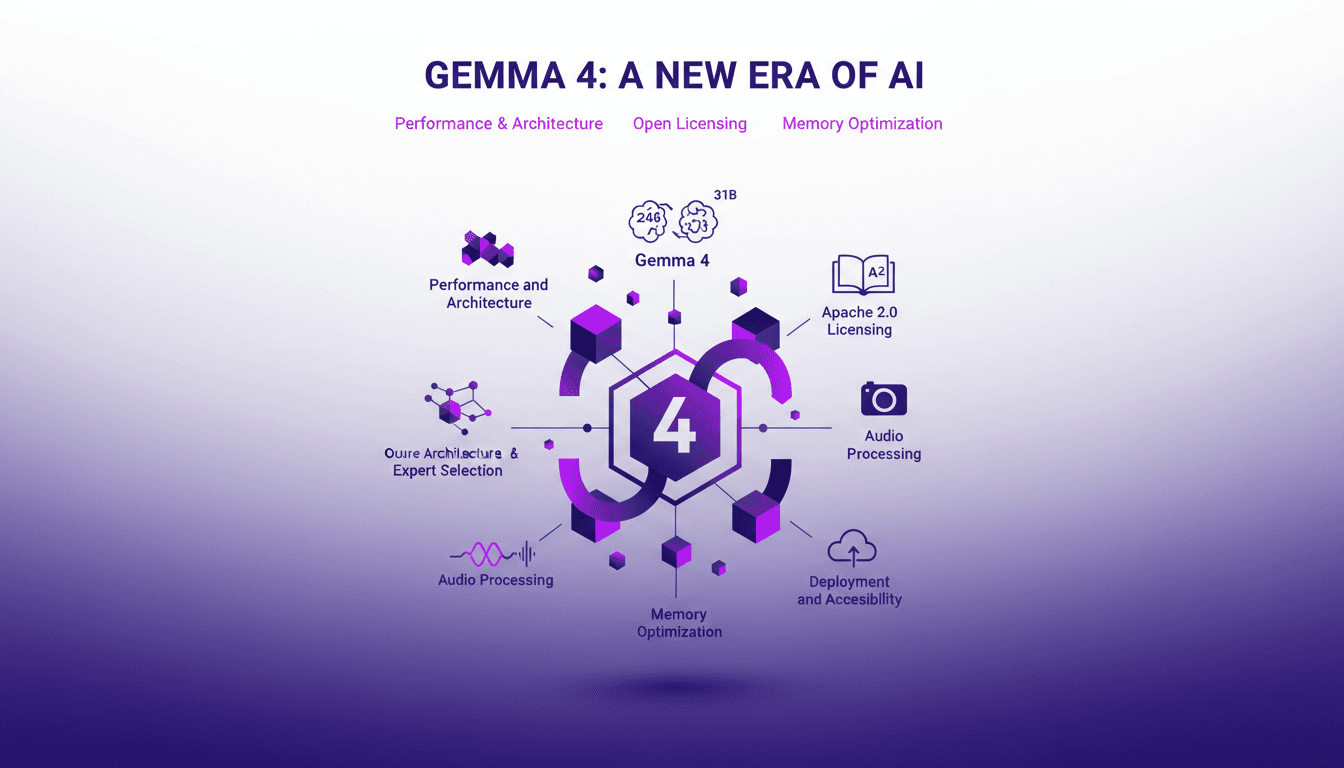
I dove into Gemma 4, the latest gem from Google DeepMind's open models, and it's like stepping into a new realm of possibilities. With its 26B and 31B models, we're talking about performance that's potentially a game changer (especially with its Apache 2.0 licensing making all this super accessible). Let me walk you through how I leveraged its architecture and why it matters for us builders. We'll discuss Oure architecture, multimodal capabilities, memory optimization with PLE, and even its audio processing prowess. Don't miss how these models can be deployed and made accessible for everyone.
Intelligent Agents: Revolutionizing Personalized Medicine
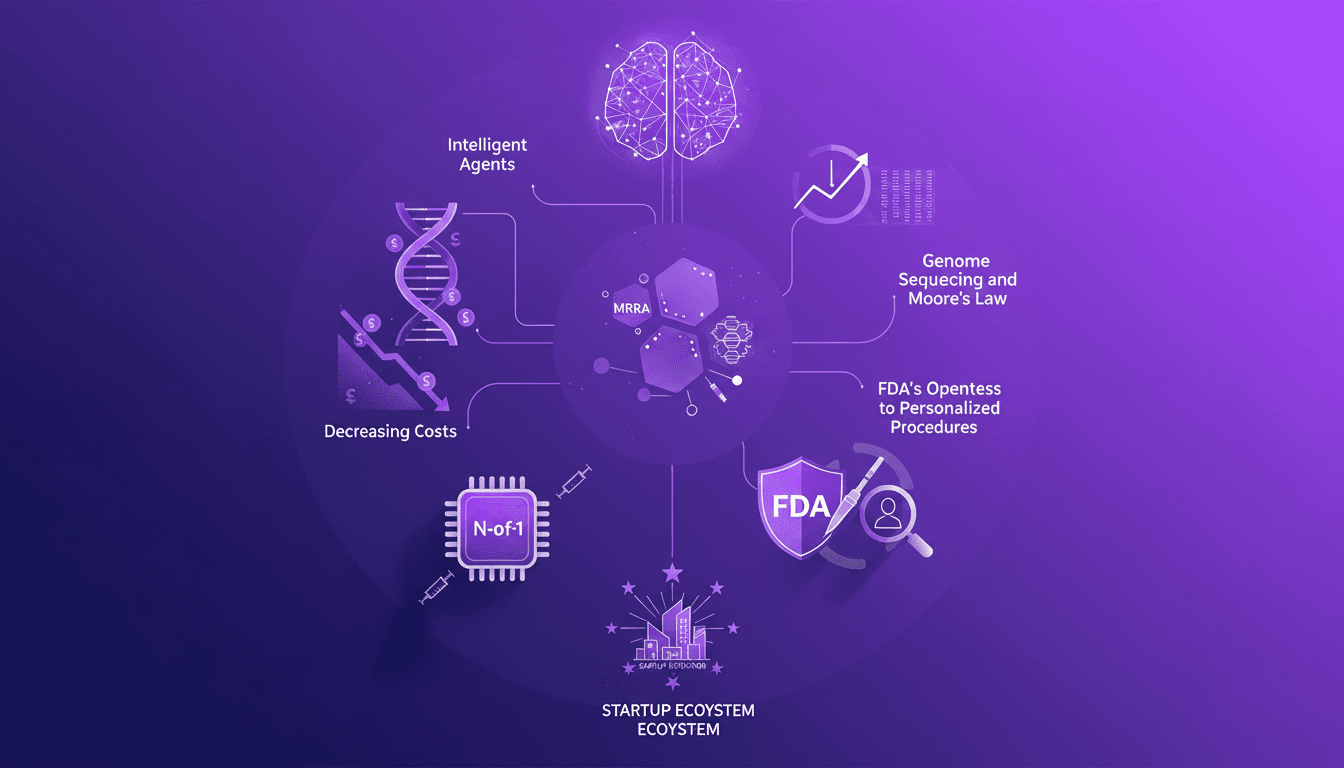
I've seen firsthand how intelligent agents are transforming personalized medicine. It's not just theory anymore; it's happening in real clinics, and it's cutting costs like never before. We're at a tipping point where technology and medicine converge. From genome sequencing to mRNA delivery, the landscape is rapidly evolving. Let me walk you through how this is reshaping healthcare. With Moore's Law in play, genome sequencing costs are plummeting, and N-of-1 genetic medicines are becoming more affordable than ever. Startups are playing a pivotal role in this ecosystem, and even the FDA is opening up to personalized procedures. As a practitioner, I'll take you behind the scenes of what's really happening.
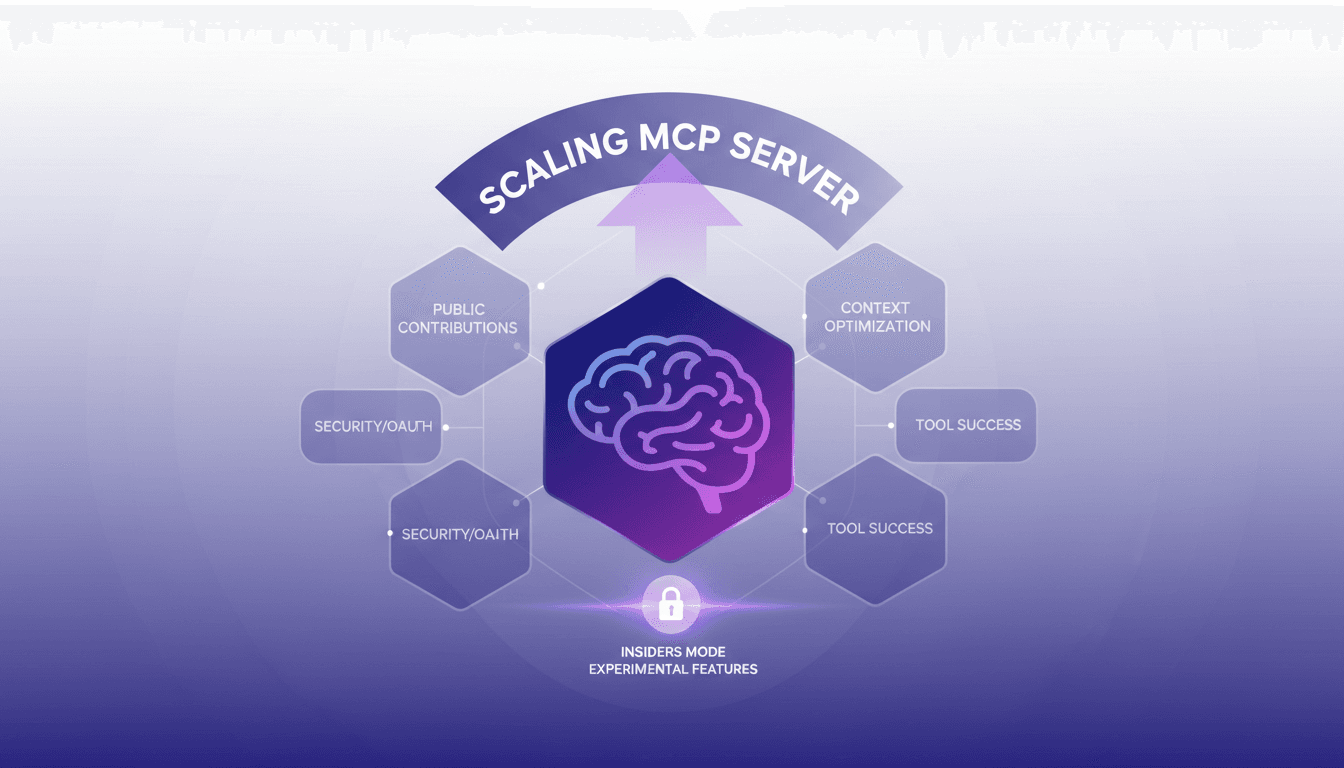
Scaling GitHub's MCP Server: Key Lessons
I remember the first time I scaled GitHub's MCP server. It was a beast of a task, but through trial and error, I learned what works, what doesn't, and where the real value lies. In this article, I'll walk you through the journey of scaling GitHub's MCP Server, highlighting the challenges, optimizations, and security enhancements that made the difference. We'll dive into public contributions, context overload, OAuth implementation, and using Redis for stateless server setups. If you've ever juggled over 100 tools but want to cut it down by 49%, keep reading. This is field insight, not abstract theory.