GPT 5.5: Token Speed and Enterprise Strategy
I dove into GPT 5.5 the moment it dropped, and let me tell you, the 20% token speed boost isn't just a number—it's a game changer for real-time applications. But there's more under the hood than just speed. Released on April 23, 2026, this model marks a rapid evolution in OpenAI's offerings. This isn't just about new features; it's a strategic pivot towards enterprise solutions, optimizing infrastructure, and redefining efficiency. We'll explore the release of GPT 5.5, Entropique's market strategy, the impact of Cloud Code on the coding landscape, and how OpenAI is reshaping its approach to conquer the enterprise markets.
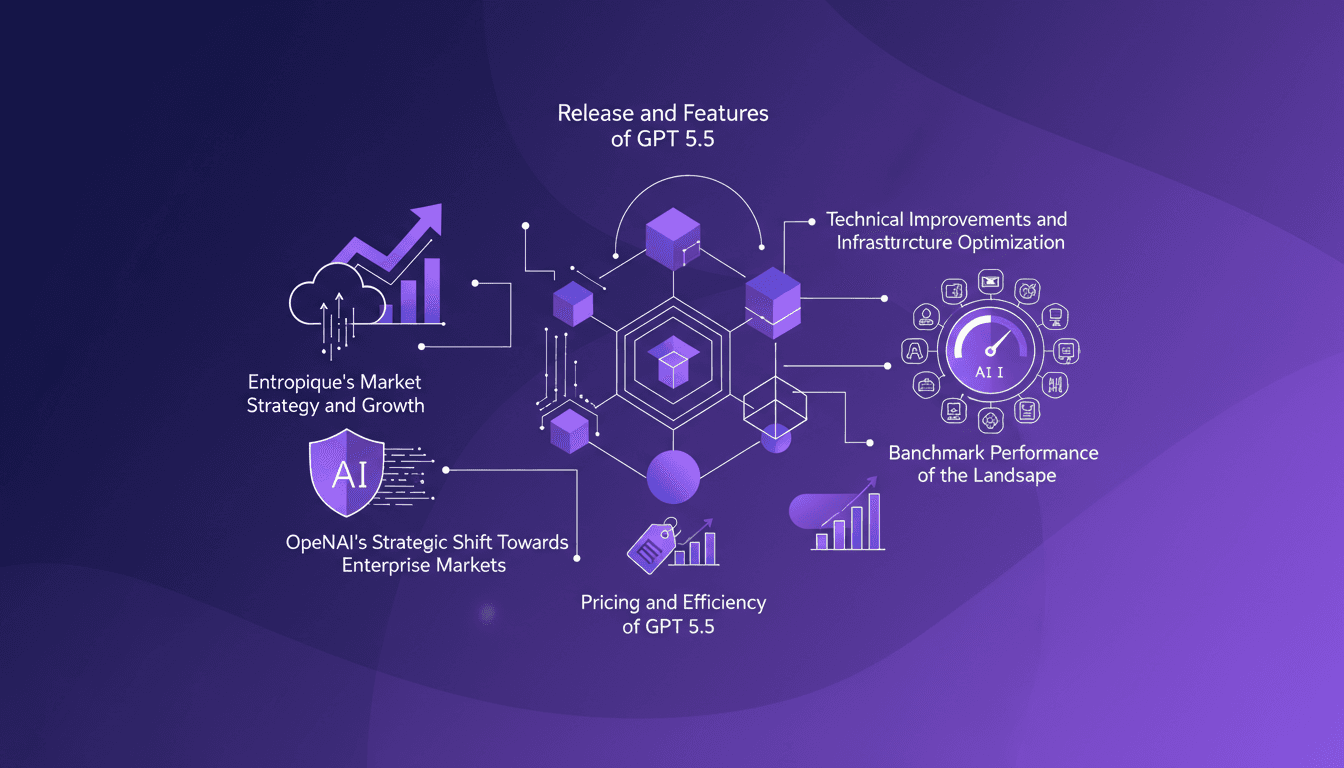
The moment GPT 5.5 dropped, I dove in headfirst like a kid in a candy store. The 20% token speed boost? Not just a number—it's a game changer for real-time apps. But hold on, there's a lot more under the hood. Released on April 23, 2026, GPT 5.5 lands just weeks after its predecessor, signaling a rapid evolution in OpenAI's offerings. This isn't just about new features; it's a strategic pivot towards enterprise solutions. Infrastructure gets optimized, efficiency redefined. I'm going to walk you through how GPT 5.5 is a game changer, Entropique's market strategy, Cloud Code's impact on the coding landscape, and how OpenAI is reshaping its approach to conquer the enterprise markets. Let's be clear, with the new technical optimizations and benchmark performance, GPT 5.5 isn't just an update. It's a strategic leap forward in an increasingly competitive AI landscape.
Unpacking GPT 5.5: Features and Speed
First off, when I started using GPT 5.5, the 20% increase in token generation speed was immediately noticeable. It's not just faster; it's also smarter. A real game changer. Released on April 23, 2026, just six weeks after GPT 5.4, this model shows an incredible pace of innovation.
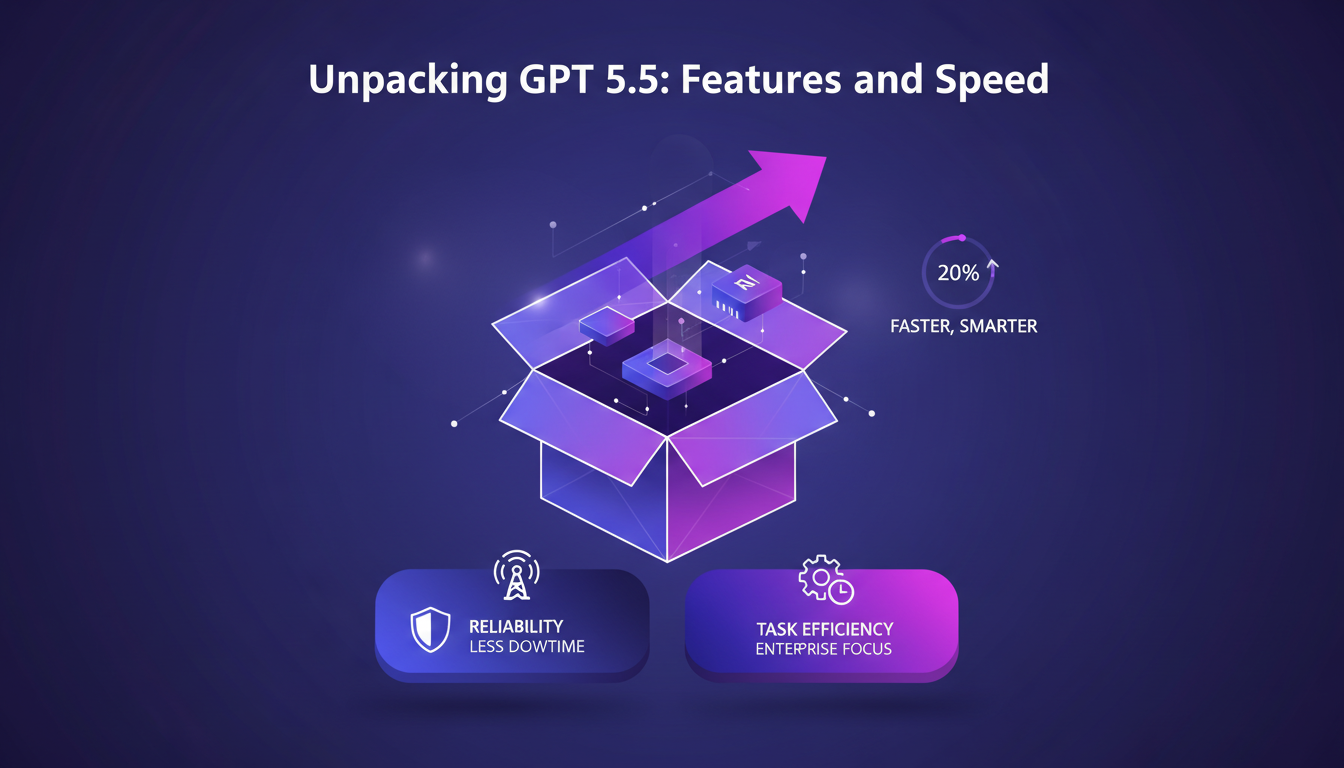
Infrastructure optimizations are another highlight. Less downtime, better reliability—exactly what I needed as a developer. However, watch out: the relationship between speed and resource usage isn't always linear. Sometimes, pushing too hard on speed can lead to higher-than-expected resource consumption.
Entropique's Market Strategy and Cloud Code Impact
Entropique hit $9 billion in revenue by 2025 through aggressive market strategies. But the real disruptor is Cloud Code. I integrated it into my workflow and saw manual coding time shrink significantly. However, be cautious about over-relying on automation, as it might lead to oversights in critical areas.
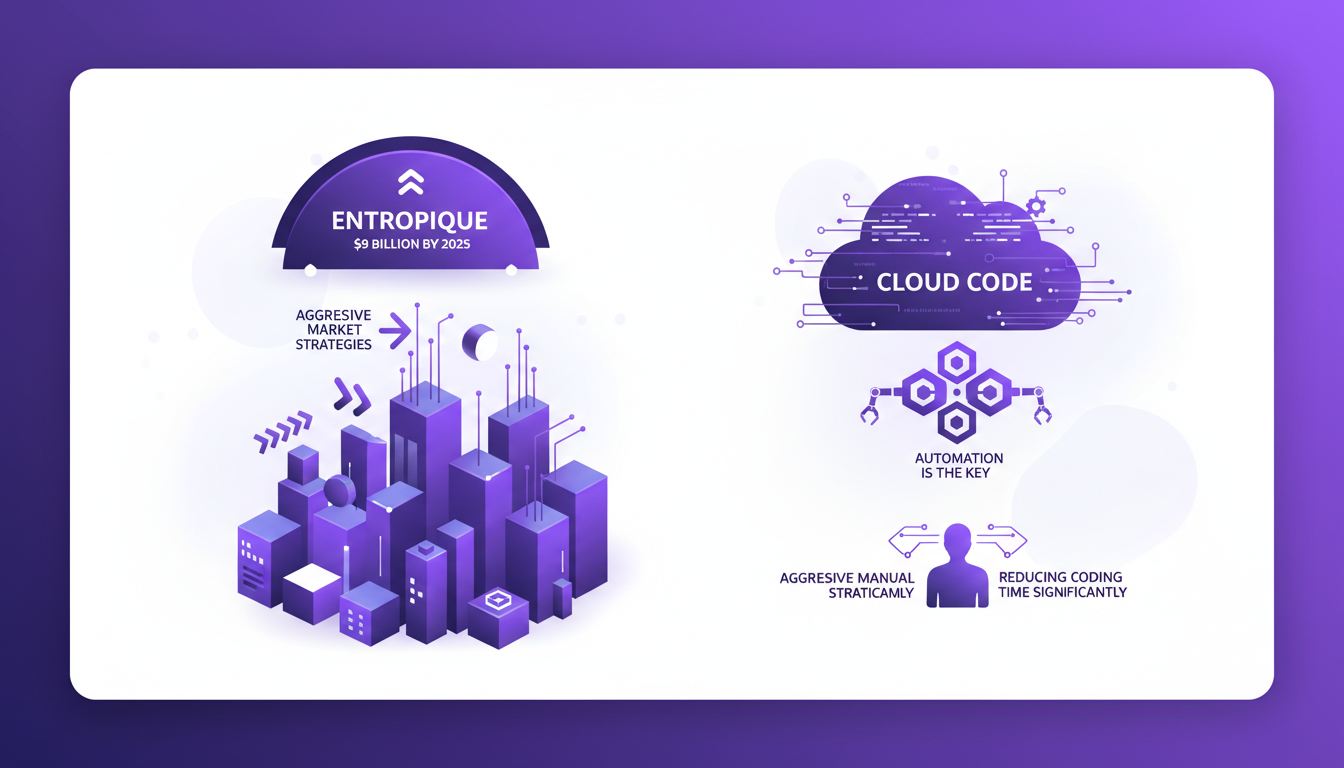
Cloud Code generates $2.5 billion annually, and it's projected to produce 20% of all open source commits by late 2026. For me, it's a silent revolution reshaping the development world.
OpenAI's Shift to Enterprise Markets
OpenAI is now targeting enterprise clients with tailored solutions. The GPT 5.5 model is designed for this purpose, with massive gains in efficiency. I've witnessed how these solutions transform business operations. Yet, there are trade-offs: higher costs and increased complexity during deployment.
The "flywheel effect" is evident here. More data leads to better models, which attract more clients, creating a virtuous cycle that propels OpenAI forward.
Pricing, Efficiency, and Technical Improvements
With GPT 5.5, pricing per token is becoming less relevant. The focus is on task efficiency. Thanks to infrastructure optimizations, I've seen a direct impact on my projects' bottom line. However, initial setup costs and learning curves can be barriers.
The pricing has doubled, reaching $5 per million tokens in and $30 out. This reflects the growing value of faster, more efficient models.
Benchmarking GPT 5.5 and Competitive Landscape
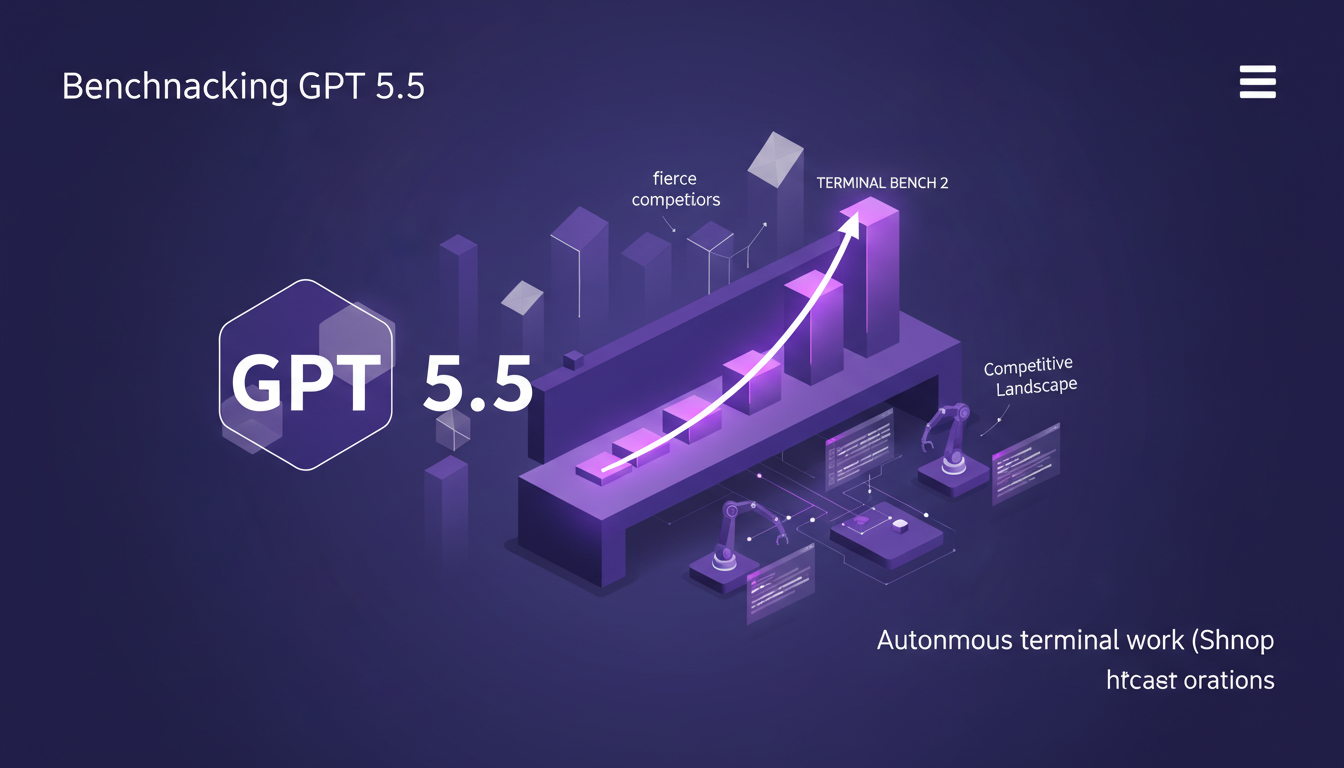
Results from Terminal Bench 2 show significant performance improvements for GPT 5.5. Against competitors, the model holds its ground, but the landscape remains fierce. Autonomous terminal work is becoming more feasible, changing how we interact with AI.
In this rapidly evolving field, stay alert. Today's leader can be tomorrow's follower.
With the release of GPT 5.5, we're not just looking at an upgrade; it's a full-on strategic leap for OpenAI. First off, there's a 20% increase in token generation speed, meaning faster responses and improved efficiency in our daily workflows. Then, the focus on enterprise clearly shows OpenAI's intent to capture this market with new offerings. Lastly, Cloud Code is redefining how we code by making AI integration into projects much more seamless. But watch out, with these advancements come complexities, particularly in managing costs and expectations.
Looking ahead, GPT 5.5 could truly be a game-changer for those who know how to leverage it wisely. Take the time to dive into GPT 5.5 yourself and see how it can transform your workflows. And for a deeper insight, I highly recommend watching the original video: GPT 5.5 vient de sortir : OpenAI est de retour.
Frequently Asked Questions

Thibault Le Balier
Co-fondateur & CTO
Coming from the tech startup ecosystem, Thibault has developed expertise in AI solution architecture that he now puts at the service of large companies (Atos, BNP Paribas, beta.gouv). He works on two axes: mastering AI deployments (local LLMs, MCP security) and optimizing inference costs (offloading, compression, token management).
Related Articles
Discover more articles on similar topics
GPT 5.5: Revolutionizing Code and Workflow
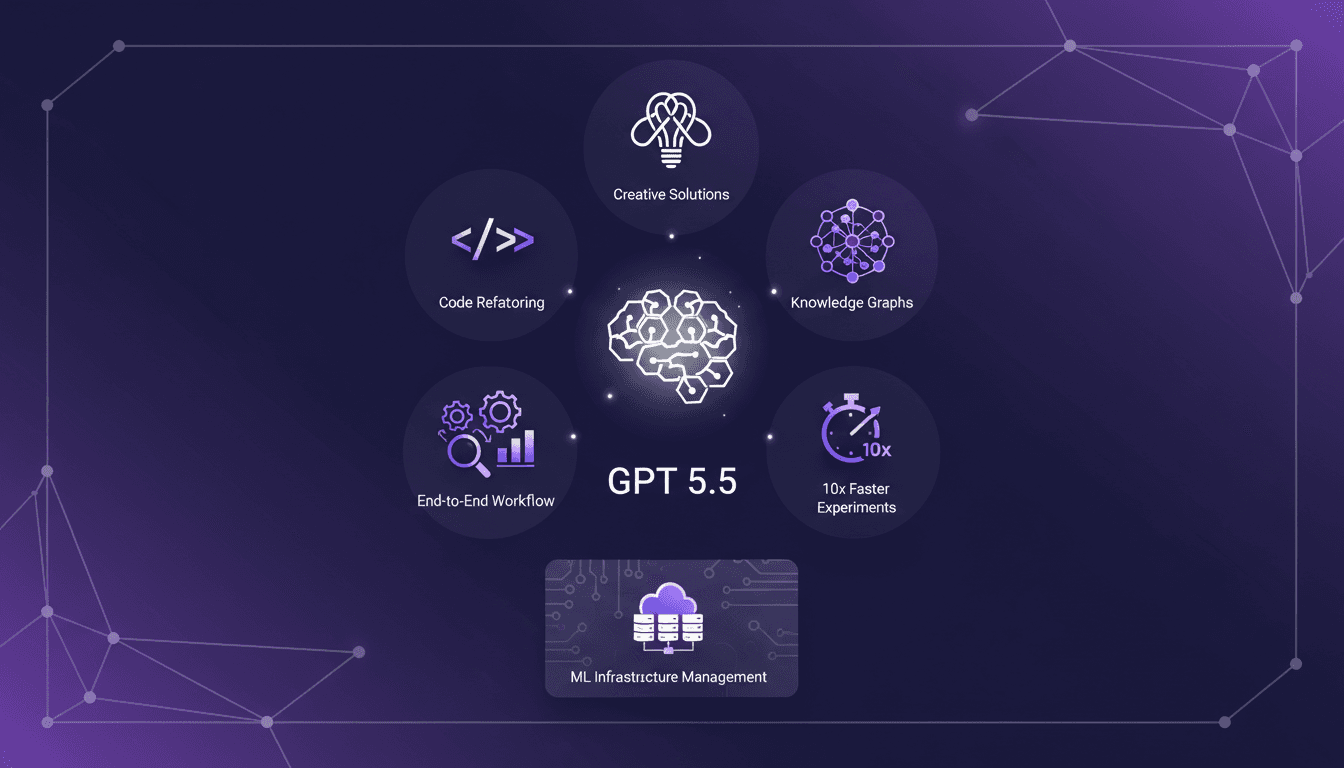
I've been in the AI trenches for years, but GPT 5.5 is truly a game changer. I connected it to my usual workflows, refactored code, and even built knowledge graphs more efficiently than ever. This model isn’t just about incremental improvements; it redefines how AI can tackle complex problems. With a 10x speed improvement in running experiments, I can orchestrate entire projects end-to-end without worrying about the machine learning infrastructure. If you've ever been frustrated by the limits of previous models, now's the time to dive into GPT 5.5.
AI Native Services: Revolutionizing Industries
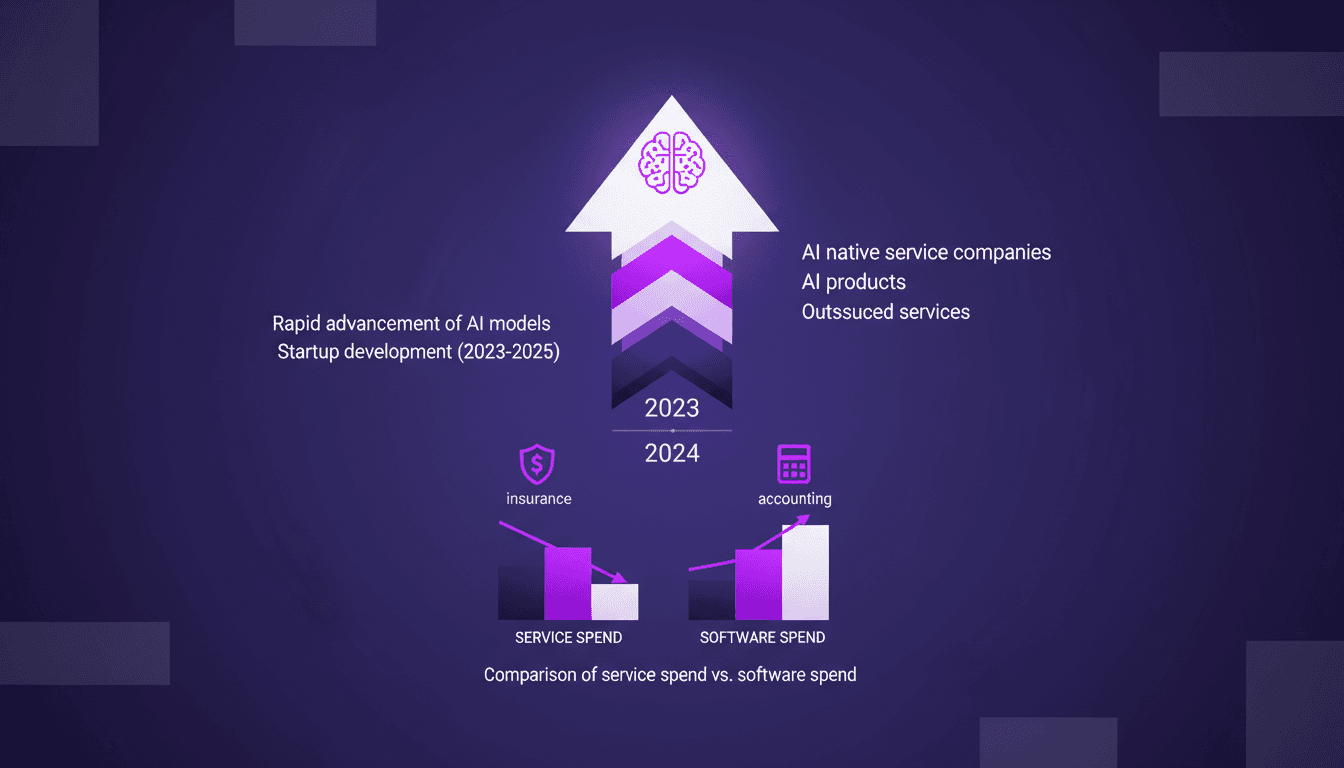
I've been knee-deep in AI for years, watching tools evolve into full-fledged AI native services. This isn't just a trend—it's a revolution. With AI models advancing at breakneck speed, we're witnessing a shift from traditional software tools to AI-native services. These aren't just buzzwords—real companies are emerging that leverage AI to replace entire service sectors. Industries like insurance and accounting are already feeling the impact. Let me walk you through how this unfolds and why it's a game changer. It's not just hype, it's happening.
Teaching AI to Close: 6 Months of Insights
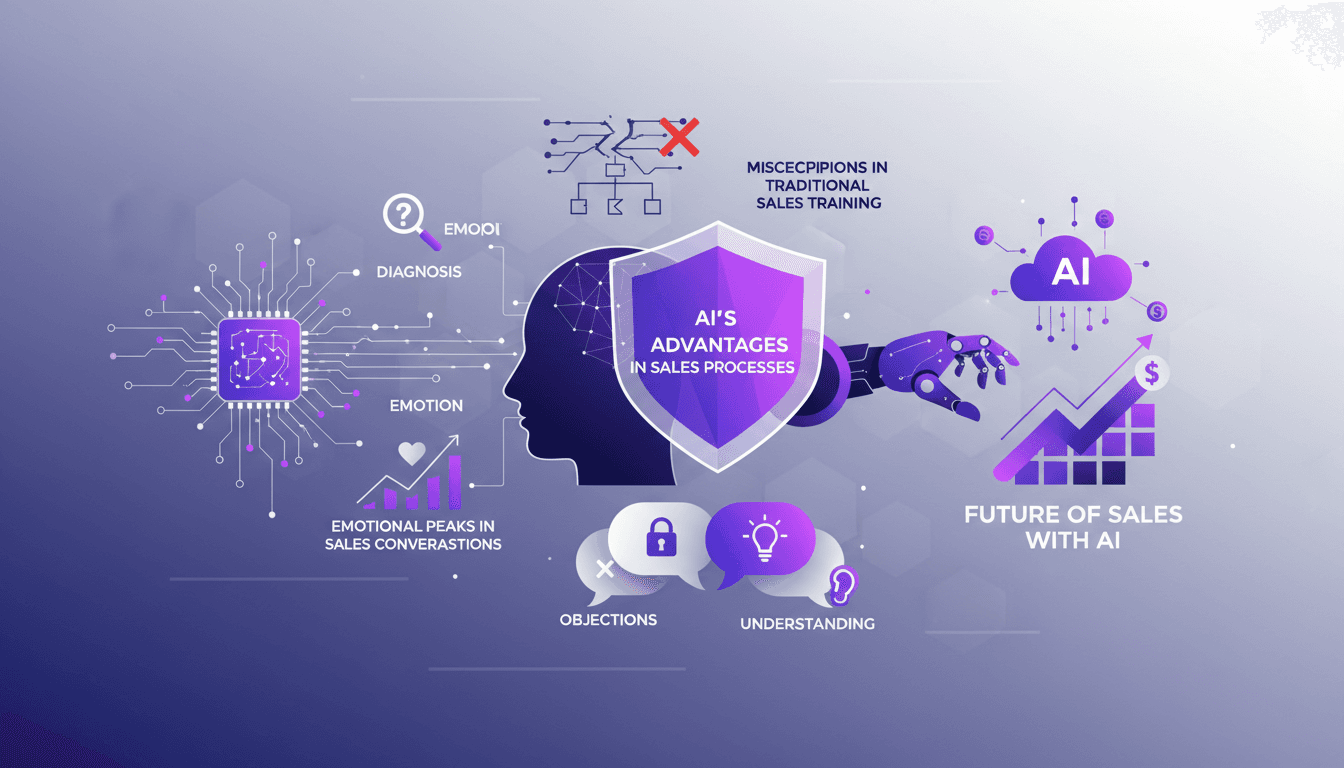
I spent six months training an AI to close deals—230 real estate investors and wholesalers later, I learned that AI's edge isn't speed, but its lack of ego. This journey reshaped my understanding of sales, challenging traditional training methods. In a field that's been taught the same way for a century, AI is changing the game. Let's dive into how AI can optimize sales processes and redefine how we approach prospects. Topics include AI's role in sales, misconceptions in traditional sales training, the importance of diagnosing prospects, and the future of sales with AI. Get ready for a deep dive into the future of sales, where AI might just become your best ally.
AI Studio & Gemini: Revolutionizing Development
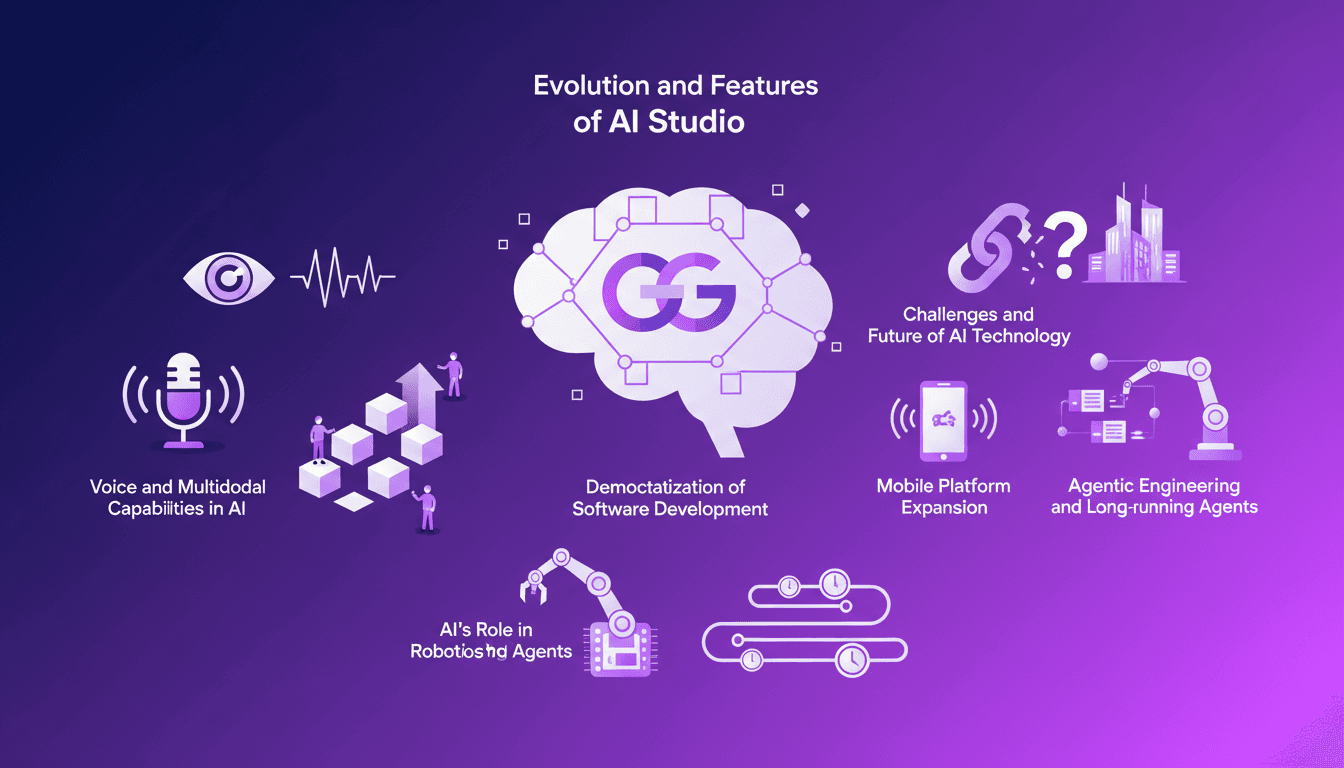
I remember when AI Studio was just a whisper in the tech corridors. Fast forward to today, it's a game changer—especially with Gemini models in the mix. In just 18 months, AI Studio has crossed critical milestones, integrating cutting-edge features like multimodal capabilities. This isn't just for the tech elite; it's democratizing development for everyone. Let me walk you through how this evolution isn't just hype, but a real shift in how we build and innovate. I've connected Gemini models, orchestrated complex projects, and avoided some pitfalls that I share here. We also talk about mobile platform expansion, agentic engineering, and AI's role in robotics. In short, AI Studio is no longer a dream; it's our reality.
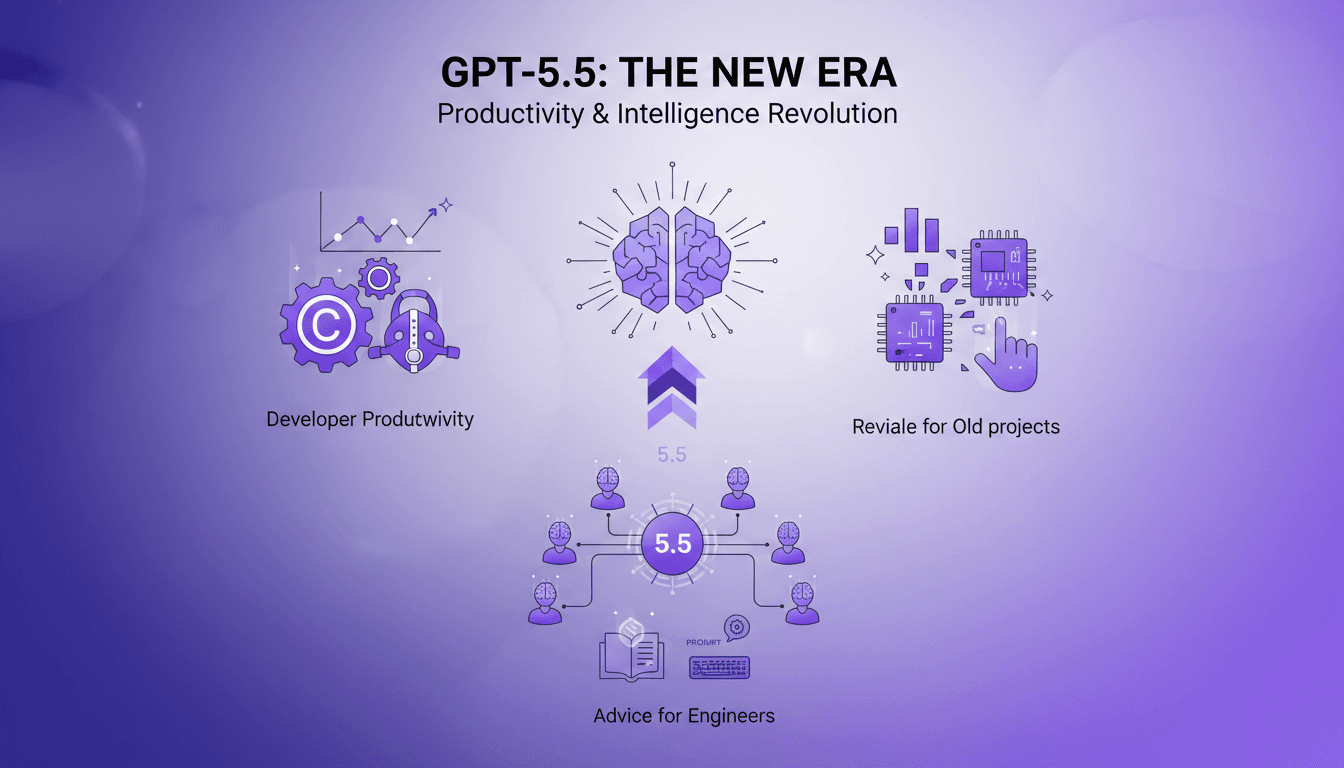
Boosting Developer Productivity with GPT-5.5
I was knee-deep in a decade-old codebase when I first unleashed GPT-5.5. And wow, what a game changer! With its Codex harness, this model isn't just about speed; it redefines how we tackle software development. From breathing life into forgotten projects to streamlining new ones, GPT-5.5 is transforming the landscape. Let me take you behind the scenes of this transformation and show you how this AI literally boosts our productivity and intelligence. Watch out for context limits, but when used right, it's a game changer for developers.