AI Native Services: Revolutionizing Industries
I've been knee-deep in AI for years, watching tools evolve into full-fledged AI native services. This isn't just a trend—it's a revolution. With AI models advancing at breakneck speed, we're witnessing a shift from traditional software tools to AI-native services. These aren't just buzzwords—real companies are emerging that leverage AI to replace entire service sectors. Industries like insurance and accounting are already feeling the impact. Let me walk you through how this unfolds and why it's a game changer. It's not just hype, it's happening.
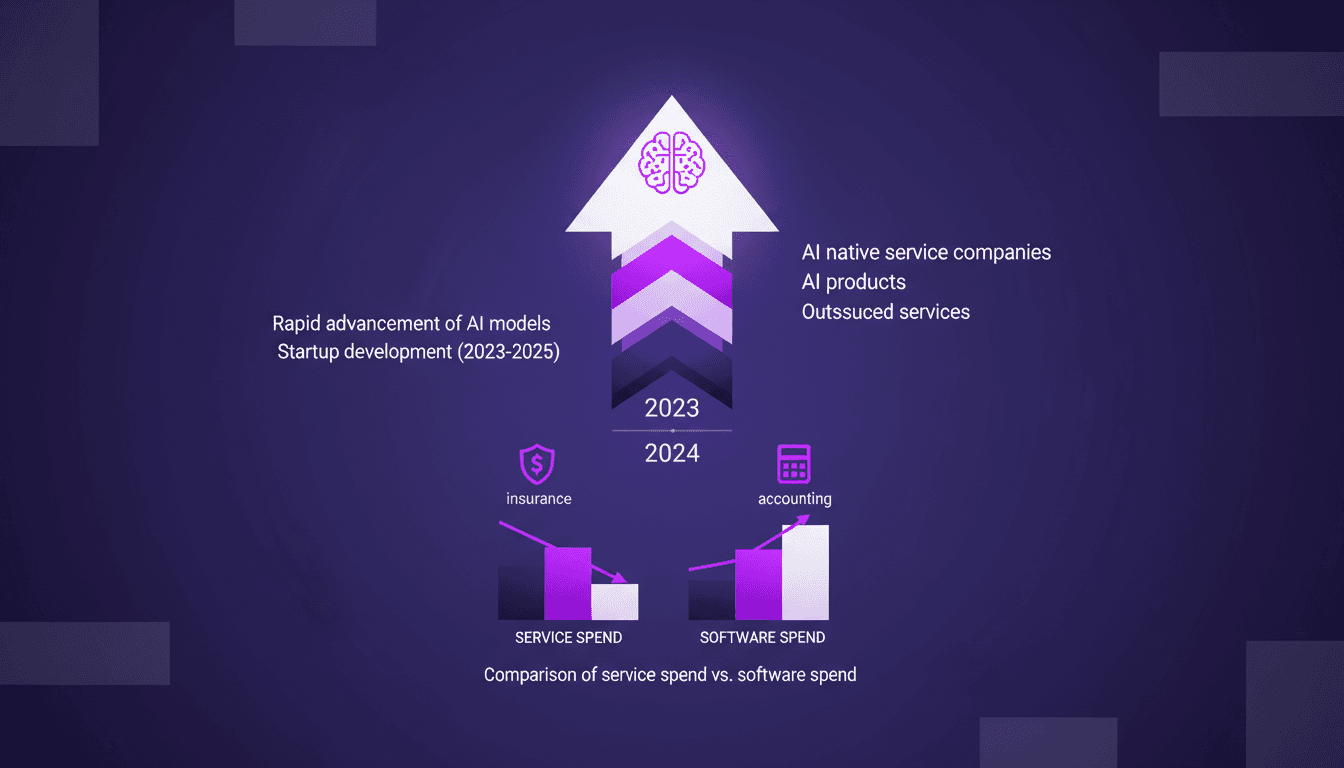
I've been knee-deep in AI for years, watching tools evolve into full-fledged AI native services. This isn't just a passing fad; it's a revolution in the making. With the rapid advancement of AI models, we're seeing a shift from traditional software tools to AI-native services. We're not talking about mere buzzwords here: real companies are emerging, leveraging AI to replace entire service sectors like insurance and accounting. Consider this: service spend is often many times larger than software spend, and that's where AI steps in. I've witnessed startups from 2023 to 2025 building tools for existing industries, transforming the landscape at an impressive speed. And I'm not here to hype things up needlessly; I'm here to show you how this really changes the game. I'll walk you through how it's happening, what it means for the involved sectors, and why you should care right now. This isn't just noise—it's tangible and it's happening now.
AI Native Companies: The New Frontier
In the world of AI native companies, we're not selling software anymore; we're offering services directly. This is a revolution in how we perceive technology and its use in business. These companies stand apart from traditional service providers by integrating advanced AI models to deliver complete solutions. With the rapid advancement of AI models, these companies can perform complex tasks, often well beyond the traditional capabilities of software engineering.
The concept of AI co-pilots is a crucial component of this new approach. These tools allow delegating part of the work to AI, optimizing performance and reducing human errors. If you're building a startup between 2023 and 2025, now is the perfect time to develop tools that integrate into the existing industry.
Replacing Outsourced Services with AI
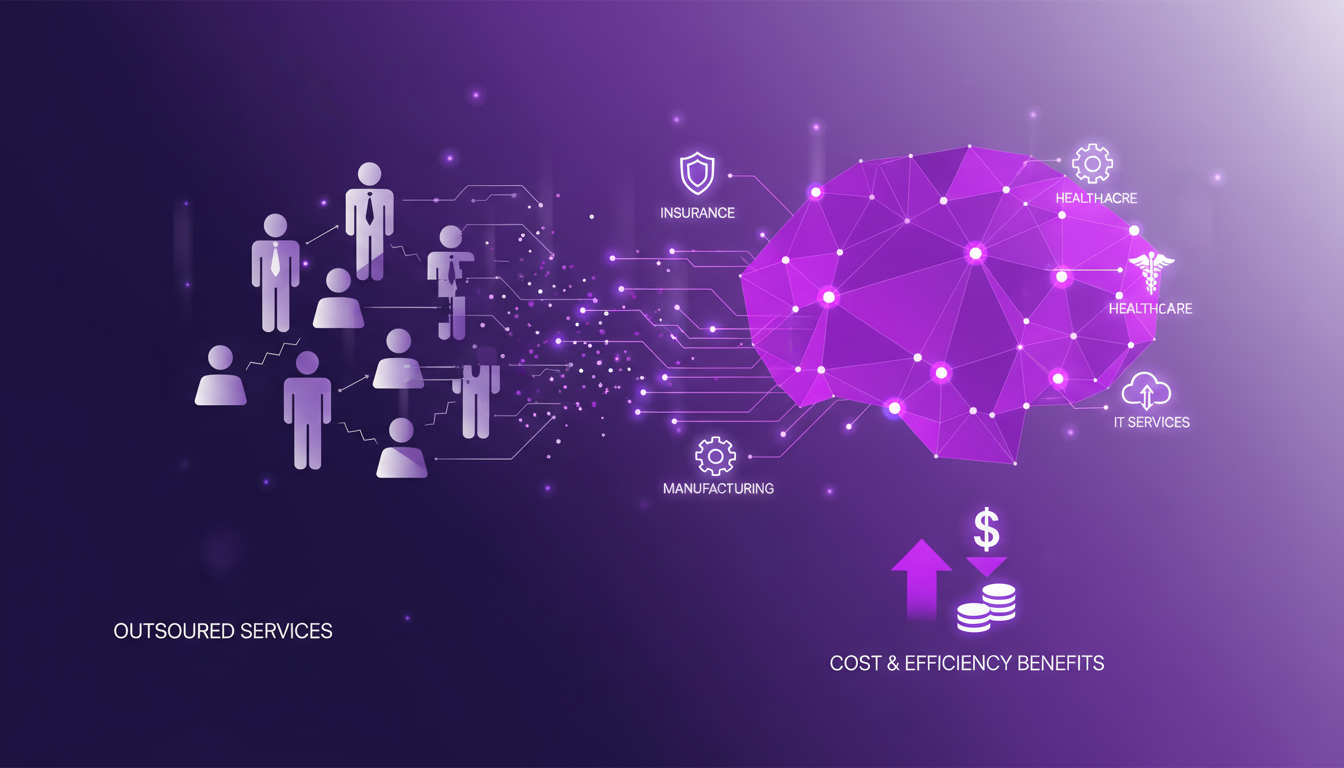
We're increasingly seeing AI replace outsourced services across various sectors. Take insurance or healthcare, where AI gets involved in complex administrative tasks with formidable efficiency. This not only reduces costs but also increases the efficiency of these operations. However, watch out for the initial setup complexity, which can often be a hurdle for companies looking to see quick results.
Among the benefits are:
- Reduced operational costs
- Improved efficiency
- Shortened processing times
Industries Poised for Transformation
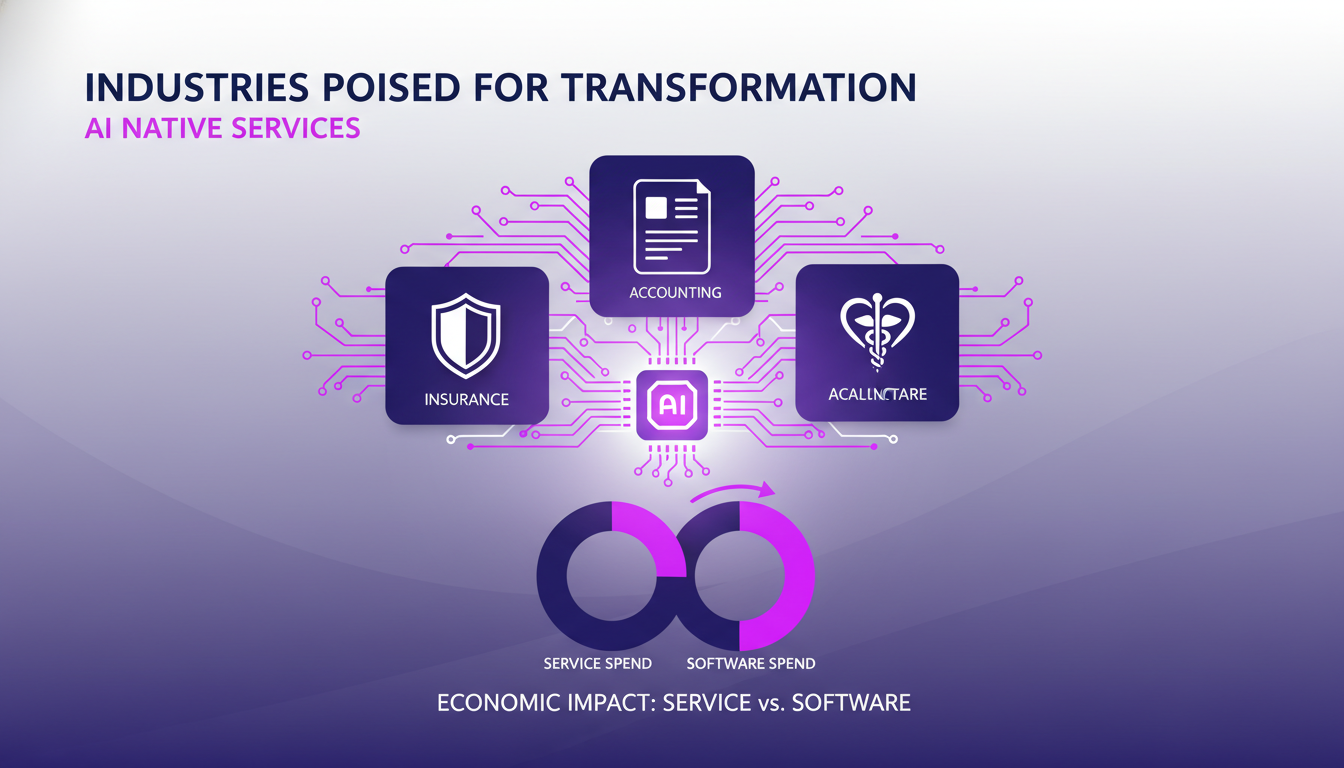
Sectors like insurance, accounting, and healthcare are ripe for a radical transformation thanks to AI native services. These services are custom-designed to fit the specific needs of each industry, providing innovative and efficient solutions. For instance, in insurance, AI can automate claim processing, freeing up time for more critical tasks.
Yet, the path isn't without obstacles. Resistance to change and regulatory complexity can pose challenges. But with proper project management and a clear strategy, these hurdles can be overcome.
Economic Impact: Service vs. Software Spend
Analyzing the financial implications of shifting from services to software is essential. Total service spend is often many times larger than software spend. This means there's a huge opportunity for startups to capture a share of this burgeoning market. However, consider the balance between initial investment and long-term savings.
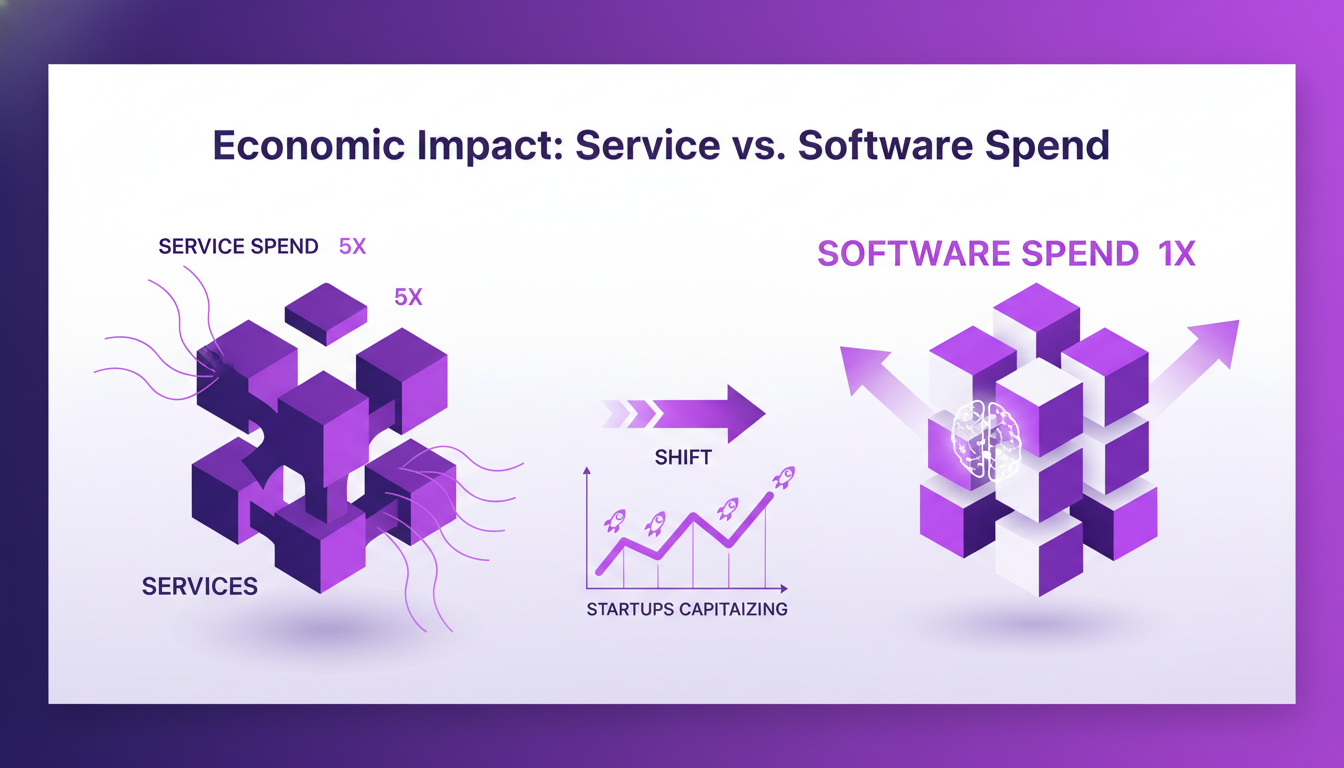
In terms of statistics, service spend is often several times higher than software spend. This is where AI native can make a real difference.
Building AI Native Services: A Practical Guide
To build an AI native service company, first orchestrate an efficient workflow for deploying AI. I've seen companies get burned trying to automate everything without a clear strategy. Here are some steps to follow:
- Identify repetitive tasks that can be automated.
- Implement AI solutions step by step.
- Constantly test and iterate to improve efficiency.
- Don't overload the system with non-essential tasks.
Lessons learned from real-world implementations show that planning and adaptation are key. With the right approach, the impact on the business can be direct and significant.
For more insights on AI models and their impact, check out First Impressions of GPT-5.5 by Claire Vo and AI Model Limits: What Still Falls Short.
I've been diving into AI native services lately, and let me tell you, they're not just some future promise—they're happening right now. First, these services are reshaping entire sectors—insurance and accounting come to mind—by replacing outsourced services with more efficient, cost-effective AI products. Then, with the rise of these companies, there's a window from 2023 to 2025 for startups building tools tailored to existing industries. That's a game changer. But remember, there are challenges. Balance is key because using AI isn't without its constraints. The trick is knowing when and how to leverage it. Check out the original video "AI-Native Service Companies" on YouTube for deeper insights. If you're in the field, start exploring AI solutions now—the opportunity is ripe, and the impact could be transformative for your business. YouTube link
Frequently Asked Questions

Thibault Le Balier
Co-fondateur & CTO
Coming from the tech startup ecosystem, Thibault has developed expertise in AI solution architecture that he now puts at the service of large companies (Atos, BNP Paribas, beta.gouv). He works on two axes: mastering AI deployments (local LLMs, MCP security) and optimizing inference costs (offloading, compression, token management).
Related Articles
Discover more articles on similar topics
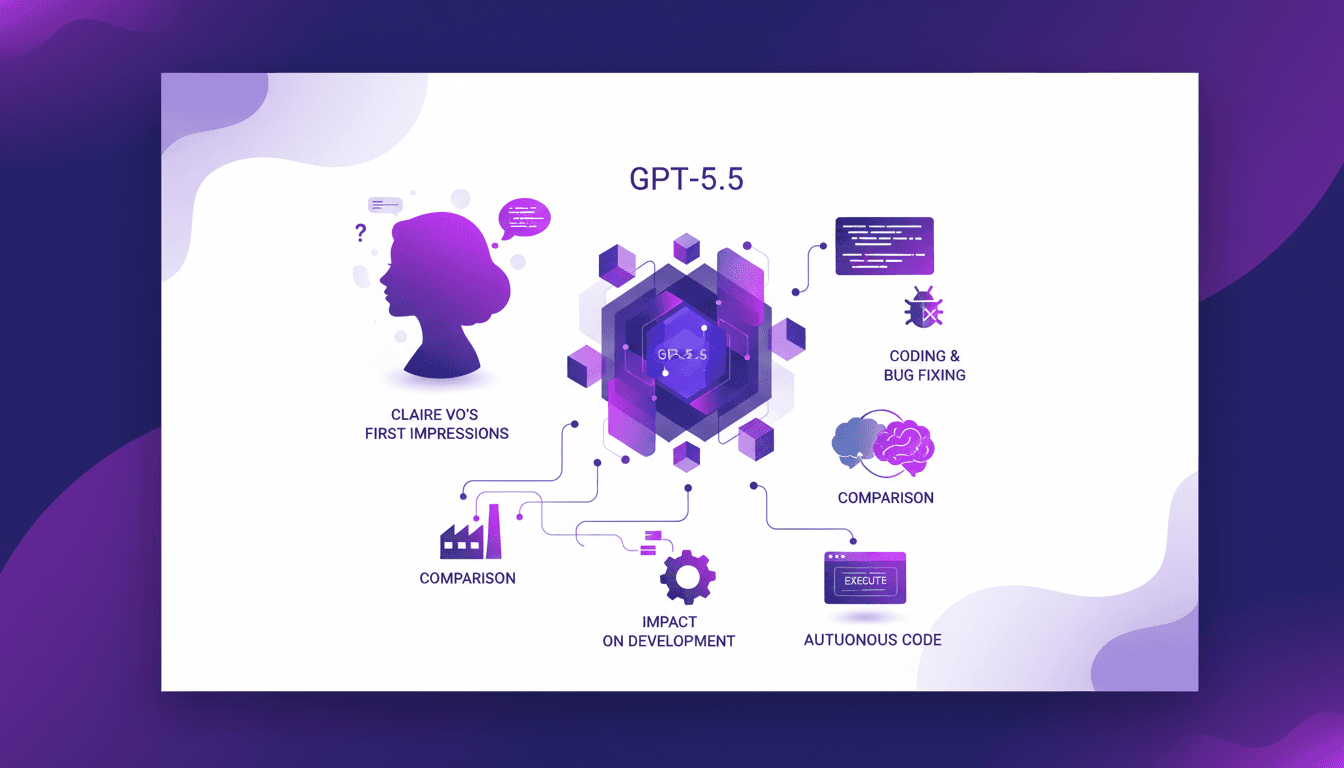
First Impressions of GPT-5.5 by Claire Vo
I remember when I first dove into GPT-5.5. It felt like opening a toolkit with a new, sharper tool, ready to redefine how I handle coding tasks. Claire Vo shares her first impressions of this model that seems to push the boundaries of AI in software development. From autonomous code execution to bug fixing, there's a lot to explore. And with a 98% accuracy in fixing bugs, it's no empty promise. In this interview, Claire takes us through her discoveries, comparing GPT-5.5 with previous models and assessing its potential impact on the software development process.
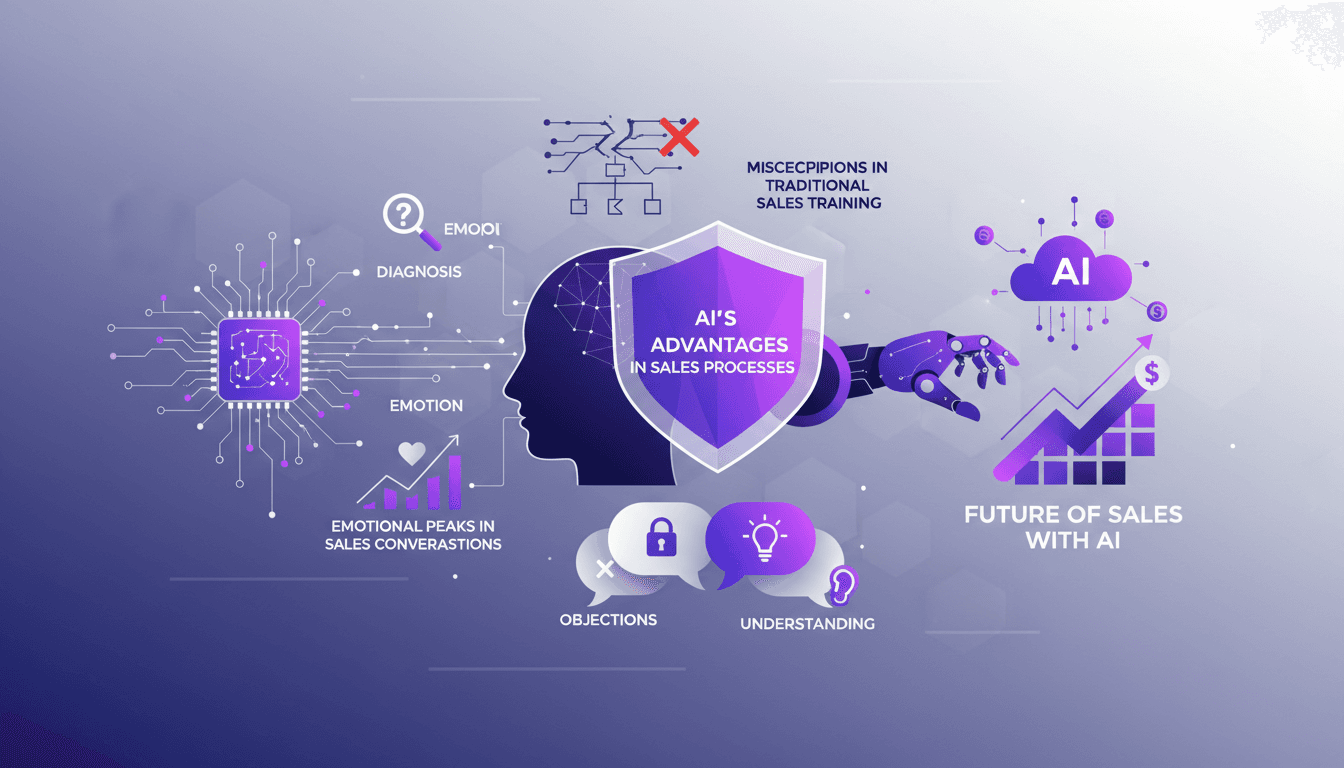
Teaching AI to Close: 6 Months of Insights
I spent six months training an AI to close deals—230 real estate investors and wholesalers later, I learned that AI's edge isn't speed, but its lack of ego. This journey reshaped my understanding of sales, challenging traditional training methods. In a field that's been taught the same way for a century, AI is changing the game. Let's dive into how AI can optimize sales processes and redefine how we approach prospects. Topics include AI's role in sales, misconceptions in traditional sales training, the importance of diagnosing prospects, and the future of sales with AI. Get ready for a deep dive into the future of sales, where AI might just become your best ally.
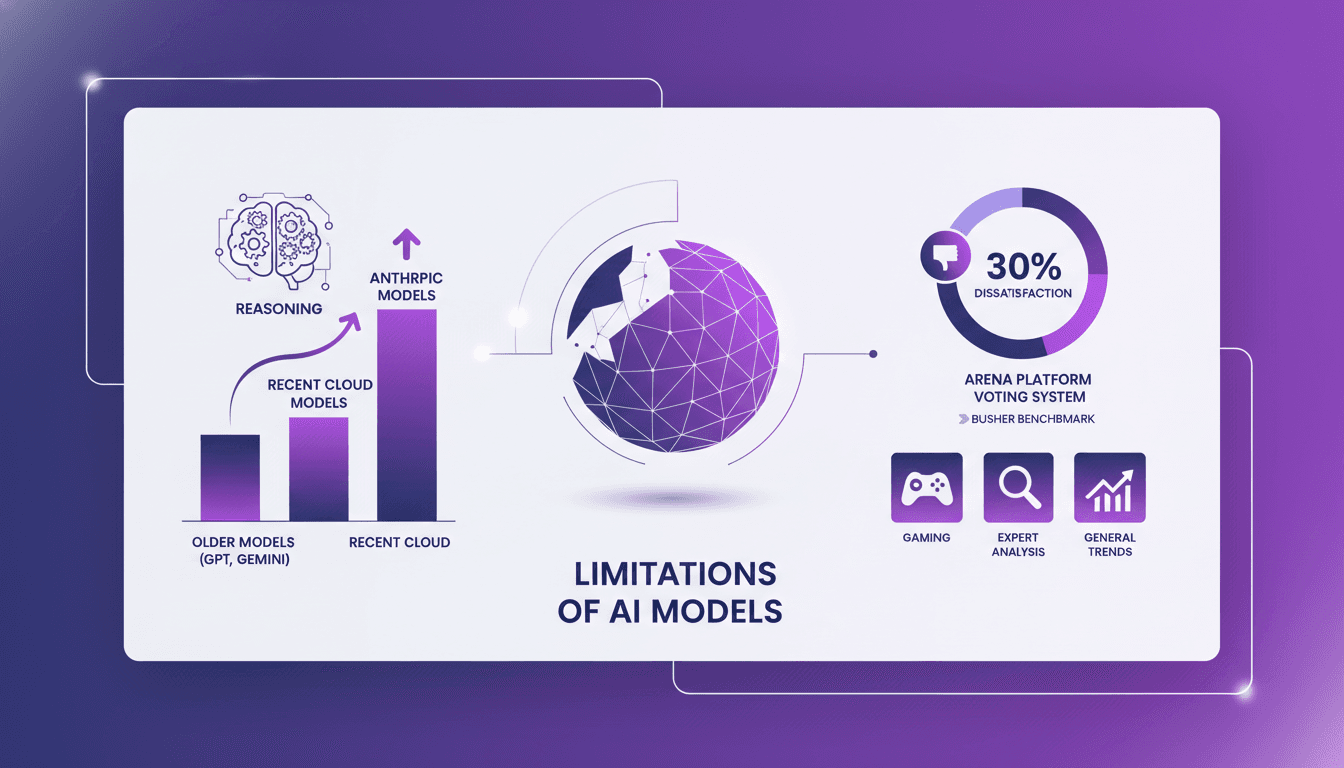
AI Model Limits: What Still Falls Short
I've been knee-deep in AI models, testing and retesting, and let me tell you, there's still a lot they can't handle. I've been burned more than once by putting too much faith in these models. From the 'Busher benchmark' to Arena's voting system, I've seen where models shine and where they stumble. Let's dissect these limitations together and understand the real performance landscape. From recent cloud models to older ones like GPT and Gemini, there are clear trends and specific fields, like gaming, where performance still falls short. Ready to cut through the hype? Let's dive in!
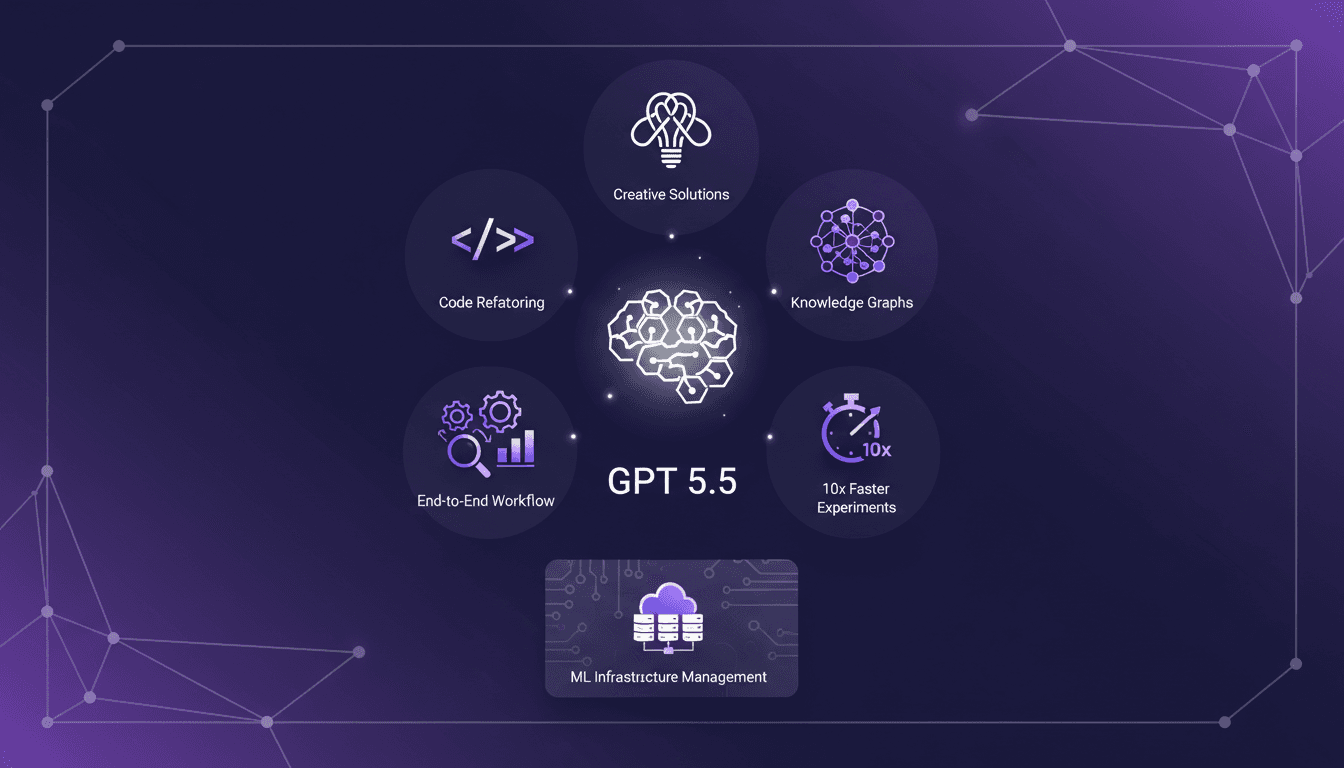
GPT 5.5: Revolutionizing Code and Workflow
I've been in the AI trenches for years, but GPT 5.5 is truly a game changer. I connected it to my usual workflows, refactored code, and even built knowledge graphs more efficiently than ever. This model isn’t just about incremental improvements; it redefines how AI can tackle complex problems. With a 10x speed improvement in running experiments, I can orchestrate entire projects end-to-end without worrying about the machine learning infrastructure. If you've ever been frustrated by the limits of previous models, now's the time to dive into GPT 5.5.
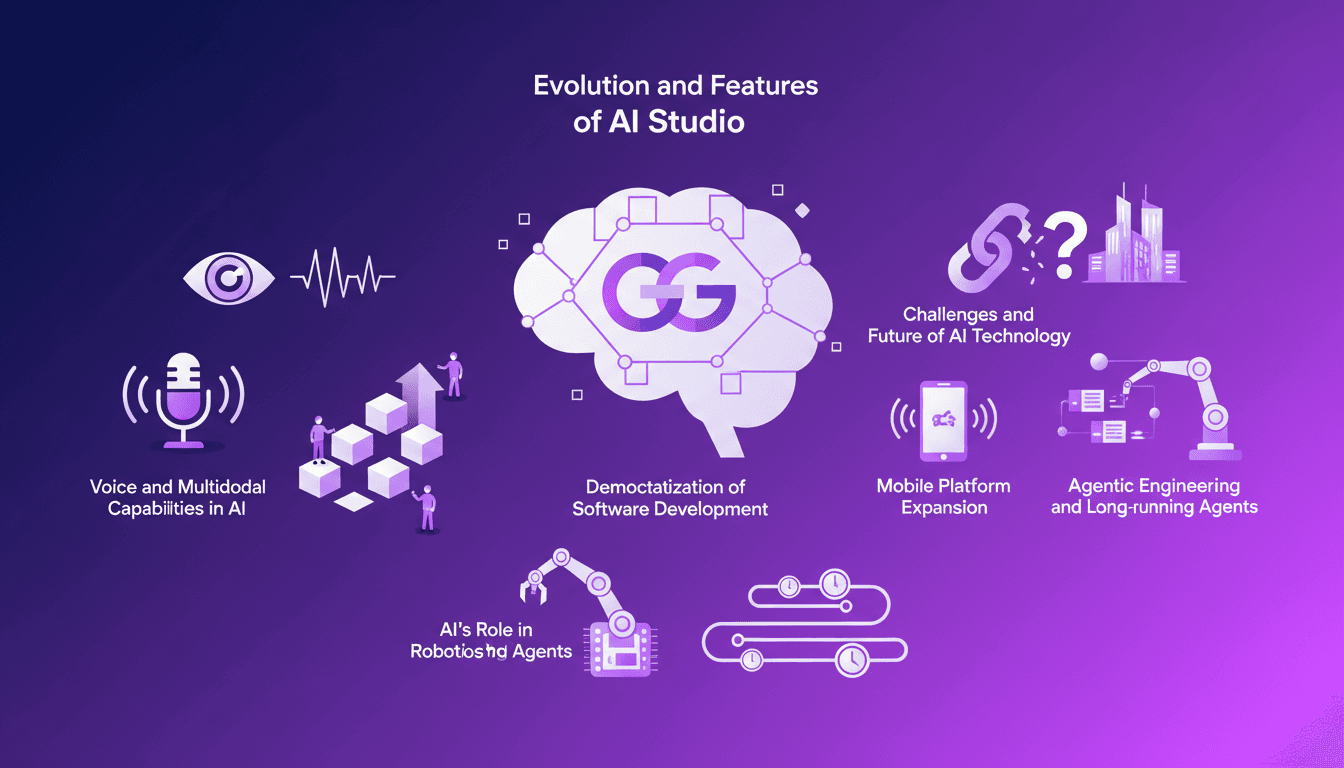
AI Studio & Gemini: Revolutionizing Development
I remember when AI Studio was just a whisper in the tech corridors. Fast forward to today, it's a game changer—especially with Gemini models in the mix. In just 18 months, AI Studio has crossed critical milestones, integrating cutting-edge features like multimodal capabilities. This isn't just for the tech elite; it's democratizing development for everyone. Let me walk you through how this evolution isn't just hype, but a real shift in how we build and innovate. I've connected Gemini models, orchestrated complex projects, and avoided some pitfalls that I share here. We also talk about mobile platform expansion, agentic engineering, and AI's role in robotics. In short, AI Studio is no longer a dream; it's our reality.