GPT 5.5: Revolutionizing Code and Workflow
I've been in the AI trenches for years, but GPT 5.5 is truly a game changer. I connected it to my usual workflows, refactored code, and even built knowledge graphs more efficiently than ever. This model isn’t just about incremental improvements; it redefines how AI can tackle complex problems. With a 10x speed improvement in running experiments, I can orchestrate entire projects end-to-end without worrying about the machine learning infrastructure. If you've ever been frustrated by the limits of previous models, now's the time to dive into GPT 5.5.
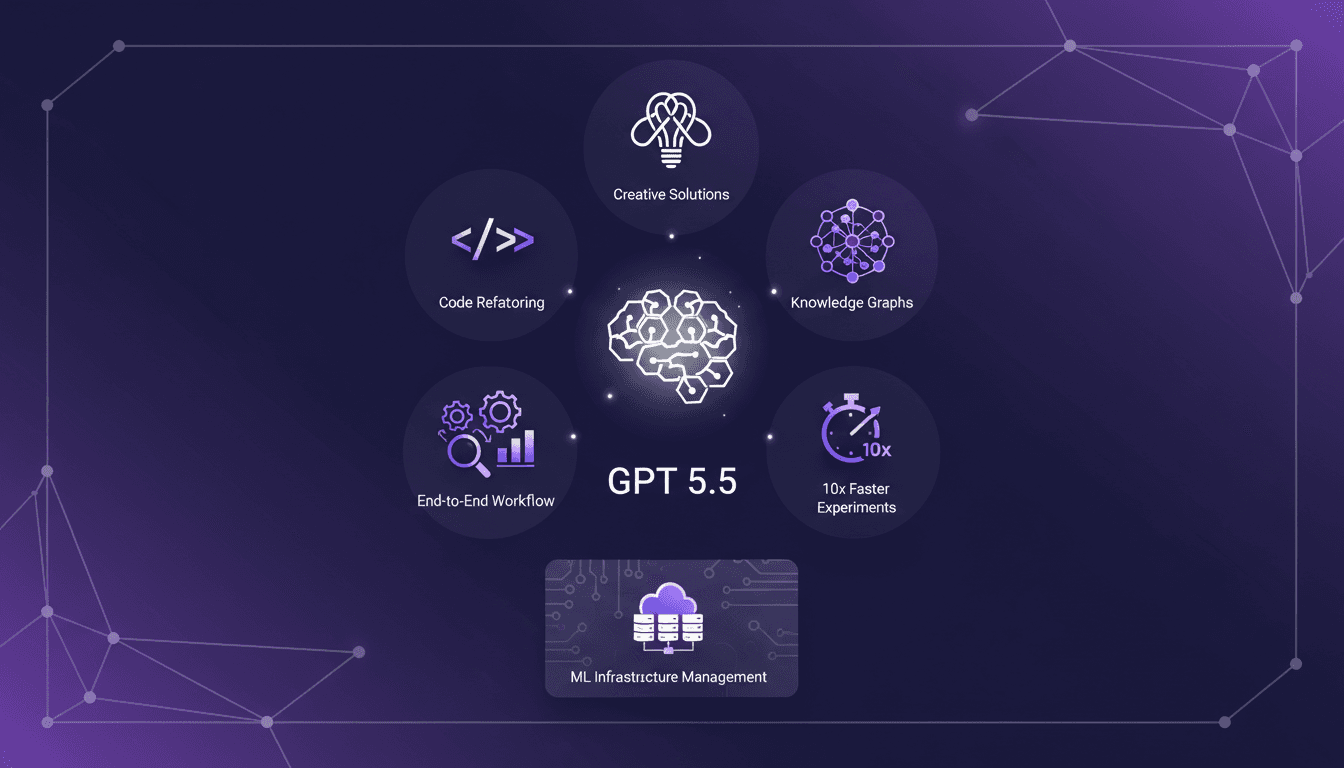
I've spent years juggling AI models, getting burned by tight context limits, and wasting time on slow experiments. But GPT 5.5, that's a whole different ball game. The moment I integrated it into my workflows, I felt the difference. Imagine refactoring code in the blink of an eye, or building knowledge graphs like assembling a giant puzzle. We’re talking about a 10x speed improvement in experiments. And that's not all: end-to-end workflow management is streamlined, freeing up space to focus on innovation rather than infrastructure. You need to listen to this interview with NVIDIA's AI researcher to understand how GPT 5.5 is a game changer. If you've hit bottlenecks with previous models, believe me, this new tool will save you time, boost your efficiency, and eliminate a lot of frustration.
Harnessing GPT 5.5 for Creative Problem-Solving
First, I plugged GPT 5.5 into our brainstorming sessions. The creative solutions it generated were unlike anything I've seen. It's not just about quantity; the quality of ideas has improved, leading to more innovative project paths. I recall a session where a simple abstract question triggered a response that transformed our approach. But watch out for over-reliance; sometimes human intuition is still key. Balancing AI input with team insights creates a powerful synergy that multiplies impact.
"The magic lies in having enough intelligence to respond to a very abstract question."
- Initial integration of GPT 5.5 in creative sessions
- Improvement in idea quality
- Importance of human intuition
- Creating a powerful AI-team synergy
Refactoring Code with GPT 5.5: A New Era
I started using GPT 5.5 to refactor legacy codebases. The efficiency gains were immediate. The model suggests optimizations I hadn't considered, reducing technical debt. But be cautious: it's not infallible. Always review AI-generated code. The time saved here is significant, freeing up resources for other tasks.
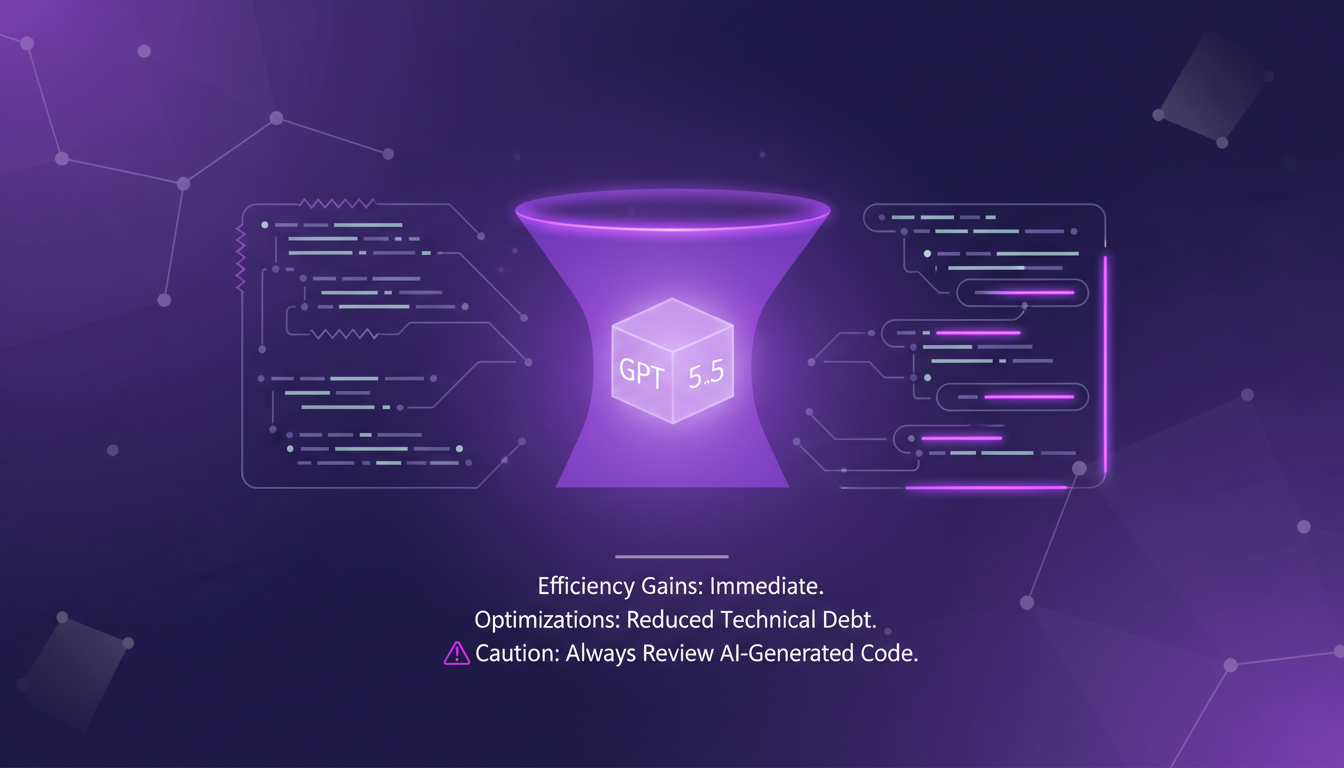
- Using GPT 5.5 to refactor legacy code
- Suggested optimizations and reduced technical debt
- Need to review AI-generated code
- Significant time savings
Building Knowledge Graphs: Simplified with GPT 5.5
GPT 5.5 suggested creating a knowledge graph for our data. This was a revelation. It automates connections between disparate data points, revealing insights we missed. However, setting up the initial parameters requires careful attention. Once configured, the ongoing maintenance is minimal, saving both time and effort.
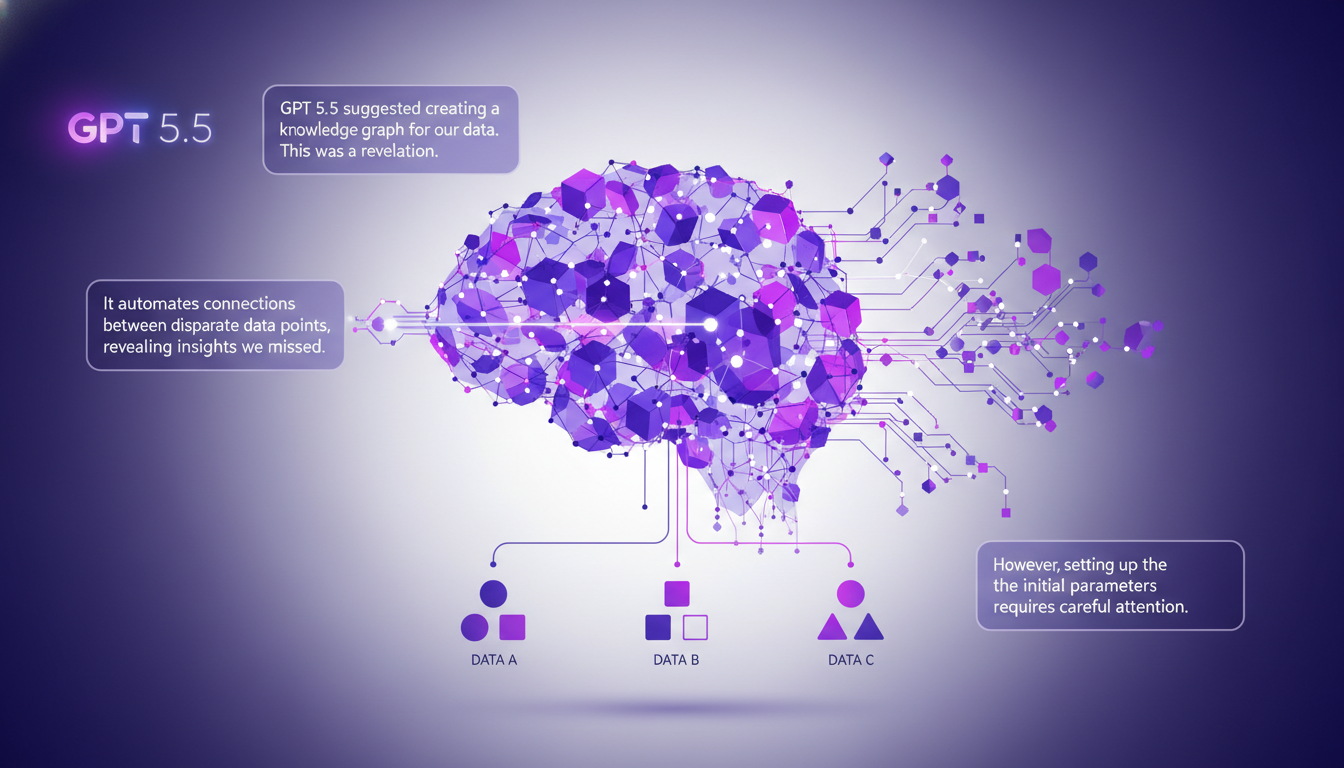
- Creating knowledge graphs with GPT 5.5
- Automating data connections
- Attention to initial configuration
- Reduced maintenance post-configuration
10x Speed Improvement in Experimentation
Running experiments with GPT 5.5 is dramatically faster—10x according to my tests. This speed boost allows for more iterations, leading to better outcomes. Don't forget to validate results; speed shouldn't compromise quality. The cost savings from reduced compute time are a huge bonus.
- Experiments 10x faster with GPT 5.5
- Faster iterations leading to better outcomes
- Need to validate results
- Significant cost savings
End-to-End Workflow Management with GPT 5.5
I integrated GPT 5.5 into our workflow management system. It handles tasks end-to-end effortlessly. The orchestration of tasks is smoother, reducing bottlenecks. Yet, it's crucial to monitor for any AI missteps that could disrupt processes. Overall, the impact on team productivity has been substantial.
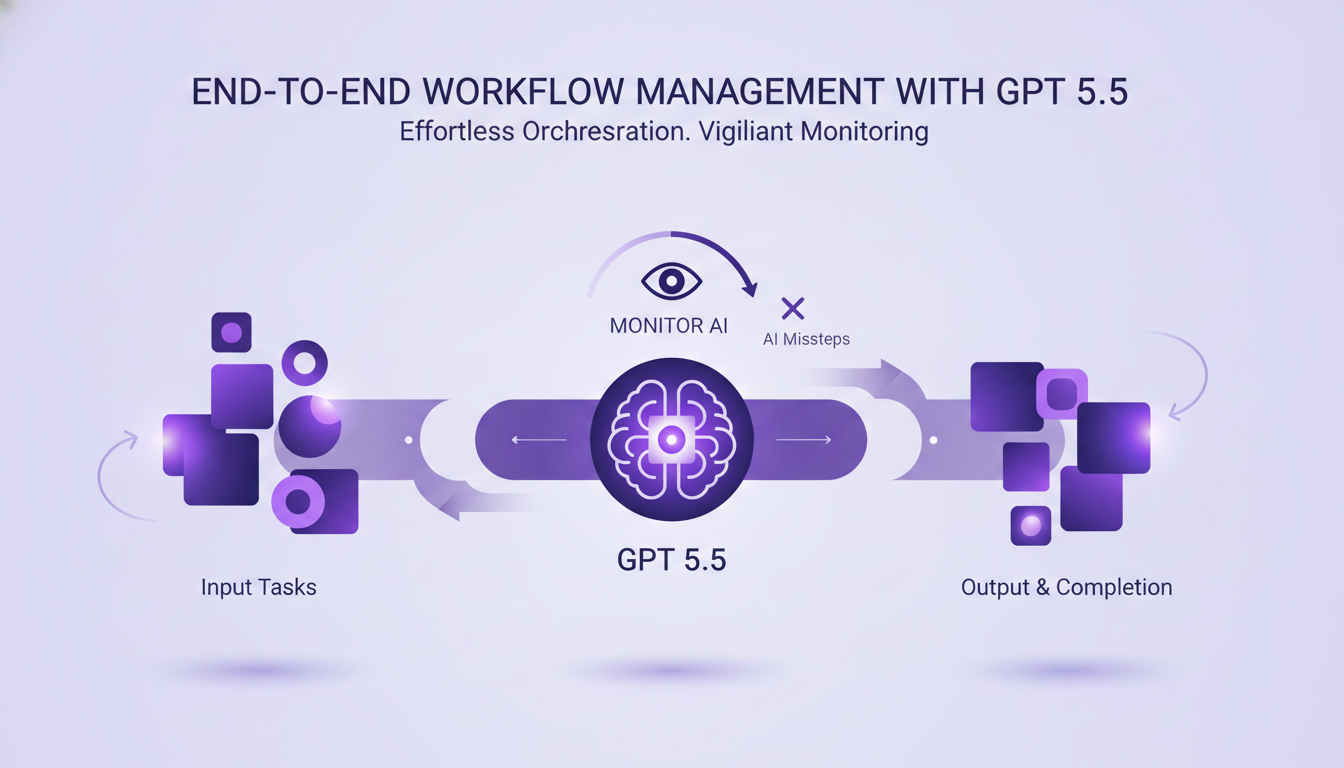
- Integration of GPT 5.5 in workflow management
- Smoother task orchestration
- Need to monitor for AI missteps
- Notable increase in team productivity
With GPT 5.5, we're talking about a transformation, not just an upgrade, in how we approach AI-driven tasks. First, I've used it for creative problem-solving, and it's been incredibly effective. Then, refactoring code becomes almost a breeze with this tool. And building knowledge graphs? It’s achievable without the usual headaches. Finally, I've tested the speed of running experiments: we're looking at a 10x improvement, which is a game changer for me. But watch out for context limits, especially with massive tasks. For those serious about leveraging AI, now’s the time to explore what GPT 5.5 can bring to your projects. Check out the full video for a deeper dive: it’s worth it! Video link
Frequently Asked Questions

Thibault Le Balier
Co-fondateur & CTO
Coming from the tech startup ecosystem, Thibault has developed expertise in AI solution architecture that he now puts at the service of large companies (Atos, BNP Paribas, beta.gouv). He works on two axes: mastering AI deployments (local LLMs, MCP security) and optimizing inference costs (offloading, compression, token management).
Related Articles
Discover more articles on similar topics
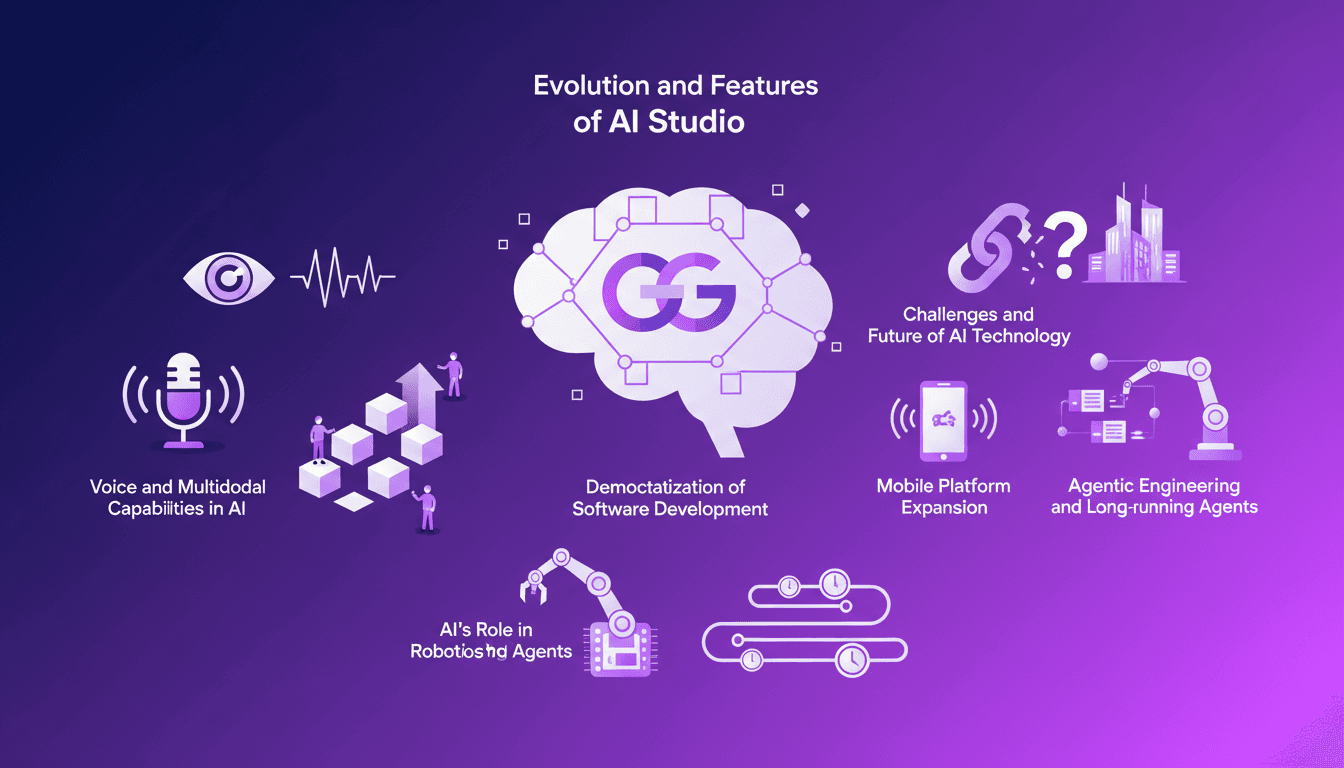
AI Studio & Gemini: Revolutionizing Development
I remember when AI Studio was just a whisper in the tech corridors. Fast forward to today, it's a game changer—especially with Gemini models in the mix. In just 18 months, AI Studio has crossed critical milestones, integrating cutting-edge features like multimodal capabilities. This isn't just for the tech elite; it's democratizing development for everyone. Let me walk you through how this evolution isn't just hype, but a real shift in how we build and innovate. I've connected Gemini models, orchestrated complex projects, and avoided some pitfalls that I share here. We also talk about mobile platform expansion, agentic engineering, and AI's role in robotics. In short, AI Studio is no longer a dream; it's our reality.
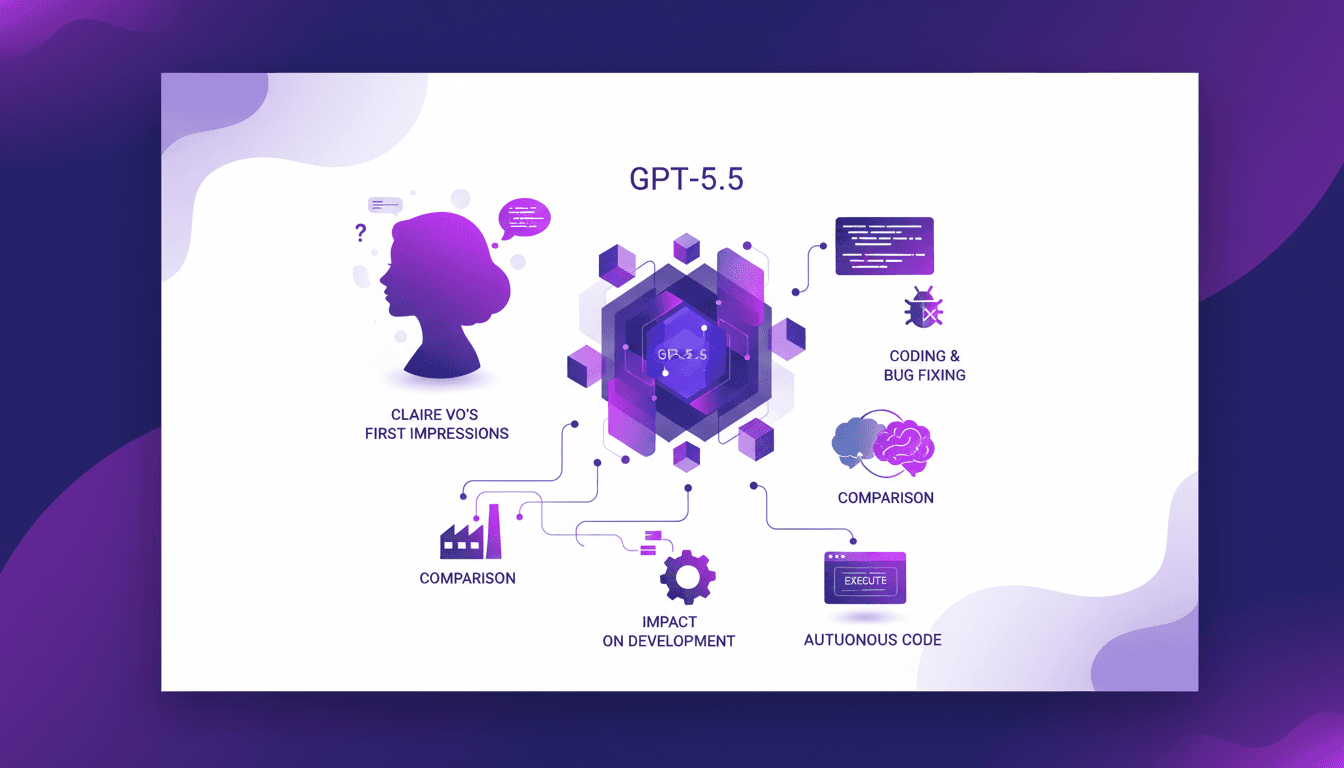
First Impressions of GPT-5.5 by Claire Vo
I remember when I first dove into GPT-5.5. It felt like opening a toolkit with a new, sharper tool, ready to redefine how I handle coding tasks. Claire Vo shares her first impressions of this model that seems to push the boundaries of AI in software development. From autonomous code execution to bug fixing, there's a lot to explore. And with a 98% accuracy in fixing bugs, it's no empty promise. In this interview, Claire takes us through her discoveries, comparing GPT-5.5 with previous models and assessing its potential impact on the software development process.
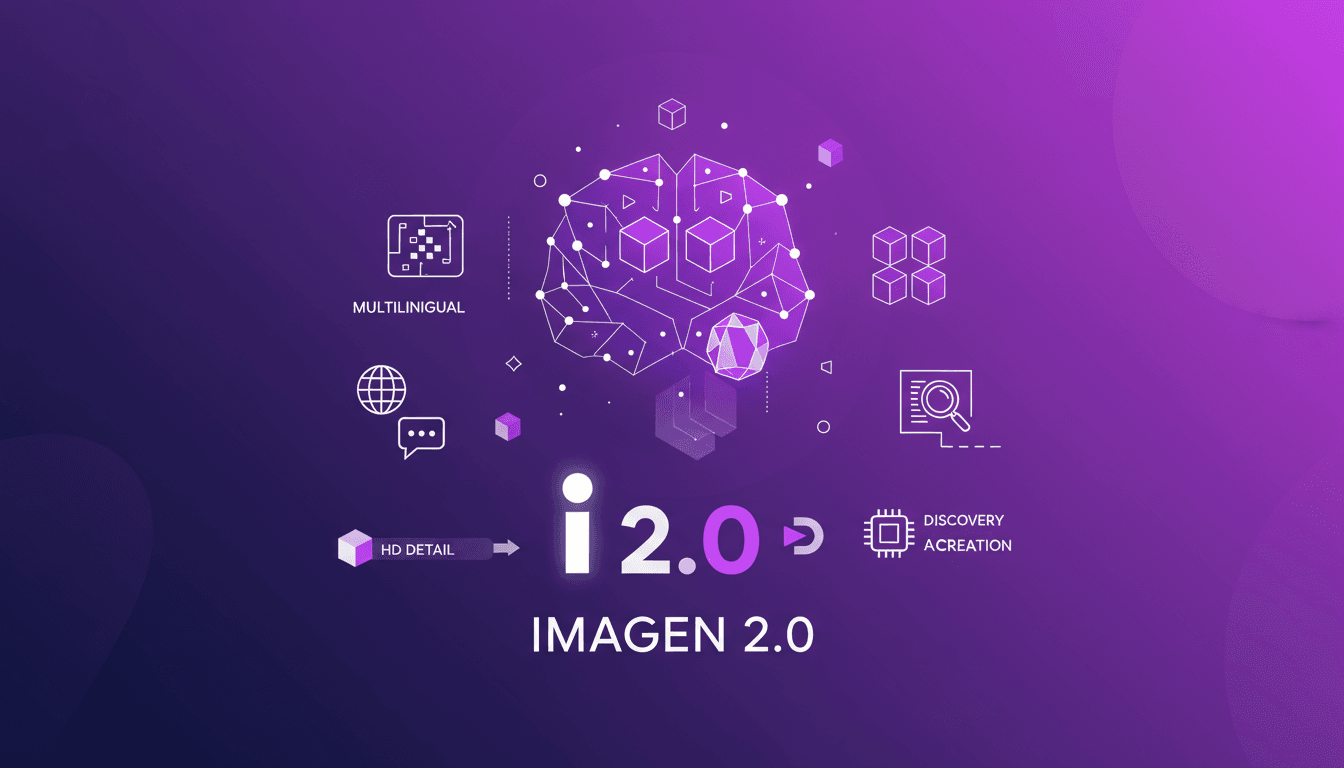
Imagen 2.0: Revolutionizing Image Generation
When I first got my hands on Imagen 2.0, I was blown away by its potential. We're talking about generating 2K resolution images with multilingual support. The first thing I did was integrate it into my workflow, and the improvement is tangible. The advancement in resolution and detail is a real game changer, but watch out for technical limits in multi-image generation. Compared to previous models and DALL-E, Imagen 2.0 really stands out. This isn't about theory; I'm talking about daily impact on my practice. If you're aiming to innovate, this is the tool to explore.
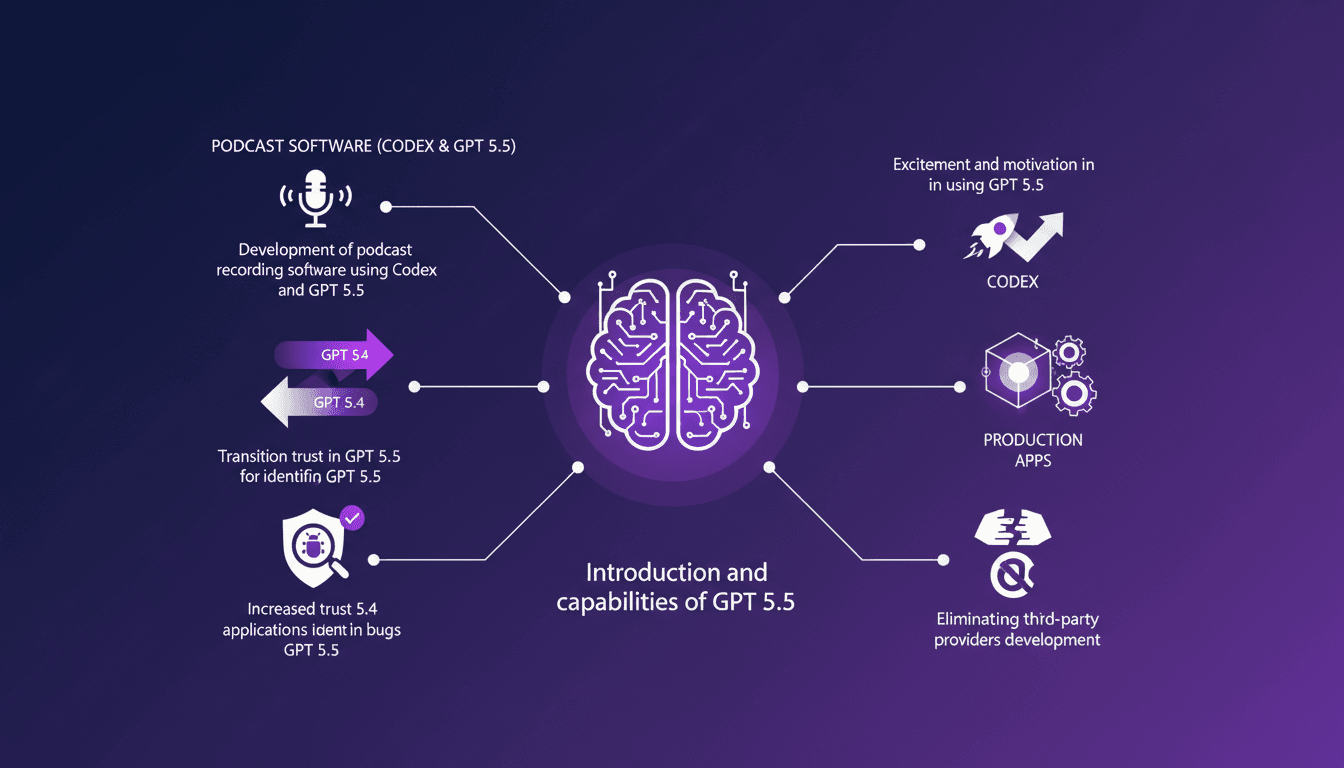
Building with GPT 5.5 and Codex: Cut the Third Parties
I dove headfirst into GPT 5.5, and what a ride it's been! From building podcast software to cutting out third-party providers, this version has changed the game for me. With GPT 5.5, we're not just talking upgrades; we're talking a whole new level of trust and capability. First, I integrated Codex to develop a podcast app and cut the middlemen out. Then, bugs? GPT 5.5 spots them like a pro. Tired of third-party solutions bogging down your productivity? This tool might just be your new secret weapon. Let's dive into some real-world applications together.
Building an AI Closer: Busting Sales Training Myths
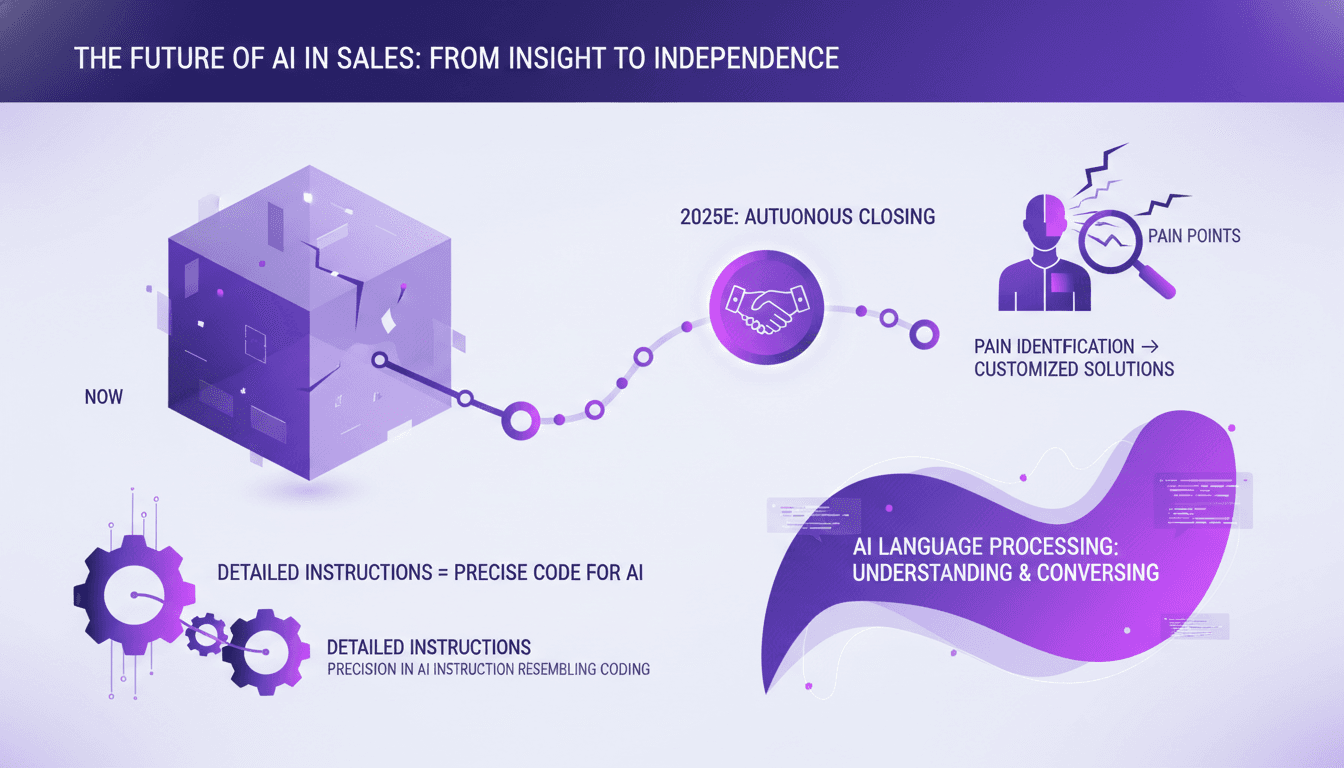
I've spent countless hours trying to get AI to close sales for me, and let me tell you, we're not there yet. But I've learned what it can do now and how to make it work effectively. In the sales world, AI is the shiny tool everyone talks about. Yet, it can't close a deal on its own—yet. What it can do is transform our approach to sales training and execution, especially in identifying and addressing customer pain points. We might be five years away from AI closing a sale, but with the right instructions, it can already recommend 80% of solutions based on pain identification. Follow along, and I'll show you how to orchestrate this for direct impact.