AI Studio & Gemini: Revolutionizing Development
I remember when AI Studio was just a whisper in the tech corridors. Fast forward to today, it's a game changer—especially with Gemini models in the mix. In just 18 months, AI Studio has crossed critical milestones, integrating cutting-edge features like multimodal capabilities. This isn't just for the tech elite; it's democratizing development for everyone. Let me walk you through how this evolution isn't just hype, but a real shift in how we build and innovate. I've connected Gemini models, orchestrated complex projects, and avoided some pitfalls that I share here. We also talk about mobile platform expansion, agentic engineering, and AI's role in robotics. In short, AI Studio is no longer a dream; it's our reality.
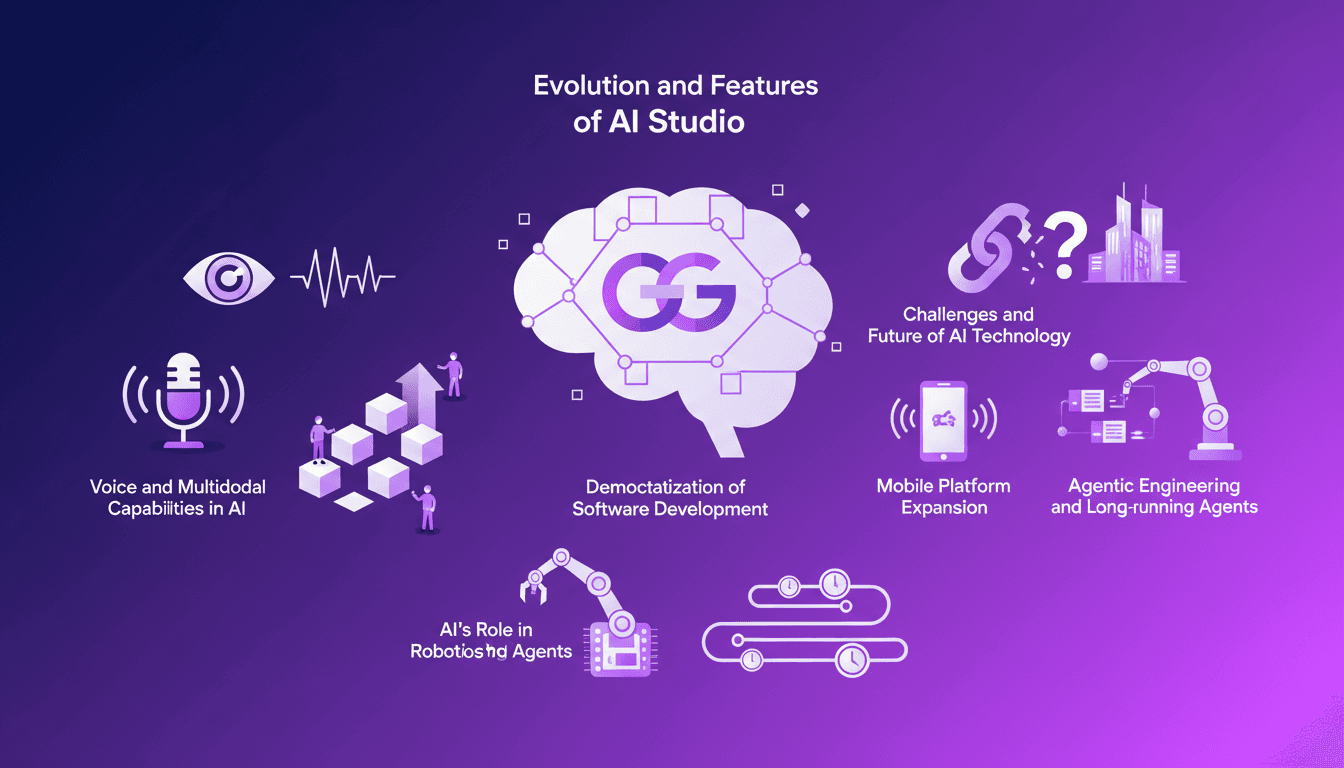
I remember when AI Studio was just a whisper in the tech corridors. In 18 months, we've gone from hypothesis to reality, and it's changing everything. With the integration of Gemini models, AI Studio is becoming a must-have tool for creators, not just for the tech nerds. I've connected models that speak every multimodal language and orchestrated projects that seemed impossible a year ago. This is a real shift in how we develop, and I'm here to show you how. We're talking about mobile platform expansion, agentic engineering, and even AI's role in robotics. So, if you're looking to understand how today's tech innovation is going to transform your way of working tomorrow, you're in the right place. I've made the mistakes, learned the lessons, and now I'm sharing the keys to navigate this new ecosystem.
AI Studio's Evolution: A Builder's Perspective
AI Studio crossed a major chasm 18 months ago, making production-ready builds possible. First, I was impressed with the addition of the build tab a year ago. It really simplified workflows. Imagine going from a simple idea to a functional app in minutes. This vibe coding approach is revolutionary. We're not just talking about adding features, but truly redefining user interaction through design previews and voice integration.
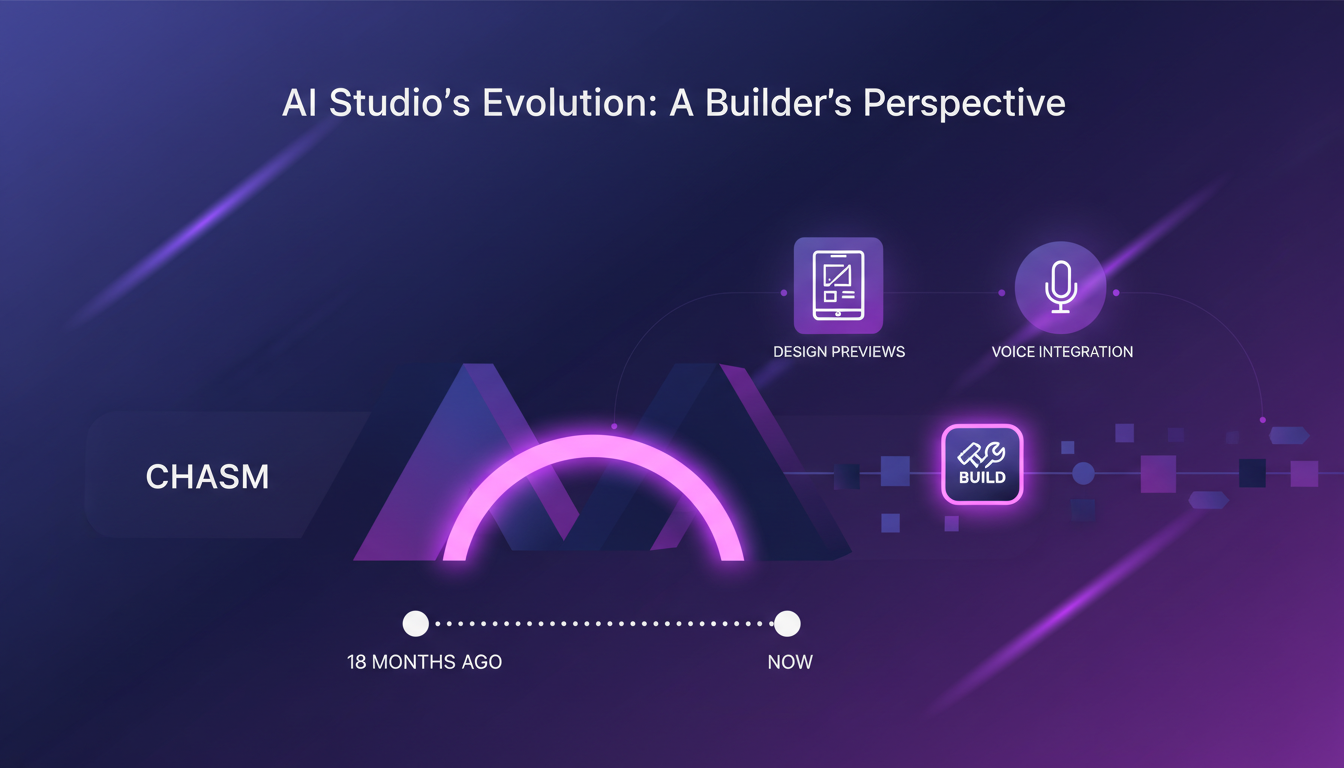
Imagine 12 months from now, the breakthroughs that will transform development even more radically. It's an exciting time to be in the AI field. I predict these innovations will continue to make technology increasingly accessible, especially with free services for the next generation of builders.
Gemini Models and Multimodal Capabilities
The Gemini models bring a new dimension to AI Studio. It's not just about data; it's about interaction. With multimodal capabilities, we're talking about more than just text: think images, voice, and beyond. The live voice mode is far from a gimmick; it enhances real-time interaction and feedback. But watch out, context limits are important. Gemini models excel in certain areas but require careful orchestration.
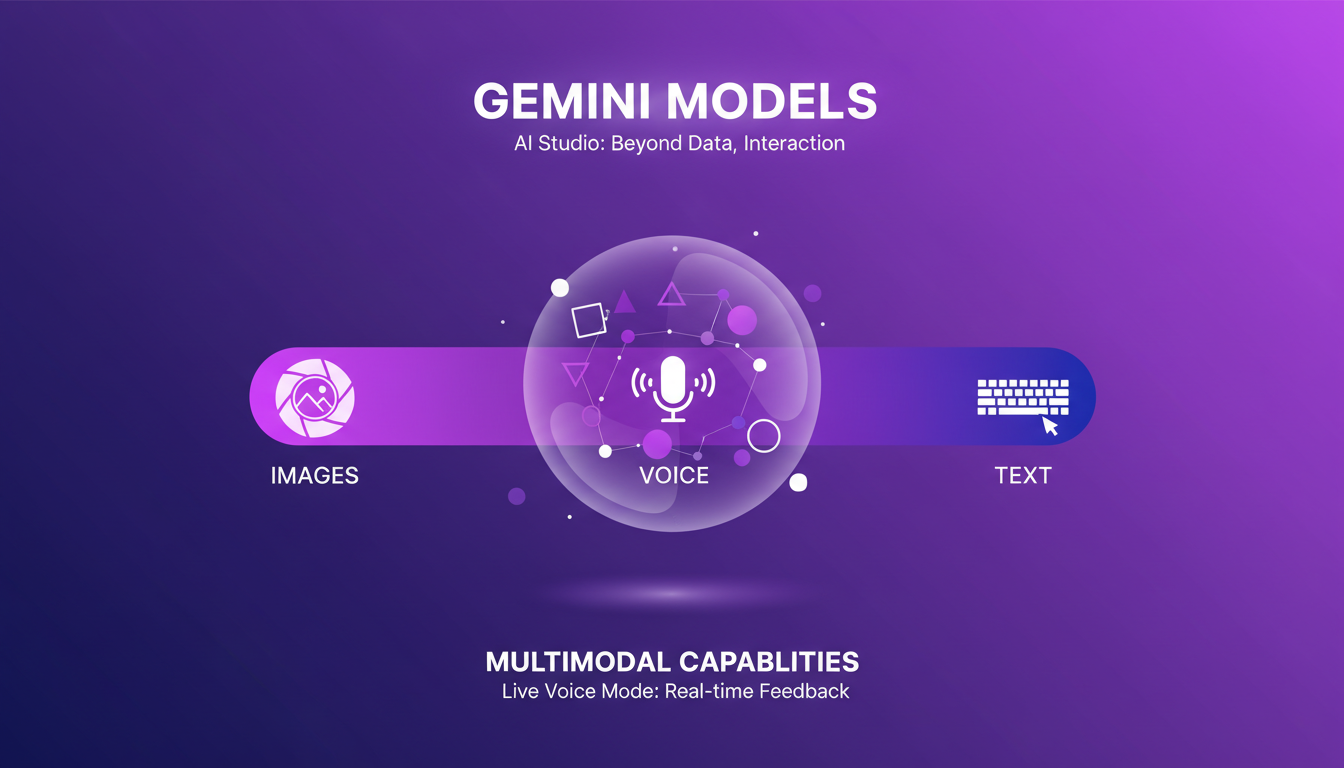
Don't underestimate the importance of managing these models well. They're powerful, but if misused, you risk draining your resources without achieving your goals. For me, integrating these capabilities has redefined how I approach user interaction in my AI projects.
Democratizing Software Development
AI Studio is making development accessible, not just for those with deep pockets. Vibe coding and agentic engineering aren't just buzzwords; they're practical tools for developers. I've seen these features significantly reduce the time from concept to deployment.
However, remember the learning curve. The initial setup might seem daunting, but it pays off in efficiency. By piloting these tools differently, I've seen a direct impact on my projects.
- Reduced development time
- Lower cost of entry
- Increased accessibility for new developers
Challenges and Future Prospects
Deploying AI technology isn't without hurdles. Scalability and data privacy remain key concerns. Robotics and long-running agents are the next frontier, but they come with their own set of challenges. Agentic engineering is promising but requires careful orchestration to avoid resource drain.
"In 12 months, expect advancements that will tackle some of these challenges head-on."
For me, the future lies in anticipating these challenges, orchestrating resources better, and ensuring greater data security.
Mobile Platform Expansion and Practical Impact
AI's expansion into mobile platforms opens up new possibilities for on-the-go applications. This isn't just about convenience; it's about bringing AI capabilities to more users. But watch out, mobile platforms have their own performance constraints. The business impact is direct: faster deployments, wider reach, and cost savings.
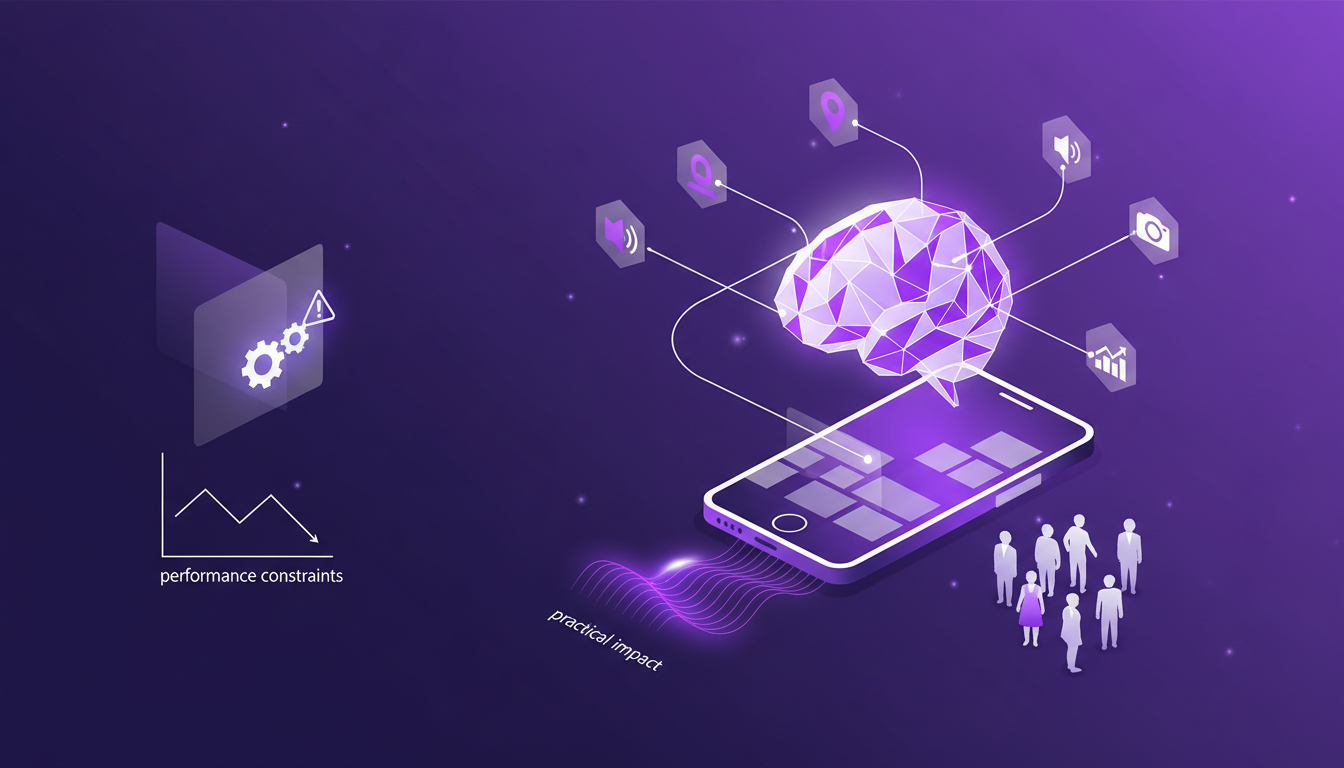
In conclusion, as a practitioner, I see these innovations not just as technological advancements, but as catalysts for change in how we work daily.
I dove into AI Studio, and let me tell you, the integration of Gemini models and its multimodal capabilities are truly a catalyst for change in software development. Here are my key takeaways:
- Seamless integration of Gemini models: It really speeds up development, but watch out for compatibility limits with existing systems.
- Democratization of software development: Tools are becoming more accessible, which is a boon for small teams, but there's still a learning curve.
- Voice and multimodal capabilities: This is a real game changer for interaction, but make sure your interfaces are well-configured to avoid errors.
With these advancements, I see a future where development processes will be not only more accessible but also more efficient. But don't just take my word for it, go explore AI Studio for yourselves. Watch the full video with Logan Kilpatrick to understand in depth how these changes can transform your workflow. Don't just watch the future unfold, be part of it: watch the video here.
Frequently Asked Questions

Thibault Le Balier
Co-fondateur & CTO
Coming from the tech startup ecosystem, Thibault has developed expertise in AI solution architecture that he now puts at the service of large companies (Atos, BNP Paribas, beta.gouv). He works on two axes: mastering AI deployments (local LLMs, MCP security) and optimizing inference costs (offloading, compression, token management).
Related Articles
Discover more articles on similar topics
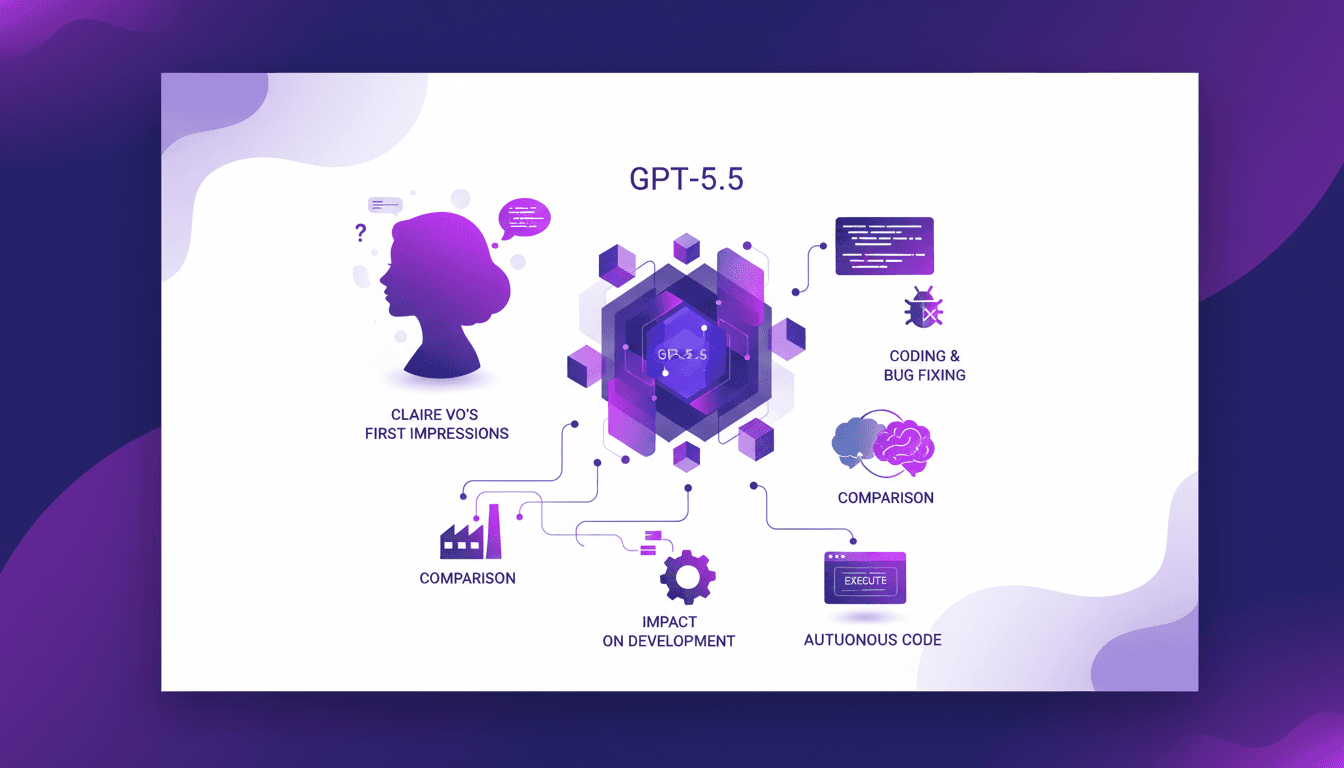
First Impressions of GPT-5.5 by Claire Vo
I remember when I first dove into GPT-5.5. It felt like opening a toolkit with a new, sharper tool, ready to redefine how I handle coding tasks. Claire Vo shares her first impressions of this model that seems to push the boundaries of AI in software development. From autonomous code execution to bug fixing, there's a lot to explore. And with a 98% accuracy in fixing bugs, it's no empty promise. In this interview, Claire takes us through her discoveries, comparing GPT-5.5 with previous models and assessing its potential impact on the software development process.
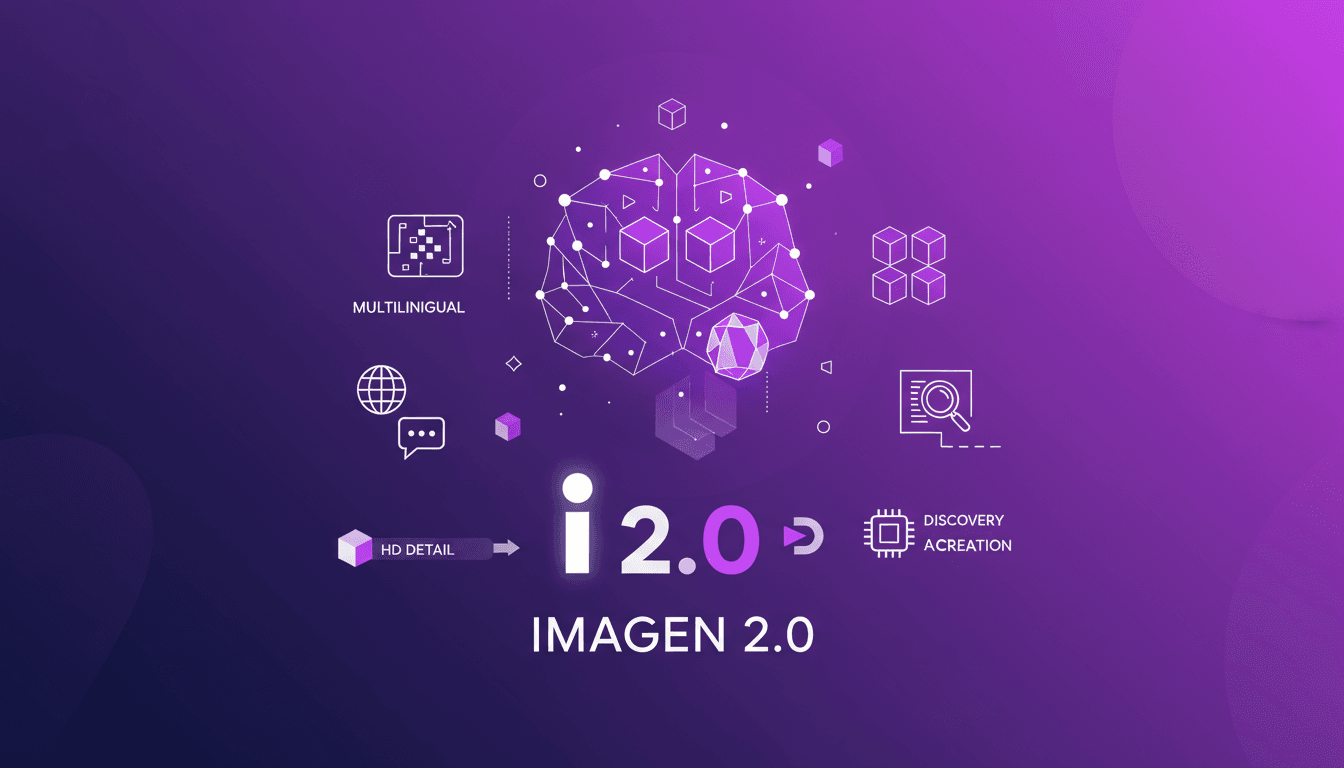
Imagen 2.0: Revolutionizing Image Generation
When I first got my hands on Imagen 2.0, I was blown away by its potential. We're talking about generating 2K resolution images with multilingual support. The first thing I did was integrate it into my workflow, and the improvement is tangible. The advancement in resolution and detail is a real game changer, but watch out for technical limits in multi-image generation. Compared to previous models and DALL-E, Imagen 2.0 really stands out. This isn't about theory; I'm talking about daily impact on my practice. If you're aiming to innovate, this is the tool to explore.
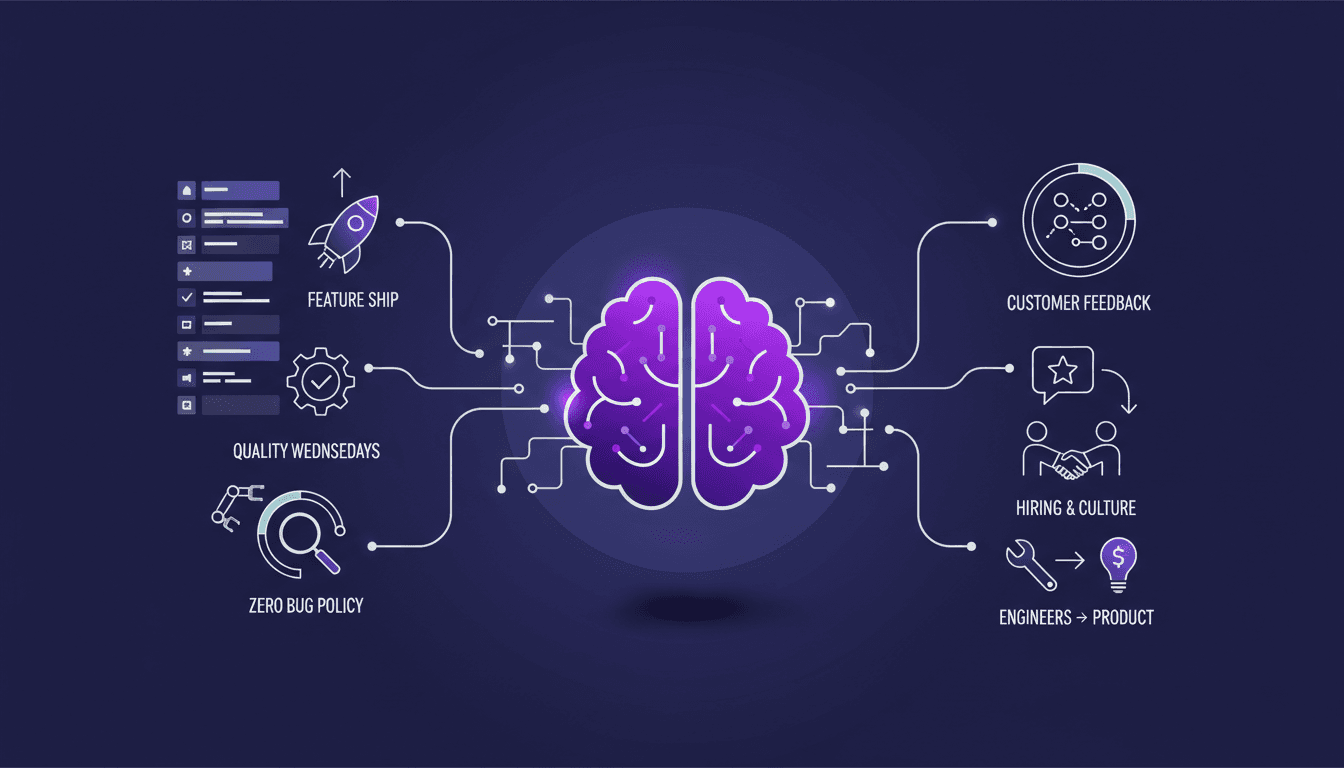
AI's Impact on Dev: Insights from Linear
I remember the first time AI dramatically sped up our feature shipping at Linear. It was a game changer, but not without its quirks. In this conversation, Tuomas Artman, CTO of Linear, and Gergely Orosz delve into AI's impact on software development. We explore how Linear leverages AI for bug fixing while upholding a zero bug policy. And trust me, 'Quality Wednesdays' is more than just a catchphrase. We also discuss the importance of customer feedback in shaping our product development. Lastly, we touch on our hiring culture and how we balance speed with quality.
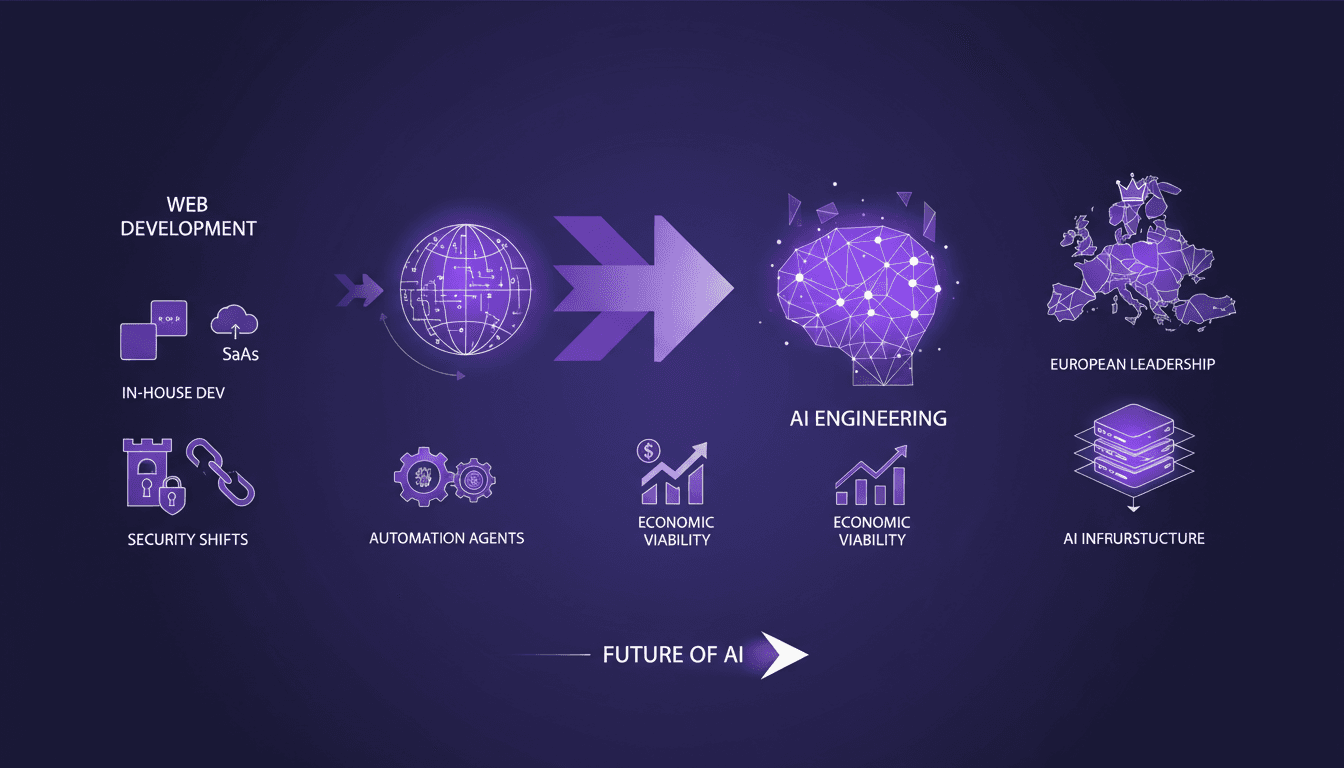
AI Engineering: Successor to Web Development
Having spent over 25 years in the trenches of software engineering, I can tell you that AI engineering is far more than just a buzzword—it's revolutionary. If you're still treating AI as a passing trend, you're missing the point. AI engineering is reshaping the tech landscape, succeeding web development with its automation agents, new security challenges, and transformative impact on software development. In this talk, let's dive into what this new application layer really means and why it's a game changer.
Gemma 4: Deployment and Mobile Optimization
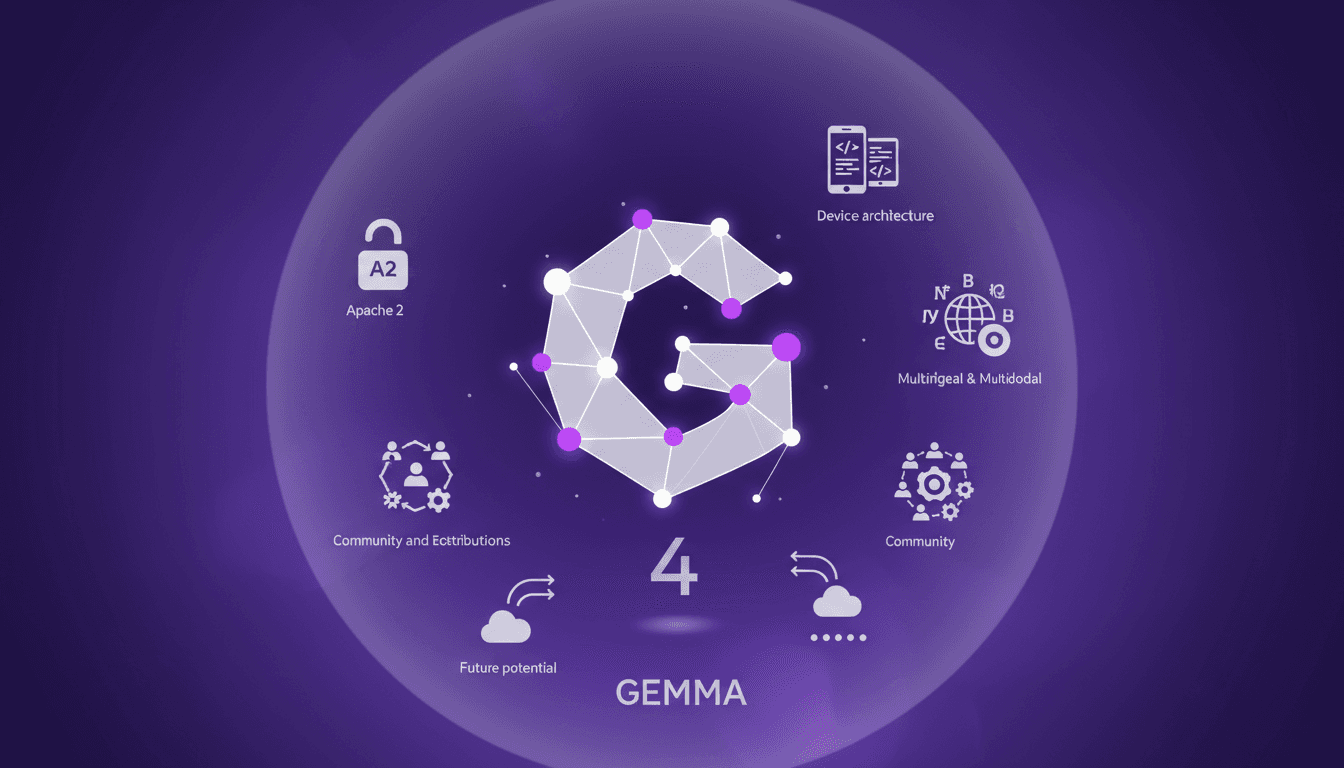
I've been knee-deep in Gemma 4 since it dropped just a week ago. I’ve woven it into my workflows, leveraging its developer-friendly design and mobile optimization. But watch out, there are trade-offs to be aware of. With its new Apache 2 licensing and E2B architecture optimized for mobile, Gemma 4 is reshaping our approach to open models. Its multilingual and multimodal capabilities, alongside community contributions, make it a key player. Yet, even with 500 million downloads for the Gemma family, understanding the technical limits is crucial to fully harness its potential.