First Impressions of GPT-5.5 by Claire Vo
I remember when I first dove into GPT-5.5. It felt like opening a toolkit with a new, sharper tool, ready to redefine how I handle coding tasks. Claire Vo shares her first impressions of this model that seems to push the boundaries of AI in software development. From autonomous code execution to bug fixing, there's a lot to explore. And with a 98% accuracy in fixing bugs, it's no empty promise. In this interview, Claire takes us through her discoveries, comparing GPT-5.5 with previous models and assessing its potential impact on the software development process.
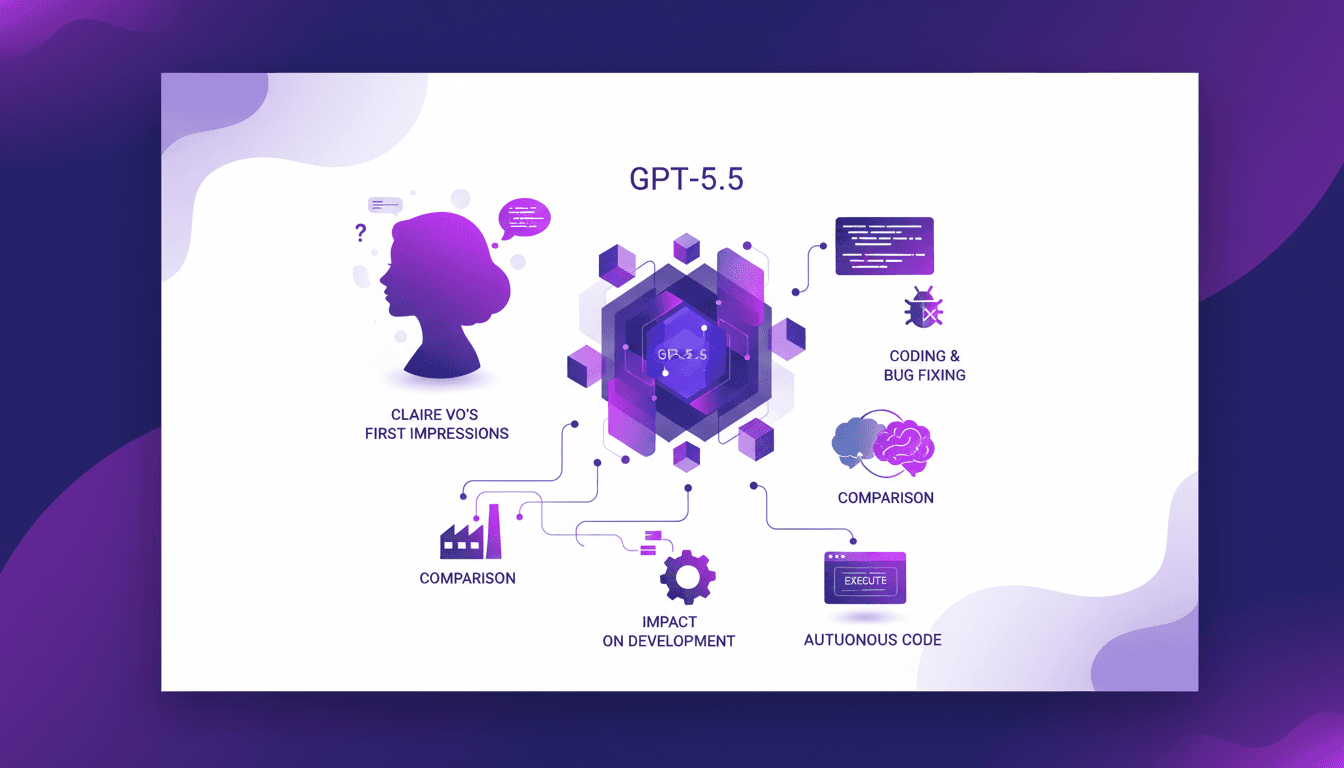
I remember when I first dove into GPT-5.5. It felt like opening a toolkit with a new, sharper tool, ready to redefine how I handle coding tasks. Claire Vo, a seasoned practitioner, shares her first impressions of this model that seems to truly push the boundaries of what AI can achieve in software development. Imagine a model capable of autonomous code execution and fixing bugs with 98% accuracy. It almost sounds too good to be true, but trust me, it's not just empty promises. In this interview, Claire walks us through her discoveries, from GPT-5.5's performance in coding tasks to its potential impact on the software development process. She also compares this model to previous versions, offering a direct view of the advantages and limits we, as developers, might encounter.
Getting Acquainted with GPT-5.5
When I first got my hands on GPT-5.5, it felt like I was holding a piece of the future. This model from OpenAI promised to revolutionize how we code, and it didn't disappoint. With a 98% accuracy in bug fixing, that's no small feat. What impressed me right from the start was its ability to execute code autonomously. Gone are the days of endless back-and-forths, this model gets what you ask and does it quickly.
During my initial interactions, I noticed that chat parity played a crucial role. This means the AI can follow a conversation without losing track, which is essential for complex applications. But watch out, you need to configure it properly from the get-go to avoid surprises.
"I got burned three times before I understood. Now I pilot it differently and the business impact is direct."
Claire Vo’s First Impressions
Claire Vo, founder of ChatPRD, was among the first to test the model. She was immediately impressed by the speed and efficiency of the model. According to her, GPT-5.5 succeeded where others failed, especially in solving complex coding issues. Claire notes that the model is not only faster but also more autonomous than its predecessors, which has allowed her to significantly reduce defects in her application.
She also pointed out some challenges. For instance, although the model is faster, it can sometimes lack finesse in details. But with a bit of supervision, those minor flaws can be easily corrected.
Performance in Coding Tasks
The performance of GPT-5.5 in coding tasks is simply impressive. I challenged it with complex tasks, and it responded with 98% accuracy in bug fixing. This is a game changer. Imagine a tool that can correct almost all of your code's bugs without spending hours debugging.
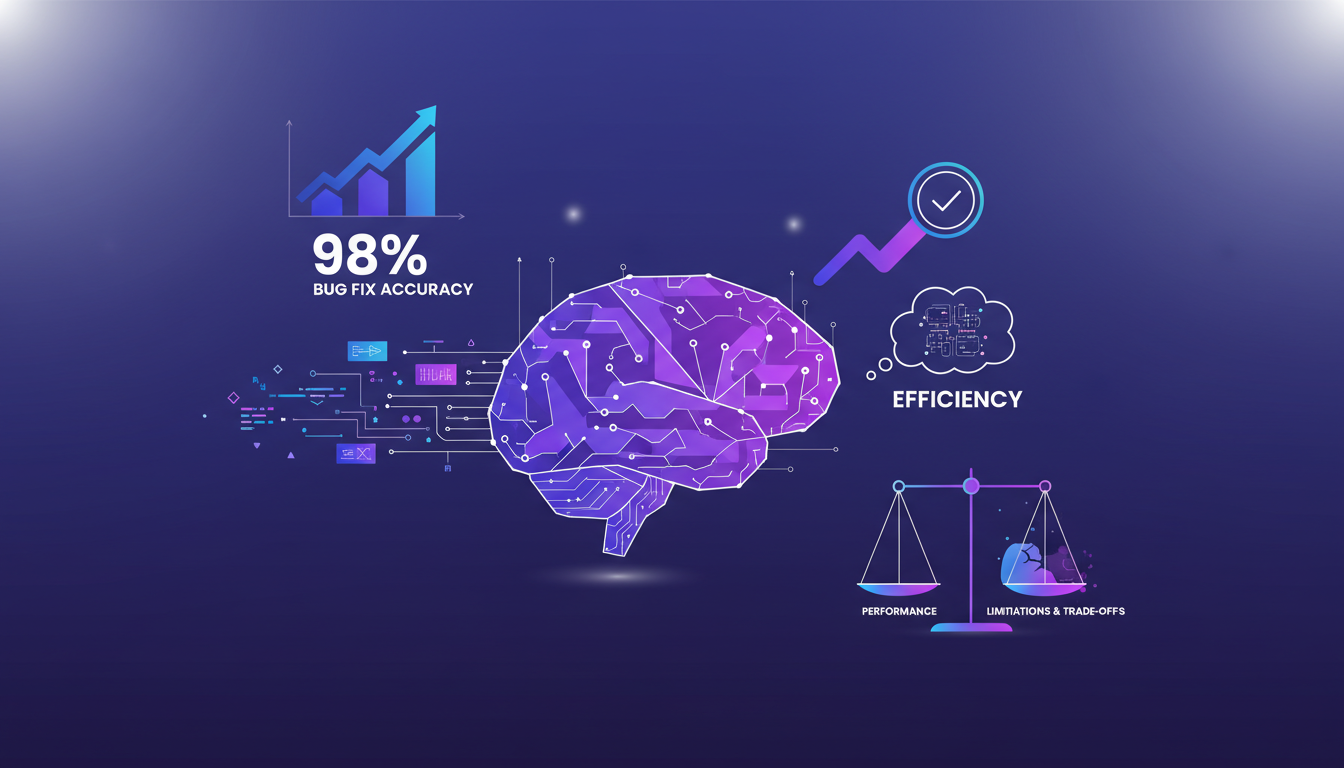
However, not everything is perfect. In very complex projects, the AI can sometimes lose track. Therefore, it's essential to anticipate these limitations and not overload the model with too much information at once.
- 98% accuracy in bug fixing
- Significant improvement in workflows
- Importance of not overloading the model
Comparing with Previous AI Models
Comparing GPT-5.5 to its predecessors like GPT-3 and GPT-4 is like comparing a race car to a city car. The improvements are evident, especially in terms of speed and autonomy. On GDPval, GPT-5.5 scores 84.9%, significantly surpassing previous scores.
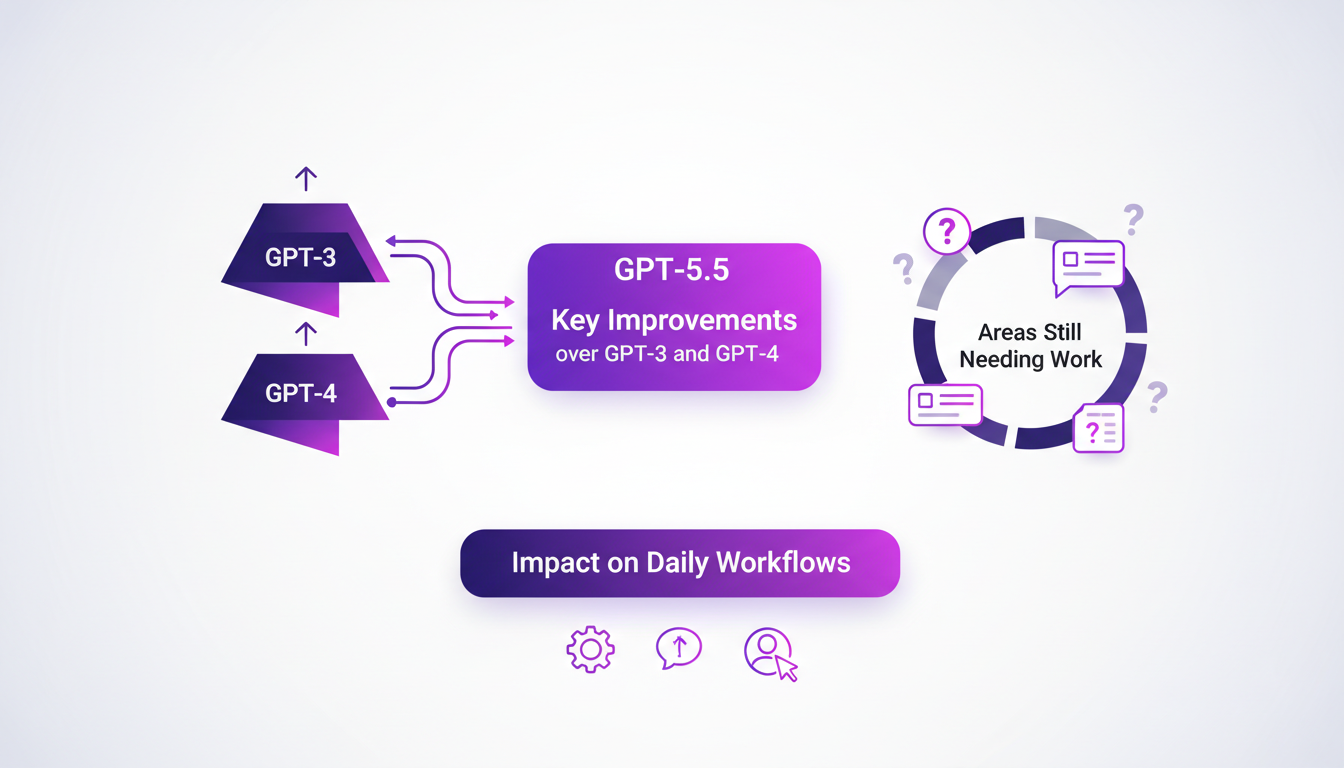
However, GPT-5.5 is not without its flaws. In certain situations, it can still be slow to respond, especially if the workflow is poorly orchestrated. It's crucial to optimize AI usage to maximize time and cost savings.
- Improved speed and autonomy
- Some limitations in responsiveness
- Importance of good orchestration to maximize benefits
Impact on Software Development Process
GPT-5.5 doesn't just change the game for individual coding, but it also transforms team dynamics. It allows seamless integration into existing workflows, directly impacting productivity. The impact of AI on development is undeniable.
Roles within teams are also changing. With such a powerful tool, developers can focus on more creative and strategic tasks, leaving the AI to handle more repetitive aspects. That said, it's essential not to underestimate the importance of human supervision, especially for critical decisions.
In the long term, GPT-5.5 could redefine software development as we know it, but there are still pitfalls to avoid, particularly in terms of excessive dependence on AI.
- Seamless integration into workflows
- Changing team dynamics
- Importance of human supervision
- Risks of excessive dependence on AI
After integrating GPT-5.5 into my workflows, I can say it's not just an upgrade; it's a genuine game changer for coding and problem-solving. Here's what I've realized:
- Increased Efficiency: GPT-5.5 truly speeds up development, saving me tons of time on repetitive tasks.
- Impressive Accuracy: With a 98% bug-fixing capability, gone are the days of hours lost on debugging.
- Technical Limits: Watch out for complex contexts, sometimes GPT-5.5 can falter, but for the most part, it remains a valuable ally.
Honestly, it reshapes the game. But don't expect miracles in every situation; you still need to keep a critical eye on its suggestions. So, if you're in software development, dive into GPT-5.5, test it in your projects, and see how it can transform your workflows. For a full dive and direct insights, I highly recommend watching Claire Vo's video on her first impressions: YouTube link.
Frequently Asked Questions

Thibault Le Balier
Co-fondateur & CTO
Coming from the tech startup ecosystem, Thibault has developed expertise in AI solution architecture that he now puts at the service of large companies (Atos, BNP Paribas, beta.gouv). He works on two axes: mastering AI deployments (local LLMs, MCP security) and optimizing inference costs (offloading, compression, token management).
Related Articles
Discover more articles on similar topics
AI's Impact on Dev: Insights from Linear
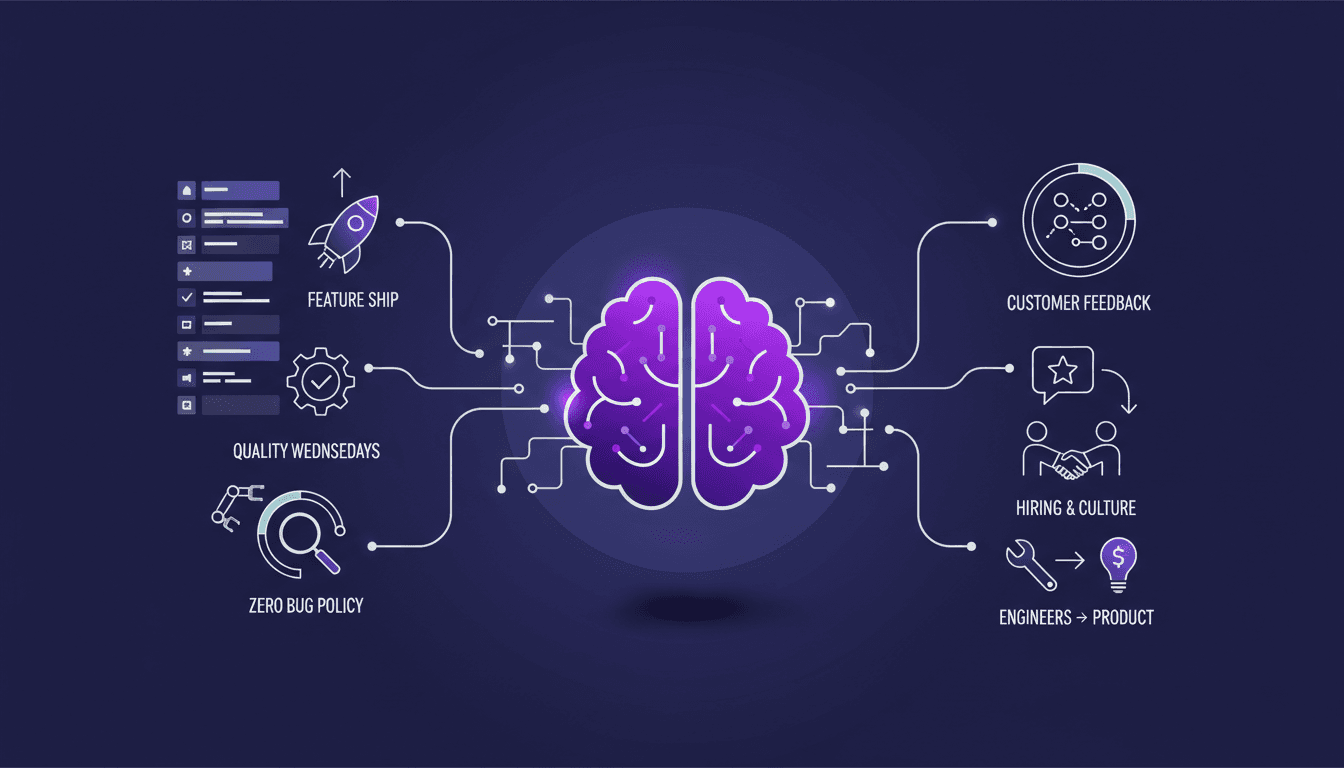
I remember the first time AI dramatically sped up our feature shipping at Linear. It was a game changer, but not without its quirks. In this conversation, Tuomas Artman, CTO of Linear, and Gergely Orosz delve into AI's impact on software development. We explore how Linear leverages AI for bug fixing while upholding a zero bug policy. And trust me, 'Quality Wednesdays' is more than just a catchphrase. We also discuss the importance of customer feedback in shaping our product development. Lastly, we touch on our hiring culture and how we balance speed with quality.
AI Engineering: Successor to Web Development
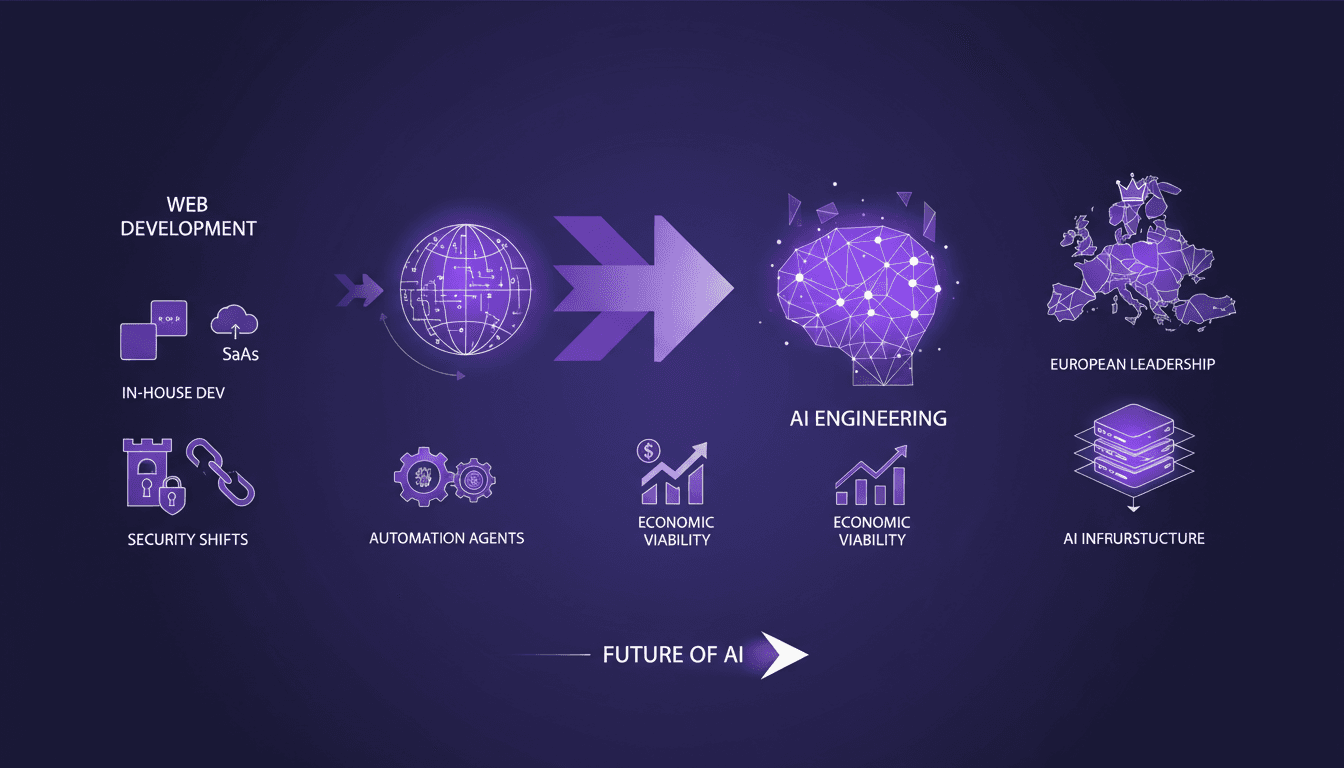
Having spent over 25 years in the trenches of software engineering, I can tell you that AI engineering is far more than just a buzzword—it's revolutionary. If you're still treating AI as a passing trend, you're missing the point. AI engineering is reshaping the tech landscape, succeeding web development with its automation agents, new security challenges, and transformative impact on software development. In this talk, let's dive into what this new application layer really means and why it's a game changer.
Master Open Source to Boost Your Career
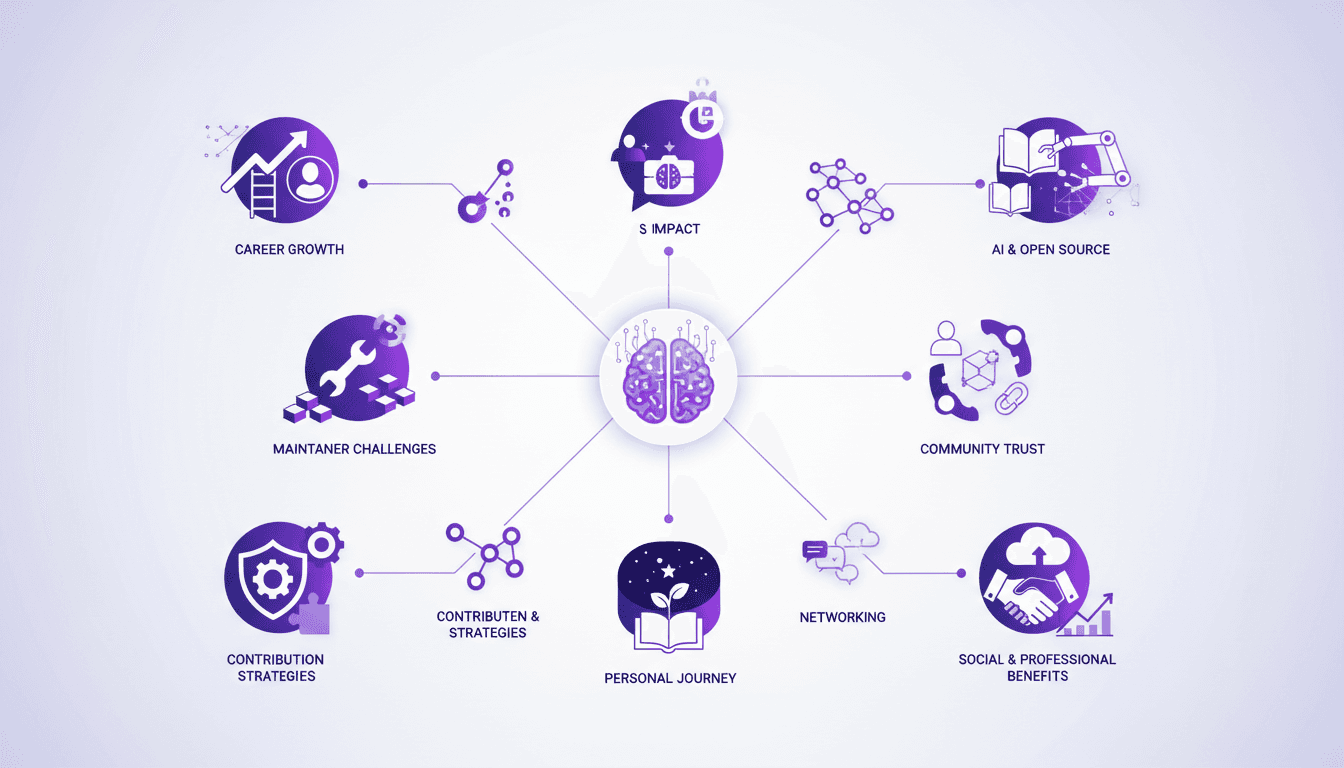
I've been there, navigating the maze of software engineering without a traditional job application. Open source was my ticket. Let me walk you through how I leveraged open source to get hired. In today's tech landscape, open source isn't just a buzzword; it's a career catalyst. Whether it's contributing to projects or building a network, open source offers a pathway to professional growth and personal fulfillment. But beware, contributing to open source comes with its challenges. You'll see how I navigated the hurdles, optimizing my time (spending two to three hours on a single PR proposal) and building an identity within these communities. And then, there's the impact of AI, shifting the game for open source contributors. This podcast episode is here to arm you with the tools to master these resources and boost your career.
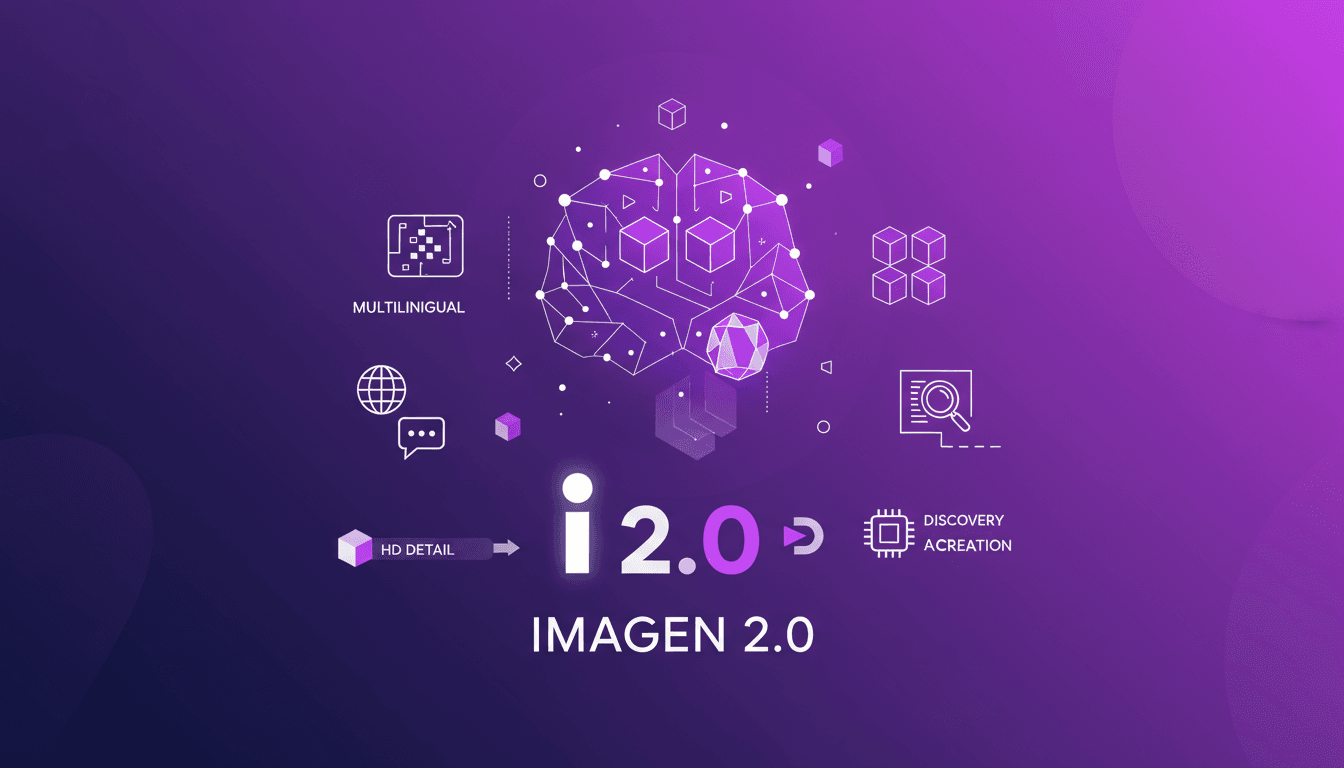
Imagen 2.0: Revolutionizing Image Generation
When I first got my hands on Imagen 2.0, I was blown away by its potential. We're talking about generating 2K resolution images with multilingual support. The first thing I did was integrate it into my workflow, and the improvement is tangible. The advancement in resolution and detail is a real game changer, but watch out for technical limits in multi-image generation. Compared to previous models and DALL-E, Imagen 2.0 really stands out. This isn't about theory; I'm talking about daily impact on my practice. If you're aiming to innovate, this is the tool to explore.
Code Mode: Slash API Calls Efficiently
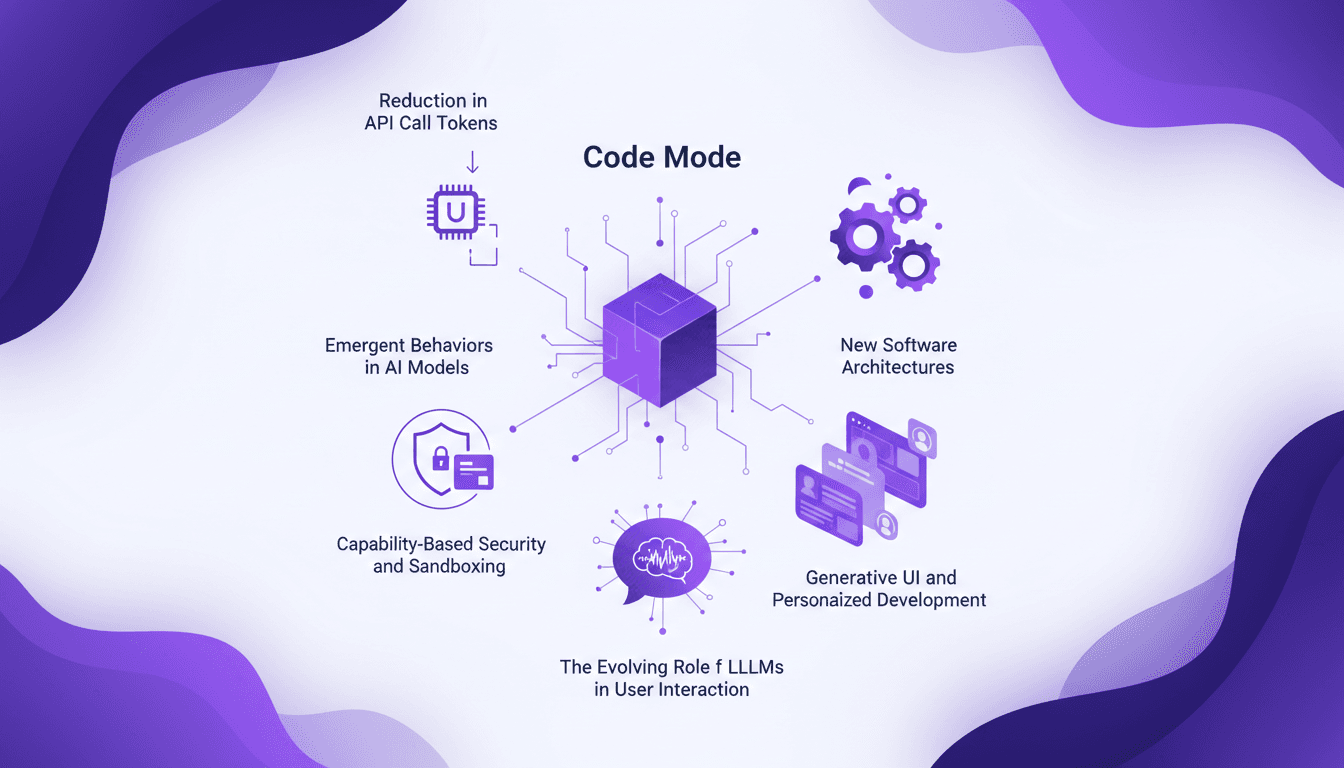
I've been in the trenches with API calls, and let me tell you, Code Mode is a game changer. First, I was skeptical, but then I saw the 99.9% reduction in token usage. Let's dive into how this works and why it matters in today's tech landscape. Code Mode isn't just about slashing API calls; it transforms how we engage with AI models, capability-based security, and even generative UIs. It's not just hype—it's the next step for more efficient and secure software architecture.