Teaching AI to Close: 6 Months of Insights
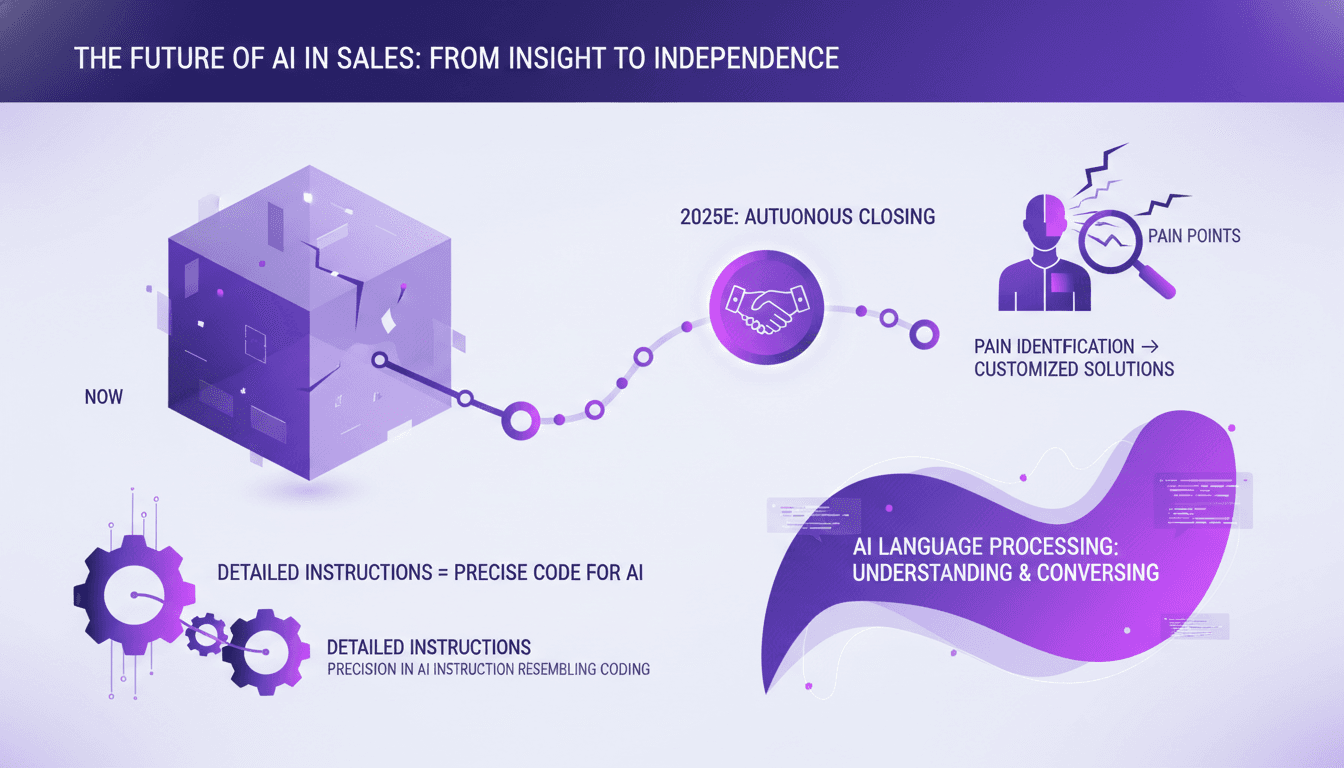
I spent six months training an AI to close deals—230 real estate investors and wholesalers later, I learned that AI's edge isn't speed, but its lack of ego. This journey reshaped my understanding of sales, challenging traditional training methods. In a field that's been taught the same way for a century, AI is changing the game. Let's dive into how AI can optimize sales processes and redefine how we approach prospects. Topics include AI's role in sales, misconceptions in traditional sales training, the importance of diagnosing prospects, and the future of sales with AI. Get ready for a deep dive into the future of sales, where AI might just become your best ally.
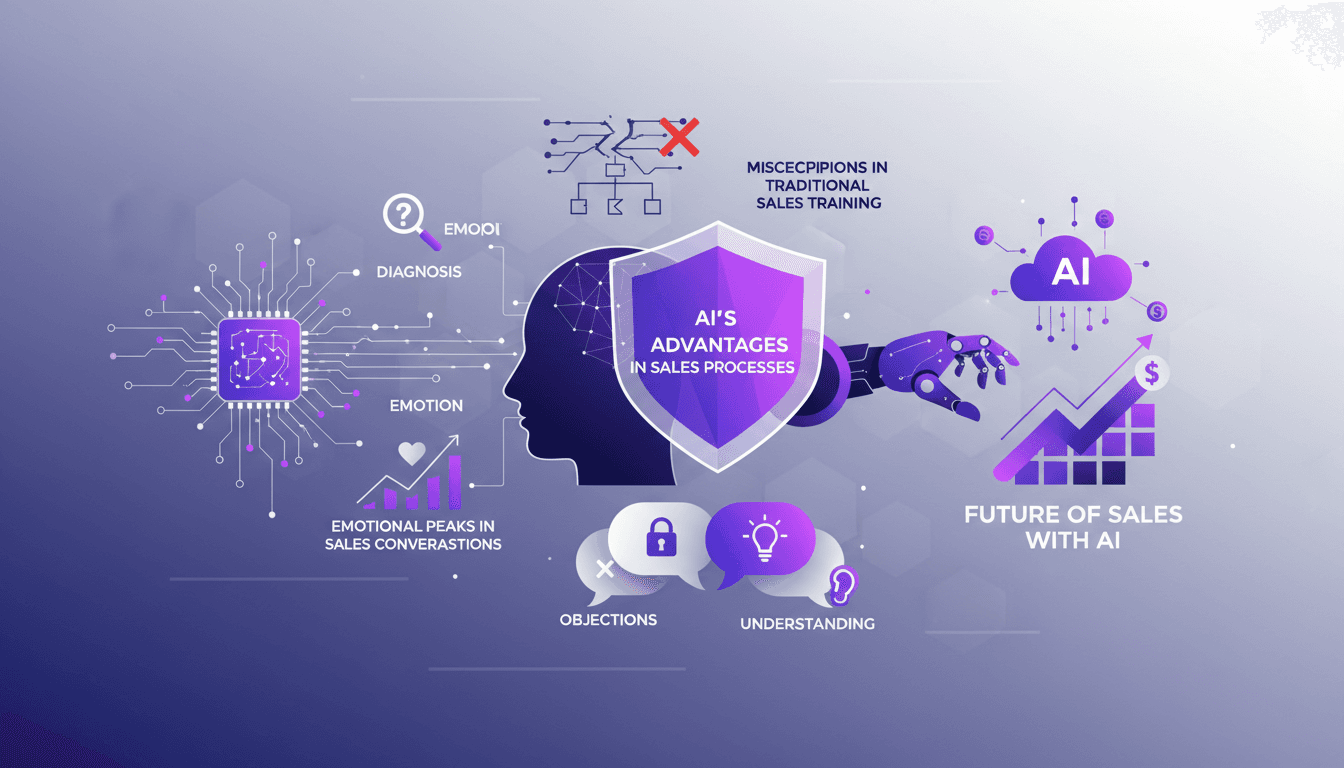
I spent six months teaching an AI to close deals, and let me tell you, it wasn't just about speed. Starting off with 230 real estate investors and wholesalers, I thought AI would revolutionize the sales process with its efficiency. But the real kicker? AI has no ego. It doesn't get caught up in personal objections or emotional peaks. This journey made me reassess everything I thought I knew about the art of sales, challenging a century-old training method. First, you need to understand how AI can optimize sales processes and change our approach to prospects. AI can be a powerful tool for diagnosing prospect needs and transforming conversations. So, are you ready to see how AI might just become your best ally in the sales world?
AI's Ego-Less Advantage in Sales
When it comes to AI in sales, the first thing that strikes me is its complete lack of ego. Unlike humans, AI never gets defensive. It focuses solely on data and patterns. This ego-less nature allows it to handle thousands of conversations without fatigue, consistently performing at a high level. I remember those six months spent teaching an AI how to close deals. That's when I truly realized that AI doesn't try to prove anything to a prospect; it simply focuses on the facts. This consistency is crucial in sales.
"AI's lack of ego isn't a bug; it's a feature."
Misconceptions in Traditional Sales Training
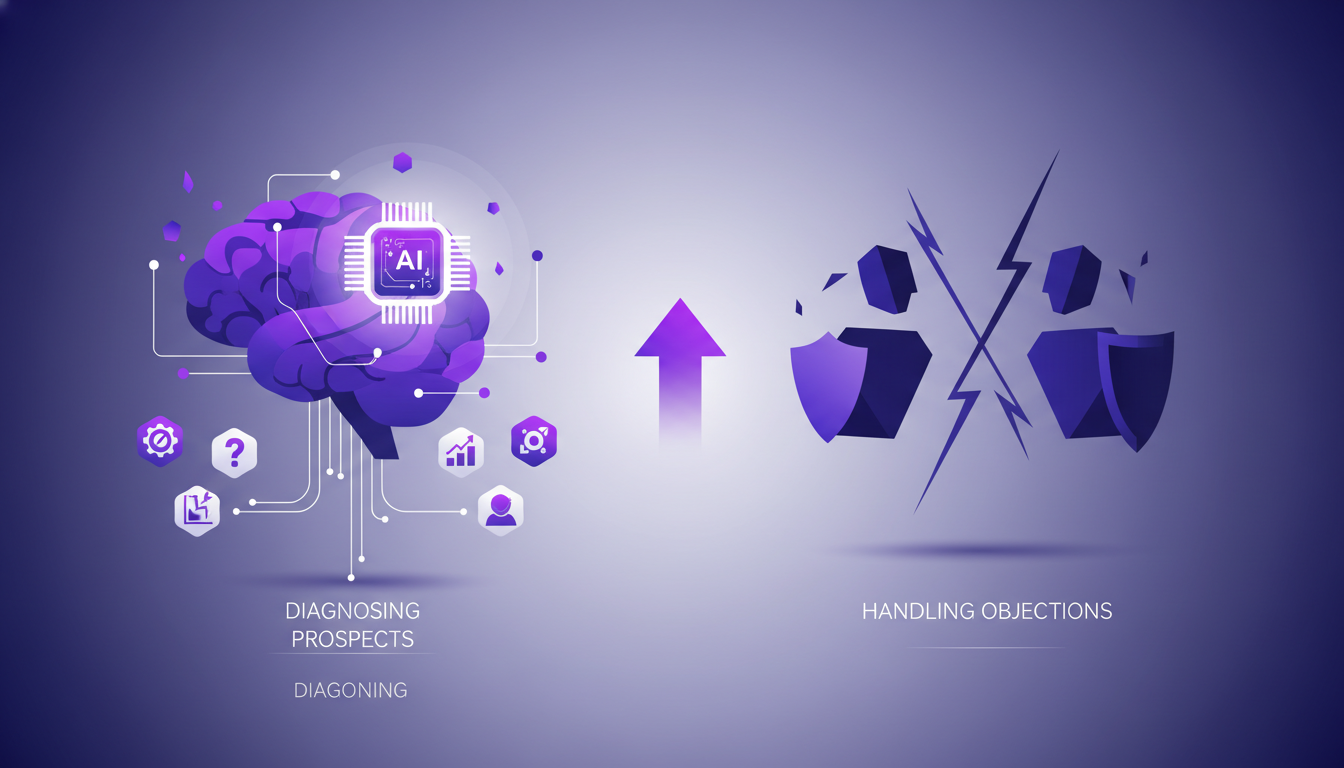
Traditional sales training often emphasizes objection handling. But working with AI, I realized this was a fundamental mistake. Diagnosing prospects is far more effective than merely handling objections. These trainings, unchanged for over a hundred years, need to evolve. AI shows us that scripted responses are no longer sufficient. What matters is understanding the prospect's needs. During those six months, the AI revealed that real objections are not as straightforward as in books. I've seen how a dynamic approach can transform an entire sales team.
Diagnosing Prospects over Handling Objections
Diagnosing involves understanding the prospect's pain points and needs. And here, AI excels! It identifies patterns and insights from vast data sets. Objection handling often leads to confrontational interactions, whereas AI helps sales teams focus on solutions rather than arguments. For instance, using AI, I've discovered patterns I would have never identified on my own, and it completely changed how I approach prospects.
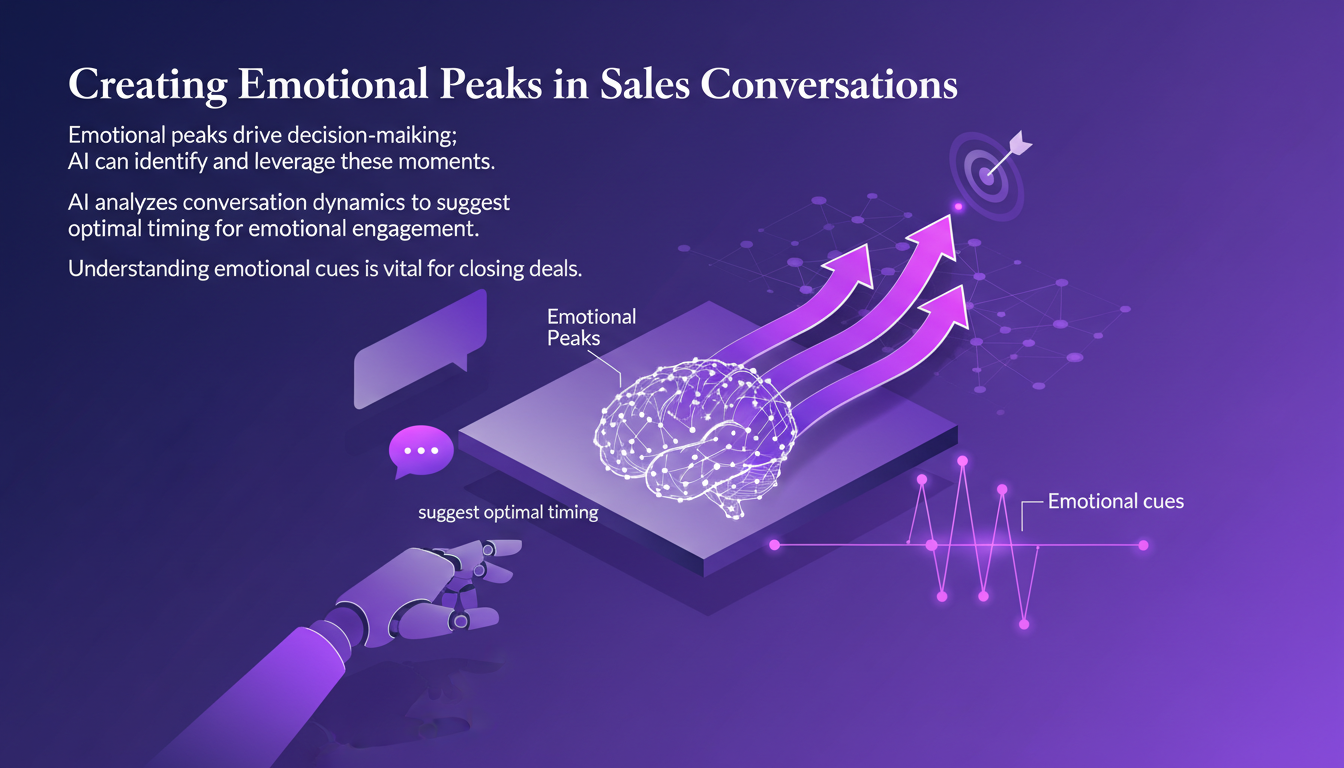
Creating Emotional Peaks in Sales Conversations
Emotional peaks are powerful triggers for decision-making. AI can identify and leverage these moments by analyzing conversation dynamics. During those six months of AI training, I witnessed how it could suggest the optimal timing for emotional engagement. Understanding these emotional cues is vital for closing deals, and AI proves to be a valuable ally in balancing emotional engagement with data-driven insights.
AI's Role in Optimizing Sales Processes
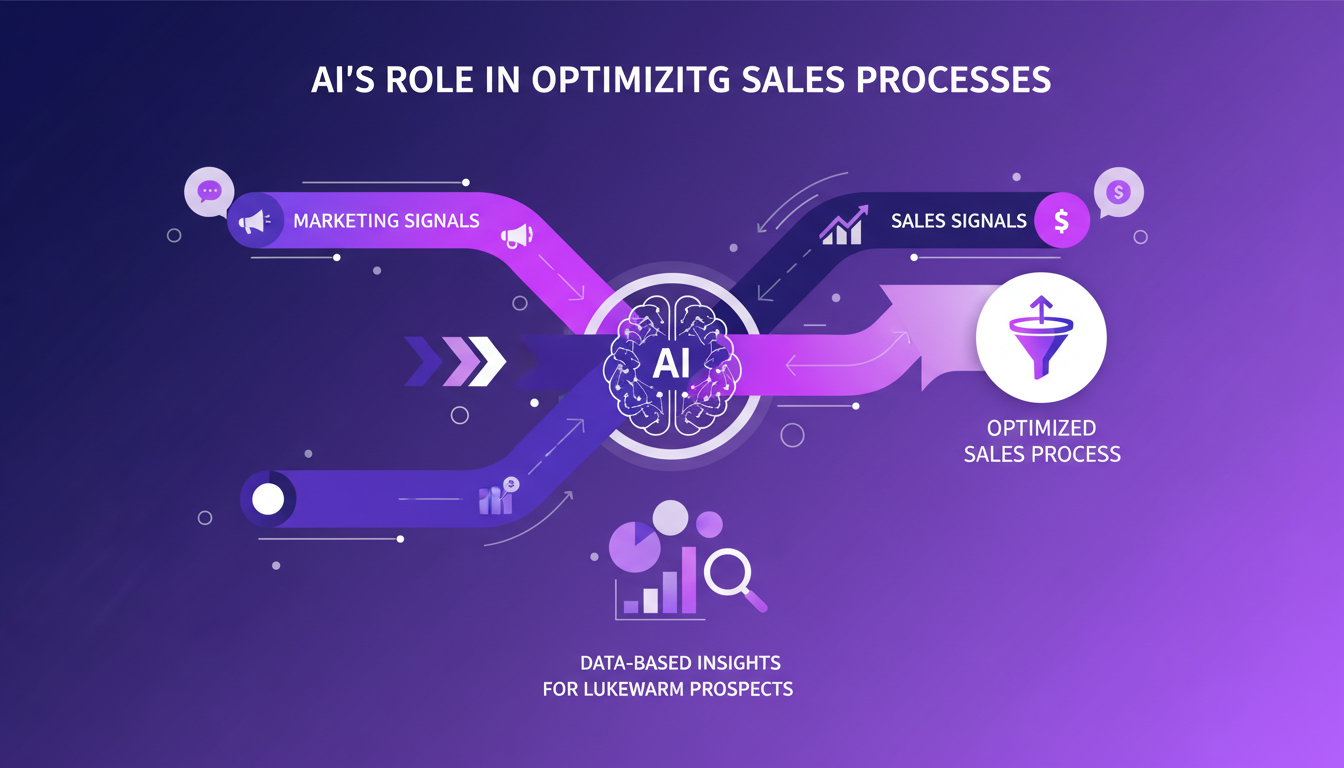
AI streamlines sales processes, improving efficiency and consistency. It aligns marketing and sales signals, ensuring cohesive communication. I've seen how AI can handle lukewarm prospects by providing data-based insights. The future of sales will heavily rely on AI for data analysis and strategy development. By properly orchestrating these tools, sales teams can focus on what truly matters: converting prospects.
In summary, AI is not just transforming sales; it's redefining how we understand and interact with prospects. It's a true paradigm shift, and AI's ego-less nature is the key to its success.
After these six months with AI in our sales arsenal, it's clear that traditional methods need a revamp. AI offers a unique ability to diagnose prospects, create emotional peaks, and operate without ego – it's a real game changer for sales efficiency.
- Precise Diagnosing: I've leveraged AI to pinpoint the needs of the 230 real estate investors I've worked with.
- Creating Emotional Peaks: AI helped me structure conversations to keep prospects engaged.
- Ego-Free Operation: By removing human bias, AI enhances the quality and consistency of interactions.
Looking forward, integrating AI into your sales strategy isn't just a trend, it's a necessary transformation. But remember, maintaining the authenticity of interactions is crucial. So, I invite you to check out the full video to dive deeper and see how this could transform your own sales strategy: YouTube Link. Embrace AI today and let it guide your sales journey.
Frequently Asked Questions

Thibault Le Balier
Co-fondateur & CTO
Coming from the tech startup ecosystem, Thibault has developed expertise in AI solution architecture that he now puts at the service of large companies (Atos, BNP Paribas, beta.gouv). He works on two axes: mastering AI deployments (local LLMs, MCP security) and optimizing inference costs (offloading, compression, token management).
Related Articles
Discover more articles on similar topics
Building an AI Closer: Busting Sales Training Myths
I've spent countless hours trying to get AI to close sales for me, and let me tell you, we're not there yet. But I've learned what it can do now and how to make it work effectively. In the sales world, AI is the shiny tool everyone talks about. Yet, it can't close a deal on its own—yet. What it can do is transform our approach to sales training and execution, especially in identifying and addressing customer pain points. We might be five years away from AI closing a sale, but with the right instructions, it can already recommend 80% of solutions based on pain identification. Follow along, and I'll show you how to orchestrate this for direct impact.
AI in Emotional Sales: A Game-Changer Unveiled
Yesterday, I thought AI couldn't close emotional sales. Then I built a system around it and watched my deal closures take off. So, how did I do it? Let's dive into AI's potential to transform sales processes, especially on the emotional front. Building the right architecture is a game-changer for operational efficiency and leaner operations. Companies can not only run leaner but also close more deals. Be warned, failing to adopt these technologies in time might leave you behind. Let's uncover why mastering this new tech wave is crucial.
GPT 5.5: Revolutionizing Code and Workflow
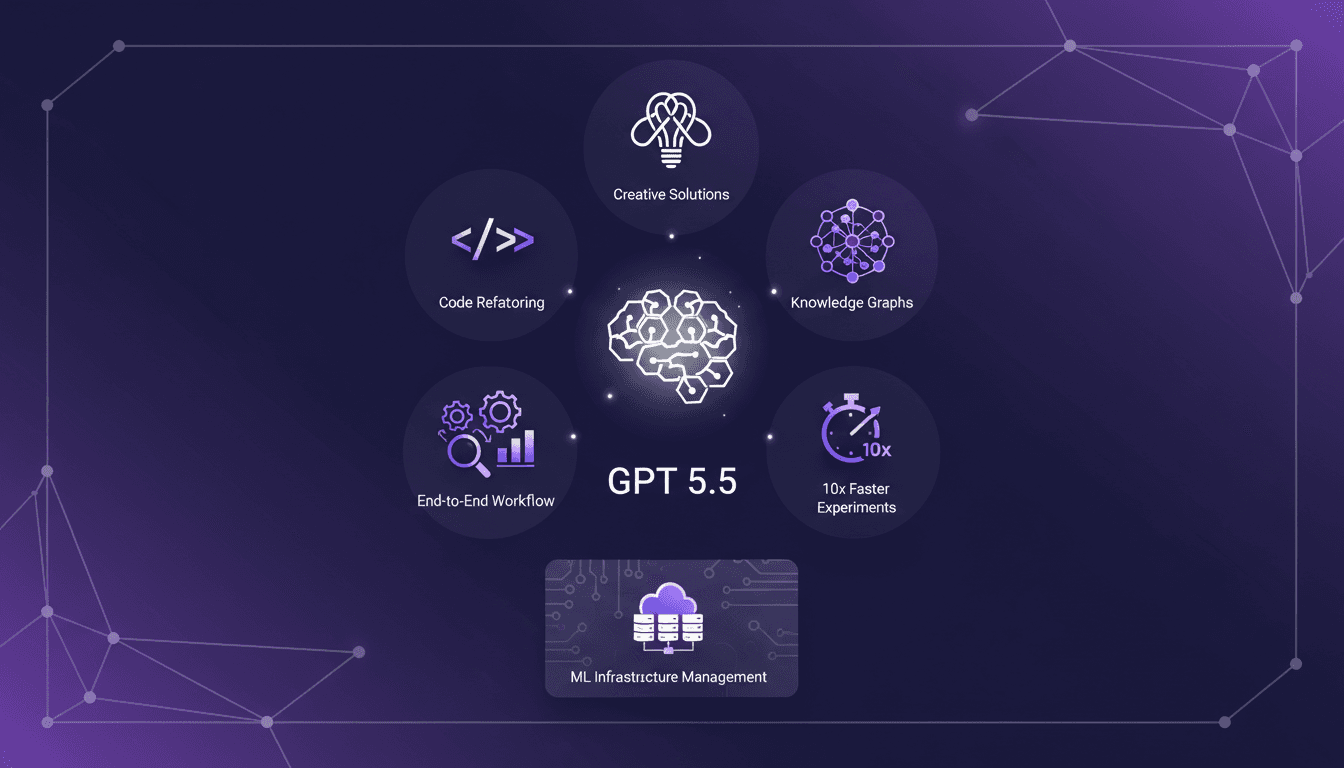
I've been in the AI trenches for years, but GPT 5.5 is truly a game changer. I connected it to my usual workflows, refactored code, and even built knowledge graphs more efficiently than ever. This model isn’t just about incremental improvements; it redefines how AI can tackle complex problems. With a 10x speed improvement in running experiments, I can orchestrate entire projects end-to-end without worrying about the machine learning infrastructure. If you've ever been frustrated by the limits of previous models, now's the time to dive into GPT 5.5.
AI Studio & Gemini: Revolutionizing Development
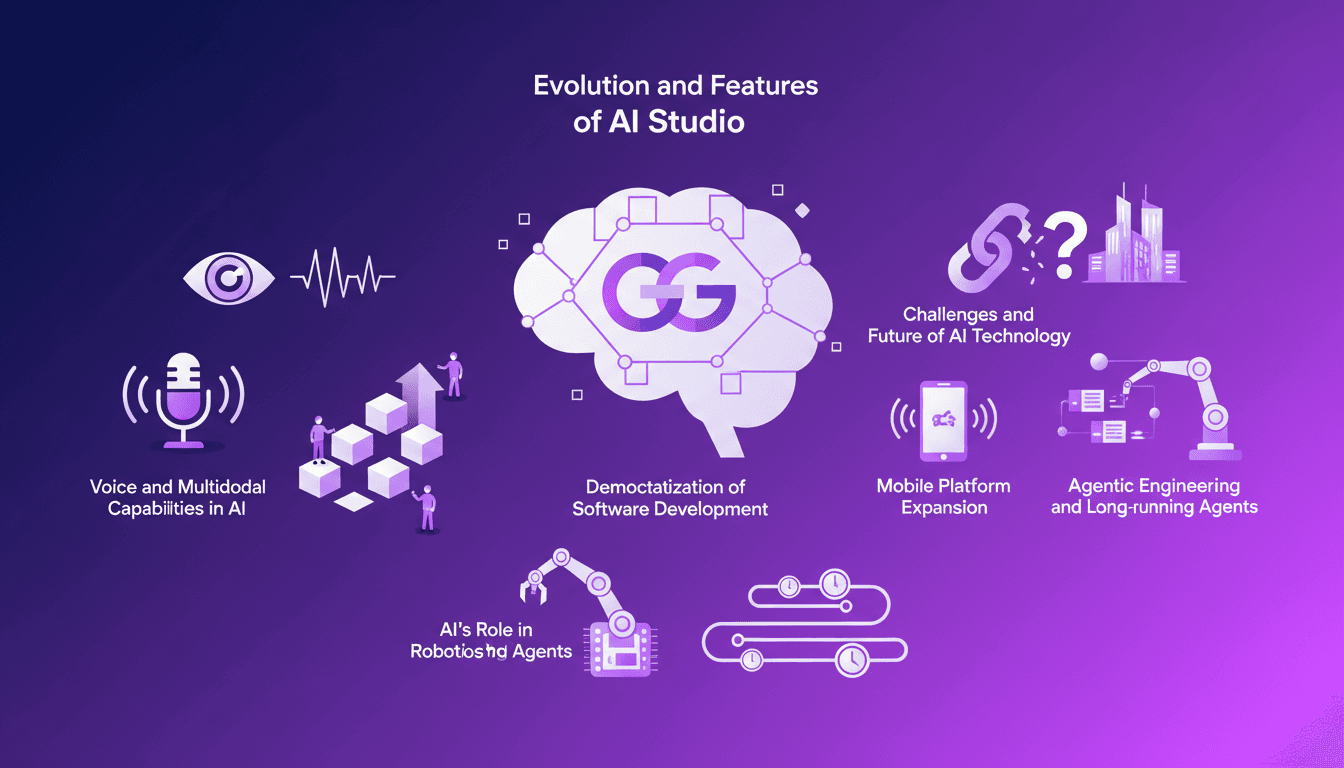
I remember when AI Studio was just a whisper in the tech corridors. Fast forward to today, it's a game changer—especially with Gemini models in the mix. In just 18 months, AI Studio has crossed critical milestones, integrating cutting-edge features like multimodal capabilities. This isn't just for the tech elite; it's democratizing development for everyone. Let me walk you through how this evolution isn't just hype, but a real shift in how we build and innovate. I've connected Gemini models, orchestrated complex projects, and avoided some pitfalls that I share here. We also talk about mobile platform expansion, agentic engineering, and AI's role in robotics. In short, AI Studio is no longer a dream; it's our reality.
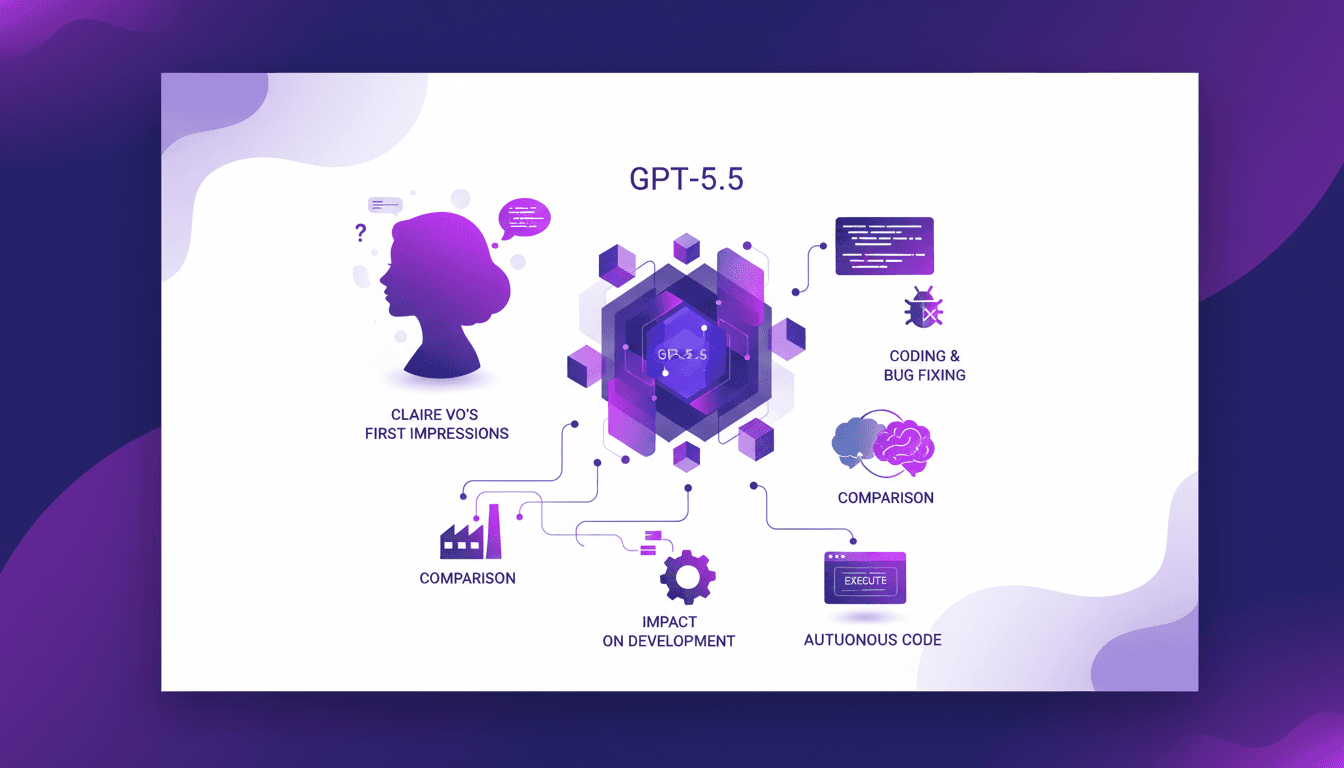
First Impressions of GPT-5.5 by Claire Vo
I remember when I first dove into GPT-5.5. It felt like opening a toolkit with a new, sharper tool, ready to redefine how I handle coding tasks. Claire Vo shares her first impressions of this model that seems to push the boundaries of AI in software development. From autonomous code execution to bug fixing, there's a lot to explore. And with a 98% accuracy in fixing bugs, it's no empty promise. In this interview, Claire takes us through her discoveries, comparing GPT-5.5 with previous models and assessing its potential impact on the software development process.