Boosting Developer Productivity with GPT-5.5
I was knee-deep in a decade-old codebase when I first unleashed GPT-5.5. And wow, what a game changer! With its Codex harness, this model isn't just about speed; it redefines how we tackle software development. From breathing life into forgotten projects to streamlining new ones, GPT-5.5 is transforming the landscape. Let me take you behind the scenes of this transformation and show you how this AI literally boosts our productivity and intelligence. Watch out for context limits, but when used right, it's a game changer for developers.
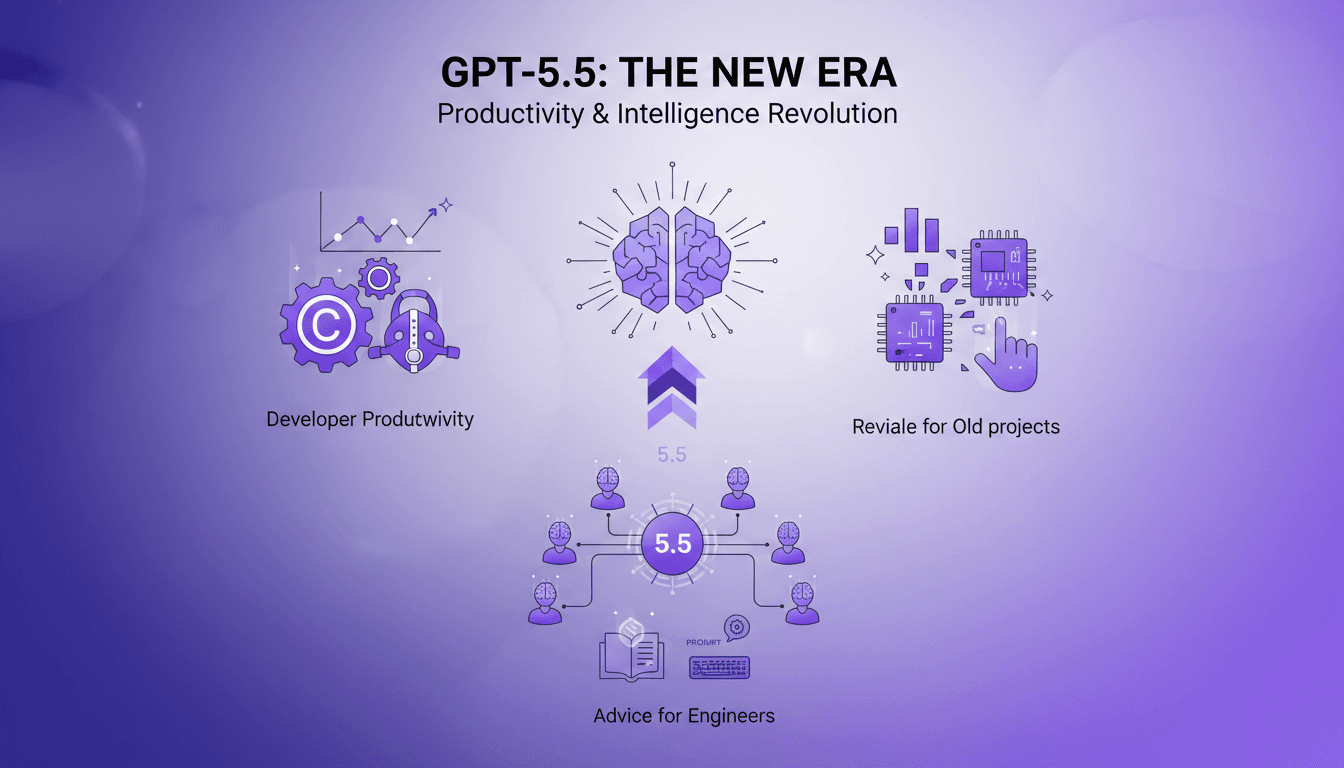
I remember vividly the moment I unleashed GPT-5.5 on a decade-old codebase. It was like breathing new life into that forgotten project. Suddenly, a world of possibilities opened up. GPT-5.5, with its Codex harness, isn't just a speed boost; it completely reinvents how we code. Picture this: you usually spend 40 hours on a single task, and suddenly everything becomes smoother, smarter. This model transforms how we approach projects, whether they're new or old. But don't get blinded by the initial 'wow' factor; there are context limits to manage. Let me walk you through this revolution, with practical tips on harnessing GPT-5.5 to its fullest. It's a game changer, but like any powerful tool, you need to know how to wield it effectively.
Unleashing Productivity with GPT-5.5
I integrated GPT-5.5 into my workflow and immediately noticed a tangible boost in productivity. This model outshines previous versions in terms of speed and capabilities. Tasks that used to take hours are now completed in half the time, if not less. It's a real game changer for optimizing efficiency.
“Instead of carefully managing every step, you can give GPT-5.5 a messy, multi-part task and trust it to plan, use tools, check its work, navigate through ambiguity, and keep going.”
However, it's crucial to avoid over-reliance. GPT-5.5 is an incredible tool, but it's still just a tool, not a crutch. Balancing AI assistance with human oversight is key to maintaining quality control.
Harnessing Codex for Developer Efficiency
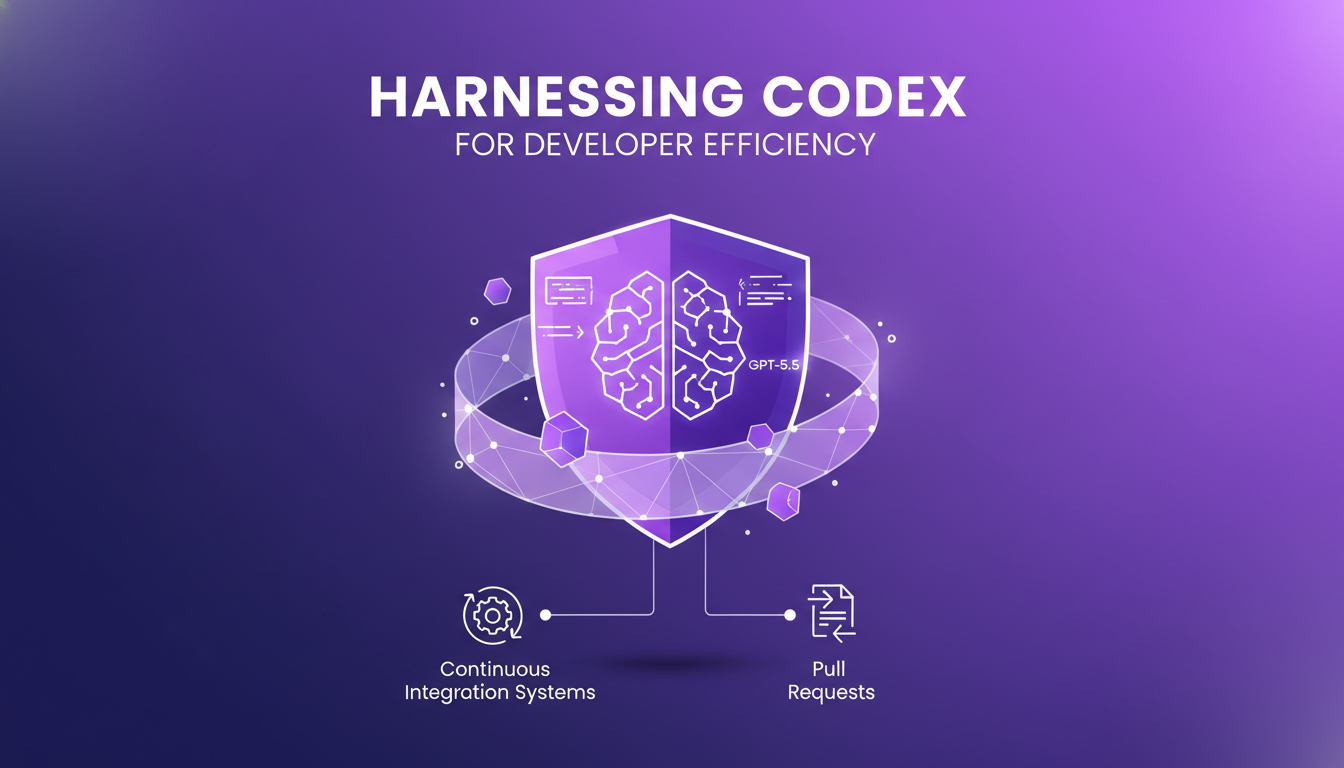
With the Codex harness in GPT-5.5, we're entering a new era for code development. It's a real game changer for writing and reviewing code. Personally, I use it to automate repetitive tasks, freeing up time for tackling more complex problems. My continuous integration systems and pull requests are now streamlined.
But watch out for context limits. Codex excels with clear, concise inputs. If you feed it vague instructions, the results can be disappointing. Always specify your requests to get the best results from this tool.
Reviving Legacy Projects with Ease
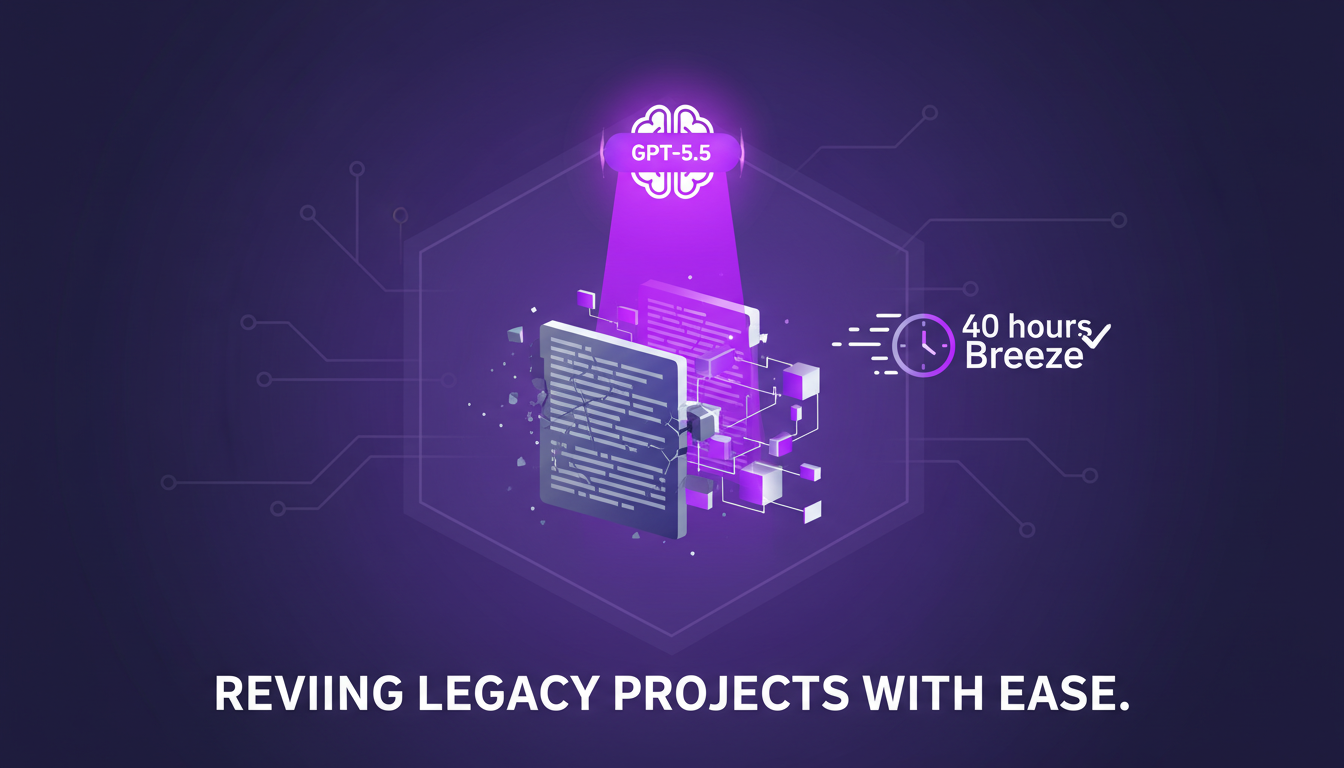
I tackled a 10 to 15-year-old project with GPT-5.5, something I thought was impossible before. The AI's ability to interpret and update old codebases is unparalleled. What used to be a 40-hour job has become much quicker and more efficient.
However, manual checks are still necessary to ensure quality and accuracy. While the AI can work wonders in terms of speed, it's not infallible. Always verify the generated code to avoid unpleasant surprises.
Enhancing Team Contributions with GPT-5.5
At OpenAI, using GPT-5.5 has significantly increased team contributions. Simple tasks are handled by the AI, allowing everyone to focus on innovation. The AI-generated suggestions often spark new ideas and approaches.
Yet again, balance is crucial. It's essential to maintain a harmony between AI input and human creativity. Otherwise, we risk losing out on originality and that personal touch that's so valuable in development.
Practical Advice for Engineers Using GPT-5.5
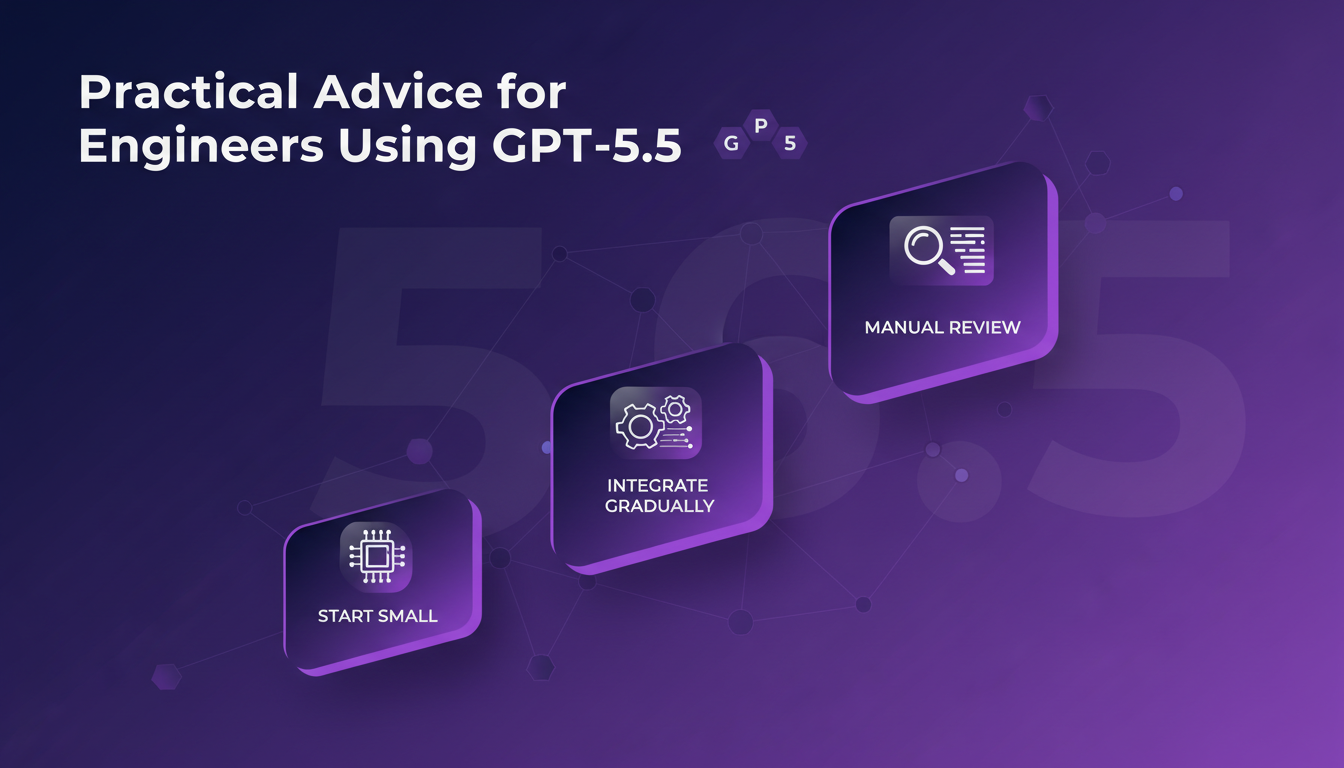
Start with small, manageable tasks to get a feel for the AI's capabilities. Gradually integrate it into your existing workflows to avoid disruption. As they say, practice makes perfect.
- Integrate it gradually into your workflows to minimize disruptions.
- Always manually review AI-generated code to catch any errors.
- Stay informed about updates and new features to maximize benefits.
For more details, check out GPT-5.5: Evolution and First Impressions and First Steps with GPT-5.5: Boosting Efficiency.
With GPT-5.5, we’re not just talking about an upgrade; it's a real game changer in how we develop. I’ve integrated GPT-5.5 into my workflows, and I’ve seen 10 to 15-year-old projects come back to life. It’s impressive.
- I go from spending 40 hours on a task to just a fraction of that time with this new version.
- GPT-5.5 boosts my productivity: we gain speed and intelligence.
- The Codex harness, combined with GPT-5.5, is a winning duo for maximizing developer creativity.
But be careful: every integration requires a bit of fine-tuning to avoid overuse and inconsistent results. Overall, though, it's a game changer.
I strongly recommend trying GPT-5.5 in your next project and seeing for yourself how it can redefine your coding experience. For a deeper understanding, watch Aaron Friel's original video: YouTube link.
Frequently Asked Questions

Thibault Le Balier
Co-fondateur & CTO
Coming from the tech startup ecosystem, Thibault has developed expertise in AI solution architecture that he now puts at the service of large companies (Atos, BNP Paribas, beta.gouv). He works on two axes: mastering AI deployments (local LLMs, MCP security) and optimizing inference costs (offloading, compression, token management).
Related Articles
Discover more articles on similar topics
GPT-5.5: Evolution and First Impressions
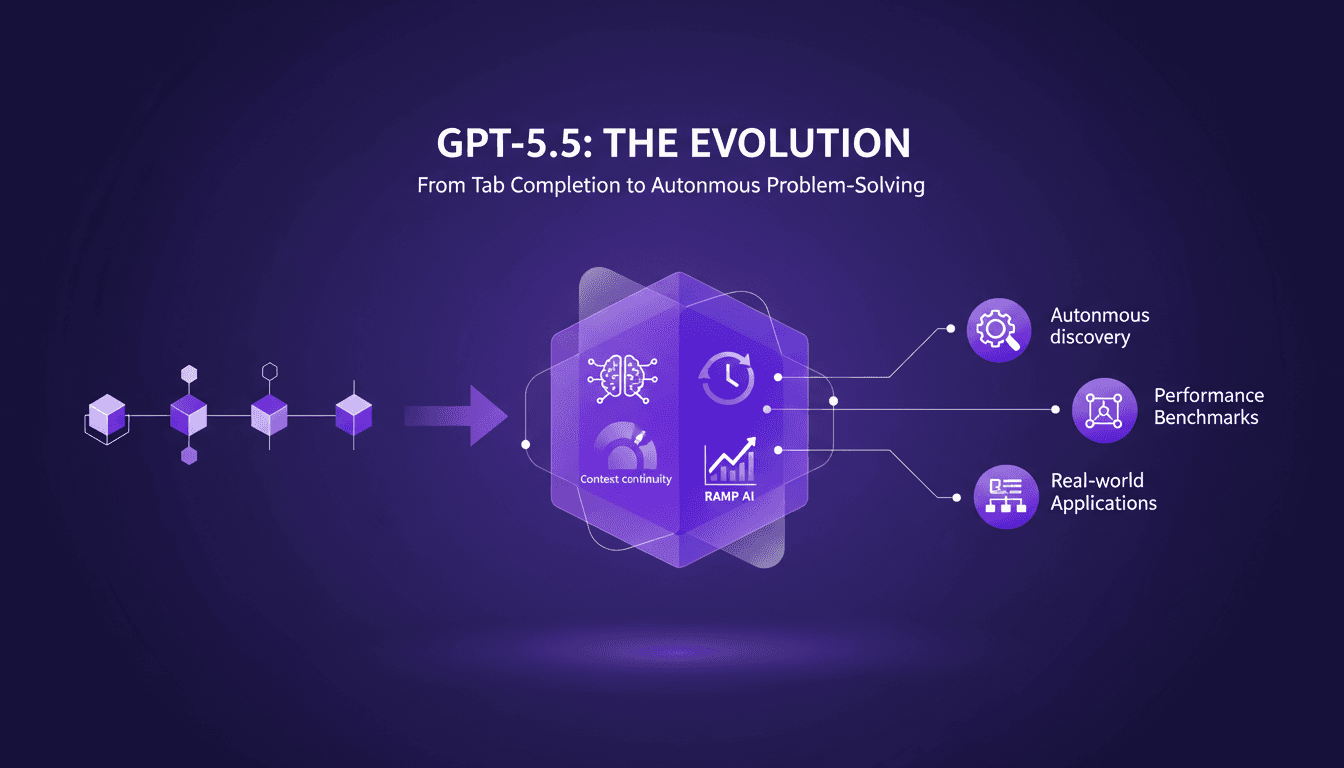
I've spent years tinkering with AI models, and when GPT-5.5 dropped, it felt like a new wrench in my workshop. Let me share my first impressions and how it's reshaping workflows. From basic tab completions to tackling ambiguous tasks, AI has come a long way. GPT-5.5 promises autonomous problem-solving and seamless context handling. I'll dive into how we're testing its performance at Ramp and its use in real-world applications.
First Steps with GPT-5.5: Boosting Efficiency
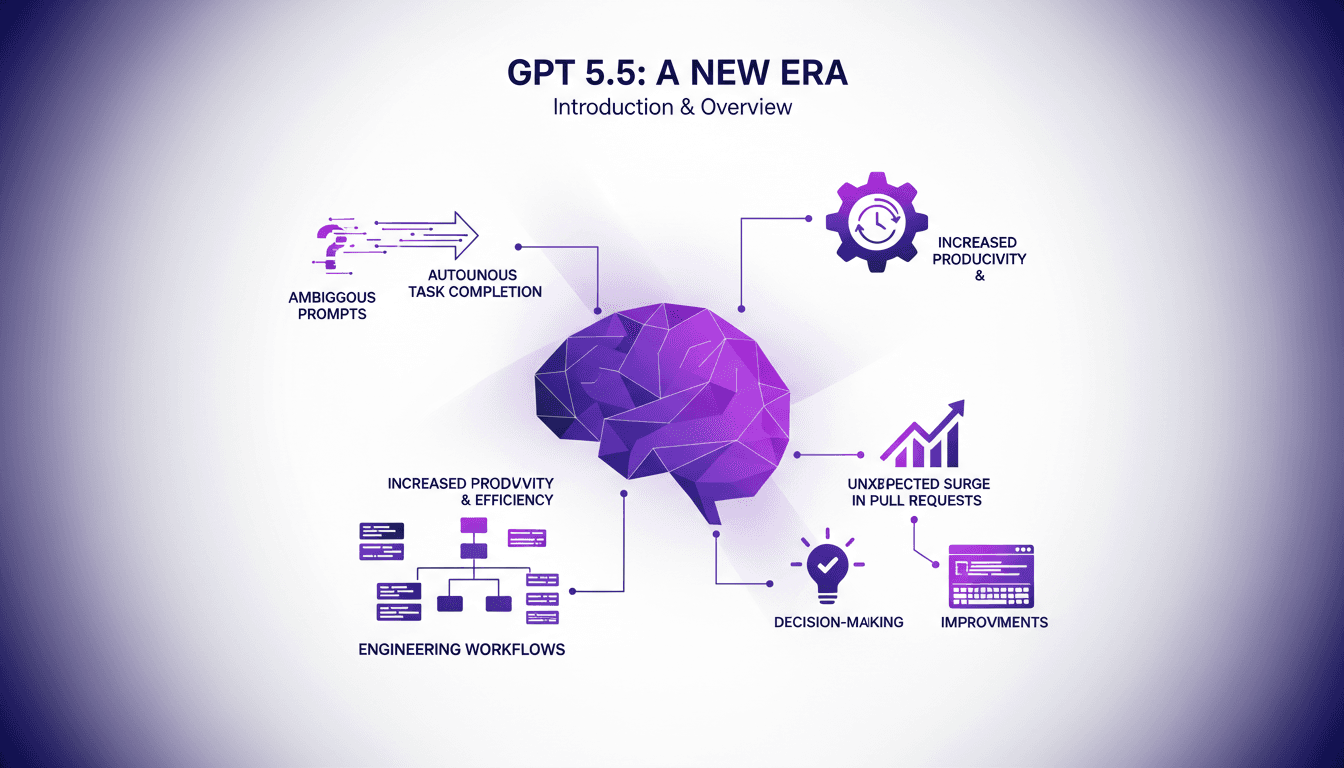
When I first integrated GPT-5.5 into my daily workflow, I wasn't just looking for a new tool—I was looking for a game changer. And let me tell you, it didn't disappoint. As an engineer, I'm always hunting for ways to streamline processes and boost productivity. GPT-5.5 promises to do just that by handling ambiguous prompts and autonomously completing tasks. Early tests showed increased efficiency, a direct impact on my engineering workflows, and noticeable improvements in decision-making and code writing. But watch out, the unexpected surge in pull requests caught me off guard. Here, I share my first impressions and how GPT-5.5 can transform our workways.
Why Software Fundamentals in AI Matter Now
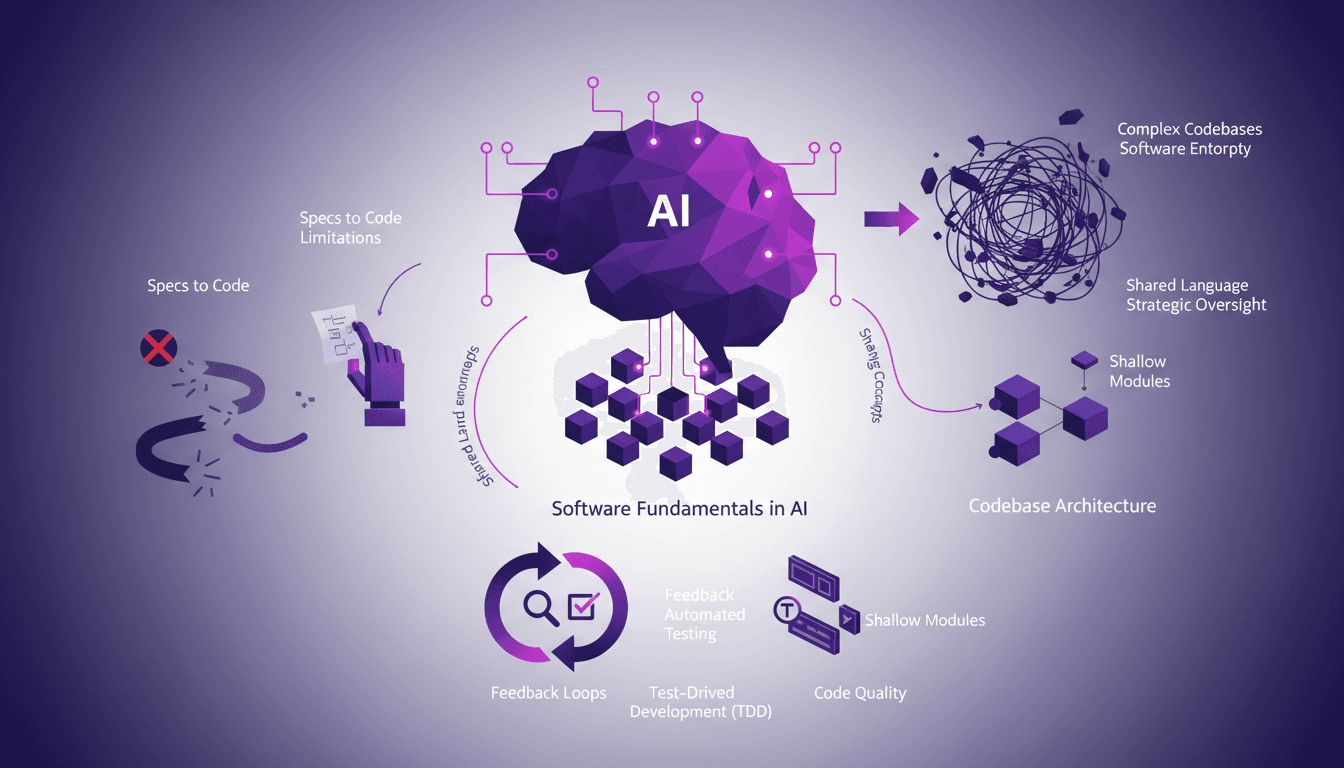
I've been deep in the trenches of AI development, and if there's one thing I've learned, it's that software fundamentals are not just nice-to-haves—they're game changers. In a world where AI evolves at breakneck speed, it's easy to get caught up in the latest trends and forget the core principles that keep everything running smoothly. This isn't about theory—it's about practical, battle-tested workflows that can save you time and headaches. We'll dive into why the 'specs to code' movement has its limitations, how to manage software entropy, and why shared concepts and strong feedback loops are vital. Test-Driven Development is my third tip and it's crucial for code quality. Let's demystify all this together.
Sell Property Fast: AI and Quick Cash
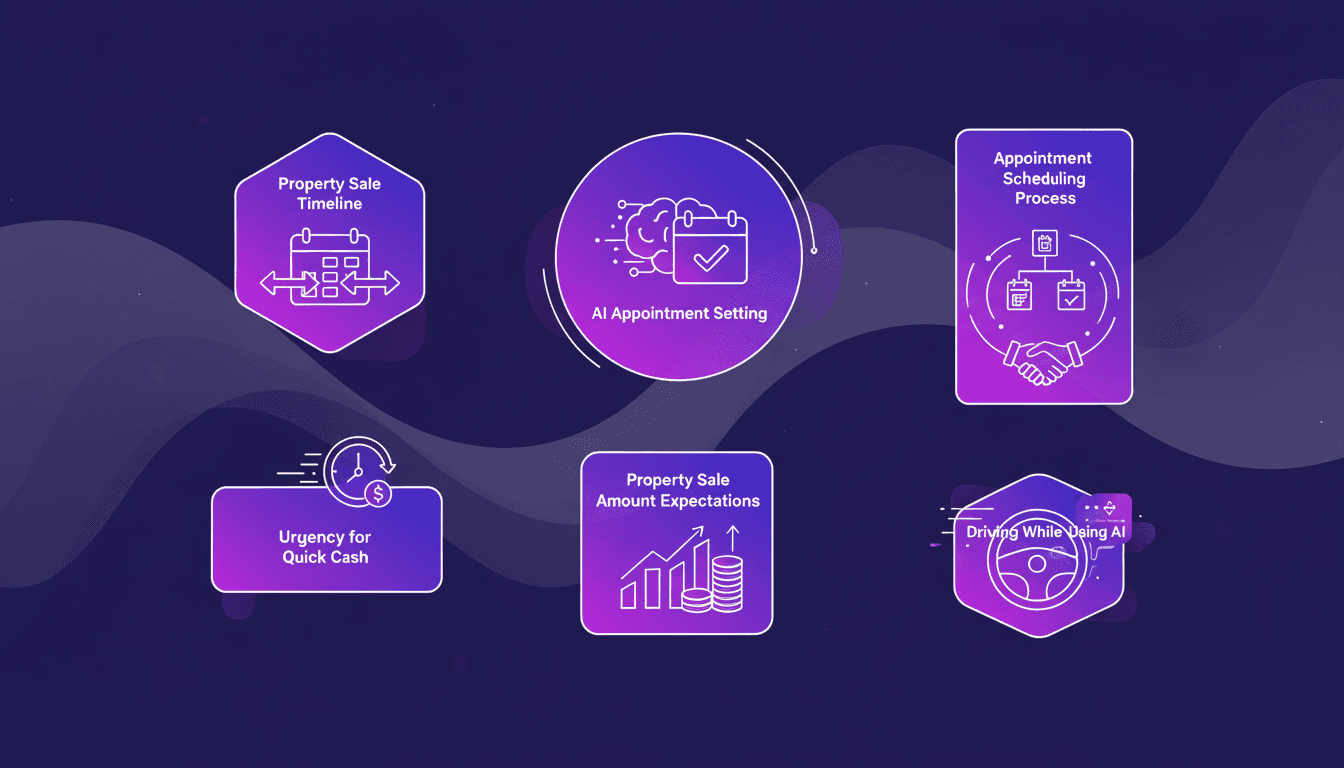
I've been in property sales for years, and when I first started using AI to schedule appointments while driving, it was a game changer. No theoretical talk here—just the real deal: I connect my tools and orchestrate tasks without losing track on the road. In a market where every second counts, AI becomes crucial for optimizing the sales process. But watch out, you need to balance quick cash urgencies and sale amount expectations. I'll show you how I sell property in a matter of weeks, aiming to walk away with a couple hundred thousand dollars.
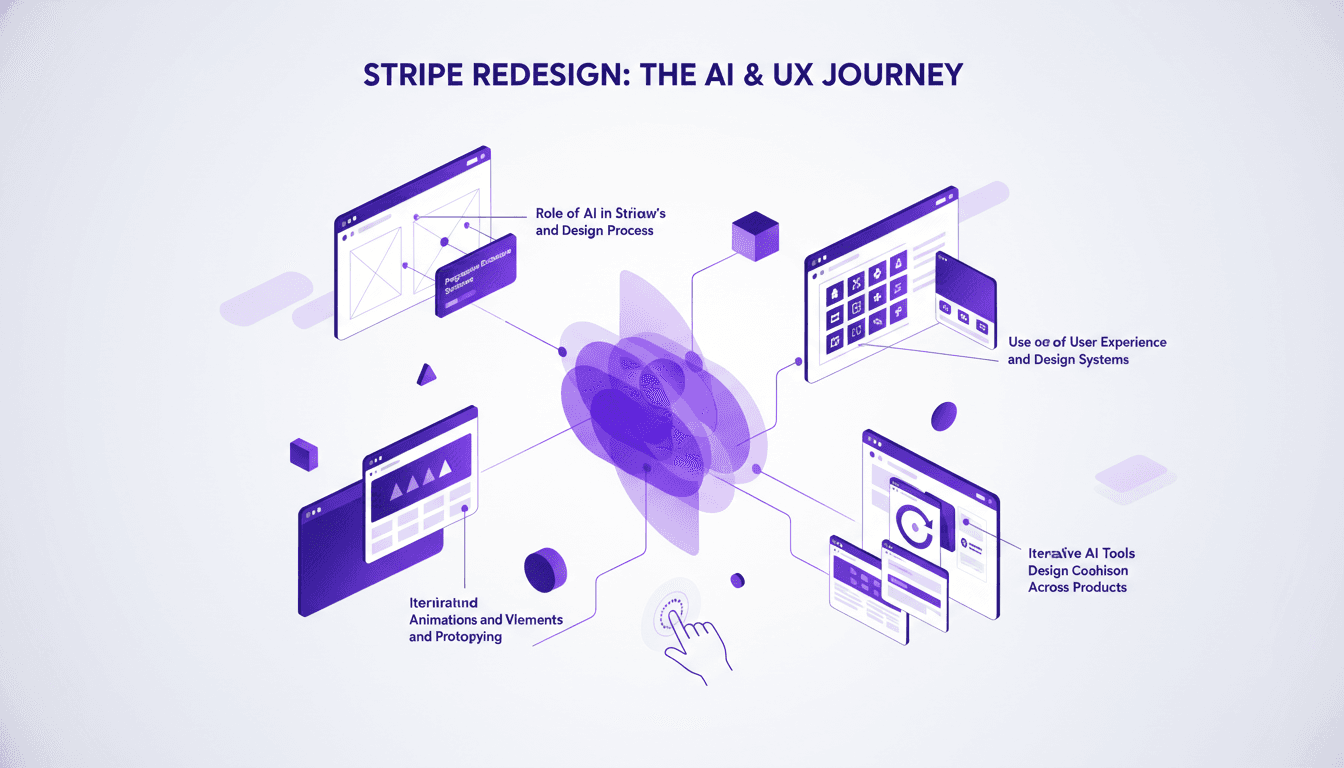
AI in Action: Transforming Stripe's Web Design
I spent over a year redesigning Stripe's homepage—a task that was more than just a facelift. It required rethinking our entire approach to web design. We leveraged AI, design systems, and user experience principles to craft a site that's both beautiful and functional. With 78% of the Forbes AI 50 using Stripe, the stakes were high. Let me walk you through how we orchestrated this transformation, using iterative design processes and prototyping while maintaining cohesion across our products. I'll also share the pitfalls to watch out for—I've been burned before. Ready to dive into the world of modern web design?