First Steps with GPT-5.5: Boosting Efficiency
When I first integrated GPT-5.5 into my daily workflow, I wasn't just looking for a new tool—I was looking for a game changer. And let me tell you, it didn't disappoint. As an engineer, I'm always hunting for ways to streamline processes and boost productivity. GPT-5.5 promises to do just that by handling ambiguous prompts and autonomously completing tasks. Early tests showed increased efficiency, a direct impact on my engineering workflows, and noticeable improvements in decision-making and code writing. But watch out, the unexpected surge in pull requests caught me off guard. Here, I share my first impressions and how GPT-5.5 can transform our workways.
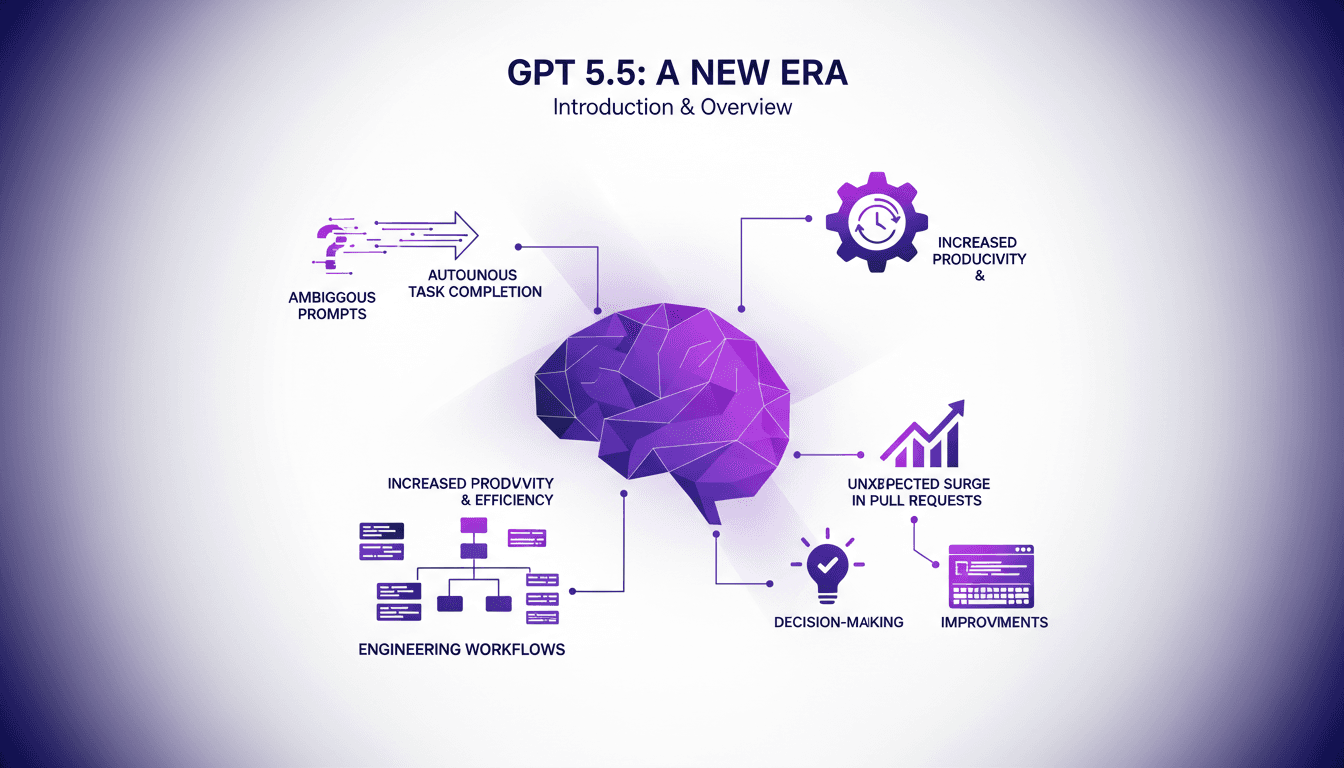
When I first integrated GPT-5.5 into my daily workflow, I wasn't just looking for a new tool—I was looking for a game changer. And let me tell you, it didn't disappoint. As an engineer, I'm always on the hunt for ways to streamline processes and enhance productivity. GPT-5.5 promises to do just that with its ability to handle ambiguous prompts and autonomously complete tasks. I initially connected my work environment with this model and within hours, I noticed a significant boost in efficiency. We're talking about processing ambiguous prompts, tasks being completed without me lifting a finger. It freed up my time to focus on strategic decisions and fine-tune critical lines of code. But watch out, the unexpected surge in pull requests caught me off guard. It was a surprise, but by adjusting my workflows, I orchestrated it differently. Here, I share my first impressions and how GPT-5.5 can transform our workways.
Understanding GPT-5.5: A New Era of AI
GPT-5.5 feels like shifting from a manual to an automatic car. Previously, prompts required surgical precision, but now, I throw in vague instructions, and it just works. Why? Because GPT-5.5 is designed to handle ambiguity. It's a game changer, really. I started by spinning up work trees for every pending project. The system is fast, responsive, and sees things through. And the multiple options for completing tasks are incredibly valuable.
Engineers, myself included, were impressed by this autonomy. Imagine organizing a complex task without detailing every step. My initial impressions? Expect productivity gains, and I'm not disappointed. I anticipated improvements but not to this extent.
Handling Ambiguity: Autonomous Task Completion
GPT-5.5 handles ambiguous prompts like a pro. This is where it truly stands out from previous versions. I tested this with a complex project, where the instructions were deliberately vague. What happened? It broke down the task, explored various possibilities, and executed autonomously. No babysitting required. This is a real asset for projects where requirements constantly evolve.
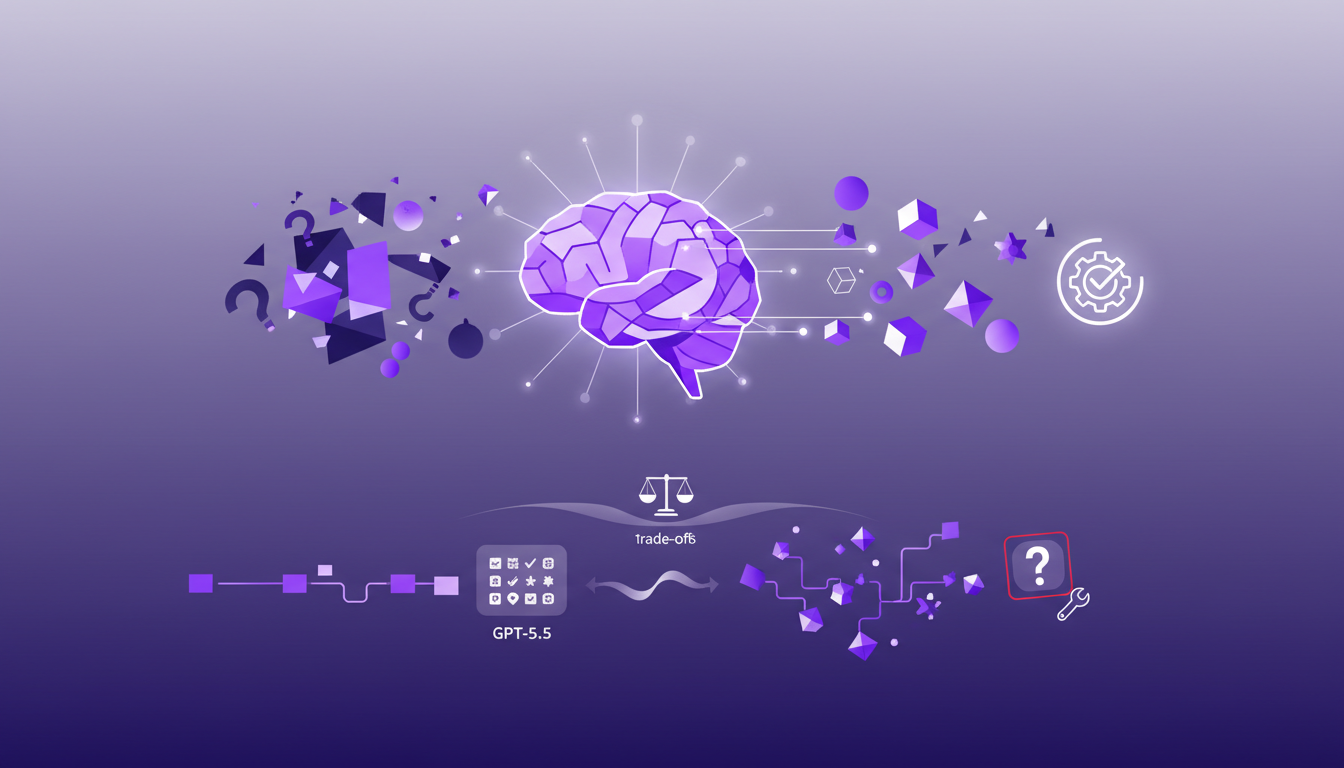
But watch out, autonomy has its limits. Sometimes it can lead to unexpected outcomes. I've had to adjust my workflows to maximize this feature. The secret? Set clear boundaries to prevent drift.
Boosting Productivity and Efficiency
In my projects, the impact on productivity metrics was immediate. GPT-5.5 cuts through the fat. Efficiency gains? Time and costs reduced, without compromising quality. I orchestrate tasks so they naturally flow. The AI handles everything, from details to complex executions.
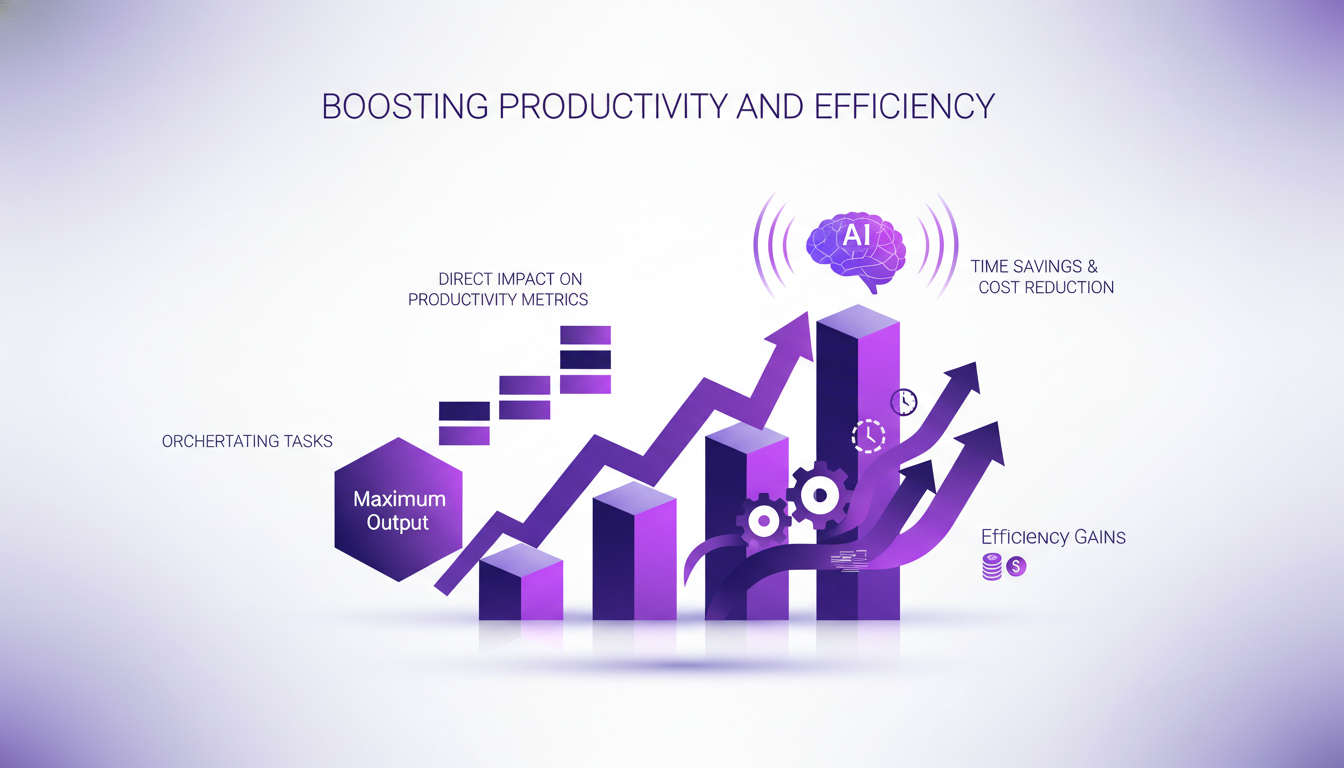
But don't overuse it. Too many autonomous tasks can sometimes create inconsistencies. I've learned to balance AI input with human oversight to ensure everything stays on track.
Engineering Workflows and Decision-Making
GPT-5.5 integrates seamlessly with existing workflows. I've tested it in several environments, and it clearly enhances decision-making. The code is more precise, and code reviews are smoother. It's an assistant that never sleeps, never makes tired mistakes.
But it's important to balance. AI doesn't replace human expertise. It enriches it. I've noticed that the best decisions come from combining both.
Unexpected Surge in Pull Requests: Managing the Change
Since adopting GPT-5.5, there's been a tsunami of pull requests. It's like the AI opened the floodgates. For the team, it's a game-changer. Work dynamics have evolved, along with the workload. I've had to implement strategies to manage this increase. For instance, prioritizing reviews and organizing regular feedback sessions.
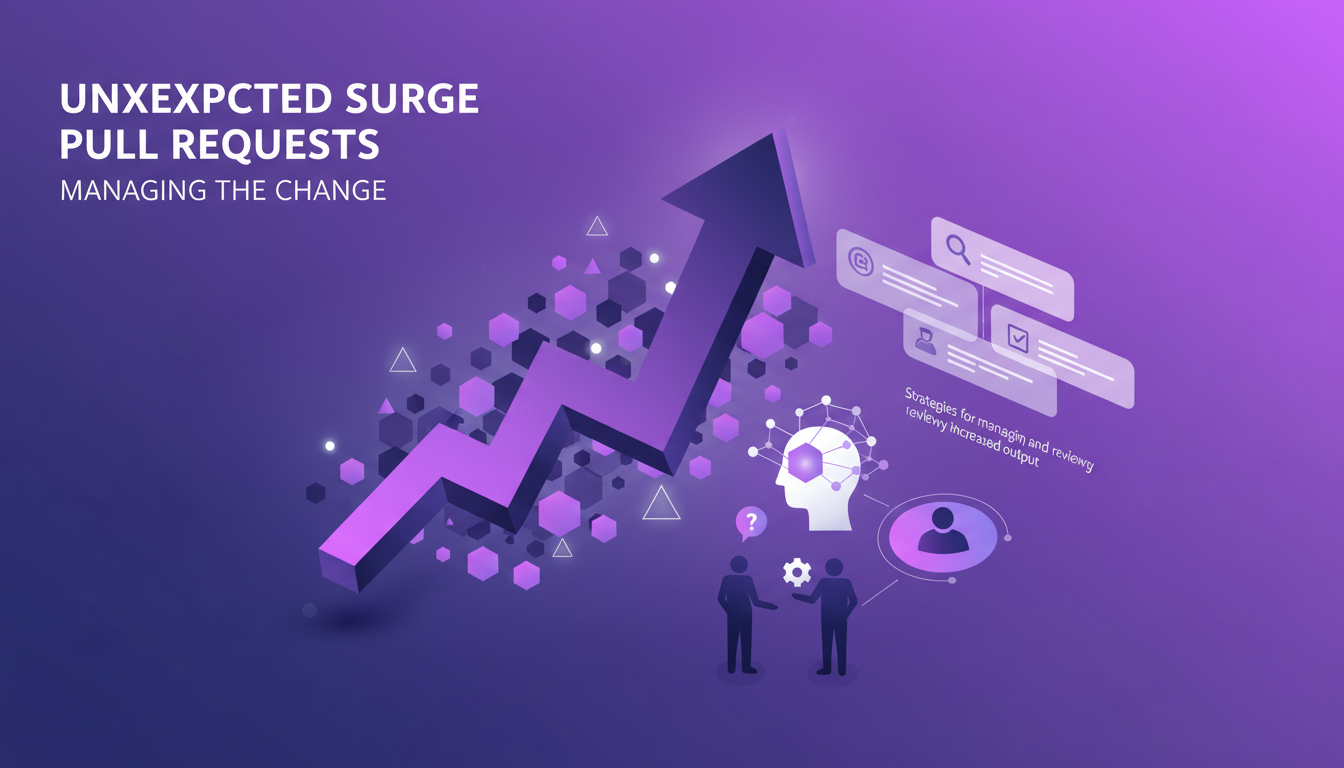
In the long term, this increased intelligence will improve codebase quality, but vigilance is key. Don't let quantity overwhelm quality.
With GPT-5.5, I've redefined my engineering workflows. First off, its ability to handle ambiguity turns vague prompts into autonomous tasks, which is a real game changer. Then, I've seen a raw boost in productivity and efficiency; response times are optimized, and that makes a difference in daily operations. But watch out, without a clear strategy, you might get lost in the multiple options it offers for each task.
🔹 GPT-5.5 handles ambiguous prompts effortlessly, boosting productivity. 🔹 Multiple options for every task, but clarity is key to avoid overload. 🔹 Real impact on engineering workflows, provided you approach it methodically.
Looking ahead, it's clear that tools like GPT-5.5 are here to stay and help us push the boundaries of engineering. So, if you're ready to elevate your processes, it's time to give GPT-5.5 a try. Don't hesitate to watch the original video for a deeper dive. Sometimes, an extra glance makes all the difference. [Video link: https://www.youtube.com/watch?v=nL0lKxZydOk]
Frequently Asked Questions

Thibault Le Balier
Co-fondateur & CTO
Coming from the tech startup ecosystem, Thibault has developed expertise in AI solution architecture that he now puts at the service of large companies (Atos, BNP Paribas, beta.gouv). He works on two axes: mastering AI deployments (local LLMs, MCP security) and optimizing inference costs (offloading, compression, token management).
Related Articles
Discover more articles on similar topics
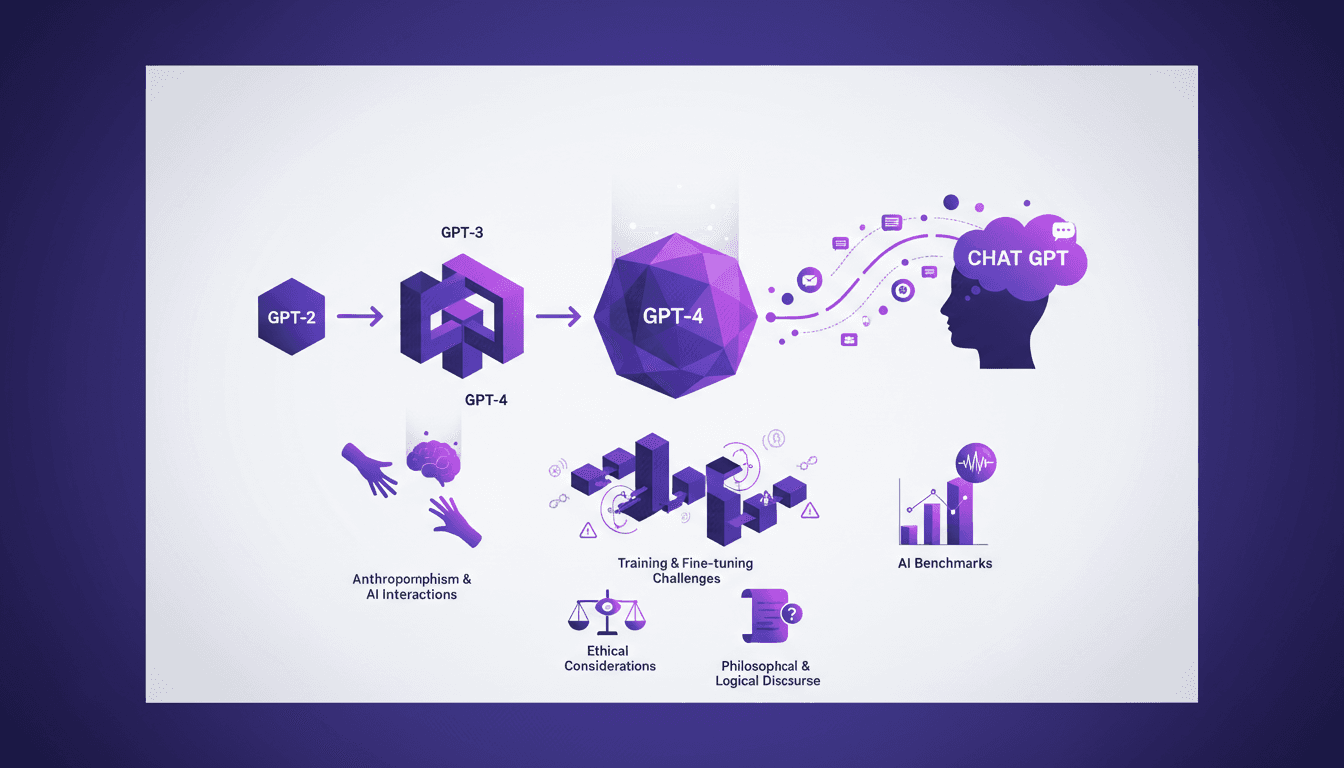
LLMs Evolution: 8 Years of AI Progress
I remember when GPT-2 first hit the scene. It was a game changer, but not without its quirks. Fast forward a few years, and we're knee-deep in LLMs that are reshaping our interaction with technology. So, let's dive into what these models are really about, what they can do, and where they might trip you up. From GPT-2 to GPT-4, these models have transformed text generation and public perception of AI. But with great power comes great complexity. We'll explore the evolution, training challenges, anthropomorphism, and ethical considerations, while dissecting the impact of LLMs on philosophical and logical discourse.
Get Hired via GitHub: My Personal Journey
I never filled out a single job application, yet here I am, hired through GitHub. Crazy, right? In the open source world, your contributions speak louder than a resume. GitHub isn't just a code repository; it's a platform to showcase your skills, connect with potential employers, and even get job offers without applying traditionally. I'll walk you through how I pulled it off by analyzing pull requests for opportunities and keeping a firm grip on my identity and work. Watch out—using agents can be tricky in your job search. And speaking the language of reviewers is key. I'll share my missteps, my wins, and how to navigate the challenges of open source contributions.
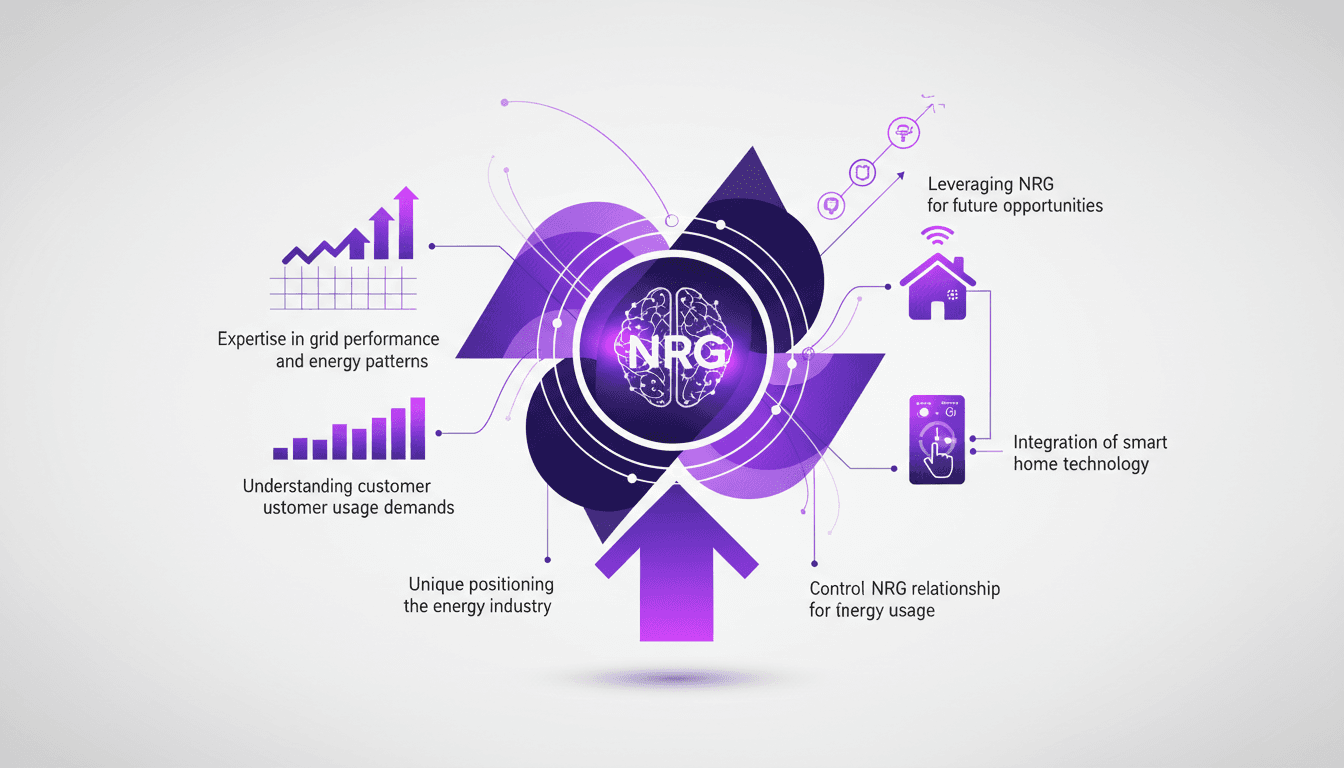
Integrating AI in Energy: My NRG Experience
Joining the NRG family wasn't just a career move; it was like stepping into a new era of energy innovation. I connect our AI expertise directly to grid performance, and every day, I'm hands-on with smart home tech that reshapes how we think about energy. In this article, I'll walk you through how we've leveraged our position within NRG to enhance grid performance, understand energy patterns, and meet evolving customer demands, all while integrating cutting-edge smart home technology. We'll discuss the impact of our acquisition by NRG, our expertise in grid performance and energy patterns, and our unique positioning in the energy industry. This exploration will give you insight into our true competitive edge and how we're setting the stage for future opportunities.
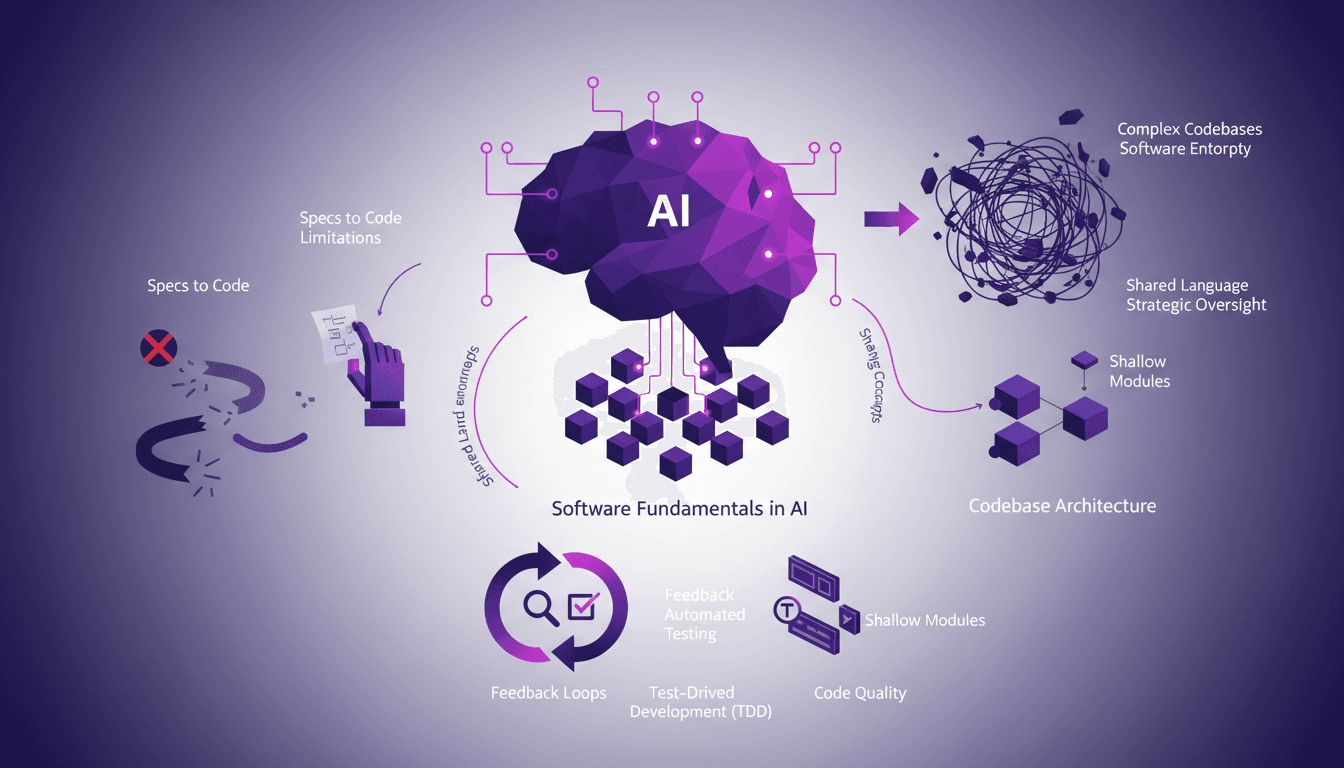
Why Software Fundamentals in AI Matter Now
I've been deep in the trenches of AI development, and if there's one thing I've learned, it's that software fundamentals are not just nice-to-haves—they're game changers. In a world where AI evolves at breakneck speed, it's easy to get caught up in the latest trends and forget the core principles that keep everything running smoothly. This isn't about theory—it's about practical, battle-tested workflows that can save you time and headaches. We'll dive into why the 'specs to code' movement has its limitations, how to manage software entropy, and why shared concepts and strong feedback loops are vital. Test-Driven Development is my third tip and it's crucial for code quality. Let's demystify all this together.
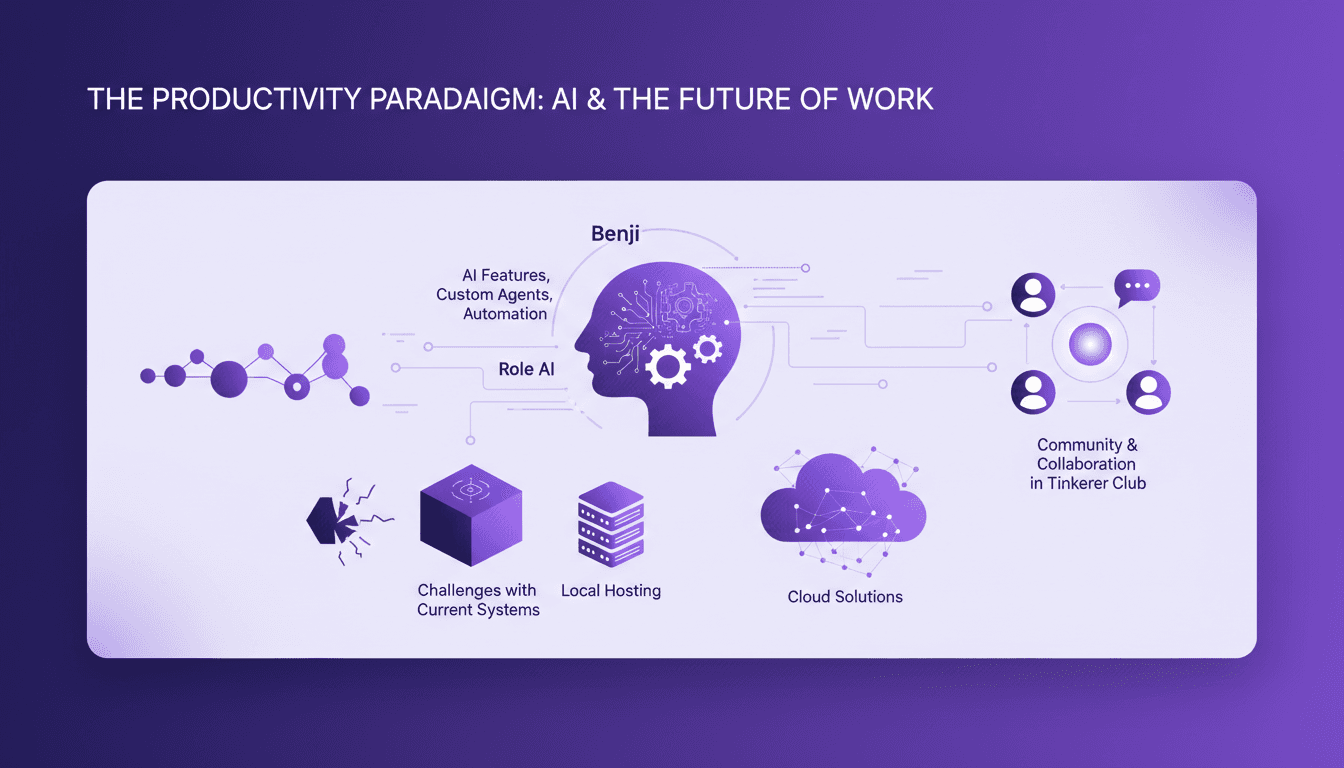
End of Apps: Evolution with Benji and AI
I've been obsessed with productivity tools since I was 10. Fast forward to today, I'm 34 and still chasing the perfect system. I built Benji to simplify and redefine how we work. This isn't just another app—it's a new approach to productivity that challenges the very concept of apps. Benji incorporates AI, local hosting, and custom agents to automate our workflows. The challenges with current systems are plenty, but by approaching them differently, we can maximize efficiency. Join me as we explore how Benji and the Tinkerer Club community are making a difference.